
Finding the right insulation for your Victorian home or renovation can feel overwhelming, especially when you're weighing up where to buy and which product suits your needs. Many homeowners start their search at Bunnings, Australia's most recognised hardware chain, where bunnings earthwool insulation appears as a popular glasswool option. But is it your best choice? This guide breaks down what Earthwool is, what's available at Bunnings, how it compares to other options, and what you should know before making your purchase in 2026.
What Is Earthwool Insulation?
Earthwool is a premium glasswool insulation range manufactured by Knauf, one of the world's largest insulation producers. Unlike traditional glasswool products, Earthwool is made using advanced ECOSE® Technology, a bio-based binder that replaces the formaldehyde resins used in older manufacturing processes.
The result is insulation that's softer to touch, produces less dust, and has no added formaldehyde. This makes installation more comfortable and healthier for DIY renovators and professional installers alike.
Key Benefits of Earthwool Technology
- Thermal performance: Available in R-values from R1.8 to R6.0, covering all Australian climate zones
- Acoustic control: Excellent sound absorption properties reduce noise transfer between rooms
- Non-combustible: Glasswool won't burn and helps meet fire safety requirements
- Sustainable manufacturing: Lower embodied energy compared to conventional glasswool
- Long lifespan: Won't sag, settle or degrade over decades
According to Knauf's product documentation, Earthwool meets Australian and New Zealand standards for thermal insulation materials and carries verified environmental credentials. The Environmental Product Declaration provides transparent lifecycle impact data for specifiers and environmentally conscious homeowners.
Bunnings Earthwool Insulation Range and Availability
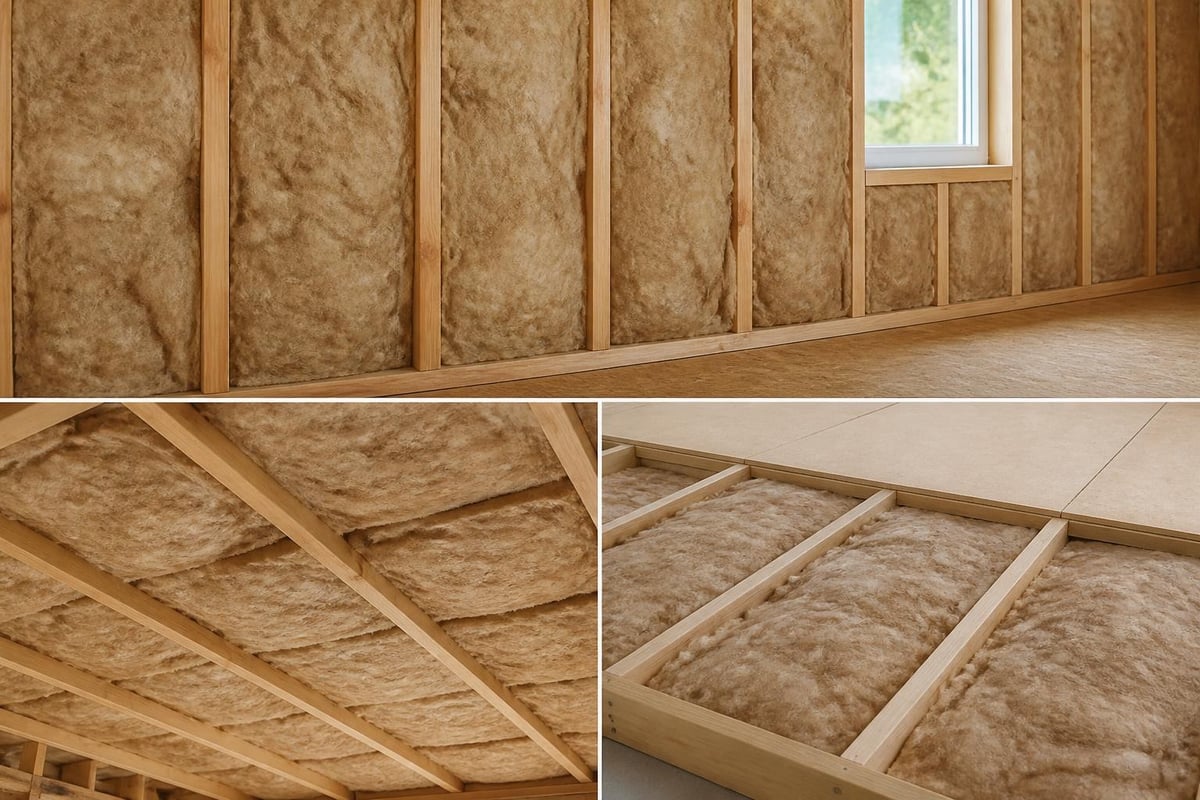
As of 2026, Bunnings stocks a selection of bunnings earthwool insulation products primarily focused on common residential applications. Availability varies significantly by store, with larger metropolitan Bunnings locations typically carrying more options than regional outlets.
What You'll Typically Find at Bunnings
| Product Type | Common R-Values | Typical Dimensions | Best For |
|---|---|---|---|
| Ceiling batts | R2.5, R3.5, R4.0 | 90-165mm thick, 430mm wide | Standard ceiling cavities |
| Wall batts | R1.8, R2.5 | 90mm thick, 430mm or 580mm wide | Timber frame walls |
| Sound Shield acoustic batts | R2.0, R2.7 | 70-90mm thick, various widths | Walls requiring noise control |
Bunnings earthwool insulation is usually sold in packs covering between 5 and 10 square metres, which suits smaller DIY projects but can be limiting for whole-home renovations. Stock levels fluctuate, particularly during peak building seasons in spring and autumn.
Pricing at Bunnings tends to be competitive for small quantities but doesn't typically offer volume discounts. You'll pay full retail, and the range is limited to the most common configurations.
What's Usually Not Available at Bunnings
- High-density acoustic solutions like R4.0 Sound Shield
- Specialty products such as DriTherm cavity wall insulation
- Earthwool blanket rolls for roof insulation
- Underfloor-specific glasswool batts
- Commercial or high-performance thermal ratings
For these products, specialist insulation suppliers like Insulation Supplies Australia offer wider selection, expert guidance, and competitive pricing even on larger orders.
How Bunnings Earthwool Insulation Compares to Other Options
When evaluating bunnings earthwool insulation, it's helpful to understand how it stacks up against both alternative products and alternative suppliers.
Product Performance Comparison
Earthwool glasswool performs exceptionally well thermally and acoustically compared to other common insulation materials available in Victoria:
- Polyester batts: Similar thermal performance but less effective for sound control; easier to handle but can be less durable
- Natural wool batts: Premium option with excellent thermal and acoustic performance; higher cost and can retain moisture if not protected
- Bulk insulation alternatives: Cellulose and polyester generally offer comparable R-values per dollar
The AS/NZS 4859.1:2018 standard governs how R-values are tested and labelled in Australia, ensuring all compliant products deliver their stated thermal performance regardless of material type.
Health and Safety Considerations
One advantage of Earthwool over conventional glasswool is the ECOSE® binder system. Traditional glasswool used formaldehyde-based resins, which could off-gas during installation. Earthwool eliminates this concern entirely.
The IARC classification of man-made vitreous fibres confirms that modern glasswool insulation, when manufactured without certain biopersistent fibres, is not classified as a carcinogen. Earthwool meets these safety standards.
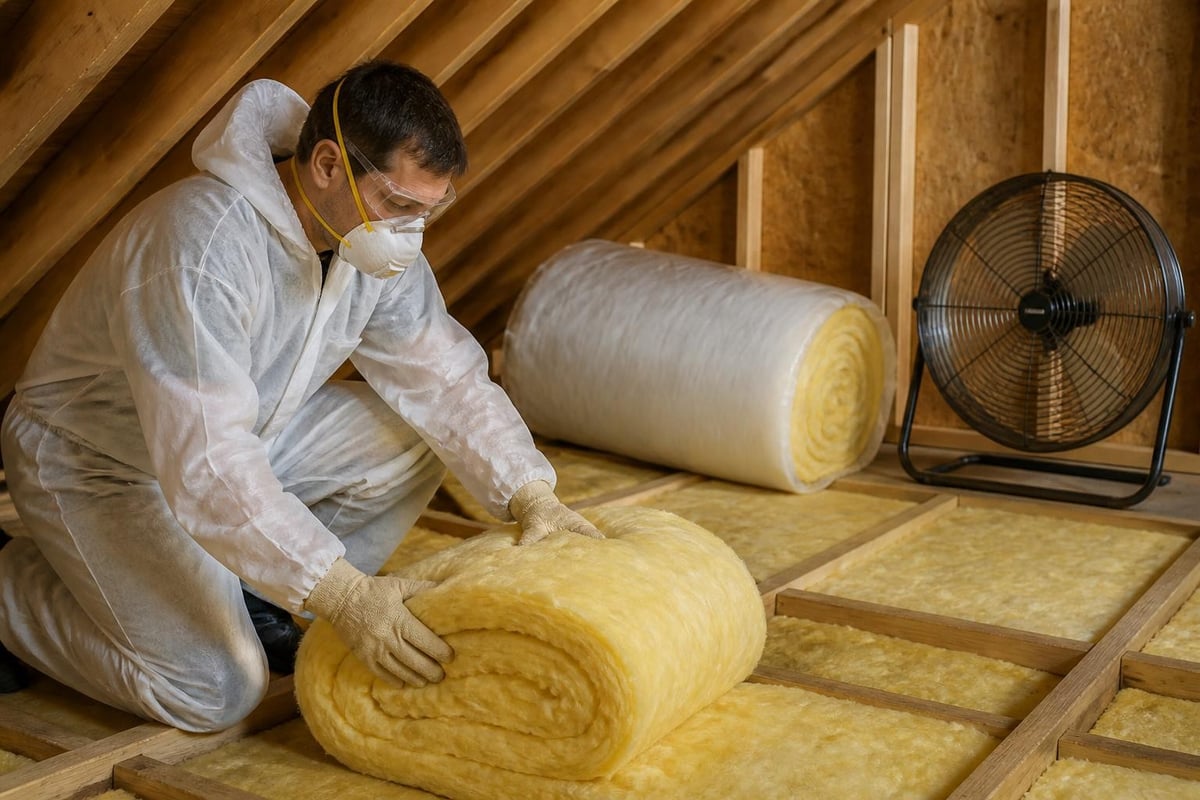
That said, any glasswool product generates some airborne fibres during cutting and installation. Always wear:
- Long sleeves and trousers
- Dust mask or respirator (P2 rated minimum)
- Safety glasses
- Gloves
Installing Bunnings Earthwool Insulation: DIY Essentials
One reason bunnings earthwool insulation appeals to DIYers is its ease of installation. Knauf provides detailed installation guidance for walls and other applications, making it accessible even for first-time renovators.
Step-by-Step Installation Process
- Measure your cavity depth and stud spacing to confirm the correct batt thickness and width
- Order 5-10% extra material to account for cutting waste and odd-sized cavities
- Prepare your workspace with good ventilation and clear access
- Wear appropriate PPE before opening packaging
- Friction-fit batts between studs or joists, cutting to size with a long-blade knife or insulation saw
- Ensure full coverage without compressing the insulation, as compression reduces R-value
- Work around electrical cables and fixtures, maintaining required clearances
- Seal gaps and penetrations with appropriate materials to prevent thermal bypasses
For ceiling installations, you'll need safe roof access and proper lighting. Never stand directly on ceiling joists; use boards or walking platforms to distribute weight.
If you're insulating walls, remember that bunnings earthwool insulation should be installed before cladding or plasterboard goes up. Planning your sequence of works matters.
Common Installation Mistakes to Avoid
- Compressing batts to fit: This destroys thermal performance. Use the correct thickness for your cavity depth.
- Leaving gaps around batts: Even small gaps drastically reduce effective R-value. Friction-fit snugly.
- Installing over downlights without clearance: Non-IC-rated downlights require 200mm clearance from glasswool.
- Forgetting vapour barriers in wet areas: Bathrooms and laundries may need additional moisture protection.
Beyond Bunnings: Getting the Right Insulation for Your Project
While bunnings earthwool insulation serves many homeowners well for straightforward projects, it's not always the most practical or economical choice. Here's when you might want to explore alternatives.
When Bunnings Works Well
- Small projects: Insulating a single room, garage, or shed
- Immediate need: Last-minute materials when stores are open
- Preference for in-person shopping: Seeing and touching products before buying
- Bundling with other building supplies: Getting everything in one trip
When a Specialist Supplier Makes More Sense
- Whole-home insulation: Volume purchasing saves significantly on larger orders
- Hard-to-find specifications: High R-values, specific widths, or specialty applications
- Expert guidance needed: Understanding climate zones, building codes, or product selection
- Delivery to site: Avoiding multiple car trips for bulky materials
- Acoustic performance priority: Access to premium sound-rated products
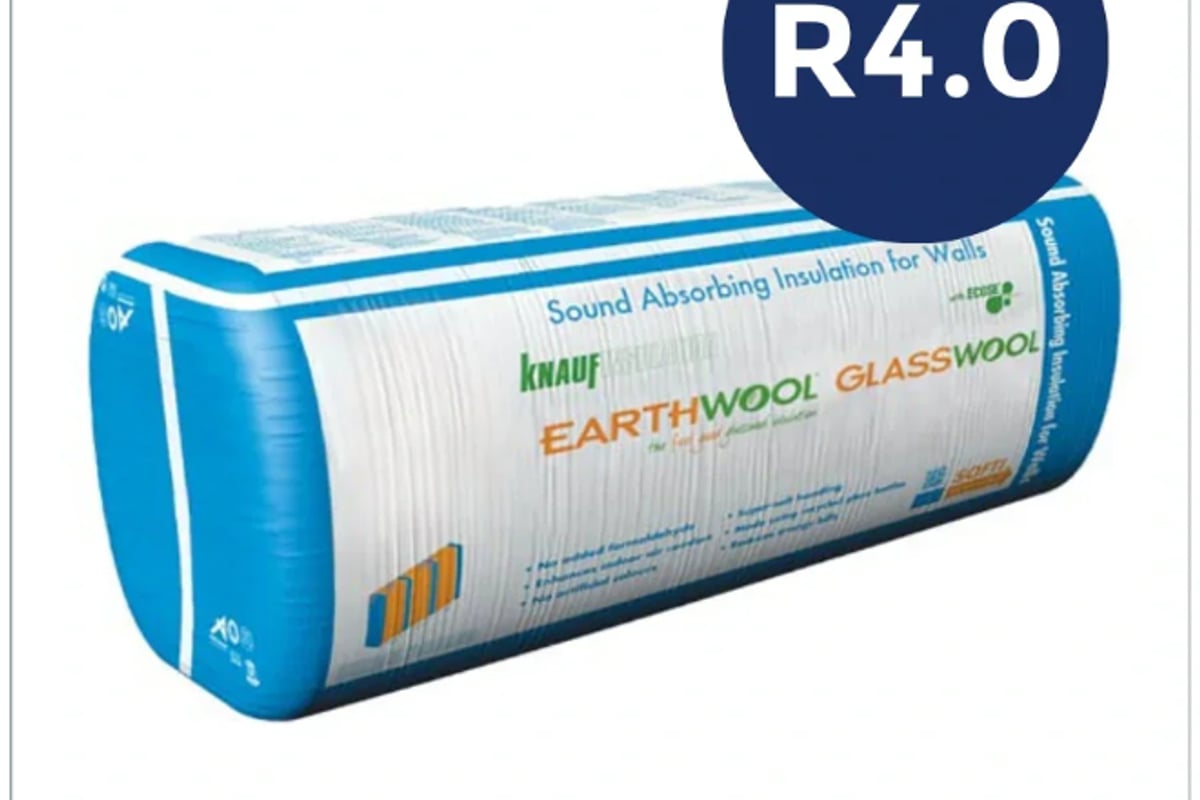
Specialists like Insulation Supplies Australia carry the full Earthwool range, including products rarely found at Bunnings. For example, the Earthwool Sound Shield R4.0 delivers exceptional acoustic performance in high-density wall applications. This product is engineered specifically for noise control in multi-residential buildings, home theatres, and music rooms where standard batts simply don't cut through.
Price Comparison: Bunnings vs. Specialist Suppliers
| Consideration | Bunnings | Specialist Supplier |
|---|---|---|
| Small pack pricing | Competitive | Similar or slightly higher |
| Bulk pricing | Limited discounts | Significant savings on volume |
| Product range | Basic residential options | Complete range including specialty products |
| Technical support | General hardware advice | Insulation-specific expertise |
| Delivery | Collection only or paid delivery | Often included or low-cost for larger orders |
| Returns | Standard Bunnings policy | Product-specific policies |
For a typical 150m² ceiling insulation project in Melbourne, the difference between buying retail packs at Bunnings and ordering bulk from a specialist could save several hundred dollars, plus deliver your materials directly to site.
Earthwool Performance in Victoria's Climate
Victoria spans multiple climate zones, from the mild coastal regions around Melbourne (Zone 6) to the colder alpine areas (Zone 7) and warmer inland zones (Zone 4-5). Choosing the right R-value matters significantly for both comfort and energy efficiency.
Recommended R-Values for Victoria
The National Construction Code sets minimum requirements, but best practice often exceeds these minimums:
- Ceilings: Minimum R4.0 in metro Melbourne; R5.0 or higher in alpine regions
- Walls: Minimum R1.8-R2.5 depending on zone; R2.5 recommended for better performance
- Floors: R1.0-R2.0 minimum; higher values for elevated homes or cold climate zones
Bunnings earthwool insulation typically covers the minimum requirements for most Victorian applications, but if you're aiming for high energy efficiency or passive house standards, you may need premium products or thicker installations.
For detailed climate zone information specific to your Victorian location, check out our guide on climate zones in Australia.
Understanding R-Values and Thermal Performance
R-value measures thermal resistance, the insulation's ability to resist heat flow. Higher R-values mean better insulation performance.
But here's what many homeowners don't realise: installed R-value often differs from product R-value. Gaps, compression, thermal bridging through framing, and poor installation technique all reduce real-world performance.
Factors That Affect Real-World R-Value
- Installation quality: Gaps as small as 5% can reduce effective R-value by 25% or more
- Moisture: Wet insulation loses most of its thermal resistance
- Compression: Squashing R4.0 batts into a 90mm cavity might deliver R2.5 performance
- Thermal bridging: Timber or steel framing conducts heat, bypassing insulation
This is why proper installation matters as much as buying the right product. You can purchase premium bunnings earthwool insulation and still underperform if it's not installed correctly.
If you're working on wall insulation specifically, our detailed guide on wall insulation in Melbourne covers best practices for maximising thermal performance while addressing acoustic needs.
Acoustic Performance: When Sound Control Matters
While bunnings earthwool insulation provides some acoustic benefit simply by filling wall and ceiling cavities, not all Earthwool products are equal for sound control.
Standard thermal batts reduce airborne noise moderately. Earthwool Sound Shield products are purpose-engineered with higher density (18-24 kg/m³ vs. 11-14 kg/m³) to absorb significantly more sound energy.
Applications Where Acoustic Performance Is Critical
- Between bedrooms and living areas: Maintaining privacy and sleep quality
- Home offices: Reducing noise from the rest of the house during video calls
- Media rooms: Preventing sound leakage to other spaces
- Adjoining townhouses or units: Meeting acoustic building requirements
For these applications, choosing the right product specification matters more than price. A few dollars extra per square metre for proper acoustic batts delivers measurably better results.
Sustainability and Environmental Credentials
If environmental impact matters to your buying decision, Earthwool offers some advantages over conventional insulation options.
Environmental Benefits of Earthwool
- Bio-based binder: ECOSE® Technology uses rapidly renewable plant-based materials instead of petroleum-derived chemicals
- Recycled content: Up to 80% recycled glass in the product composition
- Lower embodied energy: Manufacturing process requires less energy than some alternatives
- Durability: Long product life means fewer replacement cycles
- Recyclability: Glasswool can be recycled at end of life
The verified Environmental Product Declaration provides third-party verified data on environmental impacts including global warming potential, resource depletion, and manufacturing emissions.
Natural insulation alternatives like sheep's wool can offer even lower embodied energy in some cases. Our guide to natural insulation in Melbourne explores these options in depth for homeowners prioritising sustainability.
Alternative Insulation Products to Consider
Bunnings earthwool insulation isn't the only option for Victorian homes. Depending on your specific application, budget, and performance requirements, you might consider:
Thermal Alternatives
- Polyester batts: Hypoallergenic, easier to handle, good for DIY; slightly less effective acoustically
- Bulk cellulose: Excellent for retrofitting existing ceilings; requires professional installation
- Rigid foam boards: Higher R-value per millimetre; ideal for space-constrained applications
Acoustic Specialists
If noise control is your primary concern, dedicated acoustic products outperform general-purpose thermal batts. Sound insulation for walls and ceilings requires understanding both absorption (within cavities) and isolation (between surfaces).
Underfloor Solutions
While Earthwool ceiling and wall batts dominate the bunnings earthwool insulation range, underfloor applications often need different products entirely. Underfloor spaces face moisture, vermin, and access challenges that standard batts don't address well.
For suspended timber floors common in older Victorian homes, purpose-designed underfloor insulation products like foil-faced batts or reflective barriers deliver better long-term performance.
Making Your Insulation Investment Work
Whether you purchase bunnings earthwool insulation or source from a specialist supplier, getting value from your investment requires smart planning.
Maximising Return on Investment
- Prioritise ceilings first: This is where you lose the most heat in winter and gain the most in summer
- Seal air leaks before insulating: Gaps around doors, windows, and penetrations waste energy
- Consider whole-of-house approach: Piecemeal insulation upgrades deliver diminishing returns
- Match R-value to climate: Over-specifying wastes money; under-specifying wastes energy
- Install properly: Poor installation destroys performance regardless of product quality
For comprehensive information on getting ceiling insulation right, check out our guide to best ceiling insulation in Melbourne.
Final Considerations Before You Buy
Before heading to Bunnings or ordering online, run through this final checklist:
Pre-Purchase Questions to Answer
- What's the actual cavity depth? Measure, don't assume. Standard stud walls vary from 70mm to 90mm or more.
- What's the stud spacing? Australian standard is 450mm or 600mm centres, but older homes vary.
- Do you need acoustic performance? Standard thermal batts and acoustic-rated products are different.
- What R-value does your climate zone require? Check NCC requirements and consider exceeding minimums.
- How much do you actually need? Calculate square metreage accurately, add 10% for waste.
- Can you collect, or do you need delivery? Bulk insulation is awkward to transport.
- Do you have the right safety equipment? PPE is non-negotiable for glasswool installation.
Where to Get Expert Advice
While Bunnings staff can help with basic product questions, insulation-specific expertise often requires a specialist. Getting the wrong product, wrong R-value, or wrong installation approach costs far more than the price difference between suppliers.
For Knauf Earthwool products specifically, understanding the full Earthwool range and applications helps you choose the optimal solution rather than settling for what's in stock.
Smart Shopping: Comparing Options and Suppliers
In 2026, informed homeowners compare both products and suppliers before committing to a purchase. While bunnings earthwool insulation offers convenience, it's worth evaluating whether that convenience comes at the cost of project success.
What to Compare Across Suppliers
- Total delivered price: Include transport and handling in your comparison
- Product availability: Can you get exactly what you need, or compromise with what's in stock?
- Technical support: Does the supplier understand your application and recommend appropriately?
- Return policy: What happens if you over-order or choose the wrong specification?
- Lead time: When do you need materials on site?
For larger projects or specialised applications, direct ordering from Insulation Supplies Australia often delivers better overall value even if individual pack pricing seems similar to retail. Bulk discounts, delivery to site, expert product selection guidance, and access to the full range make a real difference to project outcomes.
Understanding how to install insulation properly matters as much as where you buy it, and specialist suppliers typically provide better installation resources and support than general hardware chains.
Bunnings earthwool insulation serves many Australian homeowners well for small projects and immediate needs, but it's not the only option worth considering for your Victorian home. Understanding product specifications, installation requirements, and where different suppliers add value helps you make the right choice for your specific project. Whether you're insulating a single room or renovating an entire home, Insulation Supplies Australia offers expert guidance, competitive pricing on the full Earthwool range, and fast delivery across Victoria. Explore our complete insulation range today to find the right solution for your needs.