

If you've ever walked across a cold floor on a winter morning, you know how uncomfortable it feels. That chill coming up through your floorboards isn't just unpleasant, it's also costing you money on heating bills and making your home harder to keep warm. Underfloor insulation is one of the most overlooked yet effective ways to improve comfort and energy efficiency in Australian homes, particularly in Victoria where cold weather can make uninsulated floors a real problem. Whether you're renovating an older home with suspended timber floors or building new, understanding your underfloor insulation options will help you create a warmer, more comfortable living space while reducing your energy costs.
Why Underfloor Insulation Matters in Australian Homes
Most homeowners focus on ceiling and wall insulation, but floors can account for up to 20% of heat loss in a home. This is especially true for houses built on stumps or piers with a suspended timber floor system.
Without proper insulation beneath your floors, warm air escapes downward during winter while cold draughts rise up through gaps in floorboards. The result is uncomfortable rooms, higher heating bills, and wasted energy.
Key benefits of underfloor insulation include:
- Reduced heat loss through floors by up to 90%
- Lower heating and cooling costs year-round
- Improved thermal comfort and reduced cold spots
- Better moisture control beneath the floor
- Enhanced acoustic performance between levels
According to the Centre for Sustainable Energy, proper floor insulation can save households hundreds of dollars annually on energy bills while significantly improving comfort levels.
Understanding Different Underfloor Insulation Types
Choosing the right underfloor insulation depends on your floor type, budget, climate zone, and installation method. The U.S. Department of Energy outlines various insulation types that apply to Australian conditions, though local products and standards differ.
Glasswool Batts for Suspended Floors
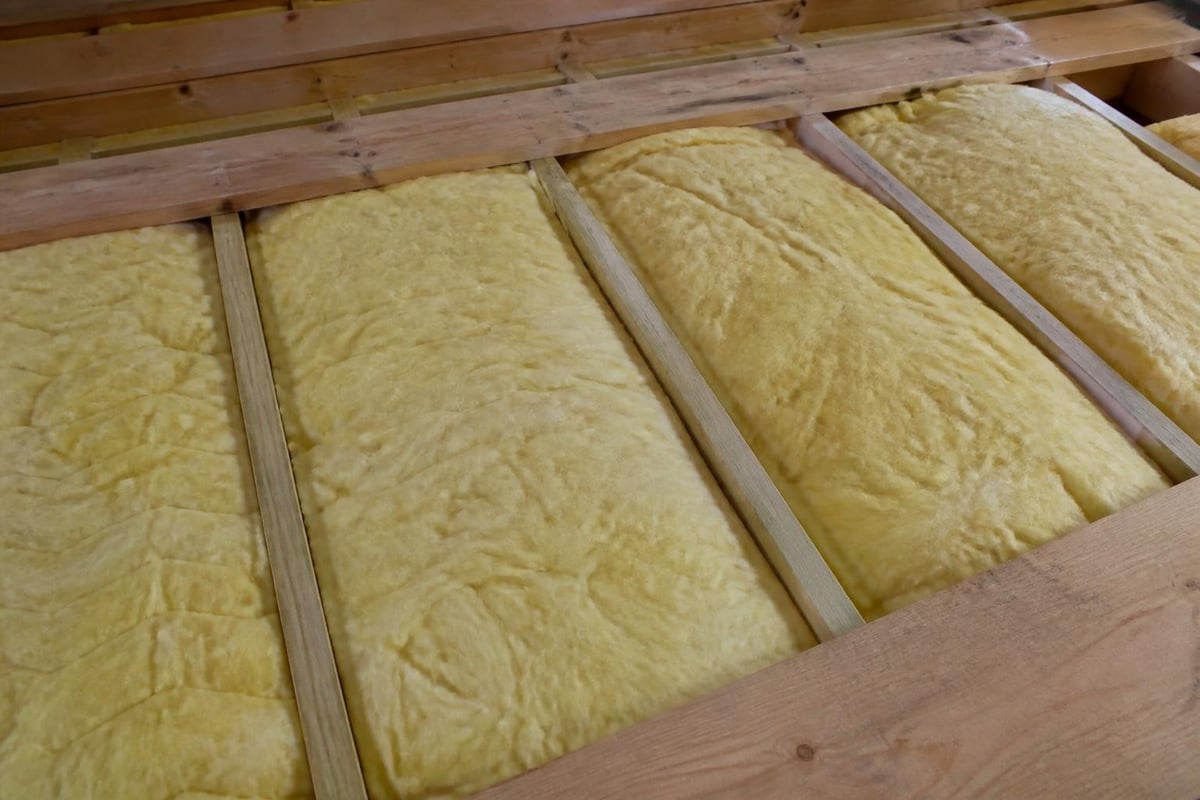
Glasswool batts are specifically designed for underfloor applications in suspended timber floor systems. These products fit snugly between floor joists and provide excellent thermal resistance.
They're manufactured to precise dimensions that match standard Australian joist spacing (typically 450mm centres). Installation is straightforward for DIY renovators who can access the subfloor area.
Modern glasswool products use advanced manufacturing technology that makes them softer to handle and less dusty than older insulation products.
Reflective Foil and Draught Barriers
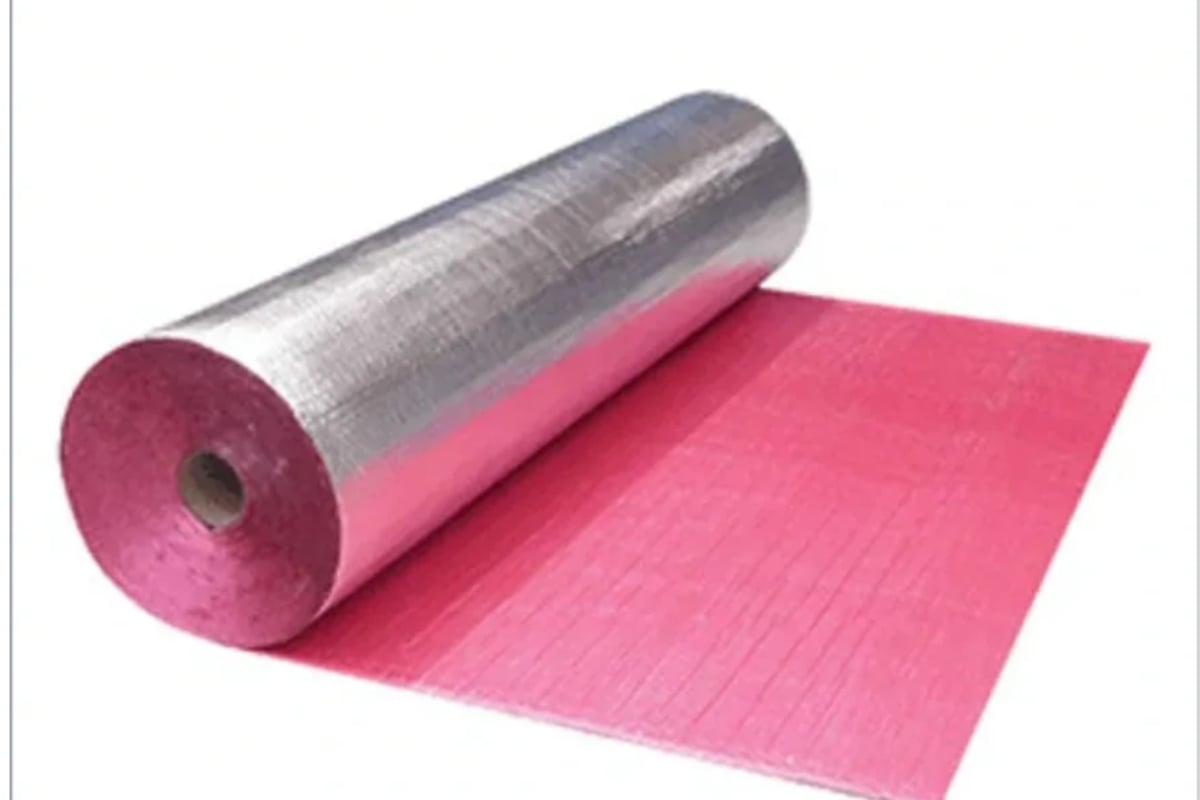
Reflective foil insulation works by reflecting radiant heat back into the living space above. These products are typically lighter and easier to install than bulk insulation.
Foil underfloor wraps also act as draught barriers, blocking cold air movement from beneath the building. They're particularly effective when combined with bulk insulation for maximum thermal performance.
For homes with limited subfloor clearance where installing batts might be difficult, reflective foil systems offer a practical alternative. Products like the Sancell Breeze Underfloor 500-3 provide both thermal resistance and moisture control in a convenient roll format that speeds up installation.
Rigid Board Insulation Options
Rigid polystyrene boards work well under concrete slabs and in specific underfloor applications where compressive strength matters. These boards resist moisture and provide consistent R-values over time.
They're commonly used in new construction rather than retrofit situations. Installation requires careful planning and proper edge sealing to prevent thermal bridging.
Choosing the Right R-Value for Your Climate
R-value measures thermal resistance, the higher the number, the better the insulation performance. For underfloor applications in Victoria and southern Australia, minimum R-values vary by climate zone.
| Climate Zone | Minimum R-Value | Recommended R-Value |
|---|---|---|
| Melbourne Metro | R1.5 | R2.0 - R2.5 |
| Regional Victoria | R1.5 - R2.0 | R2.5 - R3.0 |
| Alpine Areas | R2.0 | R3.0+ |
These recommendations align with Australian building standards and energy efficiency best practices. Higher R-values deliver better thermal performance but cost more upfront.
The investment typically pays for itself through reduced heating costs within 3-5 years, depending on your existing floor construction and local energy prices.
Matching Products to Joist Depth
Your floor joist depth determines which insulation products will fit properly. Standard Australian timber floors typically use joists ranging from 70mm to 150mm deep.
Common joist depths and suitable insulation:
- 70-90mm joists: R1.5 to R2.0 products
- 90-120mm joists: R2.0 to R2.5 products
- 120mm+ joists: R2.5 to R3.0 products
Always measure your actual joist depth before ordering insulation. Installing batts that are too thick can compress the insulation and reduce its effectiveness.
Installation Methods for Different Floor Types
Installation approach varies significantly depending on whether you have a suspended timber floor, concrete slab, or multi-level building. Understanding your floor construction helps you choose the most practical installation method.
Suspended Timber Floors
This is the most common scenario for underfloor insulation retrofits in Australian homes. Access is typically from beneath the house through the subfloor area.
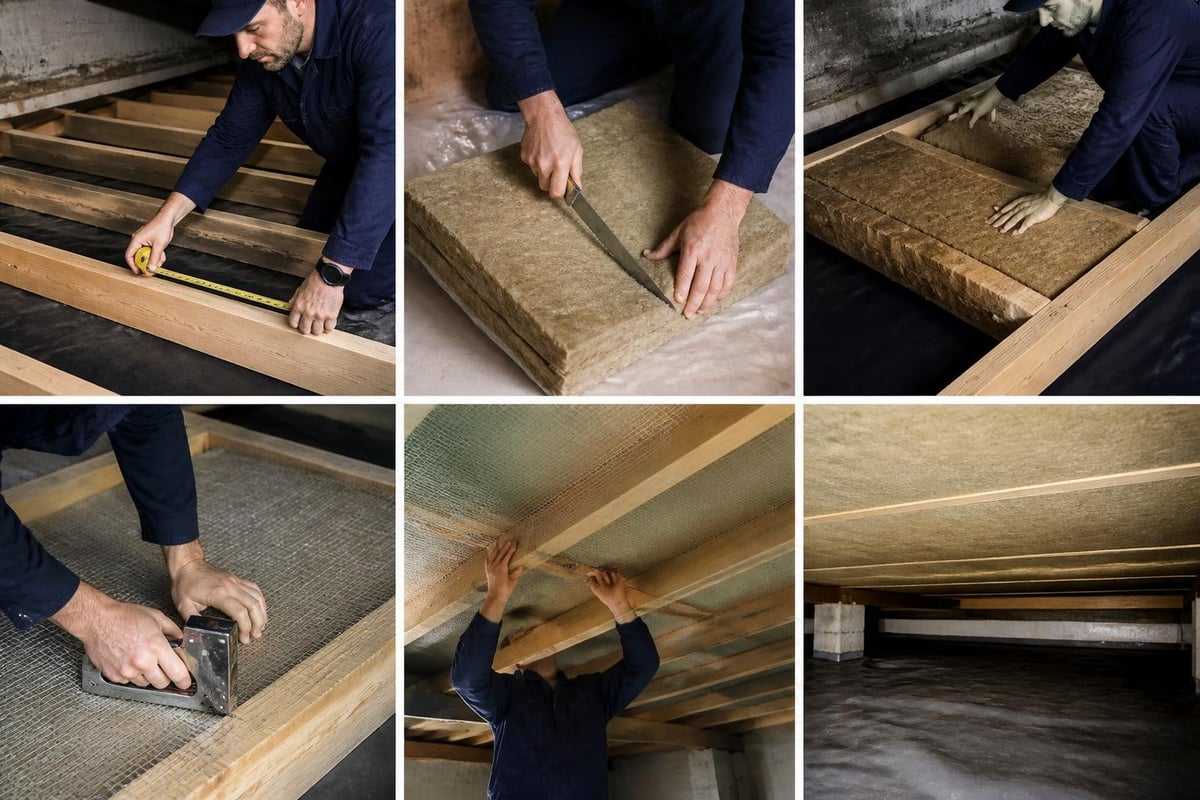
Installation process:
- Measure joist spacing and depth throughout the subfloor area
- Calculate total coverage area needed
- Cut batts or foil to length if required
- Install insulation between joists, ensuring snug fit
- Secure with wire mesh, netting, or staples to prevent sagging
- Seal any gaps around perimeter and services
Working in subfloor spaces requires appropriate safety equipment including dust masks, gloves, protective clothing, and adequate lighting. Some older homes have very limited clearance making professional installation advisable.
The National Institute of Standards and Technology provides detailed technical standards for insulation materials that help ensure quality and performance.
Retrofitting Existing Floors
When renovating older homes, underfloor insulation offers one of the best returns on investment for improving comfort and energy efficiency. Victorian-era and post-war homes often have no floor insulation whatsoever.
Access can be challenging in some properties. You'll need sufficient clearance to move around beneath the floor, ideally at least 600mm.
If subfloor access is extremely limited, consider installing insulation from above by temporarily removing floorboards. This approach is more disruptive but sometimes necessary.
New Construction Applications
Installing underfloor insulation during new builds or major renovations is significantly easier than retrofitting. Plan insulation installation before floor coverings go down.
Coordinate with your builder to ensure adequate clearance for insulation thickness plus air gaps where required. Some products need specific installation sequences to comply with building codes.
Moisture Management and Ventilation Considerations
Moisture control is critical in underfloor spaces. Poor ventilation combined with insulation can create condensation problems if not properly managed.
Essential moisture management steps:
- Ensure adequate subfloor ventilation through existing vents
- Install vapour barriers where ground moisture is present
- Maintain minimum clearances between ground and floor structure
- Address any drainage issues around building perimeter
- Check that insulation products have appropriate moisture resistance
Subfloor areas should have cross-ventilation to prevent moisture buildup. Australian building standards specify minimum ventilation requirements based on floor area and climate.
Never block existing subfloor vents when installing insulation. If anything, additional venting may be needed to maintain proper airflow.
Combining Underfloor Insulation with Other Upgrades
Underfloor insulation works best as part of a comprehensive thermal upgrade strategy. Combining it with ceiling insulation and wall insulation creates a complete building envelope.
Sealing Air Gaps First
Before installing underfloor insulation, seal major air gaps and draughts in your floor. Even the best insulation can't overcome significant air leakage.
Common problem areas include gaps around plumbing penetrations, edges where floors meet walls, and gaps in floorboards themselves. Use appropriate sealants and draught-proofing materials.
This preparation work enhances insulation performance and prevents wasted effort. Air sealing combined with insulation delivers far better results than insulation alone.
Underfloor Heating Integration
If you're planning underfloor heating installation, proper insulation beneath the heating elements is essential. Without it, much of the heat escapes downward rather than warming your living spaces.
Underfloor heating systems require insulation with appropriate thermal resistance and compressive strength. Check manufacturer specifications to ensure compatibility.
The Chartered Institution of Building Services Engineers provides comprehensive guidance on integrating insulation with underfloor heating systems.
Cost Considerations and Energy Savings
Underfloor insulation represents a moderate upfront investment that delivers long-term savings through reduced energy consumption. Actual costs vary based on insulation type, R-value, floor area, and installation method.
| Insulation Type | Material Cost (per m²) | DIY Installation | Professional Installation |
|---|---|---|---|
| Glasswool Batts R2.0 | $8 - $15 | Easy - Moderate | $25 - $45 per m² |
| Glasswool Batts R2.5 | $12 - $20 | Easy - Moderate | $30 - $50 per m² |
| Reflective Foil | $6 - $12 | Easy | $20 - $35 per m² |
| Rigid Board | $15 - $30 | Moderate | $35 - $60 per m² |
DIY installation significantly reduces total project costs if you have adequate access and skills. Professional installation ensures proper technique and saves time.
Calculating Your Return on Investment
Energy savings from underfloor insulation depend on several factors including your existing heating system, local climate, and current energy prices.
Victorian homes can expect annual heating cost reductions of 15-25% when adding quality underfloor insulation to previously uninsulated floors. For an average household spending $1,200 annually on heating, this represents $180-$300 in savings.
At these rates, insulation typically pays for itself within 3-6 years, then continues delivering savings for decades. The U.S. Department of Energy notes properly installed insulation can last the lifetime of a building.
Common Installation Mistakes to Avoid
Even quality insulation products perform poorly if installed incorrectly. Understanding common mistakes helps you avoid them whether doing DIY installation or supervising contractors.
Frequent installation errors include:
- Compressing insulation to fit into inadequate space
- Leaving gaps between batts and floor structure
- Installing insulation upside down or backwards
- Inadequate support allowing insulation to sag over time
- Blocking essential subfloor ventilation
- Using incorrect R-value for climate zone
- Ignoring moisture barriers in damp locations
Take time to install underfloor insulation properly rather than rushing the job. Poor installation wastes money and fails to deliver expected comfort improvements.
Supporting Insulation Correctly
Glasswool batts need support to prevent sagging over time. Wire mesh, plastic netting, or purpose-designed clips hold insulation firmly against floor joists.
Support should allow insulation to maintain its full thickness without compression. Space supports at recommended intervals, typically every 600-900mm depending on product type.
Some installers use battens secured to joist sides to create a shelf supporting the insulation. This method works well but adds material costs and installation time.
Acoustic Benefits for Multi-Storey Homes
Beyond thermal performance, underfloor insulation significantly improves acoustic comfort in two-storey homes and apartments. Sound transmission through floors is a common complaint in multi-level dwellings.
Installing insulation between floor levels reduces impact noise from footsteps and airborne noise from conversations and media. This creates a more peaceful living environment for everyone.
Specific acoustic insulation products are available for applications where noise control is the primary goal. These typically have higher density than standard thermal insulation.
Maintenance and Long-Term Performance
Quality underfloor insulation requires minimal maintenance once properly installed. However, periodic checks ensure continued performance and identify any issues early.
Recommended maintenance activities:
- Visual inspection of accessible areas every 2-3 years
- Check support systems remain secure
- Look for signs of moisture, mould, or pest damage
- Verify insulation hasn't been disturbed during other work
- Ensure subfloor ventilation remains adequate
Address any problems promptly to prevent deterioration. Small issues like displaced batts or damaged vapour barriers are easy to fix when caught early.
Modern insulation products are designed for decades of reliable performance when installed correctly and protected from moisture. Many manufacturers offer 50-year warranties on their products.
Compliance with Building Standards and Regulations
Australian building regulations set minimum insulation requirements for new construction and some renovation work. These standards aim to improve energy efficiency across the housing stock.
The National Construction Code (NCC) specifies R-value requirements based on climate zone. For existing homes, regulations typically apply when major renovations trigger compliance requirements.
Even when not legally required, meeting or exceeding current building standards makes good financial sense. Higher insulation levels deliver better comfort and lower ongoing costs.
Victorian-Specific Requirements
Victoria has specific energy efficiency requirements under its building regulations. These align with national standards but include some local variations.
Renovations involving substantial floor work may trigger insulation requirements. Check with your local council or building surveyor to understand what applies to your project.
Meeting requirements during planned work avoids costly retrofits later. It's far cheaper to install proper insulation during construction than adding it afterwards.
Selecting the Right Product for Your Project
With numerous underfloor insulation products available, choosing the right one involves balancing performance, cost, and installation practicality. Start by clearly defining your priorities.
Key selection criteria:
- Required R-value for your climate zone
- Available joist depth and spacing
- Subfloor access and clearance
- Budget for materials and installation
- Moisture conditions beneath floor
- Acoustic performance needs
- DIY capability versus professional installation
Browse the underfloor insulation collection to compare products suited to Australian conditions. Look for items that match your specific floor construction and performance requirements.
Don't automatically choose the cheapest option. Mid-range products from reputable manufacturers typically offer the best balance of performance, durability, and value.
Working with Product Specifications
Read product specifications carefully to understand exactly what you're buying. Key details include dimensions, R-value, coverage area, and installation requirements.
Check that product dimensions suit your joist spacing. Standard spacing is 450mm centres, but older homes may vary. Measure before ordering to avoid installation problems.
Coverage area tells you how many square metres one pack or roll covers. Calculate your total floor area and add 5-10% for cutting waste and irregular spaces.
Underfloor insulation transforms cold, uncomfortable floors into warm, energy-efficient surfaces that enhance your home's comfort year-round while reducing heating costs. Whether you're tackling a DIY retrofit project or planning new construction, choosing the right insulation products and installing them correctly delivers lasting benefits. Insulation Supplies Australia offers a comprehensive range of underfloor insulation solutions with expert advice, competitive pricing, and fast delivery throughout Victoria, making it simple to find and order exactly what your project needs.