

When it comes to choosing insulation for your home or renovation project, knauf earthwool insulation stands out as one of the most versatile and environmentally responsible options available to Australian homeowners. Manufactured using advanced ECOSE Technology, this glasswool insulation delivers exceptional thermal and acoustic performance while remaining soft to handle, low in dust, and easy to install. Whether you're tackling a ceiling upgrade, wall insulation, or underfloor project in Melbourne, understanding what makes this product different can help you make a more informed decision for your home's comfort and energy efficiency.
What Makes Knauf Earthwool Insulation Different
Knauf earthwool insulation represents a significant advancement in glasswool manufacturing technology. Unlike traditional pink batts that use formaldehyde-based binders, Earthwool is manufactured using a bio-based binder made from rapidly renewable materials. This innovative approach results in insulation that's noticeably softer to touch, produces less dust during installation, and carries a much lower environmental footprint.
The ECOSE Technology used in production creates a distinctive brown colour rather than the traditional pink or yellow you might associate with glasswool. This isn't just cosmetic - it reflects a fundamental change in how the product is made. The manufacturing process requires less energy and produces fewer emissions compared to conventional glasswool production methods.
Performance Characteristics
Thermal Efficiency: Knauf earthwool insulation is available in various R-values ranging from R1.5 to R6.0, making it suitable for different climate zones across Australia. In Melbourne's climate zone 6, most ceiling applications benefit from R4.0 to R6.0, while walls typically require R1.5 to R2.5 depending on the construction method.
Acoustic Control: The dense fibrous structure of glasswool makes it particularly effective at absorbing sound waves. This dual-purpose capability means you're improving both thermal comfort and noise reduction with a single product installation.
Moisture Resistance: While glasswool is non-hygroscopic (it doesn't absorb moisture), it remains vapour permeable, allowing your building envelope to breathe properly. This characteristic helps prevent condensation issues that can lead to mould growth or structural damage.
Available Product Formats and Applications
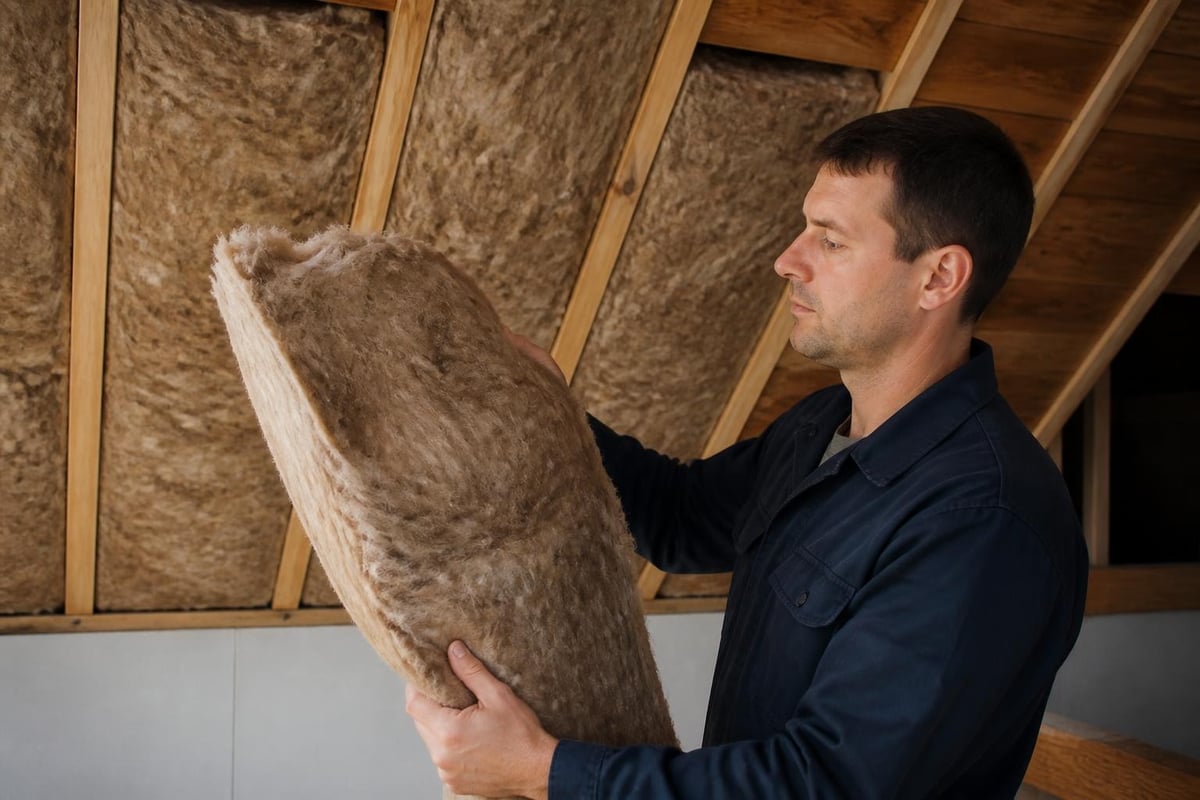
Knauf earthwool insulation comes in several formats designed for specific applications throughout your home. Understanding which format suits your project helps ensure optimal performance and easier installation.
| Product Type | Typical Applications | Key Benefits |
|---|---|---|
| Wall Batts | Timber frame walls, steel frame walls | Pre-cut sizes, friction fit, easy handling |
| Ceiling Batts | Ceiling joists, roof spaces | High R-values available, lightweight |
| Sound Shield | Party walls, media rooms, studios | Enhanced acoustic performance, high density |
| Underfloor Batts | Suspended timber floors | Moisture resistant, thermal bridge reduction |
| Blanket Rolls | Skillion roofs, cathedral ceilings | Continuous coverage, reduced joints |
Wall Insulation Solutions
For standard timber and steel frame walls, knauf earthwool insulation batts are manufactured to fit snugly between 90mm studs spaced at either 450mm or 600mm centres. The friction-fit design means they stay in place without additional fixings, making DIY installation straightforward for owner-builders.
The Earthwool® Glasswool Wall Insulation range provides thermal ratings suitable for Melbourne's requirements while also contributing to acoustic comfort. When combined with proper air sealing, these products help create a comfortable indoor environment year-round.
If you're working on a renovation project and need guidance on wall insulation options, understanding R-value requirements for your specific climate zone is essential.
Ceiling and Roof Applications
Ceiling spaces represent one of the most critical areas for insulation in any home. In summer, uninsulated ceilings can transfer significant heat into living spaces, while in winter, they allow valuable warmth to escape.
Knauf earthwool insulation for ceilings is available in various thicknesses to achieve the recommended R-values for Melbourne homes. The lighter density ceiling products are easy to handle and manoeuvre in roof spaces, even for DIY installers tackling weekend projects.
For skillion roof applications, the Earthwool® Glasswool Skillion Insulation in blanket format provides continuous coverage between rafters, reducing thermal bridging and improving overall performance.
You'll find comprehensive information about ceiling insulation options that can help you determine the right R-value for your specific roof type and construction.
Installation Considerations and Best Practices
Proper installation is just as important as choosing quality insulation. Even the best knauf earthwool insulation won't perform to its potential if installed incorrectly.
Safety and Preparation
Before starting any insulation project:
- Wear appropriate personal protective equipment including gloves, long sleeves, safety glasses, and a dust mask
- Ensure adequate lighting in roof spaces and crawl areas
- Turn off electrical circuits in the work area
- Check for existing asbestos insulation in older homes (pre-1990s)
- Maintain minimum clearances around recessed lighting and exhaust fans
Installation Technique
Ceiling Installation Steps:
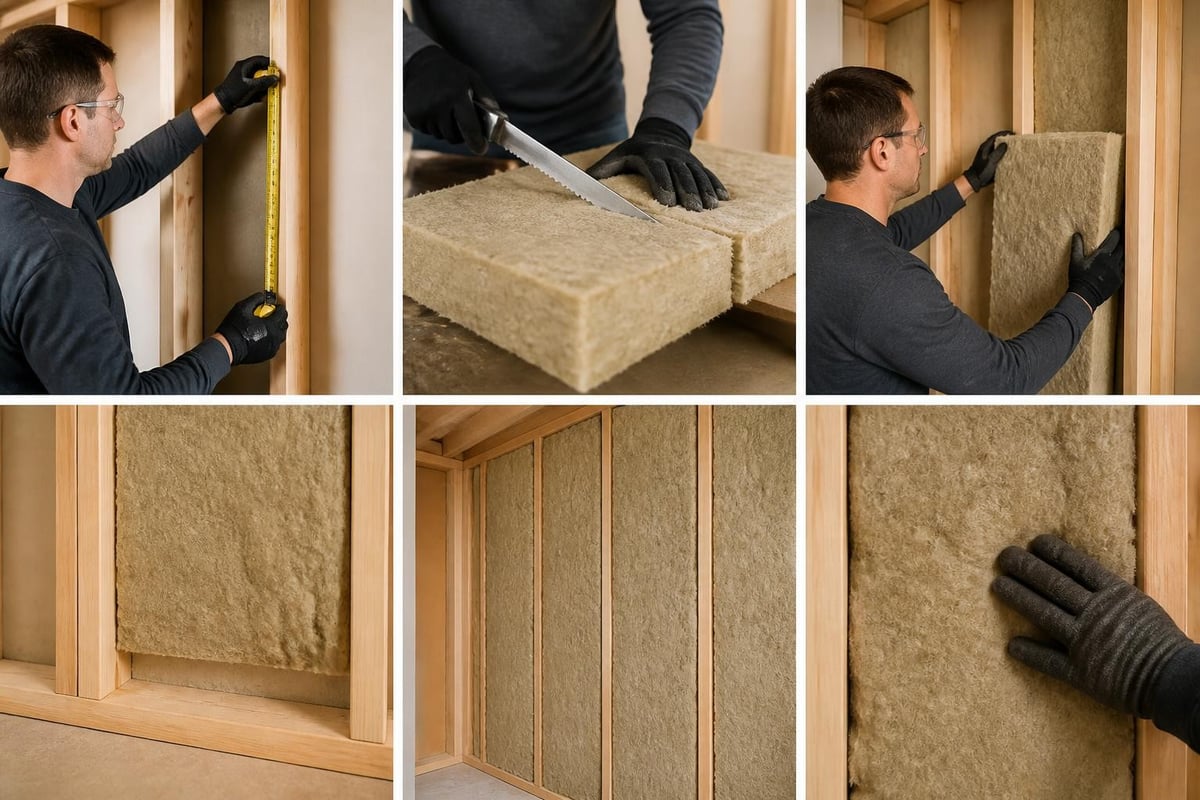
- Measure joist spacing and confirm product width compatibility
- Unpack batts only as needed to prevent compression
- Place batts between joists with the vapour barrier facing down (if faced product)
- Ensure full coverage without gaps or compression
- Cut batts to fit around obstacles using a sharp knife and straightedge
- Maintain clearances around heat-producing fixtures
Wall Installation Approach:
The friction-fit design of knauf earthwool insulation wall batts makes installation relatively straightforward. Push batts gently into stud cavities, ensuring they fill the entire depth without excessive compression. Batts should sit snugly against electrical cables and plumbing pipes without leaving air gaps.
If you're planning a DIY project and want detailed guidance, check out the installation resources to understand the complete process.
Environmental Benefits and Sustainability
The environmental credentials of knauf earthwool insulation extend beyond the ECOSE Technology manufacturing process. Understanding these benefits helps put your insulation choice into perspective.
Embodied Energy and Carbon Footprint
Glasswool insulation manufactured with ECOSE Technology requires significantly less energy to produce compared to traditional glasswool. The bio-based binder eliminates the need for formaldehyde, reducing harmful emissions during manufacturing.
Over the product's lifetime, the energy saved through improved building thermal performance far exceeds the embodied energy used in production. This positive energy balance typically occurs within the first year of installation in most Australian climates.
Recycled Content
Knauf earthwool insulation contains up to 80% recycled glass content, diverting waste from landfills and reducing the need for virgin raw materials. This high recycled content doesn't compromise performance - the final product meets all relevant Australian standards for thermal and acoustic performance.
Indoor Air Quality
The absence of formaldehyde and low dust characteristics contribute to healthier indoor air quality. This makes knauf earthwool insulation particularly suitable for homes with family members who have respiratory sensitivities or allergies.
For homeowners interested in natural and eco-friendly insulation options, Earthwool represents a balance between environmental responsibility and practical performance.
Acoustic Performance for Noise Reduction
Beyond thermal benefits, knauf earthwool insulation excels at acoustic control. The dense fibrous structure effectively absorbs sound waves, reducing noise transmission between rooms and from external sources.
Sound Shield Range
The Earthwool Sound Shield products feature higher density construction (typically 22.6 kg/m³ or greater) specifically engineered for enhanced acoustic performance. These products are ideal for:
- Party walls in townhouses and duplexes
- Home theatres and media rooms
- Bedrooms adjacent to living areas
- Walls between bathrooms and living spaces
- Ceilings in multi-storey homes
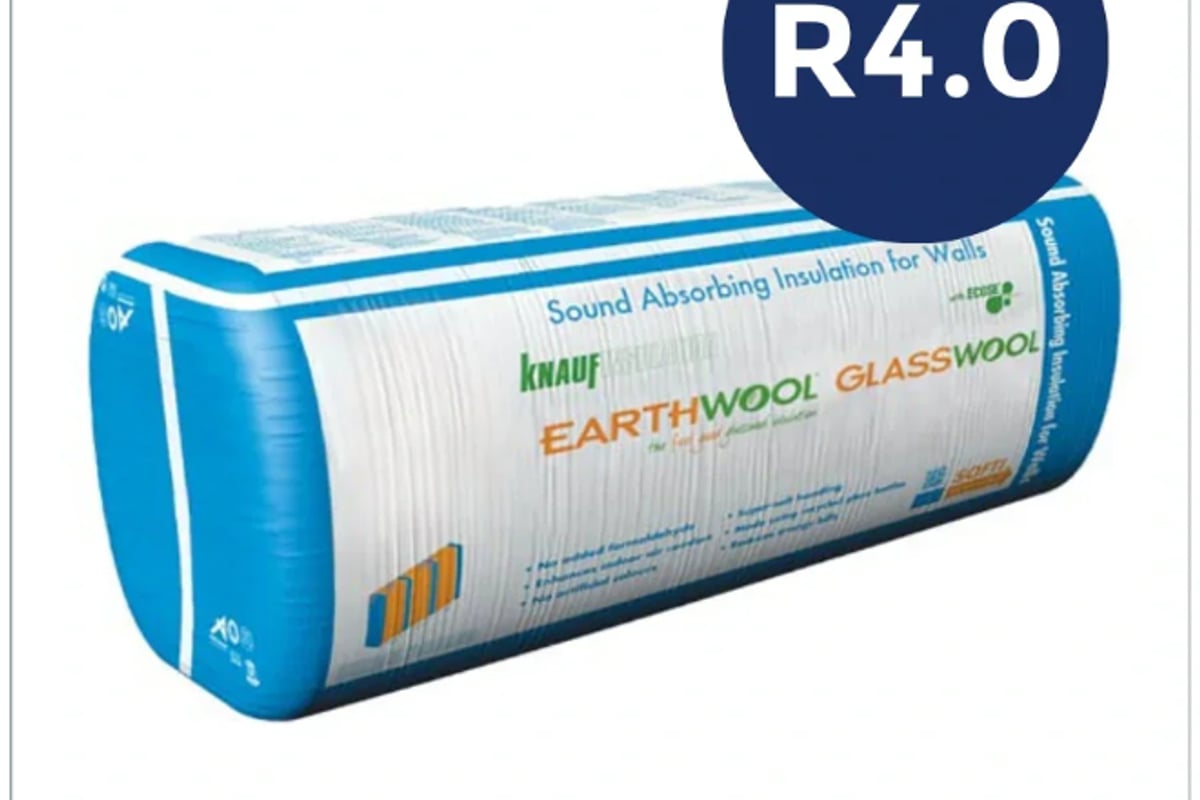
The Earthwool Sound Shield R4.0 offers exceptional acoustic dampening while also providing outstanding thermal performance. This makes it a practical choice when you need both noise control and energy efficiency in the same product. When you're planning acoustic improvements, products like these deliver professional-grade results without the need for specialised installation techniques.
Understanding Acoustic Ratings
While R-values measure thermal resistance, acoustic performance is measured differently. Look for Sound Transmission Class (STC) and Rw ratings when comparing products for noise reduction. Higher numbers indicate better sound blocking performance.
A typical insulated timber frame wall with 90mm knauf earthwool insulation can achieve STC ratings of 45-50, which represents a significant improvement over an uninsulated wall (typically STC 30-35).
For comprehensive guidance on acoustic insulation solutions, consider how different densities and installation methods affect overall performance.
Comparing R-Values and Thickness Options
Selecting the right R-value depends on your climate zone, building construction, and specific application. Melbourne falls within climate zone 6, which has specific recommendations for different parts of your home.
| Application | Minimum R-Value | Recommended Thickness | Typical Product |
|---|---|---|---|
| Ceiling (Climate Zone 6) | R3.5 - R4.0 | 145mm - 190mm | R4.0 or R5.0 batts |
| Walls (90mm studs) | R1.5 - R2.5 | 90mm | R1.8 or R2.0 batts |
| Underfloor | R1.5 - R2.5 | 90mm - 120mm | R2.0 or R2.5 batts |
| Skillion Roofs | R4.0 - R6.0 | 145mm - 210mm | R5.0 or R6.0 blanket |
Going Beyond Minimum Requirements
While building codes specify minimum R-values, installing higher-rated insulation often makes economic sense. The marginal cost difference between R4.0 and R5.0 ceiling insulation is relatively small, but the energy savings compound over decades.
In Melbourne's climate with hot summers and cold winters, investing in higher R-values provides year-round benefits. Your heating and cooling systems work less, reducing energy bills and improving comfort.
Cost Considerations and Long-Term Value
When evaluating knauf earthwool insulation for your project, consider both upfront costs and long-term value. Quality insulation is an investment that pays dividends through reduced energy bills, improved comfort, and increased property value.
Pricing Factors
Several factors influence the cost of insulation projects:
- R-value and thickness: Higher R-values typically cost more per square metre
- Product format: Batts versus blankets versus specialty products
- Project size: Larger orders often benefit from volume pricing
- Application complexity: Difficult access areas may increase installation labour
Energy Savings Calculator
A typical Melbourne home upgrading from no ceiling insulation to R4.0 can save 30-40% on heating and cooling costs. For a household spending $1,500 annually on energy, this represents $450-600 in savings each year.
Over a 20-year timeframe, these savings compound significantly, often exceeding the initial insulation investment many times over. Additionally, improved comfort and reduced environmental impact provide non-financial benefits that enhance quality of life.
Product Specifications and Technical Information
Understanding the technical specifications helps ensure you're selecting the right knauf earthwool insulation for your specific needs.
Common Product Specifications
Standard Wall Batts (R2.0):
- Thickness: 90mm
- Width: 430mm or 580mm
- Length: 1160mm
- Density: 14-16 kg/m³
- Coverage: Varies by pack configuration
Ceiling Batts (R4.0):
- Thickness: 190mm
- Width: 430mm or 580mm
- Length: 1160mm
- Density: 9-11 kg/m³
- Coverage: Varies by pack configuration
Sound Shield (R4.0):
- Thickness: 140mm
- Width: 580mm
- Length: 1160mm
- Density: 22.6 kg/m³
- Coverage: Approximately 6m² per pack
Compliance and Standards
All knauf earthwool insulation products comply with relevant Australian Standards including AS/NZS 4859.1 for thermal insulation materials. Products are tested and certified by independent laboratories to ensure they meet stated R-values and performance criteria.
The ECOSE Technology manufacturing process is certified to international environmental standards, providing assurance of sustainable production practices.
Maintenance and Longevity
One of the key advantages of glasswool insulation is its durability and minimal maintenance requirements. When properly installed and protected from moisture, knauf earthwool insulation maintains its performance for the life of your building.
Expected Lifespan
Quality glasswool insulation can last 50+ years without significant degradation in thermal performance. Unlike some insulation materials that settle or compress over time, properly installed batts maintain their loft and effectiveness.
Moisture Management
While glasswool doesn't absorb water, prolonged exposure to moisture can lead to issues:
- Address roof leaks promptly to prevent water damage
- Ensure adequate roof ventilation to prevent condensation
- Install vapour barriers correctly according to climate zone requirements
- Check periodically for pest intrusion or displacement
If insulation becomes wet, it should be allowed to dry completely. Glasswool dries readily and returns to full performance once moisture is removed.
Choosing the Right Product for Your Project
With various knauf earthwool insulation products available, selecting the right option depends on your specific application and performance goals.
Decision Framework
For Standard Ceiling Projects:
- Choose R4.0 to R5.0 for Melbourne climate
- Select batt width matching joist spacing
- Consider upgrading to higher R-values for greater long-term savings
For Wall Insulation:
- Match batt width to stud spacing (90mm standard)
- Select R1.8 to R2.5 based on wall cavity depth
- Consider Sound Shield for noise-sensitive areas
For Underfloor Applications:
- Choose R2.0 to R2.5 for suspended floors
- Ensure batts are secured properly to prevent sagging
- Consider moisture conditions in sub-floor areas
For Acoustic Priority:
- Select Sound Shield range with higher density
- Consider doubling wall thickness for critical applications
- Combine with resilient mounting systems for best results
For personalised guidance on product selection, exploring the full range of insulation products available helps you compare options suited to your specific project requirements.
Installation Tips for DIY Success
Many homeowners successfully install knauf earthwool insulation themselves, saving on labour costs while achieving professional results.
Essential Tools and Materials
- Sharp utility knife with replacement blades
- Straightedge or T-square for cutting
- Measuring tape
- Safety equipment (gloves, glasses, mask)
- Lighting for roof spaces
- Temporary supports for ceiling batts
Common Mistakes to Avoid
Compression: Never compress insulation to fit into tight spaces. Compression reduces air pockets, which are essential for thermal performance. If batts don't fit easily, trim them to size rather than forcing them in.
Gaps: Small gaps around batts can significantly reduce overall performance. Ensure complete coverage by trimming pieces to fill odd-shaped spaces around plumbing, wiring, and structural members.
Clearances: Maintain required clearances around recessed lights, exhaust fans, and chimneys. These fixtures generate heat and require air circulation to prevent overheating.
Vapour Barriers: In Melbourne's climate zone, vapour barriers typically aren't required for ceiling insulation. If using faced products, ensure the barrier faces the correct direction for your application.
Understanding these fundamentals helps ensure your DIY installation delivers the expected performance improvements.
Knauf earthwool insulation delivers proven thermal and acoustic performance while offering environmental benefits through ECOSE Technology manufacturing. From walls and ceilings to underfloor and acoustic applications, this versatile glasswool solution helps Melbourne homeowners improve comfort and reduce energy costs effectively. Whether you're planning a complete renovation or targeting specific problem areas, Insulation Supplies Australia offers expert guidance, competitive pricing, and fast delivery across Victoria to make your insulation project straightforward and successful.