

Noise pollution inside your home can seriously affect your comfort and wellbeing. Whether it's traffic noise from outside, footsteps from upstairs, or conversations bleeding through walls, unwanted sound disrupts your peace. Acoustic insulation batts offer a practical, cost-effective solution for homeowners, renovators, and builders looking to create quieter, more comfortable living spaces. Unlike standard thermal insulation, these specialised batts are designed specifically to absorb and dampen sound, making them essential for bedrooms, home offices, entertainment rooms, and any space where noise control matters.
What Are Acoustic Insulation Batts
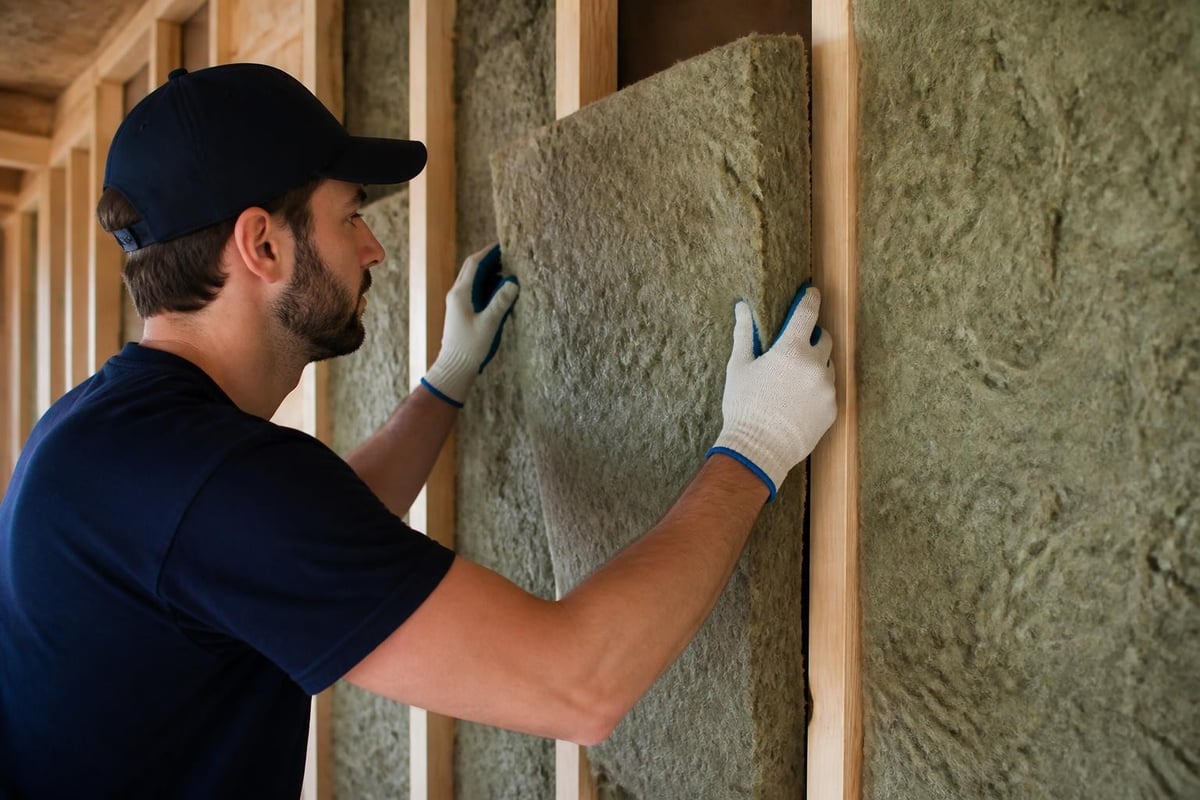
Acoustic insulation batts are dense, fibrous insulation products engineered to reduce sound transmission between rooms and from external sources. They work by absorbing sound waves and preventing them from travelling through walls, ceilings, and floors.
Most acoustic batts are made from glasswool or rockwool (mineral wool), materials chosen for their excellent sound-absorbing properties. The fibrous structure traps sound energy, converting it into small amounts of heat through friction.
Key characteristics include:
- Higher density than standard thermal batts (typically 20-24 kg/m³)
- Thicker profile for better sound absorption
- Friction-fit design for walls and ceilings
- Non-combustible materials for fire safety
- Dual purpose: thermal and acoustic performance
The density of these batts is crucial. A higher-density batt provides better acoustic performance because it has more mass to block sound transmission. This is why acoustic batts differ significantly from standard thermal insulation products.
How Sound Transmission Works
Understanding sound transmission helps explain why acoustic insulation batts are so effective. Sound travels as vibrations through the air and solid materials. When sound waves hit a wall, they cause it to vibrate, transmitting noise to the other side.
According to the National Insulation Authority's acoustic insulation guidance, effective soundproofing requires addressing both airborne noise (voices, music, television) and impact noise (footsteps, dropped objects).
Acoustic batts primarily combat airborne noise by:
- Absorbing sound energy within their fibrous structure
- Adding mass to wall and ceiling assemblies
- Reducing vibration transmission through building materials
- Filling cavities that would otherwise amplify sound
The effectiveness of sound insulation is measured in Sound Transmission Class (STC) or Weighted Sound Reduction Index (Rw). Higher numbers indicate better sound blocking. A typical uninsulated stud wall might have an Rw of 30-35, while adding acoustic batts can boost this to 45-50 or higher.
Types of Acoustic Insulation Batts Available
Different acoustic batt products suit different applications and budgets. Understanding the options helps you choose the right product for your project.
| Batt Type | Density | Best For | Typical Thickness |
|---|---|---|---|
| Standard Acoustic Glasswool | 14-16 kg/m³ | General noise reduction | 90mm |
| High-Density Acoustic | 20-24 kg/m³ | Maximum sound blocking | 90-140mm |
| Acoustic Polyester | 25-35 kg/m³ | Allergy-sensitive areas | 50-100mm |
| Rockwool/Mineral Wool | 40-60 kg/m³ | Fire-rated assemblies | 50-100mm |
Glasswool Acoustic Batts
Glasswool acoustic batts are the most common choice for Australian residential projects. They offer excellent sound absorption, thermal performance, and value for money.
Modern glasswool products like those manufactured with ECOSE® Technology are formaldehyde-free, low in dust, and soft to handle. This makes installation more comfortable while delivering professional acoustic results.
These batts typically come in standard widths (430mm, 580mm) to suit typical Australian timber and steel stud spacing. They're friction-fit, meaning they press snugly between studs without additional fasteners.
High-Density Sound Shield Products
High-density acoustic batts represent the premium tier of sound control. With densities of 22-24 kg/m³, they provide superior acoustic performance for demanding applications.
The Earthwool Sound Shield R4.0 by Knauf combines exceptional thermal performance (R4.0) with outstanding acoustic properties. Its 140mm thickness and 22.6 kg/m³ density make it ideal for shared walls in townhouses, duplexes, and multi-storey homes where noise control is critical.
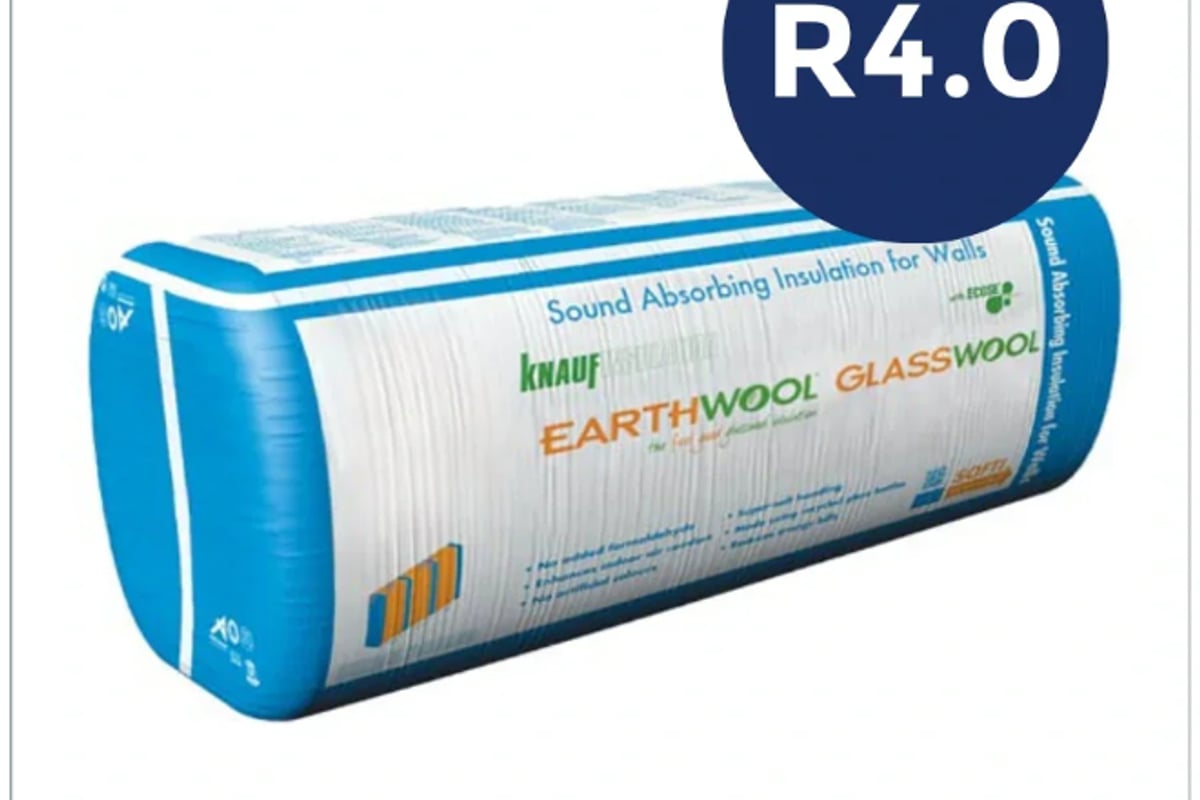
These premium batts work particularly well in home theatres, music rooms, and bedrooms where maximum quiet is desired. The combination of density and thickness provides effective sound blocking across a wide frequency range, from low-frequency bass to high-frequency voices.
Rockwool and Mineral Wool Options
Rockwool batts offer the highest density and best fire resistance among common acoustic materials. Made from molten rock spun into fibres, they're completely non-combustible and extremely durable.
While rockwool costs more than glasswool, it excels in situations requiring both acoustic performance and fire protection. Commercial buildings, party walls in attached dwellings, and areas near fireplaces or wood heaters benefit from rockwool's properties.
The higher density (40-60 kg/m³) provides exceptional sound blocking, particularly for low-frequency noise that other materials struggle to control.
Where to Install Acoustic Insulation Batts
Strategic placement of acoustic batts maximises their effectiveness. Not every wall or ceiling needs acoustic treatment, so focus on areas where noise control delivers the most benefit.
Priority installation areas:
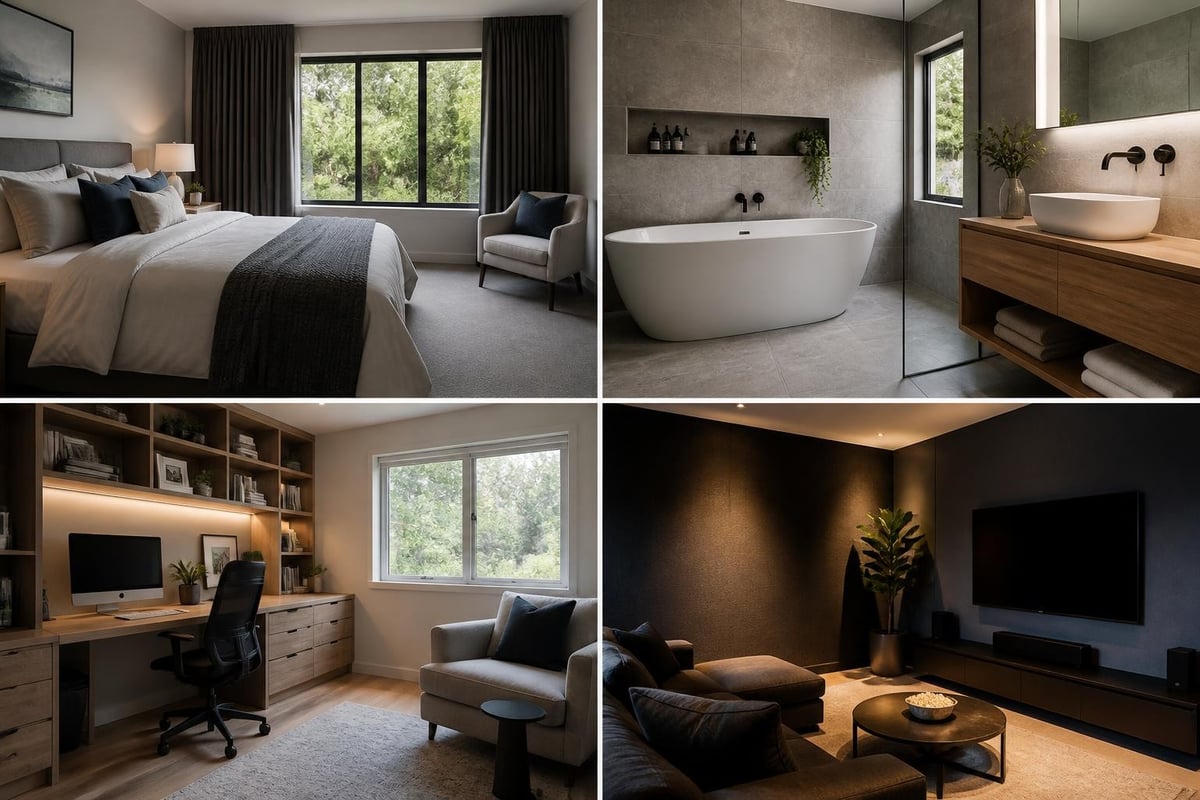
- Bedroom walls separating sleeping areas from living spaces
- Home office walls to minimise distractions and enable focused work
- Bathroom walls to contain plumbing noise and ensure privacy
- Entertainment room walls to prevent sound escaping to other areas
- Ceilings below upper floors to reduce footstep noise
- Internal walls in multi-storey homes or attached dwellings
External Walls and Street Noise
External walls facing busy roads, railway lines, or commercial areas benefit significantly from acoustic treatment. While thermal insulation helps somewhat, dedicated acoustic batts provide much better noise reduction.
Combining acoustic batts with quality windows and proper sealing creates a comprehensive noise barrier. Remember that sound finds the weakest point, so addressing windows, doors, and gaps is equally important as wall insulation.
For wall insulation in Melbourne, traffic noise is a common concern. Acoustic batts in external walls can reduce outdoor noise by 10-15 decibels, making a noticeable difference to indoor comfort.
Shared Walls Between Dwellings
Building regulations require minimum acoustic performance for walls separating dwellings in townhouses, units, and duplexes. The National Construction Code (NCC) sets specific Rw ratings that must be achieved.
Shared walls typically need an Rw of 50 or higher. Achieving this requires:
- High-density acoustic batts (22-24 kg/m³)
- Double-layer plasterboard on both sides
- Staggered or double stud framing
- Acoustic sealant at all penetrations
Some builders use resilient channels or acoustic clips to further decouple the wall layers, preventing vibration transmission.
Ceiling and Floor Assemblies
Footstep noise from upper floors is one of the most annoying household sounds. Acoustic insulation in ceiling cavities helps, but controlling impact noise requires a multi-layered approach.
Effective ceiling/floor acoustic treatment includes:
- Acoustic batts in the ceiling cavity (90-140mm thickness)
- Resilient bars or channels to isolate plasterboard
- Acoustic underlay beneath flooring on the upper level
- Mass-loaded vinyl for extreme noise situations
Research from NIST on sound insulation in wall and floor constructions demonstrates that combined systems outperform single-solution approaches.
Choosing the Right Acoustic Batts for Your Project
Selecting appropriate acoustic insulation batts depends on your specific noise problems, budget, and building construction. Not every project needs maximum-density batts.
Assessing Your Noise Problems
Start by identifying the type and source of noise you're addressing. Different problems require different solutions.
Noise type assessment:
| Noise Type | Characteristics | Best Solution |
|---|---|---|
| Airborne (voices, TV) | Travels through air | Medium to high-density batts |
| Impact (footsteps) | Vibration through structure | Batts plus resilient mounting |
| Low frequency (bass) | Deep rumbling sounds | Thicker, denser batts |
| High frequency (children) | Sharp, piercing sounds | Standard acoustic batts work well |
For general bedroom and office noise reduction, standard acoustic batts (14-16 kg/m³) in 90mm thickness provide good results at reasonable cost. For more serious noise issues or regulatory compliance, step up to high-density options.
Wall Cavity Depth Considerations
Your wall framing determines the maximum batt thickness you can install. Standard Australian residential construction uses 90mm timber or steel studs, limiting you to 90mm batts.
Some newer homes use 140mm studs specifically to accommodate thicker insulation. If you're building or renovating, consider specifying deeper studs in walls where acoustic performance matters most.
Installing batts that are too thick compresses them, reducing their effectiveness. Always match batt thickness to cavity depth, and ensure batts fill the entire cavity without gaps.
Balancing Acoustic and Thermal Performance
Many acoustic batts provide both sound reduction and thermal insulation. The R-value indicates thermal performance, while density and thickness affect acoustic properties.
In Victoria's varied climate zones, choosing batts that address both concerns makes sense. Products like the Earthwool Sound Shield deliver R4.0 thermal performance alongside exceptional acoustic control.
This dual-purpose approach saves money compared to installing separate thermal and acoustic layers. It also simplifies installation and reduces wall cavity complexity.
Installation Best Practices for Maximum Performance
Proper installation is absolutely critical for acoustic insulation batts to perform as designed. Gaps, compression, and poor fit dramatically reduce effectiveness.
According to guidelines from the Building America Solution Center on batt insulation, achieving Grade 1 installation standards ensures optimal performance. This means complete cavity fill, no gaps, no compression, and neat trimming around obstacles.
Step-by-Step Installation Process
- Measure cavity dimensions accurately before cutting batts
- Cut batts slightly oversize (10-20mm wider) for friction fit
- Press batts firmly into place, ensuring full cavity contact
- Split batts around obstacles like electrical boxes and pipes
- Fill small gaps with offcut pieces, never leave voids
- Avoid compression behind pipes and conduits
- Check for complete coverage before closing walls
Common Installation Mistakes to Avoid
Even experienced DIYers make mistakes that compromise acoustic performance. Being aware of common errors helps you avoid them.
Installation errors that reduce effectiveness:
- Leaving gaps at top or bottom plates
- Compressing batts to fit behind plumbing
- Using undersized batts that don't fill the cavity
- Failing to split batts around electrical boxes
- Installing batts loose instead of friction-fit
- Overlooking small penetrations and holes
Sound finds the path of least resistance. A tiny gap can significantly reduce the overall acoustic rating of a wall. Sound insulation wall construction requires attention to every detail.
Safety Considerations During Installation
Working with glasswool and mineral wool batts requires appropriate safety measures. While modern products are much safer than older fibreglass, precautions protect your health and comfort.
Recommended safety equipment:
- Dust mask or respirator (P2 rating minimum)
- Safety glasses or goggles
- Long-sleeved shirt and long pants
- Gloves (disposable or work gloves)
- Hard hat in construction environments
Shower and wash work clothes separately after handling insulation. Most irritation from glasswool is mechanical (tiny fibres) rather than chemical, so washing removes the irritant effectively.
Work in well-ventilated areas and take regular breaks away from insulation materials. If skin irritation occurs, rinse with cold water rather than rubbing, which can embed fibres deeper.
Acoustic Performance Metrics Explained
Understanding how acoustic performance is measured helps you choose products and set realistic expectations.
Sound Transmission Class (STC) and Rw Ratings
In Australia, the Weighted Sound Reduction Index (Rw) is the standard metric for acoustic performance. It's similar to the American STC rating, with higher numbers indicating better sound blocking.
Rw rating interpretation:
| Rw Rating | Performance Level | What You'll Hear |
|---|---|---|
| 30-35 | Poor | Loud speech clearly understood |
| 35-40 | Fair | Normal speech understood |
| 40-45 | Good | Loud speech heard but not understood |
| 45-50 | Very Good | Loud speech barely heard |
| 50+ | Excellent | Most sounds blocked effectively |
Building regulations for separate dwellings typically require Rw 50 minimum for walls and Rw 45-50 for floors, depending on the specific situation.
Frequency-Dependent Performance
Different materials perform differently across the sound frequency spectrum. Most acoustic batts excel at mid to high frequencies (voices, television) but may need help with low frequencies (bass, traffic rumble).
Research on acoustical insulation principles from NIST explains how material properties affect frequency response.
Thicker, denser batts generally perform better at lower frequencies. For serious bass control, combining acoustic batts with mass (multiple plasterboard layers) and decoupling (resilient channels) works best.
Real-World vs Laboratory Performance
Rw ratings are measured in controlled laboratory conditions with perfect installation and sealing. Real-world performance is typically 5-10 points lower due to practical construction factors.
Electrical outlets, light fixtures, gaps around door frames, and air leaks all reduce actual acoustic performance. This is why careful installation and proper sealing matter so much.
Don't expect miracles from insulation alone. A comprehensive approach addressing all sound paths delivers the best results.
Cost Considerations and Budget Planning
Acoustic insulation batts represent a modest investment compared to the comfort and property value they provide. Understanding cost factors helps you budget effectively.
Price Range for Different Products
Acoustic batt pricing varies based on density, thickness, brand, and quantity. As a general guide for 2026:
- Standard acoustic batts (14-16 kg/m³): $8-$12 per square metre
- High-density acoustic batts (20-24 kg/m³): $12-$18 per square metre
- Premium rockwool batts: $18-$25 per square metre
Buying in larger quantities reduces per-square-metre costs. Most suppliers offer better rates for full pallet orders.
Installation costs vary depending on whether you DIY or hire professionals. Professional installation typically adds $5-$10 per square metre but ensures proper technique and faster completion.
DIY vs Professional Installation
Installing acoustic batts is within the capabilities of most DIYers, especially for straightforward wall cavities. The work is physically demanding but not technically complex.
DIY installation makes sense when:
- You have basic construction skills and tools
- Wall cavities are accessible and straightforward
- You're comfortable working with insulation materials
- The project is small to medium scale
Professional installation is worth considering when:
- Building regulations require certified installers
- Working at heights or in confined spaces
- Complex framing with many obstacles
- Time constraints or physical limitations
For acoustic performance to meet specifications, installation quality matters more than for thermal insulation. If you're unsure about achieving proper fit, professional installation is a worthwhile investment.
Return on Investment
While acoustic insulation doesn't directly reduce energy bills like thermal insulation, it adds significant value through improved liveability and property appeal.
Buyers value quiet, comfortable homes. Properties with good acoustic treatment command premium prices, especially in noisy urban locations or multi-dwelling developments.
The investment typically pays back through:
- Higher resale value (1-3% property value increase)
- Faster property sales due to comfort appeal
- Improved quality of life (hard to quantify but valuable)
- Regulatory compliance (avoiding costly rectification)
Combining Acoustic Batts with Other Soundproofing Methods
Acoustic batts work best as part of a complete soundproofing system. Combining multiple approaches delivers better results than any single method alone.
Acoustic Sealants and Caulking
Even the best acoustic batts can't overcome gaps and air leaks. Sound travels through the smallest openings, so sealing is essential.
Use acoustic sealant (not standard gap filler) around:
- Wall plate junctions
- Electrical box penetrations
- Pipe and conduit pass-throughs
- Window and door frames
- Junction between walls and ceilings
Acoustic sealant remains flexible rather than hardening completely, preventing cracks from vibration and building movement.
Mass-Loaded Vinyl Barriers
For extreme noise situations, mass-loaded vinyl (MLV) adds significant sound-blocking mass without consuming much space. This heavy, flexible material can be applied directly over studs before plasterboard installation.
MLV works particularly well for:
- Home theatres requiring professional-level isolation
- Music practice rooms and recording spaces
- Walls facing extremely loud external noise sources
- Floors above noise-sensitive areas
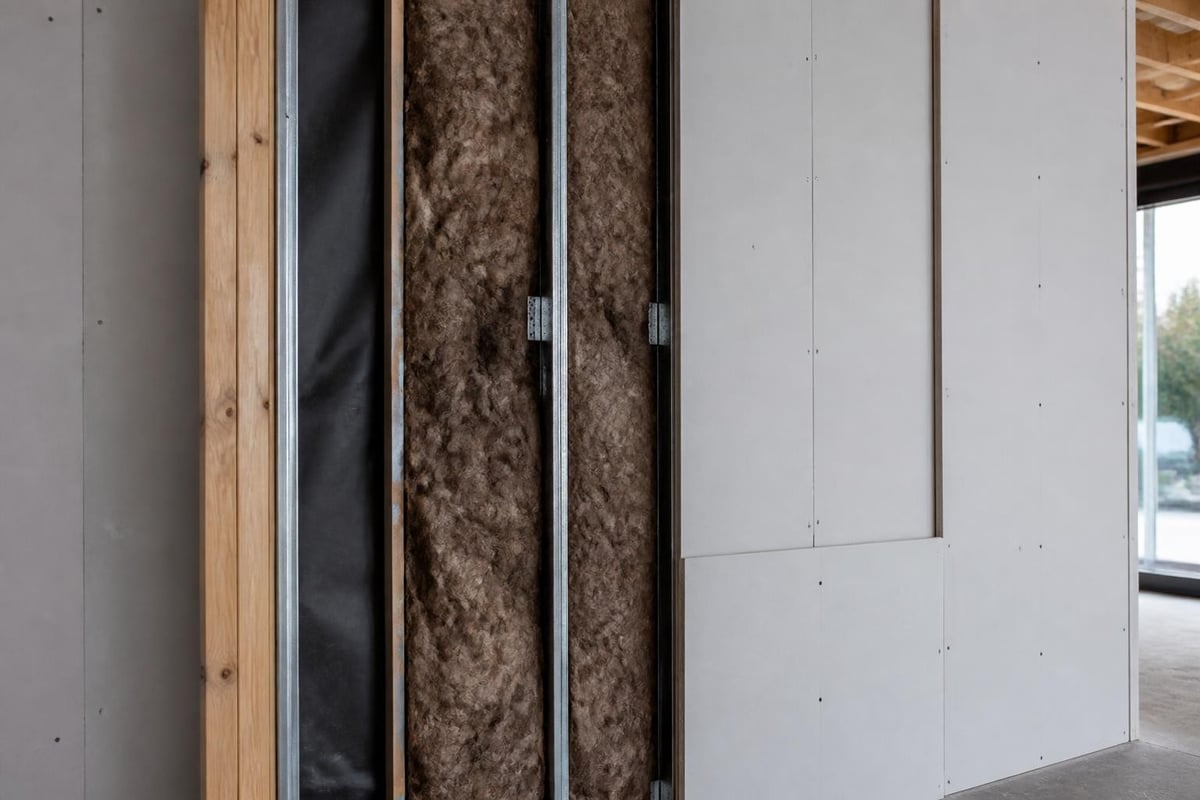
Combining acoustic batts with MLV can achieve Rw ratings above 60, providing isolation comparable to professional recording studios.
Resilient Channels and Acoustic Clips
Resilient mounting systems decouple plasterboard from framing, preventing vibration transmission. This addresses sound that travels through the building structure rather than through air.
According to ScienceInsights research on soundproofing materials, combining insulation with resilient mounting significantly outperforms insulation alone.
Resilient channels are metal strips that hold plasterboard slightly away from studs. Acoustic clips and hat channels provide even better decoupling for premium installations.
These systems add $5-$15 per square metre to wall costs but deliver dramatic acoustic improvements, especially for impact noise and low frequencies.
Acoustic Batts vs Standard Thermal Insulation
Many people wonder whether standard thermal insulation provides adequate acoustic performance, or if dedicated acoustic batts are necessary. The answer depends on your noise concerns and performance requirements.
Key Differences in Material Properties
Standard thermal batts and acoustic batts differ primarily in density. Understanding these differences helps explain their different performance characteristics.
| Property | Thermal Batts | Acoustic Batts |
|---|---|---|
| Density | 10-14 kg/m³ | 20-24 kg/m³ |
| Primary Purpose | Heat flow reduction | Sound absorption |
| Thickness Options | 50-230mm | 50-140mm |
| Friction Fit | Moderate | Excellent |
| Cost per m² | Lower | Higher |
According to Engineer Fix's comparison of sound batts vs insulation, the density difference creates substantial acoustic performance variation.
When Standard Thermal Insulation is Adequate
For general noise reduction without specific acoustic requirements, quality thermal batts provide reasonable sound dampening. They won't achieve the same performance as dedicated acoustic products, but they offer significant improvement over uninsulated walls.
Standard thermal insulation works adequately for:
- Reducing outdoor noise in quiet suburban areas
- General sound dampening between non-critical spaces
- Budget-conscious projects where maximum performance isn't essential
- Situations where thermal performance is the priority
Many ceiling insulation products provide both thermal efficiency and moderate acoustic benefits. Ceiling batts in standard R-values help reduce noise transfer between levels while primarily addressing temperature control.
When Acoustic Batts are Worth the Investment
Dedicated acoustic batts become worthwhile when noise control is a priority or regulatory requirement. The extra cost delivers substantially better performance.
Choose acoustic batts for:
- Shared walls in townhouses and duplexes (regulatory compliance)
- Bedrooms in noisy locations or near living areas
- Home offices requiring concentration and privacy
- Entertainment rooms to contain sound
- Bathrooms for privacy and plumbing noise reduction
- Any situation where you've identified specific noise problems
Common Questions About Acoustic Insulation Batts
How Much Noise Reduction Can I Expect?
Realistic expectations prevent disappointment. Acoustic batts typically reduce noise by 10-20 decibels in a properly constructed wall system. This represents a 50-75% reduction in perceived loudness.
Complete silence is rarely achievable without extreme measures. The goal is reducing noise to comfortable background levels rather than total elimination.
Can I Install Acoustic Batts in Existing Walls?
Retrofit installation is possible but challenging. It requires removing one side of the wall lining (usually plasterboard), installing batts, and replacing the lining.
Some specialists use blown-in cellulose or foam for retrofit applications, though these provide different acoustic characteristics than batts. For existing walls, addressing gaps, upgrading doors and windows, and adding mass to wall surfaces may be more practical.
Do Acoustic Batts Help with External Noise?
Yes, acoustic batts in external walls reduce traffic, aircraft, and neighbourhood noise. However, windows and doors often represent the weakest acoustic links.
For significant external noise reduction, combine wall insulation with upgraded windows (double glazing), solid core doors, and proper sealing. The overall system performance depends on the weakest element.
Will Acoustic Batts Prevent All Sound?
No insulation product blocks all sound completely. Low-frequency noise (bass, truck rumble) is particularly difficult to stop. High-frequency sounds (voices, children playing) respond better to standard acoustic treatment.
Extremely low frequencies require massive, heavy construction or specialized isolation systems. For normal residential noise control, acoustic batts provide excellent practical results without extreme measures.
Environmental and Health Considerations
Modern acoustic insulation batts are significantly safer and more environmentally friendly than older products. Understanding these improvements helps you choose responsibly.
Modern Manufacturing Technologies
Products manufactured with ECOSE® Technology contain no added formaldehyde and use bio-based binders instead of traditional phenolic resins. This reduces manufacturing emissions and improves indoor air quality.
These batts are also softer, less dusty, and more pleasant to handle than older fibreglass products. The natural brown colour comes from the bio-based binder rather than added dyes.
Indoor Air Quality Impact
Quality acoustic batts don't release harmful chemicals or volatile organic compounds (VOCs) into your home. They're inert once installed and don't support mould growth or pest harbourage.
Proper installation with good vapour management prevents moisture accumulation, ensuring long-term performance and healthy indoor environments.
Recycled Content and Sustainability
Many glasswool batts contain 80% or more recycled glass content, diverting waste from landfills. Manufacturing processes have become significantly more energy-efficient in recent years.
Acoustic batts are fully recyclable at end of life, though recycling programs aren't yet widely available in all areas. Check with local facilities or manufacturers for recycling options when removing old insulation.
Product Selection Guide for Victorian Homes
Victoria's diverse climate and building stock require tailored approaches to acoustic insulation. Understanding regional considerations helps you choose appropriate products.
Climate Zone Considerations
Victoria spans multiple climate zones from cool temperate (Melbourne, Geelong) to cold (alpine areas). This affects the balance between thermal and acoustic performance.
In Melbourne's climate zone 6, R-values of R2.5-R4.0 are recommended for walls. Choosing acoustic batts that meet thermal requirements while providing sound control eliminates the need for separate products.
For detailed climate guidance, review information on climate zones in Australia to understand your specific requirements.
Common Victorian Building Types
Different building styles present different acoustic challenges and opportunities:
Weatherboard homes (pre-1940s): External walls have good thermal mass but minimal acoustic treatment. Adding acoustic batts during renovation dramatically improves comfort.
Brick veneer homes (1950s-1990s): Cavity walls make excellent locations for acoustic batts. The brick exterior provides mass, while batts address cavity resonance.
Modern double-brick or lightweight construction: Often built with minimal internal wall insulation. Acoustic treatment provides significant lifestyle improvements.
Townhouses and units: Shared walls require compliance with acoustic regulations. High-density batts are essential, not optional.
Matching Products to Applications
For acoustic insulation solutions, selecting the right product for each application ensures optimal results and budget efficiency.
Application-specific recommendations:
- External walls (noise reduction): R2.5-R3.5 acoustic batts, 90mm thickness
- Internal walls (privacy): R1.5-R2.5 acoustic batts, 90mm thickness
- Shared walls (compliance): R3.5-R4.0 high-density batts, 90-140mm thickness
- Ceilings (footstep noise): R3.5-R4.0 acoustic batts plus resilient mounting
- Bathrooms (plumbing noise): R2.5 acoustic batts minimum
Acoustic insulation batts provide practical, cost-effective noise reduction for Australian homes, improving comfort, privacy, and property value. By choosing appropriate products, installing them properly, and combining them with complementary soundproofing techniques, you can create significantly quieter living spaces. Whether you're building new, renovating, or addressing specific noise problems, Insulation Supplies Australia offers expert guidance and a comprehensive range of acoustic insulation solutions to meet your needs, with fast delivery throughout Victoria and competitive pricing that makes quality soundproofing accessible for every project.