

Wall insulation batts are one of the most effective ways to improve your home's thermal performance, reduce energy bills, and create a more comfortable living environment year-round. Whether you're building a new home, renovating an existing property, or tackling a retrofit project in Melbourne or across Victoria, understanding how wall insulation batts work and how to select the right product can make a significant difference to your comfort and running costs. This guide walks you through everything you need to know about wall insulation batts, from materials and R-values to installation best practices and performance expectations.
What Are Wall Insulation Batts?
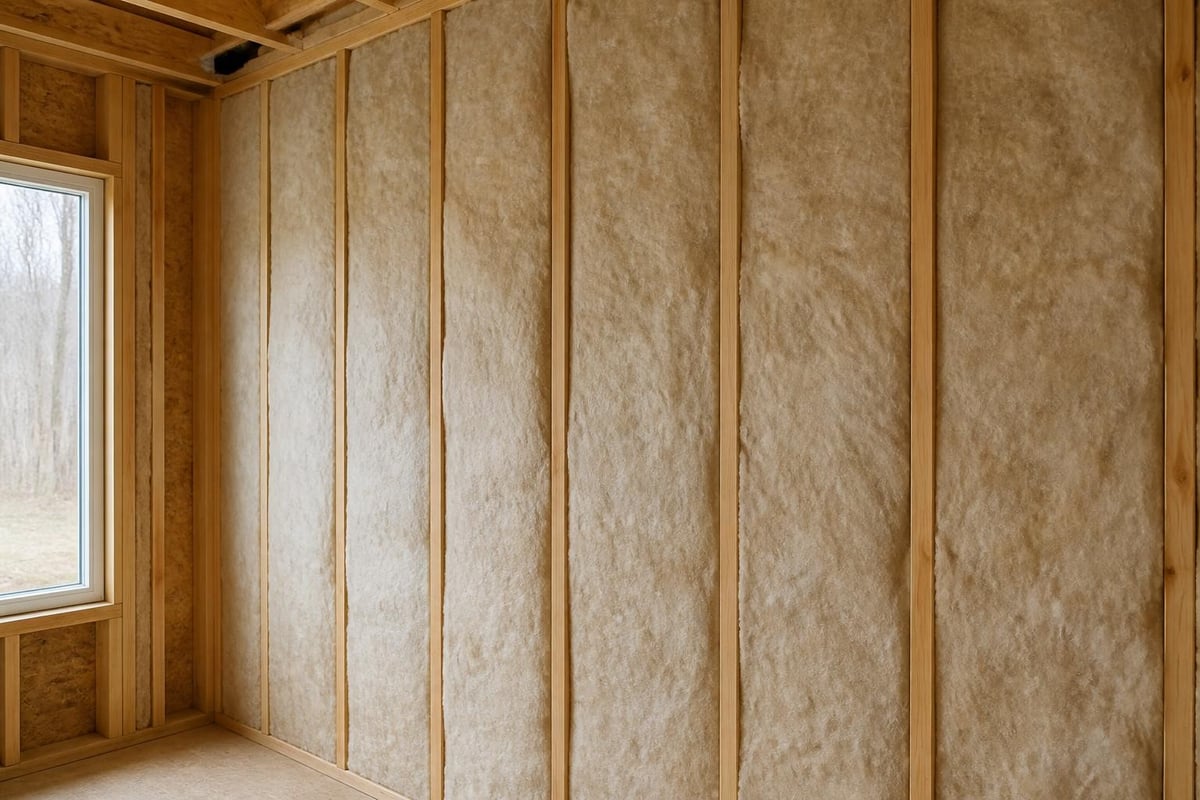
Wall insulation batts are pre-cut sections of insulation material designed to fit snugly between timber or steel studs in your home's wall frames. They create a thermal barrier that slows heat transfer, keeping warmth inside during Melbourne's chilly winters and blocking heat from entering during hot summer days.
Most wall insulation batts are made from glasswool or polyester, both of which trap tiny pockets of air to reduce conduction and convection. The result is a more stable indoor temperature, less reliance on heating and cooling systems, and lower energy bills.
Why Wall Insulation Matters
Walls make up a significant portion of your home's external envelope, and uninsulated or poorly insulated walls are a major source of heat loss and gain. According to research from Sustainability Victoria, up to 25% of heat can escape through uninsulated walls in cooler months, while in summer, walls can contribute to significant heat gain that forces air conditioners to work harder.
Key benefits of wall insulation batts include:
- Improved thermal comfort in all seasons
- Lower heating and cooling costs
- Reduced noise transmission from outside
- Protection against condensation and moisture issues
- Enhanced building durability and energy efficiency
Types of Wall Insulation Batts
Not all wall insulation batts are created equal. The material, density, thickness, and R-value all influence performance, installation ease, and suitability for different wall types and climate zones.
Glasswool Wall Batts
Glasswool batts are the most common choice for wall insulation across Australia. Made from recycled glass and sand, glasswool is spun into fine fibres that trap air and resist heat flow. Modern glasswool products like those manufactured using ECOSE® Technology are soft to handle, low in dust, and free from formaldehyde-based binders.
Advantages of glasswool wall batts:
- Excellent thermal and acoustic performance
- Non-combustible and fire-resistant
- Resistant to moisture and will not support mould growth
- Lightweight and easy to cut and install
- Cost-effective for most residential projects
Glasswool wall insulation batts are available in a range of R-values, from R1.5 for mild climates to R2.5 and R2.7 for cooler areas. Knauf Earthwool insulation is a popular choice among Australian renovators and builders.
Polyester Wall Batts
Polyester batts are made from recycled PET plastic bottles, offering a sustainable and hypoallergenic alternative to glasswool. They are safe to handle without gloves or protective clothing, making them a favourite for DIY projects.
Advantages of polyester wall batts:
- Non-irritant and safe for sensitive skin
- 100% recyclable and environmentally friendly
- Does not absorb moisture
- Excellent acoustic properties
- Maintains performance over time
Polyester batts tend to be slightly more expensive than glasswool, but their ease of handling and environmental credentials make them an attractive option for eco-conscious homeowners.
High-Density Acoustic Batts
If noise reduction is a priority, high-density acoustic wall insulation batts are worth considering. These products have a greater mass and density than standard thermal batts, which helps block and absorb sound waves.
High-density acoustic insulation batts are ideal for:
- Bedrooms adjoining busy roads or noisy neighbours
- Home theatres and entertainment rooms
- Walls between bathrooms and living areas
- Multi-storey homes where footfall noise is an issue
Many acoustic batts also deliver strong thermal performance, so you don't have to compromise on energy efficiency.
Understanding R-Values for Wall Insulation
The R-value measures a material's resistance to heat flow. The higher the R-value, the better the insulation performs. For wall insulation batts, the right R-value depends on your climate zone, wall construction, and performance goals.
R-Value Requirements by Climate Zone
Australia is divided into eight climate zones, and the National Construction Code (NCC) sets minimum insulation standards for each zone. Victoria falls primarily into climate zones 6 and 7, which require higher R-values due to cooler winters.
| Climate Zone | Location Example | Minimum Wall R-Value (NCC 2022) |
|---|---|---|
| Zone 6 | Melbourne Metro | R1.8 - R2.8 |
| Zone 7 | Ballarat, Bendigo | R2.0 - R2.8 |
| Zone 5 | Mildura | R1.5 - R2.0 |
These are minimum requirements. Exceeding them can deliver even greater comfort and energy savings. For detailed guidance on Australian climate zones and insulation standards, visit the Australian Building Codes Board.
Choosing the Right R-Value for Your Walls
Most Victorian homes benefit from wall insulation batts rated R2.0 to R2.7. If you're building or renovating in a cooler part of the state or want to future-proof your home against rising energy costs, consider R2.5 or higher.
Remember that the total thermal performance of a wall also depends on:
- Wall framing material (timber vs steel)
- Thermal bridging caused by studs and plates
- Air gaps and compression during installation
- External cladding and internal linings
The Building Science Corporation provides detailed research on how framing and installation quality affect whole-wall R-value. Small gaps and compression can reduce effective R-value by 20-30%, so proper installation is critical.
How to Install Wall Insulation Batts
Installing wall insulation batts is a manageable DIY project if you're comfortable working with basic tools and following safety guidelines. However, if you're working on a large renovation or new build, professional installation ensures optimal performance and compliance with building codes.
Tools and Materials You'll Need
- Wall insulation batts (sized to match your stud spacing)
- Sharp utility knife or insulation saw
- Measuring tape
- Safety glasses and dust mask
- Long-sleeved clothing and gloves (for glasswool)
- Stapler or friction-fit batts (depending on product type)
Step-by-Step Installation Process
-
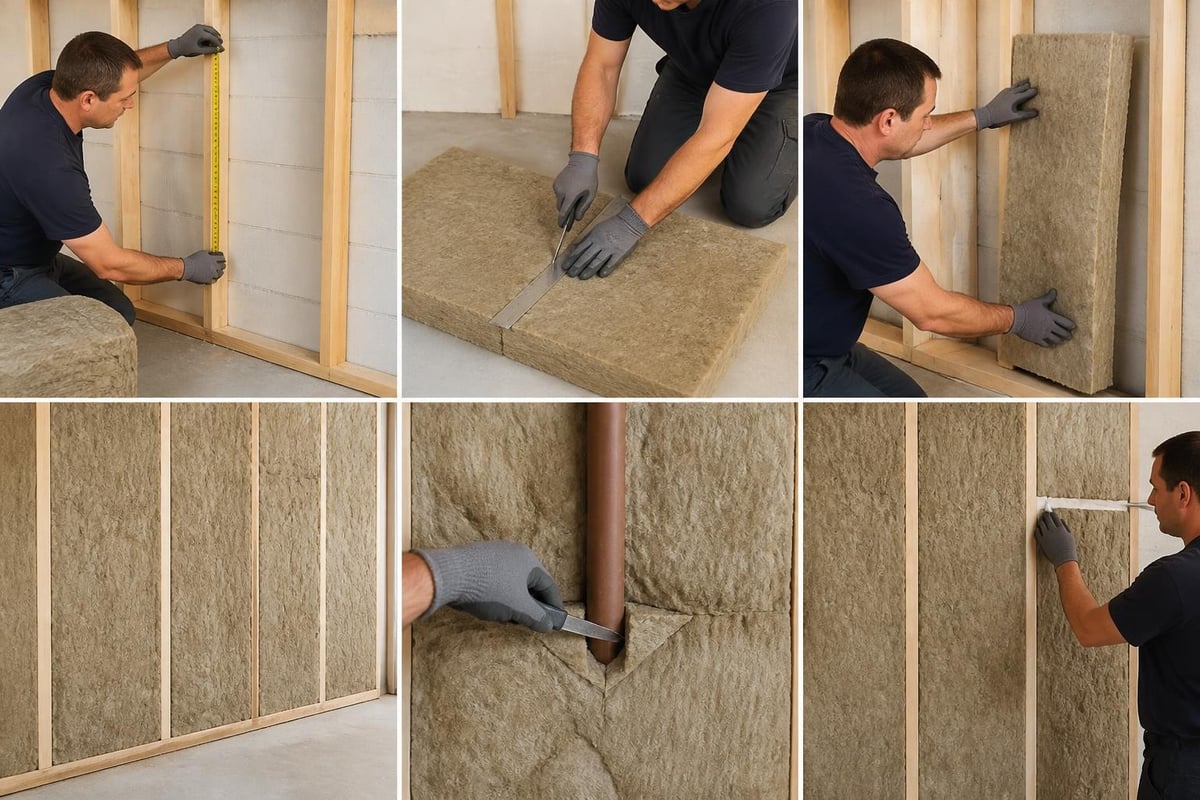
Measure your wall cavities. Most Australian homes use 90mm timber studs spaced at 450mm or 600mm centres. Measure the height and width of each cavity to ensure a snug fit.
-
Select batts that match your stud spacing. Wall insulation batts are typically available in widths of 430mm (for 450mm centres) and 580mm (for 600mm centres). Choose the correct width to avoid gaps.
-
Cut batts to length if necessary. Use a sharp utility knife or insulation saw to trim batts to the exact cavity height. Avoid compressing the material, as this reduces its R-value.
-
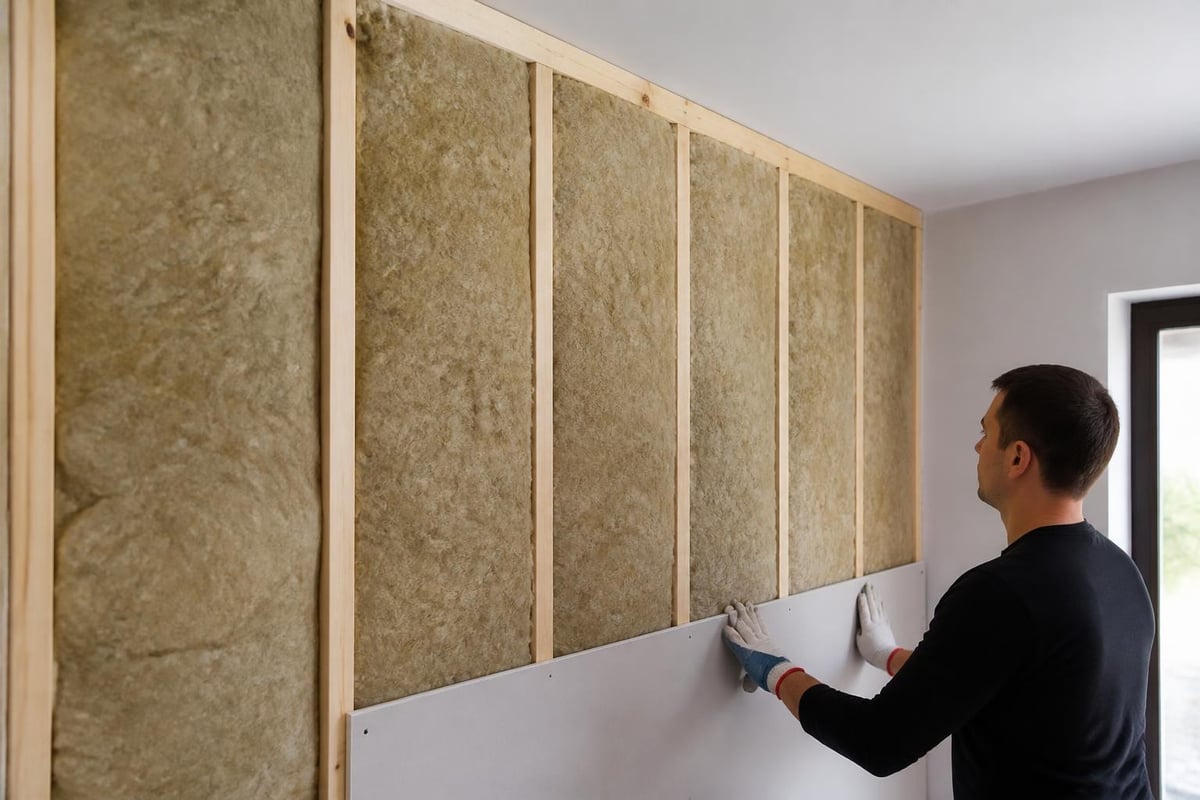
Install batts into wall cavities. Friction-fit batts should be gently pushed into place, allowing them to expand and fill the cavity completely. If using faced batts with a vapour barrier, ensure the facing is oriented according to manufacturer instructions.
-
Work around obstacles. Cut neat openings around electrical outlets, pipes, and wall penetrations. Fill any gaps with offcuts or expanding foam to maintain thermal continuity.
-
Avoid compression and gaps. Batts should fit snugly without being forced or compressed. Gaps of even a few millimetres can significantly reduce performance. Research from ASHRAE shows that a 5% gap can reduce effective R-value by up to 25%.
-
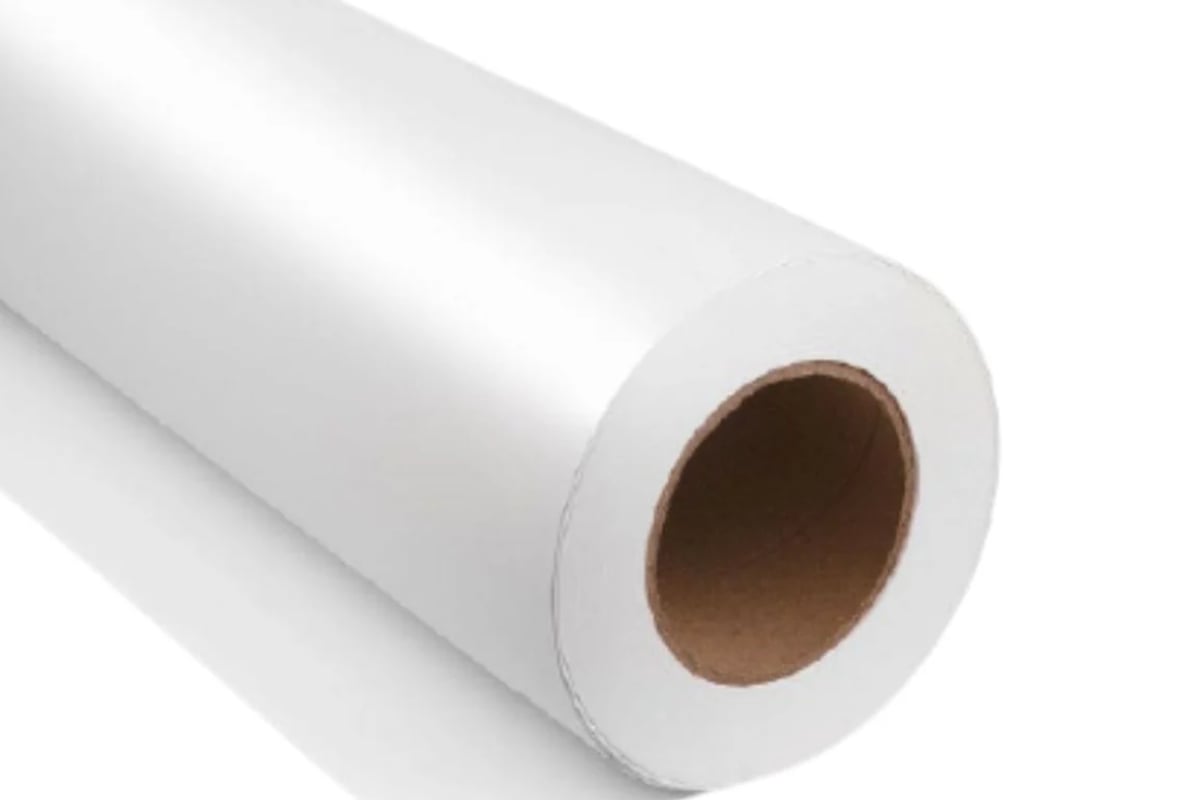
Install wall wrap or sarking. In many Victorian builds, a breathable wall wrap is installed on the exterior side of the frame before cladding. This protects wall cavities from wind and moisture while allowing water vapour to escape. Products like the Drystud Wall Wrap Permeable are designed to work seamlessly with wall insulation batts, creating a complete and durable building envelope.
The Home Innovation Research Labs installation guide offers practical jobsite checklists and inspector tips for achieving quality installations.
Common Mistakes to Avoid
Even experienced DIYers can make mistakes that compromise the performance of wall insulation batts. Here are the most common pitfalls and how to avoid them.
Compressing Batts
Squashing or compressing wall insulation batts reduces the thickness of the air pockets that provide thermal resistance. Never force batts into cavities that are too narrow, and avoid over-stapling or taping.
Leaving Gaps
Small gaps around batts, at corners, or near top and bottom plates allow air to move freely, bypassing the insulation entirely. Use offcuts to fill awkward spaces, and consider using expanding foam or sealant to close penetrations.
Ignoring Vapour Control
In some climates and wall assemblies, a vapour barrier or vapour-permeable membrane is required to manage moisture movement and prevent condensation. The EPA's guide to indoor air quality highlights the risks of condensation and mould when moisture control is neglected.
Mixing Insulation Types
Using multiple insulation types or densities within the same wall cavity can create unpredictable thermal bridging and moisture issues. Stick to one product type per wall assembly.
Wall Insulation Batts for Retrofit Projects
Adding insulation to existing walls is more challenging than insulating during construction, but it's still possible and often worthwhile. Retrofit wall insulation can dramatically improve comfort and reduce energy bills in older, uninsulated homes.
Options for Retrofitting Wall Insulation
-
Blown-in insulation: Loose-fill cellulose or glasswool can be blown into closed wall cavities through small holes drilled in the internal or external lining. This method avoids removing wall cladding.
-
Removing internal lining: If you're planning a renovation, removing internal plasterboard gives you access to install batts the same way you would in new construction.
-
External wall removal: In some cases, removing external cladding (such as weatherboards) and installing batts before re-cladding is the most effective approach.
For more guidance on wall insulation projects in Melbourne, visit our guide on wall insulation in Melbourne.
Acoustic Benefits of Wall Insulation Batts
While thermal performance is the primary reason most people choose wall insulation batts, acoustic control is an important secondary benefit. Insulation absorbs sound waves, reducing noise transmission between rooms and from outside sources.
How Wall Insulation Improves Soundproofing
Sound travels through walls via vibrations in the air and the wall structure itself. Wall insulation batts reduce airborne noise by adding mass and damping vibrations. The denser the batt, the better the acoustic performance.
Best applications for acoustic wall insulation:
- Party walls in duplexes and townhouses
- Walls between bedrooms and living areas
- Home offices and study spaces
- Walls facing busy streets or neighbours
For maximum noise reduction, combine high-density wall batts with resilient channels, acoustic sealant, and double layers of plasterboard.
Moisture Management and Wall Insulation
Moisture is one of the biggest threats to wall insulation performance and building durability. Wall insulation batts themselves are resistant to moisture, but poor installation or inadequate vapour control can lead to condensation, mould, and structural damage.
Understanding Vapour Barriers and Breathable Membranes
In Victoria's climate, walls are at risk of condensation when warm, moist air from inside the home meets cold external surfaces during winter. A vapour barrier on the warm side of the insulation can help prevent moisture from entering the wall cavity.
However, not all walls need a vapour barrier. Breathable wall wraps on the exterior allow moisture that does enter the cavity to escape, reducing the risk of trapped condensation. The Scottish Government building standards guidance references BRE research on managing moisture risks when adding insulation to walls.
Key moisture management tips:
- Ensure good ventilation inside the home to reduce humidity levels
- Install a breathable wall wrap on the exterior side of the frame
- Avoid blocking ventilation gaps behind cladding
- Seal all penetrations and air leaks
- Consider a vapour barrier on the warm side if required by local conditions
Cost and Value of Wall Insulation Batts
Wall insulation batts are one of the most cost-effective ways to improve your home's energy efficiency. Prices vary depending on the product type, R-value, and quantity, but the long-term savings on heating and cooling costs often pay back the investment within a few years.
Typical Costs
| Product Type | R-Value | Approx. Cost per m² |
|---|---|---|
| Glasswool batts | R2.0 | $6 - $10 |
| Glasswool batts | R2.5 | $8 - $12 |
| Polyester batts | R2.0 | $10 - $14 |
| High-density acoustic | R2.7 | $12 - $18 |
These are indicative prices for 2026. Actual costs vary based on supplier, location, and order quantity. For accurate pricing and product availability, contact Insulation Supplies Australia.
Return on Investment
According to the U.S. Department of Energy, adding insulation to uninsulated walls can reduce heating and cooling costs by 20-30%. In a typical Melbourne home, this could translate to savings of $200-$400 per year, meaning wall insulation batts often pay for themselves in 3-5 years.
Compliance and Building Standards
In Victoria, all new homes and major renovations must meet minimum insulation standards set out in the National Construction Code (NCC). These standards are designed to ensure homes are energy-efficient, comfortable, and sustainable.
NCC Insulation Requirements
The NCC specifies minimum R-values for walls, ceilings, and floors based on climate zone. For walls in Melbourne (climate zone 6), the current minimum is typically R1.8 to R2.8, depending on the building's overall energy rating and design.
However, many builders and homeowners exceed these minimums to achieve better comfort and lower running costs. The ENERGY STAR national rater field checklist provides detailed installation quality standards and inspection criteria for insulation in new homes.
Building Inspections
Building inspectors check that insulation is installed correctly, without gaps, compression, or damage. Common inspection points include:
- Correct R-value for the climate zone
- Full coverage of all wall cavities
- No gaps around penetrations or at corners
- Proper alignment of vapour barriers (if required)
- Compliance with fire safety regulations
For more on insulation standards and installation best practices, the Insulation Institute resource library offers comprehensive technical guidance.
Wall Insulation Batts vs Other Insulation Types
Wall insulation batts are popular, but they're not the only option. Here's how they compare to other common wall insulation methods.
Batts vs Blown-In Insulation
Blown-in insulation (cellulose or loose-fill glasswool) is ideal for retrofit projects where wall cavities are closed. It fills irregular spaces and hard-to-reach areas, but it can settle over time and may require specialised equipment and professional installation.
Wall insulation batts are easier to handle, install, and inspect, making them the preferred choice for new builds and renovations where wall cavities are accessible.
Batts vs Rigid Board Insulation
Rigid foam or XPS boards offer high R-values per millimetre and are often used for external wall cladding or under render systems. However, they are more expensive than batts and require careful detailing to avoid thermal bridging.
Batts are more versatile, cost-effective, and easier to cut and fit around obstacles.
Batts vs Spray Foam
Spray foam insulation expands to fill every gap and provides excellent air sealing, but it's significantly more expensive than wall insulation batts and requires professional installation. Spray foam is less common in Australian residential construction due to cost and availability.
For most Victorian homeowners, wall insulation batts offer the best balance of performance, cost, and ease of installation.
Choosing the Right Supplier
Buying wall insulation batts from a trusted supplier ensures you receive quality products, accurate advice, and reliable delivery. When comparing suppliers, consider:
- Product range: Does the supplier stock a variety of R-values, materials, and brands?
- Expert advice: Can they help you select the right insulation for your project?
- Competitive pricing: Are prices transparent and fair?
- Fast delivery: Can they deliver to your location quickly and reliably?
- Customer support: Do they offer guidance on installation and compliance?
For homeowners and builders in Melbourne and across Victoria, Insulation Supplies Australia offers a wide range of wall insulation batts, expert advice, and convenient online ordering.
Frequently Asked Questions About Wall Insulation Batts
Can I install wall insulation batts myself?
Yes, wall insulation batts are designed for DIY installation. However, you should follow safety guidelines, use the correct protective equipment, and ensure batts are installed without gaps or compression.
What thickness of wall insulation batts do I need?
Wall batt thickness depends on your stud depth and desired R-value. Most Australian homes use 90mm studs, which accommodate R2.0 to R2.7 batts. Check your wall framing and local climate zone requirements before purchasing.
Do wall insulation batts block sound?
Yes, wall insulation batts improve acoustic performance by absorbing sound waves. High-density acoustic batts offer superior noise reduction compared to standard thermal batts.
How long do wall insulation batts last?
Quality glasswool and polyester batts can last 50 years or more if properly installed and protected from moisture. They do not degrade, settle, or lose R-value over time.
Can I use ceiling insulation batts in walls?
Ceiling batts are typically thicker and designed for horizontal installation. Wall insulation batts are sized to fit standard wall cavities and stud spacings. Always use batts designed for wall applications.
Wall insulation batts are a simple, effective solution for improving your home's comfort, energy efficiency, and acoustic performance. By choosing the right R-value, installing batts correctly, and managing moisture risks, you can enjoy year-round comfort and lower energy bills. Whether you're building new, renovating, or retrofitting an older home, Insulation Supplies Australia makes it easy to find the right wall insulation batts at competitive prices, backed by expert advice and fast delivery across Victoria.