

When you're looking for affordable and versatile insulation that's easy to handle, bubble wrap foil insulation offers a practical solution for many Australian homes. This lightweight, reflective material combines air-filled bubbles with aluminium foil layers to create a radiant barrier that helps control temperature and moisture. While it's not a replacement for bulk insulation like glasswool or polyester batts, bubble wrap foil insulation excels in specific applications where radiant heat control matters most.
What Is Bubble Wrap Foil Insulation
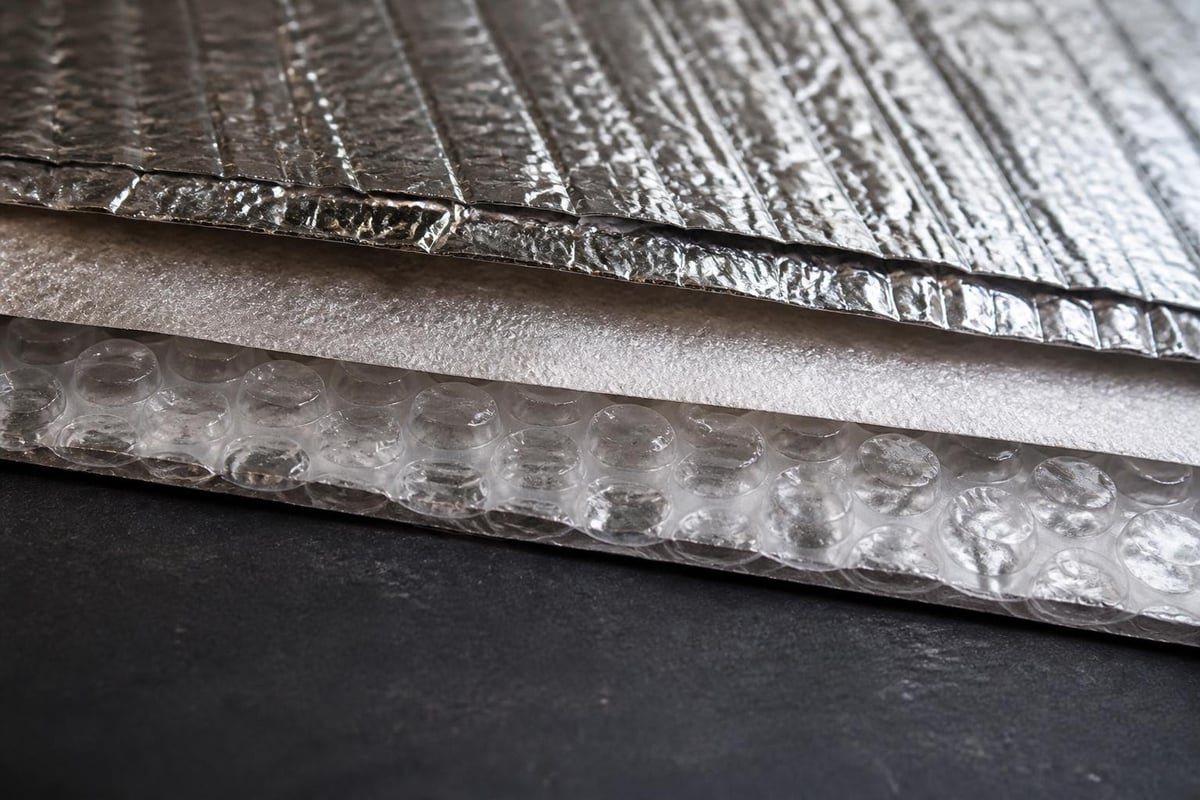
Bubble wrap foil insulation consists of one or more layers of polyethylene air bubbles sandwiched between reflective aluminium foil surfaces. The bubbles trap air to provide some resistance to conductive heat transfer, while the shiny foil surfaces reflect radiant heat away from living spaces.
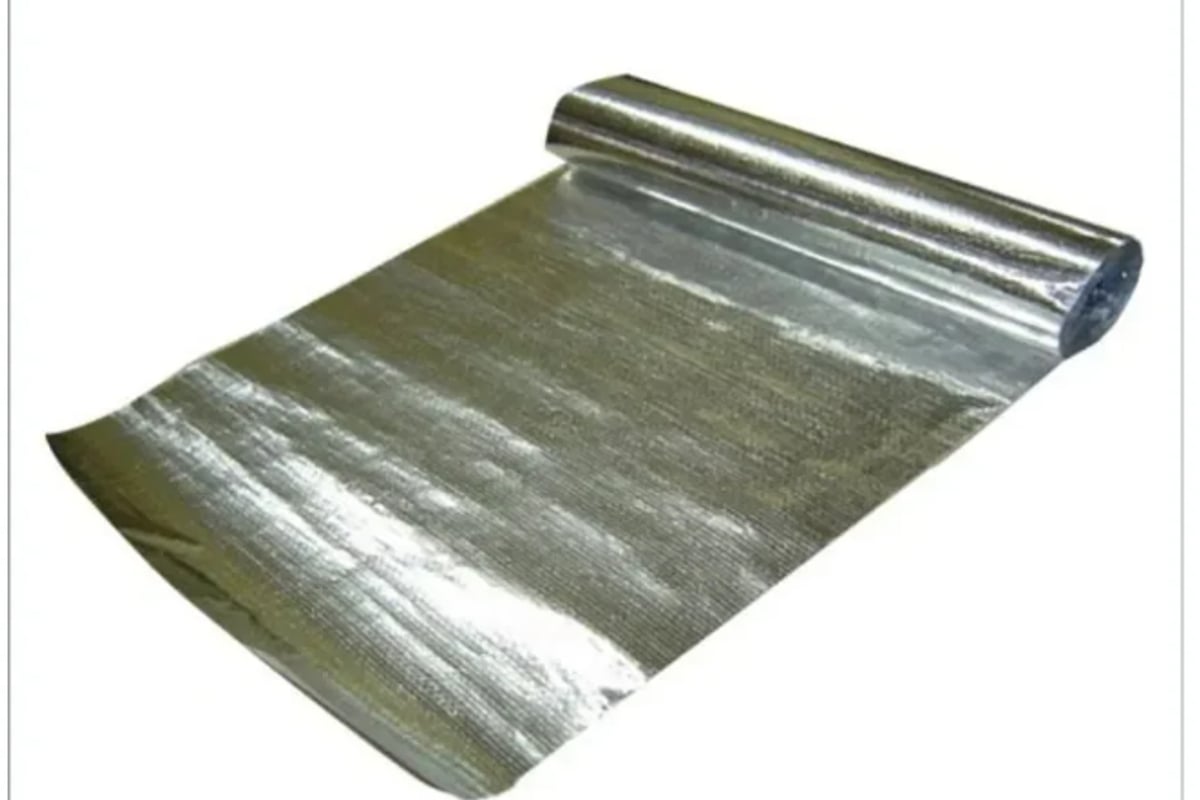
This type of insulation typically comes in rolls that are easy to transport and install. The material is lightweight, flexible, and resistant to moisture, making it suitable for areas where traditional batts might be difficult to install or where condensation control is important.
How the Technology Works
The dual-layer design addresses two forms of heat transfer. The aluminium foil reflects up to 97% of radiant heat, which is particularly valuable in Australian climates where summer heat radiates through roofs and walls. The air bubbles create small pockets of trapped air that slow down conductive heat movement.
Key performance factors include:
- Reflective surface emissivity (typically 0.03 to 0.05)
- Air bubble thickness and density
- Number of bubble layers (single or double)
- Installation method and air gap positioning
The effectiveness of bubble wrap foil insulation depends heavily on having an air gap adjacent to at least one reflective surface. Without this air space, the radiant barrier cannot function properly, and the insulation's overall performance drops significantly.
Where to Use Bubble Wrap Foil Insulation
This insulation type works best in applications where radiant heat control is the primary concern and where you can maintain proper air gaps during installation. Understanding the right applications helps you get the best performance from the material.
Underfloor Applications
Suspended timber floors benefit significantly from bubble wrap foil insulation. The material acts as both a radiant barrier and a moisture-resistant membrane that blocks cold air infiltration from beneath the building.
When installed correctly beneath floor joists, it helps reduce heat loss through floors and creates a warmer living environment during winter months. The moisture resistance also prevents condensation from forming on the underside of floorboards.
For homeowners tackling underfloor insulation projects, products like the Underfloor Wrap Reflective Foil Insulation provide purpose-designed solutions that combine radiant barrier properties with draught-blocking capability. This lightweight option works particularly well in retrofit situations where access beneath the floor is limited.
| Application | Benefits | Considerations |
|---|---|---|
| Underfloor | Reduces cold air drafts, controls moisture | Requires proper fixing to joists |
| Wall cavities | Lightweight, adds radiant barrier | Lower R-value than bulk insulation |
| Roof spaces | Reflects summer heat, easy to handle | Must maintain air gap |
| Sheds and garages | Affordable, quick installation | Not suitable as sole insulation |
Metal Building Insulation
Metal sheds, garages, and outbuildings present unique challenges because metal surfaces conduct heat rapidly and create condensation risks. Bubble wrap foil insulation addresses both issues effectively when installed with an air gap between the metal skin and the insulation.
The reflective surface bounces radiant heat away from the interior during summer, while the moisture-resistant foil prevents condensation from dripping onto stored items or equipment. Many DIY renovators find this material easier to work with than traditional batts in tight spaces.
Roof and Ceiling Applications
In roof spaces, bubble wrap foil insulation can work as a supplementary layer beneath metal roofing or as a sarking membrane that provides additional radiant heat control. However, it should not replace proper bulk insulation in ceilings where building codes require specific R-values.
When combined with ceiling batts or blankets, the foil layer adds extra protection against radiant heat penetration during hot summer days. The air gap between the roofing and the foil is critical for this application to work effectively.
Installation Methods and Best Practices
Proper installation determines whether bubble wrap foil insulation performs as intended. Unlike bulk insulation where compression is the main concern, foil insulation requires attention to air gaps, fixing methods, and reflective surface orientation.
Required Air Gaps
For maximum effectiveness, maintain a minimum 25mm air gap between the reflective surface and any adjacent material. This air space allows the foil to reflect radiant heat rather than conduct it directly to touching surfaces.
In underfloor applications, staple the insulation to the underside of joists with the reflective surface facing upward toward the floor. This creates a natural air gap between the floor and the foil while protecting the timber from moisture.
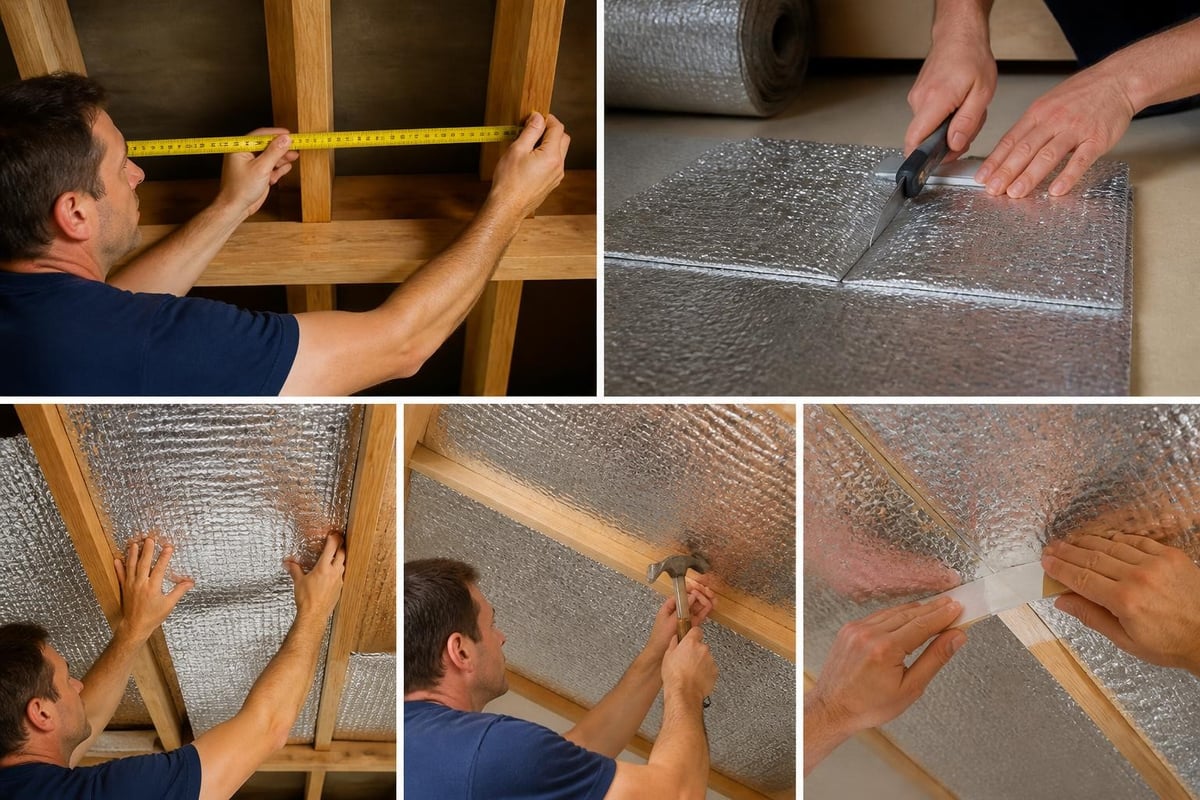
Installation steps for underfloor work:
- Measure the distance between floor joists
- Cut insulation to width, allowing 50mm overlap on each side
- Start from one end of the building and work systematically
- Staple every 150-200mm along joists
- Overlap joins by at least 100mm
- Seal seams with reflective foil tape
Wall Cavity Installation
When installing bubble wrap foil insulation in wall cavities, position it against the outer wall studs with the reflective surface facing the interior air space. This orientation reflects heat back outside during summer and reduces heat loss during winter.
Secure the material using a staple gun with appropriate staples, ensuring the foil remains smooth without excessive sagging. Wrinkles and folds reduce the effective reflective surface area.
Some builders use bubble wrap foil insulation as a radiant barrier layer in combination with bulk insulation like glasswool blankets to achieve both radiant heat control and strong R-value performance. This hybrid approach works well in Melbourne's variable climate.
Performance Characteristics and R-Values
Understanding how bubble wrap foil insulation performs compared to other insulation types helps set realistic expectations. The R-value varies significantly depending on installation method, number of bubble layers, and air gap configuration.
R-Value Considerations
Single bubble foil insulation typically achieves R-values between R0.3 and R0.8 when installed with proper air gaps. Double bubble versions may reach R1.0 to R1.5 under ideal conditions with air gaps on both sides.
These R-values are considerably lower than bulk insulation products like glasswool or polyester batts, which is why bubble wrap foil insulation works best as a supplementary layer or in applications where radiant heat control matters more than conductive resistance.
| Insulation Type | Typical R-Value | Primary Function | Best Applications |
|---|---|---|---|
| Single bubble foil | R0.5-R0.8 | Radiant barrier | Underfloor, metal buildings |
| Double bubble foil | R1.0-R1.5 | Radiant barrier + some bulk | Walls, roofs (supplementary) |
| Glasswool batts | R1.5-R6.0 | Bulk insulation | Ceilings, walls (primary) |
| Reflective sarking | R0.2-R0.6 | Radiant barrier | Under roofing |
According to research on double bubble foil insulation, the reflective properties remain effective for decades when the material is protected from physical damage and UV exposure.
Climate Zone Performance
Melbourne sits in Climate Zone 6 according to Australian climate zones, which experiences both cold winters and warm summers. Bubble wrap foil insulation performs well in this mixed climate because it addresses both heating and cooling concerns.
During summer, the reflective surface bounces radiant heat away from living spaces, reducing cooling loads. In winter, the same reflective property helps retain heat inside the building by reflecting it back into rooms.
Advantages and Limitations
Every insulation material has strengths and weaknesses. Being honest about what bubble wrap foil insulation can and cannot do helps you make informed decisions for your project.
Primary Advantages
Moisture resistance stands out as a major benefit. Unlike fibreglass or cellulose insulation, bubble wrap foil insulation won't absorb water, promote mould growth, or deteriorate when exposed to condensation.
Easy handling makes this material attractive for DIY installers. There's no need for protective equipment like dust masks or gloves, and the lightweight rolls are simple to transport and manoeuvre in tight spaces.
Quick installation saves time on projects. You can cover large areas rapidly with a staple gun and scissors, especially compared to fitting individual batts between studs or joists.
- No itching or skin irritation during installation
- Doesn't compress or settle over time
- Acts as a vapour barrier in many applications
- Relatively affordable compared to some bulk insulation types
- Reflects radiant heat effectively when properly installed
Important Limitations
The relatively low R-value means bubble wrap foil insulation typically cannot meet building code requirements as a sole insulation solution in habitable rooms. Most Australian building codes require higher R-values for walls and ceilings in climate zones like Melbourne.
Sound insulation is minimal. If noise control is important, you'll need dedicated acoustic insulation products rather than relying on foil insulation.
The material can tear or puncture during installation or if sharp objects contact it later. Once the reflective surface is damaged, its effectiveness drops in that area.
Comparing Bubble Wrap Foil to Other Reflective Products
Several reflective insulation products exist in the Australian market, each with different structures and performance characteristics. Understanding these differences helps you choose the right product for specific applications.
Single vs Double Bubble Construction
Single bubble foil insulation features one layer of air bubbles between two foil surfaces. This lighter, thinner option works well for basic underfloor applications or as a radiant barrier in non-critical areas.
Double bubble products have two layers of bubbles with three foil surfaces, creating enhanced thermal resistance and greater durability. The additional layer provides better puncture resistance and improved R-value.
For demanding applications or where the insulation will be exposed to potential damage, double bubble construction offers better long-term performance despite the higher initial cost.
Foil Sarking and Sisalation
Traditional foil sarking consists of a single layer of reinforced aluminium foil without bubbles. It provides excellent radiant barrier properties but offers minimal resistance to conductive heat transfer.
Sisalation and similar products combine foil with woven reinforcement for greater tear resistance. These products excel as roofing underlays where mechanical strength matters more than insulation value.
According to product specifications from major manufacturers, bubble wrap foil insulation offers a middle ground between pure radiant barriers and bulk insulation materials.
Cost Considerations and Value
Budget plays a significant role in insulation decisions. Bubble wrap foil insulation generally costs less per square metre than premium bulk insulation products, but comparing costs requires looking at complete system performance.
Material Costs
Expect to pay between $2 and $6 per square metre for bubble wrap foil insulation, depending on quality, bubble layer configuration, and purchase quantity. Double bubble versions sit at the higher end of this range.
This compares favourably to bulk insulation materials on a per-square-metre basis, though remember the lower R-value means you may need additional insulation to meet building code requirements in primary living areas.
Cost factors to consider:
- Roll width and length (buying larger rolls often reduces per-metre cost)
- Single vs double bubble construction
- Brand reputation and warranty coverage
- Delivery fees for online purchases
- Installation labour if hiring professionals
Long-Term Value
The durability and moisture resistance of bubble wrap foil insulation mean minimal maintenance costs over the building's life. Unlike bulk insulation that might need replacement if it gets wet, foil insulation withstands moisture exposure without degradation.
Energy savings depend on correct installation and the specific application. In underfloor situations, homeowners often notice improved comfort and reduced heating costs during winter months, though quantifying exact savings requires individual assessment.
Alternative and Creative Applications
Beyond standard building insulation, bubble wrap foil insulation has found uses in various creative applications where its unique properties offer solutions to specific problems.
Greenhouse and Garden Protection
Gardeners have discovered that bubble wrap foil insulation helps protect plants during cold snaps. According to greenhouse insulation methods, lining greenhouse walls with this material creates a warmer environment while still allowing light transmission.
The insulation can wrap around sensitive outdoor plants or be used to line cold frames, providing thermal protection without the weight of traditional insulating materials. This application demonstrates the versatility beyond construction uses.
Temporary Weather Protection
Renovators sometimes use bubble wrap foil insulation as temporary weather protection during construction phases. It can cover window openings, create temporary barriers against wind and rain, or protect materials stored on-site.
The lightweight nature and ease of installation make it practical for short-term applications where permanent solutions aren't yet needed.
Innovative uses continue emerging as people recognize the benefits of combining reflective properties with insulating bubbles in various temperature and moisture control situations.
Selecting Quality Products
Not all bubble wrap foil insulation performs equally. Quality differences affect durability, R-value, and long-term effectiveness, making product selection important for achieving desired results.
Material Quality Indicators
High-quality products use virgin polyethylene for bubble construction rather than recycled materials. Virgin polyethylene offers better clarity, strength, and resistance to degradation over time.
The aluminium foil should be continuous and well-bonded to the bubble layer without gaps, wrinkles, or weak adhesion points. Check product specifications for foil thickness, typically measured in microns.
Quality features to look for:
- Uniform bubble size and distribution
- Strong adhesion between foil and polyethylene layers
- Clear product labelling with R-value claims
- Australian Standards compliance information
- Manufacturer warranty coverage
Australian Standards and Compliance
In Australia, insulation products should comply with relevant standards for thermal performance, fire safety, and product labelling. While bubble wrap foil insulation may not require the same stringent testing as bulk insulation in habitable spaces, reputable suppliers provide products that meet appropriate standards.
Insulation Supplies Australia stocks quality-verified products from established manufacturers, ensuring customers receive materials that perform as specified and comply with relevant Australian building requirements.
Maintenance and Longevity
Once installed, bubble wrap foil insulation requires minimal maintenance, but understanding what to check and when helps ensure continued performance throughout the building's life.
Expected Lifespan
Properly installed bubble wrap foil insulation should last the lifetime of the building when protected from physical damage and UV exposure. The aluminium foil doesn't degrade, and quality polyethylene bubbles resist puncturing and compression.
In underfloor applications protected from sunlight and mechanical damage, the material can remain effective for 50 years or more. Exposed installations in unprotected environments may show degradation within 10-15 years.
Inspection Points
Periodically check visible insulation for tears, punctures, or separation from fixing points. In underfloor areas, look for sections that have sagged or become detached from joists.
If you notice moisture accumulation on the foil surface, investigate potential leaks or condensation sources. While the insulation itself resists moisture damage, persistent water presence indicates other building envelope issues requiring attention.
Tape joints occasionally work loose over time. Re-sealing with quality reflective foil tape restores the vapour barrier function and maintains thermal performance.
Integration with Other Insulation Types
Many builders and renovators combine bubble wrap foil insulation with bulk insulation products to achieve comprehensive thermal control. This hybrid approach leverages the strengths of each material type.
Complementary Systems
Installing bubble wrap foil insulation alongside glasswool or polyester batts creates a system that addresses both radiant and conductive heat transfer. For example, ceiling batts provide high R-value bulk insulation while a foil layer beneath the roof reflects radiant heat.
This combination proves particularly effective in Australian climates where summer radiant heat loads are significant. The foil layer handles radiant heat while bulk insulation manages conductive transfer through the building envelope.
When planning wall and ceiling insulation projects, consider how different materials work together rather than viewing them as competing options.
Installation Sequence
In most combination installations, install bulk insulation first between structural members, then add the foil layer with appropriate air gaps. This sequence ensures proper R-value achievement while maximizing radiant barrier effectiveness.
For roof insulation projects, bulk insulation goes between or over ceiling joists, while reflective foil might install beneath the roofing material as sarking or as a secondary layer in the roof space.
Bubble wrap foil insulation delivers excellent value in specific applications where radiant heat control, moisture resistance, and ease of installation matter most. While it can't replace bulk insulation in primary living areas, it serves as an effective supplementary layer and works brilliantly in underfloor, metal building, and retrofit situations where traditional batts prove challenging. Whether you're tackling a DIY renovation or planning a professional installation, Insulation Supplies Australia provides quality products, expert guidance, and competitive pricing to help you achieve comfortable, energy-efficient results across Victoria.