

Insulating your home properly is one of the smartest investments you can make for long-term comfort and energy savings. Wall and ceiling insulation work together to create a continuous thermal envelope that keeps your home warmer in winter and cooler in summer. For Victorian homeowners, choosing the right insulation products and understanding where they work best can transform an uncomfortable, expensive-to-run house into an efficient, comfortable living space. Whether you're building new, renovating, or retrofitting an older home, getting wall and ceiling insulation right from the start saves money and hassle down the track.
Why Wall and Ceiling Insulation Matters in Victorian Homes
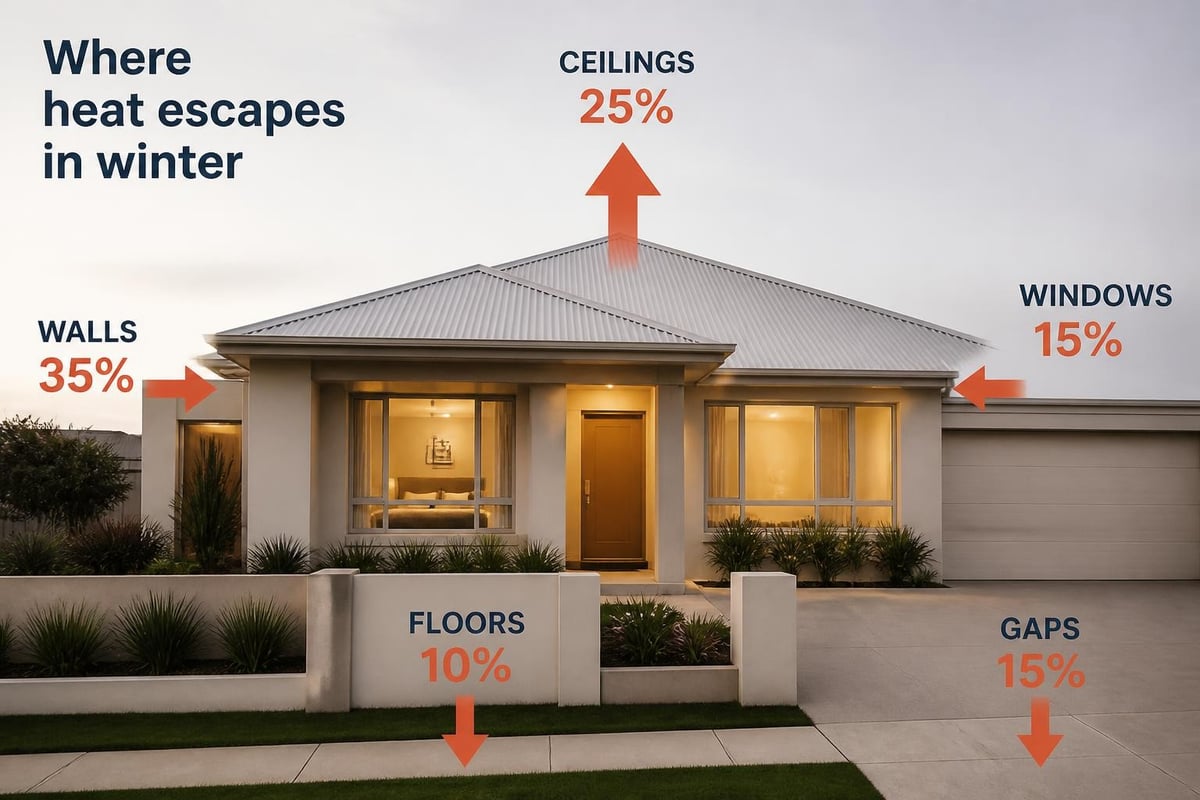
Victoria's climate demands effective thermal protection. Hot summer days and cold winter nights create significant temperature swings that uninsulated homes struggle to manage. Heat naturally moves from warm areas to cool areas, and without proper insulation, your heating and cooling systems work overtime trying to maintain comfort.
Ceiling insulation is particularly critical because heat rises. During winter, warm air generated by your heating system escapes through an uninsulated ceiling into the roof space and out of your home. In summer, the opposite happens: radiant heat from your roof transfers down through the ceiling, making rooms uncomfortably hot.
Wall and ceiling insulation work together to create a complete thermal barrier throughout the home. Properly insulating multiple areas of the building envelope can help improve year-round comfort, reduce energy costs, and create a more consistent indoor temperature. Guidance from YourHome's insulation and energy efficiency resources highlights the importance of insulating key areas of the home to maximise thermal performance.
The Cost of Poor Insulation
Homeowners with inadequate wall and ceiling insulation face several challenges:
Higher energy bills from constant heating and cooling
Uncomfortable temperature zones where some rooms are always too hot or cold
Increased carbon footprint from excessive energy consumption
Moisture problems when condensation forms on cold surfaces
Noise transmission from outside or between rooms
Understanding R-Values for Walls and Ceilings
The R-value measures insulation's resistance to heat flow. Higher R-values mean better insulating performance. For wall and ceiling insulation, understanding R-values helps you choose products that meet National Construction Code (NCC) requirements and your comfort goals.
Application |
Minimum R-Value (Victoria) |
Recommended R-Value |
Typical Thickness |
|---|---|---|---|
Ceiling (Climate Zone 6) |
R3.5 |
R4.0 - R6.0 |
140mm - 210mm |
Wall (Climate Zone 6) |
R1.5 |
R2.0 - R2.5 |
75mm - 90mm |
Ceiling (Climate Zone 7) |
R4.1 |
R5.0 - R7.0 |
175mm - 240mm |
Wall (Climate Zone 7) |
R1.8 |
R2.5 - R3.0 |
90mm - 140mm |
Victoria spans multiple climate zones, and Australian climate zones determine minimum insulation requirements. Melbourne sits primarily in Zone 6, while regional areas may fall into Zone 7, which requires higher R-values.
Ceiling spaces typically need higher R-values than walls because of greater heat transfer through roof surfaces. A properly insulated ceiling with R4.0 to R6.0 performance makes a noticeable difference to comfort and running costs.
Types of Insulation for Walls and Ceilings
Several insulation materials suit different applications, budgets, and performance requirements. Each has distinct characteristics that make it better suited for specific situations.
Glasswool Batts and Blankets
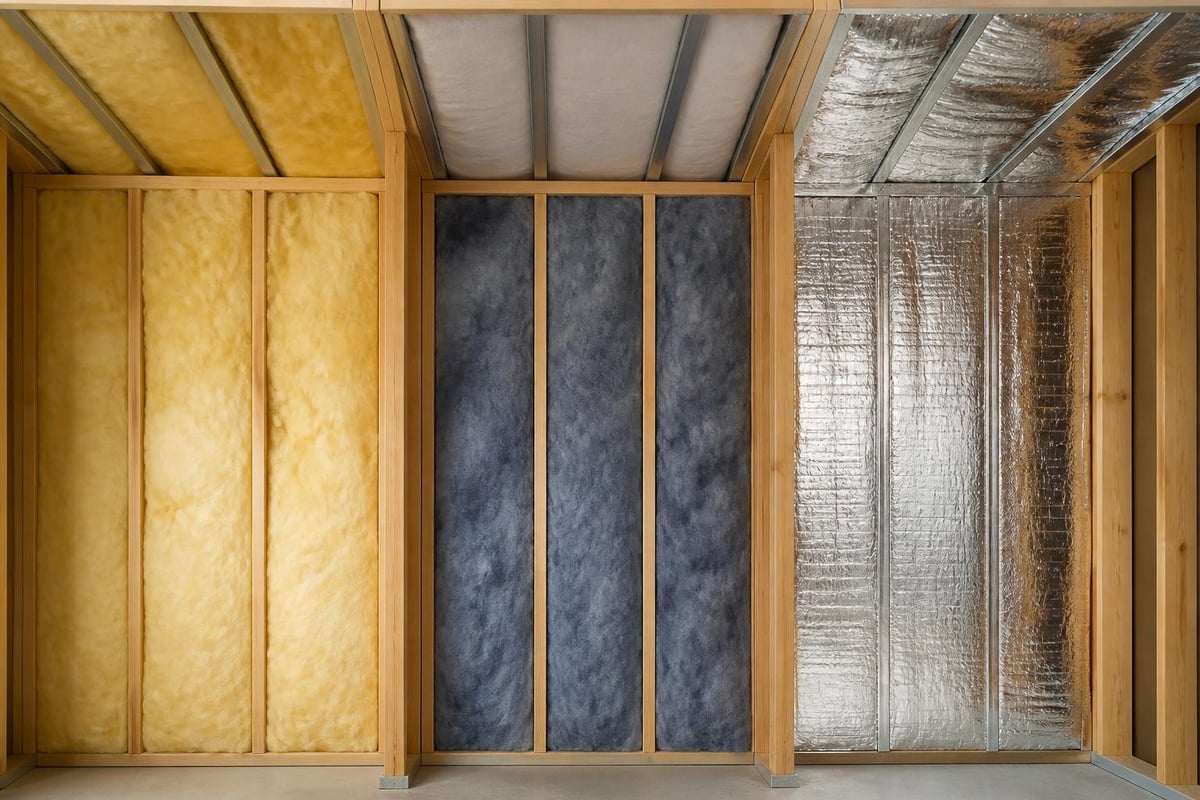
Glasswool is the most common material for wall and ceiling insulation in Australian homes. Made from recycled glass and sand, glasswool batts fit between timber or steel studs in walls and ceiling joists.
Benefits of glasswool include:
Excellent thermal and acoustic performance
Non-combustible and fire-resistant
Cost-effective for most applications
Available in many R-values and sizes
Easy to handle and install
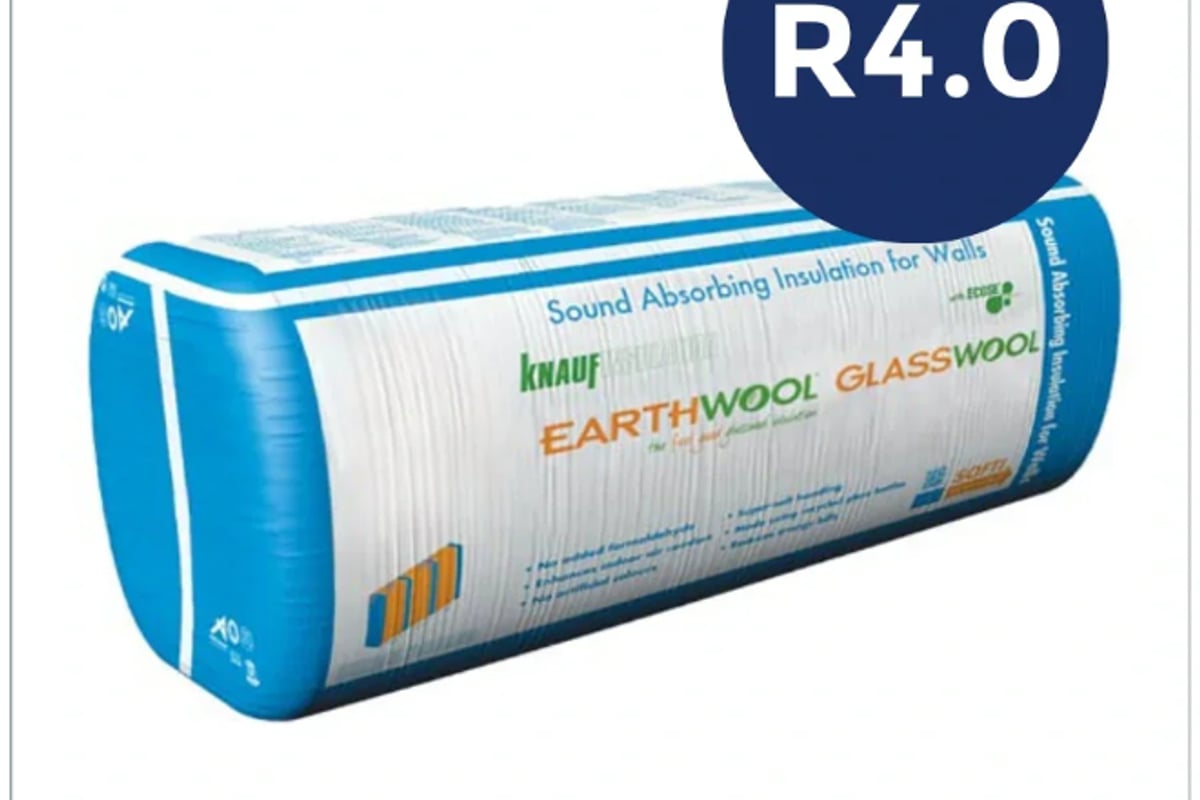
Modern glasswool products manufactured with ECOSE® Technology are soft to touch, low in dust, and formaldehyde-free. They're suitable for DIY installation in accessible ceiling spaces and new construction where wall frames are exposed.
Polyester Batts
Polyester insulation offers an alternative for people sensitive to traditional materials. Made from recycled PET bottles, polyester batts provide good thermal performance and are particularly popular for acoustic applications.
These batts are hypoallergenic, non-irritating, and safe to handle without protective equipment. They work well in both wall and ceiling insulation projects, though they're typically more expensive than glasswool.
Reflective Foil Insulation
Bulk insulation like batts resist heat transfer through their thickness. Reflective insulation works differently by reflecting radiant heat away from living spaces. Foil insulation is often combined with bulk insulation for maximum performance.
In ceiling applications, reflective foil facing on batts helps reflect summer heat back toward the roof, keeping ceiling spaces cooler. Some builders use separate foil layers as radiant barriers under metal roofing.
Installing Ceiling Insulation: What You Need to Know
Ceiling insulation installation requires careful attention to safety and technique. Most ceiling spaces have adequate access for batts or blanket insulation, making them the first priority in any insulation upgrade.
Preparation Steps
Assess your ceiling space for clearance, obstacles, and existing insulation
Check for roof leaks and repair before installing insulation
Install adequate lighting for safe working conditions
Identify and mark downlight locations and electrical cables
Ensure proper ventilation to maintain safe working temperatures
Air sealing and insulation work together to deliver the best results. Seal gaps around penetrations, light fittings, and exhaust fans before laying insulation to help reduce unwanted air leakage and improve overall thermal performance. Guidance from YourHome's insulation and draught sealing resources highlights the importance of combining insulation with effective air sealing to improve comfort and energy efficiency.
Installation Best Practices
Never compress wall and ceiling insulation. Compression reduces the thickness and trapped air space that provides thermal resistance. Cut batts to fit snugly without squashing them into place.
Maintain clearance around heat-producing equipment. Downlights, transformers, and flues require minimum clearances specified by manufacturers and building codes. Use protective covers or barriers around downlights rated for contact with insulation.
For ceiling insulation, work systematically from one end of the ceiling space to the other. Lay batts perpendicular to joists, ensuring edges butt together without gaps. If you're adding a second layer for higher R-values, run the second layer perpendicular to the first.
The Earthwool Sound Shield R4.0 provides exceptional thermal and acoustic performance for ceiling applications where both energy efficiency and noise reduction matter. Its higher density construction delivers superior results in residential and multi-residential buildings.
Wall Insulation Options and Techniques
Wall and ceiling insulation require different approaches depending on whether you're building new, renovating, or retrofitting. Wall cavities present unique challenges that affect product selection and installation methods.
New Construction and Renovations
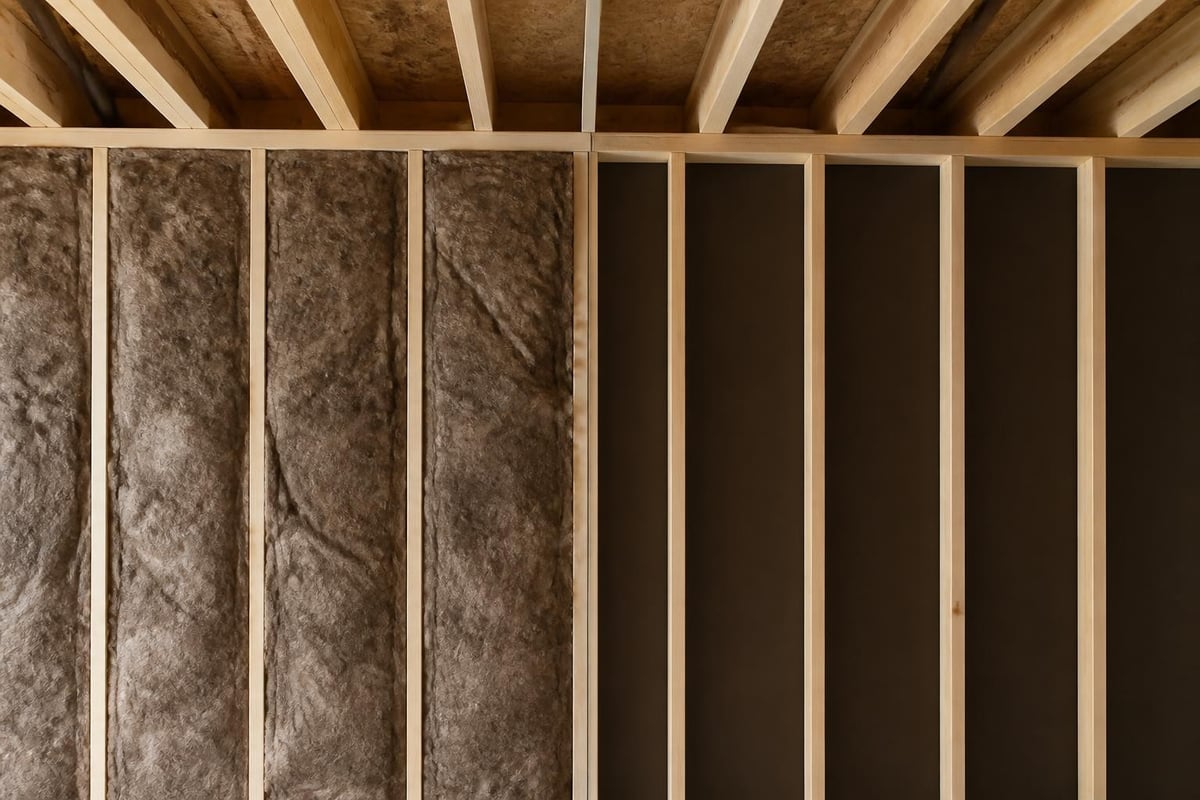
When wall frames are exposed during new builds or major renovations, installing batts is straightforward. Choose batts sized to match your stud spacing (typically 450mm or 600mm centres) and wall cavity depth.
Wall insulation in Melbourne delivers year-round comfort improvements by reducing heat transfer through external walls. Properly installed wall batts also significantly reduce noise transmission from outside traffic, neighbours, and weather.
For masonry cavity walls, specialised products such as water-repellent cavity batts help manage moisture while delivering effective thermal performance. Guidance from YourHome's wall insulation resources highlights the importance of selecting insulation systems that suit the wall construction type and local climate conditions.
Retrofit Wall Insulation
Retrofitting wall and ceiling insulation in existing homes without removing internal linings requires different techniques. Blown-in insulation can fill wall cavities through small holes drilled from inside or outside.
Professional installers use specialised equipment to pump loose-fill glasswool, cellulose, or polyester into wall cavities. This approach works well for solid walls where removing plasterboard isn't practical or desirable.
Alternatively, foam insulation can be injected into wall cavities. While effective, foam products typically cost more than other options and require professional installation.
Combining Wall and Ceiling Insulation
Maximum comfort and efficiency comes from insulating your entire building envelope. Best practice insulation design focuses on creating a continuous thermal envelope across walls, ceilings and floors.
When planning wall and ceiling insulation together, consider how they connect at the wall-ceiling junction. Ensure insulation coverage extends fully into corners and edges where walls meet ceilings to eliminate thermal bridging.
Common Installation Mistakes to Avoid
Even experienced DIYers make mistakes that reduce insulation performance. Being aware of these common issues helps you avoid them in your project.
Gaps and compression are the two biggest problems. Gaps between batts allow heat transfer through the uninsulated section, while compression reduces the effective R-value by removing air space within the insulation.
Mistake |
Impact |
Solution |
|---|---|---|
Leaving gaps between batts |
Heat loss, cold spots |
Cut batts carefully to fit snugly |
Compressing insulation |
Reduced R-value |
Use correct thickness for cavity depth |
Ignoring downlight clearances |
Fire risk, heat damage |
Install compliant covers or barriers |
Blocking ventilation |
Moisture problems, mould |
Maintain eave and ridge ventilation |
Mixing incompatible products |
Reduced performance |
Follow manufacturer specifications |
Interior insulation installation requires careful attention around electrical wiring, plumbing penetrations, downlights, and structural elements. Taking the time to accurately cut and fit insulation around obstacles helps maintain consistent thermal performance and reduce gaps that can affect energy efficiency.
Acoustic Benefits of Wall and Ceiling Insulation
Beyond thermal performance, wall and ceiling insulation dramatically improves acoustic comfort. Sound transmission through walls and ceilings disrupts sleep, concentration, and enjoyment of your living spaces.
Insulation absorbs sound energy, reducing noise transfer between rooms and from outside sources. Higher-density insulation products provide better acoustic performance, making them ideal for bedrooms, home offices, and media rooms.
For optimal sound control, combine insulation with other acoustic treatments:
Acoustic-rated plasterboard on walls and ceilings
Resilient mounting systems that decouple linings from studs
Sealed gaps around doors, windows, and penetrations
Double-layer construction for party walls in multi-residential buildings
Properly installed wall and ceiling insulation can significantly reduce noise transmission and improve acoustic comfort. This makes a substantial difference to livability, particularly in noisy urban locations or multi-storey homes.
Energy Efficiency and Cost Savings
The primary reason most homeowners invest in wall and ceiling insulation is to reduce energy costs. Proper insulation can cut heating and cooling expenses by 20% to 40% annually, with payback periods typically between two to five years.
Victorian households spend substantial amounts on heating during cold months and increasingly on cooling during hot summers. Wall and ceiling insulation reduces the load on heating and cooling systems, meaning they run less frequently and consume less energy to maintain comfortable temperatures.
Calculating Potential Savings
Your actual savings depend on several factors including:
Current insulation levels (if any)
Home size and design
Climate zone and local weather patterns
Heating and cooling system efficiency
Thermostat settings and usage patterns
Homes with no existing insulation see the greatest improvements. Adding R4.0 ceiling insulation where none existed previously can reduce ceiling heat loss by up to 90% in winter. Similarly, adding R2.5 wall insulation to uninsulated walls delivers dramatic improvements.
Ceiling insulation specifically delivers the best return on investment because ceiling areas represent the largest surface area for heat transfer in most homes.
Choosing the Right Products for Your Project
With so many wall and ceiling insulation products available, selecting the right option can feel overwhelming. Consider these factors when making your decision:
Building design and construction method determine what products fit your wall and ceiling cavities. Measure cavity depths accurately and choose insulation thickness accordingly. Standard wall cavities typically accommodate 75mm to 90mm batts, while ceiling spaces usually handle 140mm to 210mm products.
Climate zone requirements set minimum R-values, but exceeding minimums improves comfort and energy savings. Browse insulation by R-value to find products that meet or exceed requirements for your location.
Budget considerations affect product selection. Glasswool typically offers the best performance-to-cost ratio for most applications. Premium products like high-density acoustic insulation cost more but deliver superior noise reduction alongside thermal benefits.
Installation method matters too. DIY installers should choose products suitable for owner installation, while more complex projects may require professional assistance. Following manufacturer installation guidelines and relevant Australian building requirements helps ensure insulation performs as intended while maintaining safety and compliance.
Maintenance and Long-Term Performance
Quality wall and ceiling insulation maintains its performance for decades when properly installed and protected from moisture. Unlike mechanical systems that require regular servicing, insulation is essentially maintenance-free once in place.
Occasionally check accessible insulation for signs of:
Water damage from roof leaks or plumbing failures
Compression from storage items or foot traffic in ceiling spaces
Gaps that may have opened from building movement
Pest activity though modern insulation materials don't attract rodents or insects
Damaged or wet insulation loses performance and should be replaced promptly. Water-damaged insulation can lead to mould growth and structural problems if left unaddressed.
Most modern glasswool and polyester insulation products don't settle or degrade over time. They maintain their loft and thermal resistance indefinitely under normal conditions, making them excellent long-term investments.
Product Selection Guide for Different Applications
Different areas of your home require different insulation specifications. This guide helps match products to applications for optimal results.
Standard Ceiling Insulation
For typical ceiling applications in Melbourne and regional Victoria, choose products rated between R4.0 and R6.0. Higher values suit areas with cathedral ceilings or where maximum efficiency is desired.
Products like ceiling insulation batts come pre-cut to standard joist spacing, making installation faster and easier. Look for products manufactured with modern technologies that reduce dust and irritation during handling.
External Wall Insulation
External walls benefit from R2.0 to R2.5 insulation depending on climate zone and construction type. For masonry cavity walls, water-repellent products prevent moisture problems while delivering thermal performance.
Standard wall batts fit timber or steel stud walls in new construction and renovation projects. Wall insulation products are available in widths matching common stud spacing.
Internal Wall Insulation
While external walls require insulation for thermal performance, internal walls benefit from acoustic insulation. Higher-density products provide better sound absorption, creating quieter, more private spaces.
Consider higher R-value internal wall insulation between bedrooms and bathrooms, or separating living areas from sleeping areas. This improves comfort without requiring thicker walls.
Properly selected and installed wall and ceiling insulation transforms your home's comfort, reduces energy costs, and creates a healthier living environment. Understanding R-values, installation techniques, and product options ensures you make informed decisions that deliver lasting benefits. Whether you're tackling a DIY ceiling insulation project or planning a comprehensive whole-home upgrade, Insulation Supplies Australia provides the products, expertise, and support you need. Browse our extensive range of wall and ceiling insulation solutions online, access expert advice, and enjoy fast delivery across Victoria to make your project simple and successful.