
Choosing the right home roof insulation can dramatically improve your comfort while reducing energy bills year-round. Whether you're building a new home, renovating an existing property, or simply looking to boost energy efficiency, understanding roof insulation options is essential for making informed decisions. In Victoria's varied climate, where summers can be sweltering and winters chilly, proper roof insulation acts as a protective barrier that keeps your home comfortable regardless of the season.
Why Home Roof Insulation Matters in Australian Homes
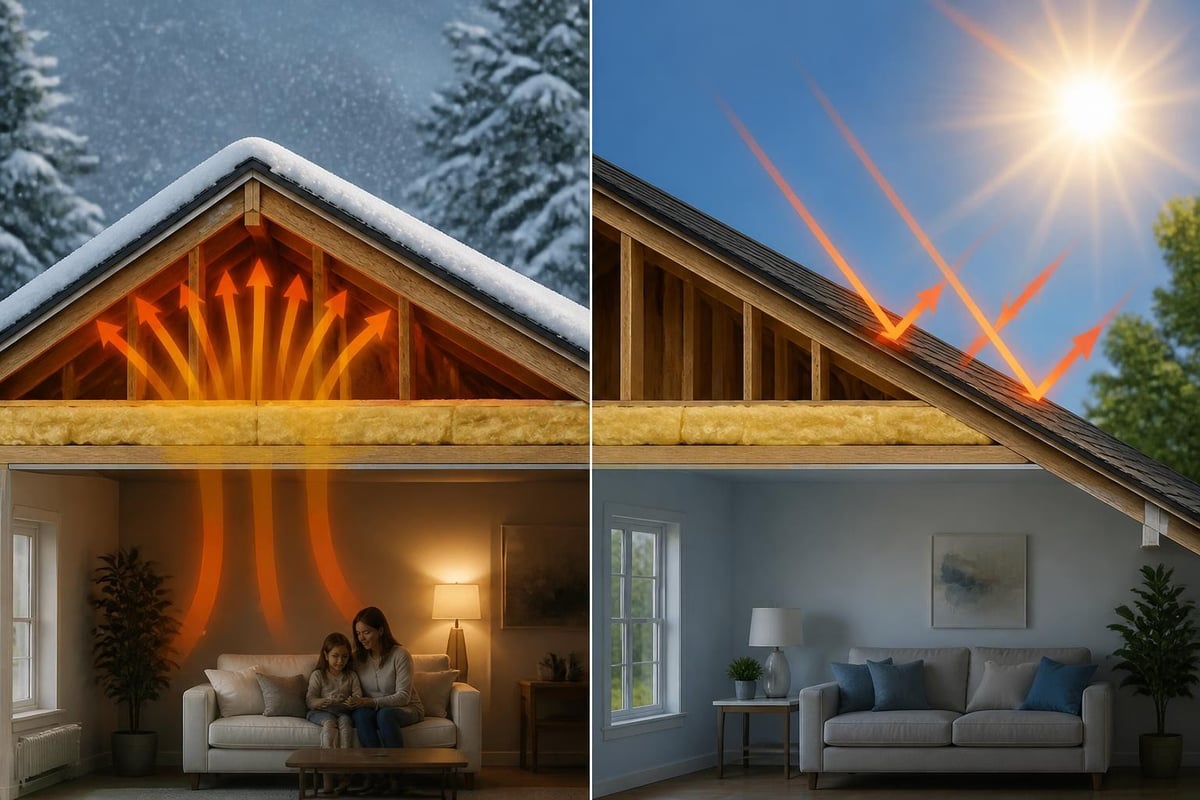
Your roof is one of the most important areas to insulate in any Australian home. Without adequate insulation, up to 35% of heat can escape through your roof in winter, while in summer, the same uninsulated space can become a heat trap that forces air conditioning systems to work overtime.
Home roof insulation works by slowing the transfer of heat between your living spaces and the outdoors. During hot weather, it prevents radiant heat from the sun penetrating through your roof structure. In colder months, it stops warm air from escaping upward and out of your home.
The benefits extend beyond temperature control:
- Lower electricity and gas bills through reduced heating and cooling costs
- Improved indoor comfort with more consistent temperatures
- Reduced greenhouse gas emissions and environmental impact
- Better acoustic performance by dampening external noise
- Increased property value and market appeal
According to the U.S. Department of Energy's insulation guidance, proper insulation in key areas like roofs and ceilings delivers some of the fastest returns on investment for energy efficiency upgrades.
Understanding R-Values for Roof Insulation
The R-value measures thermal resistance, essentially how well an insulation material resists heat flow. Higher R-values mean better insulating performance. For Australian roofs, recommended R-values vary based on your climate zone and roof type.
In Victoria and similar temperate regions, the Building Code of Australia typically recommends R-values between R3.5 and R6.0 for roof insulation. The specific requirement depends on whether you have a cathedral ceiling, a flat roof, or a traditional pitched roof with a ventilated attic space.
Choosing the Right R-Value
| Climate Zone | Minimum Roof R-Value | Recommended R-Value |
|---|---|---|
| Temperate (Melbourne, Victoria) | R3.5 | R4.0 - R6.0 |
| Cool (Alpine regions) | R4.0 | R5.0 - R7.0 |
| Hot Dry (Northern Victoria) | R3.5 | R4.0 - R5.0 |
When selecting home roof insulation, consider that metal roofs often require higher R-values than tiled roofs because metal conducts heat more readily. The types of insulation available vary significantly in their thermal performance characteristics.
Installing higher R-value insulation than the minimum code requirement can deliver superior comfort and energy savings. In Victoria's climate, upgrading from R3.5 to R5.0 or R6.0 can reduce heating and cooling energy consumption by an additional 15-25%.
Types of Home Roof Insulation Materials
Several insulation materials suit Australian roof applications, each with distinct advantages. Understanding the options helps you choose the best solution for your specific project and budget.
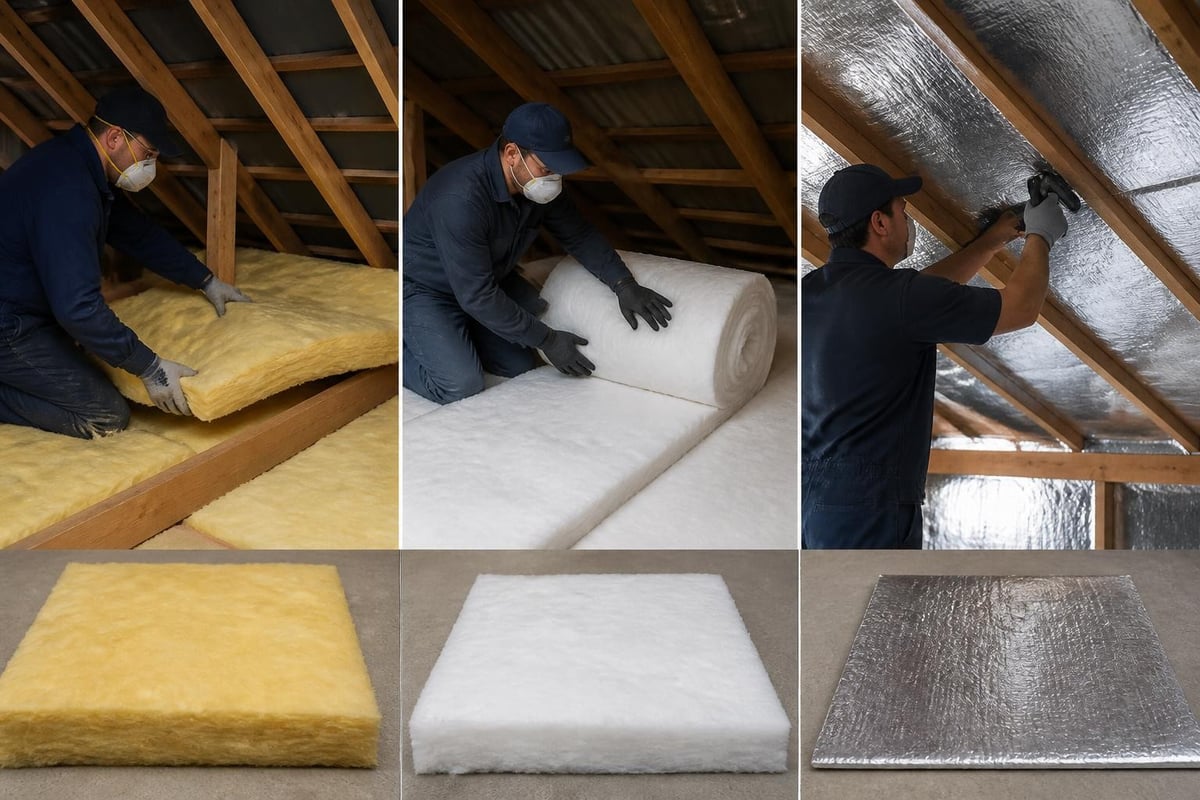
Glasswool and Earthwool Batts
Glasswool remains the most popular choice for home roof insulation across Australia. Modern products like Earthwool use advanced manufacturing technology to create soft, low-dust insulation that's comfortable to handle and install.
Key advantages include:
- Wide range of R-values from R1.5 to R7.0
- Excellent thermal and acoustic performance
- Non-combustible and fire-resistant
- Cost-effective for most applications
- Available in batts and blanket formats
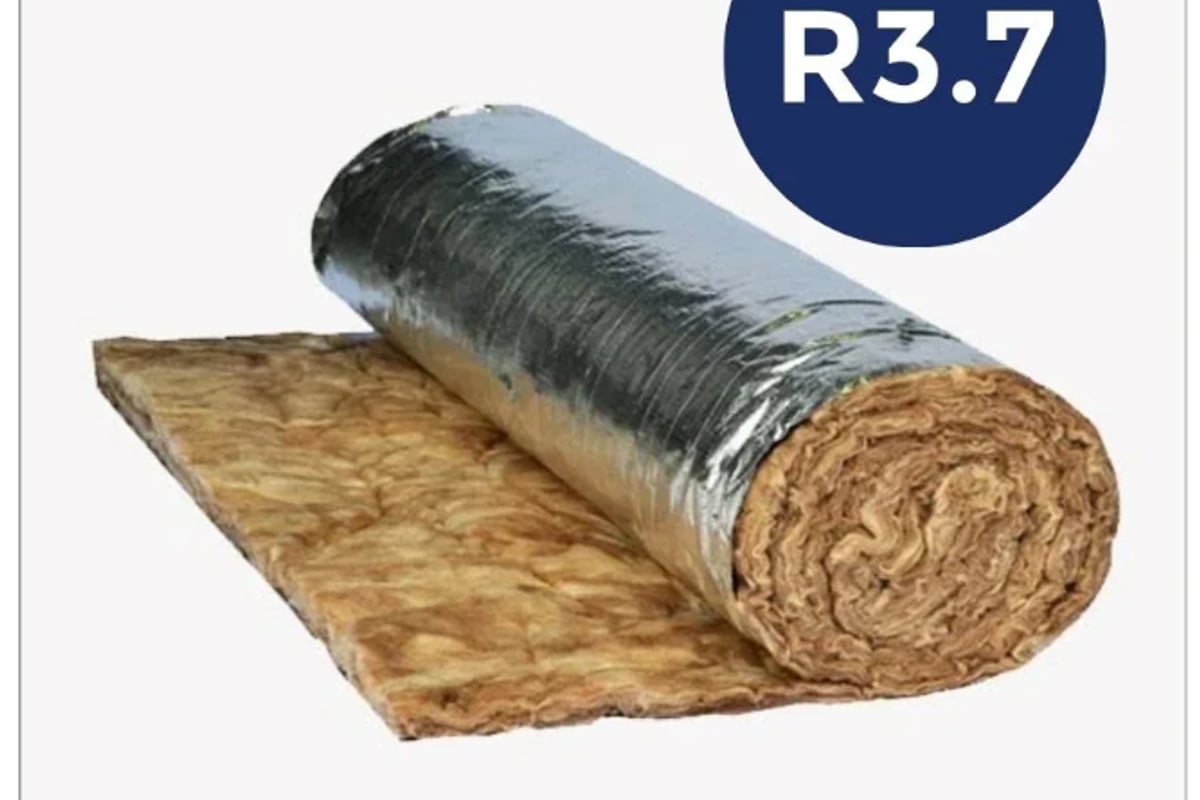
The Thermal Blanket R3.7 Roof Insulation Blanket offers a high-density glasswool solution ideal for Melbourne roofs, delivering strong thermal performance with a continuous blanket format that minimises gaps and thermal bridging.
Polyester Insulation
Polyester batts provide a non-irritating alternative made from recycled plastic bottles. They're particularly popular with DIY installers who appreciate the comfortable handling characteristics.
Benefits include chemical-free composition, moisture resistance, and consistent long-term performance. Polyester insulation maintains its R-value even in humid conditions where some materials might compress or degrade.
Reflective Foil Insulation
Reflective insulation works differently from bulk insulation materials. Instead of slowing conductive heat transfer, it reflects radiant heat away from living spaces. Radiant barriers can be particularly effective under metal roofs in hot climates.
Foil insulation is often used in combination with bulk insulation to create a comprehensive thermal barrier. When installed with the correct air gap, reflective foil significantly boosts overall roof insulation performance.
Where to Install Home Roof Insulation
The specific location for installing home roof insulation depends on your roof construction and living space configuration. Understanding these differences ensures effective insulation placement.
Ceiling Insulation vs Roof Insulation
Most Australian homes have insulation installed at ceiling level rather than directly under the roof. This creates an insulated ceiling plane with a ventilated roof space above. Ceiling insulation is typically easier to install and more cost-effective than insulating the roof structure itself.
However, cathedral ceilings and rooms built into roof spaces require insulation installed between or under the rafters. This roof-level insulation demands careful attention to ventilation and moisture management.
For standard homes with attic spaces:
- Install batts between ceiling joists
- Ensure complete coverage without gaps
- Maintain clearance around downlights and electrical fittings
- Preserve roof ventilation to prevent moisture buildup
- Consider additional insulation in high-traffic or living areas
The Insulation Institute's guidance on where to insulate emphasizes creating a continuous thermal envelope throughout the building structure.
Coverage and Consistency
Complete coverage matters more than you might think. Even small gaps in home roof insulation can create thermal bridges that significantly reduce overall performance. A ceiling that's 95% insulated performs far worse than 95% of its rated R-value would suggest.
Pay special attention to challenging areas like eaves, around skylights, near chimneys, and at wall-to-ceiling junctions. These spots often get overlooked during installation but account for disproportionate heat loss.
Installation Considerations for DIY and Professional Projects
Installing home roof insulation can be a DIY project for capable homeowners, though professional installation ensures optimal performance and compliance with building regulations. Whether you're tackling the job yourself or hiring contractors, understanding proper installation practices helps achieve the best results.
Safety First
Working in roof spaces presents several hazards that require appropriate precautions. Always wear protective equipment including dust masks, gloves, long sleeves, and eye protection. Ensure adequate lighting and ventilation before starting work.
Essential safety measures:
- Only walk on ceiling joists or install temporary boards
- Never step between joists on ceiling plasterboard
- Avoid working in extreme heat
- Keep electrical circuits de-energized where possible
- Maintain awareness of sharp objects and exposed nails
Check out the installation guidance at Insulation Supplies Australia for detailed safety recommendations specific to Australian conditions.
Proper Installation Techniques
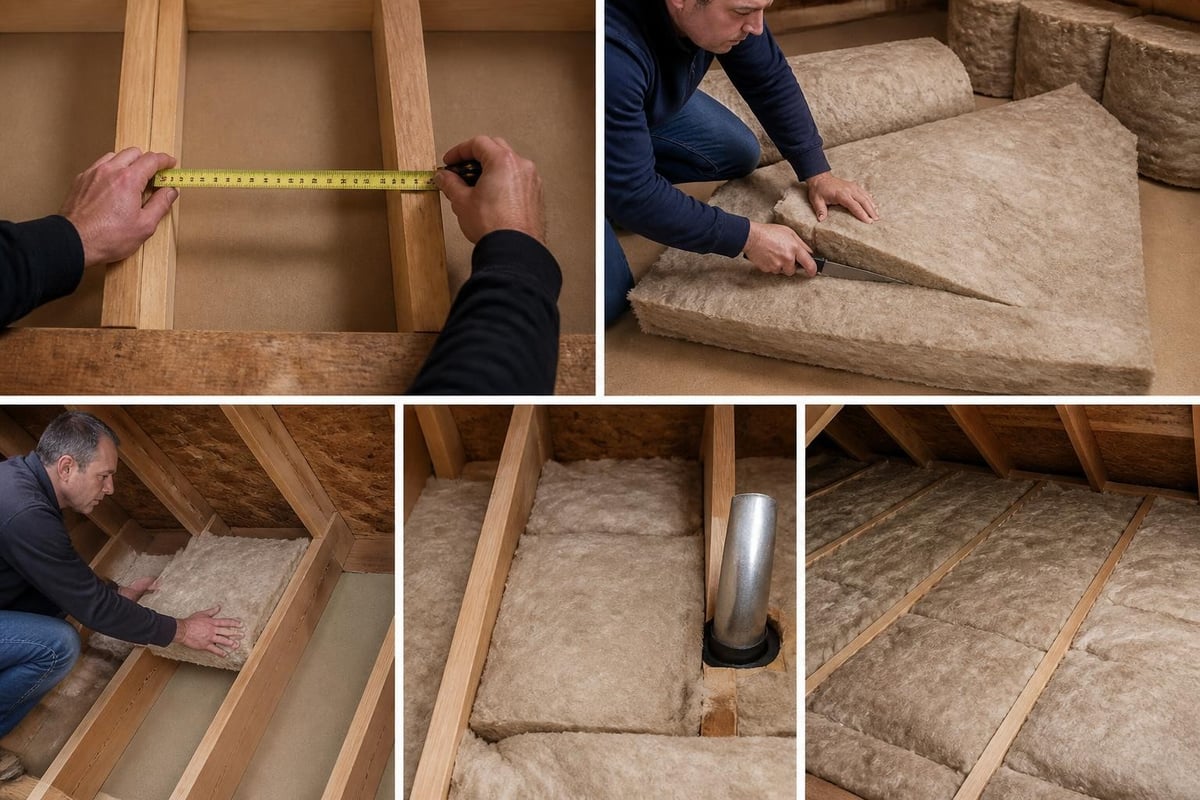
Batts should fit snugly between joists without compression. Compressing insulation reduces its R-value by eliminating the air pockets that provide thermal resistance. If batts are slightly wider than the joist spacing, trim them to fit rather than forcing them into place.
| Installation Aspect | Correct Practice | Common Mistake |
|---|---|---|
| Batt placement | Snug fit, no compression | Cramming oversized batts |
| Coverage | Complete, no gaps | Leaving spaces between batts |
| Downlight clearance | Maintain required spacing | Covering IC-rated fittings |
| Ventilation | Preserve airflow paths | Blocking eave vents |
| Thickness | Match joist depth or slightly less | Exceeding joist height |
For comprehensive coverage, consider using insulation blankets in long continuous runs, then cutting batts to fill remaining spaces. This approach minimizes the number of joins and potential thermal bridges.
Ventilation and Moisture Management
Adequate roof ventilation remains critical even with properly installed home roof insulation. Ventilation allows moisture to escape and prevents condensation problems that can damage roof structures and reduce insulation effectiveness.
Maintain clear airflow paths from eave vents to ridge vents or other roof ventilation systems. Never block soffit vents with insulation, and consider installing vent chutes or rafter vents to preserve airflow channels in tight spaces.
Energy Savings and Return on Investment
The financial benefits of home roof insulation extend well beyond initial installation costs. Understanding potential savings helps justify the investment and choose appropriate insulation levels.
Calculating Energy Savings
A typical uninsulated Melbourne home might spend $1,800 to $2,400 annually on heating and cooling. Installing adequate roof insulation can reduce this by 30-45%, saving $540 to $1,080 per year. With installation costs for a standard three-bedroom home ranging from $1,500 to $3,500 depending on insulation type and R-value, payback periods typically fall between 2 and 5 years.
Higher R-values deliver greater savings but at increased material costs. The optimal choice balances upfront investment against long-term energy reduction. In most Victorian homes, R4.0 to R5.0 ceiling insulation provides the sweet spot for cost-effectiveness.
Beyond Energy Bills
Financial returns represent just one aspect of home roof insulation benefits. Improved comfort means fewer temperature fluctuations and elimination of hot or cold spots throughout your home. You'll notice the difference on extreme weather days when properly insulated homes maintain comfortable conditions with minimal heating or cooling.
Additional value considerations:
- Reduced wear on HVAC systems extends equipment lifespan
- Better temperature stability improves sleep quality
- Noise reduction from rain and external sources
- Enhanced property appeal for future buyers
- Contribution to household sustainability goals
Consumer Reports' guide to shopping for home insulation reinforces that insulation upgrades consistently rank among the most cost-effective home improvements.
Common Problems and How to Avoid Them
Even with quality products, improper installation or planning can undermine home roof insulation performance. Recognizing potential issues helps you avoid costly mistakes.
Compressed Insulation
Compression remains the most common installation error. When insulation gets squashed, it loses the air pockets that provide thermal resistance. A compressed R4.0 batt might perform closer to R2.5 or R3.0.
This often happens when installers force oversized batts into narrow joist spacings or when additional materials get stored on top of ceiling insulation. Always maintain the full loft of insulation products for rated performance.
Incomplete Coverage
Small gaps might seem insignificant, but they create thermal bridges that allow substantial heat transfer. Even a 5% coverage gap can reduce overall thermal performance by 20% or more.
Pay particular attention to:
- Edges along external walls
- Around ceiling access hatches
- Near plumbing penetrations
- At wall and ceiling junctions
- Between batt ends
Moisture and Ventilation Issues
Installing home roof insulation without maintaining proper ventilation can trap moisture in roof spaces. This leads to condensation, mould growth, timber rot, and degraded insulation performance.
Always preserve ventilation paths and consider installing a vapour barrier on the warm side of the insulation in cold climates or areas prone to high humidity. National Roof Authority's discussion of roof insulation and energy efficiency highlights the critical relationship between insulation, ventilation, and long-term building performance.
Upgrading Existing Home Roof Insulation
Many older Australian homes have inadequate or deteriorated roof insulation. Upgrading existing insulation delivers immediate comfort improvements and energy savings.
Assessing Current Insulation
Before purchasing new materials, evaluate what's already installed. Access your roof space safely and check:
- Type of insulation material
- Thickness and estimated R-value
- Coverage completeness
- Condition (compressed, damaged, or degraded)
- Age of existing insulation
Insulation installed before the 1990s often provides lower R-values than current standards recommend. Even if coverage appears complete, upgrading to higher R-values can dramatically improve performance.
Topping Up vs Complete Replacement
If existing insulation remains in good condition with no moisture damage or compression, you can often install additional layers on top. This cost-effective approach boosts overall R-value without removing serviceable material.
For example, adding R2.5 batts over existing R1.5 insulation creates a combined R4.0 thermal barrier. Ensure the new layer runs perpendicular to the old one to minimize thermal bridging.
Complete replacement makes sense when existing insulation is damaged, compressed, contaminated, or significantly deteriorated. This also provides an opportunity to achieve uniform coverage and address any gaps in the original installation.
Choosing Quality Products and Suppliers
Product quality significantly impacts home roof insulation performance and longevity. Selecting reputable materials from trusted suppliers ensures you receive genuine products with accurate R-value ratings.
What to Look for in Insulation Products
Australian insulation products should comply with AS/NZS 4859 standards and carry appropriate certification marks. Look for manufacturers with established track records and products independently tested for thermal performance.
Modern glasswool products using ECOSE technology offer superior handling characteristics with reduced dust and irritation. These advanced formulations make DIY installation more comfortable while delivering excellent thermal performance.
Quality indicators include:
- Clear R-value labelling and compliance marks
- Manufacturer warranties and performance guarantees
- Australian Standards certification
- Established brand reputation
- Detailed installation instructions
Working with Specialist Suppliers
Purchasing from insulation specialists rather than general hardware retailers often provides better product knowledge, competitive pricing, and access to professional-grade materials. Specialist suppliers understand building requirements and can recommend appropriate solutions for your specific project.
Browse the comprehensive roof insulation range and ceiling insulation options available from trusted Australian suppliers to compare products and specifications suited to your needs.
Combining Insulation with Other Energy Efficiency Measures
While home roof insulation delivers substantial benefits independently, combining it with other efficiency upgrades creates a comprehensive thermal envelope that maximizes comfort and savings.
Whole-House Approach
The Department of Energy recommends identifying where to insulate in your home as part of a systematic efficiency strategy. After addressing roof and ceiling insulation, consider:
- External wall insulation for complete thermal envelope
- Underfloor insulation in homes with suspended floors
- Window upgrades or treatments to reduce heat transfer
- Sealing air leaks around doors, windows, and penetrations
- Upgrading to energy-efficient heating and cooling systems
Each measure complements the others, creating synergistic improvements that exceed the sum of individual upgrades. A well-insulated roof works better when walls and floors also resist heat transfer.
Planning Your Insulation Project
For renovation projects, sequencing matters. Install home roof insulation before ceiling linings go up for easiest access. When doing whole-house upgrades, tackle the roof first since it typically offers the greatest return on investment.
Consider seasonal timing too. Installing insulation during mild weather makes the work more comfortable and allows you to immediately benefit from improved performance when extreme temperatures arrive.
Set a realistic budget that balances insulation R-values against coverage area. It's generally better to install moderate R-value insulation throughout the entire ceiling than to use very high R-values in only part of the space.
Proper home roof insulation transforms your home's comfort and energy efficiency while delivering strong financial returns through reduced heating and cooling costs. Whether you're building new, renovating, or simply upgrading an older home, choosing quality insulation products matched to Victoria's climate ensures optimal long-term performance. Insulation Supplies Australia makes finding the right roof insulation straightforward, with expert product guidance, competitive pricing, and fast delivery across Victoria to help homeowners, renovators, and builders complete projects with confidence.