
Searching for "insulation supplies near me" typically means you're ready to tackle a home insulation project and want to source materials quickly and conveniently. Whether you're a homeowner planning a DIY ceiling upgrade, a renovator improving wall thermal performance, or a tradie needing reliable product access, finding the right supplier matters just as much as selecting the correct insulation type. In Victoria, the landscape of insulation suppliers has evolved significantly, with online retailers now offering competitive pricing, extensive product ranges, and flexible delivery or pickup options that often surpass traditional bricks-and-mortar outlets.
Understanding Your Insulation Supply Options in Victoria
When you search for insulation supplies near me, you're confronted with several supplier categories, each with distinct advantages and limitations.
Traditional Hardware Chains vs Specialist Retailers
Big-box hardware stores offer convenience and immediate availability for small projects. You can walk in, grab a few batts, and leave within the hour. However, their insulation range is often limited to the most common R-values and applications, with pricing that reflects the convenience premium.
Specialist online insulation retailers provide a different value proposition:
- Broader product selection across roof, ceiling, wall, underfloor, and acoustic applications
- Competitive pricing due to lower overheads
- Detailed technical specifications and R-value comparisons
- Delivery to site or pickup from designated locations
- Expert guidance through product descriptions and support channels
The U.S. Department of Energy's retrofit guides emphasise the importance of selecting the correct insulation type and R-value for your specific application, which often requires access to a wider product range than generic retailers stock.
Online Shopping for Insulation: What to Expect
Purchasing insulation online might seem unusual if you're accustomed to physically inspecting building materials, but it's become the preferred method for many renovators and builders in 2026.
Modern online insulation retailers provide comprehensive product information including dimensions, thermal ratings, coverage areas, and installation guidance. You can compare products side-by-side, calculate quantities accurately, and order exactly what you need without the guesswork involved in browsing limited in-store stock.
Key advantages of online insulation shopping include:
- Accurate quantity calculations using precise measurements
- Access to technical datasheets and installation guides
- Price transparency without sales pressure
- Delivery scheduling that suits your project timeline
- Easy product comparison across brands and specifications
Evaluating Insulation Suppliers: What Actually Matters
Not all suppliers offering insulation supplies near me provide the same level of service, product quality, or value. Here's what to assess before making your purchase decision.
Product Range and Availability
A quality insulation supplier should stock products for multiple applications. Searching for ceiling insulation shouldn't limit you to one or two generic options.
| Application Area | Product Types to Look For | Typical R-Values |
|---|---|---|
| Roof and ceiling | Batts, blankets, thermal insulation | R3.0 to R7.0 |
| Walls | Sound Shield batts, cavity insulation | R1.5 to R4.0 |
| Underfloor | Underfloor batts, draught barriers | R1.0 to R2.5 |
| Acoustic | High-density sound control batts | R2.5 to R4.0 |
| Specialist | Reflective foil, XPS boards | Varies |
Understanding wall insulation options helps you recognise whether a supplier carries appropriate products for your specific renovation needs.
Technical Support and Product Information
Professional-grade insulation suppliers provide detailed specifications that help you make informed decisions. This includes clear information about thermal performance, acoustic ratings, fire ratings, and compliance with Australian building standards.
Essential product information should include:
- Exact dimensions (thickness, width, length)
- Thermal resistance (R-value)
- Coverage area per pack
- Material composition and manufacturing technology
- Installation requirements and compatibility
The ENERGY STAR insulation factsheet provides a framework for understanding what technical information matters most when comparing insulation products.
Delivery and Pickup Flexibility
Location-based searches for insulation supplies near me often prioritise proximity, but delivery capability and scheduling flexibility matter more for most projects.
Consider these logistics factors:
- Delivery zones: Does the supplier service your area in Victoria?
- Delivery timing: Can you schedule delivery to align with your project timeline?
- Pickup options: Are there convenient collection points if you prefer to transport materials yourself?
- Minimum orders: Are there quantity restrictions or delivery fees for smaller projects?
- Product protection: How is insulation packaged to prevent damage during transport?
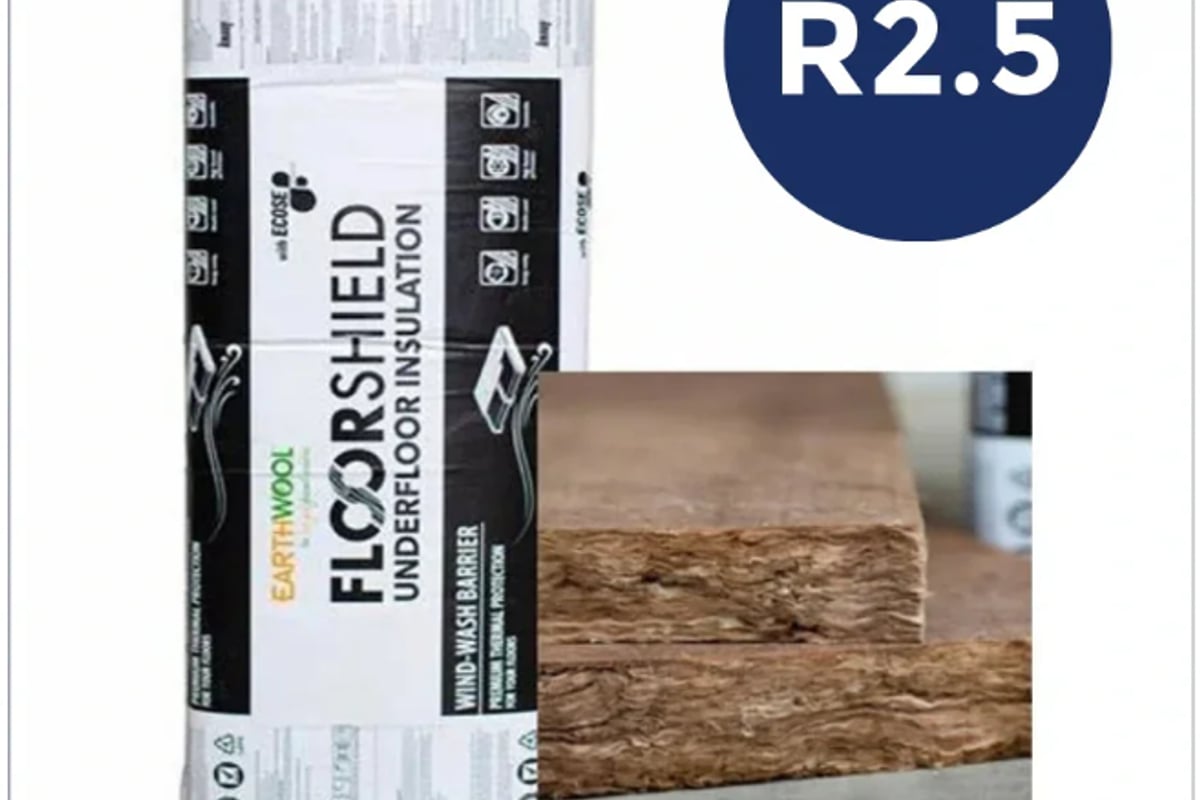
For underfloor projects requiring materials like Floorshield R2.5 Underfloor Batts, which come in manageable 11-pack configurations covering 5.36m², understanding delivery options helps you coordinate material arrival with your installation schedule.
Matching Insulation Types to Your Project
Searching for insulation supplies near me becomes more productive when you know exactly what products suit your application. Different areas of your home require specific insulation characteristics.
Roof and Ceiling Insulation
Ceiling spaces face the most extreme temperature variations, making thermal performance your primary consideration. During Melbourne's hot summers, roof spaces can exceed 60°C, while winter nights can drop below freezing.
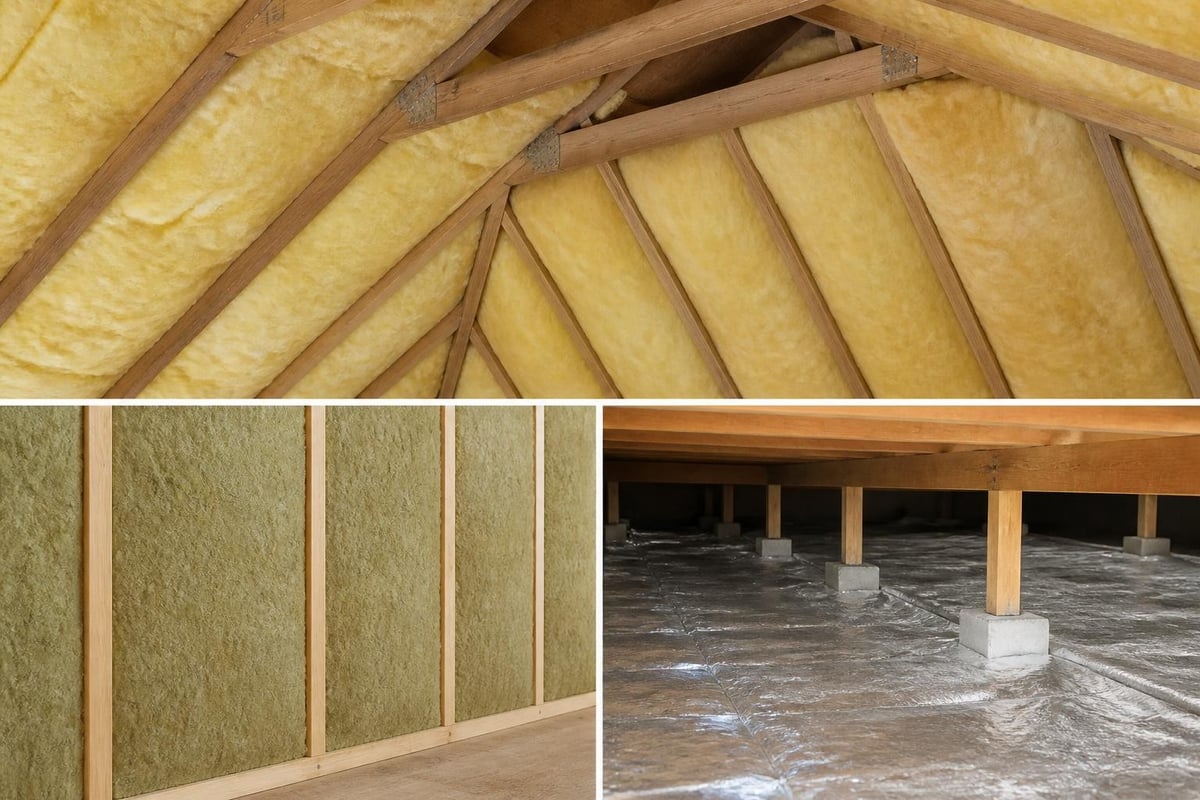
High-density glasswool blankets and batts designed specifically for roof applications provide superior thermal resistance. Products manufactured using advanced ECOSE® Technology offer the added benefit of being soft to handle with minimal dust during installation.
Ceiling insulation selection criteria:
- R-value appropriate for your climate zone (typically R3.5 to R6.0 in Victoria)
- Width compatibility with ceiling joist spacing (usually 430mm or 580mm)
- Thickness that fits within your ceiling cavity depth
- Coverage area that matches your project scope
Ceiling insulation options in Melbourne vary significantly in performance and application suitability.
Wall Insulation for Thermal and Acoustic Performance
Wall cavities present unique challenges, particularly in existing homes where retrofitting insulation requires careful product selection.
For new construction or renovations where wall frames are exposed, high-density batts provide both thermal resistance and acoustic control. Products like Sound Shield series combine energy efficiency with noise reduction, making them ideal for bedrooms, living areas, and walls separating different occupants.
| Wall Type | Recommended Product | Primary Benefit |
|---|---|---|
| External walls | R2.5 to R2.7 batts | Thermal efficiency |
| Internal partition walls | R2.5 to R4.0 acoustic batts | Noise reduction |
| Cavity walls | Water-repellent slabs | Moisture management |
| Timber frame walls | Standard or high-density batts | Versatile performance |
Underfloor Insulation and Draught Control
Suspended timber floors lose significant heat during winter months, particularly in older Victorian homes. Underfloor insulation serves dual purposes: thermal resistance and draught prevention.
Glasswool underfloor batts specifically designed for this application feature dimensions that fit between floor joists (typically 420mm width). Reflective foil products and breathable membranes provide additional options for draught control and moisture management.
The Building Science Corporation's installation guidance emphasises proper support and ventilation when installing underfloor insulation to prevent sagging and maintain performance over time.
Calculating Quantities and Project Costs
Once you've identified the right insulation type through your insulation supplies near me search, accurate quantity calculation prevents costly delays or wastage.
Measuring Your Insulation Requirements
Different areas of your home require distinct measurement approaches:
For ceiling insulation:
- Calculate total ceiling area (length × width for each room)
- Subtract areas where insulation isn't required (stairs, access hatches)
- Add 5-10% for cutting waste and irregular spaces
- Divide by the coverage area per pack to determine quantity
For wall insulation:
- Measure wall height and total linear metres
- Calculate square metreage
- Account for windows, doors, and other openings
- Consider stud spacing when selecting product width
- Add waste allowance for cuts around services
For underfloor insulation:
- Measure floor area of suspended timber sections
- Identify joist spacing to confirm product compatibility
- Calculate linear metres of floor joists if using draught barriers
- Add extra for overlaps and fixing requirements
Understanding Insulation Pricing Structures
When comparing insulation supplies near me, pricing transparency helps you budget accurately and identify genuine value.
Most quality insulation products are priced per pack with clear coverage area information. This allows direct comparison between suppliers and products. However, watch for these pricing variations:
- Per-square-metre pricing: Useful for comparing products with different pack sizes
- Bulk discounts: Some suppliers offer better rates for larger quantities
- Delivery fees: Factor transport costs into your total project budget
- Minimum order values: Some suppliers impose minimums for delivery
- Pickup discounts: Self-collection sometimes reduces total cost
Quality Indicators for Insulation Products
Not all insulation products deliver the performance their specifications promise. Recognising quality markers helps you select materials that perform reliably over decades.
Manufacturing Standards and Technologies
Australian insulation manufacturers have invested heavily in production technologies that improve both performance and handling characteristics. Advanced glasswool manufacturing using ECOSE® Technology produces insulation that's softer to touch, lower in dust, and free from added formaldehyde.
Quality indicators to look for include:
- Consistent density throughout the product
- Uniform thickness without compression or gaps
- Clean packaging that protects material integrity
- Clear product labelling with batch information
- Compliance with relevant Australian Standards
The ASHRAE Handbook guidance on building envelopes provides technical context for understanding how insulation quality affects long-term thermal performance.
R-Value Accuracy and Testing
R-value represents thermal resistance, with higher numbers indicating better insulating performance. However, stated R-values only reflect performance when insulation is installed correctly without compression, gaps, or moisture infiltration.
Quality suppliers provide products tested and labelled according to Australian/New Zealand Standard AS/NZS 4859.1, ensuring the R-value you're purchasing matches actual thermal performance.
Material Composition and Environmental Considerations
Modern insulation products vary significantly in their environmental impact and material composition. Glasswool insulation manufactured with recycled content and bio-based binders represents a more sustainable choice than products using virgin materials and petrochemical binders.
Natural insulation options in Melbourne provide alternatives for homeowners prioritising environmental performance alongside thermal efficiency.
Installation Considerations When Ordering Insulation
Your insulation supplies near me search should factor in installation requirements, as some products demand professional installation while others suit confident DIY renovators.
DIY-Friendly vs Professional Installation Products
Batts and blankets designed for ceiling and wall cavities are generally accessible for DIY installation with appropriate safety equipment. They require basic tools: a utility knife, measuring tape, safety glasses, gloves, and dust mask.
Specialist products like spray foam, blown-in insulation, or complex underfloor systems typically require professional installation with specialised equipment and training.
| Product Type | DIY Suitability | Installation Complexity |
|---|---|---|
| Ceiling batts | High | Low to moderate |
| Wall batts | High | Moderate |
| Underfloor batts | Moderate | Moderate |
| Reflective foil | Moderate | Moderate |
| XPS rigid boards | Moderate to High | Moderate to high |
| Cavity wall fill | Low | Professional only |
Safety Equipment and Installation Tools
Proper installation requires appropriate personal protective equipment regardless of the insulation type you select.
Essential safety gear includes:
- Disposable overalls or long-sleeved protective clothing
- Quality dust mask or respirator
- Safety glasses or goggles
- Work gloves (avoid cotton gloves that trap fibres)
- Closed footwear with good grip
Additional tools vary by application but typically include a sharp utility knife, measuring tape, straightedge for cutting, and staple gun or fixing clips for securing insulation in place.
Common Installation Mistakes to Avoid
Even quality insulation underperforms when installed incorrectly. These common errors compromise thermal efficiency:
- Compression: Squashing insulation reduces its R-value by decreasing air pockets that provide thermal resistance
- Gaps: Leaving spaces between batts or around edges creates thermal bridges
- Covering ventilation: Blocking eave vents or roof ventilation causes moisture problems
- Incorrect facing orientation: Installing faced products backwards eliminates their vapour control benefits
- Inadequate support: Underfloor insulation requires proper support to prevent sagging and gaps
Timing Your Insulation Purchase
Strategic timing of your insulation supplies near me search can influence product availability, pricing, and installation conditions.
Seasonal Considerations for Insulation Projects
Summer months (December to February) are ideal for ceiling insulation installation despite the heat. Roof spaces are accessible without rain delays, and installation before peak cooling season provides immediate energy savings.
Winter months (June to August) suit underfloor insulation projects. Working beneath the house is more comfortable in cooler weather, and immediate performance benefits help maintain indoor warmth.
Spring and autumn (March to May, September to November) offer moderate temperatures for all insulation types, making them popular renovation periods with higher demand for materials.
Managing Lead Times and Material Availability
While insulation supplies near me searches suggest immediate availability, specific products or large quantities may require ordering ahead.
Factors affecting availability include:
- Seasonal demand peaks during moderate weather renovation periods
- Manufacturing lead times for specialist products or custom dimensions
- Delivery schedule coordination for regional Victoria locations
- Stock rotation at pickup locations
Ordering 1-2 weeks before your planned installation date provides buffer time for delivery scheduling and ensures materials are on-site when you're ready to install.
Comparing Online and Local Suppliers
The evolution of online insulation retail has shifted how Victorians source building materials, but local suppliers still serve specific needs.
Advantages of Online Insulation Retailers
Modern online insulation platforms like Insulation Supplies Australia offer comprehensive product catalogues with detailed specifications, competitive pricing, and delivery throughout Victoria.
Online shopping benefits include:
- Complete product range browsing without travel
- Detailed comparison of R-values, dimensions, and coverage
- Access to specialist products not stocked locally
- Transparent pricing without negotiation
- Delivery scheduling that suits your project timeline
- Pickup options for customers preferring self-collection
When Local Pickup Makes Sense
Certain scenarios favour immediate material collection over delivery:
- Urgent repairs requiring same-day access
- Small quantities where delivery fees exceed pickup convenience
- Projects in remote areas with limited delivery service
- DIY renovators with suitable transport vehicles
- Preference for inspecting packaging before accepting materials
Many online retailers now offer both options, combining catalogue breadth with collection flexibility for Victoria-based customers.
Regional Victoria Insulation Supply Considerations
Searching for insulation supplies near me from regional Victorian locations presents unique logistics challenges and opportunities.
Delivery Options for Country Victoria
Established online retailers service regional Victoria with scheduled delivery runs to major centres and coordinated freight for more remote locations. This expands product access beyond what local rural hardware stores typically stock.
Regional delivery typically covers:
- Major regional cities (Ballarat, Bendigo, Geelong, Shepparton, Traralgon)
- Smaller centres on regular freight routes
- Remote areas via freight partnerships (may incur additional charges)
Planning ahead for delivery scheduling becomes more important in regional areas where deliveries may run weekly rather than daily.
Climate Zone Variations Across Victoria
Victoria spans multiple climate zones, affecting appropriate R-value selection for your location. Melbourne and coastal areas fall predominantly into Climate Zone 6, while Alpine regions reach Zone 7, and northern Victoria includes Zone 5 areas.
Understanding Australian climate zones helps you select insulation performance appropriate for your specific location rather than generic recommendations.
Specialist Insulation Products and Applications
Beyond standard ceiling and wall batts, your insulation supplies near me search should encompass specialist products for unique applications.
Acoustic Insulation for Noise Control
High-density acoustic batts serve different purposes than thermal insulation. While they provide some R-value, their primary function is sound absorption and transmission reduction between rooms or from external noise sources.
Acoustic products feature:
- Higher density (typically 22-28 kg/m³) for improved sound absorption
- Specific thickness recommendations for optimal acoustic performance
- Installation in both partition walls and ceilings
- Combination with acoustic barriers for maximum noise reduction
Acoustic insulation options range from standard sound control batts to premium high-performance products for home theatres and music rooms.
Reflective and Foil Products
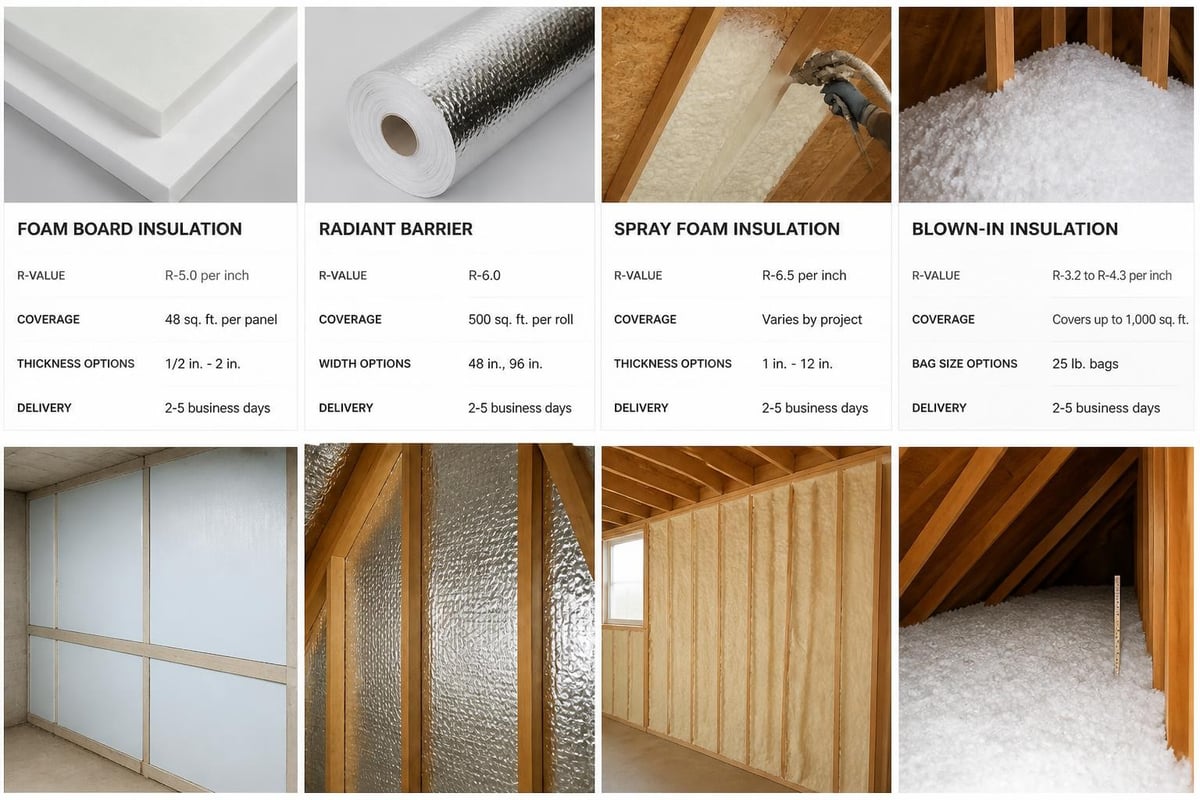
Reflective insulation and breathable membranes serve specialised functions in building envelopes. Foil-faced products provide radiant heat barriers, particularly effective under roofs in hot climates, while permeable wraps manage moisture while preventing air infiltration.
These products typically complement rather than replace bulk insulation like batts and blankets, working together to optimise thermal and moisture performance.
Rigid Board Insulation
XPS (extruded polystyrene) and similar rigid boards offer high compressive strength alongside thermal resistance, making them suitable for under-slab applications, perimeter insulation, and specialised wall applications where load-bearing capacity matters.
Rigid boards provide advantages including:
- Moisture resistance for below-grade applications
- High compressive strength (measured in kPa)
- Consistent R-value per thickness
- Easy cutting and fitting for precise installations
Making Your Final Supplier Selection
After researching insulation supplies near me and comparing options, final selection criteria help you commit to the right supplier for your project.
Creating Your Supplier Comparison Checklist
Systematically evaluate potential suppliers across key factors:
Product factors:
- Range covers your specific application needs
- R-values meet building code and performance goals
- Sizes match your installation spacing and dimensions
- Quality indicators suggest reliable long-term performance
Service factors:
- Delivery coverage includes your location
- Scheduling flexibility suits your project timeline
- Technical support available for product questions
- Returns policy protects against ordering errors
Value factors:
- Transparent pricing without hidden fees
- Competitive rates for your required quantity
- Delivery costs reasonable for your location
- Overall value balances price and service quality
Reading Product Reviews and Specifications
Customer reviews provide insights into product handling, installation experience, and real-world performance that specifications alone don't reveal. Look for reviews mentioning:
- Packaging quality and material protection during transport
- Accuracy of coverage area claims
- Ease of cutting and handling during installation
- Dust levels and general workability
- Long-term performance observations
Technical specifications remain equally important. Cross-reference claimed R-values, dimensions, and coverage areas against manufacturer datasheets to ensure accuracy.
Verifying Building Code Compliance
Australian building regulations specify minimum insulation requirements based on climate zone and building type. The National Construction Code sets these standards, with state-specific variations.
Quality insulation suppliers clearly indicate which products meet or exceed code requirements for different applications and locations. This removes guesswork from compliance and helps you avoid potential issues during building inspections.
The Department of Energy's analysis of building code changes demonstrates how insulation standards continue evolving toward higher performance requirements.
Beyond Purchase: Installation and Performance
Your relationship with insulation suppliers shouldn't end when materials arrive. Ongoing support and guidance contribute to successful installation and optimal performance.
Installation Support Resources
Quality suppliers provide comprehensive installation guidance through product pages, downloadable guides, and support channels. This includes:
- Step-by-step installation videos or illustrated guides
- Product-specific handling and cutting recommendations
- Safety information and PPE requirements
- Troubleshooting common installation challenges
- Building code compliance guidance
Installation best practices vary significantly between product types and applications.
Post-Installation Performance Verification
After installing insulation, simple checks confirm effective performance:
- Visual inspection: No visible gaps, compression, or misalignment
- Touch test: Ceiling surfaces should feel closer to room temperature
- Energy monitoring: Track heating and cooling costs over subsequent seasons
- Comfort assessment: Notice improved temperature stability and reduced drafts
Significant underperformance often indicates installation issues rather than product failure, making proper technique crucial for realising the thermal efficiency you've paid for.
Future-Proofing Your Insulation Investment
Selecting insulation supplies near me with future renovation potential and building performance in mind maximises long-term value.
Upgrading Existing Insulation
Many homes built before 2000 have inadequate or no insulation. Retrofitting modern high-performance products delivers substantial energy savings and comfort improvements.
When upgrading:
- Assess existing insulation condition and R-value
- Determine whether topping-up or replacement makes sense
- Consider higher R-values than minimum code requirements
- Plan for future access needs if ceiling spaces contain services
Energy Efficiency and Sustainability Trends
Building performance expectations continue rising, with homeowners increasingly prioritising energy efficiency, comfort, and environmental impact. Insulation selection in 2026 reflects these values through:
- Products manufactured with recycled content
- Bio-based binders replacing petrochemical alternatives
- Higher R-values becoming standard rather than premium
- Combined thermal and acoustic performance specifications
- Whole-house performance thinking rather than isolated improvements
The ACEEE's research on home retrofit programs demonstrates the significant role insulation plays in cost-effective home energy improvements.
Finding the right insulation supplies near me involves balancing product selection, pricing, delivery convenience, and technical support to match your specific project needs. Whether you're insulating a ceiling to reduce summer heat, upgrading wall insulation for better acoustic control, or installing underfloor batts to eliminate winter drafts, choosing a supplier with comprehensive product knowledge and reliable service makes the difference between a smooth renovation and a frustrating experience. Insulation Supplies Australia provides Victorian homeowners, renovators, and builders with extensive product ranges, transparent pricing, and flexible delivery or pickup options to support successful insulation projects throughout 2026.