
Ceiling insulation batts remain one of the most effective and accessible ways to improve thermal comfort and reduce energy bills in Australian homes. Whether you're building new, renovating, or simply upgrading an older property, understanding how ceiling batts work, which R-values suit your climate, and how to install them correctly can make a significant difference to your home's year-round performance. This guide walks you through everything you need to know about selecting, buying, and installing ceiling insulation batts in 2026.
What Are Ceiling Insulation Batts and How Do They Work?
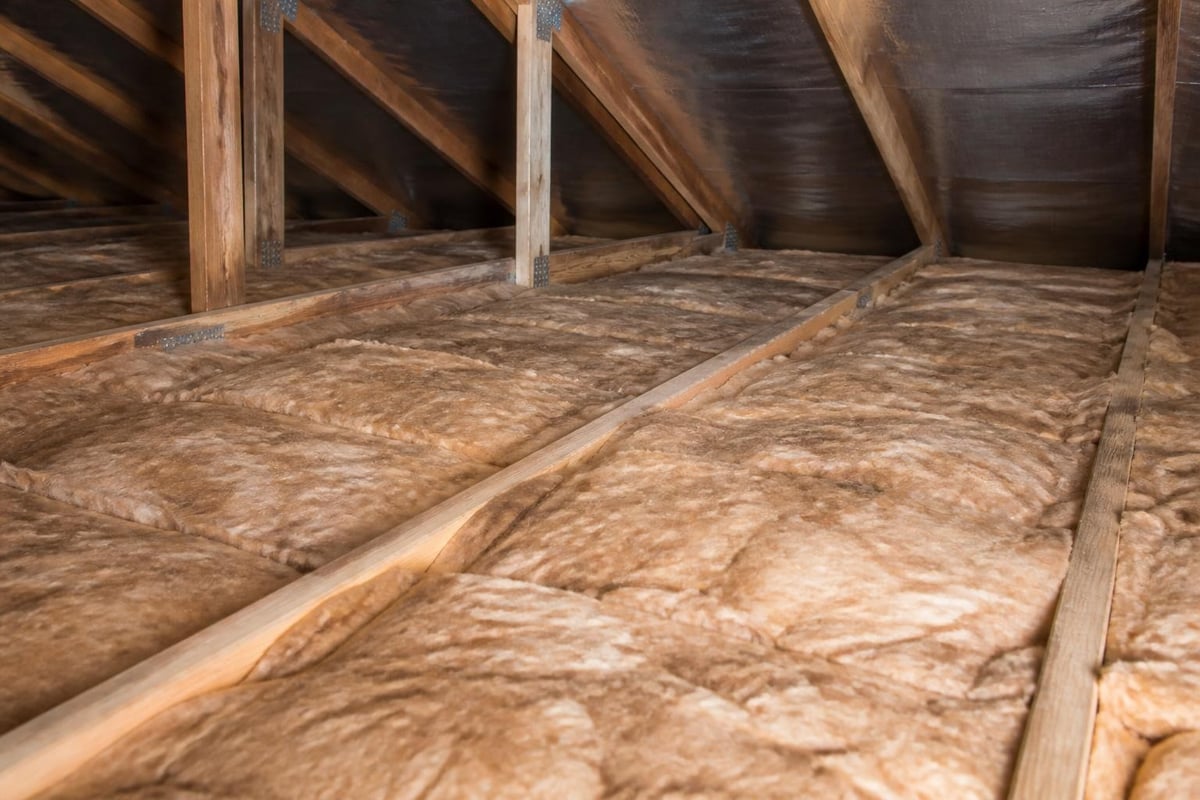
Ceiling insulation batts are pre-cut slabs of insulation material designed to fit snugly between ceiling joists or roof rafters. They slow the transfer of heat between your living space and the roof cavity, keeping your home cooler in summer and warmer in winter.
Most batts sold in Australia today are made from glasswool or polyester, both of which trap air within their fibres to resist heat flow. This resistance is measured as an R-value-the higher the number, the better the insulation performance.
Why the Ceiling Matters Most
Your ceiling is the largest uninterrupted surface exposed to extreme temperature swings. In summer, a metal roof can reach 70°C or more, radiating intense heat downward. In winter, warm air rises and escapes through an uninsulated ceiling, forcing your heating system to work harder.
Key benefits of ceiling insulation batts:
- Lower heating and cooling costs year-round
- Improved indoor comfort and stable temperatures
- Reduced greenhouse gas emissions
- Better acoustic insulation between storeys or from external noise
- Increased property value and appeal
Choosing the Right R-Value for Your Climate Zone
Australia is divided into eight climate zones, each with its own recommended minimum R-values for ceiling insulation. Victoria spans zones 3, 6, and 7, with most of Melbourne falling into climate zone 6.
| Climate Zone | Description | Minimum R-Value (Ceiling) |
|---|---|---|
| Zone 6 | Mild temperate (Melbourne, Geelong) | R4.0 – R5.0 |
| Zone 7 | Cool temperate (Ballarat, alpine areas) | R5.0 – R6.0 |
| Zone 3 | Hot dry summer / cool winter (northern Victoria) | R3.5 – R4.5 |
Higher R-values deliver greater insulation performance but also cost more and require thicker batts. Most Melbourne homeowners choose between R4.0 and R5.0 for ceilings, depending on joist depth, budget, and whether the home has a flat or pitched roof.
For detailed climate zone guidance, explore the climate zones in Australia resource to confirm your exact location and requirements.
Matching Batt Thickness to Joist Depth
Check your ceiling joist depth before ordering. Common rafter spacings in Australian homes are 600mm or 450mm centres, and joist depths range from 90mm to 200mm.
Common ceiling batt dimensions:
- R2.5: 75–90mm thick
- R3.5: 90–110mm thick
- R4.0: 140mm thick
- R5.0: 175–200mm thick
- R6.0: 215–250mm thick
Never compress batts to fit-compression reduces R-value and undermines thermal performance. If your joists are shallow, consider a higher-density batt that achieves the same R-value in a thinner profile, or look into supplementary foil under-roof layers.
Types of Ceiling Insulation Batts Available in 2026
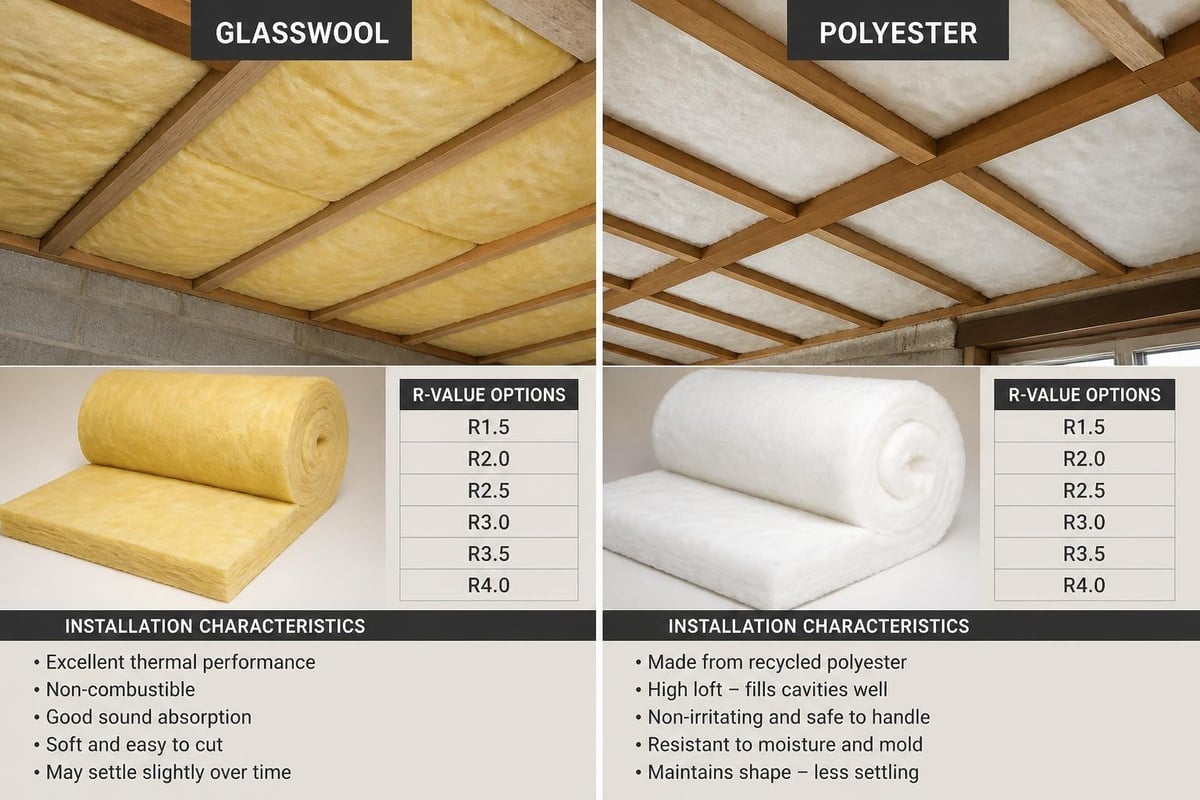
Modern ceiling insulation batts are manufactured to strict Australian standards, ensuring safety, performance, and ease of handling. The two dominant materials are glasswool and polyester.
Glasswool Batts
Glasswool ceiling insulation batts are made from recycled glass and sand, spun into fine fibres and bonded with bio-based resins. Leading brands use ECOSE® Technology, which eliminates formaldehyde and reduces embodied energy.
Advantages:
- Excellent thermal and acoustic performance
- Non-combustible (Class 1 fire rating)
- Soft to touch and low-dust formulations
- Cost-effective across all R-values
- Widely available and proven track record
Glasswool is the most popular choice for ceiling applications in Melbourne and regional Victoria. If you're comparing options, read more about Knauf Earthwool insulation for a premium low-emission glasswool solution.
Polyester Batts
Polyester batts are made from recycled PET plastic bottles, offering a hypoallergenic and itch-free alternative. They're particularly popular with DIY installers and those sensitive to fibrous materials.
Advantages:
- Non-irritating to skin and respiratory system
- No special PPE required (though gloves and dust mask still recommended)
- Excellent acoustic properties
- Moisture-resistant and won't sag over time
- Sustainable use of recycled content
Polyester batts tend to be slightly more expensive than glasswool for the same R-value, but many homeowners value the comfort and ease of installation.
Installation Best Practices for Ceiling Insulation Batts
Proper installation is just as important as choosing the right product. Gaps, compression, and poor contact around edges can reduce real-world performance by 20–40%, even when the product itself is rated correctly.
Safety First
Always turn off power to ceiling lighting circuits and check for live wiring before entering the roof space. Wear:
- Long sleeves and long pants
- Gloves and a dust mask (P2 rated)
- Safety glasses
- Sturdy footwear
- A headlamp or work light
Walk only on joists or install temporary planks-never step on the plasterboard ceiling below.
Step-by-Step Installation
- Measure the joist spacing (typically 450mm or 600mm centres) and confirm batt width.
- Cut batts to length if needed using a sharp utility knife and a straightedge. Leave a 10–20mm gap around downlights and hot flues.
- Fit batts snugly between joists, ensuring full contact with the ceiling below and no gaps at the edges.
- Butt joins tightly at the ends where two batts meet-don't overlap or leave gaps.
- Work around obstacles such as electrical cables, junction boxes, and roof penetrations without compressing the insulation.
- Maintain clearances around recessed downlights (follow manufacturer spacing requirements, usually 50–200mm depending on the fitting).
For research-backed installation guidance, consult the Building Science guide on cavity insulation, which explains common failure modes and best-practice techniques.
Common Installation Mistakes to Avoid
| Mistake | Impact | Solution |
|---|---|---|
| Compressing batts | Reduces R-value by 30–50% | Use the correct thickness for joist depth |
| Gaps at edges | Heat leaks around perimeter | Cut batts slightly oversize and tuck firmly |
| Overlapping batts | Wastes material, no extra benefit | Butt joins tightly end-to-end |
| Covering downlights | Fire hazard | Maintain clearance zones per regulations |
| Ignoring ventilation | Moisture build-up in roof space | Ensure eave and ridge vents remain clear |
The DOE weatherization job aids provide detailed checklists that professional installers use to verify workmanship and avoid these pitfalls.
Ceiling Insulation Batts and Moisture Management
Australian roof spaces can experience high humidity, especially in coastal and temperate zones like Melbourne. Moisture issues in ceiling cavities can lead to mould, timber rot, and insulation degradation.
Vapour Control and Ventilation
Most modern ceiling insulation batts are vapour-permeable, meaning they allow moisture to pass through rather than trapping it. This is ideal in most Australian climates where roofs need to breathe.
However, proper attic ventilation is still critical:
- Eave vents allow cool air to enter the roof space
- Ridge vents or whirlybirds let warm, moist air escape
- Gable vents provide cross-ventilation in traditional pitched roofs
Never block soffit vents when installing ceiling insulation batts. If you're insulating a cathedral ceiling or skillion roof, consider consulting the WBDG moisture management resources to understand vapour barriers and drying paths.
Condensation Risks
In cold climates (zone 7), condensation can form on the underside of metal roofing if warm, moist indoor air reaches the cold roof surface. Installing ceiling batts reduces this risk by keeping the ceiling surface warmer and limiting moisture migration.
Pair insulation with good exhaust ventilation in kitchens and bathrooms to limit indoor humidity levels.
Acoustic Performance of Ceiling Insulation Batts
Thermal ceiling insulation batts also provide valuable acoustic insulation, dampening sound transmission between storeys, from outdoor noise, or within multi-residential buildings.
Sound insulation benefits:
- Reduces noise from foot traffic on upper floors
- Dampens external noise (traffic, aircraft, neighbours)
- Improves privacy in multi-storey homes
- Enhances comfort in home theatres or bedrooms
Higher-density batts-typically 22–32 kg/m³-offer superior acoustic performance. If noise control is a priority, explore dedicated acoustic insulation batts designed for dual thermal and acoustic performance.
For example, high-density ceiling batts rated R4.0 or higher often deliver excellent Noise Reduction Coefficient (NRC) ratings while still meeting thermal requirements.
Cost Considerations and Return on Investment
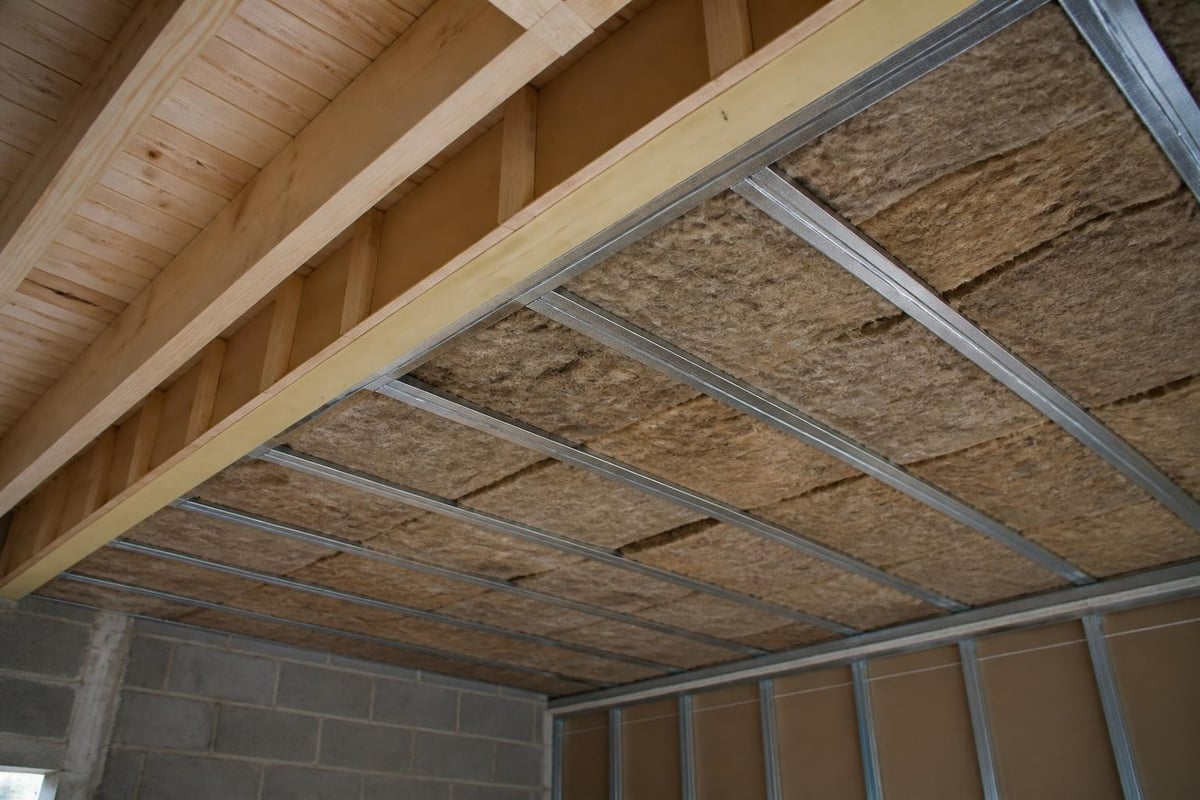
Ceiling insulation batts are one of the most cost-effective energy upgrades available. Material costs vary based on R-value, brand, and quantity, but typical pricing for glasswool batts in 2026 ranges from $6–$12 per square metre for R2.5–R4.0 products.
DIY vs Professional Installation
DIY installation can save labour costs (typically $15–$30 per m² for professional install), but requires:
- Confidence working at height and in confined spaces
- Access to safety equipment
- Time and physical ability
- Proper handling techniques to avoid gaps and compression
Professional installation offers:
- Faster completion and guaranteed workmanship
- Compliance with Australian Standards (AS/NZS 4859.1)
- Insurance and liability coverage
- Experience navigating complex roof spaces and obstacles
Many homeowners tackle straightforward ceiling insulation batts as a DIY project, especially in simple rectangular roof layouts with good access.
Energy Savings and Payback Period
Installing R4.0 ceiling insulation batts in an uninsulated Melbourne home can reduce heating and cooling costs by 30–45% per year. For a typical household spending $1,800–$2,400 annually on energy, that's $540–$1,080 in savings.
With material and labour costs around $2,500–$4,500 for a 150m² ceiling, payback periods range from 3–7 years, depending on your energy usage and upgrade scope.
Additional benefits include improved comfort, reduced HVAC wear, and a higher property valuation-especially important as energy efficiency disclosure becomes more common in real estate transactions.
Combining Ceiling Insulation Batts with Other Upgrades
Ceiling insulation batts deliver the best results when part of a whole-building approach to energy efficiency. Consider pairing your ceiling upgrade with:
- Air sealing around ceiling penetrations, downlights, and exhaust fans to stop drafts
- Wall insulation to reduce heat transfer through vertical surfaces
- Underfloor insulation in suspended timber floors to prevent cold floors in winter
- Window treatments such as pelmets, cellular blinds, or films to control solar gain
The DOE guidance on insulation and air sealing explains how these elements work together and may qualify for energy efficiency incentives or rebates.
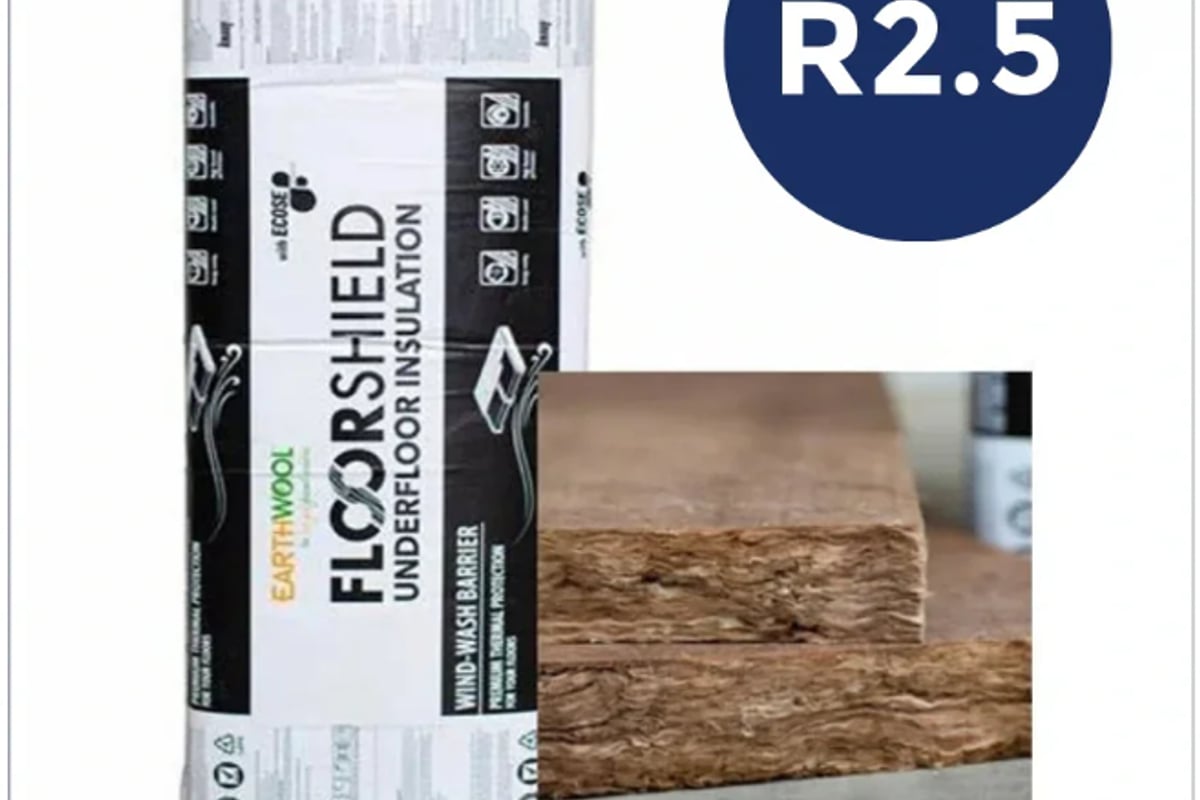
If your home has exposed underfloor areas, adding underfloor insulation can complement your ceiling upgrade beautifully. For example, Floorshield R2.5 Underfloor Batts by Knauf use the same ECOSE® Technology as their ceiling products, offering soft handling, low dust, and excellent thermal performance tailored for suspended timber floors. Pairing ceiling and underfloor batts creates a complete thermal envelope that keeps your home comfortable year-round.
Where to Buy Ceiling Insulation Batts in Melbourne and Victoria
Choosing a reliable supplier ensures you receive genuine, compliant products with accurate R-value ratings and proper technical specifications. Look for retailers that:
- Stock leading Australian and international brands
- Provide clear product data sheets and R-value certifications
- Offer delivery and pick-up options in your area
- Supply a range of R-values, widths, and thicknesses
- Support DIY customers with installation advice and resources
For homeowners, renovators, and owner-builders in Melbourne and across Victoria, Insulation Supplies Australia stocks a comprehensive range of ceiling insulation batts, from budget-friendly glasswool to premium polyester and high-density acoustic solutions, with transparent pricing and fast delivery options.
Online vs In-Store Shopping
Online insulation retailers often offer better pricing than trade supply outlets or big-box hardware stores, thanks to lower overheads and direct relationships with manufacturers. Key advantages:
- Compare R-values, specifications, and prices in one place
- Read product reviews and installation guides
- Order exact quantities to avoid waste
- Arrange delivery to site or pick up when convenient
- Access technical support via phone, email, or chat
For additional guidance on product selection, check the Insulation Institute resource library for installation illustrations, product fact sheets, and specification tools.
Product Certifications and Australian Standards
Always verify that ceiling insulation batts meet Australian Standards for thermal performance, fire safety, and indoor air quality. The key standards include:
| Standard | Description |
|---|---|
| AS/NZS 4859.1 | Thermal insulation materials for buildings |
| AS 1530.1 | Combustibility test for materials |
| AS 3999 | Thermal insulation of dwellings-bulk insulation |
| AS 1530.3 | Ignitability, flame propagation, heat release, and smoke release |
Look for products tested and certified by CSIRO, CodeMark, or other accredited bodies. Reputable brands publish test reports and compliance documentation on their websites or through their retail partners.
Formaldehyde and Indoor Air Quality
Modern glasswool ceiling insulation batts manufactured with ECOSE® Technology or similar formaldehyde-free binders are a safer choice for indoor air quality. The EPA Indoor AirPlus verification requirements provide guidance on low-emission building materials and formaldehyde limits for residential construction.
If you or your household members have chemical sensitivities, prioritise certified low-VOC or formaldehyde-free batts, and ensure adequate ventilation during and after installation.
Long-Term Performance and Maintenance
Ceiling insulation batts are a passive system requiring minimal maintenance once installed. However, it's worth inspecting your roof space every few years to ensure:
- Batts remain in place and haven't shifted or sagged
- No water leaks or moisture staining on batts
- Roof ventilation remains clear and functional
- No pest intrusion (rodents, possums) that may disturb insulation
- Electrical or plumbing upgrades haven't compressed or displaced batts
Properly installed glasswool or polyester ceiling insulation batts can last 50+ years without significant performance degradation, making them one of the most durable building components in your home.
When to Upgrade or Add Insulation
Consider topping up or replacing ceiling insulation batts if:
- Your home was built before 1990 and has little or no ceiling insulation
- Existing batts are compressed, damaged, or contaminated
- You've converted an attic or added living space to the upper storey
- You're undertaking a major renovation or re-roofing project
- Your heating and cooling costs remain high despite efficient HVAC systems
For practical advice on ceiling upgrades, read the guide to best ceiling insulation in Melbourne, which compares R-values, materials, and installation strategies for local conditions.
Environmental Considerations and Sustainability
Ceiling insulation batts contribute to a more sustainable built environment by reducing energy consumption, lowering greenhouse gas emissions, and diverting waste from landfill.
Sustainability features to look for:
- High recycled content (glasswool from recycled glass, polyester from PET bottles)
- Bio-based or formaldehyde-free binders
- Low embodied energy in manufacturing
- Australian-made products supporting local jobs and reducing transport emissions
- Long service life minimising replacement waste
Many modern batts are also recyclable at end-of-life, though the infrastructure for insulation recycling is still developing in Australia. Always dispose of old or damaged batts responsibly through licensed waste facilities.
Choosing the right ceiling insulation batts for your Melbourne or regional Victorian home can deliver decades of comfort, energy savings, and improved indoor air quality. Whether you're a homeowner tackling a DIY project or a builder specifying for a new build, understanding R-values, materials, installation best practices, and compliance requirements ensures you get the performance you're paying for. Insulation Supplies Australia offers a complete range of ceiling insulation batts with clear specifications, competitive pricing, and delivery options across Victoria-making it easy to upgrade your home's thermal performance with confidence.