

Unwanted noise in your home can seriously impact your quality of life. Whether it's footsteps from upstairs, conversations bleeding through walls, or street noise disrupting your sleep, poor acoustic control makes spaces uncomfortable and stressful. Sound deadening insulation batts offer an effective solution for reducing noise transmission between rooms, floors, and from external sources. These specialised batts use higher density materials and advanced construction to absorb sound energy and prevent it from travelling through building structures. For homeowners planning renovations, building new homes, or simply wanting a quieter living environment, understanding how acoustic insulation works and how to choose the right product makes all the difference.
What Are Sound Deadening Insulation Batts
Sound deadening insulation batts are specifically designed to reduce noise transmission through walls, ceilings, and floors. Unlike standard thermal insulation that primarily focuses on temperature control, acoustic batts feature higher density construction and specialised fibre arrangements that trap and absorb sound waves.
These products work by converting sound energy into small amounts of heat through friction within the fibrous material. The denser the batt and the more air gaps within its structure, the more effectively it absorbs sound across different frequencies.
Key Differences From Thermal Insulation
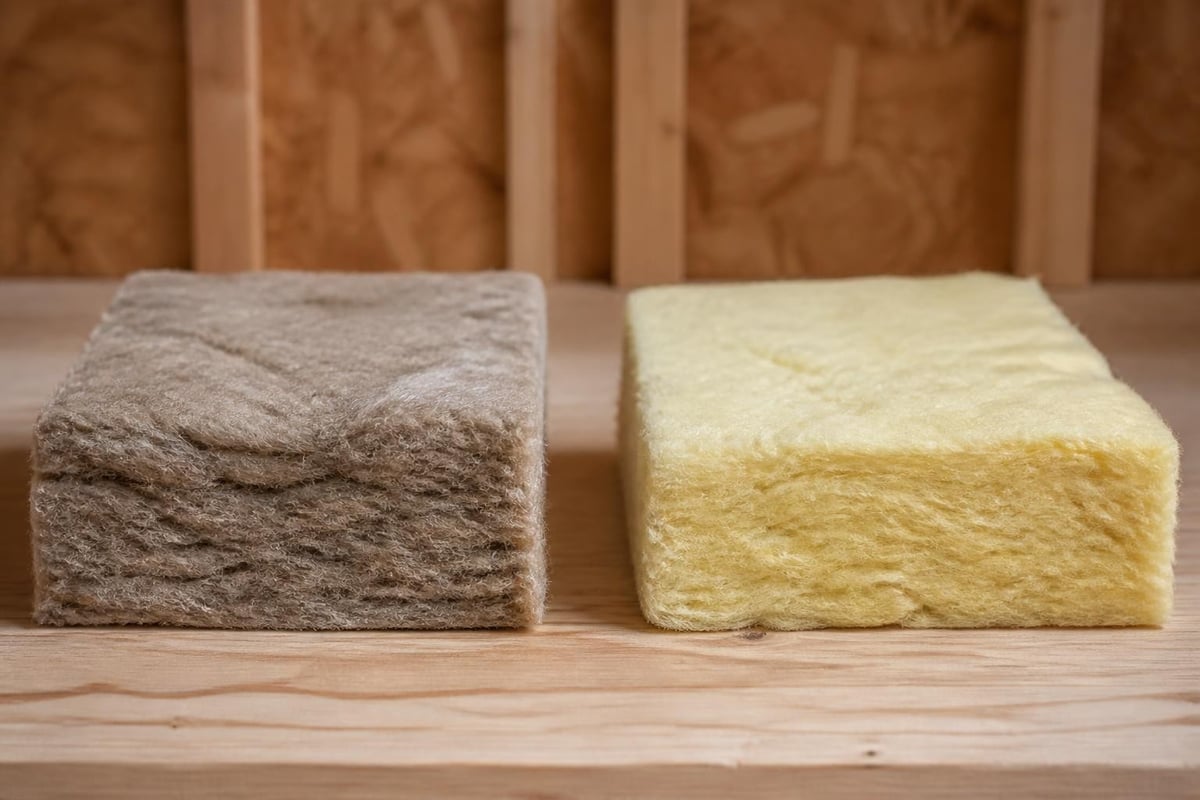
While thermal insulation can provide some acoustic benefit, sound deadening insulation batts are engineered specifically for superior noise reduction. Standard thermal batts typically have densities between 10-16 kg/m³, whereas acoustic batts range from 18-24 kg/m³ or higher.
Main distinctions include:
- Higher density construction for improved sound absorption
- Specialised fibre technology designed to trap sound waves
- Acoustic performance ratings measured in Sound Transmission Class (STC) or Weighted Sound Reduction Index (Rw)
- Optimised thickness for maximum noise reduction without excessive bulk
- Enhanced resilience to maintain performance over time
The higher density means acoustic batts are heavier and more substantial to handle, but this characteristic directly contributes to their superior soundproofing capabilities.
How Sound Deadening Insulation Batts Work
Understanding the science behind acoustic insulation helps you make better product choices and installation decisions. Sound travels in waves through air and solid materials, and sound deadening insulation batts interrupt this transmission through multiple mechanisms.
When sound waves hit a wall or ceiling, they cause the structure to vibrate. These vibrations transfer through the building materials to the other side, where they radiate as audible noise. Acoustic insulation batts placed within wall cavities or ceiling spaces absorb much of this vibration energy before it can transfer through.
Sound Absorption vs Sound Blocking
Sound deadening insulation batts primarily work through absorption rather than blocking. The fibrous material creates countless tiny air pockets that trap sound waves, converting their energy through friction and preventing it from bouncing back into the room or transmitting through to adjacent spaces.
| Sound Control Method | How It Works | Best Application |
|---|---|---|
| Absorption | Fibrous batts trap and convert sound energy | Internal walls, ceilings |
| Mass/Blocking | Heavy materials prevent transmission | External walls, party walls |
| Decoupling | Separate structures prevent vibration transfer | Resilient channels, staggered studs |
| Damping | Materials reduce resonance and vibration | Between plasterboard layers |
For maximum acoustic performance, sound deadening insulation batts work best when combined with proper wall and ceiling construction techniques. Doubled plasterboard, resilient mounting systems, and sealed penetrations all contribute to overall noise reduction.
Acoustic Rating Systems Explained
Australian building standards use the Weighted Sound Reduction Index (Rw) to measure acoustic performance. This rating indicates how many decibels of sound a construction assembly reduces across standard frequencies.
An Rw rating of 45 means the wall or floor reduces sound by approximately 45 decibels. For context, normal conversation measures around 60 decibels, so an Rw 45 wall would reduce it to approximately 15 decibels (very quiet).
Typical Rw ratings and their applications:
- Rw 40-45: Basic acoustic separation for standard bedrooms and living areas
- Rw 45-50: Good acoustic control for home theatres, bedrooms adjacent to noisy areas
- Rw 50-55: High-performance acoustic separation for multi-residential buildings, recording studios
- Rw 55+: Premium acoustic isolation for professional studios and critical applications
Sound deadening insulation batts contribute significantly to these ratings, but the complete wall or ceiling assembly determines final performance.
Choosing the Right Sound Deadening Insulation Batts
Selecting appropriate acoustic batts depends on your specific noise challenges, construction type, and performance requirements. Not all sound deadening insulation batts deliver the same results, and matching the product to your application ensures you get value for money and effective noise control.
Start by identifying your noise sources. Airborne sound (voices, television, music) requires different treatment than impact noise (footsteps, dropped objects). Most residential applications deal primarily with airborne sound transmission between rooms.
Density and Thickness Considerations
Higher density directly correlates with better acoustic performance. Sound deadening insulation batts with densities of 22-24 kg/m³ significantly outperform standard 14 kg/m³ thermal batts for noise reduction.
Thickness also matters, but differently than you might expect. While thicker batts can absorb more sound, the density and fibre structure have greater impact. A 90mm high-density acoustic batt typically outperforms a 140mm standard thermal batt for soundproofing.
Recommended specifications by application:
- Internal walls (90mm studs): 90mm batts at 18-22 kg/m³ density
- Ceilings under floors: 140mm batts at 20-24 kg/m³ density
- Party walls (shared walls): Maximum density batts in doubled stud or staggered construction
- Home theatre walls: 90-140mm batts at 22+ kg/m³ with resilient channels
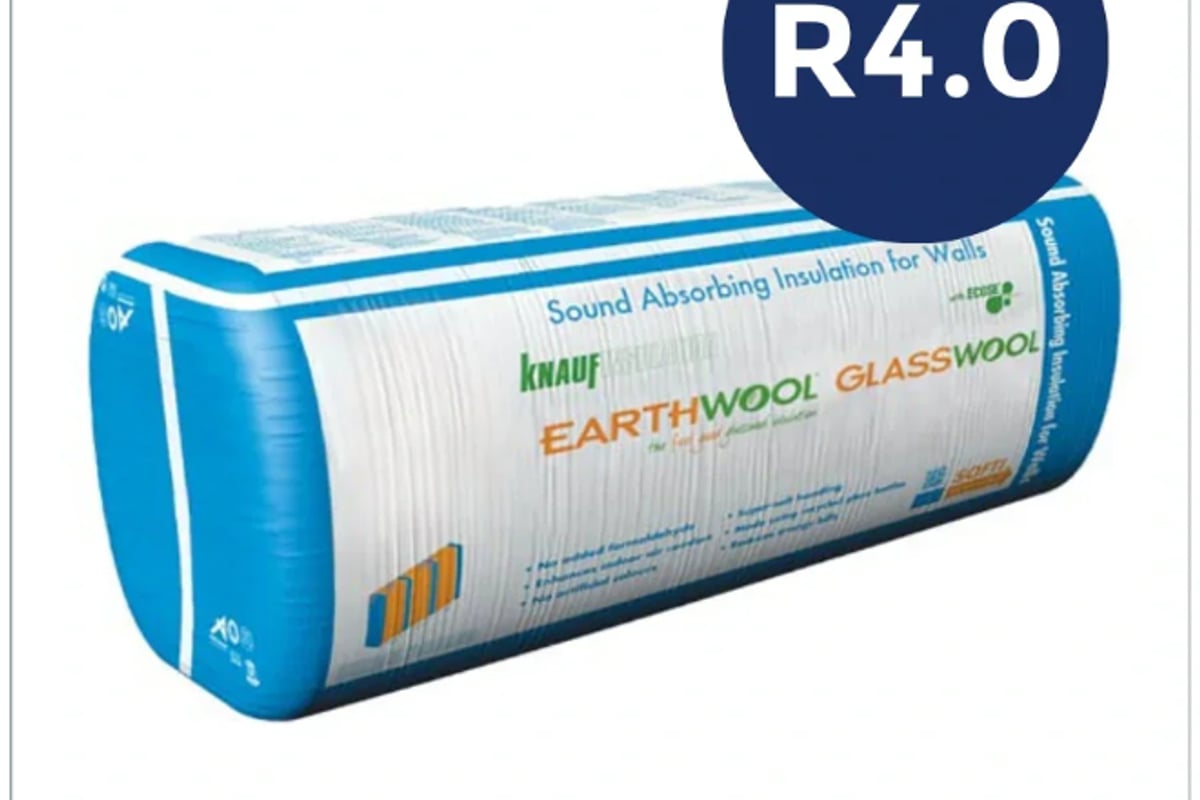
For premium acoustic control in demanding applications, products like the Earthwool Sound Shield R4.0 140x580mm 22.6kg/m³ deliver exceptional noise reduction combined with excellent thermal performance. With its high-density construction specifically engineered for acoustic applications, this product provides outstanding results in walls and ceilings where both soundproofing and energy efficiency matter.
Material Types and Performance
Most sound deadening insulation batts use glasswool or polyester fibres. Both materials effectively absorb sound, but with different characteristics and handling properties.
| Material Type | Acoustic Performance | Handling | Moisture Resistance | Cost |
|---|---|---|---|---|
| Glasswool (ECOSE®) | Excellent | Soft, low dust | Good | Moderate |
| Traditional Glasswool | Excellent | Can be itchy | Good | Lower |
| Polyester | Very good | Very soft, no itch | Excellent | Higher |
| Natural Wool | Good to very good | Soft | Moderate | Premium |
Modern glasswool products manufactured with ECOSE® Technology offer excellent acoustic performance with improved handling comfort and reduced dust compared to traditional formulations. These batts remain the most popular choice for residential acoustic applications due to their balance of performance, ease of installation, and cost-effectiveness.
Installation Best Practices for Maximum Performance
Even the highest quality sound deadening insulation batts won't deliver optimal results without proper installation. Acoustic performance depends on complete cavity fill, careful sealing, and attention to detail during construction.
Critical Installation Steps
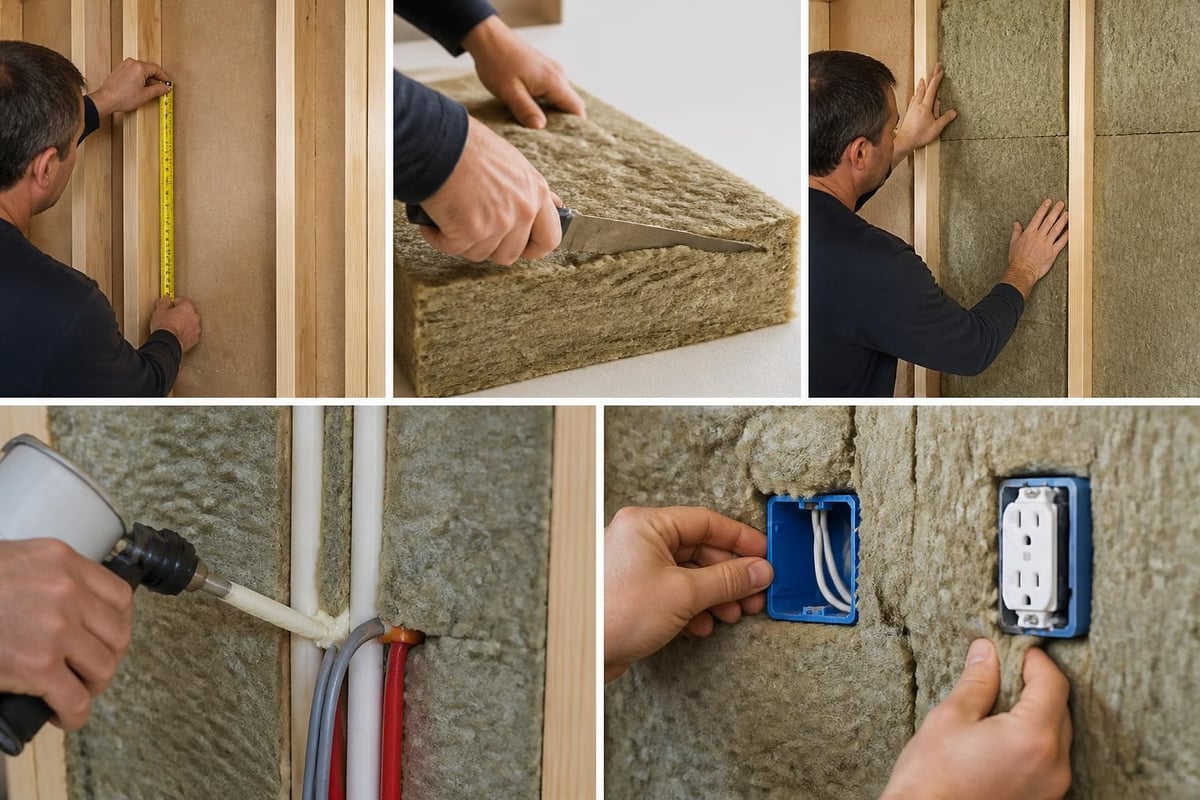
Complete cavity filling is essential. Gaps, compression, or voids allow sound to bypass the insulation, dramatically reducing effectiveness. Cut batts accurately to fit snugly around services, pipes, and electrical outlets without compression.
Follow these key installation principles:
- Measure cavities precisely before cutting batts
- Fill the entire cavity depth without compressing the material
- Seal all penetrations with acoustic sealant or caulk
- Maintain batt resilience by avoiding excessive compression
- Install continuously without gaps between sections
- Cut around obstacles rather than compressing batts around them
Sound travels through the path of least resistance. A small gap representing just 5% of wall area can reduce acoustic performance by 50% or more. Electrical outlets, light switches, and service penetrations require special attention.
Common Installation Mistakes to Avoid
Many DIY installers and even some professionals make errors that compromise acoustic performance. Understanding these pitfalls helps you achieve professional results.
Mistakes that reduce effectiveness:
- Compressing batts to fit into undersized cavities reduces density and creates air gaps
- Leaving gaps around electrical boxes or pipe penetrations creates acoustic shortcuts
- Mixing products with different densities in the same wall creates inconsistent performance
- Installing batts sideways or upside down in walls can lead to slumping over time
- Neglecting to seal the gap between bottom plates and flooring allows flanking noise
For walls requiring exceptional acoustic control, consider using resilient channels or double-stud construction in combination with high-density sound deadening insulation batts. These techniques decouple the wall surfaces, preventing vibration transfer and significantly improving overall performance.
Sound Deadening Applications Throughout Your Home
Different areas of your home face different acoustic challenges. Tailoring your approach to each space ensures you address specific noise issues effectively while managing costs by focusing investment where it matters most.
Internal Walls and Bedroom Separation
Privacy between bedrooms and separating living areas from quiet spaces ranks among the most common residential acoustic challenges. Sound deadening insulation batts in internal walls significantly reduce sound transmission, creating comfortable, private living environments.
Standard timber-framed walls with single-layer plasterboard achieve approximately Rw 35-40 without insulation. Adding high-density acoustic batts improves this to Rw 45-48, representing a substantial reduction in audible noise transmission.
Effective bedroom separation strategies:
- Install 90mm high-density batts (20+ kg/m³) in all bedroom walls
- Use double plasterboard on at least one side for additional mass
- Seal the gap between wall bottom plates and flooring
- Install acoustic-rated doors with proper seals
- Avoid back-to-back electrical outlets (offset vertically instead)
For walls adjacent to home theatres or music rooms, maximise density and consider additional construction techniques like staggered studs or resilient channels. Understanding wall insulation in Melbourne helps you implement comprehensive solutions that address both thermal and acoustic performance.
Ceilings and Upper Floor Noise Control
Impact noise from upper floors presents one of the most challenging acoustic problems in multi-storey homes. Footsteps, dropped objects, and furniture movement create low-frequency vibrations that transmit easily through floor structures.
Sound deadening insulation batts in ceilings reduce airborne noise (voices, television) but require combination with other treatments for impact noise control. Carpet with quality underlay, floating floors, or specialised acoustic underlayments on the upper floor surface address impact noise more effectively.
| Ceiling Treatment | Airborne Reduction | Impact Reduction | Complexity |
|---|---|---|---|
| High-density batts only | Good | Minimal | Low |
| Batts + double plasterboard | Very good | Minimal | Medium |
| Batts + resilient channels | Excellent | Moderate | Medium-high |
| Batts + floating floor above | Very good | Very good | High |
Install the thickest, highest-density sound deadening insulation batts your ceiling cavity allows. In standard 90mm ceiling joists, use 90mm batts. In 140mm spaces, use 140mm batts for maximum absorption. For more information on acoustic performance in ceiling installations, explore our guide on acoustic insulation batts.
External Walls and Street Noise
Traffic noise, neighbours, and environmental sounds entering through external walls disrupt sleep and reduce comfort. While external walls typically include thermal insulation, upgrading to sound deadening insulation batts provides dual benefits.
External wall construction usually includes brick veneer or weatherboard cladding, which provides some mass barrier effect. Combined with high-density acoustic batts in the timber frame cavity, this creates effective noise reduction from outside sources.
The acoustic performance of external walls depends heavily on windows and doors, which often represent the weakest points. Even excellent wall insulation delivers limited benefit if sound enters freely through single-glazed windows or poorly sealed doors.
Maximising external wall acoustic performance:
- Install high-density batts in all external wall cavities
- Ensure complete cavity fill around window and door frames
- Seal all gaps with acoustic-rated sealant
- Consider acoustic-rated windows in noisy locations
- Install quality door seals and draught excluders
External walls benefit from sound deadening insulation batts rated at 18-22 kg/m³, which provide excellent acoustic control while delivering strong thermal performance for energy efficiency.
Acoustic Performance Testing and Standards
Australian building standards specify minimum acoustic performance for certain applications, particularly multi-residential buildings and attached dwellings. Understanding these requirements helps ensure your project meets regulatory obligations while achieving your acoustic goals.
The National Construction Code (NCC) sets minimum Rw ratings for walls and floors between dwellings. As of 2026, these standards continue to evolve with increasing emphasis on acoustic comfort and amenity.
NCC Acoustic Requirements
Minimum performance requirements for residential buildings:
- Walls between dwellings: Rw 50 (Rw + Ctr ≥ 45)
- Floors between dwellings: Rw 50 (Rw + Ctr ≥ 45) plus impact insulation
- Internal walls (same dwelling): No minimum specified, but recommendations apply
The Rw + Ctr rating accounts for low-frequency sounds like traffic noise and bass music, which penetrate more easily than higher frequencies. This weighted rating provides a more realistic measure of acoustic performance in real-world conditions.
Sound deadening insulation batts form a critical component of compliant construction systems, but the complete assembly matters. Wall or floor build-up specifications that include specific batt types, plasterboard configurations, and construction details achieve tested and certified Rw ratings.
Testing and Certification
Reputable manufacturers provide acoustic test data for their products showing performance in standardised construction assemblies. These tests, conducted in accredited laboratories according to Australian Standards, give reliable performance expectations.
When reviewing product specifications, look for:
- Test reports from NATA-accredited laboratories
- Complete assembly details showing exactly how the tested wall or floor was constructed
- Rw ratings achieved with the specific product
- Multiple configurations showing performance variations with different construction methods
Quality sound deadening insulation batts from established manufacturers include comprehensive technical documentation supporting their acoustic claims. This transparency helps you make informed decisions and ensures your project achieves intended performance outcomes.
Cost Considerations and Value Assessment
Sound deadening insulation batts typically cost more than standard thermal batts due to higher density construction and specialised manufacturing. Understanding the cost difference and long-term value helps you make informed investment decisions.
Price comparison by product type (indicative):
| Product Type | Density | Cost Factor | Best Value Application |
|---|---|---|---|
| Standard thermal batts | 14 kg/m³ | 1.0x (baseline) | Thermal-only requirements |
| Mid-density acoustic | 18-20 kg/m³ | 1.3-1.5x | General acoustic improvement |
| High-density acoustic | 22-24 kg/m³ | 1.6-2.0x | Premium acoustic performance |
| Premium acoustic systems | 24+ kg/m³ | 2.0-2.5x | Critical acoustic applications |
While the higher upfront cost seems significant, consider the context. For a standard bedroom wall, the difference between thermal and acoustic batts might represent $50-100 per wall. This modest investment delivers permanent acoustic improvement, adding value and comfort for the life of the building.
Where to Prioritise Acoustic Investment
Budget constraints often require strategic choices about where to invest in premium sound deadening insulation batts. Prioritise spaces where noise impact creates the greatest discomfort or where privacy matters most.
High-priority applications:
- Master bedroom walls for privacy and sleep quality
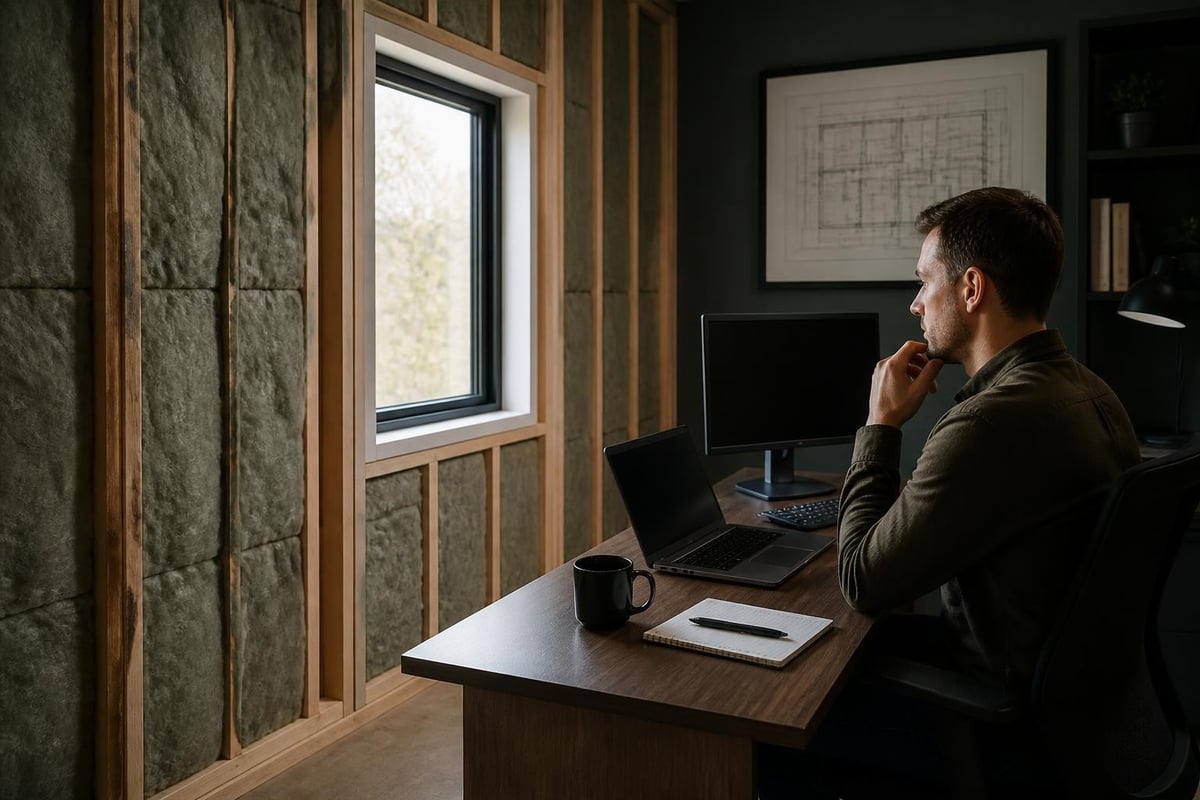
- Home office walls for professional video calls and concentration
- Children's bedroom walls to contain noise and support sleep routines
- Living room to bedroom walls preventing television noise disruption
- Ceilings below bathrooms reducing plumbing noise
Secondary priority areas include general internal walls, laundry walls, and walls adjacent to alfresco or outdoor areas. These spaces benefit from acoustic treatment but represent lower impact on daily comfort.
For spaces requiring basic acoustic improvement without premium performance, mid-density batts (18-20 kg/m³) deliver good results at moderate cost. Reserve highest-density products for critical applications where superior performance justifies the investment. Learn more about selecting appropriate products by exploring our range at Insulation Supplies Australia.
Combining Acoustic and Thermal Performance
Many sound deadening insulation batts deliver excellent thermal performance alongside their acoustic capabilities. This dual function provides comprehensive comfort improvement, making these products particularly valuable in external walls and ceilings where both properties matter.
Higher density batts that excel at sound absorption also resist heat flow effectively. The same dense fibrous structure that traps sound waves creates thermal resistance by minimising convection and conduction through the material.
Understanding R-Values in Acoustic Batts
Sound deadening insulation batts carry R-value ratings indicating their thermal resistance, just like standard thermal batts. However, because acoustic batts are denser, they achieve similar or better R-values in thinner profiles compared to lighter thermal batts.
A 90mm high-density acoustic batt might achieve R2.5-R2.7, while a standard 90mm thermal batt achieves R2.0-R2.5. The improved performance per millimetre of thickness results from the increased fibre content in denser products.
Thermal ratings by density and thickness:
- 90mm at 20 kg/m³: Approximately R2.5-R2.7
- 140mm at 22 kg/m³: Approximately R3.5-R4.0
- 90mm at 24 kg/m³: Approximately R2.7-R3.0
- 140mm at 24 kg/m³: Approximately R4.0-R4.5
For applications requiring both acoustic control and thermal efficiency, high-density sound deadening insulation batts provide excellent all-around performance. This makes them ideal for external walls in bedrooms, home offices, and living areas where comfort depends on both noise reduction and temperature control.
Climate Zone Considerations
Victoria spans multiple climate zones requiring different thermal performance levels. While acoustic requirements remain consistent regardless of location, thermal needs vary between Melbourne's temperate climate and cooler regional areas.
Sound deadening insulation batts in external walls should meet or exceed minimum R-value requirements for your climate zone while delivering the acoustic performance you need. Fortunately, the higher densities required for acoustic control naturally provide strong thermal resistance.
For comprehensive guidance on climate-specific insulation requirements, consult information about climate zones in Australia to ensure your selections meet both acoustic and thermal performance standards.
Maintenance and Long-Term Performance
Quality sound deadening insulation batts require no maintenance once properly installed and deliver consistent performance for decades. Unlike mechanical systems requiring service or components subject to wear, fibrous insulation maintains its properties throughout the building's life.
Durability and Performance Retention
Modern glasswool and polyester acoustic batts resist settling, moisture damage, and degradation under normal conditions. The resilient fibrous structure maintains its loft and density even after decades, ensuring acoustic performance remains consistent.
Long-term performance factors:
- Moisture resistance: Quality batts resist moisture absorption and dry quickly if dampened
- Pest resistance: Inorganic fibres don't attract insects or rodents
- Fire safety: Non-combustible materials maintain safety properties indefinitely
- No settling: Modern batts retain thickness and density throughout their service life
- No degradation: Fibres don't break down or lose effectiveness over time
Proper installation protects long-term performance. Sound deadening insulation batts must remain dry, uncompressed, and properly supported to maintain effectiveness. Water damage from leaks, excessive compression from overcrowded cavities, or displacement during renovations can reduce acoustic performance.
When Replacement Becomes Necessary
Insulation replacement is rarely required during normal building life. However, certain situations warrant inspection and potential replacement of sound deadening insulation batts.
Consider replacement or remediation when:
- Water damage has occurred from roof leaks or plumbing failures
- Pest infestation has contaminated insulation with droppings or nesting materials
- Renovation work has disturbed or damaged existing batts
- Performance degradation is evident from increased noise transmission
- Upgrading systems during major renovations provides opportunity for improvement
Most installations last 50+ years without requiring attention. The permanent nature of sound deadening insulation batts makes them one of the most reliable and maintenance-free building components you'll install.
Sound deadening insulation batts deliver permanent noise reduction that improves comfort, privacy, and property value throughout your home's life. By choosing appropriate densities for specific applications, following proper installation practices, and combining acoustic treatment with good construction techniques, you create quieter, more comfortable living spaces. Whether you're building new, renovating, or upgrading specific problem areas, Insulation Supplies Australia offers extensive selection of premium acoustic and thermal insulation products with expert advice to help you choose the right solution. Explore our range online, compare products easily, and enjoy competitive pricing with fast delivery across Victoria to make your insulation project simple and successful.