

When you're planning a renovation or new build in Victoria, choosing the right insulation can feel overwhelming. Among the many options available, sancell insulation has emerged as a popular choice for specific applications, particularly in underfloor and wall systems. This multi-layer reflective insulation technology uses encapsulated air cells and foil surfaces to create a thermal barrier that works differently from traditional bulk insulation materials. Understanding what sancell is, how it performs, and where it fits best in your project will help you make confident decisions that improve comfort and energy efficiency.
What Is Sancell Insulation
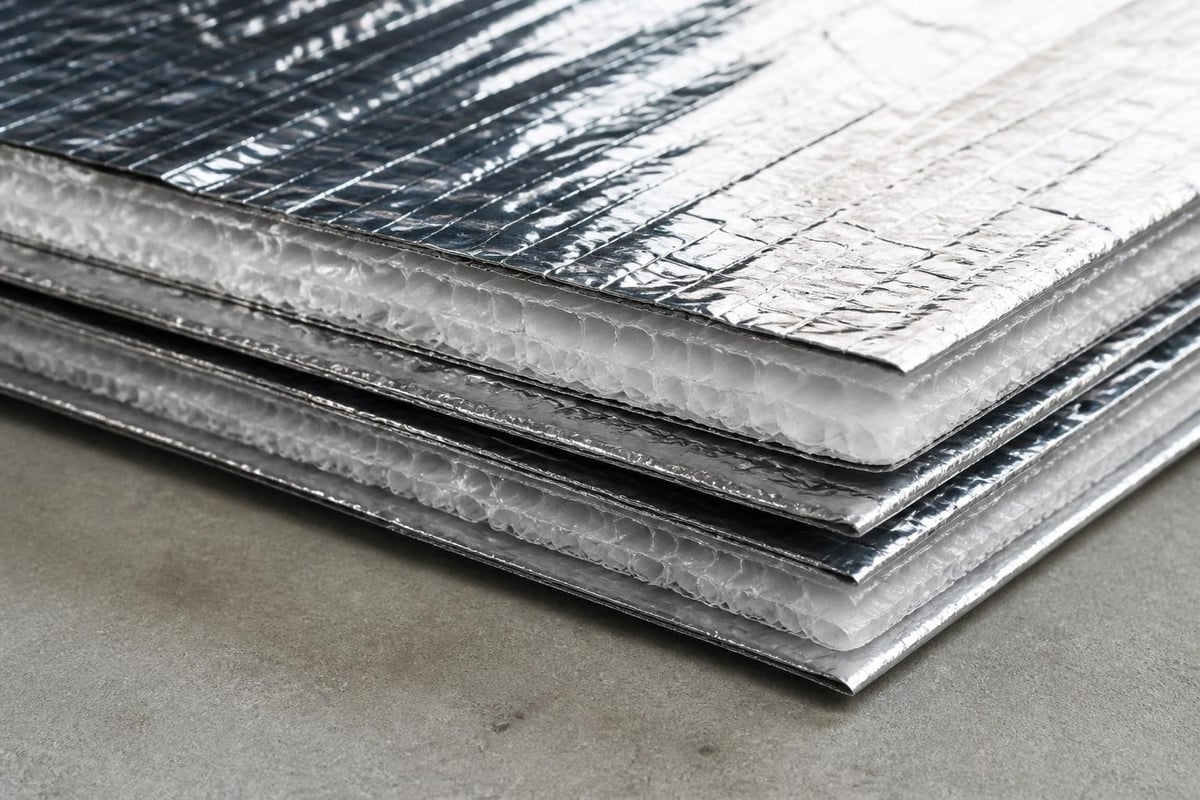
Sancell is a brand of reflective, multi-layer insulation that combines low-emittance foil surfaces with encapsulated air cells or bubble layers. Unlike bulk insulation materials such as glasswool or polyester batts that resist heat flow through their thickness, sancell products work primarily by reflecting radiant heat and trapping air in small pockets. This construction creates a flexible, lightweight insulation solution that's particularly useful in applications where space is limited or where traditional batts may be difficult to install.
The technology behind sancell involves bonding multiple layers of aluminium foil to air-cell cores. These cores can be made from polyethylene bubble wrap or foam structures, creating thousands of tiny air pockets that resist heat transfer. The foil surfaces have low emittance, meaning they reflect rather than absorb radiant heat. When installed with the correct airspace adjacent to the foil surface, sancell can contribute to a building's overall thermal resistance.
Key Features of Sancell Products
Material Construction:
- Multiple aluminium foil layers bonded to air-cell cores
- Polyethylene or foam bubble structure for air encapsulation
- Lightweight and flexible for easier handling
- Water-resistant outer surfaces
Thermal Performance:
- Relies on radiant barrier effect and air resistance
- Requires adjacent airspace for optimal R-value contribution
- Performance varies significantly based on installation method
- Must be tested as part of a complete system
The official Sancell Insulation product range includes variants designed for different applications, from underfloor wraps to wall sarking and roof insulation systems. Each product is engineered with specific thickness and layer configurations to suit particular building scenarios.
How Sancell Differs From Traditional Insulation
Understanding the fundamental difference between reflective insulation like sancell and bulk insulation is crucial for making the right choice. Traditional bulk insulation-such as glasswool, polyester, or rockwool batts-works by trapping air within fibrous material. The more thickness and density, the higher the resistance to conductive and convective heat flow. These materials are tested and rated with a standalone R-value that represents their thermal resistance independent of installation position or adjacent air spaces.
Sancell and similar reflective products operate on different principles. They resist radiant heat transfer (infrared radiation) by reflecting it away with low-emittance foil surfaces. They also provide some resistance through the trapped air in their bubble or foam cells. However, their overall contribution to a wall, floor, or roof system's total R-value depends heavily on how they're installed-specifically, the presence and size of adjacent airspaces.
Performance Comparison Table
| Feature | Sancell Reflective Insulation | Traditional Bulk Insulation |
|---|---|---|
| Primary mechanism | Radiant heat reflection + air cell resistance | Conductive/convective resistance through material thickness |
| R-value testing | Tested as part of complete system with airspaces | Intrinsic R-value independent of installation |
| Thickness required | Thin (typically 5-20mm) | Varies widely (50-350mm depending on target R-value) |
| Moisture behaviour | Water-resistant foil surface | Varies; some materials affected by moisture |
| Installation complexity | Requires careful airspace management | Friction-fit or laid between framing |
| Best applications | Underfloor wraps, wall sarking, supplementary insulation | Primary thermal insulation in walls, ceilings, roofs, floors |
According to the National Construction Code energy efficiency provisions, reflective insulation must be installed with specific airspace dimensions to achieve claimed thermal performance. This is a critical consideration when comparing sancell to bulk options.
Where to Use Sancell Insulation in Your Home
Sancell products shine in specific applications where their unique properties offer advantages over traditional materials. Understanding these scenarios helps you select the right product for each part of your building envelope.
Underfloor Insulation and Draught Barriers
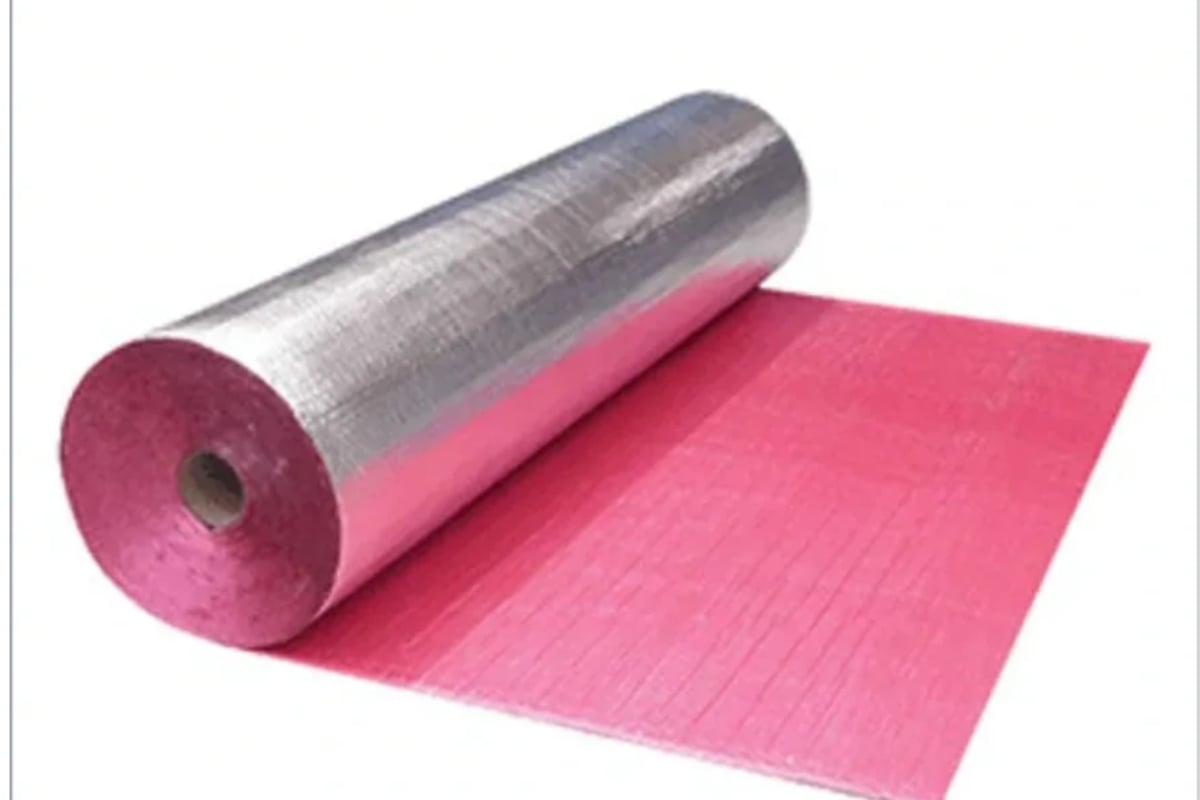
One of the most popular applications for sancell is underfloor insulation in suspended timber floor systems. Products like the Sancell Breeze Underfloor 500-3 provide thermal resistance and act as a draught barrier, preventing cold air from moving up through floor gaps. For Victorian homes built on stumps or piers, this creates a warmer, more comfortable interior during winter months.
The installation process is relatively straightforward compared to fitting batts between joists. The flexible reflective wrap can be stapled or fixed to the underside of floor joists, creating a continuous barrier that reduces heat loss and blocks drafts. Because the material is water-resistant, it also provides some protection against moisture rising from the ground.
When selecting underfloor sancell products, homeowners should improve thermal comfort and energy efficiency in suspended floor systems without the complexity of fitting rigid batts. The barrier created reduces both heat loss through the floor and the infiltration of cold air from the subfloor cavity.
Wall Sarking and Cavity Applications
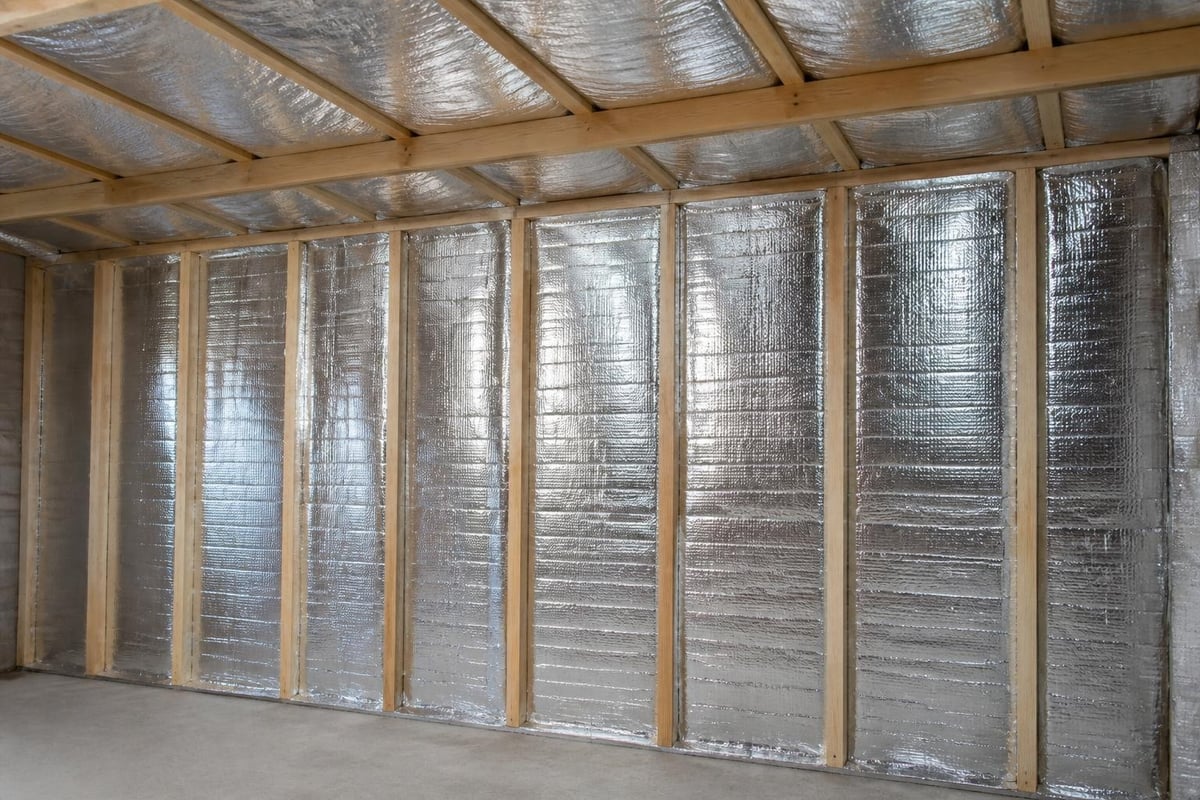
Sancell can function as wall sarking or a secondary insulation layer in cavity wall systems. When used as sarking behind external cladding, it provides a radiant barrier and helps manage moisture by allowing vapour to escape while blocking bulk water ingress (in permeable variants).
In brick veneer construction common throughout Victoria, a reflective product can be installed in the cavity between the brick and internal wall frame. This requires maintaining an airspace on at least one side of the foil surface to maximise the radiant barrier effect. Without the airspace, the thermal contribution drops significantly.
Wall Installation Considerations:
- Ensure minimum 25mm airspace adjacent to foil surface
- Use appropriate fixing methods that don't compress the product
- Seal joins with approved reflective tape
- Consider vapour permeability for moisture management
- Comply with AS/NZS 4200.1 standards for pliable building membranes
Roof and Ceiling Applications
While less common than in underfloor or wall scenarios, sancell-type products can be used under metal roofing as part of a combined insulation strategy. In these applications, the reflective surface helps reduce radiant heat gain during summer, keeping roof spaces cooler.
However, relying solely on reflective insulation in roofs is rarely sufficient for modern energy efficiency requirements. Most Victorian builds require higher total R-values than reflective products alone can deliver. Combining a reflective sarking layer with bulk ceiling insulation is the typical approach, maximising both radiant and conductive/convective resistance.
Installing Sancell: Critical Success Factors
Getting the best performance from sancell insulation demands careful attention to installation details. Unlike bulk insulation where friction-fitting batts between studs or joists is relatively forgiving, reflective products lose much of their effectiveness if installed incorrectly.
Airspace Requirements
The most crucial factor is maintaining an adequate airspace adjacent to the foil surface. For the reflective barrier to work, there must be an air gap (typically at least 25mm) where the foil can reflect radiant heat without direct contact with other building materials. When foil touches timber, plasterboard, or other surfaces, it conducts heat directly, bypassing the radiant barrier effect.
Recommended Airspace Dimensions:
- Minimum 25mm for most wall and underfloor applications
- Up to 100mm in some roof applications for maximum summer heat rejection
- Maintain airspace on at least one side (preferably the side facing the heat source)
Research from Monash University on reflective insulation systems highlights significant performance variation based on airspace configuration and installation quality. Properly installed systems with correct airspaces performed substantially better than poorly installed examples.
Fixing and Sealing Methods
Sancell should be fixed securely without excessive compression. Use staples, battens, or appropriate fixings that hold the material in place while preserving its loft and structure. Over-compression reduces the air cell effectiveness and can damage the foil layers.
Step-by-Step Installation Process (Underfloor):
- Measure floor joist spacing and cut sancell to appropriate lengths with 100-150mm overlap
- Starting at one end of the floor, position the material perpendicular to joists
- Staple along the first joist, ensuring material hangs slightly to create airspace above
- Move to next joist and repeat, maintaining consistent sag/drape
- Overlap subsequent runs by at least 100mm and tape joins with reflective foil tape
- Seal all penetrations (pipes, cables) with tape or appropriate sealants
- Check for tears or damage and repair immediately
Sealing joins and overlaps with aluminium foil tape is essential. Gaps allow air movement that reduces both thermal performance and draught-blocking effectiveness.
Comparing Sancell R-Values and System Performance
One of the most misunderstood aspects of sancell and other reflective insulation products is how their R-values are determined and what they actually represent. Unlike bulk insulation that has an intrinsic R-value, reflective products contribute to the total system R-value of a wall, floor, or roof assembly.
Understanding System R-Values
When you see an R-value claim for a sancell product, it typically refers to the total R-value of a complete building element (wall, floor, etc.) that includes the reflective insulation, required airspaces, and other materials. The reflective layer itself might contribute R0.5 to R1.0, with the remainder coming from air films, airspaces, and other components.
This is regulated under AS/NZS 4859.1 standards for thermal insulation materials, which sets out testing protocols for both bulk and reflective insulation. The standard requires reflective products to be tested as installed, including all relevant airspaces and mounting conditions.
| Application | Typical System R-Value Range | Key Variables Affecting Performance |
|---|---|---|
| Underfloor with 25mm airspace | R0.6 – R1.5 | Airspace size, direction of heat flow, installation quality |
| Wall cavity with 25mm airspace | R0.8 – R1.8 | Cavity width, airspace position, external cladding type |
| Roof sarking under metal | R0.5 – R1.2 | Roof pitch, ventilation, combined with bulk insulation |
The Sancell Air 310 technical datasheet provides specific R-value data for various installation configurations, showing how performance changes based on the number of air surfaces and heat flow direction.
Limitations and Realistic Expectations
Be cautious of over-optimistic performance claims. Some marketing materials for reflective insulation suggest equivalence to much thicker bulk insulation, but real-world performance depends entirely on correct installation with maintained airspaces. In practice, sancell works best as part of a layered approach rather than as a sole insulation solution in primary applications.
For example, a floor system using only an underfloor reflective wrap might achieve a total R-value of R1.0 to R1.5, which is useful for comfort and draft reduction but falls short of energy efficiency targets for heated floor spaces in many climate zones. Combining the reflective underfloor barrier with bulk insulation between joists delivers superior results.
Sancell and Building Regulations in Victoria
Using sancell insulation in your Victorian renovation or new build project requires compliance with relevant building codes and standards. The National Construction Code (NCC) sets minimum thermal performance requirements, and your chosen insulation strategy must meet these benchmarks.
NCC Energy Efficiency Requirements
Victoria's climate zone requires specific R-values for different building elements to meet NCC Section J energy efficiency provisions. While exact requirements vary based on the building class, construction type, and glazing area, typical residential requirements for Melbourne include:
- Ceiling: Minimum R4.0 to R6.0 depending on design
- Walls: Minimum R1.5 to R2.5 depending on construction type
- Floors: Minimum R1.0 to R2.0 depending on whether heated space
Sancell alone rarely achieves these values without supplementary bulk insulation. However, it can form part of a compliant system when used appropriately. For instance, combining a reflective underfloor wrap with bulk batts or rigid board insulation between joists can meet or exceed floor insulation requirements.
Always verify your installation approach with your designer, builder, or energy rater to ensure code compliance before proceeding.
Certification and Testing Standards
Quality sancell products should be tested and certified to relevant Australian and international standards. Look for products tested under ISO 22097:2023 protocols for reflective insulation, which provides consistent testing methods across different markets.
Additionally, check for compliance with fire safety classifications, particularly when using reflective insulation near combustible materials or in bushfire-prone areas. Products should have appropriate BAL (Bushfire Attack Level) ratings if your property is in a designated bushfire zone.
Combining Sancell With Other Insulation Types
The most effective insulation strategies in 2026 involve combining different product types to maximise thermal performance, acoustic control, and cost-effectiveness. Sancell works well alongside traditional bulk insulation when each material is used where it performs best.
Layered Insulation Strategies
Consider a suspended timber floor system in a Melbourne home. A comprehensive approach might include:
Layer 1: Reflective sancell underfloor wrap fixed beneath joists as draught barrier and radiant barrier Layer 2: Bulk glasswool or polyester batts fitted between joists for high thermal resistance Layer 3: Floorboards with good airtightness to prevent infiltration
This combination addresses radiant heat, conductive heat, convective movement, and air leakage-covering all major heat transfer mechanisms. The reflective layer is relatively inexpensive and easy to install, while the bulk insulation provides the thermal "heavy lifting" to meet code requirements.
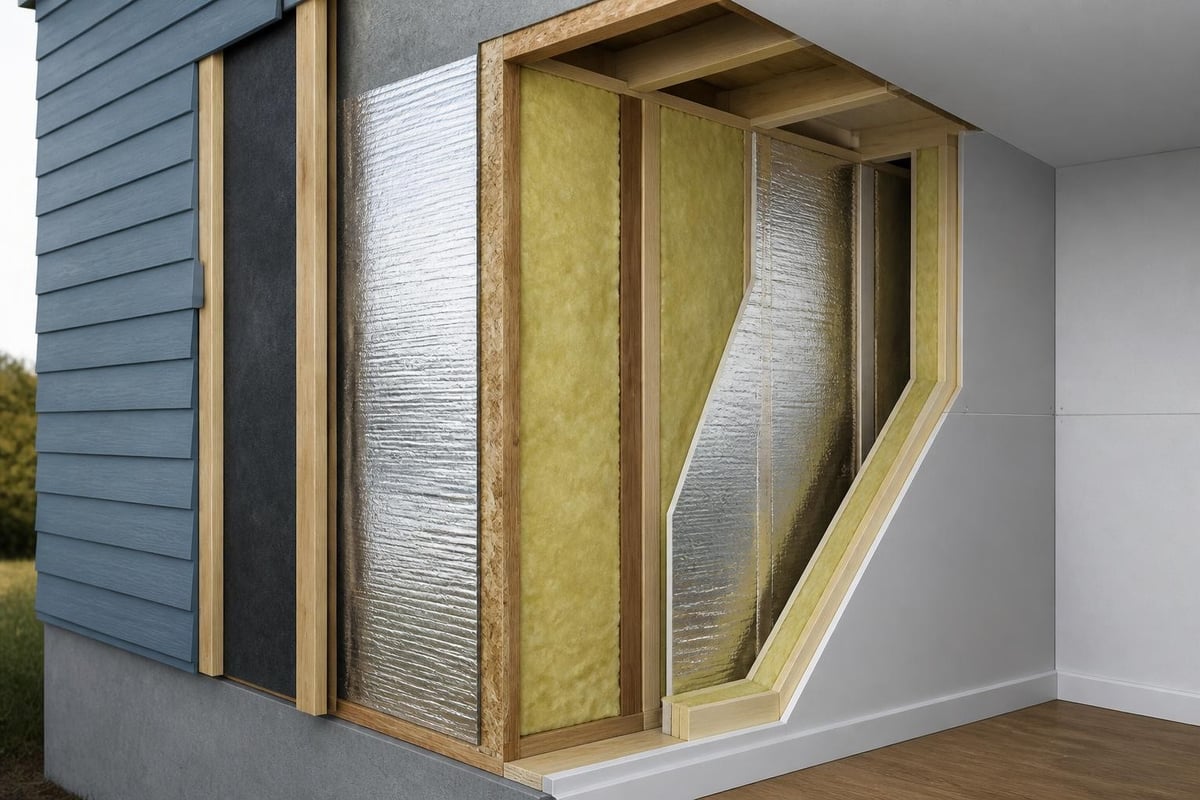
Similarly, in wall construction, using sancell as sarking behind cladding (radiant barrier and weather protection) combined with bulk insulation in the wall cavity creates a high-performance envelope. For those interested in learning more about sarking and building wraps, the guide to build wrap provides additional detail on these complementary products.
Acoustic Considerations
While sancell provides some sound dampening through its air cells, it's not primarily an acoustic product. If noise control is important-such as between floors in a multi-storey home or in walls separating living areas from bedrooms-combine reflective insulation with purpose-designed acoustic materials.
High-density glasswool products specifically engineered for sound absorption offer superior acoustic performance. The combination of thermal and acoustic insulation creates comfortable, quiet, energy-efficient spaces that meet modern expectations for indoor environmental quality.
Cost Considerations and Value Assessment
Evaluating whether sancell represents good value for your project requires comparing its cost against performance, installation effort, and alternative solutions. Reflective insulation typically costs more per square metre than basic bulk materials but less than premium high-density acoustic products.
Price Comparison Framework
| Product Type | Approximate Cost per m² | Thermal Contribution | Best Value Applications |
|---|---|---|---|
| Basic reflective foil (single layer) | $3 – $6 | R0.3 – R0.6 system contribution | Sarking, supplementary barrier |
| Sancell multi-layer products | $8 – $15 | R0.8 – R1.5 system contribution | Underfloor wraps, wall insulation |
| Bulk glasswool batts (R2.5 wall) | $5 – $9 | R2.5 intrinsic value | Primary wall insulation |
| Bulk glasswool batts (R4.0 ceiling) | $8 – $12 | R4.0 intrinsic value | Primary ceiling insulation |
Prices are indicative for 2026 and vary based on supplier, quantity, and product specifications.
For underfloor applications where installing bulk batts is difficult or labour-intensive, sancell offers excellent value. The material cost may be moderate, but the installation time savings compared to cutting and fitting batts between floor joists can offset the difference. Additionally, the combined thermal and draught-blocking benefits provide comfort improvements that pure thermal resistance calculations don't fully capture.
Long-Term Performance and Durability
Quality sancell products are durable and maintain performance over decades when correctly installed and protected from physical damage. The aluminium foil surfaces don't degrade like some foam materials can, and the encapsulated air cells remain effective if the product integrity is preserved.
However, any punctures, tears, or areas where the product becomes compressed or wet can reduce effectiveness. During installation, handle materials carefully and immediately repair any damage with appropriate foil tape. In exposed underfloor situations, consider whether rodent or pest access could potentially damage the material over time.
Common Installation Mistakes to Avoid
Even experienced DIY renovators can make errors when installing sancell that significantly reduce performance. Being aware of these common pitfalls helps ensure your investment delivers expected results.
Critical Errors and How to Prevent Them
Installing without adequate airspace: This is the most frequent mistake. Reflective insulation laid directly against surfaces with no air gap loses most of its radiant barrier function. Always plan for and maintain the required airspace during installation.
Over-compressing the material: Excessive stapling or fixing pressure can compress air cells, reducing their insulating value. Fix securely but don't flatten the product.
Failing to seal joins and overlaps: Air leakage through gaps between sheets or at penetrations undermines both thermal and draught-blocking performance. Use quality reflective tape on all joins.
Ignoring vapour management: In some applications, using non-permeable reflective insulation can trap moisture. Understand vapour movement in your wall or floor system and select permeable variants where needed.
Mixing incompatible products: Not all reflective products are created equal. Stick with reputable brands that provide testing data and certifications rather than generic alternatives with unclear specifications.
Professional Installation vs DIY
While sancell installation is within the capability of competent DIYers, some situations warrant professional assistance. Complex roof applications, difficult access areas, or projects requiring precise compliance documentation benefit from experienced installers who understand the nuances of reflective insulation systems.
For straightforward underfloor wraps in accessible subfloor spaces, DIY installation is entirely feasible with careful attention to the manufacturer's instructions and the principles outlined in this guide. Take your time, measure accurately, and don't compromise on sealing and fixing quality.
Sancell in Renovations vs New Builds
The decision to use sancell often differs between renovation projects and new construction, as each scenario presents unique constraints and opportunities.
Renovation Applications
For Victorian homeowners renovating older properties, sancell offers practical solutions where retrofit insulation is challenging. Many older homes have limited wall cavity depth, making it difficult to add thick bulk insulation. A reflective product can fit in tight spaces while still contributing meaningful thermal improvement.
Similarly, accessing underfloor areas in established homes to install bulk batts can be difficult, cramped, and time-consuming. Rolling out a reflective underfloor wrap is faster and less physically demanding, making it an attractive option for owner-builders tackling weekend renovation projects.
Sancell also provides temporary improvement while planning longer-term renovations. If you're living in a cold house and want immediate comfort gains before major works commence, an underfloor reflective barrier can deliver noticeable warmth and draft reduction relatively quickly and affordably.
New Build Considerations
In new construction, you have maximum flexibility to design optimal insulation systems from the ground up. Here, sancell works best as part of a comprehensive strategy rather than a primary solution. Specify bulk insulation to meet thermal performance targets, then add reflective layers where they provide additional value-such as underfloor wraps, wall sarking, or roof sarking under metal roofing.
New builds must meet current NCC requirements, which are more stringent than in previous decades. Planning your insulation package during the design phase, with input from your energy rater, ensures all products work together effectively and installations can proceed in the correct sequence without conflicts or rework.
Maintenance and Performance Monitoring
Once installed, sancell insulation requires minimal maintenance compared to mechanical systems, but some periodic checks help ensure continued effectiveness.
Inspection Recommendations
Annual visual inspection: Where accessible (particularly underfloor installations), inspect sancell for tears, compression, or detachment from fixings. Look for evidence of moisture accumulation, which might indicate ventilation issues or leaks requiring attention.
Post-storm or pest event checks: After severe weather or if you suspect pest activity in subfloor or wall cavities, inspect insulation for damage. Rodents can occasionally tear reflective materials when nesting or moving through spaces.
During other maintenance work: When conducting plumbing, electrical, or other works that involve access to insulated areas, take the opportunity to verify insulation condition and repair any damage before closing up the space again.
Signs of Reduced Performance
You might not directly see insulation performance degradation, but some symptoms suggest investigation is warranted:
- Increased drafts from floor edges or wall penetrations
- Rising heating or cooling costs without other explanation
- Cold spots or uneven temperatures in previously comfortable rooms
- Visible moisture, condensation, or mould near insulation installations
Addressing these signs quickly prevents minor issues from becoming major problems and maintains the energy efficiency and comfort improvements you invested in achieving.
The Broader Sancell Product Family
While this guide focuses primarily on building insulation applications, it's worth noting that Sancell's broader business includes thermal packaging and protective products. The same technology used in building insulation-reflective foil and air cell construction-also features in their cold-chain shipping solutions, thermal liners, and protective packaging materials.
Understanding this context highlights the proven industrial applications of the technology. The thermal principles that keep temperature-sensitive pharmaceuticals or food products stable during shipping also work to keep your home comfortable year-round. The Sancell product range demonstrates the versatility of encapsulated air cell and reflective barrier technology across different industries.
Choosing the Right Sancell Product for Your Project
With various sancell products available for different applications, selecting the right variant ensures optimal results. Consider thickness, layer count, permeability, and intended use when making your choice.
Product Selection Criteria
Underfloor applications: Choose products specifically designed for underfloor use with appropriate dimensions for joist spacing. The Sancell Breeze range offers purpose-built options with the right balance of thermal resistance, moisture protection, and ease of installation.
Wall sarking: Select permeable variants that allow vapour to escape while blocking bulk water. Check compatibility with your external cladding type and wall construction method.
Roof applications: Products for use under metal roofing should withstand higher temperatures and potentially have fire-resistance ratings suitable for roof spaces.
Thickness and R-value targets: Match product specifications to your required total system R-value, remembering that the reflective product is usually part of a broader insulation strategy.
Consult product datasheets, installation guides, and technical specifications to verify suitability. When in doubt, seek advice from insulation specialists who can assess your specific project requirements.
Alternative Reflective Insulation Products
While this article focuses on sancell, several other reflective and foil-based insulation products serve similar purposes. Comparing options helps you make informed decisions based on availability, cost, and specific performance characteristics.
Market Alternatives Comparison
Different manufacturers produce multi-layer reflective insulation with varying constructions:
- Single foil layers with thin bubble wrap cores
- Double or triple foil layers with thicker air cell structures
- Hybrid products combining foam and air cell layers
- Permeable reflective membranes for vapour management
Quality and testing standards vary across brands. Prioritise products with clear testing data, compliance certifications, and established manufacturer support. Established brands typically provide better documentation, technical guidance, and warranty backing.
For specific insulation needs beyond reflective products, Insulation Supplies Australia offers comprehensive ranges of bulk glasswool, polyester, foam, and acoustic insulation materials. Comparing reflective and traditional options side-by-side helps identify the best solution for each part of your building envelope.
Sancell insulation offers valuable benefits in specific applications, particularly for underfloor and wall systems where its reflective technology, flexibility, and ease of installation provide practical advantages. When correctly installed with adequate airspaces and combined with appropriate bulk insulation where needed, it contributes to comfortable, energy-efficient homes across Victoria. Whether you're renovating an older property or building new, understanding how reflective insulation works and where it fits best empowers confident decision-making. For expert guidance, competitive pricing, and fast delivery of sancell and complementary insulation products throughout Victoria, visit Insulation Supplies Australia to explore your options and find the right solutions for your project.