

When choosing insulation for your home, you want a product that delivers real performance, feels safe to work with, and makes sense for the environment. Knauf Earthwool has become one of Australia's most trusted glasswool insulation brands because it ticks all those boxes. Manufactured using innovative ECOSE Technology, knauf earthwool offers excellent thermal and acoustic performance while being soft to touch, low in dust, and free from added formaldehyde. Whether you're insulating walls, ceilings, underfloors, or looking for soundproofing solutions, understanding what makes this product different helps you make a confident, informed choice for your renovation or build.
What Is Knauf Earthwool Insulation?
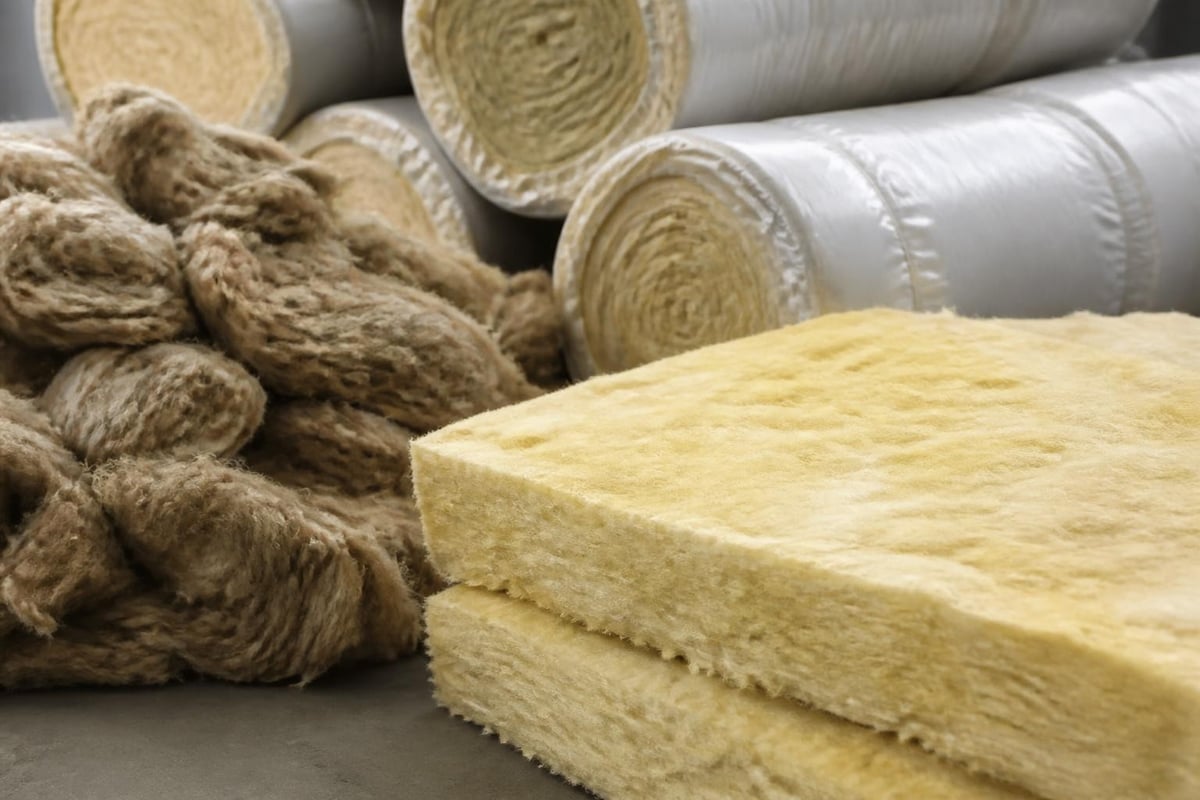
Knauf earthwool is a range of glasswool insulation products designed for residential and commercial construction. Made from recycled glass and sand, it's spun into fine fibres and bonded using a bio-based binder developed under the ECOSE Technology platform. This approach replaces traditional phenol-formaldehyde resins with a plant-derived alternative, reducing embodied carbon and eliminating the chemicals that make some insulation products unpleasant to handle.
The result is insulation that's noticeably softer, cleaner, and easier to install. It doesn't irritate your skin the way older glasswool products often did, and it produces far less airborne dust during cutting and fitting. For DIY renovators and professional installers alike, that's a real quality-of-life improvement.
ECOSE Technology Explained
ECOSE Technology is Knauf's proprietary manufacturing process that uses a natural brown binder instead of traditional resins. This binder is derived from rapidly renewable materials rather than petroleum-based chemicals. The technology has been independently verified and is backed by Environmental Product Declarations that detail the product's environmental impact across its full lifecycle.
Key benefits include:
- No added formaldehyde: safer indoor air quality and easier handling
- Lower embodied carbon: reduced environmental footprint during production
- Less dust and itch: improved installer comfort and faster installation
- Natural brown colour: easily distinguishable from older glasswool products
The brown colour isn't just cosmetic. It's a visible sign that you're working with a product manufactured differently from traditional yellow or white glasswool.
Thermal Performance and R-Values
One of the most important considerations when choosing insulation is thermal resistance, measured by R-value. Higher R-values mean better resistance to heat flow, which translates to lower heating and cooling bills and improved comfort year-round. Knauf earthwool is available in a wide range of R-values to suit different applications and climate zones across Australia.
| Application | Typical R-Values | Thickness Range | Typical Use Case |
|---|---|---|---|
| Ceiling batts | R3.5 to R7.0 | 145mm to 300mm | Ceiling insulation in climate zones 1-7 |
| Wall batts | R1.5 to R2.7 | 75mm to 140mm | Timber and steel-framed walls |
| Underfloor batts | R1.5 to R2.5 | 65mm to 100mm | Suspended timber floors |
| Acoustic batts | R2.0 to R4.0 | 75mm to 140mm | Party walls, media rooms, noise control |
Choosing the right R-value depends on your climate zone, building design, and National Construction Code (NCC) requirements. Victoria sits primarily in climate zone 6, where ceiling insulation of at least R4.0 and wall insulation of R1.5 to R2.5 are commonly recommended. Always check the latest NCC provisions and consult your builder or energy assessor if you're unsure.
How Glasswool Delivers Thermal Performance
Glasswool works by trapping air within millions of tiny fibres. Air is a poor conductor of heat, so when it's held still in small pockets, it creates an effective barrier against heat transfer. The finer and more densely packed the fibres, the better the insulation performance. Knauf earthwool uses advanced fibre technology to maximise thermal resistance while keeping the product lightweight and easy to install.
Unlike reflective foil or bulk insulation materials that rely on air gaps, glasswool provides consistent R-value performance regardless of how it's oriented or installed-provided it's fitted correctly without gaps or compression.
Acoustic Performance and Sound Control
Thermal performance isn't the only reason people choose knauf earthwool. Glasswool is also one of the most effective materials for reducing airborne noise, making it a popular choice for acoustic insulation in homes, apartments, and commercial buildings.
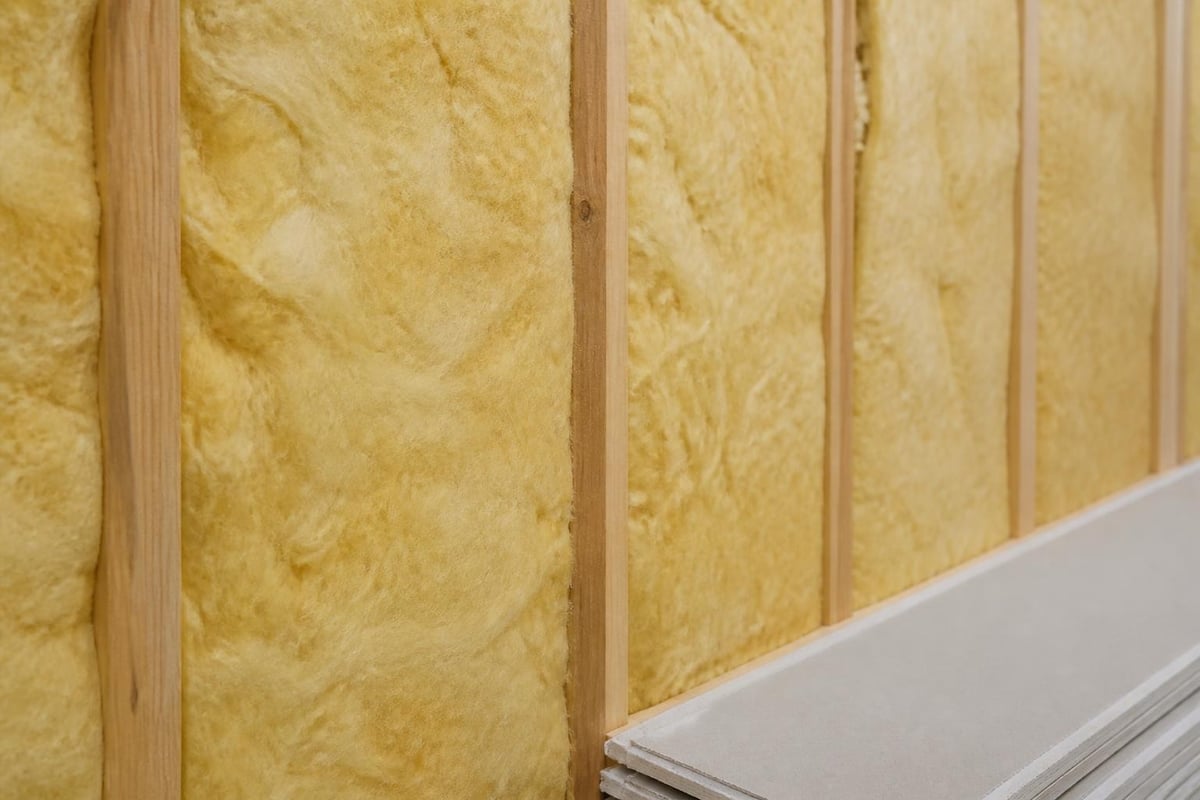
Sound travels through air as vibrations. When sound waves hit glasswool, the fibres absorb and dampen those vibrations, reducing the amount of noise that passes through walls, floors, and ceilings. The denser the product, the better it performs acoustically.
Where Acoustic Insulation Matters Most
- Party walls: reduce noise transfer between townhouses or apartments
- Internal walls: create quieter bedrooms, home offices, and media rooms
- Ceilings and floors: minimise footfall noise and impact sound between storeys
- External walls: reduce street noise and create a more peaceful indoor environment
Knauf's Sound Shield range is specifically designed for high-performance acoustic applications. With higher density (typically 22–24 kg/m³) and thicker batts, it delivers superior noise reduction compared to standard thermal batts. If soundproofing is a priority, it's worth investing in a dedicated acoustic product rather than relying on thermal insulation alone.
Fire Safety and Non-Combustibility
Fire safety is a critical consideration in any building project. Glasswool insulation, including knauf earthwool, is classified as non-combustible to AS 1530.1, the Australian standard for material fire behaviour. This means it won't ignite, burn, or contribute fuel to a fire.
In the event of a fire, glasswool can help slow the spread of flames and provide valuable time for occupants to evacuate and emergency services to respond. It's one of the reasons glasswool is widely used in multi-residential buildings, commercial construction, and bushfire-prone areas.
What Non-Combustible Really Means
Non-combustible doesn't mean fireproof. It means the material itself won't catch fire or add to the fire load. Glasswool will eventually melt at extremely high temperatures (over 1,000°C), but it won't release toxic fumes or produce smoke in the way some synthetic insulation materials can.
For projects in Bushfire Attack Level (BAL) zones, always check the specific requirements of AS 3959 and consult your building surveyor to ensure your insulation choice complies with local regulations.
Common Knauf Earthwool Product Types
Knauf manufactures a wide variety of earthwool products tailored to specific applications. Understanding the differences helps you choose the right product for your project.
Ceiling Batts
Designed to fit between ceiling joists, these batts come pre-cut to standard Australian dimensions (typically 420mm or 430mm wide for timber frames, 580mm for steel frames). They're available in a range of R-values from R3.5 to R7.0, with thickness varying from 145mm to 300mm. Knauf's Earthwool Ceiling Batts are soft, easy to handle, and expand quickly after unpacking.
Wall Batts
Wall batts are thinner (typically 75mm to 140mm) to fit within standard wall cavities. They provide thermal resistance and moderate acoustic control. For steel-framed walls, choose batts sized at 580mm width; for timber frames, 420mm or 430mm batts are standard. Wall batts are particularly effective when combined with proper air sealing and build wrap to prevent draughts.
Underfloor Batts
Installing insulation beneath suspended timber floors is one of the most cost-effective ways to improve comfort and energy efficiency. Underfloor batts reduce heat loss through the floor and block cold draughts rising from below. They're typically secured with wire or strapping and should be installed according to manufacturer guidelines to ensure they stay in place and perform effectively.
Knauf's underfloor range includes products like the R2.5 batts, which are designed to fit snugly between floor joists without compressing or sagging over time.
Sound Shield (Acoustic) Range
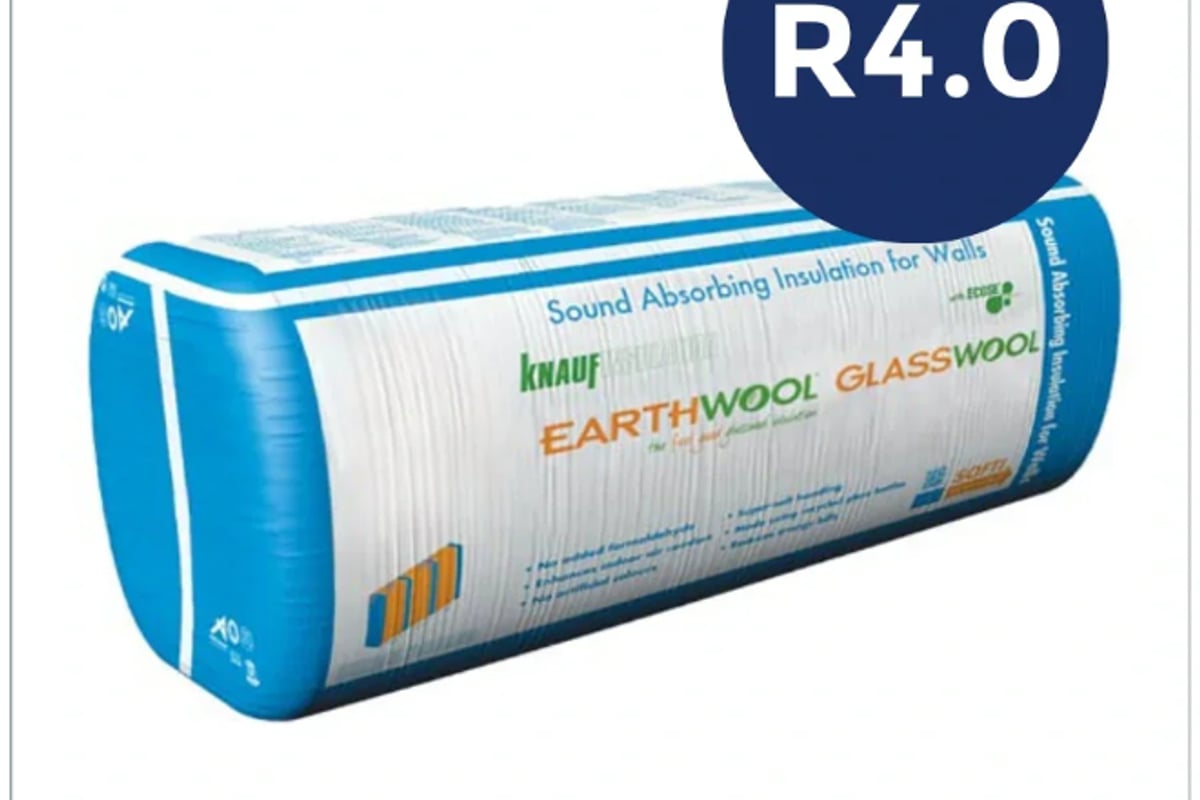
For projects where noise control is essential, knauf earthwool Sound Shield products deliver higher-density glasswool specifically engineered for acoustic performance. These batts are thicker, heavier, and provide measurably better sound insulation than standard thermal products. They're ideal for party walls, home theatres, and multi-storey homes where footfall noise is a concern.
For renovators looking to combine thermal and acoustic performance, the Earthwool Sound Shield R4.0 offers an excellent balance of comfort, energy efficiency, and noise reduction, especially in wall and ceiling applications where both heat and sound control matter.
Environmental Credentials and Sustainability
Sustainability is more than a marketing buzzword. For many homeowners and builders in 2026, it's a genuine priority. Knauf earthwool has strong environmental credentials backed by third-party verification and transparent reporting.
- High recycled content: up to 80% recycled glass used in manufacturing
- Bio-based binder: ECOSE Technology uses plant-derived materials instead of petrochemicals
- Environmental Product Declaration (EPD): published lifecycle assessment available through the International EPD System
- Low VOC emissions: contributes to better indoor air quality
An EPD is a standardised way of reporting the environmental impact of a building product across its entire lifecycle, from raw material extraction to disposal. Knauf's EPD covers embodied carbon, energy use, water consumption, and emissions. It's independently verified, which means the data is credible and comparable to other products. If you want to understand how to read and interpret EPDs, the EPA's manufacturer guide is a helpful resource.
Why Embodied Carbon Matters
Embodied carbon refers to the greenhouse gas emissions generated during the production, transport, and installation of building materials. As Australia's building sector works to reduce its carbon footprint, choosing products with lower embodied carbon becomes increasingly important. Glasswool generally has a lower embodied carbon than many synthetic foam insulations, and knauf earthwool's use of recycled content and bio-based binders reduces it further.
Choosing sustainable insulation doesn't mean compromising on performance. Knauf earthwool delivers the same thermal and acoustic benefits as traditional glasswool while offering measurable environmental improvements.
Installation Tips for DIY Renovators
If you're tackling insulation yourself, knauf earthwool is one of the more forgiving products to work with. Its soft texture and low dust make it easier and more comfortable than older glasswool types. That said, there are still important best practices to follow.
Before You Start
- Measure twice, order once: calculate your total square metreage and add 5–10% for cuts and waste
- Check R-value requirements: verify what's required for your climate zone and application
- Gather tools: sharp knife or insulation saw, straight edge, tape measure, safety gear
- Wear protective equipment: gloves, long sleeves, dust mask, and safety glasses are recommended even with low-dust products
Fitting Batts Correctly
- Don't compress: insulation loses R-value when squashed; fit batts snugly but don't force them into tight spaces
- Cut accurately: use a sharp blade and a straight edge to cut batts to size; let them expand fully before fitting
- Fill gaps: small gaps around pipes, wires, and edges can significantly reduce performance-fill them with offcuts
- Support underfloor batts: use wire or strapping to hold underfloor insulation in place and prevent sagging
Knauf provides detailed installation instructions for their underfloor products, which are also useful for general handling and fitting advice.
What to Avoid
- Don't cover downlights: unless they're IC-rated, insulation must be kept clear of recessed light fittings
- Don't block vents: maintain airflow in roof spaces and subfloor areas as required by building codes
- Don't leave gaps: even small gaps reduce insulation effectiveness dramatically
For more guidance on installation across different applications, visit the installation resources at Insulation Supplies Australia.
How Knauf Earthwool Compares to Other Insulation Types
Understanding how knauf earthwool stacks up against other insulation materials helps you make the right choice for your project.
| Insulation Type | Thermal Performance | Acoustic Performance | Fire Safety | Sustainability | Ease of DIY Install |
|---|---|---|---|---|---|
| Knauf Earthwool (glasswool) | Excellent (R1.5–R7.0) | Excellent | Non-combustible | High recycled content, bio-binder | Easy (low dust, soft) |
| Polyester batts | Good (R1.5–R4.0) | Good | Combustible | Made from recycled plastic bottles | Very easy (no itch) |
| Reflective foil | Moderate (depends on air gap) | Poor | Non-combustible | Low embodied carbon | Moderate (requires air gap) |
| EPS foam boards | Good (R1.0–R3.0) | Poor | Combustible | Petrochemical-based | Moderate (cutting required) |
| Natural wool batts | Good (R1.5–R4.0) | Good | Fire retardant treatment required | Renewable, biodegradable | Easy (natural fibres) |
Each material has strengths and weaknesses. Glasswool products like knauf earthwool excel when you need a combination of thermal performance, acoustic control, fire safety, and proven durability. For projects where all these factors matter-such as family homes, apartments, and commercial buildings-glasswool is hard to beat.
Where to Use Knauf Earthwool in Your Home
Knauf earthwool is versatile enough to be used throughout your home. Here's where it delivers the most value.
Ceilings
Ceiling insulation is the highest-priority area in most Australian homes. Heat rises, so an uninsulated or under-insulated ceiling can account for 25–35% of your total heating and cooling costs. Installing high R-value ceiling batts (R4.0 to R6.0 in Victoria) makes a noticeable difference to comfort and energy bills. Explore ceiling insulation options to find the right R-value for your home.
Walls
Wall insulation improves thermal comfort and reduces noise from outside and between rooms. While walls account for a smaller proportion of heat loss than ceilings, they're still important-especially on the south and west sides of your home, which are exposed to cold winds and afternoon sun. Check out wall insulation products for standard and acoustic options.
Underfloors
If you have a suspended timber floor, insulating beneath it is one of the easiest ways to improve comfort. Cold floors are a common complaint in older Victorian homes, and underfloor batts solve the problem effectively. For quality underfloor solutions, browse the underfloor insulation range.
Internal Walls (Acoustic)
You don't need to insulate every internal wall, but adding acoustic batts to walls around bedrooms, bathrooms, and living areas creates a quieter, more private home. It's especially valuable in open-plan designs and two-storey homes where noise transfer is a common issue.
Cost Considerations and Value for Money
Knauf earthwool sits in the mid-to-premium price range for insulation products. It's typically more expensive than basic polyester batts but less than natural wool or premium foam boards. The price difference reflects the product's performance, durability, and environmental credentials.
What Influences Cost?
- R-value: higher R-values require thicker batts and more material, increasing cost
- Density: acoustic products with higher density cost more per square metre
- Pack size: buying in bulk (larger packs or rolls) usually reduces cost per m²
- Delivery: remote locations or small orders may incur additional freight charges
When comparing prices, always check the total coverage area and cost per square metre, not just the pack price. A cheaper product that doesn't perform as well or degrades faster may cost you more in the long run through higher energy bills and reduced comfort.
Is It Worth Paying More?
If you value installer comfort, proven performance, and long-term reliability, knauf earthwool is worth the investment. The ECOSE Technology makes installation faster and more pleasant, which can save labour costs on larger projects. The product won't sag, settle, or lose R-value over time when installed correctly, so you're buying performance that lasts.
For budget-conscious renovators, it's better to prioritise areas with the highest impact (ceilings first, then walls and underfloors) rather than choosing a cheaper, lower-performing product across your entire home.
Health and Safety Considerations
Modern glasswool products like knauf earthwool are far safer and more comfortable to work with than older fibreglass insulation. That said, they're still made from fine glass fibres, so basic precautions are sensible.
Handling and Installation
- Wear gloves: reduces skin contact and makes handling more comfortable
- Use a dust mask: even low-dust products can produce fine particles when cut
- Work in ventilated areas: ensure good airflow when installing in roof spaces
- Wash hands and tools: clean up after installation to remove any residual fibres
Knauf earthwool doesn't contain asbestos, formaldehyde, or any carcinogenic materials. It's been tested and certified safe for residential use. If you have respiratory sensitivities, wearing a mask and working in well-ventilated areas is a good idea regardless of the product type.
Indoor Air Quality
One of the key benefits of ECOSE Technology is improved indoor air quality. Traditional glasswool products can off-gas volatile organic compounds (VOCs) from their binders, especially when new. Knauf earthwool has very low VOC emissions, contributing to a healthier indoor environment. This is particularly important in tightly sealed, energy-efficient homes where indoor air quality depends on the materials you choose.
Long-Term Performance and Durability
Insulation is a long-term investment. Once it's installed, you don't want to replace it for decades. Knauf earthwool has a proven track record of maintaining its thermal and acoustic performance over time when installed correctly.
What Affects Insulation Lifespan?
- Moisture exposure: glasswool is moisture-resistant but performs best when kept dry; ensure good ventilation and waterproofing
- Compression: avoid compressing batts during installation or storage
- Pests and vermin: glasswool is naturally resistant to pests, unlike some organic materials
- UV exposure: batts should be covered and protected from direct sunlight
In typical residential applications, knauf earthwool should last 50 years or more without significant degradation. It doesn't settle, compact, or lose R-value the way some bulk insulation materials can. Regular roof and building maintenance to prevent leaks and moisture ingress will help ensure your insulation performs as intended for the life of your home.
Product Availability and Where to Buy
Knauf earthwool is widely available across Australia through specialist insulation suppliers, builders' merchants, and online retailers. For Victorian homeowners and builders, buying from a trusted local supplier ensures you get the right product, expert advice, and fast delivery.
Insulation Supplies Australia stocks a comprehensive range of Knauf insulation products, including ceiling batts, wall batts, underfloor batts, and acoustic solutions. Ordering online makes it easy to compare R-values, check stock availability, and arrange delivery across Melbourne and regional Victoria.
What to Check Before Ordering
- Correct R-value: match your climate zone and NCC requirements
- Right dimensions: verify batt width and thickness for your frame type
- Total coverage: calculate square metres needed and add 5–10% for waste
- Delivery timeframes: plan ahead to ensure insulation arrives when you need it
For technical questions or help choosing the right product, reach out to the team at Insulation Supplies Australia for advice tailored to your project.
Common Questions About Knauf Earthwool
Can I Install It Myself?
Yes. Knauf earthwool is designed to be DIY-friendly, especially the ceiling and wall batt products. Follow the manufacturer's installation instructions, use the right safety gear, and take your time to fit batts properly without gaps or compression.
How Long Does It Take to Install?
A typical three-bedroom home ceiling can be insulated by a competent DIYer in a day or two, depending on roof access and complexity. Wall insulation during a renovation takes longer because you need to work around wiring, plumbing, and framing.
Does It Need a Vapour Barrier?
In most Australian climates, glasswool insulation doesn't require a separate vapour barrier. The exception is high-humidity environments (like bathrooms or laundries in tropical zones), where a vapour barrier may be recommended. Always check NCC requirements and local building codes.
Can It Get Wet?
Glasswool is moisture-resistant but not waterproof. If it gets wet during construction, allow it to dry fully before enclosing the wall or ceiling. Wet insulation won't perform well and can lead to mould issues if trapped behind cladding. Ensure roofs, walls, and floors are weatherproof before installing insulation.
Knauf earthwool delivers reliable thermal and acoustic performance, proven durability, and genuine sustainability credentials that make it a smart choice for Australian homes. Whether you're upgrading an older property or building new, choosing the right insulation is one of the best investments you can make in comfort and energy efficiency. Insulation Supplies Australia is here to help you find the right product, with expert advice, competitive prices, and fast delivery across Victoria. Browse the range online or get in touch to discuss your project today.