
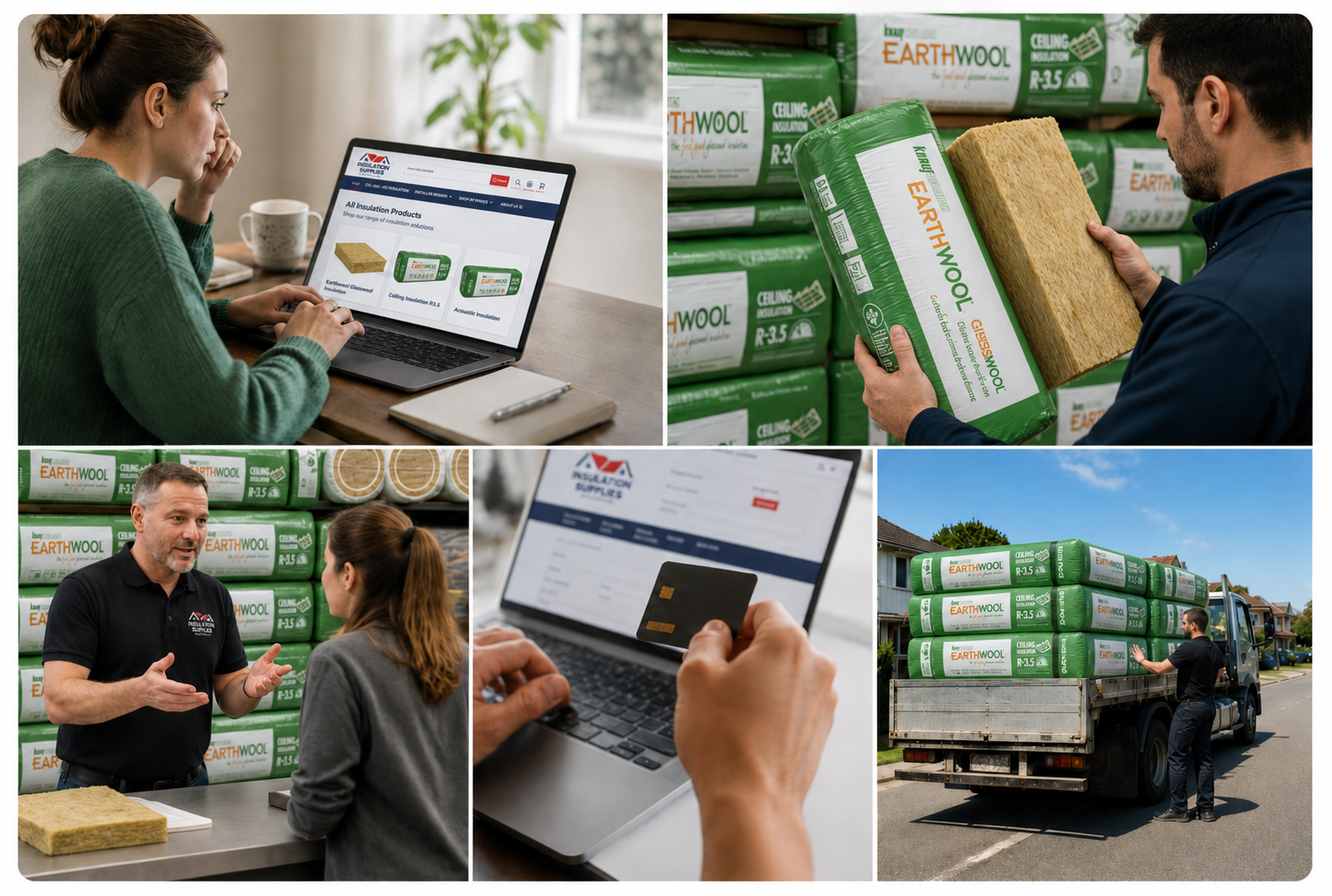
Finding quality insulation supplies near you doesn't have to mean driving around to multiple trade centres or settling for limited stock at your local hardware store. Whether you're tackling a DIY renovation, building a new home, or upgrading your existing insulation, having access to the right products quickly and affordably can make all the difference. In 2026, the shift towards online shopping combined with local expertise has transformed how Australian homeowners and builders source their insulation materials, making it easier than ever to get exactly what you need delivered straight to your door.
Why Searching "Insulation Supplies Near Me" Matters
When you search for insulation supplies near me, you're typically looking for convenience, speed, and local expertise. The traditional approach of visiting physical stores can be time-consuming, especially when you need to compare products, check specifications, and ensure you're getting the best value for your project.
Modern online suppliers combine the convenience of digital shopping with the local knowledge that matters for Victorian homes. You get access to comprehensive product information, expert advice, and competitive pricing without leaving your project site or home.
Key benefits of finding local insulation suppliers include:
Fast delivery times within Victoria
Understanding of local climate requirements
Knowledge of Melbourne building codes and standards
Access to products suited for Australian conditions
Support for both small DIY projects and large builds
Understanding Your Insulation Needs Before You Search
Before you start looking for insulation supplies near me, it's essential to understand what type of insulation your project requires. Different areas of your home need different solutions, and choosing the right product upfront saves time and money.
Wall Insulation Requirements
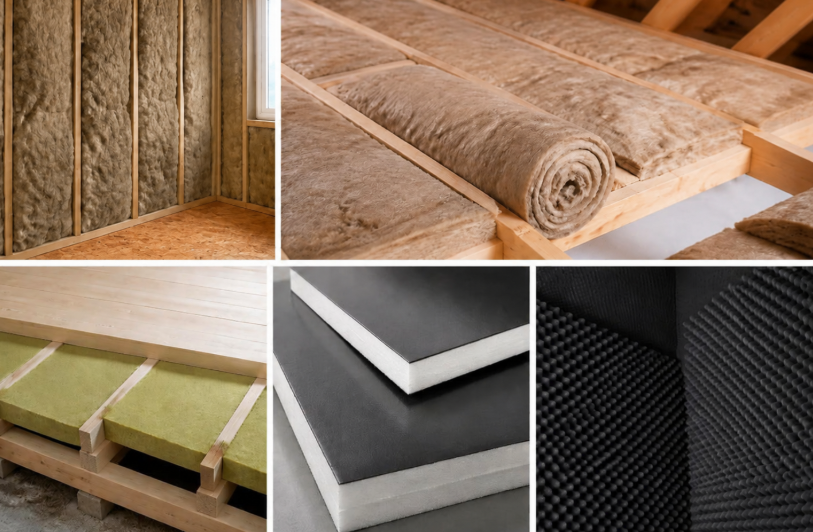
Wall insulation serves multiple purposes in Australian homes. It regulates temperature, reduces noise transfer between rooms, and improves overall energy efficiency. The most common options include glasswool batts, polyester batts, and natural fibre solutions.
For standard timber-framed walls in Melbourne, you'll typically need batts that fit 90mm or 70mm stud cavities. The R-value requirement depends on your climate zone, but most Victorian homes benefit from R2.5 to R2.7 wall insulation.
Ceiling and Roof Solutions
Ceiling insulation is where you'll see the biggest impact on energy bills. Heat rises, making your roof space the primary area for thermal transfer. Ceiling insulation products range from R3.5 to R6.0, with R4.0 to R5.0 being ideal for most Melbourne homes.
Blanket insulation works well for metal roofs, while batts are perfect for standard ceiling joist installations. The thickness and density you choose will affect both thermal performance and acoustic control.
Underfloor Insulation Options
Suspended timber floors can be a major source of heat loss and cold draughts. Installing underfloor insulation creates a thermal barrier that keeps your home warmer in winter and prevents moisture-related issues.
Products specifically designed for underfloor applications combine insulation properties with draught-stopping capabilities. The Sancell Breeze Underfloor 500-3 is engineered to address both thermal performance and air movement beneath suspended floors, making it an effective solution for Victorian homes with subfloor ventilation requirements.
Types of Insulation Supplies Available Locally
Insulation Type |
Best Applications |
R-Value Range |
Installation Difficulty |
|---|---|---|---|
Glasswool Batts |
Walls, ceilings, underfloor |
R1.5 - R7.0 |
Easy to Moderate |
Polyester Batts |
Walls, ceilings, acoustic |
R1.5 - R4.0 |
Easy |
Blanket/Roll |
Metal roofs, long runs |
R1.5 - R6.0 |
Moderate |
XPS Board |
Underfloor, concrete slabs |
R0.5 - R3.0 |
Moderate to Difficult |
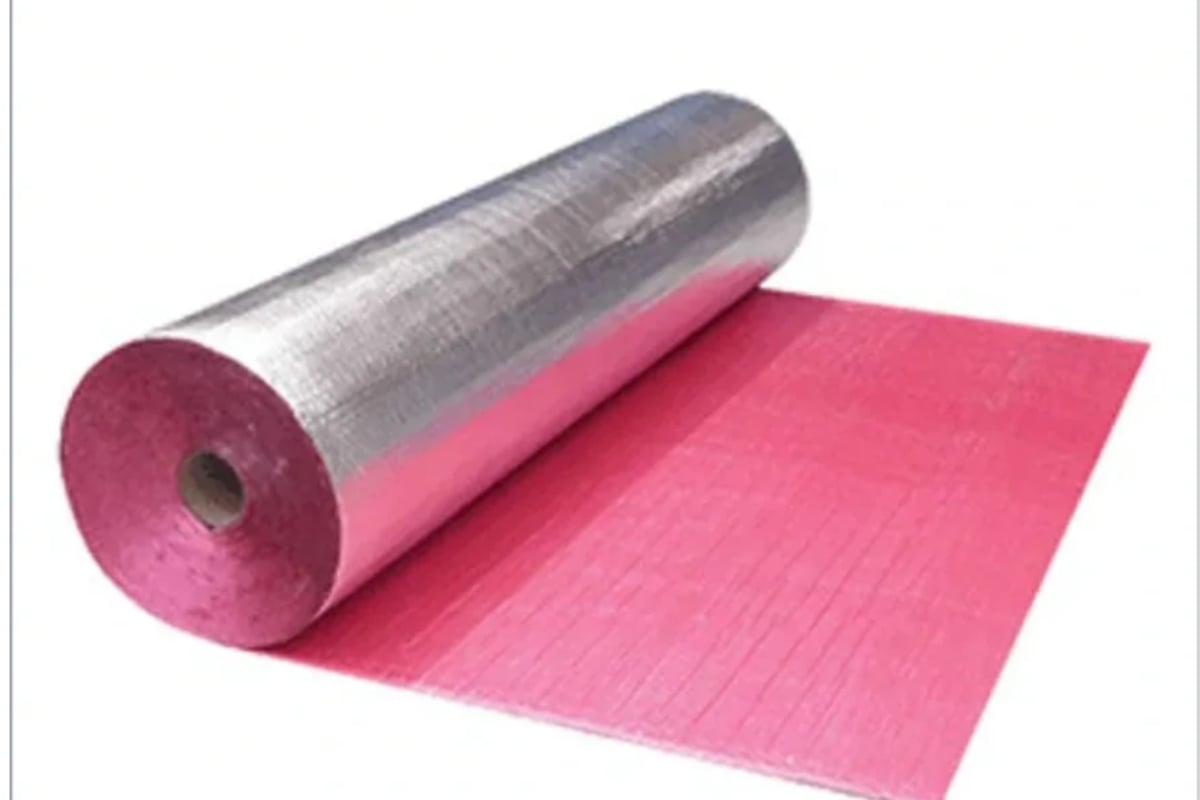
Reflective Foil |
Roofs, walls, underfloor |
R0.5 - R2.0 |
Easy to Moderate |
Glasswool Insulation Products
Glasswool remains the most popular insulation choice for Australian homes due to its excellent thermal performance, fire resistance, and affordability. Modern glasswool products use ECOSE® Technology, making them softer to handle with reduced dust and irritation.
These products are available in various densities and thicknesses to suit different applications. Higher-density options provide better acoustic performance alongside thermal benefits.
Polyester and Natural Options
Polyester batts appeal to homeowners looking for low-itch, recyclable insulation. They're particularly popular for DIY installations because they're comfortable to handle and cut without protective equipment.
Natural insulation options include wool and recycled materials that offer sustainable alternatives with excellent performance characteristics.
Specialty Insulation Solutions
Some projects require specialised products beyond standard batts. Acoustic insulation offers higher-density construction for superior sound control. Cavity wall insulation addresses the unique requirements of masonry construction. Board products provide rigid insulation for slab edges and concrete applications.
What to Look for in an Insulation Supplier
Not all insulation suppliers offer the same level of service, product range, or expertise. When searching for insulation supplies near me, consider these critical factors that separate quality suppliers from basic retailers.
Product Range and Availability
A comprehensive supplier stocks multiple brands, product types, and R-values. This ensures you can get exactly what your project needs without compromising or making multiple orders from different sources.
Essential product categories to look for:
Wall insulation in all standard thicknesses
Ceiling batts and blankets from R3.5 to R6.0
Underfloor solutions for various joist spacings
Acoustic insulation for noise control
Specialty products like vapour barriers and foil
Accessories including tapes, fixings, and safety gear
Expert Advice and Support
Knowledge matters when choosing insulation. Quality suppliers provide guidance on R-value selection, product compatibility, and installation requirements. They understand Victorian building codes and can help ensure your choices meet compliance standards.
Look for suppliers who can answer specific questions about your project, recommend alternatives when needed, and provide technical specifications clearly.
Pricing Transparency
Competitive pricing doesn't mean the cheapest option. It means fair value for quality products with clear pricing structures. Good suppliers list prices openly, explain coverage calculations, and help you understand the total cost for your project.
Watch for hidden fees, delivery charges, and minimum order requirements that might affect your final cost.
Online vs Physical Stores: Finding the Best Option
The debate between online and physical stores for insulation supplies has shifted significantly. In 2026, the advantages of online suppliers have become clear, particularly for residential and small commercial projects.
Advantages of Online Insulation Suppliers
Online suppliers offer extensive product ranges without the space limitations of physical warehouses. You can browse hundreds of products, compare specifications, read detailed descriptions, and make informed decisions at your own pace.
Key online benefits include:
24/7 browsing and ordering convenience
Comprehensive product information and specifications
Easy comparison between products and brands
Customer reviews and ratings
Direct delivery to your project site
Often better pricing due to lower overhead costs
When Physical Stores Make Sense
Physical stores remain valuable for handling products before purchase, getting immediate advice for urgent questions, or picking up small quantities immediately. However, for most insulation projects, the convenience and range offered online outweigh these benefits.
Some builders prefer to establish relationships with physical suppliers for ongoing commercial work, but even trade customers increasingly order online for efficiency.
Delivery Considerations for Insulation Products
When you search for insulation supplies near me, delivery speed and reliability become crucial factors. Insulation products are bulky, and coordinating delivery with your project timeline prevents delays and storage issues.
Delivery Factor |
Why It Matters |
What to Look For |
|---|---|---|
Delivery Speed |
Project scheduling, weather windows |
Same-week or next-day options |
Coverage Area |
Ensures service to your location |
Clear delivery zones listed |
Delivery Costs |
Affects total project budget |
Transparent pricing, free over threshold |
Scheduling Flexibility |
Coordinates with trades, access |
Ability to choose delivery windows |
Product Protection |
Prevents damage to insulation |
Professional packaging, covered transport |
Understanding Delivery Zones
Most Victorian insulation suppliers focus on metropolitan Melbourne and regional centres. Understanding delivery zones helps you estimate arrival times and costs accurately. Some suppliers offer free delivery above certain order values, making it worthwhile to order everything you need in one shipment.
Coordinating Delivery with Installation
Timing your insulation delivery requires consideration of your project schedule. Order too early, and you'll need dry storage space. Order too late, and you'll delay your build or renovation.
Plan delivery for when your frames are ready and inspections are complete, but before linings go up. This minimises storage time and keeps products in optimal condition.
How to Calculate Your Insulation Requirements
Accurate quantity calculations prevent over-ordering (wasting money) or under-ordering (delaying your project). When searching for insulation supplies near me, use these steps to determine exactly what you need.
Measuring Your Spaces
For walls:
Measure the total wall length in metres
Multiply by wall height to get square metres
Subtract areas for windows and doors
Add 5-10% for cuts and wastage
For ceilings:
Calculate room length × width
Add all rooms together for total coverage
Account for irregular shapes separately
Include 5-10% wastage allowance
For underfloor:
Measure the building footprint
Account for internal walls if relevant
Consider joist spacing for batt selection
Add wastage for cuts around obstacles
Understanding Pack Sizes and Coverage
Insulation products come in packs covering specific square metres. A standard ceiling batt pack might cover 10-16m², while underfloor products vary based on width and joist spacing.
Divide your total area by the pack coverage to determine how many packs you need. Always round up to ensure sufficient material.
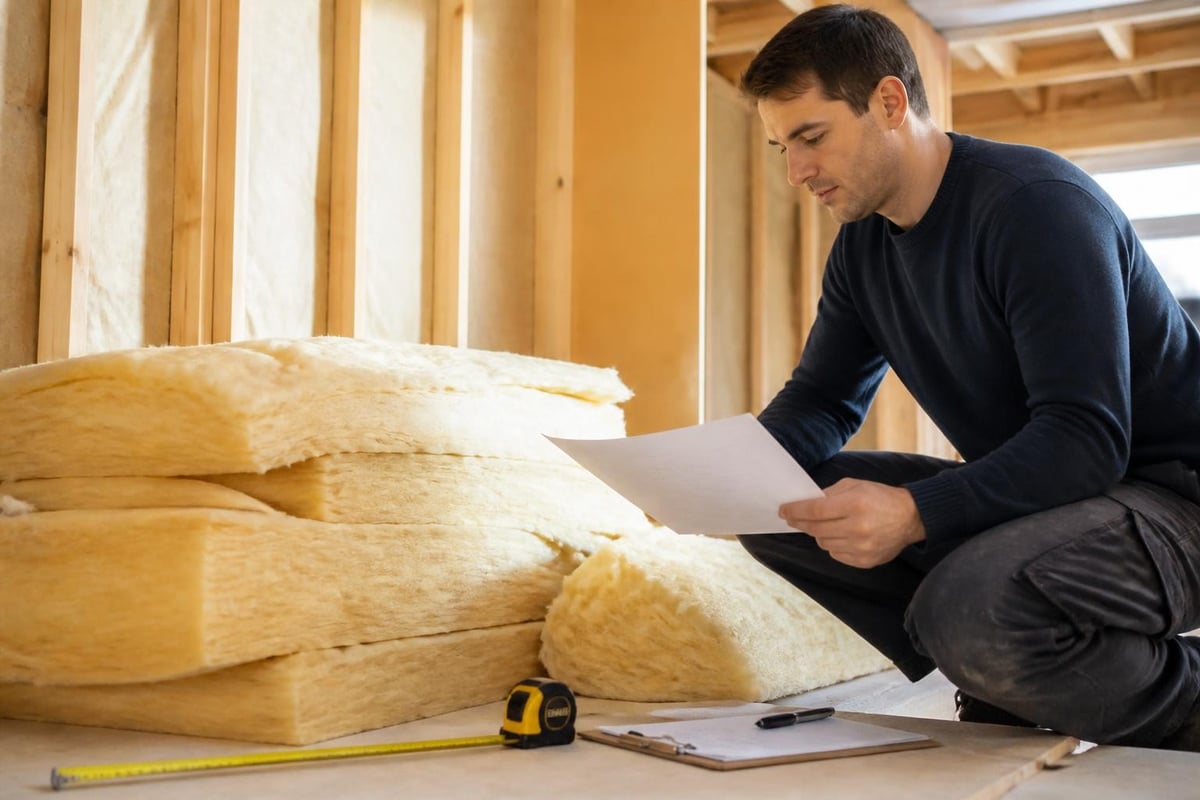
Questions to Ask When Searching for Insulation Supplies
Asking the right questions helps you evaluate suppliers and ensure you're getting quality products and service. Whether you're contacting suppliers online or visiting stores, these questions reveal important information.
About Products
What R-values do you stock for my application?
Are products compliant with Australian standards?
What brands do you carry?
Do you have stock available now or is it on backorder?
What's the warranty or guarantee on products?
About Service and Delivery
What are your delivery timeframes to my area?
Are delivery costs included or additional?
Can I choose a specific delivery day?
What happens if I receive damaged products?
Do you provide installation advice or support?
About Pricing and Orders
Is the advertised price the final price?
Are there discounts for bulk orders?
What payment methods do you accept?
Can I return unused, unopened products?
Do you offer trade accounts or pricing?
Making the Most of Your Insulation Purchase
Once you've found reliable insulation supplies near me, maximise your investment through proper handling, storage, and installation practices.
Storage Before Installation
Keep insulation products dry and protected from weather. Store batts flat or on edge in a covered area, never compressed for extended periods. Ensure packaging remains intact until you're ready to install.
Moisture contamination reduces insulation performance permanently, so never store products outside uncovered or in damp areas.
Installation Best Practices
Proper installation ensures your insulation performs as rated. Cut batts to fit snugly without gaps or compression. Maintain continuous coverage without gaps around pipes, wiring, or frames.
For detailed guidance on installation techniques, visit the installation resources provided by quality suppliers.
Safety Considerations
Always wear appropriate safety equipment when handling insulation:
Dust mask or respirator
Safety glasses
Gloves
Long sleeves and pants
Enclosed footwear
Work in well-ventilated areas and follow manufacturer safety guidelines on product packaging.
The Future of Insulation Supply in Australia
The insulation industry continues evolving with improvements in product technology, sustainability, and customer service. Understanding these trends helps you make informed decisions about your insulation purchases.
Sustainable Product Development
Manufacturers increasingly focus on recycled content, reduced embodied energy, and bio-based materials. Products using ECOSE® Technology eliminate formaldehyde and reduce manufacturing emissions while maintaining performance.
This shift towards sustainability doesn't compromise performance. Modern eco-friendly insulation often outperforms older products while offering better handling characteristics.
Digital Innovation in Supply
Online platforms continue improving the insulation buying experience. Enhanced product visualisation, calculation tools, and virtual consultations make it easier to choose the right products confidently.
Integration with building design software and energy rating tools helps homeowners and builders make data-driven insulation decisions aligned with energy efficiency goals.
Local Manufacturing and Supply Chains
Australian insulation manufacturing remains strong, with local production ensuring product availability and supporting the domestic economy. Choosing Australian-made products from local suppliers reduces environmental impact and supports quality jobs.
Comparing Value: Price vs Quality
When searching for insulation supplies near me, balancing cost with quality ensures long-term satisfaction and performance. The cheapest option rarely delivers the best value over time.
Factor |
Budget Products |
Quality Products |
|---|---|---|
Initial Cost |
Lower |
Moderate to Higher |
R-Value Accuracy |
May vary from rated |
Meets or exceeds rating |
Durability |
May settle or degrade |
Maintains performance |
Handling |
Can be itchy, dusty |
Softer, lower dust |
Fire Rating |
Meets minimum standards |
Often exceeds requirements |
Warranty |
Limited or none |
Comprehensive coverage |
Calculating True Value
Consider the total cost of ownership, not just purchase price. Quality insulation delivers consistent energy savings for decades, maintains its R-value, and requires no replacement or topping up.
Factor in installation time and comfort. Products that are easier and more pleasant to work with reduce labour costs and make DIY installations more achievable.
Regional Considerations for Victorian Homes
Melbourne's climate presents specific insulation requirements that differ from other Australian regions. Understanding these local factors helps you choose appropriate products when searching for insulation supplies near me.
Climate Zone Requirements
Victoria spans multiple climate zones, with Melbourne in Climate Zone 6 (mild temperate). This requires balanced insulation that addresses both winter heating and summer cooling needs.
Minimum R-value requirements for new construction are set by the National Construction Code, but optimal performance often exceeds these minimums. Most Melbourne homes benefit from R2.5 walls, R4.0-R5.0 ceilings, and R1.5-R2.0 underfloor insulation.
Heritage and Period Homes
Melbourne's many period homes require special consideration for insulation upgrades. Retrofit insulation must work with existing structures, maintain breathability, and respect heritage values.
Cavity walls, suspended timber floors, and accessible roof spaces offer opportunities for significant comfort improvements without major structural changes.
Getting Started with Your Insulation Project
Finding quality insulation supplies near me is just the first step. Success requires planning, proper product selection, and attention to installation detail.
Your action plan:
Measure your spaces accurately
Determine required R-values for your climate
Calculate total coverage needed
Research products and suppliers
Compare pricing and delivery options
Place your order with appropriate lead time
Prepare your installation area
Install following best practices
Verify coverage and seal any gaps
Enjoy improved comfort and energy efficiency
Getting Expert Advice
Don't hesitate to contact suppliers with questions before ordering. Quality suppliers want you to get the right products and will invest time helping you make informed decisions.
Prepare your measurements, describe your project clearly, and ask specific questions about product suitability. This ensures you receive relevant advice tailored to your needs.
Finding reliable insulation supplies near you combines convenience, quality, and local expertise to make your renovation or building project successful. Whether you're improving comfort, reducing energy bills, or meeting building codes, having access to comprehensive product ranges with expert guidance makes all the difference. Insulation Supplies Australia delivers exactly that, combining extensive stock, competitive pricing, and fast delivery across Victoria with the knowledge and support you need to choose confidently and install correctly.