

Insulation blankets offer one of the most versatile and effective ways to improve thermal comfort and energy efficiency in Australian homes. Unlike pre-cut batts, these continuous rolls of insulation material provide seamless coverage across large areas, reducing gaps and thermal bridging while making installation faster for roofs, ceilings, and underfloor systems. Whether you're building new, renovating, or upgrading an existing home, understanding how insulation blankets work and where to use them can help you make smarter decisions about comfort, energy savings, and long-term building performance.
What Are Insulation Blankets and How Do They Work
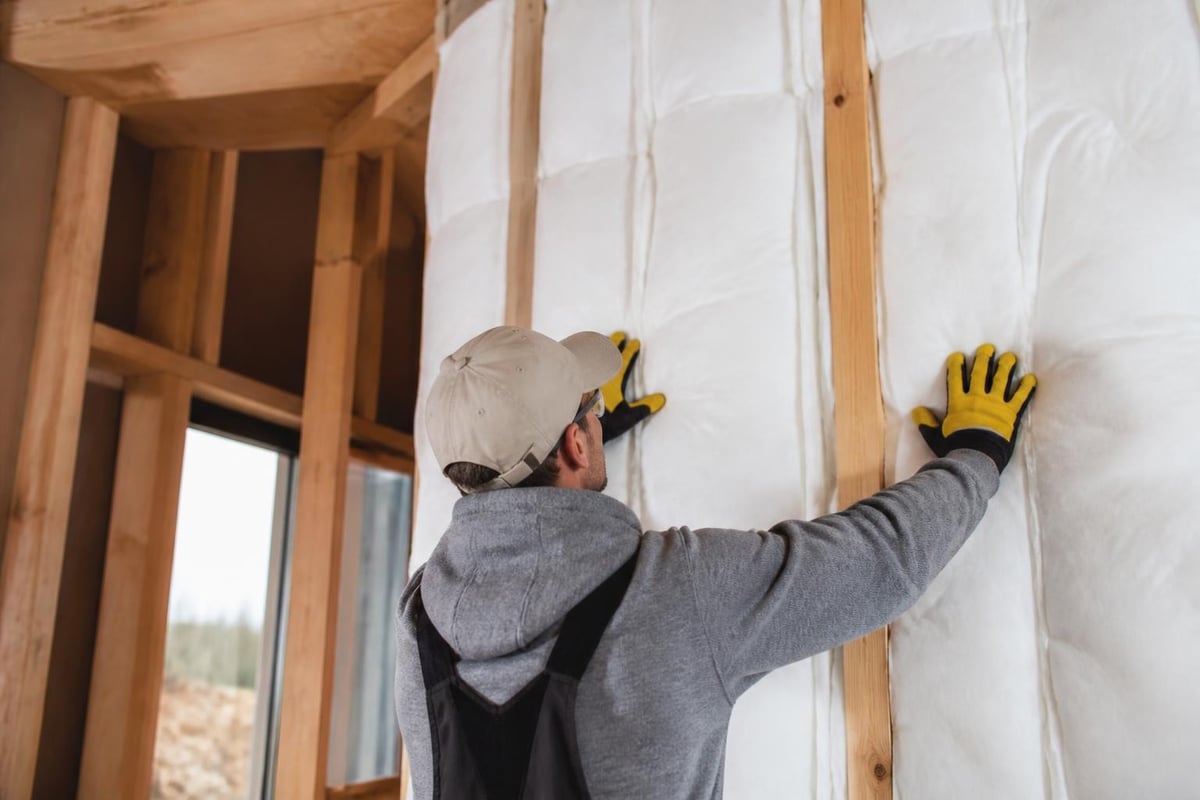
Insulation blankets are continuous rolls of thermal insulation material, typically made from glasswool or polyester, designed to be unrolled and laid across large areas. They provide a seamless barrier against heat transfer, trapping air within their fibrous structure to slow the movement of thermal energy.
The continuous nature of insulation blankets makes them particularly effective at eliminating gaps and joins that can occur with pre-cut batts. This seamless coverage reduces the risk of thermal bridging, where heat escapes through uninsulated sections, and improves overall building performance.
Key Characteristics of Insulation Blankets
Material composition plays a significant role in how insulation blankets perform:
- Glasswool blankets use recycled glass and sand to create fine fibres that trap air effectively
- Polyester blankets offer good thermal performance with lower dust levels
- Some products incorporate binders made with advanced technologies like ECOSE® for reduced environmental impact
- Faced versions include foil or paper backing for radiant heat control
Physical properties determine installation requirements and performance:
- Available in various widths, typically 1.2m to match standard roof and floor joist spacing
- Roll lengths range from 10m to 30m or more, covering large areas without joins
- Thickness varies from 50mm to 200mm depending on required R-value
- Density affects both thermal performance and acoustic properties
Types of Insulation Blankets for Different Applications
Choosing the right type of insulation blanket depends on where you're installing it and what performance characteristics matter most for your project.
Roof and Ceiling Blankets
Roof insulation blankets are designed to handle the challenging conditions found in Australian roof spaces, including extreme temperatures and limited ventilation.
High-density roof blankets provide superior thermal resistance:
- R-values typically range from R3.5 to R7.0
- Density between 18kg/m³ and 24kg/m³ improves both thermal and acoustic performance
- Suited for metal roof installations where radiant heat is a major concern
- Often include reflective foil facing for added radiant barrier protection
For homes in Victoria where ceiling insulation requirements vary by climate zone, roof blankets offer flexibility to achieve the necessary R-values.
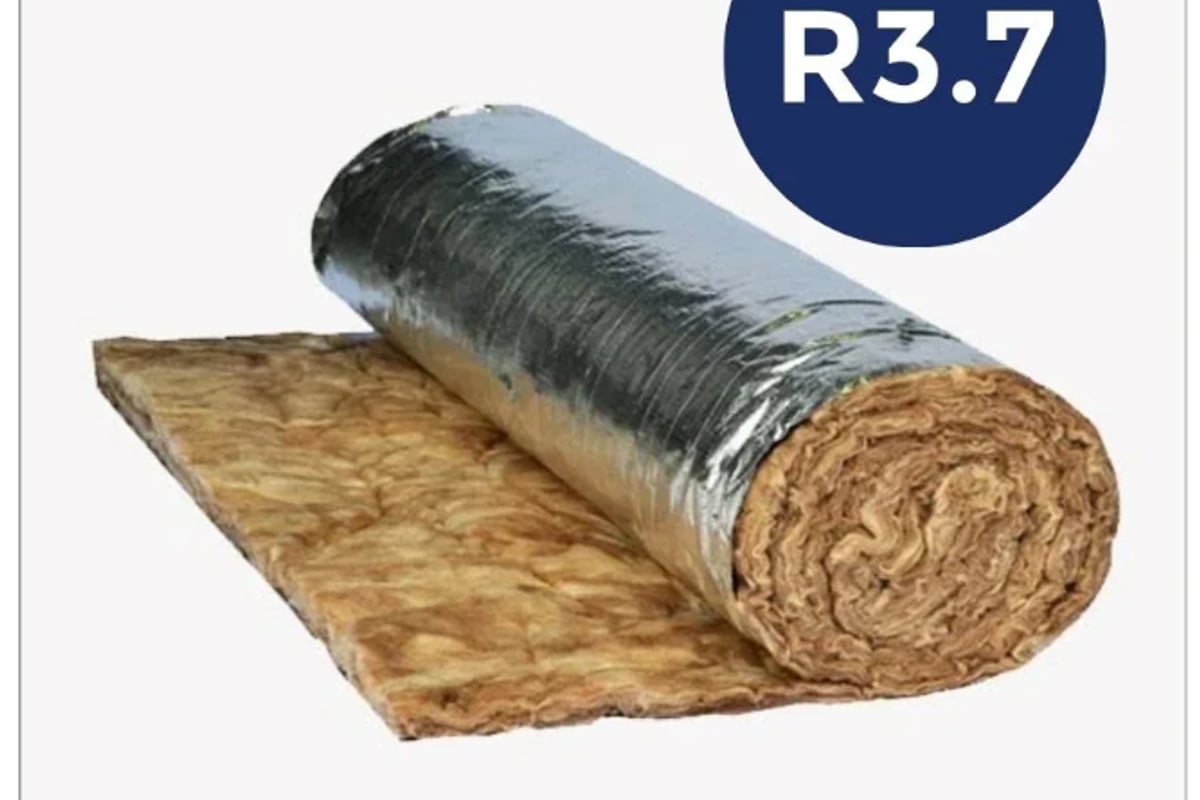
The Thermal Blanket R3.7 22kg/m³ 130mm x 1.2m Roof Insulation Blanket delivers premium thermal performance with its higher-density construction, making it ideal for under metal roof systems where heat gain can be significant during summer months.
Underfloor Insulation Blankets
Underfloor blankets address the unique challenges of suspended timber floor systems, where cold air movement and heat loss through floors can significantly impact comfort.
Dedicated underfloor products offer specific features:
- Lower R-values (R1.5 to R2.5) suited to floor cavity depths
- Often include moisture-resistant properties
- May incorporate vapour barriers or reflective surfaces
- Designed to fit between floor joists, typically 400mm to 600mm apart
| Application | Typical R-Value | Thickness | Key Benefit |
|---|---|---|---|
| Roof/Ceiling | R3.5 - R7.0 | 130mm - 200mm | Maximum thermal resistance |
| Underfloor | R1.5 - R2.5 | 60mm - 90mm | Ground floor comfort |
| Wall Cavity | R1.5 - R2.5 | 75mm - 90mm | Noise and thermal control |
Benefits of Using Insulation Blankets in Your Home
The advantages of insulation blankets extend beyond simple thermal performance, offering practical benefits for installation, building performance, and long-term comfort.
Seamless Coverage and Reduced Thermal Bridging
Continuous installation eliminates common performance issues:
- No gaps between pieces means fewer pathways for heat transfer
- Easier to achieve consistent R-values across entire areas
- Reduces the risk of settling or slumping in ceiling applications
- Better conformity to irregular joist spacing
Installation efficiency saves time and labour costs:
- Unroll blanket across joists or between rafters
- Cut to length as needed without measuring individual pieces
- Less handling compared to multiple batts
- Faster coverage of large areas
Enhanced Thermal Comfort Year-Round
Insulation blankets create a more stable indoor environment by slowing heat transfer in both directions. During summer, they reduce heat gain from hot roof spaces, while in winter they prevent warmth from escaping through ceilings and floors.
The thermal mass effect of quality insulation blankets helps moderate temperature fluctuations, keeping homes cooler for longer after sunset and warmer through cold mornings. This stability reduces the workload on heating and cooling systems, translating to lower energy bills and improved sustainability.
Acoustic Performance Benefits
Many insulation blankets provide excellent sound absorption alongside their thermal properties. The dense fibrous structure dampens airborne noise, reducing sound transmission between rooms and from external sources.
Acoustic advantages include:
- Reduced traffic and neighbourhood noise intrusion
- Better privacy between rooms and levels
- Lower impact noise transmission through floors
- Improved home theatre and music room performance
Choosing the Right R-Value for Your Project
R-value measures thermal resistance, with higher numbers indicating better insulation performance. Selecting the appropriate R-value depends on climate zone, building design, and specific application.
Australian Climate Zone Requirements
Victoria spans multiple climate zones, each with different minimum R-value requirements under the National Construction Code. Understanding these requirements helps ensure compliance and optimal performance.
Recommended R-values for Victoria:
- Roof/Ceiling: R4.0 to R6.0 depending on climate zone and roof type
- Walls: R1.5 to R2.5 for most residential applications
- Underfloor: R1.5 to R2.5 for suspended timber floors
For detailed information about Victoria's climate zones and specific requirements, consult resources about climate zones in Australia to determine what applies to your location.
Balancing Performance and Cavity Depth
The thickness required to achieve certain R-values can be limited by available cavity depth. Roof spaces typically offer more depth than wall cavities or floor joists, affecting product selection.
Practical considerations include:
- Standard ceiling joists range from 90mm to 240mm depth
- Floor joists typically provide 90mm to 150mm clearance
- Wall cavities in brick veneer construction usually allow 75mm to 90mm
- Metal roof installations may require specialised blankets with reflective facing
Installation Process and Best Practices
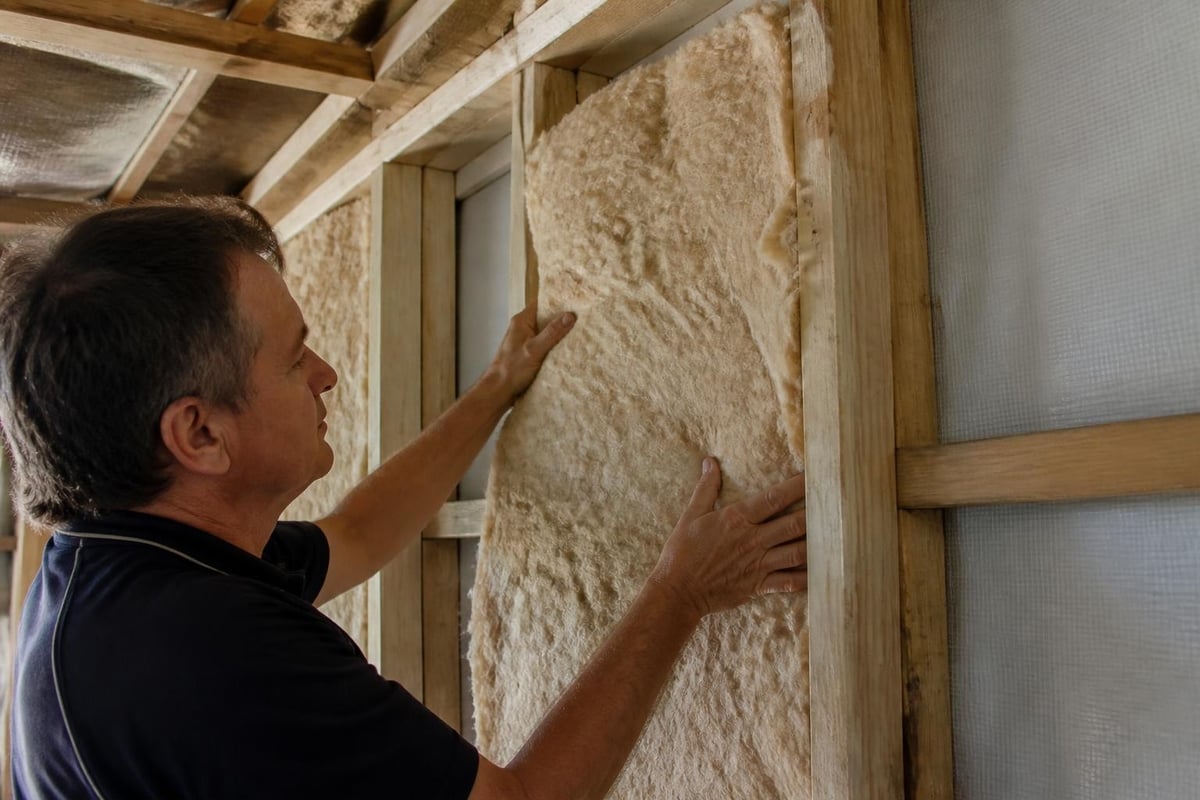
Proper installation ensures insulation blankets perform as intended and maintain their effectiveness over the building's lifespan. Following manufacturer guidelines and building codes protects both performance and safety.
Preparation and Safety Requirements
Before starting any insulation installation, create a safe working environment and gather necessary equipment.
Essential safety gear includes:
- Dust mask or respirator to prevent fibre inhalation
- Safety glasses or goggles for eye protection
- Gloves to protect hands from fibres
- Long sleeves and pants to minimise skin contact
- Adequate lighting, especially in roof spaces
Workspace preparation:
- Clear the work area of debris and obstructions
- Ensure adequate ventilation in confined spaces
- Check for electrical hazards and exposed wiring
- Identify and protect any downlights or heat-generating fixtures
- Verify roof or floor structure is sound and dry
Step-by-Step Installation Guidelines
For ceiling and roof applications:
Start at one end of the space and unroll the blanket perpendicular to joists or rafters. The blanket should sit snugly between framing members without compression, as compressed insulation loses thermal effectiveness.
Cut the blanket to length using a sharp utility knife, allowing slight excess to ensure complete coverage. Tuck edges firmly against walls and framing without gaps. Where obstacles like pipes or wiring exist, cut around them carefully and fill any gaps with offcuts.
For underfloor installations:
Work from underneath the floor, rolling the blanket out between joists. Support the insulation with wire mesh, chicken wire, or purpose-made insulation straps to prevent sagging. Ensure the blanket maintains contact with the underside of floorboards for maximum effectiveness.
Common Installation Mistakes to Avoid
Even experienced installers can make errors that compromise insulation performance. Being aware of common pitfalls helps ensure quality results.
| Mistake | Consequence | Solution |
|---|---|---|
| Compressing insulation | Reduces R-value significantly | Use correct thickness for cavity depth |
| Leaving gaps | Creates thermal bridges | Ensure tight fit without compression |
| Covering downlights | Fire hazard | Maintain clearances per regulations |
| Installing damp insulation | Reduced performance, mould risk | Ensure dry conditions before installation |
| Blocking eave ventilation | Condensation and moisture issues | Maintain airflow paths |
Maintenance and Long-Term Performance
Quality insulation blankets require minimal maintenance but benefit from periodic inspection to ensure continued performance.
Inspection and Monitoring
Check insulation blankets annually, particularly after severe weather events or roof repairs. Look for signs of moisture damage, compression from storage, or disturbance from pests or maintenance work.
Warning signs requiring attention:
- Visible moisture staining or dampness
- Sagging or displaced sections
- Gaps where insulation has pulled away from edges
- Pest damage or nesting
- Compression from stored items
Moisture Management
Moisture is the enemy of insulation performance. Even small amounts can dramatically reduce thermal resistance and promote mould growth.
Protect insulation blankets by:
- Fixing roof leaks promptly before water reaches insulation
- Ensuring adequate roof and subfloor ventilation
- Installing vapour barriers where appropriate
- Addressing condensation issues in roof spaces
- Keeping insulation dry during installation
Maintaining proper ventilation allows moisture to escape naturally, preventing the humid conditions that compromise insulation and building structure. For more guidance on keeping your insulation performing optimally, visit our installation advice page.
Comparing Insulation Blankets to Other Insulation Types
Understanding how insulation blankets stack up against alternatives helps you choose the best solution for your specific needs and circumstances.
Blankets Versus Batts
Both blankets and batts use similar materials but differ in format and application method.
Insulation blankets advantages:
- Faster installation across large continuous areas
- Fewer joins mean reduced thermal bridging
- Better suited to irregular joist spacing
- Less waste from offcuts
Pre-cut batts advantages:
- Easier handling in confined spaces
- Better for smaller areas or patch repairs
- Less cutting required for standard joist spacing
- Often preferred by DIY installers
Rigid Board Insulation Comparison
Rigid boards like XPS or EPS offer different characteristics suited to specific applications.
When blankets are better:
- Ceiling and roof spaces requiring flexibility
- Between timber framing members
- Applications requiring acoustic performance
- Lower-budget projects requiring good value
When rigid boards excel:
- Underfloor slab applications
- High-load areas requiring compressive strength
- Where moisture resistance is critical
- External wall cladding systems
For specialised underfloor applications where both thermal performance and moisture resistance matter, products like Knauf insulation solutions offer proven reliability.
Cost Considerations and Value for Money
Budget plays a significant role in insulation decisions, but focusing solely on upfront cost can overlook long-term value and performance.
Price Factors Affecting Insulation Blankets
Several variables influence the cost of insulation blankets:
- R-value: Higher thermal resistance generally costs more
- Density: Premium high-density products command higher prices
- Brand reputation: Established manufacturers often charge premium prices
- Special features: Reflective facing, advanced binders, or acoustic ratings add cost
- Volume: Bulk purchases typically offer better per-square-metre pricing
Typical price ranges per square metre (2026 pricing):
- Basic R2.5 blankets: $6-$9/m²
- Mid-range R3.5-R4.0: $10-$15/m²
- Premium R5.0-R6.0: $16-$25/m²
Calculating Return on Investment
Energy savings from proper insulation can offset the initial investment within several years, with benefits continuing for decades.
Factors improving ROI:
- Victoria's temperature extremes increase heating and cooling costs
- Rising energy prices make efficiency improvements more valuable
- Improved comfort reduces reliance on mechanical systems
- Property value increases with better energy ratings
A well-insulated ceiling using quality insulation blankets can reduce heating and cooling costs by 20-45% compared to uninsulated or poorly insulated spaces, with payback periods often under five years.
Insulation blankets provide versatile, cost-effective thermal and acoustic performance for Australian homes, delivering seamless coverage that reduces energy costs and improves year-round comfort. Whether you're tackling a ceiling upgrade, underfloor installation, or complete home renovation, choosing quality products and following proper installation techniques ensures lasting benefits. Insulation Supplies Australia makes it easy to find the right insulation blankets for your project, with expert advice, competitive pricing, and fast delivery across Victoria to help you create a more comfortable, energy-efficient home.