
Wool insulation batts are a natural, sustainable alternative to synthetic insulation materials, gaining popularity among homeowners and builders who prioritise health, environmental performance, and long-term durability. Made from renewable sheep's wool, these batts deliver reliable thermal resistance, excellent moisture management, and impressive fire safety, all while maintaining indoor air quality. Whether you're renovating an older home in Melbourne or building a new energy-efficient property in regional Victoria, understanding how wool insulation batts work and where they fit best can help you make a smarter, more informed insulation choice.
What Are Wool Insulation Batts?
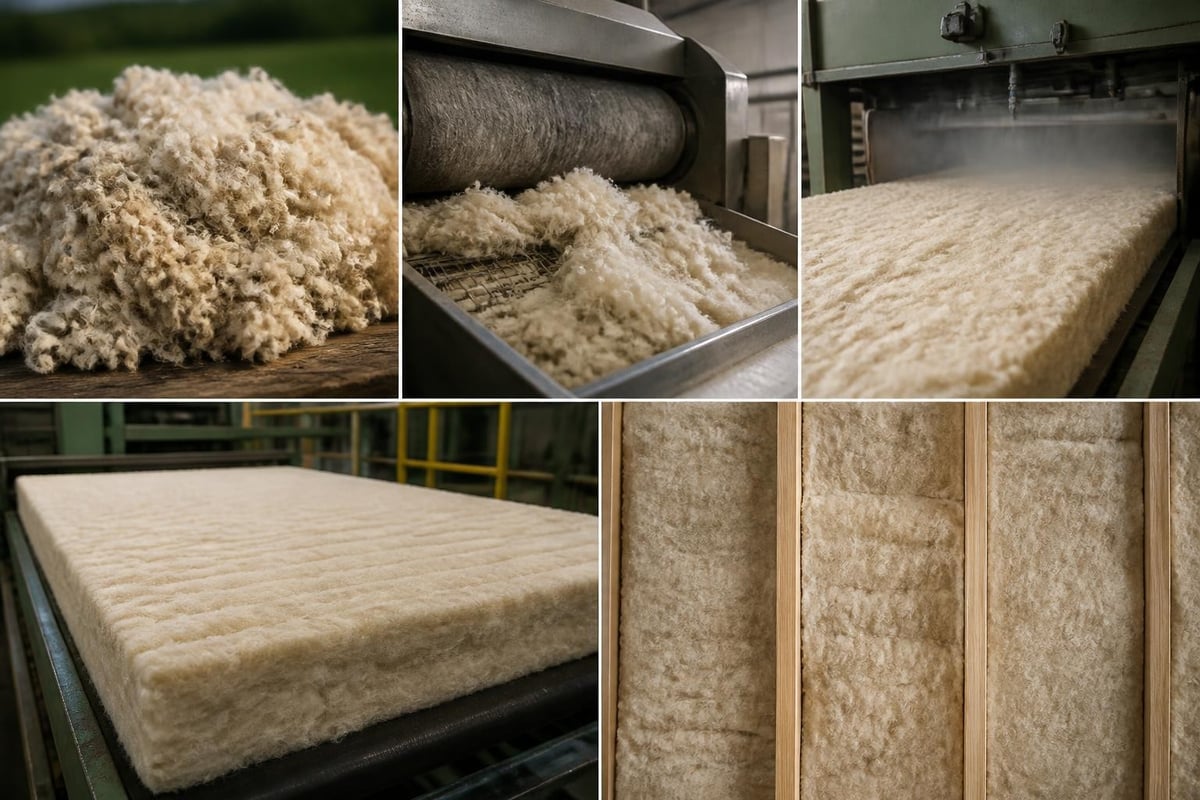
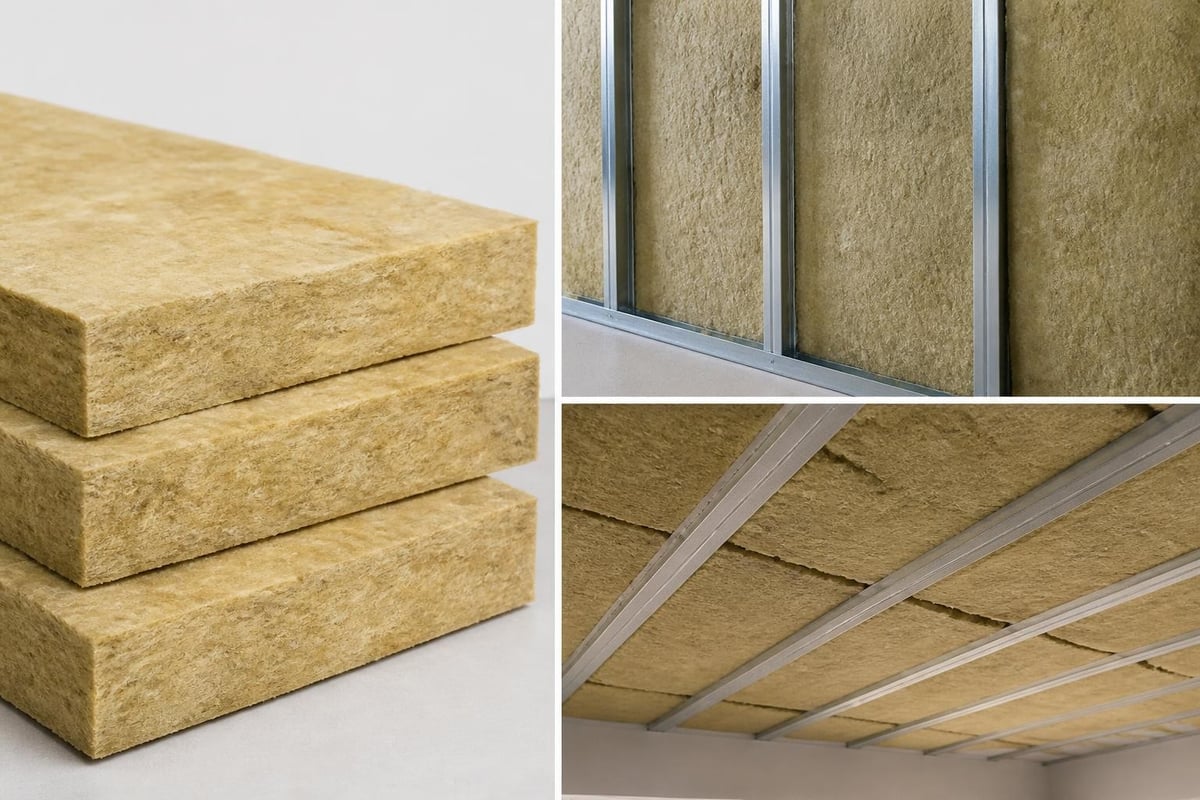
Wool insulation batts are thermal insulation products manufactured primarily from sheep's wool fibre. The wool is cleaned, treated with natural boron-based additives for fire and pest resistance, and then formed into flexible batts that fit between timber studs, joists, and ceiling frames.
Unlike glasswool or polyester insulation, wool is a bio-based material that stores carbon during its production cycle and offers unique hygroscopic properties. This means wool can absorb and release moisture vapour without losing its insulating performance, helping regulate humidity levels inside your home.
Key Material Characteristics
Wool insulation batts typically feature:
- Natural protein fibre from renewable sheep farming
- Boron or borate treatments for fire and insect resistance
- Crimped fibre structure that traps air pockets for thermal resistance
- Moisture buffering capacity (can absorb up to 35% of its weight in moisture)
- Low embodied energy compared to many synthetic insulation materials
The manufacturing process is relatively simple. Wool is washed, carded into fibres, treated with fire retardants, and then needled or bonded into batts of varying thickness and density. Some manufacturers blend wool with polyester or other fibres to improve structural stability or reduce cost, though 100% wool batts are also available.
Thermal Performance and R-Values
Wool insulation batts deliver solid thermal resistance across a range of R-values, though their performance per millimetre of thickness is generally lower than high-density glasswool or polyester products. Typical wool batts range from R1.5 to R4.0, depending on thickness and density.
| Thickness (mm) | Typical R-Value | Common Application |
|---|---|---|
| 60–75 | R1.5–R2.0 | Walls, mild climates |
| 90–100 | R2.0–R2.5 | Walls, standard builds |
| 140–165 | R3.0–R3.5 | Ceilings, moderate climates |
| 200–220 | R4.0+ | Ceilings, cooler climates |
The thermal conductivity of wool insulation (lambda value) typically sits around 0.038–0.042 W/mK, which is comparable to many glasswool products but slightly higher than polyester batts. For homeowners in Victoria, this means wool batts can meet Building Code requirements for ceiling insulation and wall insulation when correctly specified.
Real-World Energy Savings
Research by CSIRO has shown that properly installed insulation, including natural fibre products like wool, can reduce household energy consumption by 45–55% in heating and cooling zones. Wool's ability to manage moisture and maintain loft over time contributes to sustained thermal performance, avoiding the compression issues sometimes seen in lower-quality synthetic batts.
In high-performance building projects, wool insulation batts are increasingly specified by designers working toward Passive House certification, particularly where bio-based materials align with project sustainability goals.
Fire Safety and Acoustic Performance
One of the standout benefits of wool insulation batts is their natural fire resistance. Wool has a high ignition temperature (around 560–600°C) and is inherently self-extinguishing, meaning it will char rather than melt or produce flaming droplets.
Fire Resistance Features
- Class 1 fire rating (AS/NZS 3837) when treated with boron
- Does not release toxic fumes or melt under heat exposure
- Self-extinguishing behaviour stops flame spread
- Suitable for bushfire-prone areas and bushfire attack level (BAL) zones
This makes wool batts a safer choice in residential construction, particularly in fire-prone regions across Victoria. Unlike some synthetic insulation materials that can melt and contribute to fire spread, wool insulation batts simply char and stop burning when the ignition source is removed.
Acoustic benefits are another practical advantage. Wool's dense, crimped fibre structure absorbs sound energy effectively, delivering noise reduction comparable to glasswool or polyester batts. Homeowners installing wool insulation in acoustic applications often report noticeable improvements in interior quiet and reduced transmission of external noise.
Environmental Impact and Sustainability
Wool insulation batts score highly on sustainability metrics, particularly when compared to petroleum-based insulation materials. Wool is a renewable resource, regrown annually on sheep farms, and the production process typically involves lower fossil fuel inputs than synthetic alternatives.
Carbon Footprint and Life Cycle Analysis
Life cycle assessments (LCA) of wool insulation reveal both strengths and considerations. Wool production does generate methane emissions from sheep, but these are partially offset by carbon sequestration during pasture growth. Research from the University of Huddersfield and industry groups like WoolImpact shows that wool insulation can achieve a negative or near-neutral carbon footprint when end-of-life recycling and extended product lifespan are factored in.
Environmental Product Declarations (EPDs) for sheep's wool insulation, such as those published by BAU-EPD, provide standardised metrics on global warming potential, embodied energy, and resource depletion. These documents help builders and designers make evidence-based material selections for green building projects.
Key sustainability benefits include:
- Renewable, annually regrown raw material
- Biodegradable at end of life (unlike synthetic batts)
- Low embodied energy in manufacturing
- No toxic chemicals or volatile organic compounds (VOCs) off-gassing
- Moisture buffering reduces mould and condensation issues
For eco-conscious homeowners and owner-builders in Melbourne, wool insulation batts align with a broader commitment to natural insulation and healthier indoor environments.
Moisture Management and Durability
Wool's hygroscopic properties set it apart from most other insulation materials. Wool fibres can absorb moisture vapour from the air and release it when conditions dry, helping to buffer indoor humidity levels and reduce the risk of condensation within wall and ceiling cavities.
How Moisture Buffering Works
When relative humidity rises, wool insulation batts absorb moisture into the fibre structure without significantly reducing thermal performance. As humidity drops, the wool releases this moisture back into the air. This natural cycle helps maintain stable indoor conditions and reduces the likelihood of mould growth or structural moisture damage.
According to the ASHRAE Handbook on heat, air, and moisture control, hygroscopic insulation materials can play a valuable role in managing moisture loads in building envelopes, particularly in climates with fluctuating humidity levels like those in coastal and temperate Victoria.
Durability considerations:
- Wool batts maintain loft and thermal performance over decades
- Boron treatment provides long-term pest and fungal resistance
- Does not sag or compress as readily as some low-density synthetic batts
- Can be removed, reused, or composted at end of life
In practice, this means wool insulation batts installed in a well-designed building envelope can perform reliably for 50+ years, with minimal maintenance or performance degradation.
Installation Tips and Best Practices
Installing wool insulation batts follows similar principles to glasswool or polyester installation, but there are a few material-specific considerations to keep in mind.
Preparing for Installation
- Measure your cavities accurately. Wool batts are available in standard widths (typically 430mm and 580mm for studs, and wider for ceilings), and friction-fit installation works best when batts are sized correctly.
- Wear basic PPE. While wool is non-irritating compared to glasswool, gloves and a dust mask are still recommended to avoid handling dust and fibre fragments.
- Check for moisture issues. Wool can handle some moisture, but persistent leaks or high humidity should be resolved before installation.
- Ensure adequate ventilation. Like any insulation, wool batts work best in a well-ventilated roof or wall cavity that prevents trapped moisture.
Installation Steps
Ceiling installation:
- Lay batts between joists, ensuring full contact with the ceiling lining below
- Avoid compressing the batts; maintain full loft for maximum R-value
- Overlap batts at joins to eliminate thermal bridges
- Do not cover recessed light fittings unless they are IC-rated
Wall installation:
- Friction-fit batts between studs, cutting to length as needed
- Ensure batts sit snugly without gaps at top or bottom plates
- Maintain continuity around openings and service penetrations
- Pair with a breathable wall wrap to manage exterior moisture
Wool insulation batts are soft and easy to cut with a handsaw or insulation knife, making them DIY-friendly for homeowners comfortable with basic renovation tasks.
For those looking to compare materials or explore other high-performance options, the Earthwool Blanket Unfaced R3.2 by Knauf offers a glasswool alternative with strong thermal efficiency and ease of installation, suitable for projects where synthetic insulation is preferred.
Cost Comparison and Value Considerations
Wool insulation batts are typically more expensive than glasswool or polyester batts on a per-square-metre basis. Pricing varies depending on supplier, quantity, and product specification, but you can expect to pay 20–50% more for wool compared to standard synthetic batts of equivalent R-value.
| Insulation Type | Indicative Cost per m² (R2.5 wall batt) | Key Value Drivers |
|---|---|---|
| Glasswool | $8–$12 | Low cost, widely available |
| Polyester | $10–$15 | Moderate cost, non-itch |
| Wool | $15–$22 | Natural, fire-safe, sustainable |
Is the Extra Cost Worth It?
For many homeowners, the premium for wool insulation batts is justified by:
- Health and safety benefits: No synthetic fibres or chemical binders off-gassing into living spaces
- Fire performance: Superior fire resistance without added chemicals
- Environmental values: Renewable, biodegradable, low embodied energy
- Long-term durability: Maintains performance and loft over decades
If budget is tight, a hybrid approach can work well. Use wool insulation batts in high-priority areas like bedrooms, living spaces, or bushfire-prone zones, and specify glasswool or polyester for less critical areas like garages or storage rooms.
For guidance on cost-effective insulation choices across different applications, the BuildingGreen guide to thermal insulation offers practical comparisons of material trade-offs and performance benchmarks.
Where to Use Wool Insulation Batts
Wool insulation batts are versatile and suitable for most residential applications, though they excel in specific contexts where their unique properties deliver the most value.
Ideal Applications
Ceilings and roofs: Wool batts perform well in ceiling spaces, particularly in homes with metal roofing or limited ventilation where moisture buffering is beneficial. They are also a good fit for cathedral ceilings and exposed rafter designs where aesthetics and natural materials are priorities.
Internal and external walls: Wool insulation works effectively in both wall insulation applications, providing thermal resistance, acoustic control, and moisture management. In bathrooms, kitchens, and laundries, wool's hygroscopic properties help manage humidity without promoting mould.
Heritage and eco-builds: Wool insulation batts are often specified in heritage restoration projects where breathable, natural materials are preferred, and in new eco-builds targeting high sustainability credentials. They also suit homes designed to Passive House or Green Star standards.
Where to Consider Alternatives
Underfloor applications: While wool can be used underfloor, it is less common due to cost and potential exposure to ground moisture. Synthetic batts or rigid foam boards are typically more practical for underfloor insulation in suspended timber floors.
Extreme moisture environments: In areas with persistent condensation or water ingress, even wool's moisture buffering capacity may be insufficient. Address the underlying moisture problem first, and consider pairing wool with robust vapour control layers.
Common Questions and Troubleshooting
Do Wool Insulation Batts Smell?
Fresh wool batts may have a mild, natural wool smell for the first few weeks after installation. This dissipates over time and is not harmful. The smell is far less noticeable than the off-gassing from some synthetic insulation products.
Can Wool Insulation Attract Pests?
When properly treated with boron or borate, wool insulation batts are resistant to moths, carpet beetles, and other pests. The treatment is non-toxic to humans but deters insects and rodents. Ensure you purchase treated batts from reputable manufacturers.
What Happens If Wool Gets Wet?
Wool insulation batts can handle incidental moisture from humidity or minor leaks. If saturated, they should be allowed to dry fully before enclosing the cavity. Persistent water exposure requires fixing the source and potentially replacing the insulation.
How Does Wool Compare to Glasswool for Thermal Performance?
Wool and glasswool deliver similar R-values per millimetre of thickness. Wool's advantage lies in moisture management, fire safety, and sustainability, while glasswool is typically more affordable and widely available.
Is Wool Insulation Suitable for DIY Installation?
Yes. Wool insulation batts are soft, non-irritating, and easy to cut and handle, making them ideal for DIY renovators and owner-builders. Basic PPE (gloves, mask) is recommended, but installation is straightforward.
Selecting the Right Wool Insulation Product
When choosing wool insulation batts, consider the following factors to ensure the best fit for your project:
R-value requirements: Match the batt thickness and R-value to your climate zone and Building Code requirements. For Melbourne and most of Victoria, R2.5–R3.5 is typical for walls, and R4.0–R6.0 for ceilings.
Batt width and fit: Standard stud spacing in Australia is 450mm or 600mm. Ensure your wool batts are sized to friction-fit snugly without compression.
Treatment and certification: Verify that batts are treated for fire and pest resistance, and check for third-party certifications such as CodeMark, Global GreenTag, or Environmental Product Declarations.
Manufacturer reputation: Choose products from established manufacturers with transparent supply chains and quality assurance. Ask your supplier about origin, treatment processes, and warranty terms.
Availability and lead times: Wool insulation batts may have longer lead times than synthetic products, particularly for larger orders. Plan ahead and confirm stock availability with your supplier.
For a comprehensive range of insulation options and expert advice tailored to your project, visit Insulation Supplies Australia to explore available products and get personalised guidance.
Combining Wool Insulation with Other Materials
Wool insulation batts can be combined with other insulation types or building materials to optimise performance and cost.
Hybrid Insulation Strategies
- Wool in living areas, glasswool in non-habitable spaces: Use wool where indoor air quality and comfort matter most, and glasswool in garages, storage, or unconditioned zones.
- Wool with reflective foil: Pair wool batts with reflective foil sarking in roof spaces to boost summer cooling performance and reduce radiant heat transfer.
- Wool plus rigid foam: In high-performance builds, combine wool batts in stud cavities with continuous rigid foam insulation on exterior sheathing to eliminate thermal bridging.
This layered approach balances budget, performance, and sustainability, allowing you to achieve project goals without overspending.
Regulatory and Building Code Compliance
Wool insulation batts must meet the same regulatory standards as other insulation materials in Australia. Key compliance points include:
- National Construction Code (NCC): Wool batts must achieve the required R-value for your climate zone and building element (roof, wall, floor).
- Fire safety: Products must meet AS/NZS 3837 (fire resistance) and AS 1530.3 (flammability) for use in habitable buildings.
- Condensation management: Follow NCC Section J and ASHRAE guidelines for vapour control and moisture management, particularly in climates with high humidity or temperature swings.
- Product certification: Look for CodeMark certification or other third-party endorsements to ensure compliance and quality.
Builders and certifiers in Victoria are increasingly familiar with natural insulation products, but it's always wise to confirm compliance early in the design and procurement process.
Wool insulation batts offer a compelling mix of natural performance, safety, and sustainability, making them a smart choice for homeowners who value health, fire resistance, and long-term environmental responsibility. Whether you're renovating a character home in Melbourne or building a new energy-efficient property, Insulation Supplies Australia can help you find the right insulation solution, compare your options, and order with confidence. Explore our full range of thermal and acoustic insulation products, backed by expert advice and fast delivery across Victoria.