
Wool insulation batts are becoming an increasingly popular choice for Australian homeowners who want natural, sustainable insulation that doesn't compromise on performance. Made from sheep's wool or recycled wool fibres, these batts offer excellent thermal and acoustic properties while being one of the most environmentally friendly insulation options available. Whether you're building a new home, renovating, or looking to improve your property's energy efficiency, understanding how wool insulation batts work and whether they're right for your project can help you make a confident decision.
What Are Wool Insulation Batts and How Do They Work
Wool insulation batts are manufactured from natural or recycled wool fibres that are compressed into flexible panels designed to fit between wall studs, ceiling joists, and floor systems. The unique structure of wool fibres creates millions of tiny air pockets that trap heat, preventing it from escaping during winter and blocking heat transfer during summer.
Natural Fibre Structure and Performance
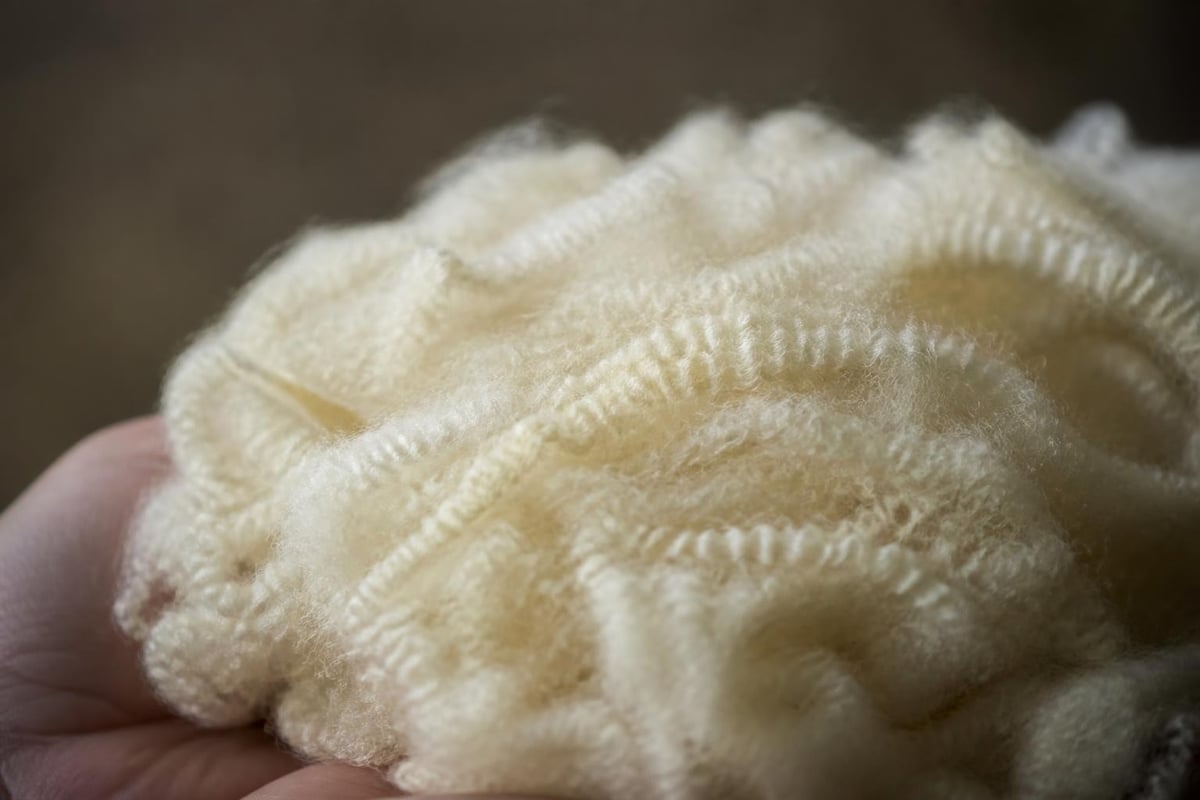
The crimped structure of wool fibres is what makes them so effective at insulating. Each fibre naturally forms coils and bends that create air pockets, and these pockets are what provide the thermal resistance. Unlike synthetic materials that rely on manufacturing processes to create air spaces, wool fibres have this structure built in by nature.
Key performance characteristics include:
- Thermal resistance typically ranging from R1.8 to R4.0 depending on thickness
- Excellent acoustic absorption reducing noise transmission between rooms
- Natural moisture regulation without losing insulation performance when damp
- Fire resistance due to high ignition temperature and self-extinguishing properties
- Long-term performance with minimal settling or degradation over decades
Environmental and Health Benefits of Wool Insulation
One of the strongest advantages of wool insulation batts is their environmental credentials. Wool is a renewable resource that can be harvested annually without harming sheep, and many wool batts incorporate recycled fibres from textile industries, giving new life to materials that would otherwise end up in landfill.
Sustainable Production and Carbon Storage
The manufacturing process for wool insulation requires significantly less energy compared to fibreglass or mineral wool production. Sheep naturally grow wool as part of their biological cycle, and processing this wool into batts involves minimal chemical treatment. In fact, wool naturally absorbs and stores carbon dioxide, making it a carbon-negative material.
| Environmental Factor | Wool Insulation Batts | Synthetic Alternatives |
|---|---|---|
| Renewable Resource | Yes (annual regrowth) | No (petroleum-based) |
| Embodied Energy | Low | Medium to High |
| Carbon Storage | Yes | No |
| Biodegradable | Yes | No |
| Recycled Content | Often 60-85% | Varies |
The health benefits extend beyond environmental impact. Wool insulation batts don't contain formaldehyde, volatile organic compounds, or other irritating chemicals. They're naturally hypoallergenic and don't produce airborne fibres during installation, making them comfortable to handle without requiring extensive protective equipment.
Indoor Air Quality and Moisture Control
Wool has a unique ability to absorb and release moisture vapour without losing its insulating properties. It can absorb up to 33% of its own weight in moisture while still maintaining thermal performance, then release that moisture when humidity levels drop. This natural moisture buffering helps regulate indoor humidity, reducing condensation risk and creating healthier indoor environments.
Thermal Performance and R-Values Explained
When choosing wool insulation batts, understanding R-values helps you select the right product for your climate zone and building application. The R-value measures thermal resistance - how well the insulation resists heat flow. Higher R-values mean better insulation performance.
In Victoria, climate zones vary from cool temperate in Melbourne to alpine regions in the mountains. The National Construction Code specifies minimum R-values for different building elements, but many homeowners choose to exceed these minimums for better comfort and energy savings.
Matching Wool Batts to Applications
Wall insulation typically requires R1.5 to R2.5 batts in most Victorian homes. Wool batts at 90mm thickness usually achieve around R2.0 to R2.5, providing solid thermal performance for wall cavities. The batts compress slightly to fit snugly between studs, eliminating gaps that could allow heat transfer.
Ceiling applications need higher R-values because roofs are the primary source of heat gain in summer and heat loss in winter. Wool insulation batts for ceilings typically range from R3.5 to R6.0, requiring thicknesses from 140mm to 240mm depending on the product density and manufacturing process.
For those looking to upgrade existing insulation or insulate underfloor spaces, products from Insulation Supplies Australia's underfloor collection provide comprehensive thermal solutions for suspended floor systems.
Fire Safety and Building Code Compliance
Fire safety is a critical consideration for any insulation material, and wool insulation batts perform exceptionally well in this area. Wool has a high ignition temperature of around 560°C and is naturally flame-retardant without requiring chemical treatments. When exposed to fire, wool chars rather than melts, and it self-extinguishes when the flame source is removed.
Australian Standards and Certifications
All insulation products used in Australian buildings must comply with the National Construction Code and relevant Australian Standards. Wool insulation batts typically achieve excellent ratings in fire testing:
- Flammability Index: Often 0 to 1 (very low)
- Smoke Development: Low smoke production during combustion
- Material Group Number: Typically Group 1 (non-combustible to very low hazard)
These characteristics make wool batts suitable for installation in all residential areas, including those with stringent fire safety requirements. Many wool products are CodeMark certified, providing assurance of compliance with Australian building regulations.
Installation Considerations and Best Practices
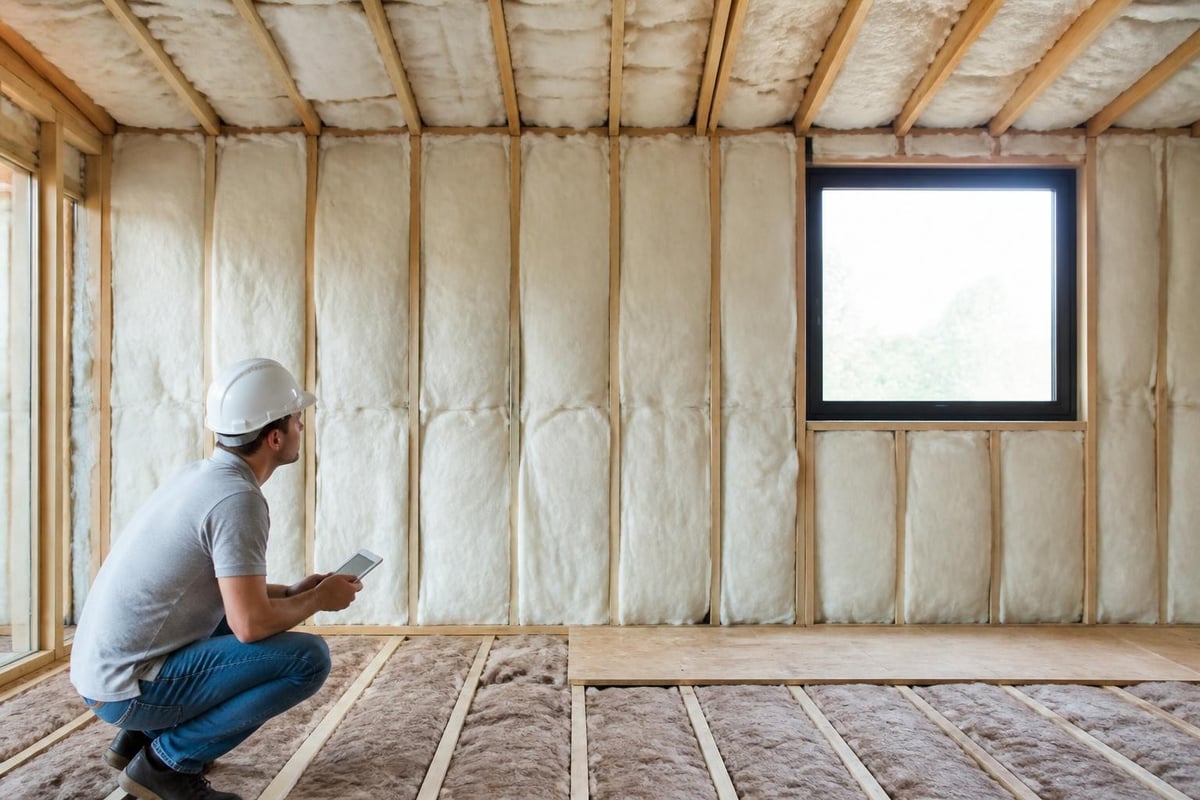
Installing wool insulation batts is generally straightforward for DIY renovators and professional installers alike. The natural fibres are non-irritating to skin, don't produce dust or airborne particles, and can be cut easily with a sharp knife or insulation saw.
Preparation and Safety
While wool batts are gentler to work with than fibreglass alternatives, following proper installation practices ensures optimal performance:
- Measure cavity spaces accurately to minimise cutting and waste
- Wear basic protective equipment including gloves and dust mask for personal comfort
- Ensure cavities are clean and dry before installing batts
- Check for moisture issues or leaks that could compromise insulation performance
- Install vapour barriers correctly according to climate zone requirements
Fitting and Compression
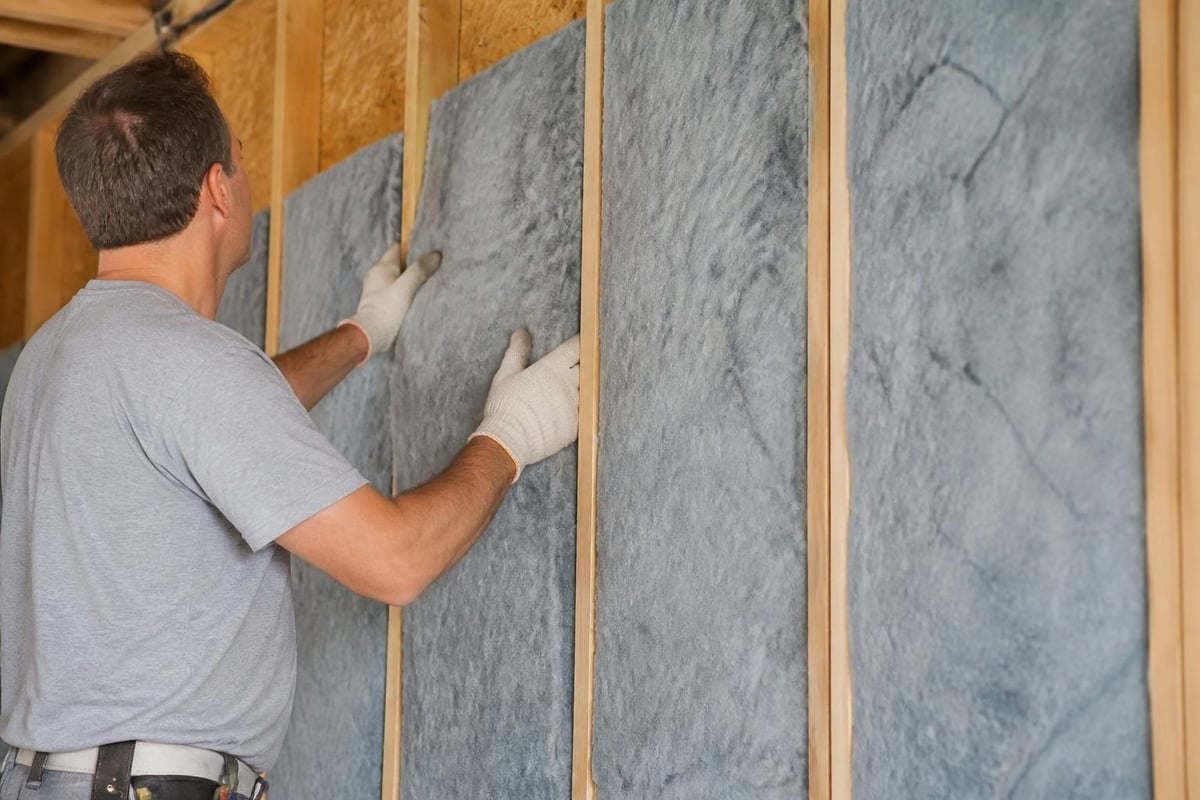
Wool insulation batts should fill the cavity space without being compressed excessively. Light compression (up to 10-15%) during installation is acceptable and helps the batts maintain contact with framing members, but over-compression reduces the air spaces that provide thermal resistance.
Proper fitting techniques:
- Cut batts slightly oversized so they friction-fit between studs
- Avoid gaps around electrical boxes, pipes, and other penetrations
- Split batts around wiring rather than compressing them behind cables
- Trim batts neatly around windows and doors for complete coverage
- Layer batts in ceilings rather than compressing thick batts into shallow spaces
For comprehensive guidance on achieving professional results, review the resources at Insulation Supplies Australia's installation page which covers techniques for various insulation types and applications.
Acoustic Performance and Noise Reduction
Beyond thermal benefits, wool insulation batts excel at controlling sound transmission between rooms and from outside noise sources. The dense, fibrous structure of wool absorbs sound waves effectively, making it an excellent choice for bedrooms, home theatres, and shared walls in multi-residential properties.
Sound Absorption Ratings
Wool typically achieves Noise Reduction Coefficient (NRC) ratings between 0.85 and 0.95, meaning it absorbs 85-95% of sound energy that strikes it. This compares favourably to other insulation materials and makes wool batts particularly effective for acoustic applications.
| Application | Recommended Thickness | Acoustic Benefit |
|---|---|---|
| Internal Walls | 90mm | High speech privacy |
| Party Walls | 90-140mm | Excellent noise isolation |
| Ceiling/Floor | 140mm+ | Impact and airborne noise control |
| Home Theatre | 140mm+ | Superior sound absorption |
The natural crimp in wool fibres creates more surface area than straight synthetic fibres, increasing sound absorption capacity. When combined with proper wall construction techniques including staggered studs or resilient channels, wool insulation batts can achieve significant noise reduction.
Cost Considerations and Long-Term Value
Wool insulation batts typically carry a higher upfront cost than fibreglass or polyester alternatives, but evaluating value requires looking beyond initial purchase price. The long-term benefits, durability, and environmental advantages often justify the investment for homeowners prioritising sustainability and performance.
Price Factors and Comparisons
Expect to pay approximately 30-60% more for wool batts compared to standard glasswool products with equivalent R-values. However, this premium reflects several value-adds:
- Longevity: Wool batts maintain performance for 50+ years without settling
- Health benefits: No irritating fibres or chemical additives reducing health concerns
- Environmental impact: Renewable, low-carbon material supporting sustainable building
- Performance stability: Maintains R-value even when exposed to moisture
- Acoustic benefits: Superior sound absorption without additional acoustic products
Energy Savings and Payback Period
Properly installed wool insulation batts can reduce heating and cooling costs by 40-50% compared to uninsulated buildings. In Victoria's climate, this translates to annual savings of several hundred dollars for typical homes. The payback period for the insulation investment typically ranges from 3-7 years depending on energy prices, climate zone, and existing insulation levels.
Maintenance and Lifespan Expectations
One of wool insulation batts' greatest advantages is their exceptional durability and minimal maintenance requirements. Unlike some synthetic materials that can degrade, compress, or lose effectiveness over time, wool maintains its structure and performance for decades.
Pest and Mould Resistance
Wool is naturally resistant to pests when treated with non-toxic borate solutions during manufacturing. These treatments deter insects and rodents without introducing harmful chemicals into your home environment. The borate also provides additional fire resistance and mould inhibition.
The moisture management properties of wool prevent the damp conditions that encourage mould growth. While wool can absorb moisture from the air, it releases this moisture readily when conditions dry, preventing the persistent dampness that leads to mould and deterioration in less breathable materials.
Expected Service Life
Quality wool insulation batts have a service life exceeding 50 years when installed correctly. The natural crimp and elasticity of wool fibres resist compression and settling far better than many alternatives. This long-term stability means the R-value you install today will still be delivering the same thermal performance decades from now.
Maintenance requirements:
- No routine maintenance needed in standard applications
- Periodic inspection recommended if moisture issues develop elsewhere in building
- Check for compression if renovations affect framing or structure
- Replace only if physical damage occurs during renovations or repairs
Comparing Wool to Other Insulation Materials
Understanding how wool insulation batts compare to alternatives helps you make informed decisions based on your priorities, budget, and project requirements. Each material type offers different combinations of performance, cost, sustainability, and handling characteristics.
Material Performance Matrix
| Factor | Wool Batts | Glasswool Batts | Polyester Batts | Rockwool Batts |
|---|---|---|---|---|
| Thermal Performance | Excellent | Excellent | Very Good | Excellent |
| Acoustic Performance | Excellent | Very Good | Good | Excellent |
| Fire Resistance | Excellent | Very Good | Moderate | Excellent |
| Moisture Handling | Excellent | Moderate | Moderate | Very Good |
| Sustainability | Excellent | Good | Moderate | Good |
| Installation Ease | Excellent | Moderate | Excellent | Moderate |
| Cost | Higher | Lower | Moderate | Higher |
For homeowners exploring various insulation options, comparing products across different R-value categories helps identify the right balance of performance and budget for your specific application.
When to Choose Wool Batts
Wool insulation batts are particularly well-suited for:
- Sustainable building projects where environmental impact is a priority
- Heritage renovations requiring breathable, traditional materials
- Sensitive occupants concerned about chemical exposure or irritation
- Acoustic-critical spaces like bedrooms, studios, and home theatres
- Moisture-variable environments such as bathrooms or coastal locations
- Premium builds where quality and longevity justify higher investment
Sourcing and Product Availability in Australia
The Australian market for wool insulation batts has grown significantly as more homeowners prioritise sustainable building materials. Several manufacturers produce quality wool batts locally, and imported options from New Zealand also offer excellent performance.
Product Specifications to Consider
When evaluating wool insulation batts, look for products that clearly specify:
- R-value at stated thickness
- Density (kg/m³) indicating compression resistance
- Width and length dimensions for your framing system
- Recycled content percentage
- Treatment types (typically boron-based)
- Australian Standards compliance and certifications
- Fire rating and material group classification
Most wool batts are available in standard widths of 420mm (for 450mm stud centres) and 580mm (for 600mm centres), with various thicknesses to achieve required R-values. Some manufacturers offer custom sizing for specific applications.
Ordering and Delivery Considerations
Wool batts are bulkier and lighter per unit area than mineral-based insulation, which affects packaging and delivery. Most products are compressed and wrapped for efficient shipping, then expand when unpacked. Plan for adequate storage space and protect batts from moisture before installation.
Insulation Supplies Australia offers convenient online ordering with delivery throughout Victoria, making it simple to source quality insulation products without visiting multiple suppliers.
Combining Wool Batts with Other Building Systems
Wool insulation batts work effectively as part of a comprehensive thermal envelope strategy. Combining batts with appropriate vapour barriers, air sealing, and complementary insulation products maximises whole-building performance.
Vapour Management in Different Climates
Victoria's climate requires careful consideration of vapour control. In most Victorian locations, vapour barriers should be installed on the warm side of the insulation (the inside face in cold climates). However, wool's natural moisture management means it performs well even in installations where vapour barriers are imperfect or absent.
The ability of wool to absorb and release moisture without performance degradation provides a safety margin in real-world conditions where perfect vapour control is difficult to achieve. This characteristic makes wool particularly forgiving in renovation projects where existing construction may not include ideal vapour management.
Integration with Underfloor Systems
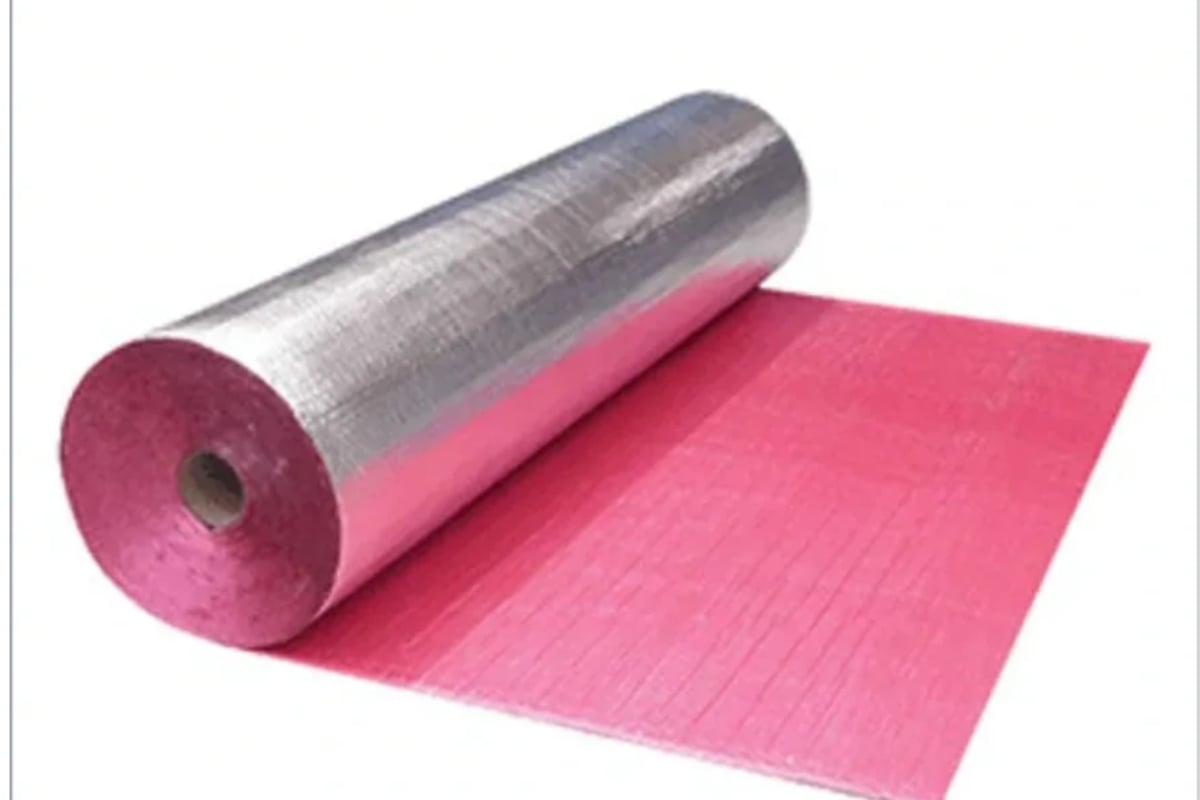
For homes with suspended timber floors, combining wall and ceiling insulation with proper underfloor solutions creates comprehensive thermal protection. Products like the Sancell Breeze Underfloor 500-3 provide effective thermal barriers and draught protection beneath floor systems, working alongside wool batts in walls and ceilings to eliminate cold spots and improve overall comfort.
Whole-House Thermal Performance
The most effective insulation strategies address all heat transfer pathways:
- Ceiling insulation (highest priority - typically R3.5 to R6.0)
- Wall insulation (second priority - typically R1.5 to R2.5)
- Underfloor insulation (third priority - typically R1.0 to R2.5)
- Air sealing to prevent infiltration and exfiltration
- Window treatments or upgrades to reduce glazing heat loss
When budgeting for insulation upgrades, prioritising ceiling insulation typically delivers the best return on investment, followed by walls, then underfloor spaces.
Special Applications and Considerations
Wool insulation batts adapt well to various specialised applications beyond standard wall and ceiling installations. Understanding these applications helps you recognise opportunities to use wool where its unique properties provide particular advantages.
Heritage and Period Home Renovations
Older homes often lack cavity insulation and require sympathetic renovation approaches that respect original construction methods. Wool batts offer an ideal solution because they're breathable, allowing moisture movement similar to traditional building materials, and they don't introduce modern chemicals that could react with historic materials.
Benefits for heritage properties:
- Compatible with lime plaster and traditional building materials
- Breathable to prevent moisture accumulation in solid walls
- Reversible if future conservation requires insulation removal
- Natural material consistent with heritage building philosophy
- Non-corrosive to old wiring and metal components
Acoustic-Critical Installations
Recording studios, home theatres, and bedrooms adjacent to noisy areas benefit from wool's superior acoustic absorption. Installing wool batts at 140mm thickness in walls combined with acoustic-rated plasterboard can achieve sound transmission class (STC) ratings above 50, providing excellent noise isolation.
For optimal acoustic performance, ensure batts fill cavities completely without gaps, and consider using resilient channels or double-stud wall construction to decouple wall surfaces and prevent sound transmission through framing.
Making Your Decision: Is Wool Right for Your Project
Choosing wool insulation batts involves weighing multiple factors including budget, environmental priorities, performance requirements, and installation circumstances. For many Australian homeowners, the combination of sustainability, performance, and health benefits makes wool an attractive choice despite higher initial costs.
Decision Framework
Ask yourself these questions when evaluating wool insulation batts:
- Budget: Can you afford the 30-60% premium over synthetic alternatives?
- Priorities: How important are sustainability and natural materials to your project?
- Health sensitivity: Are you or occupants sensitive to synthetic materials or chemicals?
- Acoustic needs: Does your project require superior soundproofing?
- Long-term planning: Will you own the property long enough to realise payback benefits?
- Climate exposure: Will the insulation face moisture or condensation risks?
If you answered yes to several of these questions, wool insulation batts likely align well with your project goals. If budget is your primary concern and environmental considerations are less important, synthetic alternatives may better suit your needs.
Getting Expert Advice
Choosing insulation can feel overwhelming with multiple products, specifications, and building science considerations. Speaking with knowledgeable suppliers who understand Australian building conditions and can recommend appropriate solutions for your specific situation helps ensure you select products that perform well and comply with building codes.
For personalised guidance on insulation selection, product availability, and technical specifications suited to your Victorian home or renovation project, the team at Insulation Supplies Australia provides expert advice through their contact page to help you make confident decisions.
Wool insulation batts deliver natural thermal and acoustic performance with exceptional environmental credentials, making them an excellent choice for sustainable-minded homeowners who value long-term quality. Whether you're building new, renovating a heritage property, or upgrading existing insulation, understanding wool's unique benefits helps you make informed decisions that balance performance, cost, and environmental impact. Insulation Supplies Australia offers expert guidance and quality insulation products with convenient online ordering and fast delivery across Victoria, making it simple to source the right materials for your project.