

Choosing the right insulation for your home involves balancing performance, sustainability, and long-term value. Wool batts insulation has emerged as a premium natural alternative to conventional synthetic materials, offering excellent thermal performance alongside unique moisture-wicking and fire-resistant properties. Made from renewable sheep's wool, this insulation type appeals to environmentally conscious homeowners and renovators seeking healthier, more sustainable building solutions. Understanding how wool batts insulation works and where it fits into your project can help you make an informed decision that delivers comfort and efficiency for years to come.
What Makes Wool Batts Insulation Different
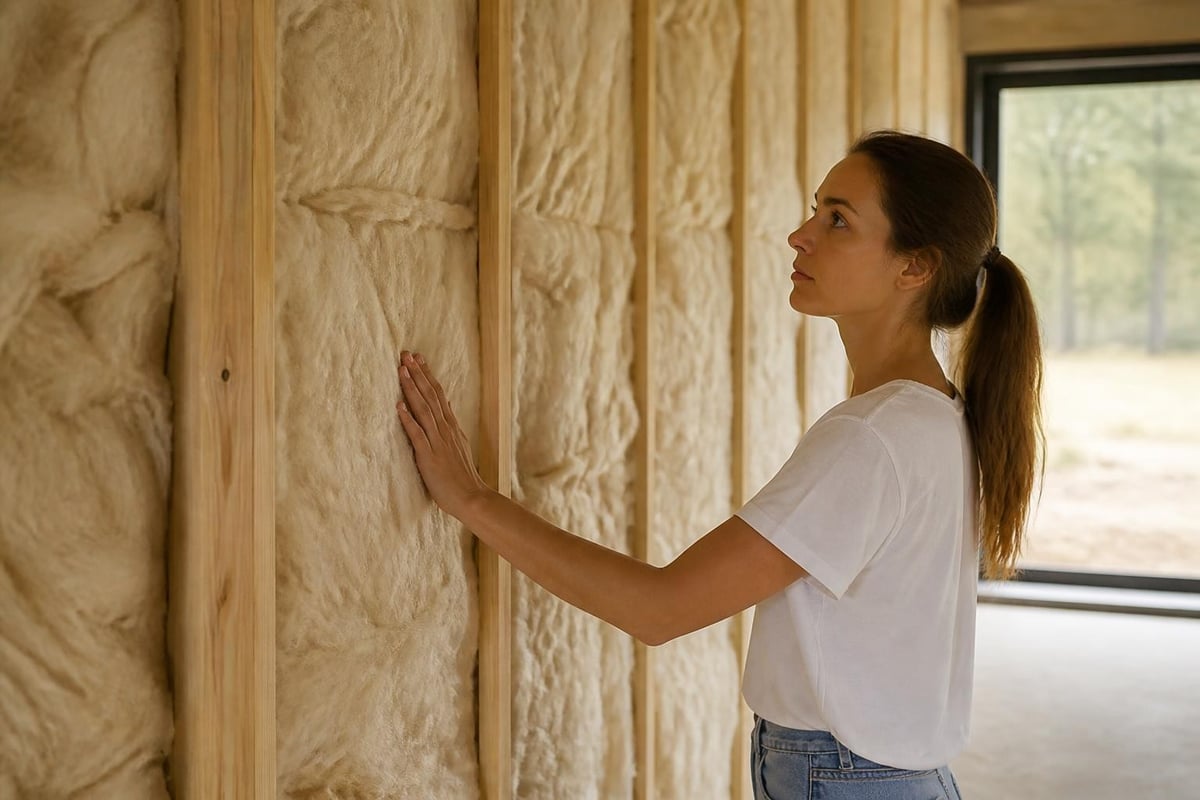
Wool batts insulation stands apart from traditional materials through its natural composition and unique performance characteristics. Unlike fibreglass or mineral wool, which are manufactured from inorganic materials, wool insulation is produced from sheep's wool that has been treated to resist pests, fire, and moisture damage.
The fibrous structure of wool creates millions of tiny air pockets that trap heat, delivering thermal resistance similar to conventional batts. What sets wool apart is its ability to absorb and release moisture without losing insulating value. This hygroscopic property allows wool to manage up to 35% of its weight in moisture while maintaining thermal performance, helping regulate indoor humidity naturally.
Natural Fire Resistance and Safety
One of the most compelling features of wool batts insulation is its inherent fire resistance. Wool requires higher temperatures to ignite compared to many synthetic materials and doesn't melt or produce toxic fumes when exposed to flame. According to research on wool insulation properties, wool naturally contains high nitrogen and water content, which makes it self-extinguishing in many fire scenarios.
This fire performance eliminates the need for chemical flame retardants common in other insulation types, making wool batts insulation a healthier choice for indoor air quality. The material achieves strong fire safety ratings without the additives that can off-gas over time.
Thermal Performance and R-Values
When evaluating wool batts insulation for your project, understanding thermal performance is essential. Wool typically delivers R-values ranging from R2.0 to R5.0 depending on thickness, making it suitable for walls, ceilings, and floors across different climate zones.
The R-value indicates resistance to heat flow – higher numbers mean better insulating performance. A 90mm wool batt might achieve R2.5, while 200mm batts can reach R5.0 or higher. These values compare favourably with glasswool and polyester batts of similar thickness.
| Thickness | Typical R-Value | Best Application |
|---|---|---|
| 50-75mm | R1.5-R2.0 | Internal walls, acoustic |
| 90-100mm | R2.0-R2.5 | External walls |
| 140-175mm | R3.5-R4.5 | Ceilings (moderate climate) |
| 200-250mm | R5.0-R6.5 | Ceilings (cold climate) |
What makes wool batts insulation particularly effective is thermal stability across temperature fluctuations. The natural crimped structure of wool fibres maintains loft and doesn't compress as easily as some synthetic materials, ensuring consistent performance over decades.
Climate Suitability for Australian Conditions
Victoria's variable climate demands insulation that performs across hot summers and cold winters. Wool batts insulation excels in these conditions because of its moisture buffering capability. During humid periods, wool absorbs excess moisture, then releases it when conditions dry out. This helps prevent condensation issues that can plague wall and ceiling cavities.
For Melbourne and regional Victorian homes, this moisture management reduces the risk of mould growth and structural damage while maintaining thermal efficiency. The material naturally regulates temperature swings, creating more stable and comfortable indoor environments year-round.
Installation Process and Considerations
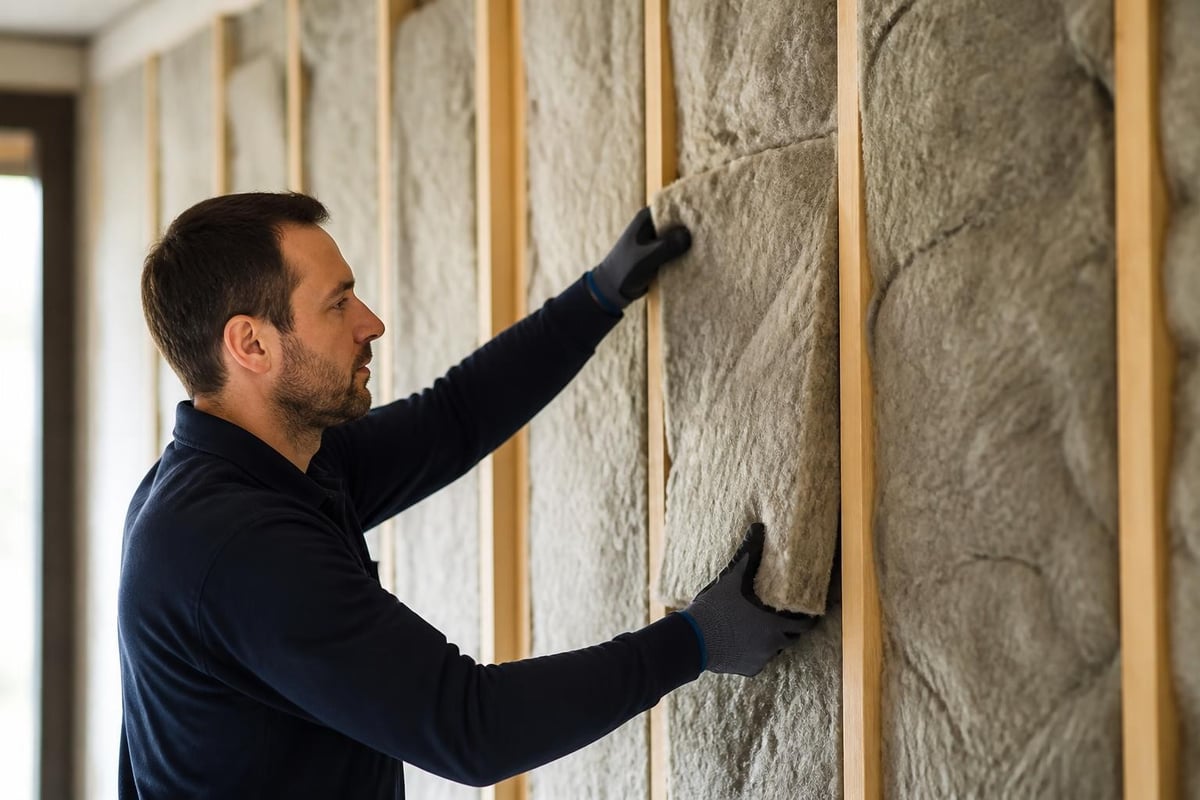
Installing wool batts insulation follows similar principles to other batt-type products, but with some notable advantages. The material is soft, flexible, and doesn't contain fine glass fibres that cause skin irritation. This makes installation more comfortable, though basic protective equipment like gloves and dust masks remains advisable.
Measuring and Cutting
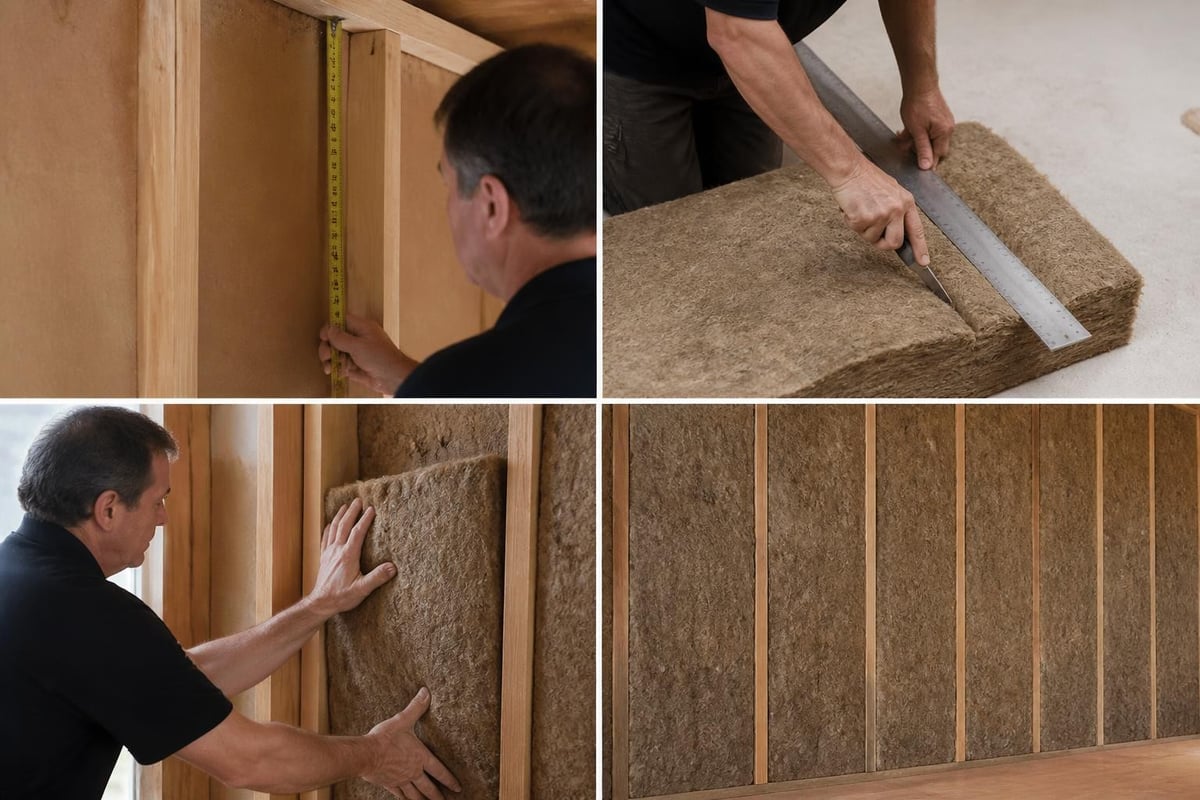
Accurate measurement ensures efficient use of materials. Measure the distance between wall studs or ceiling joists – typically 450mm or 600mm in Australian timber frame construction. Wool batts are usually manufactured in standard widths to suit these spacings.
Cutting wool insulation is straightforward using a sharp utility knife or insulation saw. The material compresses easily for cutting, then springs back to fill the cavity completely. Unlike fibreglass, wool doesn't shed irritating particles during cutting, making the process cleaner and more pleasant.
- Measure cavity width and height accurately
- Mark cutting lines on the batt face
- Compress batt slightly and cut with steady strokes
- Allow batt to expand fully before fitting
- Friction-fit between framing members without gaps
For detailed guidance on proper batt installation techniques, following industry best practices ensures optimal thermal performance and compliance with Australian building standards.
Handling Obstacles and Services
Every wall and ceiling contains electrical wiring, plumbing, or other services that require careful work. Wool batts insulation can be split or cut to accommodate these obstacles. The flexible nature of wool allows it to be shaped around services while maintaining contact with framing and preventing air gaps.
Never compress wool batts around electrical fixtures or recessed lights rated for insulation contact only. Compression reduces R-value significantly. For non-IC rated lights, maintain the required clearance using appropriate barriers.
When working with existing walls, techniques for installing batt insulation in existing structures can be adapted for wool products, though professional installation may be preferable for retrofit projects requiring wall cavity access.
Environmental and Health Benefits
The sustainability credentials of wool batts insulation make it attractive for green building projects and environmentally conscious renovations. Wool is completely renewable, biodegradable, and requires less energy to produce compared to synthetic alternatives.
Low Embodied Energy
Manufacturing wool batts insulation involves minimal processing beyond cleaning, carding, and treating the raw wool. This results in significantly lower embodied energy – the total energy consumed throughout a product's lifecycle – compared to fibreglass or mineral wool production. For homeowners pursuing energy-efficient or passive house designs, this aligns with broader sustainability goals.
The material is typically treated with boron compounds for pest and fire resistance. These treatments are considered low-toxicity and don't compromise the natural, breathable qualities of wool. Unlike formaldehyde binders used in some fibreglass products, boron treatments don't off-gas volatile organic compounds (VOCs) into living spaces.
- Renewable resource from Australian sheep farming
- Biodegradable at end of life without environmental harm
- Carbon storage – wool fibres lock up carbon during growth
- Recyclable – can be reprocessed or used in other applications
- Low VOC emissions for healthier indoor air quality
Indoor Air Quality Advantages
Wool batts insulation actively improves indoor environments beyond just thermal performance. The hygroscopic nature of wool helps regulate relative humidity, keeping levels within the comfortable 40-60% range. This reduces allergen growth and creates healthier living conditions.
Studies on wool insulation benefits demonstrate that wool can absorb and neutralise harmful substances like formaldehyde, nitrogen dioxide, and sulphur dioxide from indoor air. This passive air purification occurs continuously throughout the insulation's lifespan, contributing to better respiratory health for occupants.
Cost Comparison and Value Proposition
Understanding the investment required for wool batts insulation helps set realistic project expectations. Premium natural materials typically cost 50-100% more than standard glasswool or polyester batts. For a typical Melbourne home, this might add $2,000-$5,000 to total insulation costs depending on project scope.
| Insulation Type | Approximate Cost per m² | Lifespan | Key Advantage |
|---|---|---|---|
| Glasswool batts | $8-$15 | 50+ years | Budget-friendly |
| Polyester batts | $10-$18 | 50+ years | Non-irritating |
| Wool batts | $20-$35 | 50-100 years | Natural, breathable |
| Mineral wool | $15-$25 | 50+ years | Fire resistant |
The higher upfront cost delivers long-term value through exceptional durability, superior moisture management, and health benefits. Wool batts insulation maintains performance for 50-100 years without settling or degrading, potentially outlasting the building itself. This longevity means fewer replacement cycles and better lifetime cost-effectiveness.
Return on Investment
Energy savings from proper insulation vary based on climate zone, existing insulation levels, and heating/cooling systems. Well-insulated homes typically reduce energy bills by 20-40% compared to poorly insulated structures. While wool and synthetic batts provide similar thermal resistance, wool's moisture management may deliver additional comfort benefits that reduce heating and cooling demand.
Beyond energy savings, wool batts insulation adds value through improved indoor air quality, enhanced comfort, and premium positioning for environmentally conscious buyers. These benefits may not show on utility bills but contribute to overall property value and occupant wellbeing.
Acoustic Performance for Noise Control
Thermal insulation isn't the only benefit wool batts insulation provides. The dense, fibrous structure effectively absorbs sound energy, making wool an excellent choice for acoustic applications. This dual functionality appeals to homeowners seeking both temperature control and noise reduction.
How Wool Controls Sound
Sound waves lose energy as they pass through wool's complex fibre structure. The material's density and air-filled spaces convert sound energy into tiny amounts of heat through friction. This process, called sound absorption, reduces both airborne noise transmission and reverberation within rooms.
Wool batts insulation typically achieves noise reduction coefficients (NRC) of 0.9-1.0, meaning it absorbs 90-100% of sound energy across speech frequencies. This makes it particularly effective for:
- Bedroom walls for peaceful sleep
- Home offices requiring concentration
- Media rooms and home theatres
- Party walls in duplexes or townhouses
- Floor/ceiling assemblies in multi-storey homes
For comprehensive acoustic solutions, pairing wool batts with high-density options like Earthwool Sound Shield R4.0 creates effective sound barriers between rooms and levels.
Comparing Wool to Other Natural Insulation Options
While wool batts insulation represents the most common natural option, other plant-based materials offer similar sustainability benefits. Understanding these alternatives helps position wool's unique advantages.
Cellulose insulation, made from recycled paper products, provides good thermal performance and fire resistance through boron treatment. However, it requires professional blown-in installation and can settle over time, reducing effectiveness. Wool batts offer easier DIY installation with more stable long-term performance.
Hemp and cotton batts are emerging alternatives with similar handling characteristics to wool. These materials provide decent thermal performance but lack wool's superior moisture management and fire resistance. Hemp requires agricultural cultivation specifically for insulation, while wool utilises a byproduct of existing sheep farming industries.
Cork and wood fibre boards work well for specific applications but don't offer the flexibility and ease of installation that characterises batt-type products. These rigid materials suit different applications than the wall and ceiling cavities where wool batts excel.
Addressing Common Concerns and Misconceptions
Several misconceptions about wool batts insulation persist despite the material's proven performance. Addressing these concerns helps homeowners make confident decisions based on facts rather than assumptions.
Pest and Odour Concerns
Treated wool batts are highly resistant to pests including moths, carpet beetles, and rodents. The boron treatment makes wool unpalatable to insects and prevents nesting behaviour. Properly installed wool insulation in sealed building cavities presents minimal attraction to pests compared to untreated materials or accessible nesting sites.
Regarding odour, modern wool batts insulation undergoes thorough cleaning and processing that removes the lanolin and oils responsible for "wet sheep" smells. High-quality products have no noticeable odour when installed, even in humid conditions. Any initial mild scent dissipates quickly during the first few weeks after installation.
Moisture and Mould Concerns
The ability of wool to absorb moisture sometimes raises concerns about mould growth. However, wool's natural structure actually inhibits mould development rather than promoting it. The material absorbs moisture as vapour and distributes it throughout the fibres, maintaining surface conditions too dry for mould spores to germinate.
Research on wool insulation properties confirms that treated wool actively resists biological growth while managing moisture more effectively than synthetic materials. This makes wool particularly suitable for moisture-prone areas like bathrooms, laundries, and coastal locations when combined with proper vapour barriers and ventilation.
Installation Best Practices for Australian Homes
Achieving optimal performance from wool batts insulation requires attention to installation details specific to Australian construction methods and climate conditions.
Victorian Building Requirements
Victorian building regulations mandate minimum R-values for different climate zones and building elements. For Melbourne (Climate Zone 6), typical requirements include:
- External walls: R1.5 minimum (R2.0-R2.5 recommended)
- Ceilings: R4.0-R6.0 depending on roofing material
- Underfloors: R1.0-R2.0 where applicable
Wool batts insulation easily meets these requirements when properly specified. Ensuring batts fill cavities completely without compression, gaps, or voids is essential for achieving rated R-values. Even small gaps can significantly reduce overall thermal performance through convective air movement.
For homeowners managing their own installations, following manufacturer instructions and industry guidelines prevents common mistakes. Professional installation ensures compliance with building codes and optimal long-term performance, particularly for ceiling installations requiring careful attention to lighting, ventilation, and roof space access.
Combining with Other Building Elements
Wool batts insulation works as part of an integrated building envelope system. Reflective foil or building wrap on the exterior side of wall framing provides additional thermal breaks and weather protection. These complementary materials don't conflict with wool's breathable properties when properly specified.
In underfloor applications where thermal performance and moisture control are priorities, consider products specifically designed for suspended floors. While wool batts excel in walls and ceilings, specialised solutions may better suit specific situations. If you're working on improving comfort in a suspended floor home, exploring options for thermal breaks and draught barriers ensures comprehensive performance.
Sourcing and Availability in Australia
Australian-made wool batts insulation supports local manufacturing and reduces transport-related environmental impacts. Several domestic manufacturers produce high-quality wool batts from local wool supplies, though availability through mainstream retailers can be limited compared to synthetic alternatives.
Specialty insulation suppliers and green building retailers typically stock wool products or can source them on request. Lead times may be longer than common glasswool or polyester batts, so planning ahead for renovation or building projects prevents delays.
When comparing products, look for:
- Clear R-value ratings for Australian conditions
- Treatment details (boron concentration, fire ratings)
- Manufacturing location and wool sources
- Warranty coverage and expected lifespan
- Installation instructions and support
For comprehensive insulation solutions including high-performance glasswool batts with similar sustainability credentials, explore the full range at Insulation Supplies Australia, where expert advice helps match products to specific project requirements.
Maintenance and Long-Term Performance
One significant advantage of wool batts insulation is the minimal maintenance required over its extended lifespan. Once properly installed, wool requires no ongoing treatment, replacement, or upkeep under normal conditions.
The natural resilience of wool fibres maintains loft and thermal performance for decades. Unlike some synthetic materials that may compress or degrade over time, wool's crimped structure springs back after compression and resists settling in vertical applications. This structural stability ensures consistent R-values throughout the building's life.
Durability in Australian Conditions
Australian climate extremes test insulation materials through temperature swings, humidity fluctuations, and potential moisture events. Wool batts insulation handles these challenges through inherent properties rather than relying on protective coatings or treatments that may degrade.
In bushfire-prone areas, wool's natural fire resistance provides additional security. While no insulation replaces proper bushfire construction methods, wool's self-extinguishing properties and lack of toxic fume production make it a safer choice during fire events compared to many synthetic alternatives.
Coastal environments with higher humidity and salt exposure pose challenges for some building materials. Wool's moisture management capabilities and resistance to corrosion make it well-suited for beach houses and coastal properties where controlling humidity and preventing condensation are priorities.
Professional Installation vs DIY Approach
Deciding whether to install wool batts insulation yourself or engage professionals depends on project scope, building access, and comfort with construction work. The material's user-friendly nature makes it accessible for competent DIYers, though certain situations favour professional installation.
When DIY Makes Sense
Accessible wall cavities during renovation or new construction suit DIY installation of wool batts. If you can safely reach studs or joists, measure accurately, and cut batts to fit, installing wool batts insulation follows straightforward principles similar to other batt products. Resources like video installation guides demonstrate the simplicity of the process.
Key skills for successful DIY installation include:
- Accurate measuring and cutting
- Understanding cavity depths and framing dimensions
- Recognising and working around services safely
- Ensuring complete cavity fill without compression
- Maintaining required clearances around heat sources
Owner-builders and experienced renovators typically handle wall and accessible ceiling installations confidently. The lack of irritating fibres makes wool more pleasant to work with than fibreglass, reducing physical discomfort during extended installation sessions.
Professional Installation Benefits
Complex roof spaces, cathedral ceilings, or difficult access areas benefit from professional expertise. Qualified installers understand building codes, proper clearances for electrical fixtures, and techniques for achieving consistent coverage in challenging spaces. They carry appropriate safety equipment for working at heights and in confined areas.
For whole-house insulation projects, professional installation often proves more efficient. Teams can complete work faster, minimise disruption, and ensure compliance with building regulations and warranty requirements. Many professionals also coordinate with other trades, ensuring proper sequencing with electrical, plumbing, and framing work.
Wool Batts in Different Building Applications
Understanding where wool batts insulation performs best helps optimise material selection across different building elements. While wool works in virtually any cavity application, certain situations particularly showcase its advantages.
Walls and Thermal Bridging
External wall cavities between timber or steel studs represent the most common application for wool batts. Standard 90mm batts fit perfectly in typical wall framing and deliver R2.0-R2.5 depending on density. For thermal bridging reduction, wool's moisture management helps minimise the condensation risks that thermal breaks can create in some wall assemblies.
Internal walls benefit from wool's acoustic properties, creating quieter rooms and better sound privacy. Bedrooms, bathrooms, and home offices particularly benefit from the sound absorption wool provides. While dedicated acoustic batts offer higher performance, standard wool thermal batts significantly improve noise control compared to empty cavities.
Ceiling and Roof Applications
Ceiling installations demand attention to proper R-values for climate zone compliance. In Victoria, R4.0 to R6.0 batts suit most applications. Thicker wool batts (175-250mm) achieve these values while providing excellent sound absorption from roof noise during rain or hail.
Ventilation requirements in roof spaces work well with wool's breathable nature. The material doesn't create vapour barriers that trap moisture in roof structures. This compatibility with ventilated roof designs helps prevent condensation issues common in poorly designed insulation systems.
Cathedral ceilings and skillion roofs with limited cavity depth may require higher-density wool batts to achieve required R-values within available space. Consulting insulation specifications ensures compliance while maintaining architectural design intent.
Floor Insulation Considerations
Suspended timber floors in Victorian-era and early 20th-century homes create comfort challenges during winter. Wool batts can improve underfloor insulation, though installation requires access to subfloor spaces. The material's resistance to moisture absorption suits this application, though specific underfloor products may better address draught control and installation practicalities.
For new construction with accessible floor framing, wool batts between joists reduce heat loss and improve ground floor comfort. Supporting batts properly prevents sagging over time. Mesh, wire, or specialised supports maintain batt position while allowing inspection access if needed.
Future of Natural Insulation Materials
Growing environmental awareness and demand for healthy building materials positions wool batts insulation for increased adoption in Australian construction. As building codes evolve toward greater energy efficiency and sustainability, natural materials that deliver multiple benefits gain market share.
Research into enhanced wool treatments, manufacturing efficiency, and cost reduction continues improving the value proposition for natural insulation. Some manufacturers explore blended products combining wool with recycled synthetic fibres to balance performance, sustainability, and affordability.
Building certification programs like Green Star and passive house design methodologies increasingly recognise the embodied energy and indoor air quality benefits of natural materials. This creates market drivers favouring wool batts insulation in commercial and high-performance residential projects.
For homeowners and renovators prioritising sustainability without compromising performance, wool batts insulation represents a proven, effective choice. The material delivers everything conventional insulation provides while adding unique benefits that synthetic products cannot match. Understanding these advantages helps align insulation choices with personal values and building performance goals.
Wool batts insulation offers Australian homeowners a natural, high-performing alternative that combines excellent thermal resistance with unique moisture management and fire resistance benefits. While premium pricing requires careful consideration, the long-term value, sustainability credentials, and health advantages make wool a compelling choice for renovation and new building projects. Whether you're upgrading an existing home or specifying insulation for new construction, Insulation Supplies Australia provides expert guidance and quality products to help you achieve comfortable, energy-efficient living spaces that perform for decades to come.