

When the cold months roll around in Melbourne and across Victoria, you might notice that certain rooms in your home feel colder than others, or that your heating bills are creeping up despite keeping the thermostat steady. Often, the culprit is your windows. Single-pane windows, older double-glazed units, and even windows with damaged seals can let significant amounts of heat escape. A window insulation kit offers an affordable, practical solution that helps homeowners reduce heat loss, improve indoor comfort, and lower energy costs without replacing windows entirely.
What Is a Window Insulation Kit
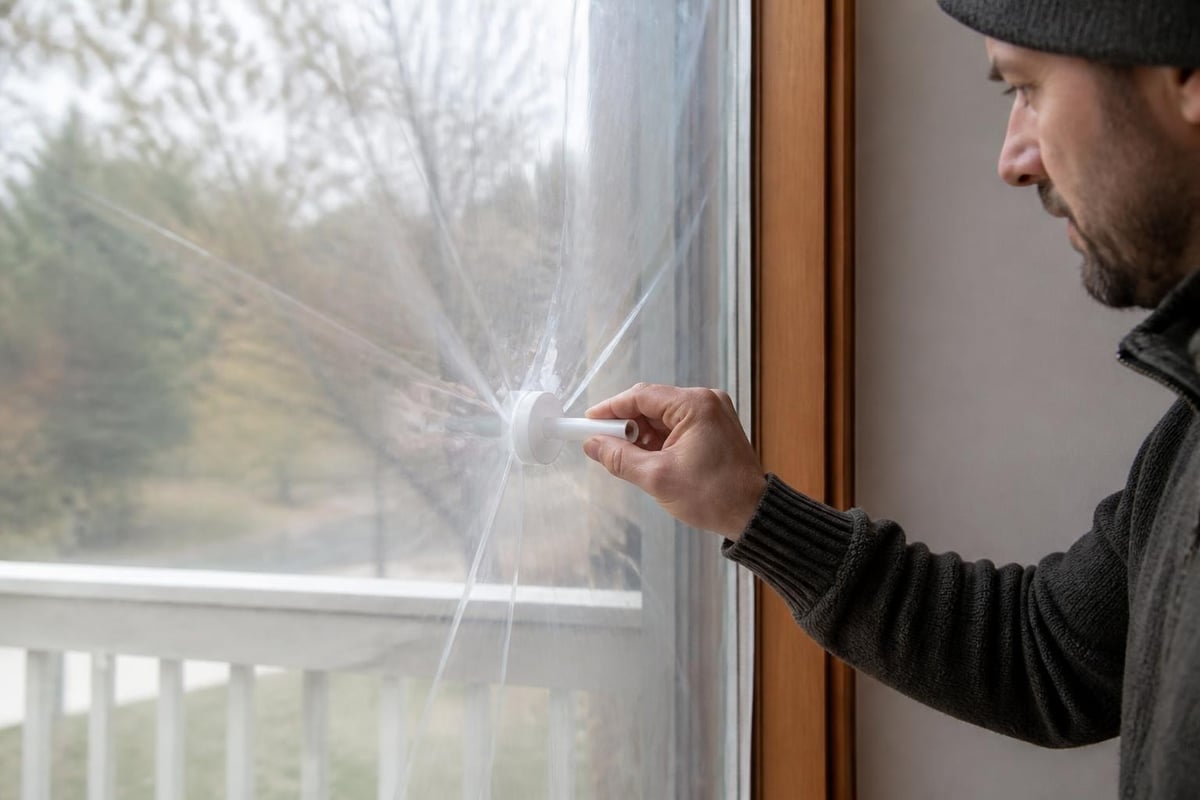
A window insulation kit is a temporary insulation solution designed to create an additional barrier between your indoor living space and the cold air outside. Most kits consist of a clear plastic film, double-sided tape, and installation instructions. The plastic film is attached to the window frame using the tape, then heat-shrunk using a hairdryer to create a taut, nearly invisible layer.
This extra layer works by trapping a pocket of air between the window glass and the film. Air is an excellent insulator when it's stationary, and this trapped layer helps slow down heat transfer. The result is reduced heat loss through the window, fewer cold drafts, and a warmer room.
How Window Insulation Kits Work
The science behind a window insulation kit is straightforward. Heat moves from warm areas to cold areas through conduction, convection, and radiation. Windows, particularly single-pane glass, are poor insulators. They allow heat to escape quickly during winter.
By adding a plastic film layer, you create an insulating air gap. This gap reduces conductive heat loss because air conducts heat much more slowly than glass. The film also helps block convective currents and cold drafts that can form around poorly sealed windows.
According to the U.S. Department of Energy's guidance on energy-efficient windows, window treatments and temporary insulation solutions can significantly reduce heat loss and improve comfort levels, especially in older homes.
Benefits of Using a Window Insulation Kit
Installing a window insulation kit delivers multiple advantages for homeowners, particularly during Victoria's cooler months. These benefits extend beyond just warmth and touch on cost savings, comfort, and even noise reduction.
Reduced Energy Bills
One of the most compelling reasons to install a window insulation kit is the potential for lower heating costs. When your windows are properly insulated, your heating system doesn't have to work as hard to maintain a comfortable temperature. Less heat escapes through the glass, which means your heater runs less frequently.
Studies show that poorly insulated windows can account for 25-30% of residential heating energy use. By reducing this heat loss, you can see noticeable savings on your energy bills throughout winter.
Improved Indoor Comfort
Cold drafts near windows can make rooms uncomfortable, even when the rest of the house feels warm. A window insulation kit eliminates these cold spots by blocking air leakage and reducing the chilling effect of cold glass surfaces.
This improvement is particularly noticeable in:
- Bedrooms where cold drafts can disrupt sleep
- Living areas where you spend significant time
- Home offices that need consistent temperatures
- Older homes with single-pane windows
Condensation Control
Condensation forms on windows when warm, moist indoor air meets cold glass surfaces. This moisture can lead to mould growth, timber rot, and damaged window frames. A window insulation kit raises the temperature of the inner surface (the plastic film), which reduces the likelihood of condensation forming.
Easy and Affordable Installation
Unlike replacing windows or installing secondary glazing, a window insulation kit is remarkably affordable and requires no special tools or skills. Most homeowners can install kits on their windows in under an hour using only scissors, a hairdryer, and the materials provided.
| Feature | Window Insulation Kit | Window Replacement | Secondary Glazing |
|---|---|---|---|
| Cost | $10-50 per window | $500-2000 per window | $200-800 per window |
| Installation Time | 30-60 minutes | Full day or professional required | Several hours |
| Effectiveness | Moderate improvement | High improvement | High improvement |
| Permanence | Seasonal (remove in spring) | Permanent | Permanent or semi-permanent |
| Skill Level | Beginner-friendly | Professional recommended | Intermediate to advanced |
Choosing the Right Window Insulation Kit
Not all window insulation kits are created equal. When selecting a kit for your home, consider several factors to ensure you get the best performance and value.
Film Quality and Clarity
The plastic film should be optically clear so it doesn't significantly reduce natural light or obstruct your view. Higher-quality films are also more durable and less likely to tear during installation. Consumer Reports' evaluation of window insulation kits highlights that film thickness and clarity vary considerably between brands.
Look for films that are at least 1 mil (0.001 inches) thick. Thicker films tend to be more durable and provide better insulation, though they may be slightly less transparent.
Adhesive Strength
The double-sided tape needs to stick securely to your window frame for the entire season without peeling off or leaving residue when removed. Quality kits use adhesive specifically designed for painted or varnished timber, aluminium, and vinyl frames.
Kit Size and Coverage
Measure your windows before purchasing to ensure the kit provides adequate coverage. Most kits are sold based on the number of windows they'll cover or total square metres of film included. It's wise to buy slightly more than you need to account for trimming and potential mistakes.
Reusability and Removability
Most window insulation kits are designed for single-season use. The plastic film typically can't be reused after removal. However, the adhesive should remove cleanly without damaging paint or leaving sticky residue. Check product descriptions and reviews to confirm easy removal.
How to Install a Window Insulation Kit
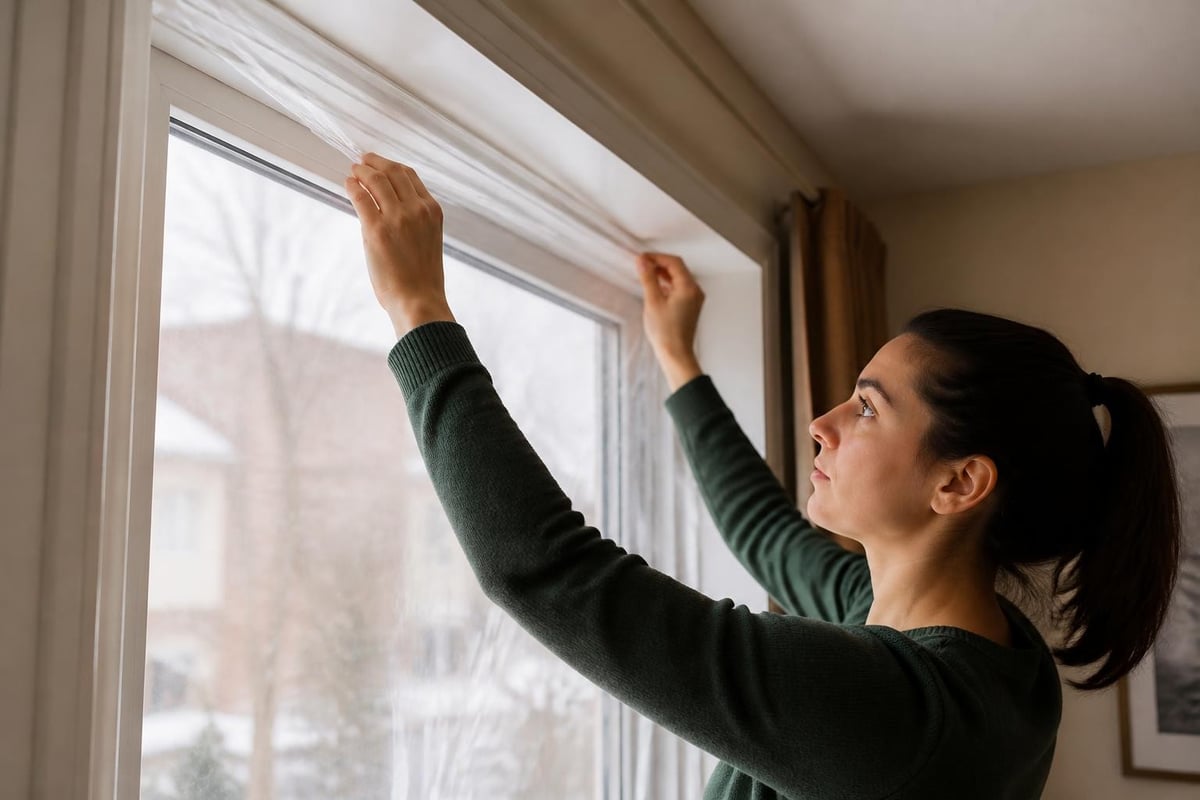
Installing a window insulation kit is straightforward, but following the proper steps ensures the best results. Take your time with each stage, and you'll have professionally-looking, tight-fitting window insulation.
Step-by-Step Installation Guide
-
Clean the window frame thoroughly. Use a damp cloth to remove dust, dirt, and grease from all surfaces where the tape will be applied. Let the frame dry completely. This step is critical for good adhesive contact.
-
Apply the double-sided tape. Stick the tape around the entire perimeter of the window frame, pressing firmly to ensure good contact. Keep the tape straight and avoid gaps or overlaps.
-
Cut the plastic film to size. Unroll the film and cut it to cover the window with about 5-8cm of overlap on all sides. Larger is better than smaller since you can trim excess later.
-
Attach the film to the tape. Starting at the top, peel away the tape's protective backing and press the film onto the exposed adhesive. Work your way around the perimeter, keeping the film relatively loose. Don't stretch it tight yet.
-
Use a hairdryer to shrink the film. Set your hairdryer to medium heat and hold it about 15-20cm from the film. Move it continuously across the surface. The film will shrink and tighten, removing wrinkles and creating a taut, clear surface.
-
Trim excess film. Once the film is fully shrunk and smooth, use scissors or a craft knife to carefully trim away any excess plastic along the edges.
Common Installation Mistakes to Avoid
- Applying tape to dirty or damp frames: This prevents proper adhesion and can cause the film to peel off prematurely
- Stretching the film too tight initially: Let the hairdryer do the tightening work
- Using too much heat: Excessive heat can melt or damage the film
- Installing in freezing conditions: Cold temperatures affect tape adhesion
- Leaving gaps in the tape: Even small gaps allow air infiltration and reduce effectiveness
When to Use Window Insulation Kits
While a window insulation kit provides benefits throughout winter, timing your installation correctly maximises its effectiveness and ensures the longest-lasting results.
Best Time for Installation
Install window insulation kits in autumn before the coldest weather arrives. This gives you time to work comfortably and ensures the adhesive cures properly before being stressed by temperature extremes. In Victoria, April or early May is ideal.
The adhesive on most kits requires temperatures above 10°C for proper bonding. Installing during mild weather ensures the tape sticks securely to the window frame.
Which Windows to Prioritise
If you're working with a limited budget or don't want to cover every window in your home, focus on these high-priority areas:
- North-facing windows: These receive less winter sun and tend to be colder
- Bedrooms and living areas: Where you spend the most time
- Single-pane windows: Which lose heat most rapidly
- Windows with noticeable drafts: Test by holding a candle near the frame on a windy day
- Older windows with damaged seals: Where gaps allow air infiltration
Seasonal Removal
Remove window insulation kits in spring when heating is no longer needed. The plastic film blocks some solar heat gain during warmer months, which can increase cooling costs. Removal is simple: carefully peel away the film and tape, then clean any residue with methylated spirits if needed.
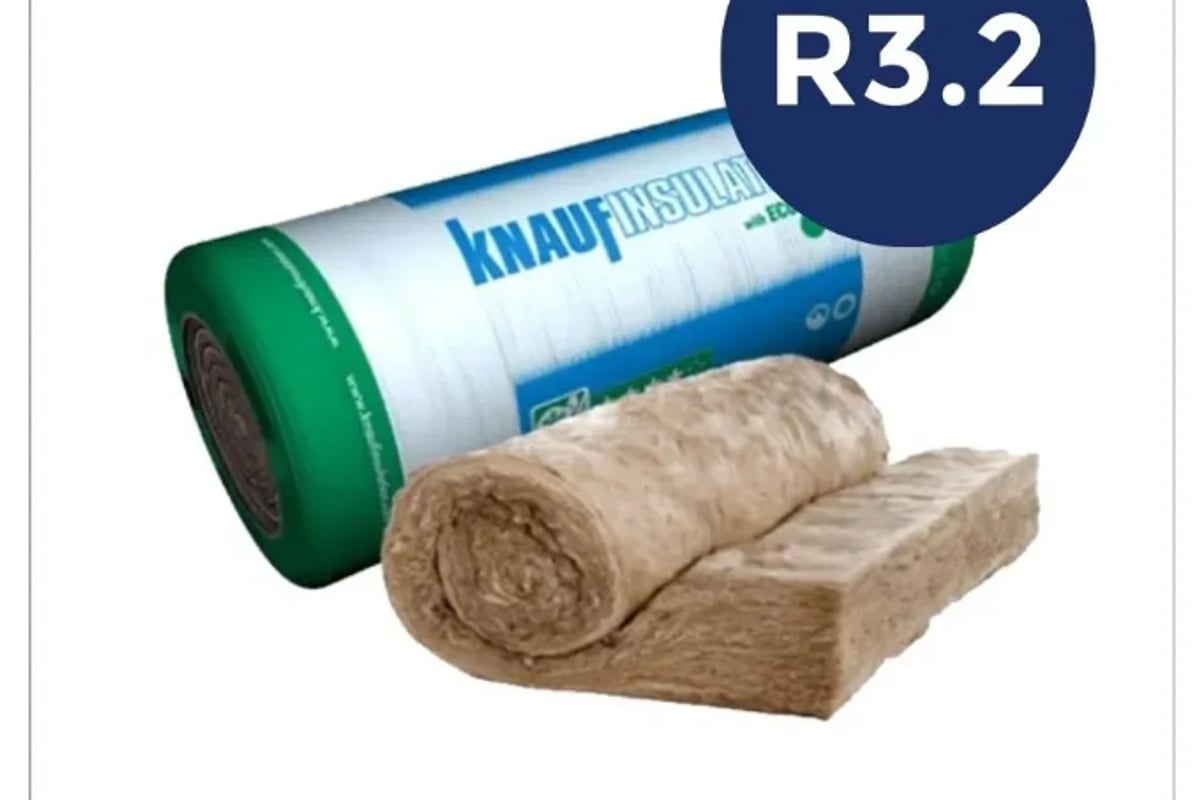
For comprehensive home insulation beyond just windows, consider upgrading to permanent solutions. Products like thermal ceiling insulation provide year-round energy efficiency and comfort improvements throughout your entire home.
Limitations and Considerations
While a window insulation kit offers valuable benefits, it's important to understand its limitations so you can set realistic expectations and complement it with other insulation strategies where needed.
Not a Permanent Solution
Window insulation kits are temporary. The film typically lasts one season and must be removed and replaced annually. For permanent improvements, consider replacing old windows with double-glazed units or installing secondary glazing systems.
Visual Impact
Although modern films are quite clear, they do add a plastic layer over your windows. Some people find this aesthetically unappealing, particularly in formal living areas or heritage homes. The film may also show slight wrinkles or distortions depending on installation quality.
Window Access
Once installed, you cannot open the window without removing the film entirely. This makes window insulation kits unsuitable for windows you need to open regularly for ventilation. Consider them only for windows that stay closed throughout winter.
Expert opinions on window insulation effectiveness suggest that while kits provide measurable benefits, they work best as part of a comprehensive insulation strategy rather than a standalone solution.
Moisture and Ventilation
Sealing windows completely can reduce natural ventilation and potentially trap moisture inside your home. Ensure you maintain adequate ventilation through other means, such as exhaust fans, trickle vents, or periodically opening windows in other areas.
Complementary Insulation Strategies
A window insulation kit works most effectively when combined with other insulation improvements throughout your home. A holistic approach to thermal efficiency delivers the greatest comfort and cost savings.
Wall and Ceiling Insulation
Heat escapes through all parts of your home's envelope, not just windows. Properly insulated walls and ceilings prevent far more heat loss than windows alone. If you're renovating or building, prioritise quality wall insulation and ceiling insulation to create a truly energy-efficient home.
Modern glasswool and polyester batts deliver excellent thermal performance while remaining affordable and easy to install. For DIY renovators, these products transform thermal comfort with minimal hassle.
Underfloor Insulation
Cold floors, particularly in homes with suspended timber construction, contribute significantly to discomfort and heat loss. Installing underfloor insulation blocks cold air from beneath and keeps indoor temperatures more stable.
This is especially important in Victorian homes where sub-floor spaces can be quite exposed to cold winter winds.
Sealing Air Leaks
Even the best window insulation won't help if warm air is escaping through gaps around doors, cornices, power outlets, and plumbing penetrations. Walk through your home with a smoke pencil or incense stick on a windy day to identify air leaks, then seal them with appropriate caulking, weather stripping, or expanding foam.
Energy-Efficient Window Coverings
The Department of Energy's recommendations for window coverings explain that curtains, cellular shades, and pelmets work alongside window insulation kits to further reduce heat loss. Heavy, lined curtains add another insulating layer, while pelmets prevent warm air from flowing up behind curtains and out through the window.
Cost Versus Value Analysis
Understanding the financial aspects of window insulation helps you make informed decisions about whether this solution fits your budget and goals.
Upfront Investment
A quality window insulation kit costs between $10 and $50 per window, depending on size and brand. For a typical home with 10-15 windows, the total investment ranges from $100 to $750. This is significantly less than other window improvement options.
Potential Energy Savings
Actual savings depend on several factors including climate, existing window efficiency, home size, heating system type, and energy costs. However, many homeowners report heating cost reductions of 10-20% after installing window insulation kits throughout their homes.
For a household spending $1,500 annually on winter heating, this represents savings of $150-300 per season. The kits typically pay for themselves within the first year, with subsequent years delivering pure savings.
Return on Investment Timeline
| Investment Level | Annual Savings Estimate | Payback Period |
|---|---|---|
| $150 (basic kits) | $150-200 | 1 season |
| $400 (mid-range kits) | $200-300 | 1-2 seasons |
| $750 (premium kits) | $300-450 | 2 seasons |
Comparing to Other Solutions
When evaluating window improvements, consider the cost-effectiveness of different approaches:
Window insulation kits offer the lowest upfront cost and fastest payback but require annual replacement and provide moderate performance improvement.
Secondary glazing costs more initially but provides better performance and lasts many years without replacement.
Double-glazed window replacement delivers the best long-term performance but represents a significant capital investment that may take 10-15 years to recover through energy savings alone.
For homeowners planning to stay in their property long-term, a phased approach works well. Start with window insulation kits for immediate relief, then gradually upgrade to permanent solutions as budget allows.
Real-World Performance Expectations
Understanding how a window insulation kit performs in typical Australian conditions helps set realistic expectations and maximise its benefits.
Temperature Improvement
Most homeowners notice that rooms with insulated windows feel 2-4°C warmer than before installation, even with the same heating settings. This improvement comes from reduced cold drafts and lower heat loss through the glass.
The exact improvement depends on your existing windows. Single-pane windows in older homes see the most dramatic benefits, while relatively new double-glazed windows show smaller (but still worthwhile) improvements.
Draft Elimination
One of the most immediate and noticeable benefits is the elimination of cold drafts around windows. Even if your windows appear to close tightly, small gaps around frames and between sashes allow cold air infiltration. The continuous plastic film barrier blocks these drafts completely.
Condensation Reduction
Research on plastic window coverings shows that window insulation kits can reduce condensation formation by raising the temperature of the innermost surface. However, they don't eliminate condensation entirely if you have persistent moisture issues.
If condensation remains problematic after installation, address underlying causes such as inadequate ventilation, excessive humidity from cooking or bathing, or moisture rising from the subfloor.
Noise Reduction
While not their primary purpose, window insulation kits provide modest noise reduction benefits. The air gap and plastic film dampen sound transmission, making rooms quieter and more peaceful. This is particularly valuable if you live near busy roads, train lines, or other noise sources.
For dedicated acoustic control in home offices, studios, or bedrooms, consider specialist acoustic insulation products designed specifically for sound absorption and blocking.
Alternatives to Window Insulation Kits
While window insulation kits suit many situations, other solutions may be more appropriate depending on your circumstances, budget, and long-term plans.
Heavy Curtains and Pelmets
Thick, lined curtains with pelmets provide insulation without covering the glass with plastic. They're easily opened during the day to capture solar heat and closed at night to retain warmth. Quality thermal curtains also offer better sound blocking than window films.
The main drawback is that curtains only work when closed. During daytime, windows remain uninsulated unless you're willing to block natural light.
Secondary Glazing Systems
Secondary glazing involves installing a second pane of glass or acrylic inside your existing window frame. This creates a substantial air gap and dramatically improves insulation. Modern secondary glazing systems can be nearly invisible and allow window operation.
These systems cost more than insulation kits but provide superior performance and don't require annual replacement. They're ideal for heritage homes where external window replacement isn't permitted or desirable.
Window Seal Replacement
Sometimes poor window performance stems from damaged or deteriorated seals rather than the glass itself. Replacing rubber seals, weather stripping, and glazing compounds can significantly reduce air leakage at a fraction of window replacement costs.
Inspect your windows carefully. If you can see daylight around closed sashes or feel drafts along frame edges, seal replacement may deliver better results than a window insulation kit.
Complete Window Replacement
For the ultimate in thermal performance, energy efficiency, and long-term value, replacing old windows with modern double-glazed units is hard to beat. Low-emissivity coatings, argon gas fills, and insulated frames deliver exceptional insulation that a window insulation kit cannot match.
The high upfront cost makes this solution most appropriate during major renovations or for homeowners planning to remain in their property for many years.
Detailed analysis of window insulation kit effectiveness explains the physics behind various window improvement options and helps homeowners choose the most appropriate solution for their situation.
Maintenance and Troubleshooting
Once installed, window insulation kits require minimal maintenance, but occasional issues can arise. Knowing how to address common problems ensures optimal performance throughout winter.
Film Peeling or Detaching
If the plastic film starts peeling away from the tape, the adhesive may not have bonded properly to the frame surface. This typically happens when frames are dirty, damp, or too cold during installation.
To fix: Remove the affected section, clean and dry the frame thoroughly, apply fresh tape, and reattach the film. In extreme cold, use a space heater to warm the room above 15°C before reinstalling.
Wrinkles or Sagging
Wrinkles that don't disappear during heat-shrinking usually indicate insufficient heat application. Use your hairdryer on a higher setting and work more slowly across the film surface. Keep the dryer moving to avoid melting the plastic.
If the film sags weeks after installation, it may have been stretched too tight initially or exposed to excessive moisture. Unfortunately, sagging film cannot be re-tightened and needs replacement.
Tape Residue on Frames
When removing kits in spring, some adhesive may remain on the frame. Remove it with methylated spirits on a soft cloth. For stubborn residue, use a plastic scraper (never metal, which can damage finishes) and work gently.
Condensation Between Film and Glass
If moisture forms between the plastic film and window glass, it indicates that moist air is trapped in this space. This sometimes happens if the seal around the film isn't complete.
Check for gaps in the tape and re-seal any openings. If condensation persists, improve whole-home ventilation to reduce indoor humidity levels.
Environmental Considerations
As homeowners become increasingly conscious of environmental impact, it's worth considering the sustainability aspects of window insulation kits.
Single-Use Plastic Concerns
Most window insulation kits use single-use plastic film that cannot be recycled through standard municipal programs. After one season, the film typically goes to landfill. This environmental cost should be weighed against the energy savings and reduced greenhouse gas emissions from lower heating use.
Some manufacturers offer recycling programs or use recyclable materials, so check product specifications if sustainability is important to you.
Energy Savings Impact
Despite the plastic waste concern, the energy saved through reduced heating often outweighs the environmental cost of the plastic film. Lower energy consumption means fewer greenhouse gas emissions from power generation, contributing positively to climate outcomes.
According to EcoWatch's review of window insulation kits, the carbon savings from improved efficiency typically exceed the carbon footprint of manufacturing and disposing of the plastic film.
Long-Term Versus Short-Term Solutions
From an environmental perspective, investing in permanent solutions like double-glazed windows, secondary glazing, or comprehensive home insulation delivers greater long-term benefits than repeated annual purchases of window insulation kits.
Use window kits as an immediate, affordable solution while saving for more sustainable permanent improvements to your home's thermal envelope.
Window insulation kits provide an effective, affordable way to reduce heat loss, eliminate drafts, and lower energy bills during Victoria's cold months. While they're not a permanent solution, they deliver real comfort improvements and financial savings with minimal investment and effort. Whether you're preparing your home for winter or exploring ways to improve energy efficiency, Insulation Supplies Australia offers expert advice and quality insulation products to help you create a warmer, more comfortable living space all year round.