

When you're building or renovating, protecting your walls from moisture and wind isn't optional-it's essential. Wall wrap is a breathable membrane that sits behind your external cladding, creating a critical protective layer that keeps your home dry, energy-efficient, and structurally sound for decades. Whether you're working on a new build in Melbourne's outer suburbs or renovating a weatherboard cottage in regional Victoria, understanding wall wrap will help you make smarter decisions about your building envelope.
What Is Wall Wrap and Why Does It Matter
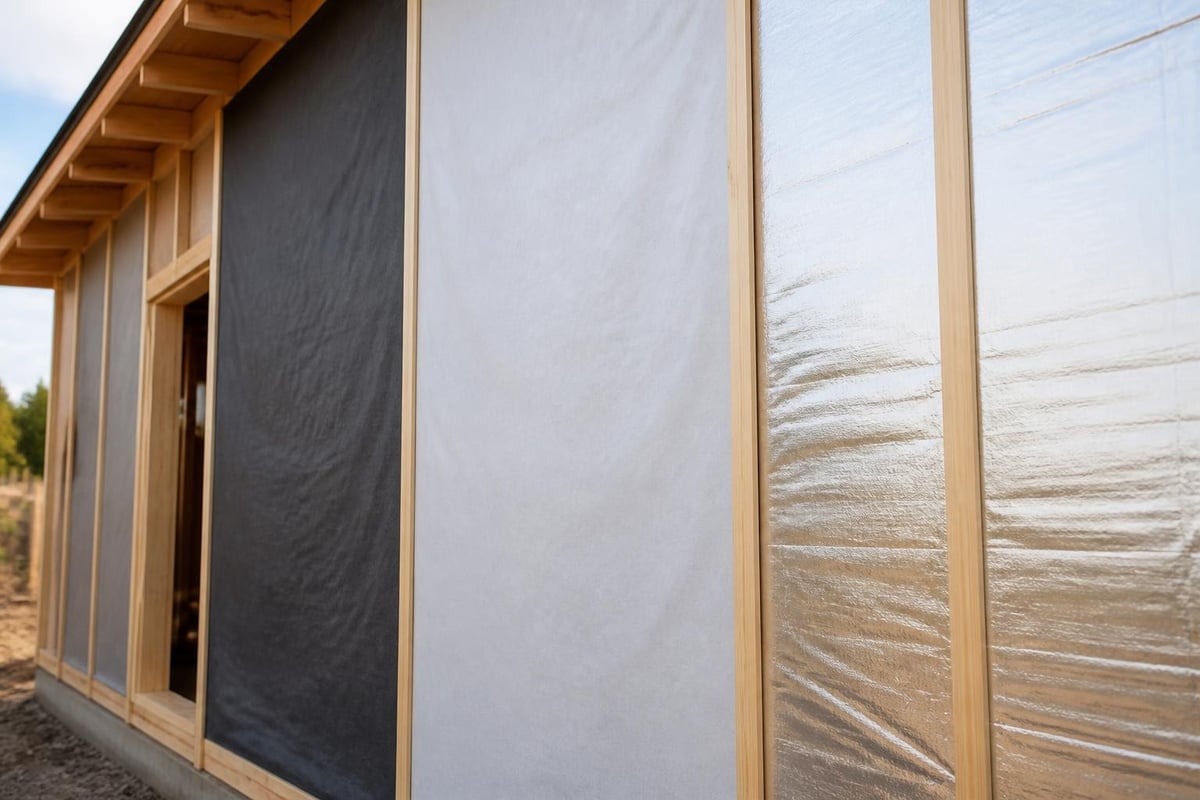
Wall wrap is a permeable building membrane installed between your wall frame and external cladding. Think of it as a raincoat for your walls-it blocks wind and liquid water from entering the wall cavity while allowing water vapour to escape.
This breathability is crucial because it prevents condensation buildup that can lead to mould, timber rot, and insulation failure. Without proper wall wrap, even the best insulation can become waterlogged and lose its thermal performance.
The Science Behind Breathable Membranes
Modern wall wrap products use microporous technology that creates millions of tiny pores. These pores are small enough to block water droplets but large enough to allow water vapour molecules to pass through.
Key performance characteristics include:
- Water resistance measured in millimetres of water column
- Vapour permeability measured in grams per square metre per day
- UV stability for temporary exposure during construction
- Tear strength to withstand installation and wind loading
The Australian Building Code requires specific weather protection measures in different climate zones, and wall wrap plays a central role in meeting these standards.
Types of Wall Wrap Available in Australia
Not all wall wraps are created equal. Understanding the different types helps you choose the right product for your specific climate, budget, and construction method.
Permeable vs Non-Permeable Options
Permeable wall wrap allows water vapour to escape while blocking liquid water. This is the most common choice for residential construction because it supports a healthy building envelope.
Non-permeable wraps include traditional building paper and some foil-backed products. While less common now, they can still be appropriate for specific applications where vapour control is needed.
| Feature | Permeable Wrap | Non-Permeable Wrap |
|---|---|---|
| Moisture Control | Blocks water, allows vapour | Blocks both water and vapour |
| Condensation Risk | Low | Higher in cold climates |
| Best Applications | Most residential builds | Specific controlled environments |
| Installation Ease | Straightforward | Requires careful detailing |
Heavyweight vs Lightweight Products
Thickness and weight affect both performance and durability. Heavier wall wraps typically offer:
- Greater tear resistance during installation
- Better UV stability for longer exposure periods
- Improved wind resistance in exposed locations
- Higher water resistance ratings
Lightweight options can work well for sheltered sites or budget-conscious projects, but they require more careful handling during installation.
Key Benefits of Installing Wall Wrap
The investment in quality wall wrap delivers multiple advantages that protect both your building and your comfort.
Energy efficiency improvements happen because wall wrap blocks air infiltration-those sneaky draughts that force your heating and cooling systems to work harder. When combined with proper wall insulation products, wall wrap creates an effective thermal barrier.
Moisture protection extends the life of your wall frame, insulation, and interior linings. Water intrusion is one of the leading causes of building defects in Australia, and wall wrap is your first line of defence.
Structural Protection and Longevity
Timber frames exposed to repeated wetting and drying cycles deteriorate rapidly. Wall wrap keeps timber dry, preventing:
- Fungal decay and timber rot
- Termite attraction to damp timber
- Warping and movement in framing members
- Corrosion of metal fixings and brackets
This protection becomes especially valuable in Victoria's variable climate, where winter rain followed by summer heat creates challenging conditions for building materials.
Improved Indoor Air Quality
By preventing moisture accumulation in wall cavities, wall wrap reduces the risk of mould growth that can affect indoor air quality. This matters particularly for families with allergies or respiratory sensitivities.
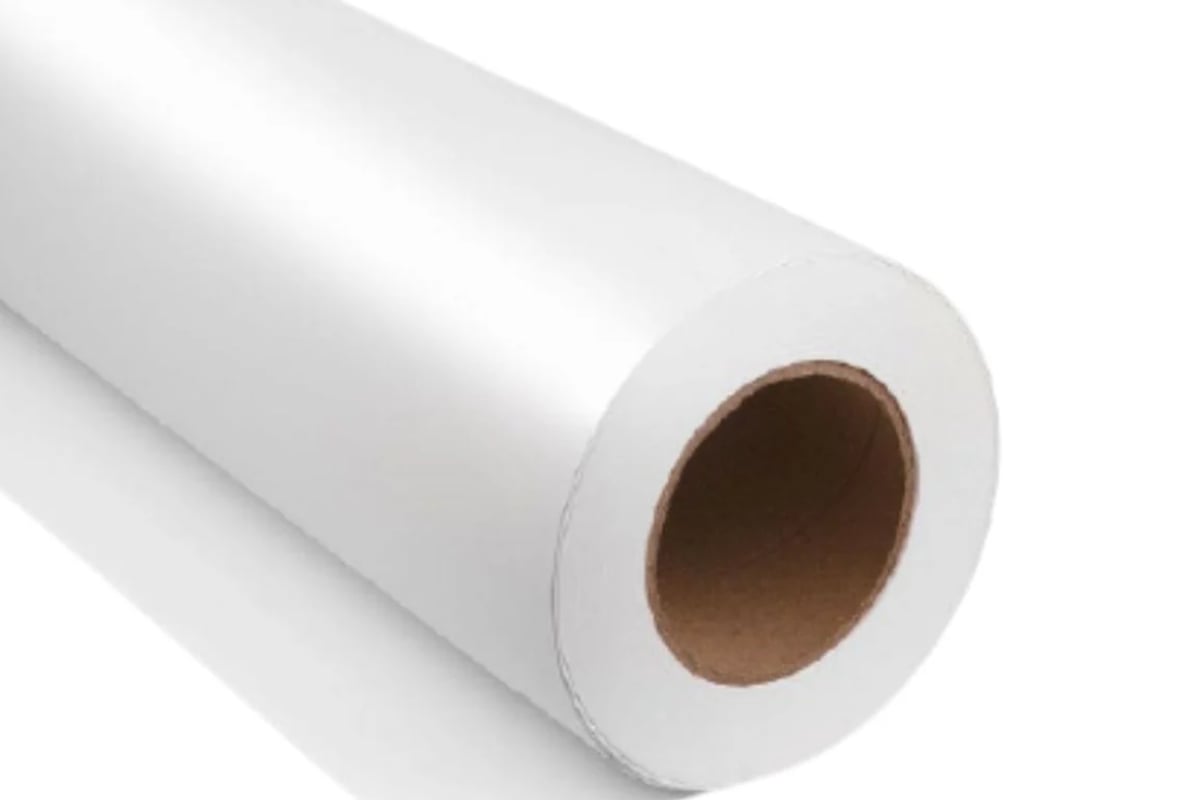
The Drystud Wall Wrap Permeable is specifically engineered to support a dry and healthy building envelope while maintaining excellent breathability. Available in a convenient 1350mm x 30m roll covering 40.5m², it delivers reliable moisture control for residential and commercial projects across Victoria.
Installation Requirements and Best Practices
Proper installation determines whether your wall wrap performs as designed. Even premium products fail when installed incorrectly.
Essential Installation Steps
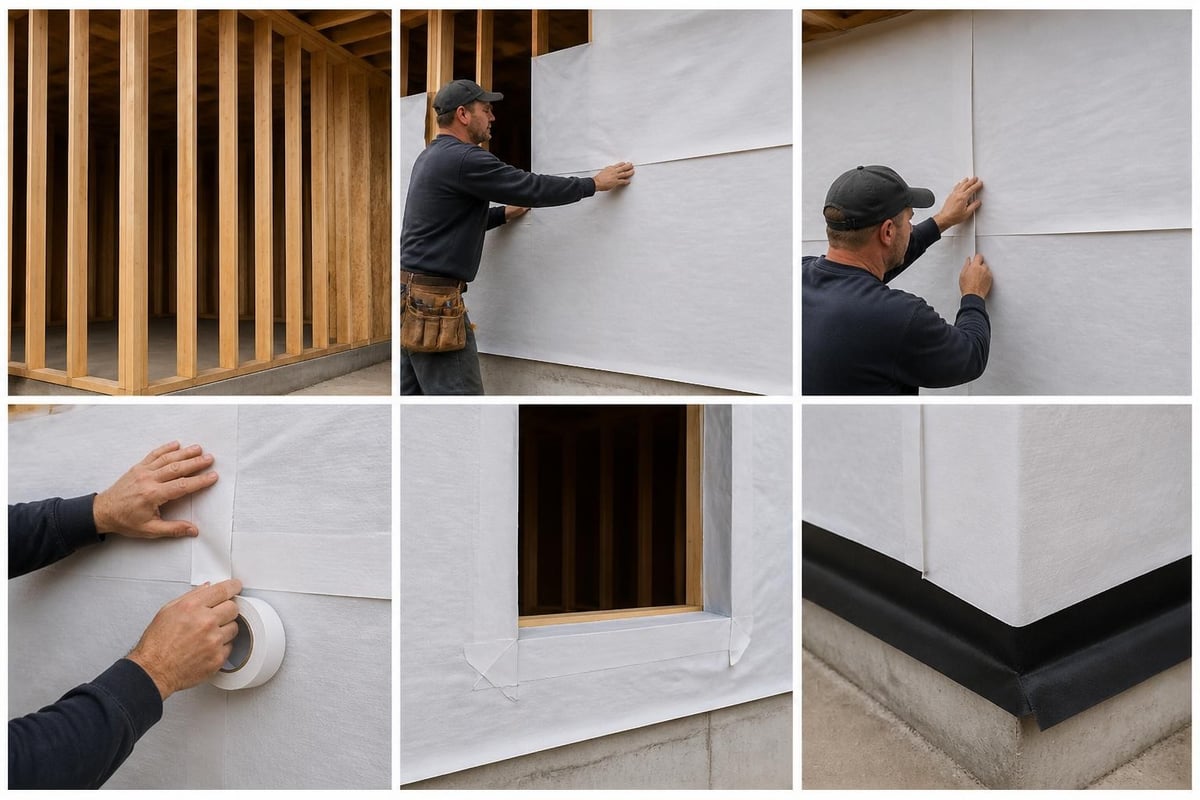
- Install over wall framing before cladding - Wall wrap must be the outer layer against the back of your cladding
- Create horizontal overlaps of at least 150mm - Upper sheets overlap lower sheets to shed water
- Vertical overlaps should be 150mm over studs - Always overlap onto a structural member
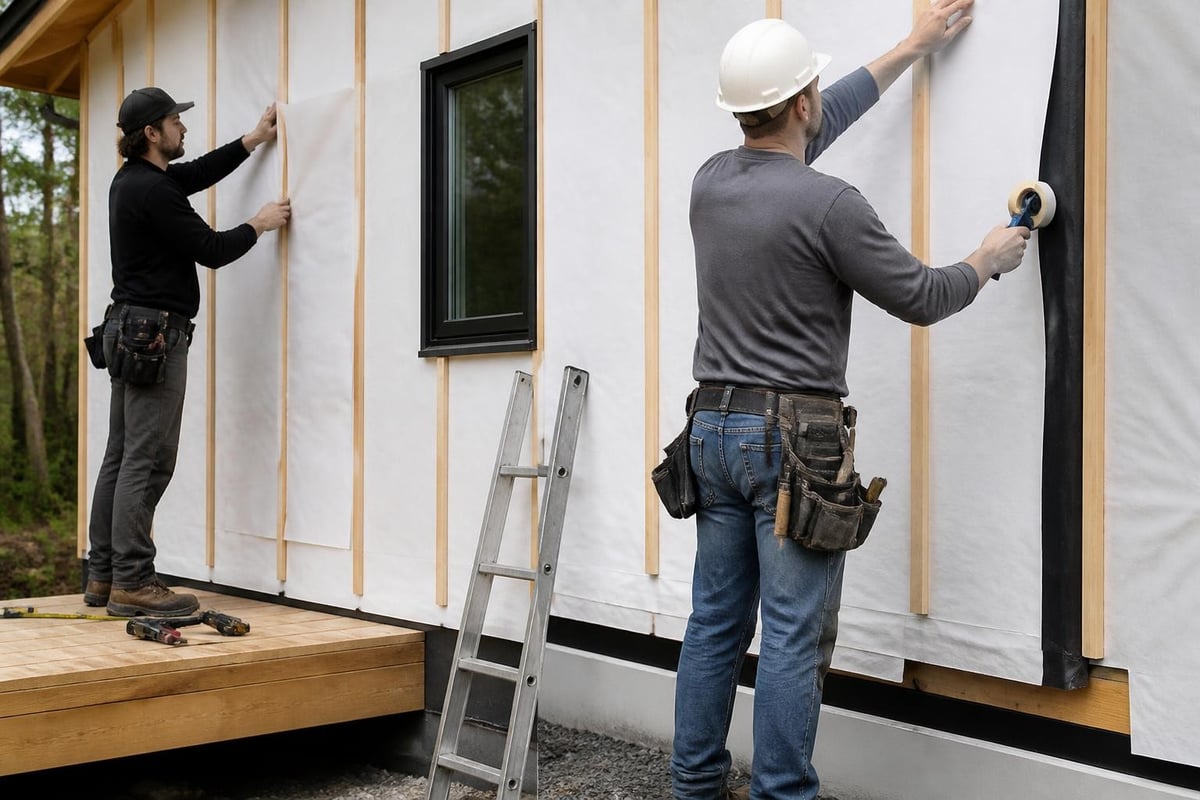
- Tape all joins with compatible building tape - This creates a continuous air and water barrier
- Integrate with window and door flashings - Critical junction points need careful detailing
Common Installation Mistakes to Avoid
The most frequent errors compromise the entire weather protection system:
- Installing wall wrap backwards - The printed side usually faces outward, check manufacturer instructions
- Inadequate overlap at joins - Skimping on overlap creates pathways for water and wind
- Poor tape adhesion - Using incompatible tape or applying to dirty/wet surfaces
- Failing to integrate flashings - Window and door openings are the most vulnerable points
- Excessive UV exposure - Most wraps are designed for temporary exposure only
When working with professional installation services, these details are managed systematically, reducing the risk of weather-related building failures.
Wall Wrap and Building Code Compliance
Understanding regulatory requirements ensures your project meets Australian standards and passes inspections.
National Construction Code Requirements
The NCC specifies weather protection standards that vary by climate zone. Victoria's climate zones range from mild temperate to cool temperate, each with specific requirements for:
- Water penetration resistance
- Air infiltration control
- Condensation management
- Bushfire attack level considerations in bushfire-prone areas
Wall wrap forms part of the weather resistive barrier system that must be detailed on your building plans and verified during construction.
Documentation and Certification
Quality wall wrap products come with technical data sheets showing:
| Specification | What It Means | Why It Matters |
|---|---|---|
| Water resistance | Usually 1500-2000mm water column | Higher numbers = better protection |
| Vapour permeability | Measured in g/m²/24hrs | Higher = better moisture escape |
| UV stability | Exposure period (typically 3-6 months) | How long before cladding is needed |
| Tear strength | Force required to tear the membrane | Durability during installation |
Keep these documents for building inspections and warranty purposes.
Choosing the Right Wall Wrap for Your Project
Your climate, budget, cladding type, and construction timeline all influence which wall wrap product suits your needs best.
Climate Considerations Across Victoria
Melbourne metro and coastal areas experience high humidity and driving rain, requiring wall wrap with excellent water resistance ratings above 1800mm.
Northern and western plains face hot, dry summers and cold winters with less rainfall, where vapour permeability becomes more critical to prevent condensation during temperature swings.
High country and alpine regions need robust wall wrap that handles snow loading, ice, and extended wet periods while maintaining breathability.
Matching Wall Wrap to Cladding Type
Different external finishes work better with specific wall wrap characteristics:
- Brick veneer - Standard permeable wrap with good water resistance
- Weatherboard and timber - Higher breathability to allow timber cladding to dry
- Render and stucco - May require higher water resistance due to potential cracking
- Metal cladding - Focus on air tightness and thermal performance
Cost Factors and Value Considerations
Wall wrap represents a small percentage of total building costs but delivers outsized value in protection and performance.
Price Range and Coverage
Entry-level wall wraps start around $0.80-$1.20 per square metre, while premium products range from $1.50-$2.50 per square metre. For a typical 200m² wall area, this translates to:
- Basic coverage: $160-$240
- Mid-range: $250-$350
- Premium systems: $300-$500
What influences pricing:
- Material weight and thickness
- UV stability duration
- Water resistance rating
- Brand reputation and warranty
- Roll size and coverage efficiency
Long-Term Return on Investment
The cost of repairing water-damaged walls far exceeds the price difference between basic and premium wall wrap. Consider that:
- Replacing rotted wall frames can cost $5,000-$15,000 per affected wall
- Mould remediation averages $2,000-$8,000 depending on extent
- Insurance claims for water damage often face excess payments and premium increases
Investing in quality wall wrap installation now prevents these costly problems later.
Integration with Insulation Systems
Wall wrap and insulation work together as complementary systems, not competitors. Each serves distinct but related functions.
Layering for Maximum Performance
The ideal wall assembly from inside to out includes:
- Interior lining (plasterboard)
- Vapour control layer (if required)
- Wall insulation between studs
- Wall wrap over external face of studs
- Drainage cavity or battens
- External cladding
This arrangement keeps insulation dry and functional while managing moisture and air movement effectively. Products like Earthwool wall insulation batts maintain their R-value when protected by proper wall wrap installation.
Air Sealing vs Vapour Control
Wall wrap primarily controls water and wind, not vapour on its own. In Victoria's climate zones, vapour barriers are often not required or even problematic because they can trap moisture.
The permeable nature of modern wall wrap allows walls to dry to the outside, which is crucial for long-term building health. This breathability complements insulation rather than competing with it.
Maintenance and Inspection Points
While wall wrap itself requires no ongoing maintenance once covered by cladding, monitoring visible junctions helps catch problems early.
During Construction Phase
Before cladding goes on, inspect for:
- Tears or punctures from trades working around the wall wrap
- Lifted or failed tape at joins
- Missing or inadequate overlaps
- Proper integration at penetrations (pipes, vents, electrical)
These issues are simple to fix before cladding but nearly impossible afterward.
Post-Construction Monitoring
Watch for signs that might indicate wall wrap compromise:
- Water stains on interior walls near external penetrations
- Musty odours suggesting moisture in wall cavities
- Increased heating or cooling costs indicating air leakage
- Visible mould growth on interior surfaces
Early detection allows targeted repairs rather than extensive remediation.
Environmental and Health Considerations
Modern wall wrap products reflect growing awareness of building material impacts on both environmental sustainability and occupant health.
Recyclability and Sustainability
Many contemporary wall wraps use recyclable polymers and avoid harmful chemicals. Look for products with:
- Low volatile organic compound (VOC) emissions
- Recycled content in manufacturing
- Environmental product declarations
- Australian-made certification reducing transport impacts
Indoor Environment Benefits
By controlling moisture effectively, quality wall wrap contributes to healthier indoor environments through:
- Reduced mould and mildew growth potential
- Better air quality from prevented moisture infiltration
- Stable humidity levels supporting comfort
- Protected insulation maintaining thermal performance
These factors particularly benefit households with vulnerable occupants including young children, elderly residents, and those with respiratory conditions.
Professional vs DIY Installation
Owner-builders and experienced renovators can successfully install wall wrap, but understanding when to seek professional help matters.
Skills Required for DIY Success
You can likely handle wall wrap installation if you:
- Have experience with building materials and sequencing
- Can work safely on ladders and scaffolding
- Understand flashing and water management principles
- Have access to appropriate tools and materials
- Can follow technical installation guides precisely
Consider professional installation when:
- Working on multi-storey buildings requiring extensive scaffolding
- Dealing with complex roof and wall junctions
- Managing bushfire attack level requirements
- Coordinating with other weather protection systems
- Time constraints make efficient completion critical
The expert team at Insulation Supplies Australia can help assess your project and recommend the best approach for your situation.
Troubleshooting Common Wall Wrap Problems
Even well-installed wall wrap can face challenges during construction or after completion.
Addressing Tears and Damage
Small tears (under 100mm) can be repaired with compatible building tape applied over the damaged area with generous overlap. Larger damage requires patching with new wall wrap material, ensuring proper overlap and taping.
Failed Tape Joints
If tape lifts during construction:
- Remove the failed tape completely
- Clean surfaces thoroughly and allow to dry
- Apply new tape with firm pressure
- Consider upgrading to a higher-performance tape for remaining joints
Water Penetration Issues
If you discover water behind wall wrap during construction, identify the source:
- Top edge flashing failure
- Penetration not properly sealed
- Inadequate overlap allowing water entry
- Wind-driven rain exceeding product specifications
Fixing the source prevents ongoing problems even after cladding installation.
Wall Wrap Alternatives and Comparisons
While modern permeable wall wrap has become the standard, understanding alternatives helps clarify why it's the preferred choice.
Traditional Building Paper
Used for decades before modern membranes, building paper is less breathable and more prone to tearing. While cheaper initially, it offers:
- Lower water resistance ratings
- Reduced UV stability
- Greater installation difficulty
- Shorter expected service life
Rigid Foam Sheathing
Some builders use rigid foam insulation boards as both insulation and weather barrier. These systems:
- Provide thermal and moisture control in one product
- Require careful sealing at all joints
- Cost more per square metre
- Work best with specific cladding types
Liquid-Applied Membranes
Spray or roll-on weather barriers create seamless coverage but:
- Require ideal weather conditions during application
- Cost significantly more in labour
- Need skilled applicators for consistent results
- Work best for specific commercial applications
For most residential projects in Victoria, permeable wall wrap remains the most cost-effective, reliable choice.
Protecting your home from moisture and wind damage starts with understanding how wall wrap creates a durable, breathable barrier in your external walls. The right product, properly installed, safeguards your investment for decades while supporting energy efficiency and comfort. Whether you're tackling a DIY renovation or working with builders, Insulation Supplies Australia provides the quality wall wrap products and expert advice you need to build with confidence across Victoria. Fast delivery, competitive pricing, and comprehensive product support make choosing and buying the right building materials straightforward and hassle-free.