

Noise pollution in Australian homes has become a growing concern, particularly in Melbourne's increasingly dense urban environments. Whether it's traffic noise from busy streets, neighbours in attached townhouses, or simply family members moving between rooms, unwanted sound can significantly impact your comfort and quality of life. Understanding how wall insulation sound performance works is essential for creating peaceful, comfortable living spaces. The right acoustic insulation doesn't just block external noise; it also reduces sound transfer between rooms, making your home a more relaxing and functional environment for everyone.
How Wall Insulation Sound Performance Works
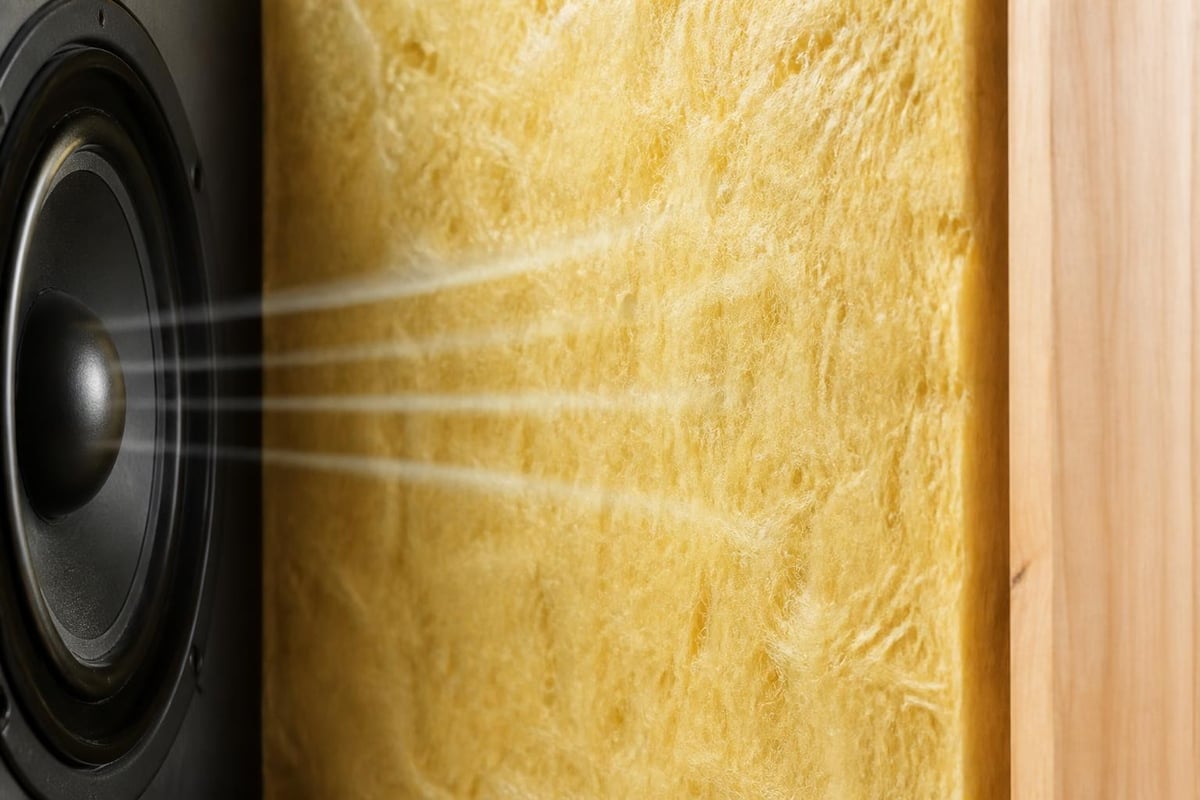
Wall insulation sound attenuation relies on specific physical properties that differ from thermal insulation characteristics. When sound waves hit a wall, they create vibrations that travel through the structure. Dense, fibrous materials absorb these vibrations and convert sound energy into tiny amounts of heat, effectively reducing the noise that passes through.
The effectiveness of wall insulation sound control is measured using two key ratings:
- Sound Transmission Class (STC): Measures how much sound is blocked by a wall assembly
- Noise Reduction Coefficient (NRC): Indicates how much sound is absorbed rather than reflected
- Weighted Sound Reduction Index (Rw): The Australian standard measurement for airborne sound insulation
Higher density materials generally provide better acoustic performance because they contain more mass per cubic metre. This mass helps interrupt sound wave transmission and reduces the amount of noise that can pass through wall cavities. Glass wool and polyester insulation batts work particularly well for this purpose when installed correctly.
The Science Behind Sound Absorption
Sound waves travel through air as vibrations, and when they encounter a wall, they need to pass through several layers: plasterboard, insulation, framing, and more plasterboard. Each layer presents an opportunity to reduce sound transmission.
Insulation materials with an open, fibrous structure create friction as sound waves move through them. This friction converts acoustic energy into minuscule amounts of heat, which dissipates harmlessly. The more tortuous the path sound must travel through the material, the more energy is absorbed.
Key factors affecting wall insulation sound performance:
- Material density and thickness
- Installation quality and cavity filling
- Wall construction type and framing
- Air gaps and acoustic breaks
- Additional acoustic treatments like resilient channels
Types of Acoustic Wall Insulation
Different insulation materials offer varying levels of sound reduction, and choosing the right product depends on your specific noise challenges and budget. Understanding the characteristics of each type helps you make an informed decision for your renovation or new build project.
Glasswool Insulation for Sound Control
Glasswool batts remain one of the most effective and affordable options for wall insulation sound control. The randomly oriented glass fibres create an excellent medium for absorbing sound energy across a wide frequency range.
Premium glasswool products designed specifically for acoustic applications feature higher density ratings, typically between 22 kg/m³ and 32 kg/m³. This increased density provides superior sound absorption compared to standard thermal insulation batts.
| Material Type | Typical Density | Sound Performance | Best Application |
|---|---|---|---|
| Standard Glasswool | 10-14 kg/m³ | Good | General walls, basic noise reduction |
| High-Density Glasswool | 22-32 kg/m³ | Excellent | Party walls, home theatres, studios |
| Polyester Batts | 20-32 kg/m³ | Very Good | Bedrooms, offices, sensitive spaces |
| Rockwool | 40-80 kg/m³ | Superior | Commercial applications, high noise areas |
Polyester Acoustic Batts
Polyester insulation offers excellent wall insulation sound performance while providing additional benefits like being non-irritating to handle and resistant to moisture and pests. Made from recycled plastic bottles, polyester batts are environmentally friendly and maintain their acoustic properties over time without sagging or degrading.
These batts work particularly well in bedrooms, home offices, and living areas where moderate sound reduction is needed. They're easy to cut and fit, making them popular with DIY renovators tackling acoustic upgrades throughout their homes.
Specialised Acoustic Insulation Products
For demanding applications like home theatres, music studios, or party walls in townhouses, specialised high-density acoustic insulation products deliver superior performance. These materials often combine increased thickness with optimal density to achieve maximum sound absorption.
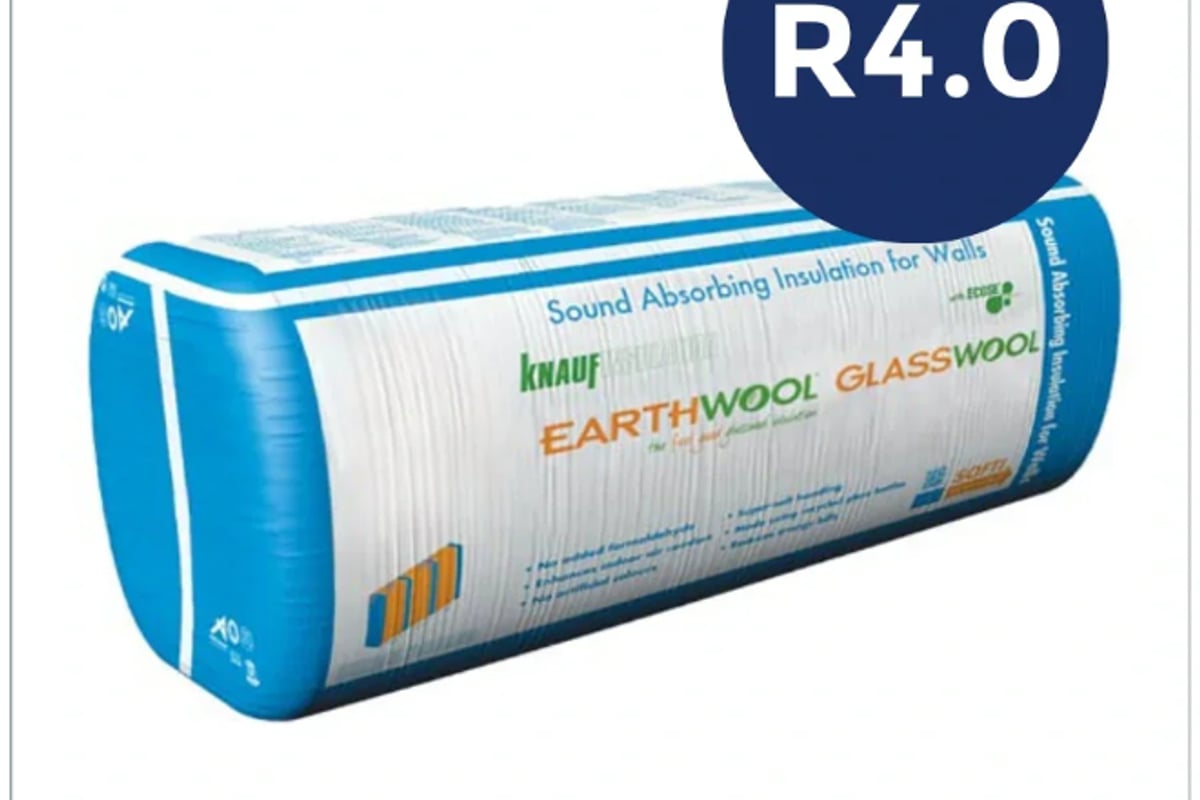
The Earthwool Sound Shield R4.0 by Knauf represents this category well, offering both exceptional thermal performance and outstanding acoustic control. Manufactured with advanced ECOSE® Technology, these batts provide 140mm thickness and a density of 22.6 kg/m³, delivering comprehensive noise reduction for residential and commercial applications where sound control is critical.
Installation Techniques for Maximum Sound Reduction
Even the best acoustic insulation won't perform optimally if installed incorrectly. Proper installation techniques are absolutely critical for achieving the wall insulation sound performance you expect from quality materials.
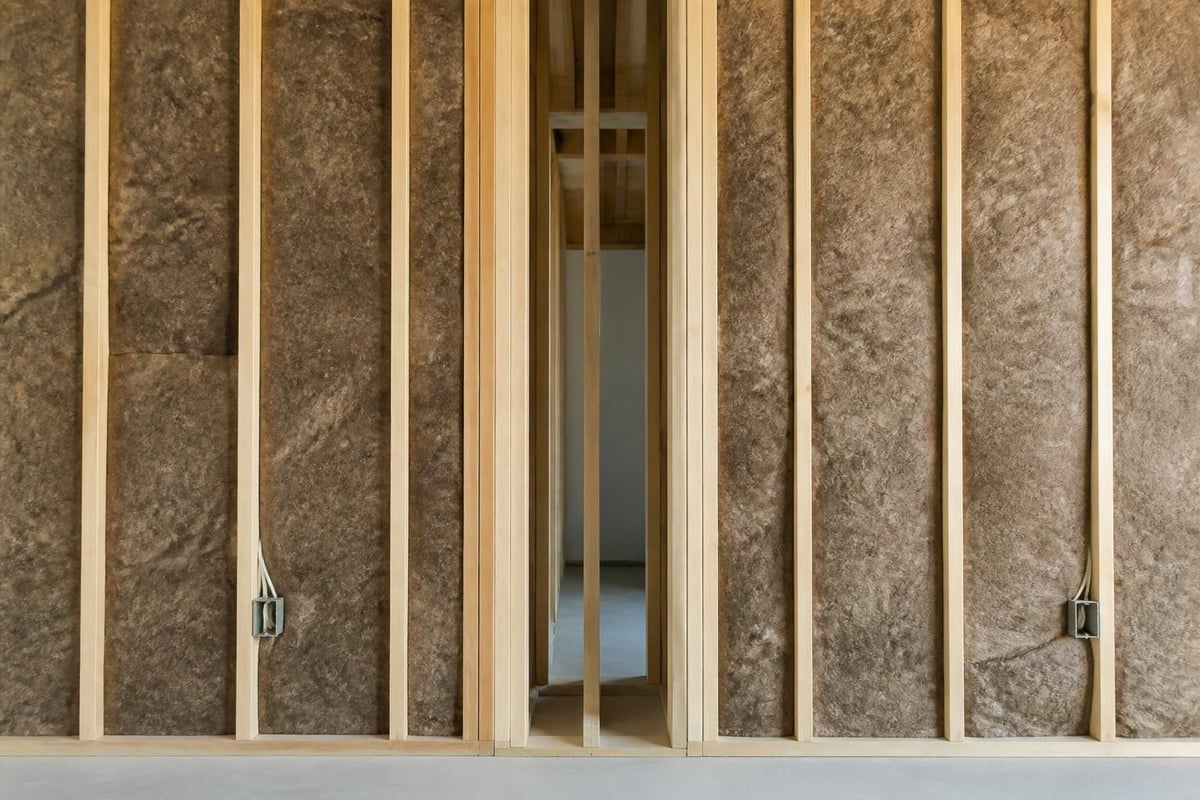
Complete Cavity Filling
Sound waves will find and exploit any gaps in your insulation coverage. Unlike thermal insulation where small gaps might reduce efficiency by 10-15%, acoustic gaps can reduce sound performance by 50% or more.
Installation best practices include:
- Cut batts slightly oversized to ensure friction fit
- Fill the entire cavity depth without compression
- Maintain consistent coverage around electrical boxes
- Seal penetrations and service routes
- Avoid leaving voids at top and bottom plates
The insulation should fit snugly between studs without being compressed, as compression reduces the air space within the material that's essential for sound absorption. If batts are too compressed, they lose their ability to trap and dissipate sound energy effectively.
Avoiding Common Installation Mistakes
Many DIY installers focus solely on thermal performance and overlook acoustic requirements. For wall insulation sound control, attention to detail makes the difference between disappointing results and genuinely quiet rooms.
- Don't leave gaps: Even small gaps allow sound to bypass insulation entirely
- Don't compress batts: Over-stuffing reduces both thermal and acoustic performance
- Don't ignore services: Electrical cables and pipes create sound transmission paths
- Don't skip sealing: Acoustic caulk around outlets and switches prevents sound leaks
- Don't forget offset joints: Stagger plasterboard joints on opposite wall faces
Double Stud Wall Construction
For ultimate wall insulation sound performance, consider double stud wall construction. This approach uses two separate stud frames with a gap between them, breaking the direct transmission path for sound vibrations.
Each frame is insulated independently, and the air gap between provides additional acoustic isolation. This technique is commonly used in recording studios, home theatres, and party walls where maximum sound reduction justifies the additional cost and floor space.
Measuring and Understanding Sound Performance
Understanding how sound performance is measured helps you set realistic expectations and choose appropriate products for your noise reduction goals. Australian standards provide clear testing methods for acoustic performance, giving you comparable data across different insulation products.
Sound Transmission Class (STC) Ratings
STC ratings provide a single number representing how much sound a wall assembly blocks. Higher numbers indicate better sound blocking performance. The rating system accounts for sounds in the frequency range of typical speech and everyday household noise.
STC ratings and perceived performance:
| STC Rating | Performance Level | What You'll Hear |
|---|---|---|
| 25-30 | Poor | Normal speech easily understood |
| 30-35 | Fair | Loud speech understood, normal speech heard |
| 35-40 | Good | Loud speech heard but not understood |
| 40-45 | Very Good | Loud speech only faintly heard |
| 45-50 | Excellent | Loud sounds barely audible |
| 50+ | Superior | Most sounds imperceptible |
A standard uninsulated timber frame wall with plasterboard on both sides typically achieves an STC of around 33. Adding quality acoustic wall insulation can increase this to STC 45-50, representing a dramatic improvement in noise reduction.
Rw Ratings in Australian Standards
The Weighted Sound Reduction Index (Rw) is the Australian and international standard for measuring airborne sound insulation. It's similar to STC but uses slightly different testing protocols aligned with Australian building codes.
Building Code of Australia requirements vary by dwelling type and location. Apartments and townhouses typically require minimum Rw 50 for party walls, while detached homes have no mandated minimums for internal walls, though Rw 35-40 is recommended for bedrooms and living spaces.
Real-World Performance Expectations
Laboratory test results represent ideal conditions with perfect installation and sealed assemblies. Real-world wall insulation sound performance often sits 3-5 points below laboratory ratings due to installation variables, service penetrations, and construction tolerances.
Setting realistic expectations helps avoid disappointment. Even excellent acoustic insulation won't create perfectly silent rooms if doors have large gaps, windows are single-glazed, or ducted heating vents create acoustic bridges between spaces.
Room-by-Room Acoustic Planning
Different rooms have different acoustic priorities, and understanding these needs helps you allocate your budget effectively while achieving the best overall comfort throughout your home.
Bedrooms and Quiet Spaces
Bedrooms benefit enormously from enhanced wall insulation sound control, particularly walls facing streets, neighbouring properties, or noisy internal spaces like living rooms and kitchens. Quality sleep requires minimal noise intrusion, making acoustic investment in bedroom walls highly worthwhile.
For bedrooms, target Rw 40-45 on walls facing external noise sources and Rw 38-42 on internal walls between bedrooms and living areas. This provides genuine noise reduction without requiring expensive specialised treatments.
Bedroom acoustic priorities:
- Walls facing streets or neighbours (highest priority)
- Walls between bedrooms and living/media rooms
- Walls between bedrooms and bathrooms
- Walls between bedrooms and hallways (lower priority)
Home Offices and Study Areas
With more Australians working from home in 2026, home office acoustic treatment has become increasingly important. Video calls, concentration work, and privacy all benefit from reduced sound transmission through walls.
Home offices should prioritise walls facing active household areas. If your office shares a wall with the kitchen, living room, or children's play area, investing in higher-density insulation significantly improves your working environment and reduces distractions during important calls or focused work.
Living Areas and Entertainment Spaces
Living rooms, media rooms, and home theatres generate significant sound that can disturb other household members or neighbours. Treating these spaces at the source prevents noise complaints and improves acoustic comfort throughout your home.
For dedicated home theatres or media rooms, consider high-density acoustic batts in all walls and ceilings. Combine this with appropriate wall construction techniques and acoustic doors to create genuinely isolated spaces where you can enjoy movies and music at proper volumes without disturbing others.
Bathrooms and Wet Areas
Bathrooms create unique acoustic challenges due to plumbing noise, ventilation fans, and hard reflective surfaces. Wall insulation sound treatment in bathrooms focuses on reducing both airborne noise (voices, running water) and impact noise (pipes, fixtures).
Install quality insulation in walls between bathrooms and quiet spaces like bedrooms. Pay particular attention to sealing around plumbing penetrations, as these create direct sound transmission paths that bypass insulation entirely.
Wall Construction Methods and Acoustic Performance
The overall wall assembly determines final acoustic performance more than insulation alone. Understanding how different construction methods interact with insulation helps you achieve optimal wall insulation sound reduction.
Timber Frame Walls
Standard timber frame construction with 90mm studs provides adequate space for effective acoustic insulation. Using higher-density batts in the 22-32 kg/m³ range transforms basic wall assemblies into effective sound barriers.
For enhanced performance without completely rebuilding walls, consider these upgrades:
- Add resilient channels between studs and plasterboard
- Use two layers of plasterboard with staggered joints
- Apply acoustic sealant at all joints and penetrations
- Install acoustic door seals and sweeps
- Use solid core doors instead of hollow core
Resilient channels mechanically decouple the plasterboard from studs, preventing vibrations from travelling directly through the frame. This relatively inexpensive upgrade can improve STC ratings by 5-8 points when combined with quality insulation.
Masonry and Brick Walls
Brick and concrete walls naturally provide good acoustic mass, but they still benefit from acoustic treatment, particularly in cavity wall construction. Cavity walls without insulation allow sound to reflect and amplify within the air space, sometimes performing worse than insulated cavities.
Adding cavity wall insulation fills this resonant space and dramatically improves sound absorption. Specialised cavity wall batts designed for partial fill installation work particularly well, maintaining the necessary air gap for moisture management while providing acoustic benefits.
Metal Frame Construction
Steel stud walls require careful attention to acoustic detailing because metal conducts sound vibrations more readily than timber. The solution involves breaking the acoustic bridge between plasterboard sheets on opposite wall faces.
Metal frame acoustic strategies:
- Use staggered stud configuration (studs don't align on opposite sides)
- Install resilient furring channels perpendicular to studs
- Pack cavities fully with higher-density insulation
- Use acoustic damping pads at stud bases
- Seal all penetrations with acoustic caulk
These techniques prevent the metal frame from becoming a sound transmission highway, ensuring your wall insulation sound performance isn't compromised by the structural system.
Combining Thermal and Acoustic Performance
Many homeowners need both thermal efficiency and noise reduction from their wall insulation. Fortunately, these goals often align, though optimising for acoustics sometimes requires different product selection than thermal-focused applications.
Understanding the Relationship
Thermal resistance (R-value) and acoustic performance don't correlate directly. A high R-value batt isn't automatically better for sound control. Acoustic performance depends primarily on density, while thermal performance relates to trapped air space and thickness.
However, quality wall insulation products are available that deliver both excellent thermal resistance and strong acoustic performance. Higher-density glasswool batts rated R2.5 to R4.0 typically provide very good results for both applications in Melbourne's climate.
Product Selection Strategy
When selecting insulation for dual thermal and acoustic performance, prioritise products specifically marketed as acoustic or sound control variants. These typically feature:
- Density above 20 kg/m³
- Appropriate thickness for your climate zone
- R-values suitable for Victorian building requirements
- Proven acoustic testing data (Rw ratings)
For Melbourne renovators, products in the R2.5-R4.0 range with densities around 22-28 kg/m³ represent the sweet spot for combined performance. These provide the thermal resistance needed for Victoria's varied climate while delivering meaningful noise reduction.
Climate Zone Considerations
Victoria spans multiple climate zones, with Melbourne falling primarily into Zone 6 (mild temperate). Minimum R-value requirements for walls in Zone 6 are relatively modest (R1.5-R2.0), but higher values improve comfort and energy efficiency.
For wall insulation sound and thermal performance, consider installing R2.5-R4.0 batts even when minimum requirements are lower. The additional cost is minimal, and the benefits in both acoustic comfort and energy savings justify the upgrade for most homeowners.
Cost Considerations and Budget Planning
Acoustic wall insulation represents a worthwhile investment in home comfort, but costs vary significantly based on product choice, wall area, and installation complexity. Understanding the financial aspects helps you plan effectively and prioritise where acoustic treatment delivers maximum value.
Material Costs by Performance Level
Acoustic insulation costs more per square metre than basic thermal batts due to higher density and specialised manufacturing. However, the price difference is moderate compared to the acoustic improvement achieved.
| Product Category | Approximate Cost/m² | Acoustic Performance | Best Value Application |
|---|---|---|---|
| Standard Thermal Batts | $8-$12 | Basic | Low-priority walls, budget projects |
| Mid-Range Acoustic | $12-$18 | Good to Very Good | Bedrooms, offices, general walls |
| Premium Acoustic | $18-$28 | Excellent | Party walls, home theatres, critical spaces |
| Specialised Studio Grade | $30-$45 | Superior | Professional studios, extreme noise |
These figures represent material costs only. Professional installation typically adds $15-$30 per square metre depending on wall complexity and project scope.
DIY vs Professional Installation
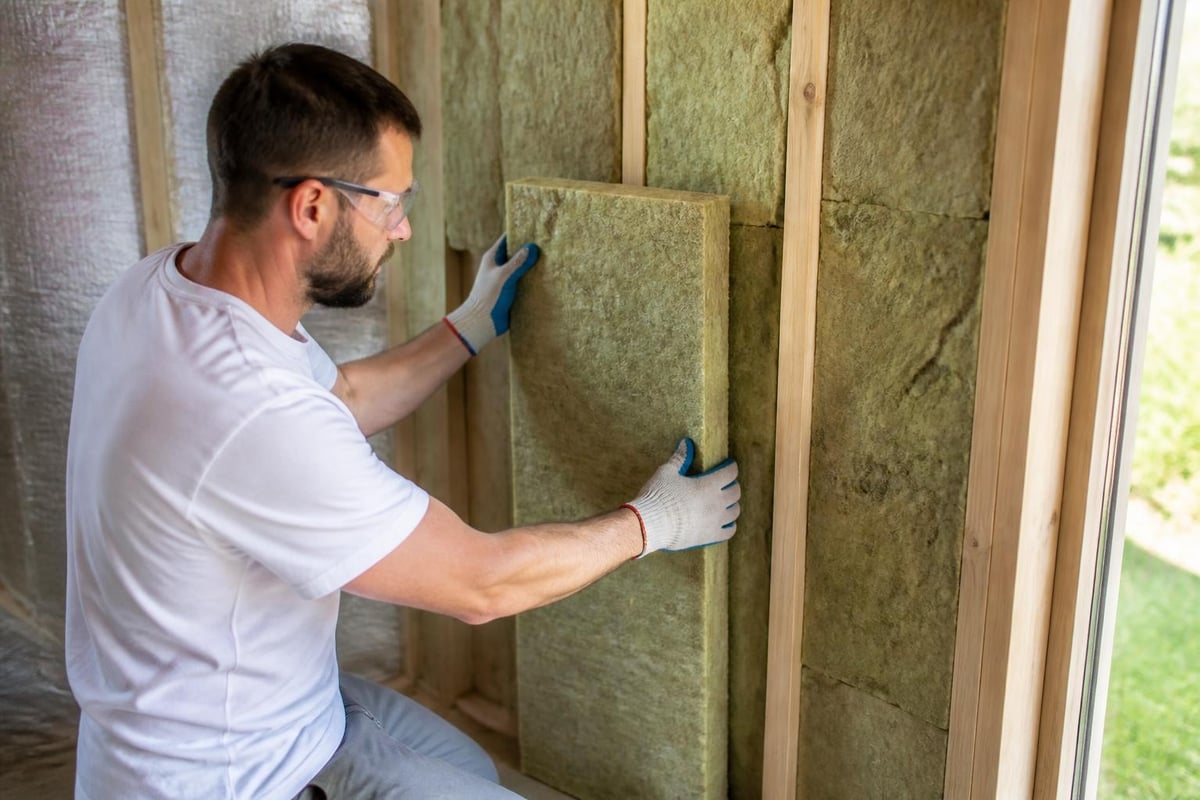
Competent DIY installers can achieve good results with acoustic insulation, particularly in straightforward wall cavities without complex services. The money saved on labour can be redirected toward higher-quality materials or treating additional walls.
However, professional installation ensures optimal coverage, proper cutting around obstacles, and attention to acoustic details like sealing and avoiding compression. For critical applications like party walls or home theatres, professional installation justifies the additional cost through superior performance.
Prioritising Your Acoustic Investment
Most homes can't justify premium acoustic treatment in every wall. Strategic prioritisation delivers better overall results than spreading limited budget too thinly across all walls.
High-priority walls for acoustic treatment:
- Party walls in townhouses and apartments
- Bedroom walls facing streets or neighbours
- Walls between bedrooms and living areas
- Home office walls facing active household spaces
- Media room or home theatre enclosures
Lower-priority walls:
- Internal walls between storage and circulation spaces
- Garage walls facing away from neighbours
- Walls in low-use rooms
- Walls already isolated by distance or other barriers
Acoustic Upgrades for Existing Homes
Many Melbourne homeowners want to improve wall insulation sound performance without completely gutting and rebuilding walls. Several strategies can achieve meaningful acoustic improvements in existing homes, though they're less effective than purpose-built acoustic construction.
Adding Insulation to Empty Wall Cavities
If your home has empty wall cavities (common in older Melbourne properties), retrofitting insulation provides both thermal and acoustic benefits. This typically involves removing small sections of plasterboard, installing insulation, and patching, or using blown-in insulation techniques.
Blown-in cellulose or glasswool can be installed through small holes drilled in plasterboard, avoiding major wall reconstruction. While not quite as effective as properly installed batts, blown insulation significantly improves both thermal and acoustic performance in previously uninsulated walls.
Surface-Applied Acoustic Solutions
When opening walls isn't practical, surface treatments can supplement existing wall insulation sound performance. These include:
- Additional plasterboard layers with acoustic compound between
- Acoustic plasterboard products with enhanced mass
- Acoustic panels or fabric-wrapped absorbers for specific reflections
- Heavy vinyl sound barriers applied to wall surfaces
These surface treatments work best when combined with at least basic cavity insulation. Applying mass to wall surfaces without addressing cavity treatment provides limited improvement.
Door and Window Upgrades
Poor acoustic performance often relates more to doors and windows than wall insulation. A wall achieving STC 45 performance loses most of its acoustic benefit if doors have 10mm gaps underneath or windows are poorly sealed.
Complementary acoustic upgrades:
- Replace hollow core doors with solid core
- Install acoustic door seals and automatic door sweeps
- Upgrade to double-glazed windows with different pane thicknesses
- Seal gaps around window and door frames with acoustic caulk
- Add weatherstripping to all external doors and windows
These relatively affordable upgrades often deliver better perceived acoustic improvement than incremental insulation upgrades, particularly in homes with existing basic insulation.
Common Acoustic Problems and Solutions
Understanding typical acoustic issues in Melbourne homes helps diagnose problems and select appropriate wall insulation sound solutions. Different noise problems require different approaches, and identifying the source and type of noise guides effective treatment.
Low-Frequency Noise Transmission
Bass frequencies from home theatres, music systems, or traffic pass through walls more easily than higher frequencies. Standard insulation provides less attenuation at low frequencies, requiring additional treatment strategies.
For low-frequency control, mass matters more than absorption. Combine higher-density insulation with increased wall mass (multiple plasterboard layers), resilient mounting systems, and if possible, decoupled wall construction. Even with optimal treatment, expect less attenuation of very low frequencies compared to mid and high frequencies.
Impact Noise Through Party Walls
Impact noise from neighbours' footsteps, furniture movement, or closing doors creates vibrations that travel through the building structure. Wall insulation alone provides limited benefit against impact noise, which requires structural isolation.
Solutions include:
- Resilient channel mounting systems
- Decoupled wall construction where feasible
- Acoustic underlays on floors above
- Anti-vibration mounts for shared walls
- Damping compounds between plasterboard layers
Combining wall cavity insulation with structural isolation techniques delivers the best results for impact noise problems in townhouses and apartments.
Voice Privacy and Speech Intelligibility
Conversations heard through walls create privacy concerns and distraction. Wall insulation sound treatment specifically targeting speech frequencies requires appropriate product density and complete cavity filling.
Speech frequencies fall primarily in the 500-4000 Hz range, where quality acoustic insulation performs well. Achieving genuine voice privacy (conversations unintelligible) typically requires STC 45 or higher, combining appropriate insulation with well-sealed, properly constructed walls.
External Noise Intrusion
Traffic, aircraft, and neighbourhood noise entering through external walls requires integrated treatment of walls, windows, and roof spaces. While wall insulation sound performance is important, windows often dominate external noise transmission.
Treat external walls with quality acoustic insulation, but prioritise window upgrades for maximum impact. Double glazing with appropriate air gaps (100-150mm) combined with insulated walls creates effective barriers against external noise sources affecting many Melbourne homes.
Effective wall insulation sound control transforms homes into peaceful, comfortable sanctuaries where noise doesn't dictate your lifestyle or disturb your rest. By understanding acoustic principles, selecting appropriate materials, and ensuring quality installation, you can dramatically reduce unwanted noise transfer between rooms and from external sources. Whether you're renovating a bedroom, building a home theatre, or improving privacy in a townhouse, the right acoustic insulation makes a genuine difference to daily comfort. Insulation Supplies Australia offers a comprehensive range of acoustic and thermal insulation products backed by expert advice to help you choose the perfect solution for your noise reduction project, with fast delivery across Victoria and convenient online ordering that makes upgrading your home's acoustic performance simple and stress-free.