

Wall insulation is one of the most effective ways to improve your home's energy efficiency, reduce heating and cooling costs, and create a more comfortable living environment all year round. In Melbourne's variable climate, properly insulated walls can make a significant difference to indoor comfort during cold winters and hot summers. Whether you're building a new home, renovating an older property, or simply looking to upgrade your insulation, understanding the different types of wall insulation and how they work will help you make the right choice for your project.
Why Wall Insulation Matters for Melbourne Homes
Melbourne's weather can be unpredictable, with cold mornings, hot afternoons, and everything in between. Without adequate wall insulation, your home constantly loses heat in winter and gains unwanted heat in summer, forcing your heating and cooling systems to work harder and cost you more money.
Wall insulation creates a thermal barrier that slows down heat transfer through your walls. In winter, it keeps warm air inside where you need it. In summer, it blocks external heat from penetrating your living spaces. This simple principle translates into real benefits:
- Lower energy bills throughout the year
- More consistent indoor temperatures
- Reduced reliance on heating and cooling systems
- Improved acoustic comfort by blocking external noise
- Enhanced property value and appeal
Beyond comfort and cost savings, wall insulation also contributes to a healthier home environment. By reducing condensation and moisture build-up within wall cavities, quality insulation helps prevent mould growth and improves indoor air quality.
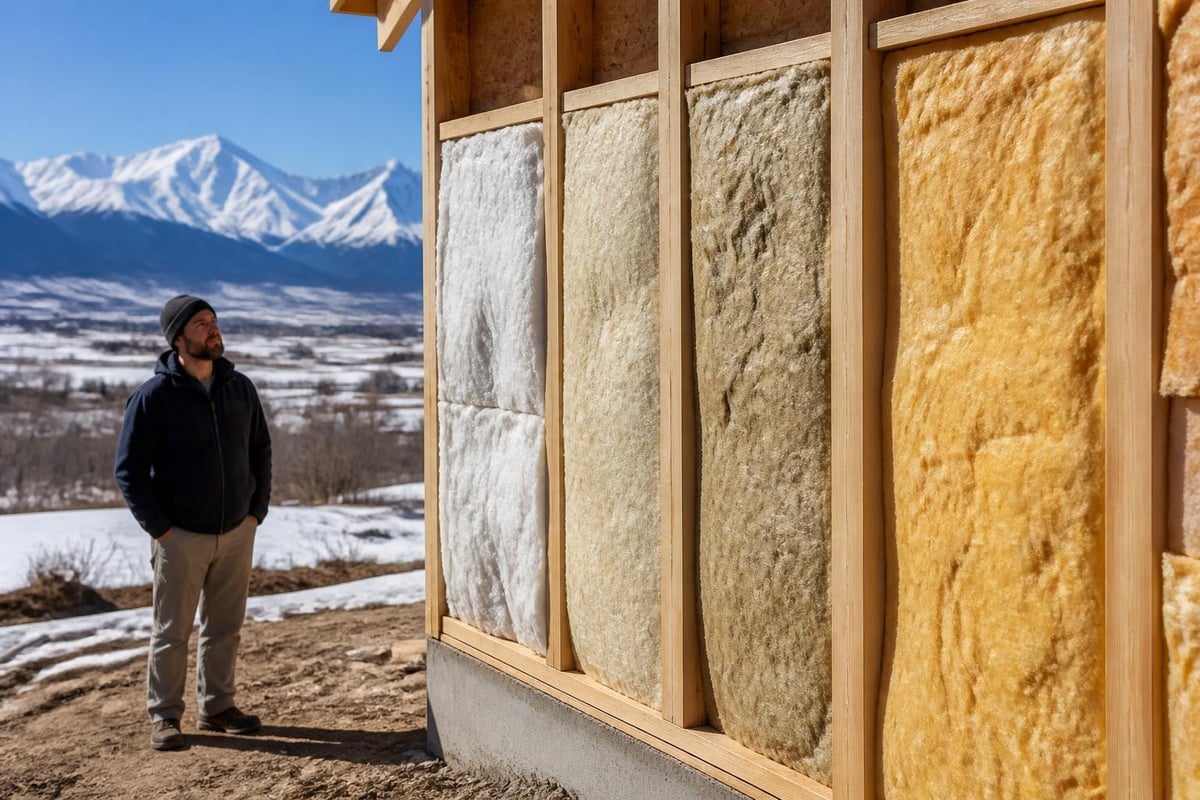
Types of Wall Insulation Available in Australia
Choosing the right wall insulation depends on your wall construction, budget, performance requirements, and whether you're building new or retrofitting existing walls. Each insulation type offers different advantages.
Glasswool Batts and Blankets
Glasswool insulation is one of the most popular choices for wall cavities in Australian homes. Made from recycled glass and sand, modern glasswool products like those manufactured with ECOSE® Technology are soft to handle, low in dust, and provide excellent thermal and acoustic performance.
Key benefits include:
- Wide range of R-values to suit different wall thicknesses
- Fire-resistant properties
- Good acoustic insulation for noise reduction
- Cost-effective for most residential applications
- Easy to cut and fit around obstacles
Glasswool batts are available in standard widths designed to fit between timber or steel studs, making installation straightforward for DIY renovators and professional builders alike.
Polyester Batts
Polyester insulation batts are manufactured from recycled plastic bottles, making them an environmentally friendly choice. They're non-irritating to skin, contain no nasty fibres, and maintain their performance even in damp conditions.
These batts work particularly well in coastal areas where moisture management is important. They won't sag over time, resist mould and mildew growth, and provide reliable thermal performance throughout their lifetime.
Rockwool (Stone Wool)
Rockwool insulation is made from volcanic rock and offers exceptional fire resistance alongside strong thermal and acoustic properties. While slightly more expensive than glasswool, rockwool batts are valued in situations where fire safety is a priority.
The dense structure of rockwool also makes it highly effective at blocking sound transmission, making it ideal for party walls between townhouses or rooms where noise control matters.
Cavity Wall Insulation
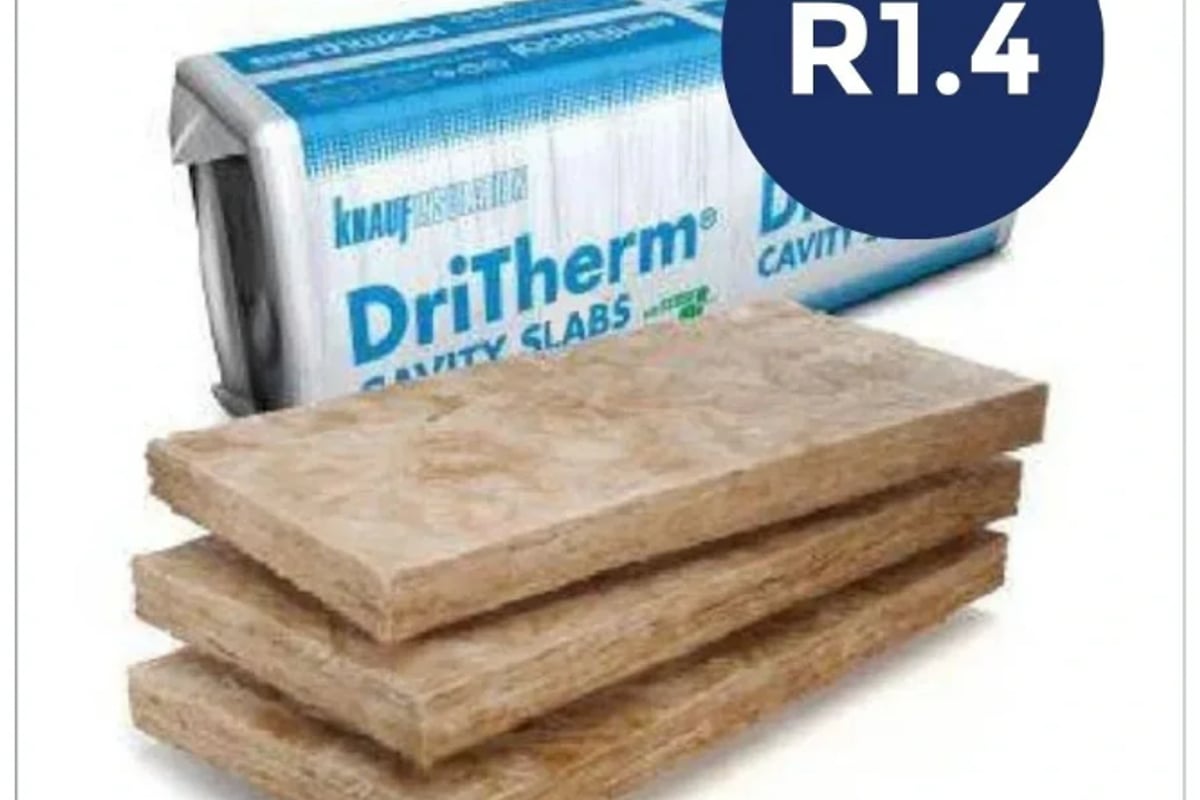
For double-brick or cavity wall construction, specialized cavity wall insulation products like the Knauf DriTherm Cavity Slab R1.4 50 x 600 x 1100mm are designed to fit within the gap between inner and outer brick leaves. These water-repellent slabs provide thermal efficiency while allowing moisture to escape, preventing damp issues that can occur in cavity walls.
Reflective Foil Insulation
Reflective foil insulation works differently to bulk insulation materials. Rather than slowing heat transfer through thickness, it reflects radiant heat away from living spaces. Foil is often combined with bulk insulation for enhanced performance, particularly in roof spaces and walls facing direct sun exposure.
Understanding R-Values for Wall Insulation
The R-value measures how well insulation resists heat flow. The higher the R-value, the better the insulation performance. For wall insulation in Victoria, the National Construction Code (NCC) sets minimum R-value requirements based on climate zone.
Melbourne falls within climate zone 6, which requires:
| Wall Type | Minimum R-Value |
|---|---|
| External walls (brick veneer) | R1.5 - R2.0 |
| External walls (weatherboard) | R1.5 - R2.0 |
| Timber frame walls | R2.0 - R2.5 |
These are minimum requirements. Installing higher R-value wall insulation delivers better energy efficiency and comfort. Many homeowners and builders now choose R2.5 or R3.0 for wall applications to future-proof their homes and maximize savings.
Factors that influence R-value selection:
- Wall thickness and cavity depth
- Budget and performance goals
- Climate and local weather patterns
- Whether building new or retrofitting
- Combined thermal mass of wall construction
Remember that the R-value tells you about the insulation material itself, but total wall system performance also depends on proper installation, air sealing, and the presence of thermal bridges.
Installing Wall Insulation: New Construction vs Retrofit
The installation approach for wall insulation differs significantly depending on whether you're working with new construction or retrofitting existing walls.
New Construction Installation
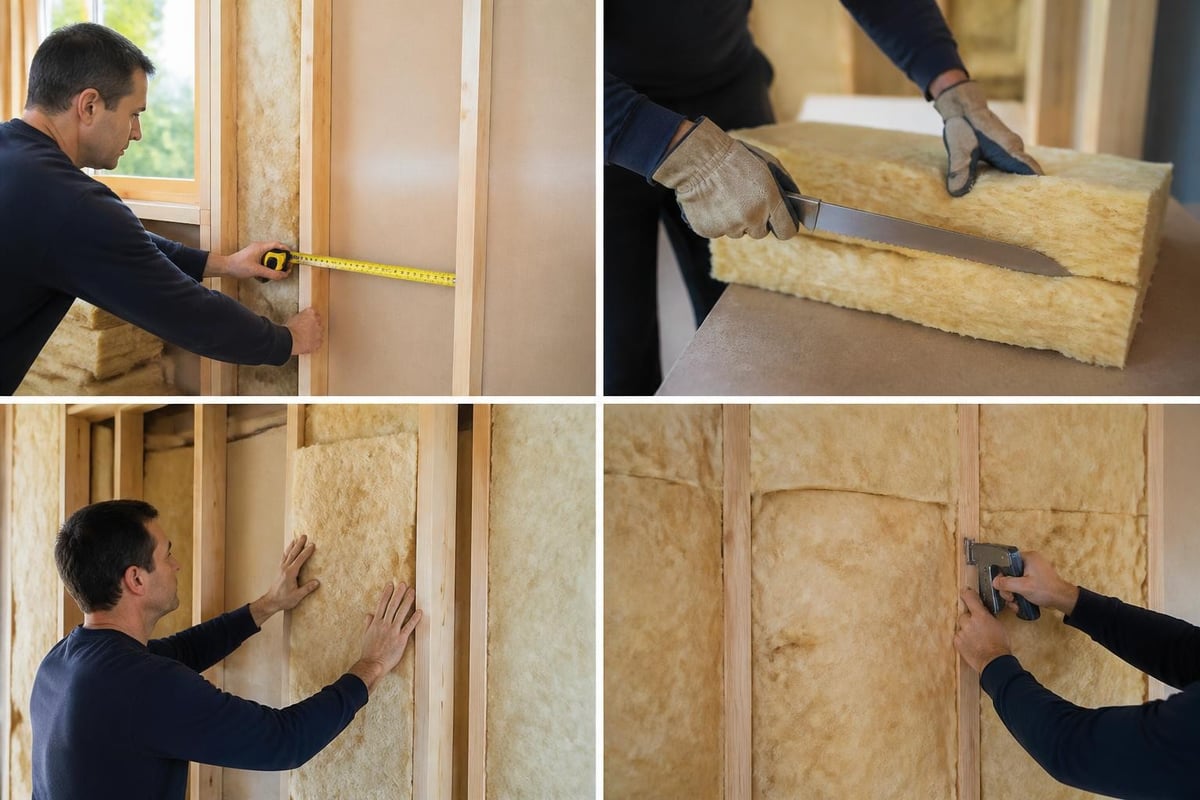
Installing wall insulation during new construction is straightforward. Once the wall frame is erected and exterior cladding is in place, batts can be fitted between studs before the internal lining (plasterboard) goes up.
Installation steps:
- Measure stud spacing to confirm batt width requirements
- Cut batts to length if needed (ceiling height plus 20mm)
- Press batts firmly into place between studs
- Ensure batts fill the entire cavity without compression
- Cut around electrical outlets and switches
- Fit snugly around window and door frames
- Install vapour barriers if required by your climate zone
This method allows you to achieve complete coverage and optimal performance because you have full access to wall cavities.
Retrofitting Existing Walls
Adding insulation to existing walls presents more challenges. Several methods exist:
Blow-in insulation involves drilling small holes in walls and using specialized equipment to blow loose-fill insulation into cavities. This works for enclosed wall spaces but requires professional installation.
Injection foam can be pumped into wall cavities through small access holes, expanding to fill gaps. Again, this typically requires professional contractors.
Interior wall removal gives complete access to cavities but involves significant renovation work, including removing plasterboard, installing batts, and re-sheeting walls.
For many retrofit projects, the most practical approach focuses on walls being opened for other renovations. If you're already upgrading electrical, plumbing, or making structural changes, that's the ideal time to add or upgrade wall insulation.
Combining Wall Insulation with Other Building Elements
Wall insulation works best as part of a complete building envelope strategy. To maximize performance and avoid problems, consider how insulation interacts with other components.
Wall Wraps and Moisture Barriers
Breathable wall wraps installed behind external cladding protect wall cavities from wind and moisture while allowing water vapour to escape. This prevents condensation build-up that can reduce insulation performance and cause mould issues.
Products like the Drystud Wall Wrap create a secondary weather barrier without trapping moisture inside walls. When combined with quality wall insulation, this creates a durable and high-performing wall system.
Air Sealing and Thermal Bridges
Even the best insulation underperforms if air can leak through gaps and cracks. Before installing wall insulation, seal penetrations around pipes, cables, and services. After installing batts, ensure plasterboard joints are properly sealed and gaps around windows and doors are filled with appropriate sealers.
Thermal bridges occur where building elements bypass insulation, creating paths for heat transfer. Common thermal bridges include:
- Steel or timber studs running through insulated cavities
- Concrete lintels above windows and doors
- Floor slabs connecting to external walls
- Uninsulated sections around fixings and brackets
While you can't eliminate all thermal bridges, awareness helps you minimize their impact through careful design and installation practices.
Wall Insulation for Different Wall Types
Australian homes use various wall construction methods, each requiring specific insulation approaches.
| Wall Construction | Insulation Method | Typical R-Value Range |
|---|---|---|
| Brick veneer with timber frame | Batts between studs | R2.0 - R3.0 |
| Double brick with cavity | Cavity slabs | R1.4 - R2.0 |
| Weatherboard with timber frame | Batts between studs | R2.0 - R3.0 |
| Rendered lightweight frame | Batts between studs | R2.5 - R3.5 |
| Steel frame construction | Batts between studs | R2.0 - R2.5 |
Brick Veneer Walls
The most common wall type in Australian residential construction, brick veneer consists of an external brick layer, a cavity, and an internal timber frame wall. Wall insulation is installed between the timber studs of the internal frame, typically using batts sized to match stud spacing.
The cavity between brick and frame should remain clear to allow drainage and ventilation. Never pack insulation into this cavity, as it can transfer moisture from the external brick to the frame and internal walls.
Double Brick Cavity Walls
Older homes and some commercial buildings feature double brick construction with a cavity between two brick leaves. These cavities can be partially filled with water-repellent cavity wall insulation specifically designed for this purpose.
Full cavity fill is generally not recommended in high exposure areas due to moisture transfer risks. Partial fill insulation products maintain a drainage gap while still improving thermal performance.
Lightweight Clad Walls
Weatherboard, fibre cement, and similar cladding systems are fixed to timber or steel frames with wall insulation installed between studs. These walls benefit from breathable wall wraps behind the cladding to manage moisture and wind.
Because lightweight cladding provides minimal thermal mass, quality insulation becomes even more important for maintaining comfortable indoor temperatures.
Acoustic Benefits of Wall Insulation
Beyond thermal performance, wall insulation significantly improves acoustic comfort by reducing noise transmission through walls. This matters for:
- Bedrooms and living areas facing busy streets
- Party walls in townhouses and duplexes
- Home offices and study spaces
- Media rooms and entertainment areas
Sound absorption improves with:
- Higher density insulation materials
- Thicker insulation batts
- Complete cavity filling without gaps
- Proper sealing of penetrations and edges
For situations where acoustic performance is critical, products like the Earthwool Sound Shield R4.0 deliver exceptional noise reduction alongside excellent thermal performance. These higher-density batts are specifically engineered to absorb sound energy and reduce sound transmission between rooms or from external sources.
Common Wall Insulation Mistakes to Avoid
Even quality insulation underperforms when incorrectly installed. Watch out for these common errors:
Compression reduces insulation effectiveness. Batts should fill cavities without being squashed or overly compressed. If your wall cavity is 90mm deep, use 90mm batts, not 140mm batts compressed to fit.
Gaps and voids around batts allow air movement and heat transfer. Cut batts neatly to fit around obstacles, and ensure they sit firmly against studs, top plates, and bottom plates.
Covering electrical fixtures creates fire hazards. Maintain clearances around recessed lights, junction boxes, and heat-generating electrical equipment.
Moisture exposure during construction can reduce performance. Keep insulation dry during storage and installation, and protect open wall cavities from rain.
Ignoring vapour barriers in climate zones where required allows moisture to penetrate insulation and wall structures. Follow NCC requirements and manufacturer recommendations.
Cost Considerations and Return on Investment
Wall insulation represents a significant upfront investment, but the long-term returns make it worthwhile for most homes.
Typical costs include:
- Materials: Insulation batts, adhesives, protective gear
- Labour: DIY time or professional installation fees
- Supplementary items: Wall wraps, sealants, vapour barriers
For new construction, the incremental cost of quality wall insulation is relatively modest compared to total building costs. Retrofitting existing walls costs more due to access challenges and potential renovation work required.
Expected savings and benefits:
- Energy bill reductions of 20-40% depending on existing insulation levels
- Improved comfort reducing reliance on heating and cooling
- Enhanced resale value for energy-efficient homes
- Reduced carbon footprint and environmental impact
- Better acoustic privacy and noise control
Most homeowners recover their wall insulation investment through energy savings within 5-10 years, after which savings continue accumulating for decades.
Choosing the Right Wall Insulation Product
With numerous products available, selecting the right wall insulation requires consideration of several factors:
Match Insulation to Wall Construction
Your wall type determines what insulation products will fit and perform properly. Measure your wall cavity depth and stud spacing before ordering materials. Standard residential wall frames accommodate 90mm or 140mm batts, while cavity walls require specialized cavity slabs.
Select Appropriate R-Value
Higher R-values deliver better performance but cost more and require thicker materials. Balance performance goals against budget and physical constraints. For Melbourne homes, R2.5 wall insulation offers excellent performance without excessive cost.
Consider Health and Environmental Factors
Modern insulation products like those manufactured with ECOSE® Technology minimize formaldehyde and other chemicals while maximizing recycled content. These products are gentler to handle and better for indoor air quality.
Factor in Acoustic Requirements
If noise control matters, prioritize higher-density acoustic insulation products. The extra investment pays dividends in comfort and liveability, especially in urban areas or multi-residential buildings.
Account for Installation Method
Some insulation products are easier to handle and install than others. If you're tackling installation yourself, choose batts that are friction-fit, easy to cut, and don't require extensive protective equipment.
Maintenance and Long-Term Performance
Quality wall insulation requires minimal maintenance once properly installed. However, certain situations warrant inspection and potential replacement:
Water damage from leaks or flooding can compromise insulation performance. If walls get wet, address the moisture source immediately and inspect insulation for damage. Glasswool that has been soaked may need replacement, while polyester batts typically withstand moisture better.
Pest problems rarely affect modern insulation products directly, but rodents or termites can disturb insulation while creating nests or galleries. If you discover pest activity in walls, have insulation inspected after pest treatment.
Renovation work often exposes wall cavities. This provides an opportunity to check insulation condition and upgrade to higher R-values if original installation was minimal.
Settlement or compression shouldn't occur with properly installed batts, but it's worth checking if you notice unexpected changes in energy bills or comfort levels.
Well-installed wall insulation maintains its performance for the life of the building in most cases. Unlike some building materials that degrade over time, quality insulation batts don't break down, settle significantly, or lose their insulating properties.
Getting Started with Your Wall Insulation Project
Whether you're building new or renovating, a systematic approach ensures successful wall insulation installation:
- Assess your needs by identifying which walls need insulation and what performance level you're targeting
- Measure carefully to determine the quantity of insulation required and confirm cavity dimensions
- Choose products that match your wall construction, R-value requirements, and budget
- Prepare the worksite with proper access, safety equipment, and weather protection
- Install methodically working section by section to ensure complete coverage
- Inspect your work checking for gaps, compression, or installation errors
- Complete the wall system with proper air sealing and interior finishing
For DIY installations, take your time and prioritize quality over speed. Properly installed insulation lasts for decades, so it's worth getting it right the first time.
Wall insulation transforms home comfort, reduces energy costs, and delivers lasting value through improved efficiency and acoustic performance. Whether you're tackling a new build or upgrading existing walls, choosing quality materials and ensuring proper installation are key to maximizing benefits. Insulation Supplies Australia makes it easy to find the right wall insulation products for your project, with expert advice, competitive pricing, and fast delivery across Victoria. Browse the full range online today and start building a more comfortable, energy-efficient home.