

If you've ever walked across cold floors in winter or felt draughts sneaking through gaps under your home, underfloor insulation batts might be the solution you need. These purpose-designed insulation products fit neatly between floor joists in suspended timber floor systems, creating a thermal barrier that keeps your home warmer, quieter, and more energy-efficient. Whether you're renovating an older property, building a new extension, or simply looking to improve comfort and reduce heating bills, understanding how underfloor insulation batts work will help you make the right choice for your home.
What Are Underfloor Insulation Batts
Underfloor insulation batts are flexible, pre-cut insulation panels designed specifically for installation beneath suspended timber floors. Unlike ceiling or wall batts, these products are engineered to fit the unique dimensions and requirements of floor joist cavities.
Most underfloor batts are made from glasswool or polyester fibres. They come in standard widths that match common joist spacings, typically 420mm or 600mm wide, making installation straightforward and efficient.
The key difference between underfloor batts and other insulation types lies in their installation method. Instead of sitting on top of a surface or being friction-fitted between studs, underfloor insulation batts are usually supported from below using wire, netting, or specialised clips.
How They Reduce Heat Loss
Heat naturally moves from warm areas to cold areas. In homes with suspended floors, significant heat loss occurs through the floor space, especially when there's nothing between your living area and the cold air underneath.
Underfloor insulation batts address this problem by:
- Creating a thermal barrier that slows heat transfer
- Reducing convective heat loss through air movement
- Blocking cold draughts that enter through floor gaps
- Maintaining more stable indoor temperatures
Research shows that uninsulated suspended floors can account for up to 20% of total heat loss in Victorian homes. Installing quality underfloor insulation batts can dramatically reduce this figure.
Choosing the Right R-Value
The R-value measures thermal resistance, telling you how effectively insulation resists heat flow. Higher R-values mean better insulation performance and greater energy savings.
For underfloor applications in Victoria, R2.0 to R2.5 represents the minimum recommended thermal performance. However, many homeowners choose higher R-values for maximum comfort and efficiency.
| R-Value | Batt Thickness | Best For | Annual Savings* |
|---|---|---|---|
| R2.0 | 75-80mm | Mild climates, budget projects | $150-$250 |
| R2.5 | 90-100mm | Most Victorian homes | $200-$350 |
| R3.0 | 110-120mm | Cold regions, high performance | $250-$400 |
*Estimated based on typical 100m² floor area
Climate Considerations
Victoria's diverse climate zones require different approaches. Melbourne's temperate climate suits R2.5 underfloor insulation batts for most applications, while properties in the High Country or alpine regions benefit from R3.0 or higher.
Consider your heating costs when selecting R-values. Homes with higher energy bills typically see faster payback periods from investing in higher-performance insulation.
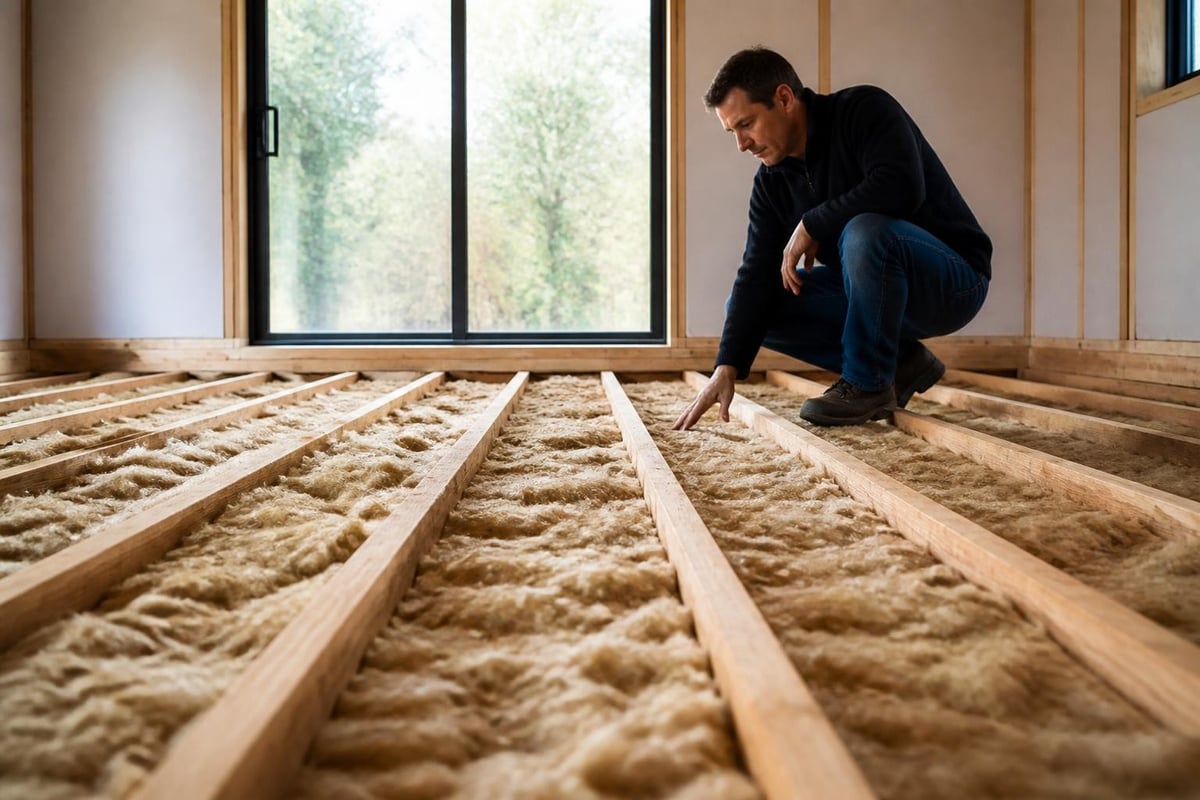
Installation Methods and Requirements
Installing underfloor insulation batts requires access to the underfloor space. This isn't always straightforward, especially in older homes with limited clearance or difficult access points.
Before starting any installation, assess your underfloor area. You'll need sufficient height to work safely, adequate ventilation, and appropriate safety equipment including protective clothing, gloves, and a dust mask.
Step-by-Step Installation Process
The installation sequence varies depending on your support method, but these general steps apply to most projects:
- Clear the underfloor area of debris and obstructions
- Measure joist spacing accurately to confirm batt width
- Cut batts to length, allowing slight compression for a snug fit
- Position batts between joists with the vapour barrier (if fitted) facing upward
- Secure using wire netting, rigid wire supports, or friction-fit clips
- Ensure complete coverage without gaps or compression
- Seal any penetrations or gaps around pipes and services
Wire netting provides the most secure support but requires more installation time. Stretch the netting beneath joists and staple it at regular intervals, creating a suspended platform for the batts.
Rigid wire supports (also called tiger clamps or spring supports) offer faster installation. These clips friction-fit between joists, holding batts in place without additional fixings.
Safety remains paramount during installation. The underfloor environment can contain hazards including sharp objects, electrical wiring, and plumbing. Never work alone, ensure adequate lighting, and consider hiring professionals for complex installations.
Professional installers typically charge $15-$30 per square metre for underfloor insulation, including materials and labour. Insulation Supplies Australia offers comprehensive guidance and quality products that make DIY installation achievable for confident owner-builders.
Product Types and Material Differences
Underfloor insulation batts come in several material types, each with distinct characteristics that suit different applications and budgets.
Glasswool Batts
Glasswool represents the most common choice for underfloor applications. Made from recycled glass and sand, these batts offer excellent thermal performance, fire resistance, and value.
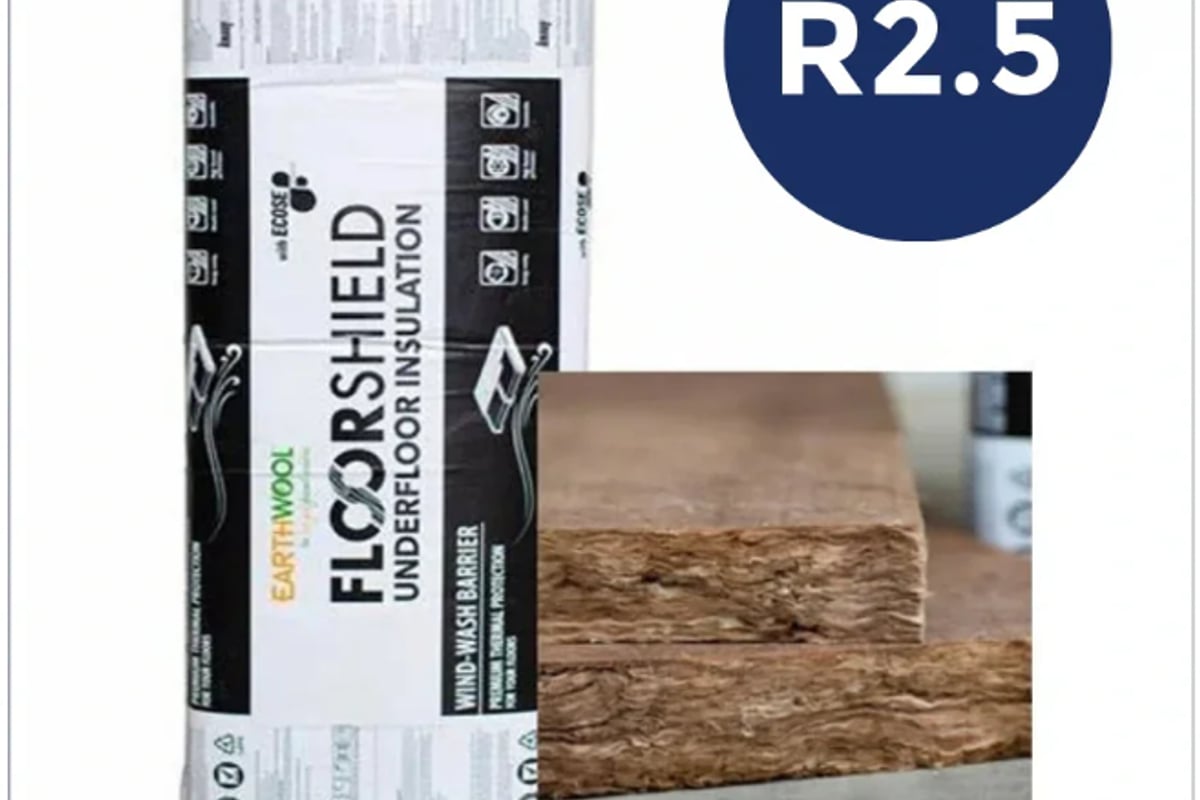
Modern glasswool products use advanced technologies like ECOSE®, which eliminates formaldehyde and reduces dust during handling. Brands like Knauf's Earthwool FloorShield range demonstrate how far glasswool technology has advanced.
Benefits of glasswool underfloor insulation batts:
- Cost-effective thermal performance
- Non-combustible and fire-resistant
- Sound absorption properties
- Readily available in standard sizes
- Proven long-term durability
Polyester Batts
Polyester insulation offers a synthetic alternative made from recycled plastic bottles. These batts are completely non-allergenic, non-irritating, and safe to handle without protective equipment.
Polyester batts maintain their R-value even when slightly damp, making them suitable for high-moisture underfloor environments. They're also lightweight and easy to cut, simplifying DIY installation.
The Floorshield R2.5 Underfloor Batts 90mm x 420mm x 1160mm 11 Pack (5.36m²) provides a practical solution for standard joist spacing, delivering reliable thermal performance in an easy-to-handle format that suits both professional installers and DIY renovators.
Moisture Management and Ventilation
Moisture control represents one of the most critical aspects of underfloor insulation. Suspended floor spaces naturally experience humidity fluctuations, condensation risks, and occasional water intrusion.
Underfloor insulation batts must allow moisture vapour to pass through without trapping condensation. This breathability prevents damp insulation, timber rot, and mould growth that can damage your home's structure.
Ventilation Requirements
Australian building standards require adequate underfloor ventilation to manage moisture. This means maintaining permanent vents in foundation walls that allow air circulation beneath the floor.
Minimum ventilation guidelines:
- One vent per 2-3 metres of perimeter wall
- Vent area of at least 6,500mm² per vent
- Clear airflow paths across the entire subfloor space
- No blocking of vents with landscaping or stored materials
When installing underfloor insulation batts, never block existing vents or reduce airflow. Proper ventilation works alongside insulation to create a healthy, efficient building envelope.
Vapour Barriers and Facings
Some underfloor batts include integrated vapour barriers or facings. These layers control moisture movement and can improve installation by providing a surface for stapling or fixing.
In most Victorian applications, unfaced batts with separate vapour control layers provide more flexibility. This approach allows you to position moisture barriers correctly based on your specific climate and floor construction.
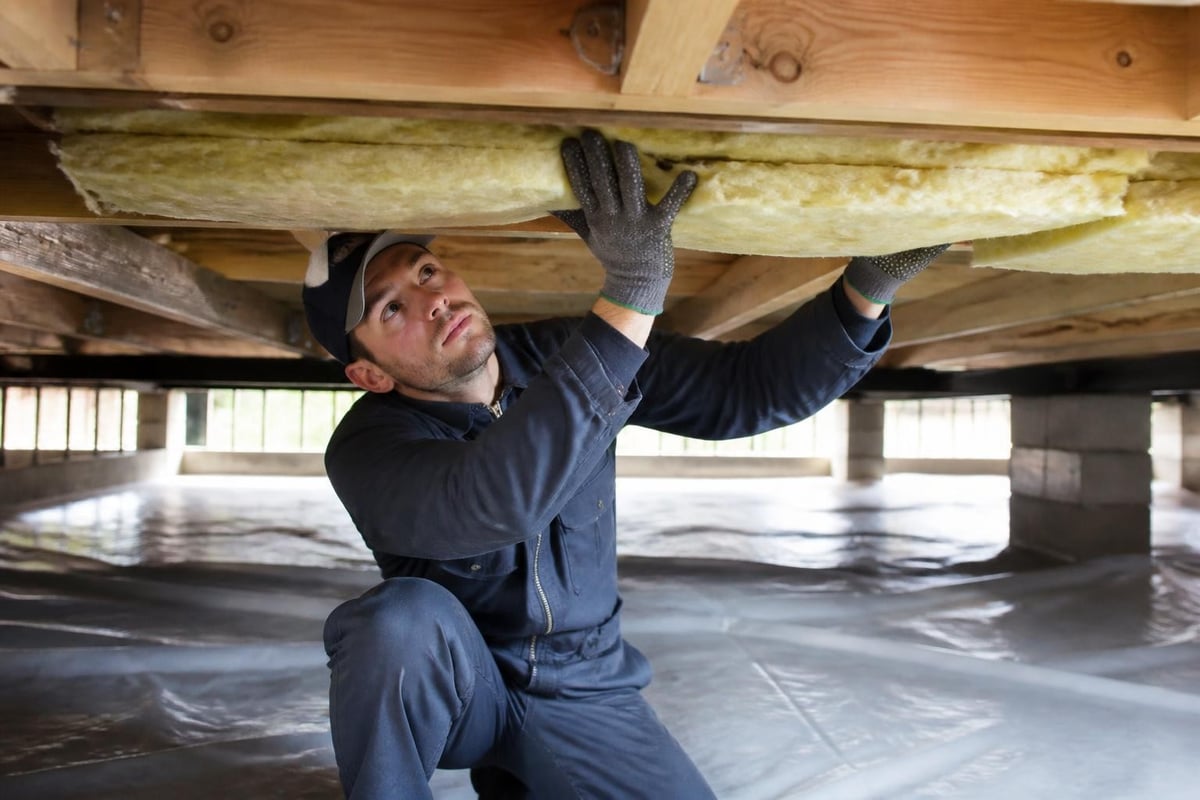
Common Installation Mistakes to Avoid
Even experienced DIYers sometimes make mistakes that compromise insulation performance. Understanding these common errors helps you achieve better results and avoid costly problems.
Compression and Gaps
Compressing underfloor insulation batts reduces their R-value significantly. When batts are squeezed or flattened, air pockets that provide thermal resistance are eliminated.
Similarly, gaps between batts create thermal bridges where heat escapes freely. Just a 5% gap in coverage can reduce overall performance by 25% or more.
Solutions:
- Cut batts slightly oversized for friction fit without excessive compression
- Use offcuts to fill small gaps rather than leaving spaces
- Ensure batts sit snugly against joists on all sides
- Check for gaps around obstacles like pipes and wiring
Incorrect Support Methods
Poorly installed support systems lead to batts sagging, falling, or creating gaps over time. This particularly affects glasswool products, which rely on maintaining their loft for optimal performance.
Wire supports must be tensioned correctly, neither too loose (allowing sagging) nor too tight (causing compression). Spring clips should fit snugly between joists without forcing batts upward into gaps.
Ignoring Services and Penetrations
Floor spaces contain numerous services including plumbing, electrical cables, and gas lines. Insulation must accommodate these elements without creating hazards or thermal bridges.
Never compress batts around hot water pipes, as this can increase heat loss. Instead, split batts around pipes and seal gaps with appropriate materials. Keep insulation clear of electrical junction boxes and maintain required clearances around hot surfaces.
Energy Efficiency and Cost Savings
Installing underfloor insulation batts delivers measurable improvements in energy efficiency and thermal comfort. The financial benefits extend beyond reduced heating bills to include improved property value and reduced environmental impact.
Victorian homes with suspended timber floors experience significant heat loss during winter. Bradford's underfloor insulation research demonstrates that quality underfloor insulation batts can reduce this heat loss by 75% or more.
Calculating Your Savings
Energy savings depend on multiple factors including your existing floor construction, heating system, usage patterns, and climate. However, typical returns are predictable and substantial.
For a standard 100m² suspended floor in Melbourne:
- Material cost: $800-$1,200 for R2.5 batts
- Installation (DIY): $0-$200 for supports and tools
- Installation (professional): $1,500-$3,000 total
- Annual energy savings: $250-$400 per year
- Payback period: 3-6 years (DIY) or 5-10 years (professional)
These figures improve further in larger homes, colder climates, or properties with high existing heating costs. The underfloor collection showcases various options to suit different budgets and performance requirements.
Long-Term Value
Beyond immediate energy savings, underfloor insulation batts contribute to long-term property value. Well-insulated homes command premium prices, attract quality tenants, and satisfy increasingly stringent energy efficiency requirements.
In 2026, building regulations continue to tighten energy performance standards. Homes with comprehensive insulation including underfloor batts meet these requirements more easily and avoid costly retrofitting in future.
Acoustic Benefits
While thermal performance drives most underfloor insulation decisions, acoustic improvement provides an additional valuable benefit. Underfloor insulation batts significantly reduce sound transmission between levels in multi-storey homes.
Footfall noise, voices, and other sounds travel easily through uninsulated suspended floors. Adding insulation absorbs these sounds, creating quieter, more comfortable living spaces.
Sound Absorption Properties
Glasswool and polyester batts both offer excellent sound absorption characteristics. The fibrous structure traps sound waves, preventing them from reflecting between surfaces and reducing overall noise levels.
Acoustic improvements from underfloor batts:
- Reduced impact noise (footsteps, furniture movement)
- Lower airborne sound transmission (conversations, TV, music)
- Improved privacy between floors
- Better overall acoustic comfort
For maximum acoustic performance, combine underfloor insulation batts with other sound-control measures including acoustic underlay, resilient ceiling mounts, and proper sealing of gaps and penetrations.
Compliance and Building Standards
Australian building regulations set minimum insulation requirements for all new construction and many renovation projects. Understanding these standards helps ensure your project meets legal requirements and achieves optimal performance.
The National Construction Code (NCC) specifies minimum R-values based on climate zones. Victoria falls primarily into Climate Zone 6 and 7, where suspended floors require minimum R2.0 insulation in new builds.
Council Requirements
Renovation projects may require building permits, especially when modifying structural elements or making significant improvements. Check with your local council before starting work.
Most simple insulation retrofits don't require permits, but connecting with your local council ensures compliance and avoids potential issues during property sales or insurance claims.
Safety Standards
Insulation products must meet Australian Standards for fire performance, thermal resistance, and health safety. Look for products certified to AS/NZS 4859.1 for thermal resistance claims and ensure materials carry appropriate safety certifications.
Proper installation also falls under safety regulations. Working in confined spaces like underfloor areas requires appropriate safety measures including adequate lighting, ventilation, and protective equipment.
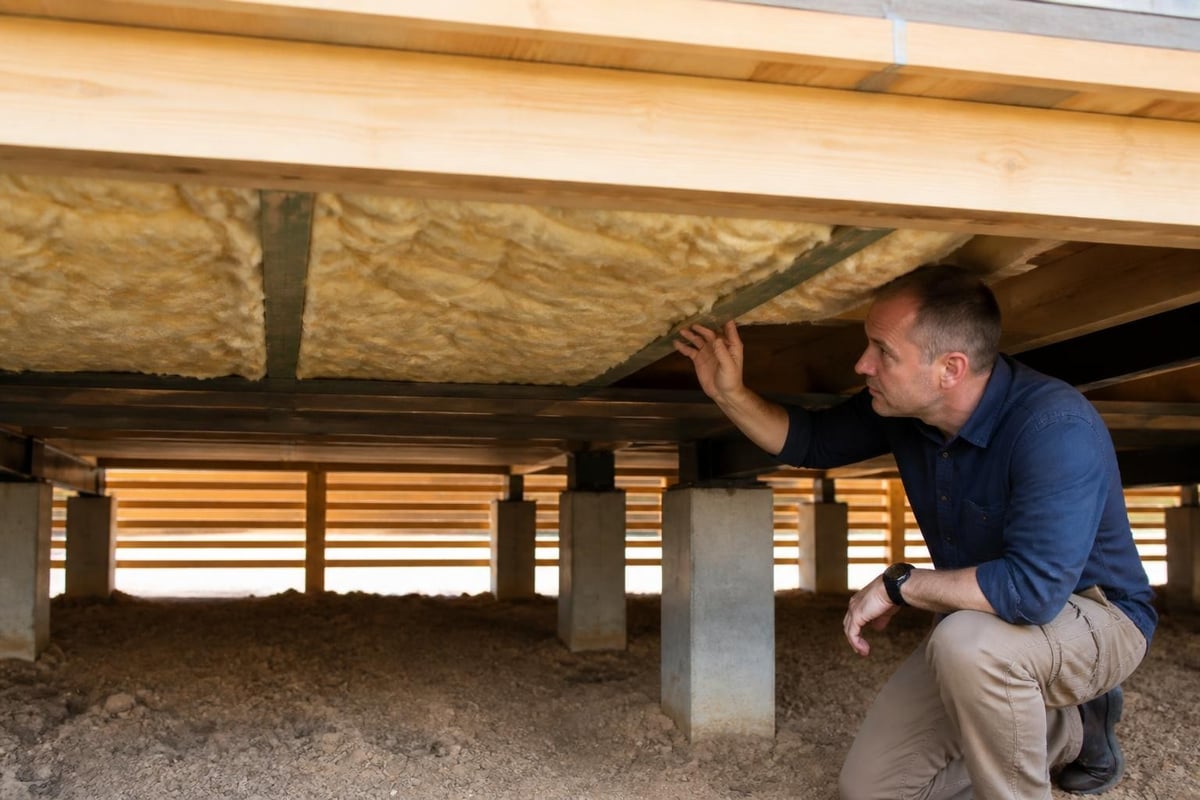
Maintenance and Inspection
Once installed, underfloor insulation batts require minimal maintenance. However, periodic inspections help identify potential issues before they become serious problems.
Annual Checks
Conduct visual inspections annually, checking for:
- Sagging or displaced batts requiring repositioning
- Moisture damage or water stains indicating leaks
- Pest activity or nesting materials
- Damaged supports or fixings needing replacement
Access panels or inspection hatches make these checks easier. If your home lacks convenient underfloor access, consider installing an access point during insulation installation.
Signs of Problems
Between scheduled inspections, watch for indicators that underfloor insulation may need attention:
- Increased heating costs suggesting reduced performance
- Cold spots in floors indicating gaps or compression
- Musty odours suggesting moisture accumulation
- Visible sagging of floor coverings
Address issues promptly to maintain performance and prevent secondary damage. Most problems involve simple fixes like repositioning batts or repairing damaged supports.
Retrofitting Older Homes
Many Victorian homes built before modern energy standards have no underfloor insulation. Retrofitting these properties delivers exceptional improvements in comfort and efficiency.
Older homes present unique challenges including limited access, unusual joist spacing, and historical construction methods. However, these obstacles are manageable with proper planning and appropriate products.
Access Solutions
Limited underfloor clearance represents the most common challenge in retrofit projects. Homes with shallow subfloor spaces may require creating new access points or accepting partial coverage in areas where access is impossible.
Consider cutting new access hatches through existing floors in closets, laundries, or other inconspicuous locations. These openings simplify installation and enable future maintenance.
Period Home Considerations
Heritage and period homes require sensitivity to original construction methods and materials. Choose insulation products and installation techniques that respect historical elements while improving performance.
Non-invasive installation methods work best in these properties. Products requiring minimal fixing to original timbers preserve heritage fabric while delivering modern thermal performance.
DIY vs Professional Installation
Deciding between DIY and professional installation depends on your skills, available time, and project complexity. Both approaches offer advantages for different situations.
When to DIY
DIY installation suits homeowners with:
- Good underfloor access and adequate clearance
- Basic building skills and confidence working in confined spaces
- Time to complete the project methodically
- Budget constraints making professional installation unaffordable
The installation guides provided by quality suppliers help DIY installers achieve professional results through clear instructions and practical advice.
When to Hire Professionals
Professional installation makes sense for:
- Complex layouts with numerous obstacles
- Difficult access or confined spaces
- Large projects requiring rapid completion
- Situations where DIY installation presents safety concerns
Qualified installers bring experience, appropriate tools, and efficiency that often justify their cost. They also carry insurance covering potential issues during installation.
Selecting Quality Products
Not all underfloor insulation batts deliver the same performance or durability. Choosing quality products from reputable manufacturers ensures you receive the thermal performance, longevity, and safety you're paying for.
Key Quality Indicators
Look for:
- Clear R-value labelling verified by independent testing
- Australian Standards certification (AS/NZS 4859.1)
- Established manufacturer with proven product history
- Modern manufacturing technologies reducing dust and irritation
- Comprehensive installation instructions and support
Avoid unmarked or suspiciously cheap products lacking certification. These may not deliver claimed R-values and could contain harmful materials.
Warranty and Support
Quality manufacturers stand behind their products with meaningful warranties and customer support. Check warranty terms before purchasing, noting coverage period, conditions, and claim processes.
Reputable suppliers also provide technical support helping you select appropriate products and solve installation challenges. This expertise adds significant value beyond simple product supply.
Underfloor insulation batts transform cold, draughty homes into comfortable, energy-efficient spaces while reducing heating costs year after year. Whether you're tackling a DIY retrofit or planning professional installation, choosing the right products and understanding proper installation techniques ensures your investment delivers maximum benefit. Insulation Supplies Australia makes finding quality underfloor insulation batts straightforward with expert guidance, competitive pricing, and fast delivery across Victoria, helping you create a warmer, more comfortable home.