
When you're insulating pipes around your home, choosing the right tape for pipe lagging can make the difference between a professional, long-lasting installation and one that fails within months. Whether you're wrapping hot water pipes to reduce heat loss or protecting cold water lines from condensation, the tape you select plays a crucial role in holding everything together and maintaining thermal efficiency. This guide walks you through everything Australian homeowners, renovators, and owner-builders need to know about selecting, applying, and maintaining the right tape for your pipe insulation projects.
What Is Pipe Lagging and Why Does Tape Matter?
Pipe lagging refers to the insulation material wrapped around plumbing pipes to control temperature, prevent condensation, and improve energy efficiency. The insulation itself-whether it's foam, fibreglass, or reflective materials-does most of the thermal work. But without proper securing methods, even the best insulation can shift, gap, or fail.
That's where tape for pipe lagging becomes essential. It holds insulation sections together, seals joints and seams, creates vapor barriers, and ensures continuous thermal protection. Unlike general-purpose adhesive tape, specialist lagging tape is designed to withstand temperature fluctuations, moisture exposure, and UV degradation.
The Role of Tape in Pipe Insulation Systems
Tape serves multiple functions in a complete pipe lagging system:
- Securing insulation splits where foam or fibreglass wraps meet along the pipe length
- Sealing butt joints between consecutive sections of tubular insulation
- Creating vapor barriers to prevent moisture infiltration and condensation damage
- Protecting exposed edges from physical damage, UV exposure, and weather deterioration
- Supporting installation integrity during and after the fitting process
According to ASHRAE Handbook guidance on mechanical insulation, proper sealing and securing of vapor retarders and insulation joints is critical for long-term thermal performance and moisture control.
Types of Tape for Pipe Lagging
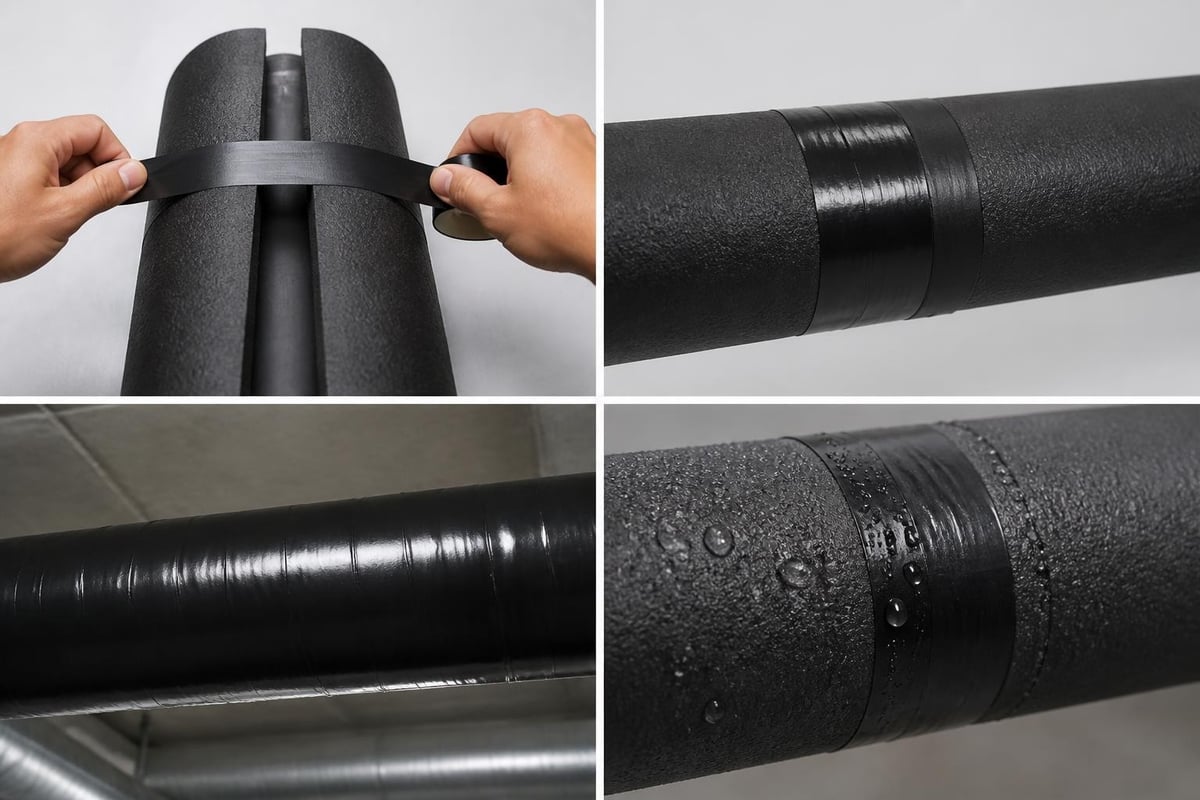
Not all tapes are created equal. Choosing the wrong product can lead to adhesive failure, thermal bridging, or moisture problems. Here are the main categories you'll encounter when shopping for tape for pipe lagging.
Aluminium Foil Tape
Aluminium foil tape is one of the most popular choices for pipe lagging applications. It combines a reflective aluminium backing with a strong adhesive layer, providing both mechanical securing and a radiant barrier.
Key benefits:
- Excellent thermal reflection and radiant barrier properties
- High moisture resistance and vapor barrier performance
- Good conformability around curved pipe surfaces
- UV and weather resistance for outdoor applications
- Temperature tolerance typically from -30°C to +120°C or higher
This tape is particularly effective when used with underfloor insulation and reflective wraps, where moisture control and thermal reflection are both priorities.
PVC and Vinyl Tape
PVC-based tapes offer a cost-effective option for securing pipe insulation in less demanding environments. They're flexible, easy to handle, and provide basic moisture resistance.
| Feature | Aluminium Foil Tape | PVC/Vinyl Tape |
|---|---|---|
| Temperature Range | -30°C to +120°C+ | -10°C to +60°C |
| Vapor Barrier | Excellent | Moderate |
| UV Resistance | High | Low to Moderate |
| Cost | Higher | Lower |
| Best Application | Hot pipes, outdoor | Cold pipes, indoor |
Cloth and Mesh Tape
Cloth-backed tapes provide exceptional tensile strength and conformability. They're often used in industrial settings but can be valuable for DIY projects involving awkward pipe runs or mechanical stress points.
Butyl Rubber Tape
Self-amalgamating butyl rubber tapes create permanent, waterproof seals. They're particularly useful for creating moisture barriers on cold-water pipes prone to condensation. The tape fuses to itself when stretched and wrapped, forming a continuous rubber layer.
Choosing the Right Tape for Your Project
The best tape for pipe lagging depends on several project-specific factors. Understanding these variables helps you select the right product the first time.
Consider the Pipe Temperature
Hot water pipes, especially those from solar hot water systems or continuous-flow heaters, can reach temperatures above 80°C. Standard PVC tape will fail at these temperatures, losing adhesion and deteriorating rapidly.
For hot pipes:
- Choose aluminium foil tape rated to at least 120°C
- Consider high-temperature cloth tapes for extreme applications
- Avoid vinyl and basic PVC products
For cold water pipes:
- PVC tape works well for basic securing
- Butyl rubber tape provides superior moisture protection
- Foil tape adds a vapor barrier to prevent condensation
Indoor vs Outdoor Applications
Outdoor pipe lagging faces harsher conditions. UV exposure, temperature swings, rain, and physical wear all demand more robust tape solutions.
Outdoor requirements:
- UV-stable adhesive that won't break down in sunlight
- Weather-resistant backing that prevents water infiltration
- Temperature tolerance for summer heat and winter cold
- Mechanical durability against impacts and abrasion
Aluminium foil tape consistently outperforms other options in outdoor environments. When working with wall and ceiling insulation that extends to external pipe runs, matching your tape choice to exposure conditions is essential.
Vapor Barrier Requirements
In humid climates or on cold pipes, moisture control becomes paramount. Condensation can destroy insulation effectiveness, promote mould growth, and cause structural damage.
The National Insulation Association's glossary defines vapor-retarder tape as an adhesive product designed specifically to create continuous moisture barriers over insulation joints and seams.
How to Apply Tape for Pipe Lagging Properly
Even the best tape for pipe lagging won't perform if applied incorrectly. Follow these steps for professional, long-lasting results.
Surface Preparation
Clean, dry surfaces are essential for strong adhesion. Wipe down the insulation surface with a clean, dry cloth before taping. Remove any dust, dirt, oils, or moisture that could interfere with the adhesive bond.
For foam insulation, ensure the surface is smooth. Trim any irregular edges with a sharp utility knife before applying tape.
Sealing Longitudinal Splits
Most tubular pipe insulation features a pre-cut slit running the length of the tube. This allows you to open the insulation and fit it around existing pipes.
Step-by-step:
- Fit the insulation around the pipe, ensuring it sits snugly with no gaps
- Press the slit edges together firmly along the entire length
- Starting at one end, apply tape along the seam using moderate tension
- Overlap each wrap by 50% to create a continuous seal
- Press the tape down firmly, smoothing out any bubbles or wrinkles
Spiral wrapping (where tape winds around the pipe at an angle) provides extra security on high-stress installations. Standard longitudinal sealing is sufficient for most residential applications.
Joining Butt Sections
Where two pieces of insulation meet end-to-end, proper sealing prevents thermal bridging and moisture infiltration.
Best practice for butt joints:
- Bring the insulation ends together tightly with no gap
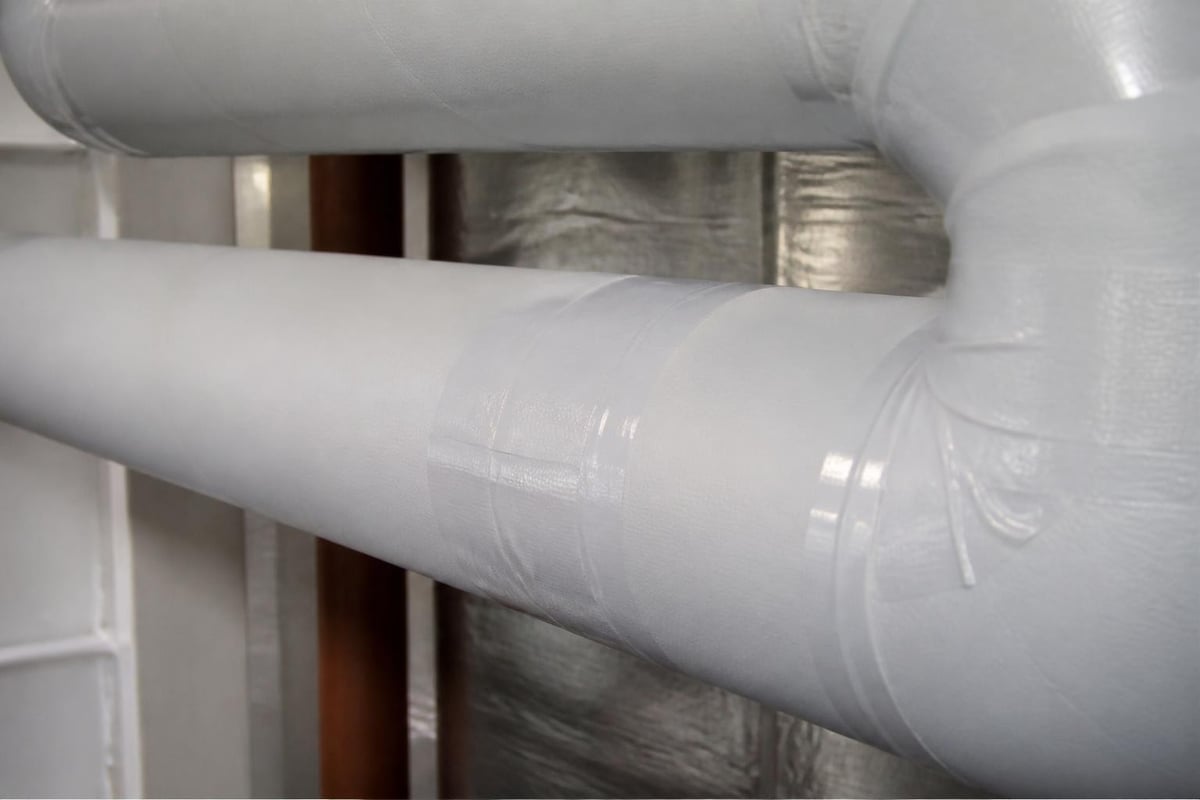
- Wrap tape around the circumference of the pipe at the joint
- Overlap the tape onto both insulation sections by at least 50mm on each side
- Use a minimum of two complete wraps around the pipe at each joint
- Press tape firmly to eliminate air pockets
The ASTM C1710 standard for flexible pipe insulation installation provides detailed guidance on recommended taping methods for maintaining system integrity.
Securing Fittings and Bends
Elbows, tees, valves, and other fittings require special attention. Pre-formed insulation fittings simplify the process, but you'll still need tape to seal all joints.
- Cut insulation to fit snugly around the fitting
- Secure each piece with tape before moving to the next
- Use smaller strips of tape for complex geometry
- Ensure no bare pipe or gaps remain visible
For exposed outdoor fittings, double-layer taping adds extra weather protection and mechanical strength.
Common Mistakes to Avoid
Even experienced DIYers can make errors that compromise pipe lagging effectiveness. Watch out for these common pitfalls.
Using the Wrong Tape Type
General-purpose duct tape, masking tape, or electrical tape might seem like convenient alternatives, but they're not designed for pipe lagging. They'll fail quickly due to:
- Inadequate temperature tolerance
- Poor moisture resistance
- Weak adhesive bonds on insulation materials
- Rapid UV degradation
- Insufficient vapor barrier properties
Always use purpose-designed tape for pipe lagging to ensure reliable, long-term performance.
Insufficient Overlap
Skimping on tape might save a few dollars initially, but gaps and incomplete seals destroy insulation effectiveness. Follow these overlap guidelines:
| Application | Minimum Overlap |
|---|---|
| Spiral wrap | 50% width overlap |
| Longitudinal seam | Continuous coverage |
| Butt joints | 50mm each side |
| Vapor barrier | 100% coverage, no gaps |
Poor Surface Preparation
Applying tape to dirty, wet, or damaged surfaces guarantees early failure. Take the extra five minutes to prepare surfaces properly-it makes all the difference.
Ignoring Temperature Conditions
Tape adhesive typically requires temperatures above 5°C for proper bonding. Installing tape in cold conditions or on cold surfaces prevents the adhesive from developing full strength. Where possible, warm the tape roll and application surface before installation during winter projects.
Safety Considerations for Existing Lagging
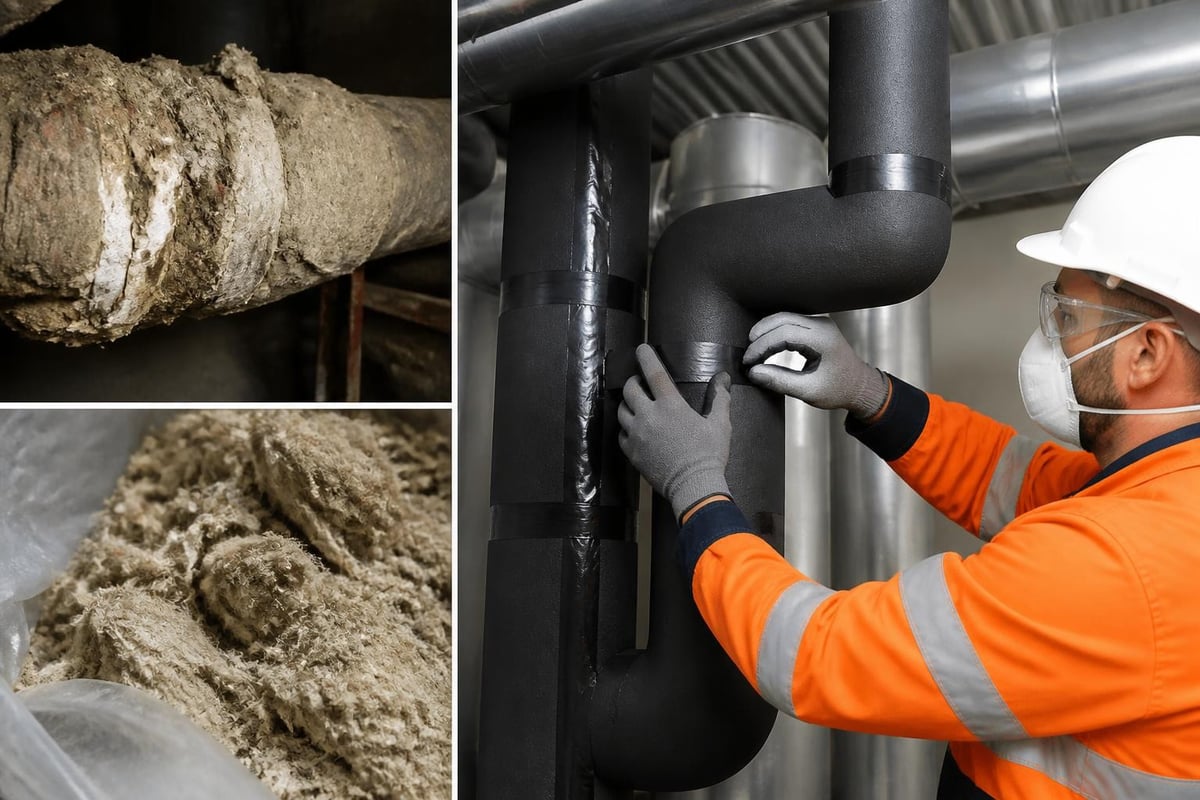
If you're working on older buildings (particularly those built before the 1990s), existing pipe lagging may contain asbestos. This is a serious health hazard that requires careful handling.
The Australian Government's guidance on asbestos identifies pipe and boiler lagging as common asbestos-containing materials. Similarly, NIOSH research on pipe lagging documents the occupational health risks associated with disturbed asbestos insulation.
Safety rules when dealing with old lagging:
- Never disturb, remove, or tape over suspected asbestos-containing materials yourself
- Arrange professional asbestos testing if you're unsure about material composition
- Engage licensed asbestos removalists for any removal or remediation work
- Keep the area isolated and prevent dust generation until professional assessment
- Follow all relevant Australian workplace health and safety regulations
For new installations, modern insulation materials are asbestos-free, but it's always worth confirming product composition and certifications.
Maintaining Taped Pipe Lagging
Once your pipe insulation is properly taped, a bit of ongoing maintenance ensures it continues performing effectively for years.
Regular Inspection Schedule
Annual checks should include:
- Visual inspection of all tape seams and joints for lifting, cracking, or deterioration
- Check for moisture staining or condensation on cold pipes
- Verify insulation remains firmly attached to pipes (no sagging or gaps)
- Look for physical damage from impacts, UV exposure, or pest activity
- Feel pipes for unexpected hot or cold spots indicating failed insulation
Repair and Replacement
Small tape failures can be repaired by cleaning the area and applying fresh tape over the damaged section. Extensive deterioration usually indicates it's time to replace both the tape and possibly the underlying insulation.
Signs you need to replace tape for pipe lagging:
- Adhesive has completely failed with tape hanging loose
- Significant cracking, brittleness, or disintegration of the tape backing
- Visible mould or moisture damage under the tape
- Severe UV degradation (fading, chalking, crumbling)
- Persistent condensation despite intact-looking tape
When replacing tape, address the underlying cause of failure. If UV exposure destroyed the original tape, switch to a higher UV-resistance product or provide additional physical protection.
Integrating Tape with Complete Insulation Systems
Tape for pipe lagging doesn't work in isolation. It's part of a complete thermal and moisture management system that includes the insulation material itself, vapor barriers, and protective outer layers.
For residential underfloor plumbing, combining proper pipe lagging with quality floor insulation creates comprehensive thermal protection. The Sancell Breeze Underfloor 500-3 provides an effective draught barrier and thermal layer beneath suspended timber floors. When combined with properly taped pipe insulation, it creates a coordinated system that maximises energy efficiency and comfort.
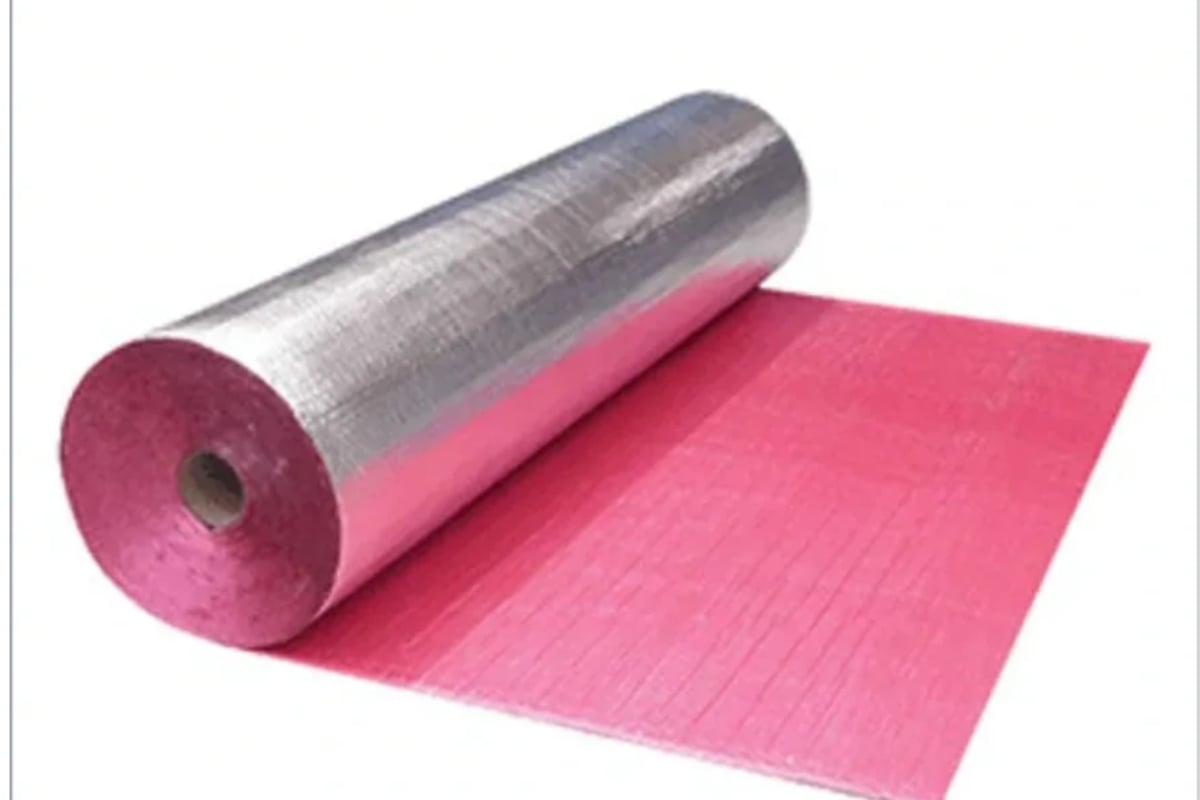
Working with acoustic and thermal insulation products that meet Australian standards ensures your entire building envelope-including properly lagged pipes-performs together as an efficient, integrated system.
Product Specifications and Standards
Understanding the technical specifications helps you compare products and ensure compliance with building codes and manufacturer recommendations.
Key Performance Indicators
When evaluating tape for pipe lagging, review these specifications:
Adhesive Properties:
- Peel adhesion strength (typically measured in N/25mm)
- Tack (initial grab on application)
- Shear strength (resistance to sliding under load)
Temperature Performance:
- Minimum service temperature
- Maximum continuous service temperature
- Short-term temperature excursion limits
Physical Characteristics:
- Backing material and thickness
- Overall tape thickness
- Width options (commonly 50mm, 75mm, or 100mm)
- Roll length
Barrier Properties:
- Water vapor transmission rate (WVTR)
- Moisture resistance rating
- UV resistance classification
The NIA Guide to Insulation Product Specifications provides comprehensive reference information on ASTM and other standards relevant to insulation accessories including tapes and adhesives.
Australian Compliance
While there aren't specific Australian Standards exclusively for pipe lagging tape, installations must comply with:
- National Construction Code (NCC) energy efficiency provisions
- AS 3500 Plumbing and drainage standards
- AS/NZS 4859 series for thermal insulation materials (where relevant)
- Manufacturer's installation instructions and warranty requirements
For commercial or multi-residential projects, consult with building certifiers about additional requirements for fire resistance, smoke development, or acoustic performance.
Cost Considerations and Value
The price of tape for pipe lagging varies based on type, quality, width, and roll length. Here's what to expect in 2026 for typical Australian retail prices:
Approximate price ranges (per roll):
- Basic PVC tape (50mm x 20m): $8 - $15
- Standard aluminium foil tape (50mm x 45m): $15 - $30
- Premium foil tape (75mm x 45m): $25 - $45
- Specialty high-temp tape (50mm x 30m): $30 - $60
- Butyl rubber tape (50mm x 10m): $20 - $40
While premium tapes cost more upfront, they deliver better value through:
- Longer service life requiring less frequent replacement
- Superior performance that protects your insulation investment
- Reduced energy waste from better sealing and vapor control
- Lower labor costs due to easier application and fewer repairs
For a typical home with 20-30 metres of exposed hot water pipes, investing an extra $30-50 in quality tape for pipe lagging pays for itself quickly through reduced heat loss and maintenance costs.
Where to Buy Quality Pipe Lagging Tape
Access to reliable products and expert advice makes your project easier and more successful. When sourcing tape for pipe lagging, look for suppliers who:
- Stock products from reputable manufacturers with clear specifications
- Provide technical guidance on product selection and application
- Offer compatible insulation materials for complete system solutions
- Understand Australian building conditions and compliance requirements
- Support prompt delivery and accessible customer service
Insulation Supplies Australia serves homeowners, renovators, and builders across Victoria with a comprehensive range of insulation products and accessories. While tape selection focuses on the specific products you need, exploring the full range of insulation supplies helps you create properly integrated thermal solutions.
Environmental and Energy Efficiency Impact
Properly taped pipe lagging contributes meaningfully to your home's overall energy efficiency and environmental footprint. The energy benefits extend well beyond the pipes themselves.
Quantifying Energy Savings
Uninsulated hot water pipes lose heat continuously, forcing your water heater to work harder and consume more energy. Studies show that:
- Exposed hot water pipes can lose 1-2°C per metre of pipe length
- A typical 10-metre pipe run can lose enough heat to raise water heating costs by 5-10%
- Proper insulation with complete taping reduces heat loss by 80-90%
For a household using 200 litres of hot water daily, this translates to annual savings of $50-150 on energy bills, depending on your water heating system and energy costs.
Carbon Footprint Reduction
Reducing water heating energy demand directly cuts greenhouse gas emissions. For natural gas water heating (common in Melbourne and regional Victoria), every kilowatt-hour of energy saved prevents approximately 0.2kg of CO2 emissions.
Over a year, properly lagged and taped hot water pipes can prevent 100-200kg of CO2 emissions per household-equivalent to the carbon sequestered by 5-10 mature trees.
Supporting Broader Efficiency Goals
Pipe lagging works alongside other efficiency measures:
- Ceiling insulation that prevents heat loss through your roof
- Wall insulation that controls thermal transfer through external walls
- Roof insulation that manages radiant heat gain in summer
- Draught sealing and underfloor insulation that eliminate air leakage
Together, these measures create a thermally efficient building envelope that reduces energy consumption, improves comfort, and lowers operating costs year-round.
DIY vs Professional Installation
Most pipe lagging and taping projects suit capable DIY renovators, but some situations benefit from professional expertise.
Good DIY Projects
You can confidently tackle pipe lagging yourself when:
- Working with accessible pipes in basements, subfloors, or roof spaces
- Installing new hot water systems or upgrading exposed pipe runs
- Dealing with straightforward pipe layouts without complex fittings
- Using standard insulation products with clear installation instructions
- All materials are confirmed asbestos-free
When to Call a Professional
Consider professional help for:
- Suspected asbestos-containing materials (always use licensed removalists)
- Complex commercial or industrial installations requiring code compliance documentation
- Difficult access areas requiring specialised equipment or safety measures
- Integration with broader HVAC or mechanical systems
- Projects requiring performance testing or thermal imaging verification
For guidance on installation services and professional referrals, check Insulation Supplies Australia's installation information to connect with experienced installers across Victoria.
Choosing and applying the right tape for pipe lagging protects your insulation investment, reduces energy waste, and ensures long-term system performance. By understanding the different tape types, proper application techniques, and maintenance requirements, you can achieve professional results that deliver comfort and efficiency for years to come. Whether you're insulating a single pipe run or completing a whole-house retrofit, Insulation Supplies Australia provides the products, expertise, and support to help Melbourne and Victorian property owners achieve their thermal performance goals with confidence.