
Choosing the right tape for pipe insulation makes the difference between a properly sealed, efficient system and one that wastes energy through gaps and joins. While pipe insulation itself plays a crucial role in preventing heat loss, controlling condensation, and protecting pipes from freezing, the tape you use to seal those insulation sections is equally important. Without proper sealing, cold air infiltration and moisture can compromise your entire insulation effort, reducing thermal performance and potentially causing long-term damage to your plumbing system.
Understanding Tape for Pipe Insulation
Tape for pipe insulation serves multiple purposes beyond simply holding insulation in place. It creates an airtight seal that prevents moisture ingress, maintains consistent thermal performance, and ensures your insulation works as intended. The right tape adheres strongly to insulation materials, withstands temperature fluctuations, and remains flexible over time without cracking or peeling.
Different pipe insulation projects require specific tape types. Hot water pipes need heat-resistant options, while cold water lines benefit from tapes that prevent condensation. Understanding these requirements helps you select the most effective solution for your specific application.
Common Types of Pipe Insulation Tape
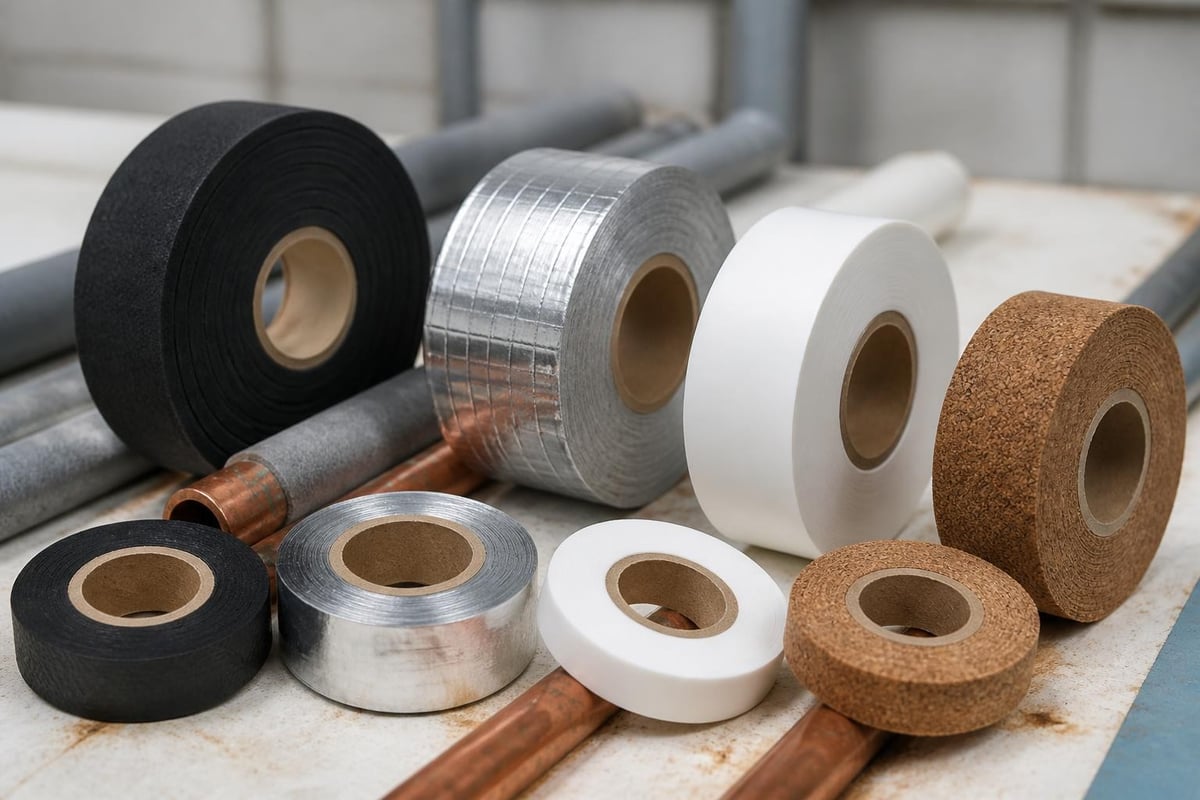
Foam tape provides cushioning and thermal properties, making it ideal for sealing foam pipe insulation. It compresses slightly to fill gaps and creates a weather-resistant barrier. Many foam tapes come with adhesive backing for easy application.
Foil tape offers excellent vapour barrier properties and reflects radiant heat. Armaflex Pipe Insulation Lagging Tape provides professional-grade sealing for commercial and residential applications, with Class O fire rating for added safety.
PVC tape delivers basic sealing at an economical price point. While less durable than specialised options, it works well for temporary repairs or low-demand applications.
Cork tape combines natural insulation properties with moisture resistance. Nu-Calgon's Cork-Tite Insulation Tape prevents condensation on cold lines while insulating against heat loss on hot pipes.
Key Properties to Look For
When selecting tape for pipe insulation, several technical properties determine performance and longevity. Temperature resistance tops the list, especially for hot water systems where pipes regularly exceed 60°C.
Adhesive strength ensures the tape stays put through seasonal changes and normal pipe movement. Quality tapes maintain adhesion in both hot and cold conditions without becoming brittle or losing grip.
Temperature Range and Durability
| Tape Type | Temperature Range | Best Application | Lifespan |
|---|---|---|---|
| Foam Tape | -40°C to 90°C | Cold water pipes, HVAC | 5-10 years |
| Foil Tape | -30°C to 120°C | Hot water, steam pipes | 10-15 years |
| Cork Tape | -20°C to 100°C | Mixed temperature systems | 8-12 years |
| PVC Tape | -10°C to 80°C | General purpose, temporary | 2-5 years |
Moisture resistance matters significantly, particularly in damp environments like basements or external pipe runs. Tapes that absorb water lose insulating properties and adhesive strength over time.
UV resistance becomes critical for outdoor applications. Standard tapes degrade quickly under Australian sun exposure, while UV-stabilised options maintain performance for years.
Installation Techniques for Maximum Effectiveness
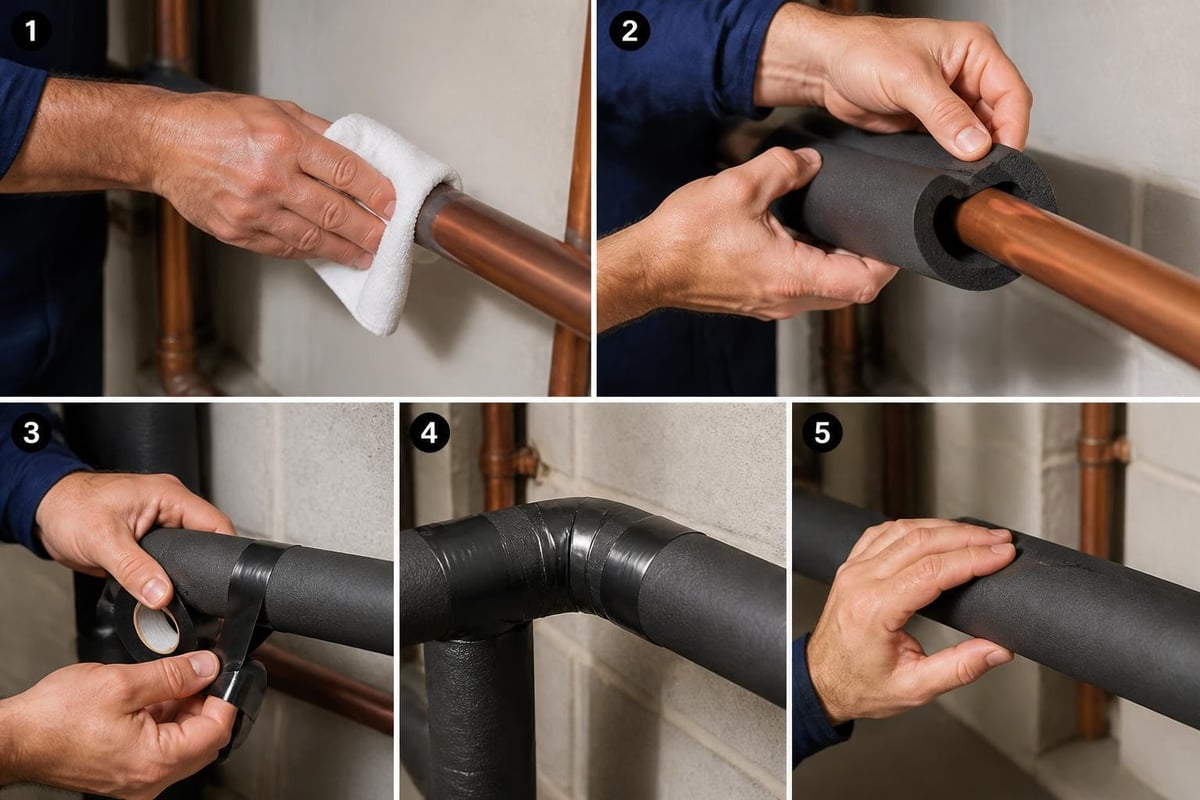
Proper installation of tape for pipe insulation requires attention to surface preparation, application method, and overlap technique. Clean, dry surfaces ensure optimal adhesion and long-term performance.
Start by thoroughly cleaning the insulation surface. Remove dust, moisture, and any oils that might prevent proper bonding. Allow wet-cleaned surfaces to dry completely before applying tape.
Step-by-Step Application Process
- Measure and cut insulation sections to fit your pipes precisely
- Wrap insulation around pipes, ensuring snug contact without compression
- Position the tape at joins, starting at one end of the seam
- Apply firm pressure as you progress along the seam, smoothing out air bubbles
- Overlap edges by at least 25mm for complete coverage
- Seal all joints where insulation pieces meet, including corners and fittings
- Check your work by running your hand along seams to detect gaps
Spiral wrapping provides superior coverage for exposed pipe sections. Frost King's self-adhesive foam and foil insulation demonstrates this technique effectively, creating overlapping layers that block thermal bridges.
Temperature during installation affects adhesive performance. Apply tape when ambient temperature exceeds 10°C for best results. Cold conditions reduce adhesive tackiness and can compromise initial bond strength.
Special Applications and Considerations
Different pipe configurations present unique challenges that require adapted taping strategies. Elbows, T-joints, and valve connections need careful attention to ensure complete thermal protection.
For complex fittings, pre-cut short tape sections that conform to irregular shapes more easily than long strips. Build up coverage gradually, ensuring each piece overlaps the previous by at least 50mm.
Preventing Condensation on Cold Pipes
Cold water pipes and air conditioning refrigerant lines require vapour-tight sealing to prevent condensation. Moisture that forms on cold surfaces can drip onto ceilings, walls, and electrical fixtures, causing significant damage.
Use double-layer taping for high-humidity areas:
- Apply first layer directly over insulation seams
- Add second layer offset by 50mm to cover any potential gaps
- Extend tape 100mm beyond insulation ends to seal termination points
U.S. Plastic's cork insulation tape offers excellent condensation control with its self-adhering design that creates moisture-resistant seals around valves and fittings.
Protecting Pipes from Freezing
Australian winter temperatures in Victoria can drop low enough to freeze exposed pipes, particularly in regional areas and overnight. Proper insulation combined with quality tape for pipe insulation provides crucial protection.
External pipes need weather-resistant tape that withstands rain, wind, and UV exposure. Wrap exposed sections completely, paying extra attention to north-facing pipes that experience greater temperature swings. Expert advice on preventing frozen pipes emphasises the importance of continuous insulation coverage without gaps.
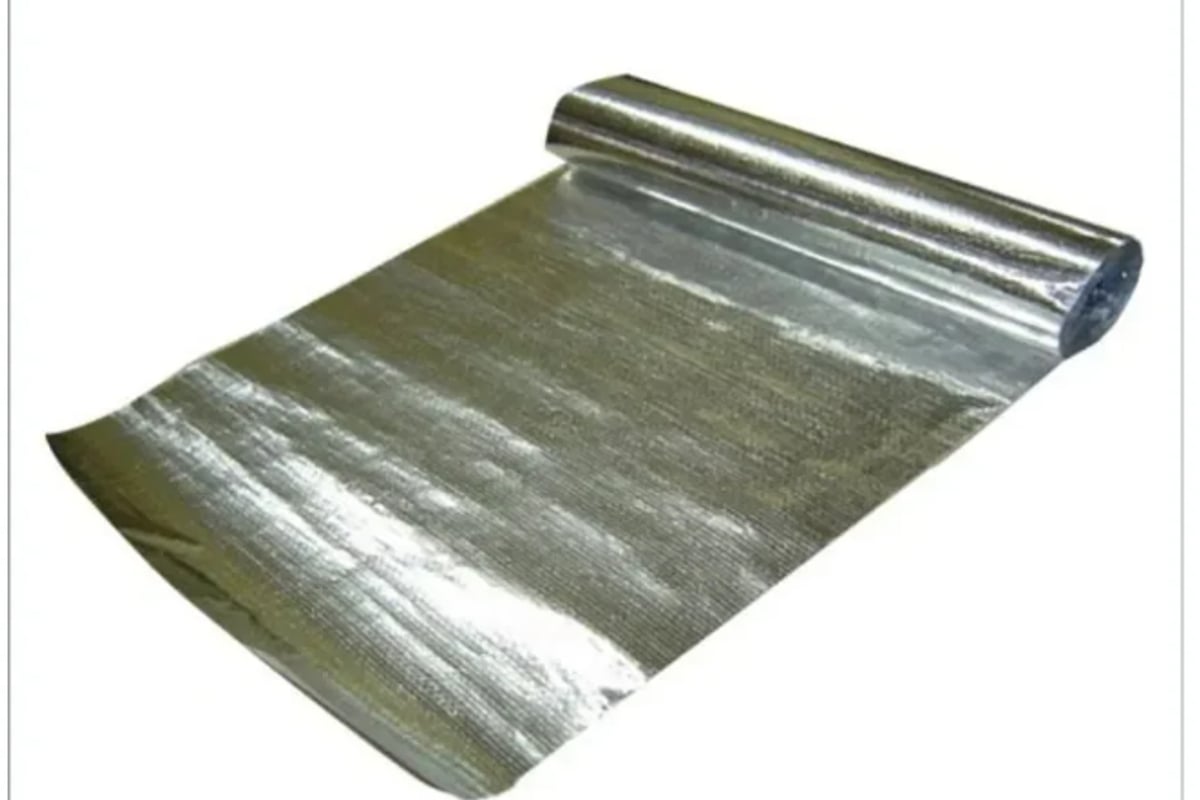
For underfloor applications where pipes run through cold spaces, combining batt insulation with wrapped and taped pipe insulation creates comprehensive thermal protection. The Underfloor Wrap Reflective Foil Insulation works effectively beneath floors to reduce cold air infiltration, while properly taped pipe insulation handles individual pipe protection.
Comparing Performance Across Materials
The base insulation material influences which tape for pipe insulation performs best. Foam, fibreglass, and rubber insulation each have different surface textures and thermal properties that affect tape compatibility.
Foam pipe insulation works well with most tape types. Its smooth surface accepts adhesive readily, and its lightweight nature doesn't stress tape bonds. Foam-to-foam tapes create chemical bonds that often outlast the insulation itself.
Fibreglass insulation requires tapes with stronger adhesives to grip the jacketing material. Foil tapes excel here, providing mechanical strength and vapour barrier properties simultaneously.
Rubber insulation like elastomeric foam needs compatible adhesives. Many standard tapes don't bond well to rubber surfaces, requiring specialised products formulated for elastomeric materials.
Cost vs. Performance Analysis
Budget considerations matter, but selecting tape for pipe insulation based solely on price often leads to higher long-term costs through reduced performance and frequent replacement.
| Factor | Budget Tape | Mid-Range Tape | Premium Tape |
|---|---|---|---|
| Initial cost per metre | $0.50-$1.00 | $1.50-$3.00 | $3.50-$6.00 |
| Typical lifespan | 2-3 years | 5-7 years | 10-15 years |
| Temperature range | Limited | Moderate | Extensive |
| Adhesive quality | Basic | Good | Excellent |
| Moisture resistance | Fair | Good | Superior |
Premium tapes cost more upfront but deliver better value through extended lifespan, superior performance, and reduced maintenance requirements. Calculate total cost of ownership rather than just purchase price.
Common Installation Mistakes to Avoid
Even quality tape for pipe insulation underperforms when applied incorrectly. Understanding common errors helps you achieve professional results on your first attempt.
Insufficient overlap ranks as the most frequent mistake. Gaps as small as 5mm allow thermal bridging and moisture ingress. Always overlap by at least 25mm, increasing to 50mm in high-moisture areas.
Stretching tape during application creates tension that pulls tape away from surfaces over time. Apply with light, consistent pressure without stretching the backing.
Ignoring temperature limits leads to poor adhesion. Many homeowners apply tape in winter without warming materials first, resulting in weak bonds that fail within months.
Surface Preparation Issues
- Skipping cleaning leaves oils and dust that prevent proper bonding
- Applying to wet surfaces traps moisture that degrades adhesive
- Working in direct sunlight on hot days causes premature adhesive activation
- Failing to prime difficult surfaces reduces initial grab strength
Maintenance and Long-Term Performance
Once installed, tape for pipe insulation requires periodic inspection to maintain effectiveness. Annual checks identify problems before they cause damage or efficiency loss.
Visual inspection reveals obvious issues:
- Peeling edges that allow air infiltration
- Discolouration indicating moisture problems
- Cracking or brittleness from UV exposure
- Gaps where building movement has separated joins
Physical testing involves gently pressing tape seams to check adhesion. Secure tape resists pressure without lifting or shifting. Loose sections need immediate replacement.
When to Replace Pipe Insulation Tape
Replace tape when you notice any of these conditions:
- Loss of adhesion where tape lifts easily from insulation
- Visible damage including tears, holes, or severe weathering
- Moisture presence underneath tape, indicating seal failure
- Thermal bridging detected through temperature differences along pipes
- Age exceeding manufacturer's recommended service life
Proactive replacement prevents small problems from becoming costly repairs. If you're working on broader insulation improvements, exploring underfloor insulation options ensures comprehensive thermal protection throughout your home.
Selecting the Right Tape for Your Project
Matching tape for pipe insulation to your specific requirements ensures optimal performance and value. Consider these factors when making your selection:
Pipe location determines environmental exposure. Internal pipes have different needs than external or underfloor applications. Ceiling insulation and wall cavity pipes need tapes that perform in confined, potentially damp spaces.
Pipe function influences temperature requirements. Hot water pipes need heat-resistant tape rated to at least 100°C, while cold water lines prioritise vapour sealing and condensation prevention.
Budget allocation should balance initial cost against expected performance. For critical applications like preventing frozen pipes in exposed areas, invest in premium options. Less demanding situations may accept mid-range products.
Installation difficulty varies with tape type. Self-adhesive options simplify DIY installation, while mechanical tapes may require additional tools but offer superior strength.
Professional vs. DIY Applications
| Application Type | Recommended Tape | Key Consideration |
|---|---|---|
| DIY hot water pipes | Foil tape, high-temp rated | Easy application, long lifespan |
| DIY cold water pipes | Foam or cork tape | Condensation control, forgiving install |
| Professional steam lines | Specialised high-temp foil | Safety certification required |
| External exposed pipes | UV-resistant premium foam | Weather resistance critical |
| Underfloor installations | Moisture-resistant foam | Access difficulty, long-term reliability |
For homeowners tackling insulation projects across multiple areas, coordinating pipe insulation with wall insulation and acoustic insulation improvements creates comprehensive home performance upgrades.
Environmental and Safety Considerations
Modern tape for pipe insulation balances performance with environmental responsibility. Many manufacturers now offer products with reduced VOC emissions and recyclable materials.
Fire safety ratings matter, particularly in commercial applications or multi-residential buildings. Look for tapes meeting Australian Standards for flame spread and smoke development. Class O rated products provide the highest level of fire safety.
Health considerations include adhesive off-gassing and material composition. Choose low-odour options for occupied spaces, particularly in homes with sensitive occupants or poor ventilation.
Disposal and recycling present challenges, as most pipe insulation tapes aren't recyclable through standard programs. Minimise waste by accurate measurement and careful application to reduce offcuts and failed installations.
Selecting and applying the right tape for pipe insulation protects your investment in thermal efficiency while preventing costly moisture damage and frozen pipe emergencies. Whether you're insulating new construction, upgrading existing systems, or protecting exposed pipes from Victoria's variable climate, quality tape creates the continuous thermal barrier your pipes need. Insulation Supplies Australia provides expert guidance and competitive pricing on complete insulation solutions, helping homeowners, renovators, and builders choose the right products for lasting comfort and energy efficiency. Browse our extensive range online or contact our team for personalised advice on your next project.