

Unwanted noise can seriously impact your comfort at home. Whether it's traffic rumble, noisy neighbours, or just everyday household sounds bouncing between rooms, acoustic control matters. Soundproofing batts insulation offers a practical solution for homeowners, renovators, and builders looking to create quieter, more peaceful living spaces. These specialised insulation products work by absorbing and dampening sound waves, reducing noise transmission through walls, ceilings, and floors. Understanding how they work and where to use them helps you make smarter decisions for your renovation or new build project.
What Makes Soundproofing Batts Insulation Different
Not all insulation performs the same when it comes to noise control. While standard thermal insulation helps with temperature regulation, soundproofing batts insulation is specifically engineered to tackle acoustic challenges.
The key difference lies in density and material composition. Acoustic batts typically feature higher density than their thermal counterparts, which means more mass to absorb sound energy. This denser structure slows down sound waves as they try to pass through walls or ceilings, converting acoustic energy into tiny amounts of heat through friction within the fibres.
Material Composition and Performance
Most soundproofing batts insulation uses glasswool or polyester fibres, each with distinct characteristics:
- Glasswool acoustic batts offer excellent sound absorption across a wide frequency range
- Polyester batts provide good acoustic performance with easier handling and lower dust
- Higher density products (typically 22-28 kg/m³) deliver superior noise reduction
- Thickness matters - thicker batts generally provide better acoustic control
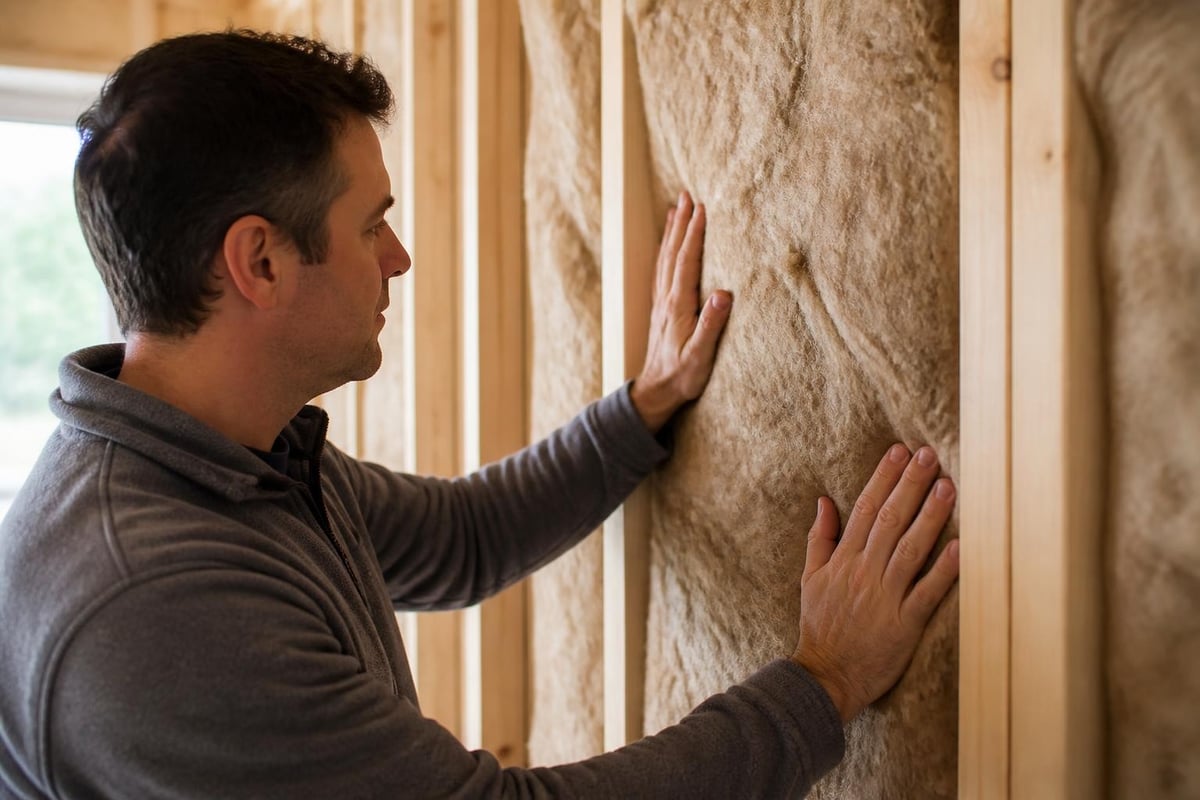
The performance of soundproofing batts insulation is measured using two main metrics. The Sound Transmission Class (STC) rating indicates how well a material reduces airborne sound transmission, while the Noise Reduction Coefficient (NRC) measures how much sound a material absorbs. Higher numbers mean better performance in both cases.
Where to Install Soundproofing Batts Insulation
Strategic placement makes all the difference when you're trying to control noise. Understanding which areas benefit most helps you prioritise your budget and effort.
Internal Walls Between Rooms
This is where soundproofing batts insulation delivers the most noticeable impact in residential buildings. Installing acoustic batts in walls between bedrooms, bathrooms, and living areas dramatically reduces sound transfer.
Common applications include:
- Bedroom walls - especially important in multi-storey homes or units
- Bathroom walls - to contain water noise and maintain privacy
- Home theatre or media room walls - for both containing sound and improving internal acoustics
- Home office partitions - creating quieter workspaces
- Laundry walls - isolating appliance noise from living areas
Ceiling and Floor Systems
Soundproofing batts insulation works brilliantly in ceiling cavities between floors in multi-storey homes. The combination of insulation batts and proper ceiling systems significantly reduces footfall noise, conversation, and general activity sounds from travelling between levels.
For maximum effectiveness in floor-ceiling assemblies, pair your acoustic insulation with resilient mounting systems that decouple the ceiling from the floor structure above.
| Application Area | Primary Benefit | Recommended Density |
|---|---|---|
| Internal walls | Speech privacy | 22-28 kg/m³ |
| Ceiling/floor | Impact noise reduction | 22-28 kg/m³ |
| External walls | Traffic noise | 22-28 kg/m³ |
| Bathroom walls | Water noise and privacy | 22-28 kg/m³ |
Acoustic Performance: What to Expect
Setting realistic expectations helps you plan effectively. Soundproofing batts insulation significantly improves acoustic comfort, but it's not a magic solution that creates completely silent rooms.
A standard 90mm wall cavity filled with quality soundproofing batts insulation can achieve an STC rating of 45-50 when combined with two layers of plasterboard. This level blocks most normal conversation and reduces television or music noise to faint background levels. For reference, you'd typically notice about a 50% reduction in perceived loudness.
Factors That Influence Results
Several elements work together to determine overall acoustic performance:
- Cavity depth - deeper cavities allow for thicker, more effective insulation
- Wall construction quality - gaps and penetrations create sound leaks
- Plasterboard thickness and layers - heavier wall linings improve results
- Sealing around services - electrical outlets and pipes need acoustic sealing
- Door and window quality - these remain weak points if not addressed
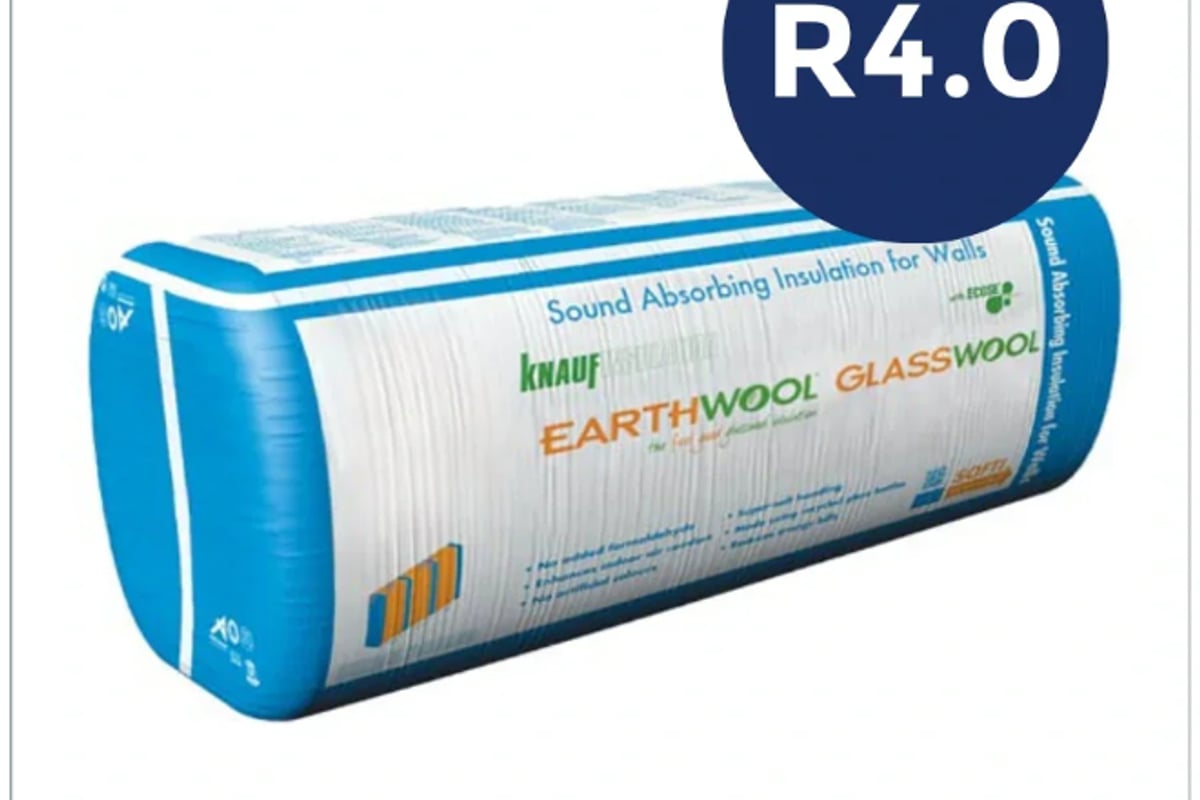
The Earthwool Sound Shield range offers outstanding acoustic and thermal performance in one product. For example, the Earthwool Sound Shield R4.0 combines high-density construction with advanced manufacturing technology, delivering both excellent noise reduction and superior energy efficiency for homes across Melbourne and Victoria.
Installation Tips for Best Results
Proper installation determines whether your soundproofing batts insulation performs as expected. Even the highest-quality products underperform if installed incorrectly.
Preparation and Measurement
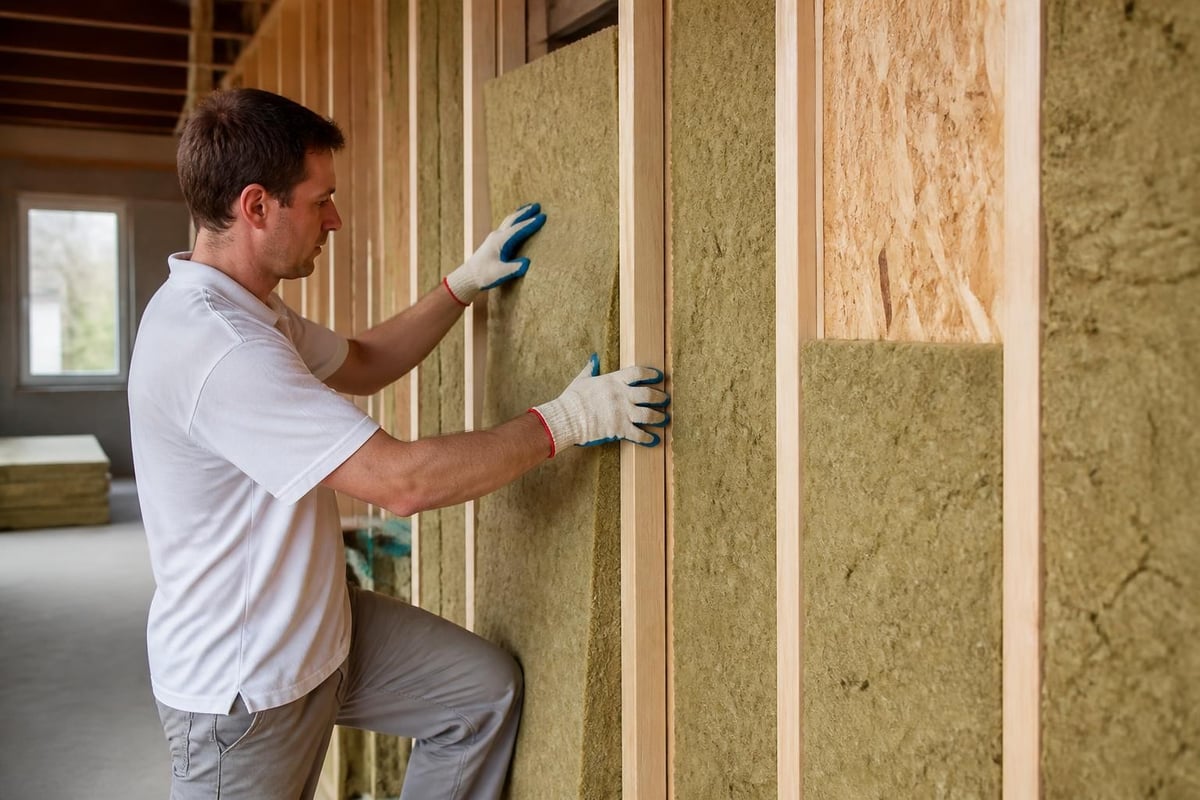
Start by accurately measuring your wall or ceiling cavities. Purchase slightly more material than calculated to account for cuts and offcuts. Before installing soundproofing batts insulation, ensure the cavity is clean and free from debris or obstructions.
Key installation steps:
- Measure stud spacing and cavity depth accurately
- Cut batts slightly larger than the cavity opening (friction fit)
- Press batts firmly into place without excessive compression
- Ensure complete coverage with no gaps or voids
- Trim carefully around electrical boxes and services
- Don't leave gaps at the top or bottom of wall cavities
Common Installation Mistakes
Avoiding these errors ensures optimal performance:
- Compression - squashing batts reduces their acoustic effectiveness
- Gaps - even small air gaps allow sound to pass through easily
- Incomplete coverage - missing sections create weak points
- Poor cutting - ragged edges don't fit snugly against studs
- Forgetting services - failing to cut around pipes and cables properly
When working with wall insulation, take your time with the friction fit technique. The batts should hold themselves in place through gentle pressure against the studs, not through compression.
Combining Thermal and Acoustic Benefits
One of the advantages of soundproofing batts insulation is that many products deliver both acoustic and thermal performance. This dual functionality makes them incredibly cost-effective for renovation projects.
Higher-density acoustic batts naturally provide good thermal resistance. The same material structure that traps sound waves also traps air, creating an effective thermal barrier. This means you're improving your home's energy efficiency while reducing noise.
Product Selection Strategy
When choosing soundproofing batts insulation, consider both performance requirements:
| Priority | Product Type | Best For |
|---|---|---|
| Maximum acoustic | High-density acoustic batts (28 kg/m³) | Home theatres, music rooms |
| Balanced performance | Medium-density acoustic batts (22-24 kg/m³) | General residential walls |
| Thermal priority | Thermal batts with acoustic benefit | External walls, ceilings |
For most residential applications in Melbourne homes, a balanced approach works well. Products like the Knauf Earthwool Sound Shield range offer excellent performance in both categories, simplifying your purchasing decisions and ensuring comprehensive home comfort.
Different Materials and Technologies
The soundproofing batts insulation market offers several material options, each with distinct characteristics suited to different applications and installer preferences.
Glasswool Acoustic Batts
Traditional glasswool remains popular for acoustic applications due to excellent performance and value. Modern manufacturing techniques like ECOSE Technology have transformed glasswool products, making them softer to handle and lower in dust while maintaining superior acoustic properties.
Benefits include:
- Proven long-term acoustic performance
- Non-combustible fire safety
- Resistant to moisture and vermin
- Wide range of densities and thicknesses available
Polyester Acoustic Batts
Polyester soundproofing batts insulation offers easier handling characteristics that appeal to DIY renovators and owner-builders. These products typically create less dust during installation and feel more comfortable to work with in confined spaces.
Key advantages:
- Comfortable handling without protective equipment
- Low allergen profile
- Good acoustic absorption
- Manufactured from recycled plastic bottles in many cases
Natural and Alternative Materials
While less common in mainstream residential construction, natural fibre acoustic batts (wool, hemp, cotton) are gaining interest among environmentally conscious builders. These materials can perform well acoustically but often come at premium pricing.
Soundproofing Batts Insulation for Renovations
Retrofitting acoustic insulation into existing walls presents unique challenges compared to new construction. However, the improvements in comfort often justify the extra effort involved.
Accessing Existing Wall Cavities
Three main approaches work for retrofit installations:
- Remove one side of plasterboard - most effective but labour-intensive
- Top-down installation - remove ceiling cornice and upper plasterboard section
- External wall access - through external cladding if accessible
Once you've installed soundproofing batts insulation, proper reinstallation of wall linings with acoustic sealant around perimeters maximises the benefit. Don't forget to seal around electrical outlets with acoustic putty pads.
For ceiling insulation upgrades, access from roof space makes installation considerably easier, especially in single-storey homes or upper floors of multi-storey buildings.
Cost Considerations for Retrofit Projects
Budget realistically for retrofit acoustic improvements:
- Material costs for quality soundproofing batts insulation
- Labour for plasterboard removal and replacement
- Acoustic sealants and accessories
- Electrical work for relocating or sealing service penetrations
- Painting and finishing after reinstallation
Complementary Soundproofing Strategies
While soundproofing batts insulation forms the foundation of good acoustic control, combining it with other strategies delivers the best results.
Resilient Mounting Systems
Decoupling wall and ceiling linings from the structure prevents vibration transmission. Resilient channels or acoustic clips hold plasterboard slightly away from studs or joists, interrupting the direct path for sound vibration.
System components:
- Resilient furring channels or acoustic studs
- Acoustic clips and hat channels
- Isolation pads for wall tracks
- Acoustic sealants for perimeter gaps
Mass and Damping
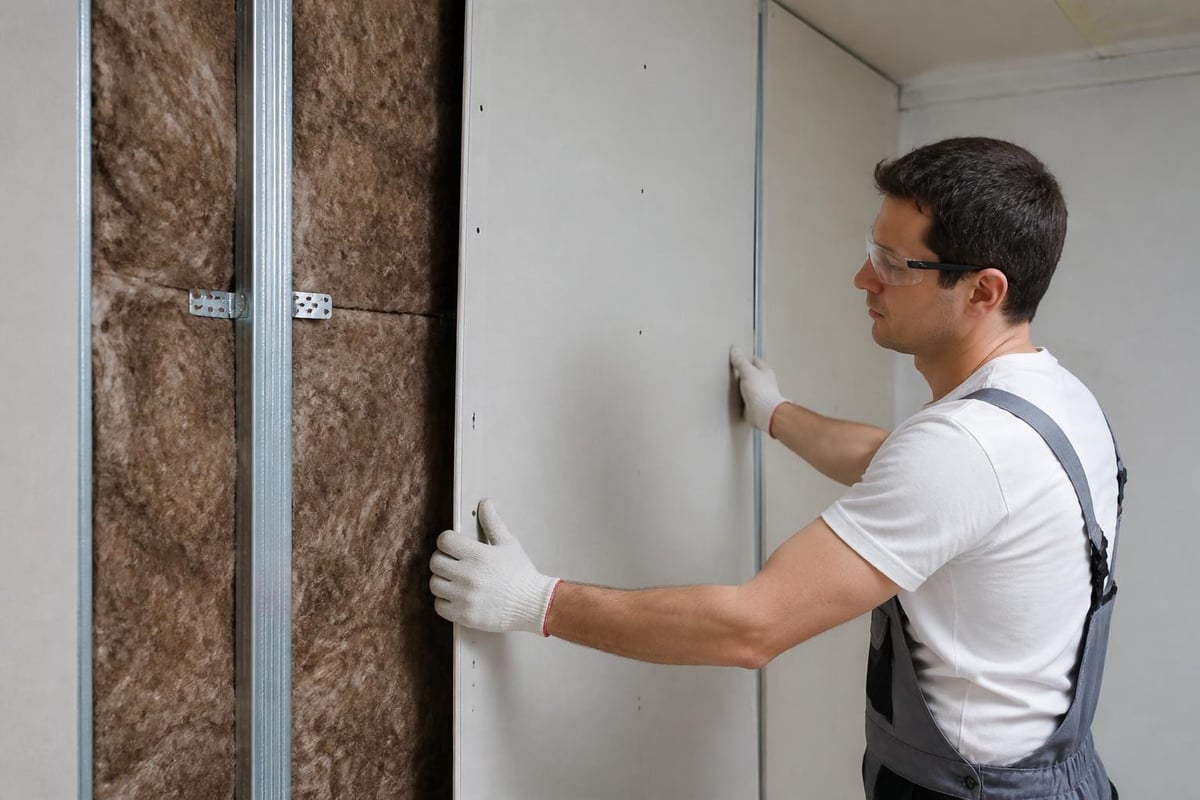
Adding mass to wall and ceiling systems improves sound blocking. Two layers of plasterboard with acoustic sealant between layers outperform single-layer construction significantly. Some builders use specialised acoustic plasterboard or mass-loaded vinyl barriers for critical applications.
The principle is simple: heavier barriers block more sound. When combined with soundproofing batts insulation filling the cavity, you create a highly effective acoustic assembly.
Health and Environmental Considerations
Modern soundproofing batts insulation products reflect growing awareness of health and environmental impacts. Choosing low-VOC, low-dust products creates healthier indoor environments and safer installation conditions.
Products manufactured with ECOSE Technology contain no added formaldehyde and use rapidly renewable bio-based binders instead of traditional phenol-formaldehyde resins. This advancement benefits both installers during construction and occupants throughout the building's life.
Sustainability Features to Look For
- Recycled content (especially in polyester products)
- Low embodied energy manufacturing
- No added formaldehyde or harmful chemicals
- Biodegradable or recyclable at end of life
- Australian made to reduce transport emissions
Many quality products available through Insulation Supplies Australia meet these criteria, supporting both your comfort goals and environmental values.
Understanding Product Specifications
Reading technical data sheets helps you compare soundproofing batts insulation products accurately. Key specifications tell you exactly what performance to expect.
Critical Specifications
| Specification | What It Means | Typical Range |
|---|---|---|
| Density (kg/m³) | Mass per cubic metre - higher is better for sound | 22-28 kg/m³ |
| Thickness (mm) | Cavity fill depth - matches stud size | 60-140mm |
| NRC | Sound absorption coefficient (0-1 scale) | 0.85-1.0 |
| R-value | Thermal resistance | R1.5-R4.0 |
Don't focus solely on one metric. The best soundproofing batts insulation balances density, thickness, and acoustic rating to suit your specific application while fitting within your wall or ceiling cavity dimensions.
Fire Safety and Building Compliance
Acoustic insulation must meet Australian Building Code requirements for fire safety. Quality soundproofing batts insulation products carry appropriate certification and testing documentation.
Glasswool and rockwool acoustic batts are non-combustible, providing excellent fire resistance. They won't fuel a fire and can help slow fire spread through wall cavities. Polyester batts vary in fire performance, so check specifications and certifications carefully for your application.
Compliance Documentation
Ensure your chosen soundproofing batts insulation includes:
- Australian Standard compliance certificates
- Fire hazard properties test results
- CodeMark certification where required
- Installation guidelines meeting NCC requirements
Professional builders and owner-builders alike must verify that products meet regulatory requirements for their intended application, particularly in multi-residential construction where acoustic performance standards are mandated.
Soundproofing batts insulation transforms noisy homes into peaceful, comfortable living spaces while often improving energy efficiency at the same time. By understanding material options, installation best practices, and how to combine acoustic strategies effectively, you can achieve excellent results in your renovation or building project. Insulation Supplies Australia offers a comprehensive range of acoustic and thermal insulation solutions with expert advice, competitive pricing, and fast delivery across Melbourne and Victoria, making it easy to find the right products for your needs.