

Unwanted noise from neighbours, traffic, or noisy rooms can seriously affect your comfort at home. Whether you're dealing with loud conversations from next door, footsteps from above, or street noise filtering through your walls, soundproofing batts offer an effective solution. These specialised insulation products work by absorbing sound energy and reducing noise transmission between rooms and from external sources. Understanding how they work and choosing the right product can transform your living environment into a peaceful, quiet space.
What Are Soundproofing Batts and How Do They Work
Soundproofing batts are specially designed insulation products that reduce noise transmission through walls, ceilings, and floors. Unlike standard thermal insulation that primarily targets heat flow, these batts focus on absorbing sound waves and minimising vibrations.
The science behind acoustic insulation involves density and material composition. When sound waves hit a surface, they create vibrations that travel through building materials. Soundproofing batts interrupt this process by absorbing the sound energy before it can pass through.
Key features that make acoustic batts effective:
- Higher density compared to standard thermal insulation
- Specialised fibre arrangements that trap sound waves
- Optimal thickness for maximum sound absorption
- Non-combustible materials that meet Australian building standards
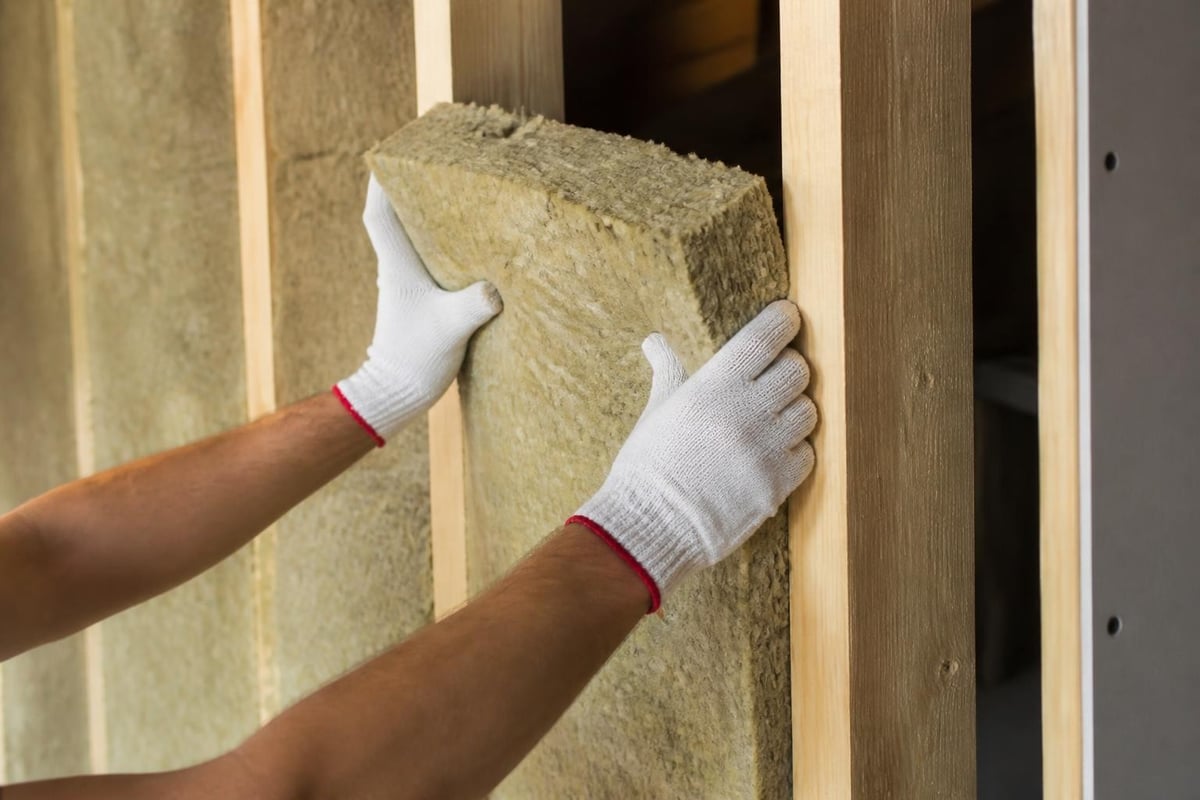
Most soundproofing batts use glasswool or polyester fibres manufactured to specific densities. The denser the material, the better it absorbs sound across different frequencies. This makes them particularly effective against common household noises like voices, television sound, and music.
The Difference Between Acoustic and Thermal Insulation
While both serve important functions, acoustic and thermal insulation have distinct purposes. Thermal insulation primarily resists heat transfer, measured by R-values. Soundproofing batts focus on noise reduction, measured by Sound Transmission Class (STC) ratings or Weighted Sound Reduction Index (Rw).
Many products offer dual benefits. Modern acoustic insulation combines thermal performance with superior sound absorption, giving you energy efficiency and noise control in one solution.
The density difference is crucial. Thermal batts might have densities around 12-14 kg/m³, while acoustic batts often range from 20-30 kg/m³. This higher density creates more resistance to sound wave travel without compromising thermal performance.
Types of Soundproofing Batts Available
The Australian market offers several types of soundproofing batts, each suited to different applications and budgets. Understanding these options helps you choose the right product for your specific noise problem.
Glasswool Acoustic Batts
Glasswool acoustic batts represent the most popular choice for residential soundproofing. Manufactured from recycled glass and sand, these batts offer excellent sound absorption across a wide frequency range.
| Feature | Specification | Benefit |
|---|---|---|
| Density | 20-30 kg/m³ | Superior sound absorption |
| Fire Rating | Non-combustible | Added safety |
| Moisture Resistance | Good | Suitable for most environments |
| Installation | Cut to fit | Easy DIY installation |
These batts work exceptionally well in internal walls between bedrooms, living areas, and home theatres. They're also effective in ceilings when you need to reduce noise transfer between floors.
Polyester Acoustic Batts
Polyester soundproofing batts provide an alternative for those preferring non-irritating, itch-free materials. Made from recycled plastic bottles, they're an environmentally friendly option that handles moisture better than glasswool.
Advantages of polyester batts:
- No skin irritation during installation
- Excellent moisture resistance
- Hypoallergenic properties
- Recyclable and sustainable
While typically less dense than glasswool options, quality polyester batts still deliver strong acoustic performance. They're particularly popular with DIY renovators who want comfortable handling during installation.
High-Density Soundproofing Batts
For maximum noise reduction, high-density soundproofing batts deliver superior performance. These premium products use increased material density to achieve better sound blocking, particularly for low-frequency noise like bass music or traffic rumble.
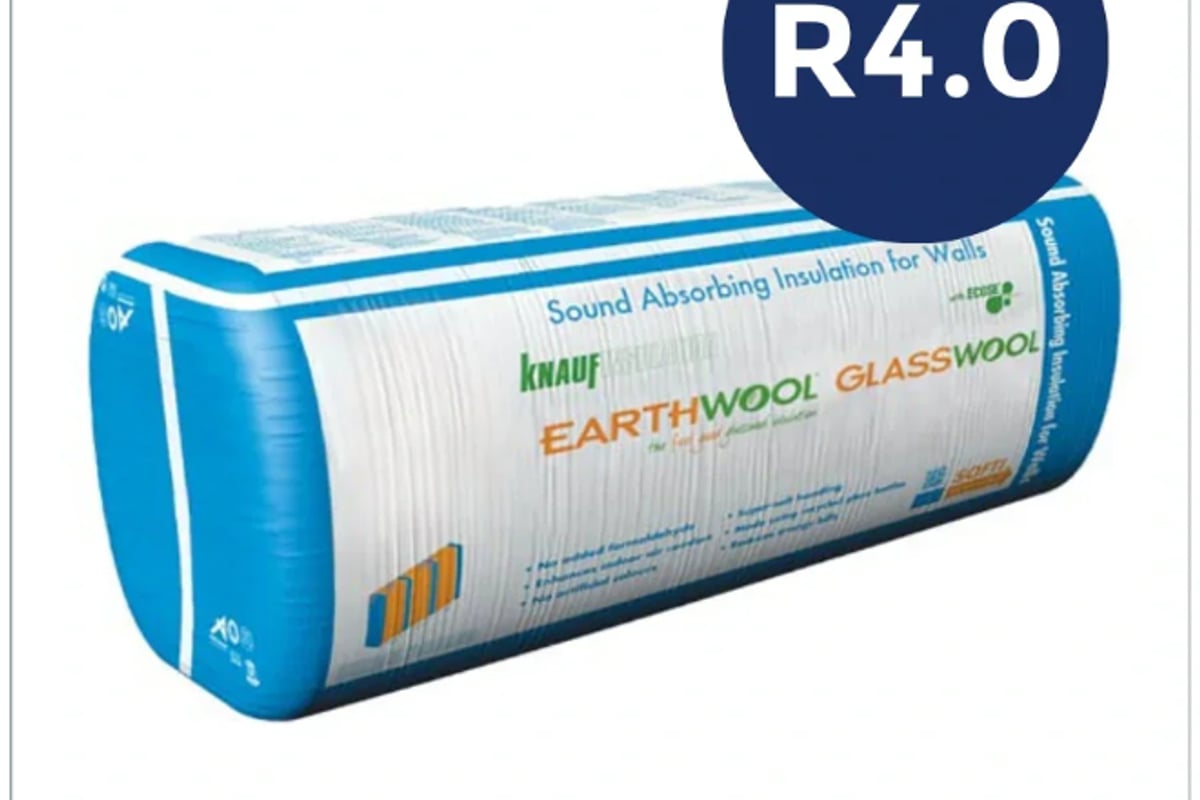
Products like the Earthwool Sound Shield R4.0 140x580mm 22.6kg/m³ 9/pc 6.06m² combine exceptional acoustic performance with high thermal resistance. This dual functionality makes them ideal for external walls where both noise control and energy efficiency matter.
High-density batts typically cost more but provide measurably better results in challenging noise environments. They're worth considering for walls adjoining busy streets, entertainment rooms, or bedrooms requiring maximum quiet.
Choosing the Right Soundproofing Batts for Your Project
Selecting appropriate soundproofing batts depends on several factors beyond just picking the densest option. Your specific noise problem, wall construction, budget, and installation skills all influence the best choice.
Assessing Your Noise Problem
Different noise types require different solutions. Impact noise (footsteps, dropped objects) differs from airborne noise (voices, music). Identifying your primary concern helps target the right product.
Common noise scenarios and recommended approaches:
- Bedroom walls - Medium to high-density batts (20-24 kg/m³) for conversation privacy
- Home theatres - High-density batts (24-30 kg/m³) for maximum sound containment
- External walls - Dual-purpose batts combining thermal and acoustic properties
- Ceiling/floor separation - Thick, high-density batts to reduce impact and airborne noise
Consider the frequency of the noise too. Low-frequency sounds like bass or traffic need thicker, denser batts. High-frequency noise like children's voices or television can be managed with standard acoustic batts.
Matching Batts to Wall Cavity Dimensions
Soundproofing batts must fit your wall cavity properly to work effectively. Australian timber frame walls typically use 90mm studs, while steel frame construction might use 64mm or 92mm studs.
Measure your stud depth before ordering. Batts should fill the cavity completely without compression, as squashing reduces acoustic performance. Standard widths of 430mm, 570mm, or 580mm match common stud spacing.
For wall insulation applications, ensure you're ordering the correct thickness and width combination. Most suppliers provide detailed specifications to help you match products to your framing.
Understanding Acoustic Ratings
Sound Transmission Class (STC) ratings measure how well a wall assembly reduces airborne sound. Higher numbers mean better sound blocking. Adding soundproofing batts to a standard stud wall typically improves STC ratings by 5-15 points.
| Wall Construction | STC Without Batts | STC With Acoustic Batts | Improvement |
|---|---|---|---|
| Single stud, plasterboard both sides | 33-35 | 40-45 | 7-10 points |
| Staggered stud, plasterboard both sides | 40-43 | 50-55 | 10-12 points |
| Double stud, resilient mounts | 45-48 | 55-60 | 10-12 points |
The Weighted Sound Reduction Index (Rw) is the Australian standard equivalent to STC. Look for Rw ratings of 45+ for good privacy, 50+ for excellent noise control, and 55+ for maximum soundproofing.
Installing Soundproofing Batts Correctly
Proper installation dramatically affects how well soundproofing batts perform. Even premium products won't deliver their rated performance if installed incorrectly. Following best practices ensures you get the noise reduction you're paying for.
Preparation and Safety
Before starting installation, gather the right tools and safety equipment. While modern batts are safer than older products, you still need protection during handling and cutting.
Essential tools and safety gear:
- Sharp utility knife or insulation saw
- Straight edge or T-square for cutting
- Measuring tape
- Safety glasses
- Dust mask (P2 rated minimum)
- Long-sleeved shirt and gloves
- Step ladder for ceiling work
Clear the work area and ensure good ventilation. Remove any electrical outlet covers or fixtures that might obstruct installation. Turn off power to any circuits in the walls you're working on.
Step-by-Step Installation Process
Installing soundproofing batts follows a logical sequence that ensures complete coverage and proper fit. Rushing or skipping steps reduces effectiveness.
Installation procedure:
- Measure cavity dimensions - Check stud spacing and depth at multiple points
- Cut batts to length - Measure from floor to ceiling, allowing slight compression
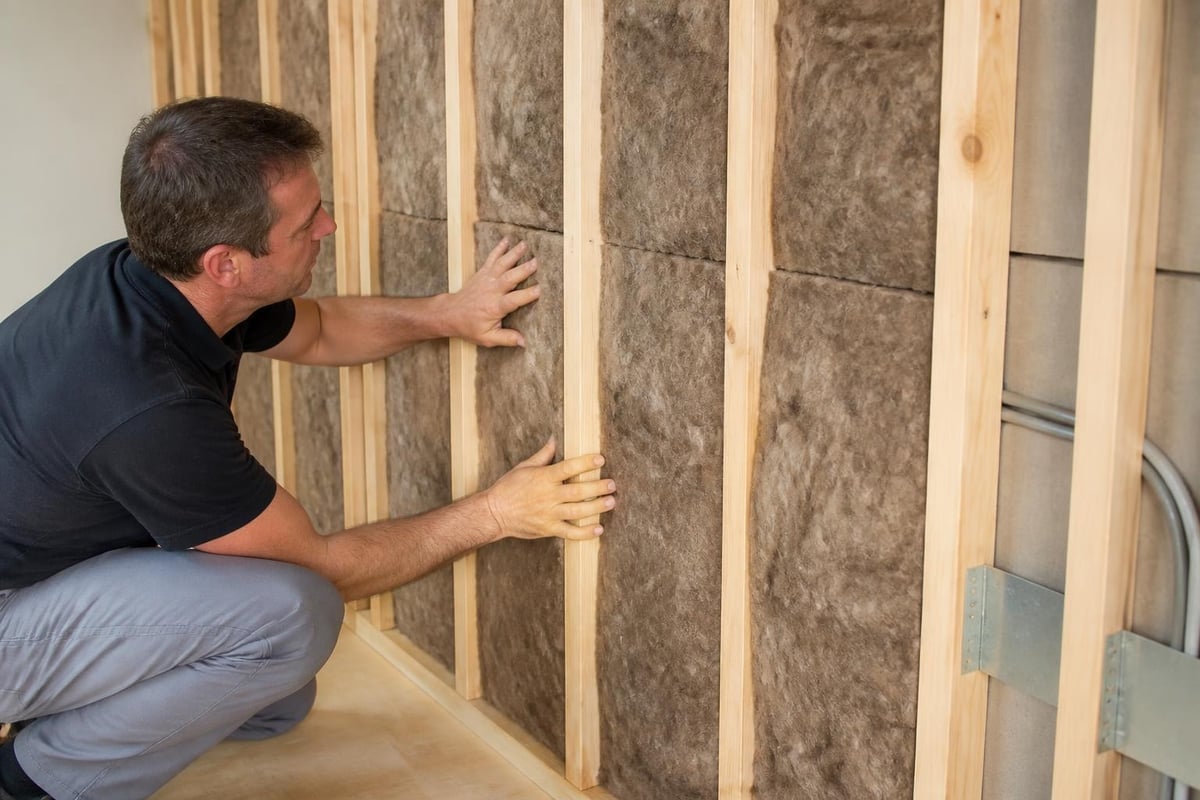
- Friction fit batts - Push batts gently into cavity between studs
- Work around obstacles - Cut neat openings for electrical boxes and pipes
- Fill gaps completely - Use offcuts to fill small spaces and corners
- Avoid compression - Don't pack batts too tightly or force oversized pieces
- Check for gaps - Ensure no voids remain between batts and studs
For ceiling insulation in multi-storey homes, work from above if possible. Installing from below requires careful placement to prevent batts falling through before fixing ceiling sheets.
Common Installation Mistakes to Avoid
Even experienced DIYers make errors that compromise acoustic performance. Being aware of these pitfalls helps you avoid them.
Gaps between batts and studs create sound pathways that reduce overall effectiveness. Ensure batts friction-fit snugly against all framing members without leaving voids.
Compressing batts to fit decreases their density effectiveness. If batts are too thick for your cavity, choose the next size down rather than forcing them in.
Leaving electrical boxes unsealed creates noise leaks. Use acoustic putty pads around outlet boxes to maintain the sound barrier.
Maximising Soundproofing Performance
Installing soundproofing batts is just one element of effective noise control. Combining batts with other acoustic treatments creates a comprehensive solution that delivers better results than batts alone.
Complementary Soundproofing Techniques
Soundproofing batts work best as part of a complete acoustic system. Additional elements address different aspects of noise transmission.
Effective complementary measures:
- Resilient channels - Decouple plasterboard from studs to reduce vibration transfer
- Acoustic sealant - Fill gaps around perimeters, pipes, and penetrations
- Double plasterboard layers - Add mass to walls for better sound blocking
- Staggered or double studs - Eliminate direct sound paths through framing
- Acoustic doors and seals - Address weak points in otherwise well-insulated walls
The weakest point in your wall determines overall performance. A perfectly insulated wall with a poorly sealed door won't deliver the quiet you expect.
Addressing Flanking Paths
Sound doesn't just travel directly through walls. It finds paths around obstacles through what acousticians call flanking. Common flanking paths include ductwork, electrical conduits, ceiling plenums, and floor cavities.
Seal these pathways with appropriate materials. Wrap ducts in acoustic lagging, seal conduit penetrations with acoustic putty, and ensure continuous soundproofing batts across all wall-to-ceiling and wall-to-floor junctions.
Cost Considerations and Value
Soundproofing batts represent an investment in home comfort. Understanding the cost structure helps you budget appropriately and recognise value beyond just the purchase price.
Price Factors for Soundproofing Batts
Several elements influence the cost of acoustic insulation. Density is the primary driver, with higher-density batts commanding premium prices due to increased material content.
| Density Range | Typical Cost per m² | Performance Level | Best Application |
|---|---|---|---|
| 18-20 kg/m³ | $8-12 | Good | Basic acoustic improvement |
| 22-24 kg/m³ | $12-16 | Better | Standard residential soundproofing |
| 26-30 kg/m³ | $16-22 | Best | Premium acoustic control |
Brand reputation, manufacturing technology, and environmental certifications also affect pricing. Products using ECOSE technology or recycled content may cost slightly more but offer handling and sustainability benefits.
Return on Investment
Quality soundproofing batts deliver value beyond immediate noise reduction. Improved sleep quality, better concentration for home offices, and enhanced entertainment experiences all contribute to lifestyle improvements.
Property value considerations matter too. Well-soundproofed homes appeal to buyers, particularly in urban areas or high-density housing. The relatively modest cost of acoustic batts during construction or renovation delivers ongoing benefits.
Energy efficiency adds another dimension. Many soundproofing batts provide excellent thermal performance alongside acoustic benefits, reducing heating and cooling costs year-round.
Maintenance and Longevity
Once properly installed, soundproofing batts require virtually no maintenance. Understanding their lifespan and any potential issues helps you plan renovations and assess long-term performance.
Expected Lifespan
Quality soundproofing batts maintain their acoustic properties for decades when protected from moisture and physical damage. Glasswool and polyester batts don't settle significantly like some blown-in insulation products.
The batts themselves typically outlast the building lifespan. However, their effectiveness depends on the complete wall system remaining intact. Cracks in plasterboard, unsealed penetrations, or deteriorated acoustic sealant can reduce performance over time.
When to Replace or Upgrade
Replacement is rarely necessary unless you're undertaking major renovations. Consider upgrading existing batts when:
- Renovating walls that require opening
- Adding room additions that need acoustic matching
- Addressing noise problems in previously untreated spaces
- Upgrading from low-density thermal batts to acoustic-grade products
If existing walls already contain standard insulation, assess whether acoustic improvement justifies the renovation cost. Sometimes addressing flanking paths or adding mass to wall surfaces proves more cost-effective than replacing existing batts.
Choosing and installing soundproofing batts transforms noisy homes into peaceful retreats where you control your acoustic environment. Whether you're building new, renovating, or simply tired of unwanted noise, quality acoustic insulation delivers measurable improvements in comfort and liveability. Insulation Supplies Australia offers a comprehensive range of soundproofing batts from trusted manufacturers, backed by expert advice to help you select the perfect solution for your project. With competitive pricing, fast delivery across Victoria, and straightforward online ordering, getting the quiet home you deserve has never been easier.