

Noise pollution in homes can seriously impact your quality of life, whether it's traffic rumble, noisy neighbours, or sound bouncing between rooms. Sound proof insulation batts offer an effective solution by reducing sound transmission through walls, ceilings, and floors. Unlike standard thermal insulation, acoustic batts are specifically engineered with higher density materials and unique fibre structures to absorb and dampen sound waves. Understanding how these products work, what to look for, and where to install them helps Australian homeowners, renovators, and builders create quieter, more comfortable living spaces without breaking the budget.
What Are Sound Proof Insulation Batts
Sound proof insulation batts are purpose-built acoustic products designed to reduce noise transfer between rooms and from external sources. They're manufactured from dense fibrous materials such as glasswool or rockwool that trap sound waves within their structure, preventing them from passing through walls and ceilings.
The key difference between acoustic batts and standard thermal insulation lies in their density and composition. While thermal batts focus primarily on preventing heat transfer, sound proof insulation batts typically feature:
- Higher material density (usually 22kg/m³ or greater)
- Thicker profiles to provide more sound-absorbing mass
- Specialized fibre arrangements that create more friction for sound waves
- Dual-purpose performance offering both acoustic and thermal benefits
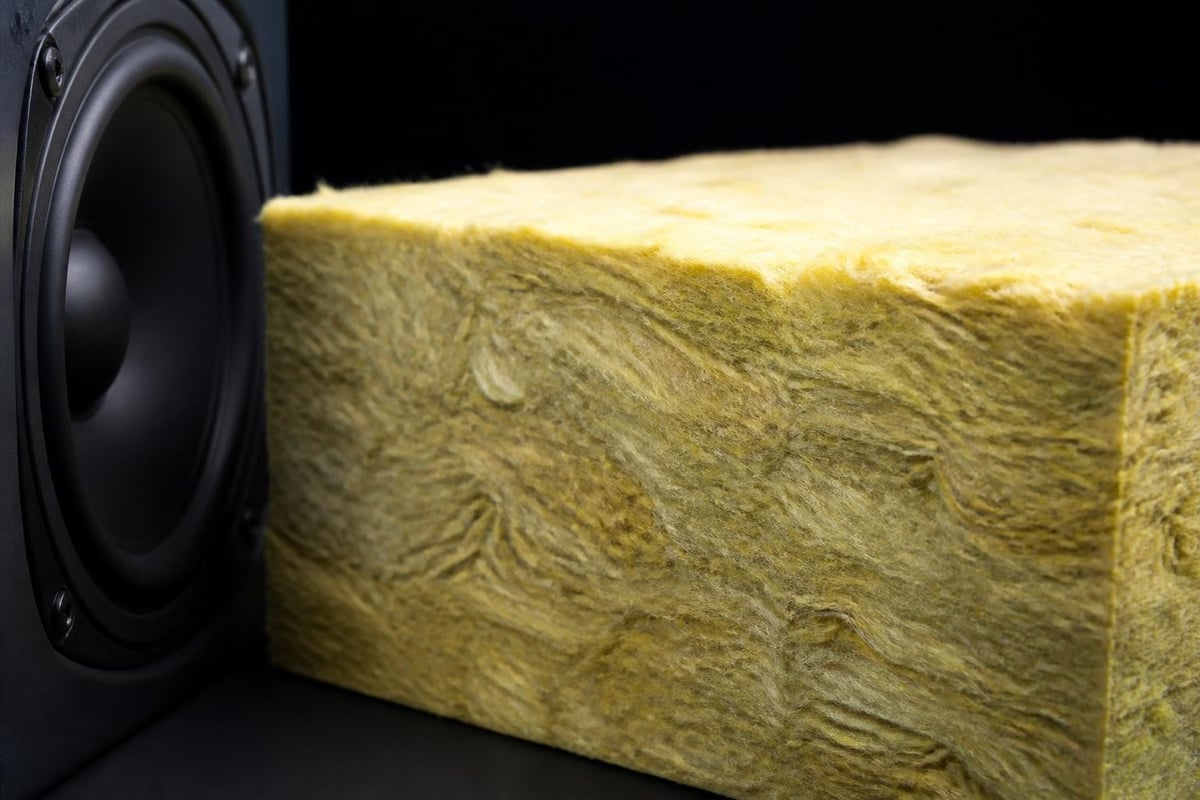
According to research on sound insulation in building constructions, the effectiveness of acoustic insulation depends heavily on material density, thickness, and proper installation techniques. Australian homes benefit significantly from acoustic treatment, especially in urban areas where external noise and multi-storey living create ongoing sound challenges.
How Sound Transmission Works in Buildings
Sound travels through buildings in two main ways: airborne transmission and structure-borne transmission. Airborne sound includes voices, television noise, and traffic sounds that move through the air and pass through walls, floors, and ceilings. Structure-borne sound travels through the building's physical structure itself, such as footsteps on floors or vibrations from appliances.
Sound proof insulation batts primarily target airborne noise by creating a dense barrier that absorbs sound energy before it can pass through building elements. When sound waves hit the insulation, they cause the fibres to vibrate. This vibration converts sound energy into tiny amounts of heat energy through friction, effectively reducing the sound that reaches the other side.
The effectiveness of this process is measured using the Sound Transmission Class (STC) rating system. Higher STC ratings indicate better sound blocking performance. A typical uninsulated timber frame wall might have an STC rating of 33, while the same wall with quality acoustic batts can achieve STC 45 or higher.
Choosing the Right Material for Acoustic Performance
Different insulation materials offer varying levels of sound reduction, and understanding these differences helps you make informed decisions for your project.
| Material Type | Density Range | Acoustic Performance | Best Applications |
|---|---|---|---|
| Glasswool Acoustic Batts | 20-28 kg/m³ | Excellent | Internal walls, ceilings, apartments |
| Rockwool/Mineral Wool | 30-60 kg/m³ | Superior | Party walls, music rooms, home theatres |
| Polyester Acoustic Batts | 12-20 kg/m³ | Good | Internal walls, budget projects |
| Standard Thermal Batts | 8-14 kg/m³ | Limited | Not recommended for acoustic applications |
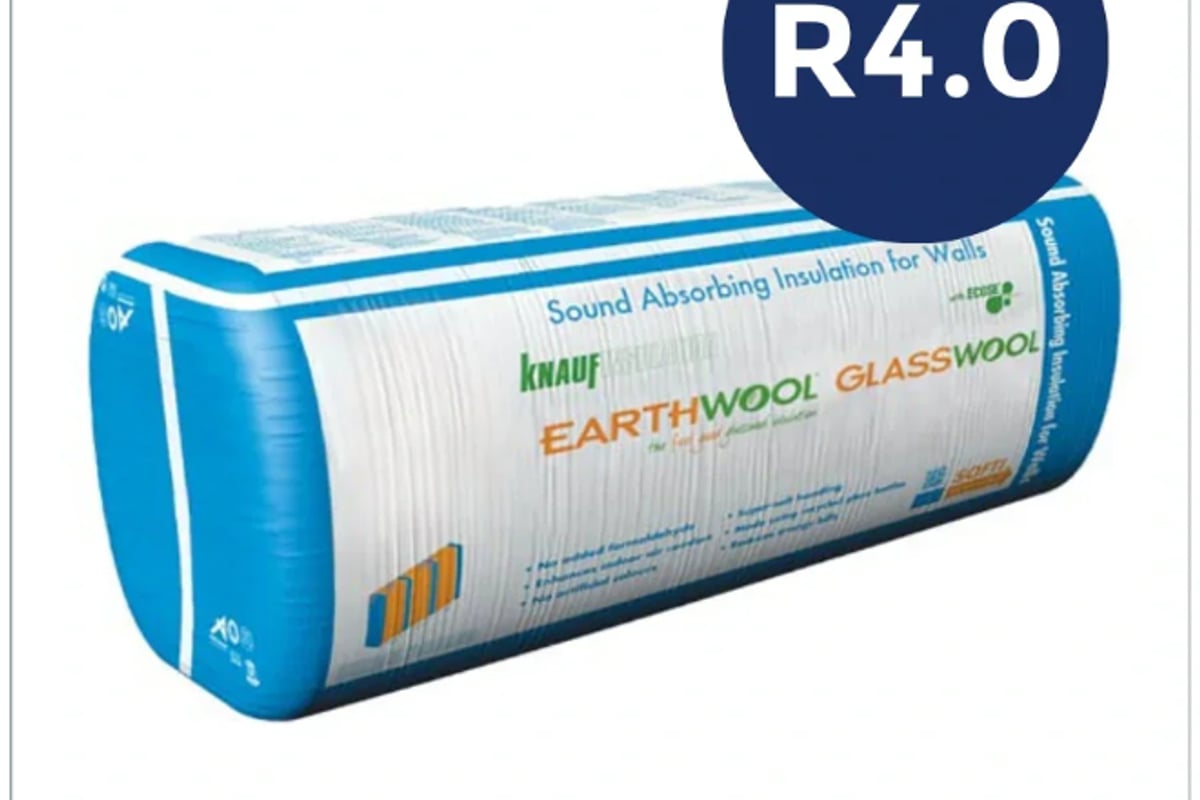
Glasswool acoustic batts represent the most popular choice for Australian residential applications. They offer an excellent balance of acoustic performance, thermal efficiency, and cost-effectiveness. Products like the Earthwool Sound Shield R4.0 140x580mm combine high-density glasswool construction with ECOSE Technology, delivering outstanding noise reduction while remaining soft to handle and easy to install. This makes them ideal for homeowners tackling DIY renovations or builders working on multi-residential projects where enhanced acoustic comfort is essential.
Rockwool or mineral wool batts provide the highest level of acoustic performance due to their extreme density. They're particularly effective in situations requiring maximum sound blocking, such as party walls in townhouses, recording studios, or home theatres. However, they come at a higher cost and can be more challenging to cut and install.
Understanding R-Values and Acoustic Ratings
Many homeowners get confused about the relationship between R-values and acoustic performance. The R-value measures thermal resistance (how well insulation prevents heat flow), not sound blocking ability. However, there's often a correlation: thicker, denser batts that achieve higher R-values also tend to provide better acoustic performance.
For acoustic applications in wall insulation projects, look for products specifically marketed as acoustic or sound-rated batts with density ratings above 20kg/m³. Check product specifications for STC ratings or Rw ratings (the Australian/European equivalent) to compare acoustic performance directly.
When selecting sound proof insulation batts, consider:
- Thickness: 90mm minimum for walls, 140mm ideal for superior performance
- Density: 22kg/m³ or higher for effective acoustic control
- Coverage: Ensure complete filling of the cavity with no gaps
- Fire rating: Choose non-combustible materials for safety compliance
Installation Techniques for Maximum Sound Reduction
Proper installation is absolutely critical for sound proof insulation batts to perform effectively. Even the highest-quality acoustic batts will fail to deliver their rated performance if installed incorrectly.
Preparing Wall and Ceiling Cavities
Before installing acoustic batts, inspect your wall or ceiling cavity carefully. Remove any debris, old insulation fragments, or obstructions that might prevent full coverage. Check for electrical wiring, plumbing, or other services and plan your installation around these elements.
Measure the cavity depth and width to ensure you're ordering the correct batt size. Standard wall studs in Australia are typically 90mm deep, while ceiling joists vary from 90mm to 140mm or more. Your batts should fill the entire cavity depth without compression (which reduces acoustic performance) or leaving gaps.
Step-by-Step Installation Process
-
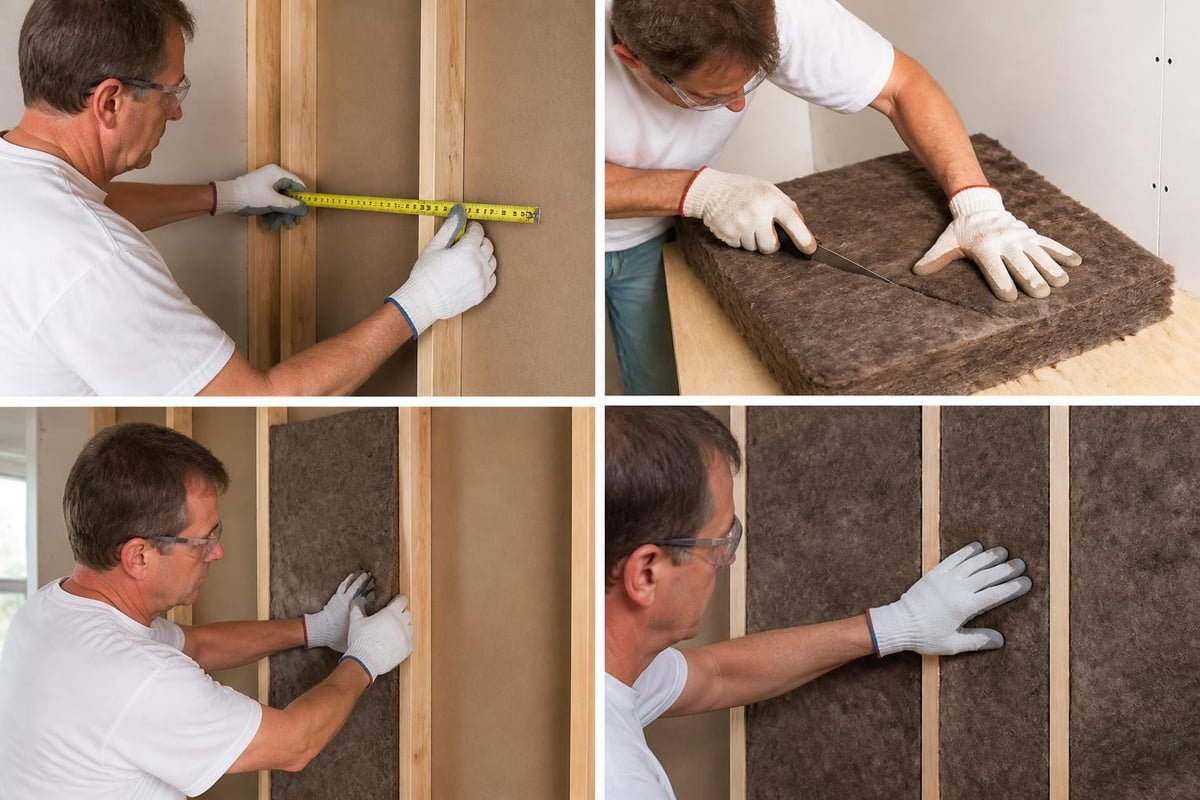
Measure and cut accurately: Use a sharp utility knife and a straight edge to cut batts to the exact length needed. Acoustic batts should fit snugly between studs or joists without compression.
-
Fill completely: Press batts gently into place, ensuring they make contact with the back of the cavity. Don't compress or squash the insulation, as this reduces the air pockets needed for sound absorption.
-
Cut around obstacles: Carefully cut around electrical boxes, pipes, and other penetrations. Sound travels through any gap, so seal around these elements with acoustic caulk after installation.
-
Address gaps and edges: Pay special attention to edges, corners, and junctions between walls and ceilings. Use offcuts to fill smaller spaces rather than leaving voids.
-
Consider double layers: For critical applications like home theatres or party walls, consider installing two layers of batts in a staggered arrangement for maximum sound reduction.
The National Insulation Authority provides detailed guidance on proper fiberglass batt insulation installation, emphasizing the importance of complete cavity fill and proper cutting techniques. These principles apply equally to acoustic batt installation.
Where to Install Sound Proof Insulation Batts
Strategic placement of sound proof insulation batts maximizes noise reduction benefits while keeping your project budget-friendly. You don't need to insulate every wall in your home for acoustic purposes.
Priority Locations for Acoustic Insulation
Internal walls between living spaces: Focus on walls separating bedrooms from living areas, home offices from family rooms, or any space where privacy and quiet are important. These walls receive the most benefit from acoustic treatment.
Party walls in attached dwellings: If you live in a townhouse, duplex, or apartment, the shared wall with your neighbours is the highest-priority location for sound proof insulation batts. Building codes in Victoria often require minimum acoustic ratings for these walls.
Ceilings in multi-storey homes: Sound travels easily between floors, especially footstep noise and impact sounds. Installing acoustic batts in ceiling cavities reduces sound transmission between levels.
Media rooms and home theatres: These spaces benefit from comprehensive acoustic treatment, including walls and ceilings, to contain sound within the room and prevent disturbance to other areas.
Bathroom and laundry walls: Plumbing noise and running water create significant sound issues. Insulating walls around these spaces helps contain mechanical sounds.
For comprehensive noise control, consider exploring the full range of acoustic insulation products available for different applications throughout your home.
Combining Acoustic Batts with Other Sound Reduction Methods
Sound proof insulation batts work best as part of a complete acoustic strategy. Consider these complementary techniques:
- Mass-loaded vinyl barriers: Add extra mass to walls for improved sound blocking
- Resilient channels: Create separation between wall frames and plasterboard to break sound transmission paths
- Acoustic caulk: Seal all gaps, penetrations, and joints to prevent sound leakage
- Double layers of plasterboard: Increase wall mass and dampen vibrations
- Decoupled wall systems: Build walls with staggered studs or separate frames to eliminate direct sound paths
According to Modernize's guide to soundproof insulation, combining multiple techniques delivers significantly better results than relying on insulation alone. The investment in comprehensive acoustic treatment pays off through improved comfort and property value.
Common Mistakes to Avoid
Even experienced DIYers and builders sometimes make critical errors when installing sound proof insulation batts. Avoiding these mistakes ensures your acoustic insulation performs as expected.
Gap and Compression Issues
Leaving gaps: Any space where batts don't fully contact the cavity back or edges creates a direct sound path. Sound waves take the path of least resistance, so even small gaps dramatically reduce overall performance.
Compression: Squashing or compressing acoustic batts to fit tight spaces reduces the air pockets within the material. These air pockets are essential for sound absorption. If batts don't fit properly, cut them to size rather than forcing them in.
Inadequate coverage around services: Electrical boxes, light fixtures, and plumbing penetrations create potential sound leaks. Use small offcuts to pack around these elements and seal with acoustic caulk.
Installation Sequence Errors
Installing insulation after running electrical wiring is ideal, but coordinate with electricians to ensure wiring placement doesn't compress or displace batts. Never remove batts to run cables after installation without properly replacing them.
Similarly, ensure plasterboard installers understand the importance of maintaining insulation position during wall lining. Batts can sometimes shift or fall during plasterboard installation if not friction-fitted correctly.
Material Selection Mistakes
As explained in this comparison between sound batts and standard insulation, using regular thermal batts for acoustic purposes delivers disappointing results. The lower density and different fibre structure of thermal batts simply can't provide the same sound-blocking performance as purpose-built acoustic products.
Don't assume that higher R-value automatically means better acoustic performance. While there's often correlation, always check the specific acoustic rating (STC or Rw) and density specifications when selecting batts for noise reduction.
Understanding Acoustic Performance Standards
Australian building standards include specific acoustic requirements for certain types of construction, particularly multi-residential buildings and attached dwellings. Understanding these standards helps ensure your project meets compliance requirements.
The National Construction Code (NCC) sets minimum sound insulation requirements for walls and floors separating different dwellings. For walls, the typical requirement is an Rw rating of 50 or higher. This translates to substantial sound reduction that makes normal conversation from the neighbouring dwelling barely audible.
| Rw Rating | Perceived Effect | Typical Application |
|---|---|---|
| Rw 40-44 | Normal speech easily heard | Not suitable for party walls |
| Rw 45-49 | Normal speech heard but not understood | Minimum acceptable for some applications |
| Rw 50-54 | Normal speech faintly heard | NCC requirement for party walls |
| Rw 55+ | Normal speech not heard | Superior acoustic privacy |
Meeting these standards requires not just quality sound proof insulation batts but also proper wall construction, sealing, and finishing. Consult with your local building surveyor or acoustic consultant for critical applications to ensure compliance.
Cost Considerations and Budget Planning
Sound proof insulation batts cost more than standard thermal insulation due to their higher density and specialized manufacturing. However, the investment delivers long-term benefits in comfort, privacy, and property value.
Pricing Factors
Expect to pay approximately 30-50% more for acoustic batts compared to standard thermal batts of similar dimensions. Prices vary based on:
- Material type: Glasswool acoustic batts are generally more affordable than rockwool alternatives
- Density: Higher-density products (25-28 kg/m³) cost more than lower-density options (20-22 kg/m³)
- Thickness: Thicker batts require more material and cost proportionally more
- Brand and technology: Products featuring advanced technologies or environmental credentials may command premium pricing
- Volume: Buying in bulk for larger projects typically reduces per-square-metre costs
For a typical internal wall acoustic project in a 3-bedroom home, budget approximately $800-1,500 for materials if insulating bedroom walls and critical areas. A comprehensive whole-home acoustic upgrade including ceilings might cost $3,000-6,000 in materials.
Maximizing Value
Focus your budget on priority areas rather than trying to insulate every wall. As discussed earlier, bedrooms, bathrooms, and walls adjacent to noisy spaces deliver the most noticeable improvement.
Consider a staged approach: tackle the most problematic areas first, then expand to additional spaces as budget allows. This strategy provides immediate relief from noise issues while spreading costs over time.
Shopping with experienced suppliers ensures you get the right product for your specific needs without overspending on unnecessary specifications. Compare options based on actual performance ratings rather than just price.
DIY Installation vs Professional Installation
Many homeowners successfully install sound proof insulation batts themselves, particularly in accessible wall and ceiling cavities during renovation work. However, some situations benefit from professional installation.
When DIY Makes Sense
Accessible cavities: If you're renovating and walls are already opened up, installing batts is straightforward. Basic tools (utility knife, tape measure, straight edge) and careful attention to complete coverage are all that's required.
Simple layouts: Regular stud walls without complex services, unusual angles, or restricted access are ideal for DIY installation. Following the installation steps outlined earlier delivers professional results.
Cost sensitivity: Labour costs for professional installation can double or triple your total project cost. If you're comfortable working with building materials and can dedicate time to careful installation, DIY saves substantially.
Additional resources on soundproofing insulation materials provide helpful context for understanding how different products perform and what installation approaches work best for various situations.
When to Consider Professional Help
Compliance requirements: Projects requiring certification for NCC compliance, particularly in multi-residential buildings, benefit from professional installation with proper documentation.
Difficult access: Retrofitting insulation into existing walls, crawl spaces, or high ceilings presents challenges that professional installers handle more efficiently.
Complex projects: Homes with extensive plumbing, electrical services, or architectural features require experience to navigate properly while maintaining complete acoustic coverage.
Time constraints: Professional installers work much faster than DIYers, completing in hours what might take weekends for inexperienced homeowners.
Long-Term Performance and Maintenance
Once properly installed, sound proof insulation batts require virtually no maintenance and deliver consistent performance for the life of your building. Understanding their durability helps you appreciate the long-term value of your investment.
Quality glasswool and rockwool acoustic batts don't settle, degrade, or lose effectiveness over time when protected from moisture. Products manufactured with modern ECOSE Technology resist common issues like dust generation and skin irritation, maintaining their integrity for decades.
Durability Factors
Moisture resistance: While acoustic batts aren't waterproof, modern products resist moisture damage better than older alternatives. However, protect them from direct water contact and address any leaks promptly to prevent saturation and potential mould growth.
Fire safety: Non-combustible glasswool and rockwool products provide lasting fire resistance without degradation. They won't contribute to fire spread and maintain their acoustic properties even after exposure to heat.
Pest resistance: Unlike some organic insulation materials, glasswool and rockwool products don't provide food sources for pests and resist infestation effectively.
Compression recovery: Quality acoustic batts spring back if temporarily compressed during installation or service work, maintaining their designed thickness and acoustic performance.
Checking and Updating Insulation
Inspect acoustic insulation if you notice increased noise transmission over time. Common issues include:
- Service work damage: Electricians or plumbers accessing cavities may displace or remove batts without proper replacement
- Settling in ceilings: While quality batts shouldn't settle, check older installations if performance seems degraded
- Water damage: Roof leaks or plumbing issues can saturate insulation, requiring replacement of affected sections
- Renovation impacts: Previous modifications might have created gaps or reduced coverage
For ongoing acoustic performance information and product updates, explore ceiling insulation options and wall systems designed for Australian conditions.
Soundproofing Science and Modern Innovations
The technology behind sound proof insulation batts continues to evolve, with manufacturers developing improved materials and construction techniques that enhance acoustic performance while addressing environmental concerns.
Modern acoustic batts incorporate several technological advances:
ECOSE Technology: This bio-based binder technology reduces formaldehyde content while creating softer, less dusty products that are easier to handle. The technology doesn't compromise acoustic performance while delivering environmental benefits.
Variable density manufacturing: Some products feature graduated density profiles that optimize both acoustic absorption and thermal performance within a single batt thickness.
Hybrid compositions: Combining different fibre types or layering materials creates products that address both airborne and structure-borne sound transmission more effectively.
Research continues into advanced soundproofing methods, including metamaterials and resonant structures that could revolutionize acoustic insulation. While these technologies remain largely experimental, they point toward even more effective solutions in coming years.
Understanding the difference between sound absorption and sound blocking helps clarify how acoustic batts work. Absorption reduces echo and reverberation within a space, while blocking prevents sound transmission through walls and floors. Sound proof insulation batts primarily provide blocking performance, though they also contribute to absorption.
Environmental Considerations and Sustainability
Environmentally conscious homeowners appreciate that modern sound proof insulation batts often deliver excellent sustainability credentials alongside their acoustic performance.
Sustainable Manufacturing
Leading manufacturers now produce acoustic batts using:
- Recycled content: Up to 80% recycled glass in glasswool products
- Bio-based binders: Plant-based bonding agents instead of formaldehyde-heavy alternatives
- Reduced energy production: Modern manufacturing uses significantly less energy than older processes
- Minimal waste: Efficient production techniques reduce offcuts and scrap material
Energy Efficiency Benefits
Beyond noise reduction, sound proof insulation batts provide thermal benefits that reduce heating and cooling costs. The higher density of acoustic batts often translates to improved R-values compared to standard products of similar thickness.
This dual benefit means your acoustic insulation investment also contributes to energy efficiency goals. For homeowners focused on comprehensive building performance, products offering both acoustic and thermal benefits deliver maximum value.
Disposal and Recycling
Glasswool and rockwool products are non-toxic and can be disposed of in standard landfill if necessary, though increasing numbers of recycling options exist. Some manufacturers accept old insulation for recycling into new products, creating a circular economy for building materials.
When removing old insulation during renovations, check with local recycling facilities about acceptance of insulation materials. This prevents waste while supporting sustainable building practices.
Making Your Final Selection
Choosing the right sound proof insulation batts involves balancing acoustic performance requirements, budget constraints, and installation practicalities. Use this decision framework to guide your selection:
Step 1: Identify your priority areas and measure the total square meterage requiring acoustic treatment. Calculate cavity depths to determine the appropriate batt thickness.
Step 2: Determine your performance target. NCC-compliant party walls require higher specifications than internal bedroom walls. Consider whether you need maximum acoustic performance or adequate noise reduction at a more accessible price point.
Step 3: Compare products based on density, STC/Rw ratings, and R-values. Don't compromise on density (aim for 22 kg/m³ minimum) but recognize that incremental performance improvements come at higher costs.
Step 4: Consider installation requirements. Some high-performance batts are heavier and more challenging to handle. If installing yourself, balance performance against installation ease.
Step 5: Source from reputable suppliers offering quality products, competitive pricing, and expert advice. Insulation Supplies Australia stocks comprehensive ranges of acoustic products suitable for every application and budget.
For specific product recommendations matching your requirements, exploring R4.0 insulation options provides high-performance solutions suitable for demanding acoustic applications.
Sound proof insulation batts deliver measurable improvements in acoustic comfort when properly selected and installed. By focusing on material density, complete cavity coverage, and strategic placement in priority areas, Australian homeowners create quieter, more peaceful living environments that enhance both daily comfort and long-term property value. Whether you're tackling a DIY renovation or planning a new build, Insulation Supplies Australia provides the products, expertise, and support you need to achieve professional acoustic results with confidence and convenience.