

Noise from above can disrupt your peace, whether it's rain hammering on metal roofing, aircraft passing overhead, or traffic noise bouncing off hard surfaces. A properly designed sound insulation roof not only blocks unwanted external noise but also improves thermal performance, making your home more comfortable year-round. Understanding how acoustic insulation works in roof spaces helps you choose the right materials and installation methods to create a quieter, more energy-efficient living environment.
Why Sound Insulation Matters in Roof Systems
External noise pollution affects millions of Australian households, particularly in urban areas near airports, busy roads, and train lines. Your roof represents one of the largest surface areas exposed to these noise sources.
Without adequate acoustic treatment, sound waves easily penetrate through roof coverings and transfer directly into living spaces below. This becomes especially problematic with lightweight roofing materials like metal sheeting, which can amplify noise from rain and hail.
Key benefits of roof acoustic insulation include:
- Reduced transmission of traffic and aircraft noise
- Minimised rain and hail impact sounds on metal roofs
- Improved speech privacy between upper-floor rooms
- Enhanced overall acoustic comfort throughout the home
- Better thermal performance alongside noise reduction
The right sound insulation roof system addresses both airborne noise (traffic, voices, aircraft) and impact noise (rain, hail, footsteps on upper floors). This dual function makes roof insulation one of the most cost-effective improvements for home comfort.
How Sound Insulation Roof Systems Work
Sound insulation operates through several physical principles that reduce noise transmission. Understanding these mechanisms helps you select appropriate materials and installation methods.
Mass and Density
Heavier, denser materials resist sound wave vibrations more effectively than lightweight alternatives. High-density glasswool or rockwool insulation products add mass to roof assemblies without excessive structural load.
When sound waves strike a dense insulation layer, the material absorbs energy and converts it to minimal heat. This absorption prevents sound from passing through to the space below. Products with densities above 20 kg/m³ typically provide superior acoustic performance compared to standard thermal-only insulation.
Decoupling and Air Gaps
Creating separation between building elements prevents direct sound transmission paths. In roof construction, this might involve installing resilient channels or maintaining air gaps between insulation layers and ceiling linings.
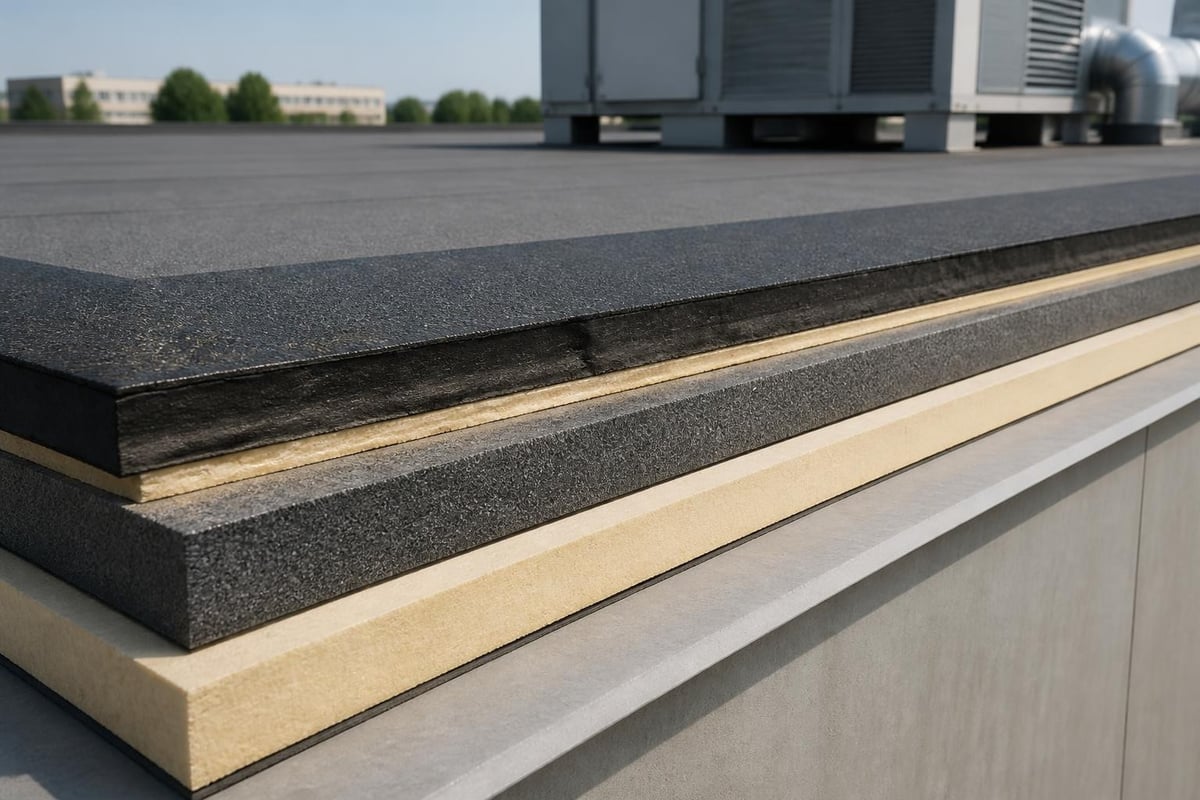
Effective decoupling strategies include:
- Installing insulation batts between roof rafters without compression
- Using resilient mounting systems for ceiling battens
- Maintaining proper air gaps around insulation materials
- Avoiding rigid connections between roof and ceiling elements
The combination of mass-loaded insulation and strategic air gaps delivers better results than either approach alone.
Absorption Properties
Different insulation materials absorb sound frequencies at varying rates. Fibrous products like glasswool excel at absorbing mid-to-high frequency sounds, which include most traffic noise and human voices.
The open structure of glasswool and rockwool traps sound waves within microscopic air pockets, dissipating acoustic energy through friction. This makes fibrous insulation particularly effective for roof applications where multiple noise sources occur simultaneously.
Choosing the Right Materials for Sound Insulation Roof Applications
Not all insulation products deliver equal acoustic performance. Material selection significantly impacts your roof's noise reduction capability.
High-Density Glasswool Solutions
Premium glasswool products specifically designed for acoustic applications offer the best combination of thermal and sound insulation. These materials feature higher densities (typically 18-28 kg/m³) compared to standard thermal batts.
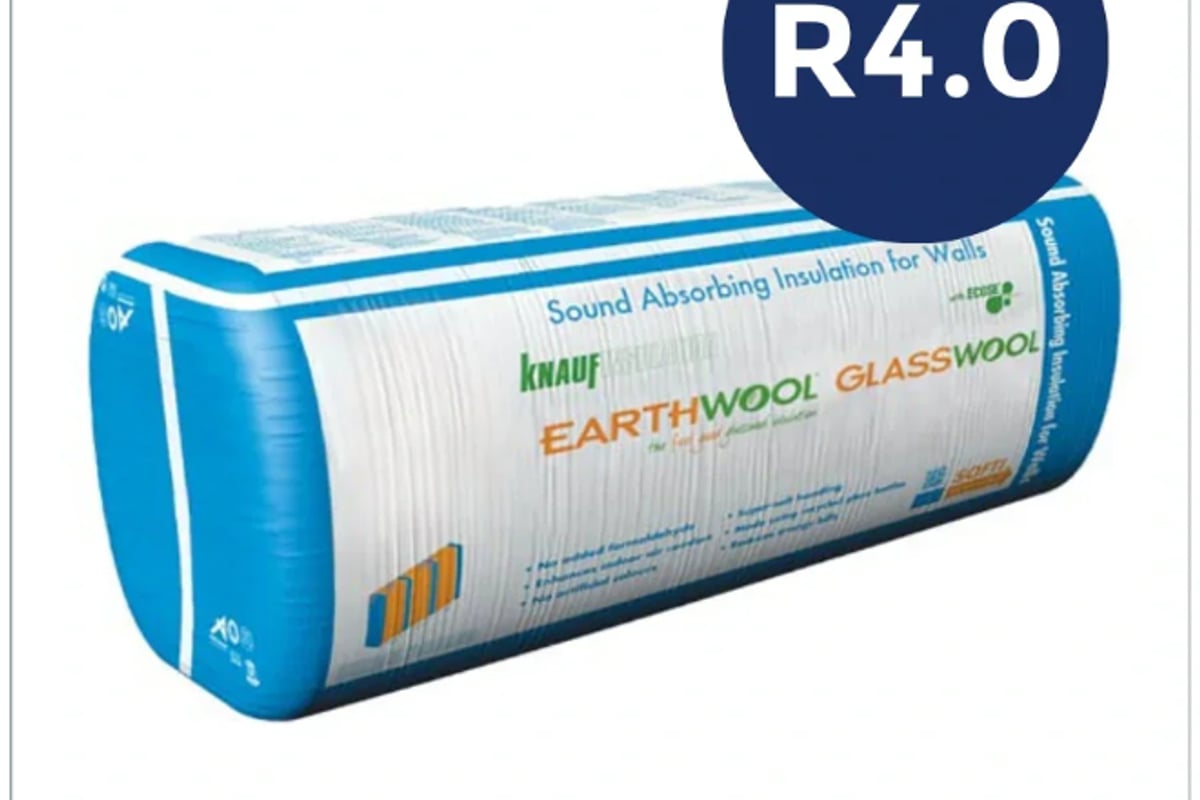
The Earthwool Sound Shield R4.0 140x580mm represents a premium solution that combines exceptional noise reduction with superior thermal resistance. Its 22.6 kg/m³ density effectively blocks sound transmission while maintaining easy handling during installation. Manufactured using ECOSE® Technology, it remains soft to touch and produces minimal dust, making it ideal for retrofit projects where working in confined roof spaces is necessary.
| Material Type | Density (kg/m³) | Acoustic Performance | Thermal Performance | Best Application |
|---|---|---|---|---|
| Standard Glasswool | 10-14 | Moderate | Good | Basic thermal needs |
| High-Density Glasswool | 18-24 | Excellent | Very Good | Combined thermal/acoustic |
| Premium Acoustic Glasswool | 24-28 | Superior | Excellent | Maximum noise reduction |
| Rockwool | 30-60 | Outstanding | Excellent | Industrial/commercial |
Reflective and Multi-Layer Systems
Some roof applications benefit from combining bulk insulation with reflective foil layers. While reflective insulation alone provides minimal sound insulation, when paired with high-density batts, it can enhance overall system performance.
The key is ensuring proper installation with required air gaps. Compressed or poorly fitted reflective products lose both their thermal and minimal acoustic benefits.
Installation Techniques for Maximum Acoustic Performance
Even premium materials underperform without correct installation. Following proper techniques ensures your sound insulation roof delivers expected noise reduction.
Achieving Full Coverage
Gaps and compression represent the two most common installation errors that compromise acoustic performance. Sound finds and exploits any pathway through insulation layers.
Installation best practices include:
- Measure all joist or rafter spaces accurately before cutting
- Cut batts slightly wider than cavity width for friction fit
- Ensure insulation sits snugly against all cavity edges
- Fill irregular spaces with appropriately sized offcuts
- Never compress insulation to fit tight spaces
- Maintain consistent thickness throughout the installation
Working methodically across the roof space prevents gaps that act as acoustic weak points. Proper installation techniques maximise the performance of your chosen products.
Addressing Penetrations and Services
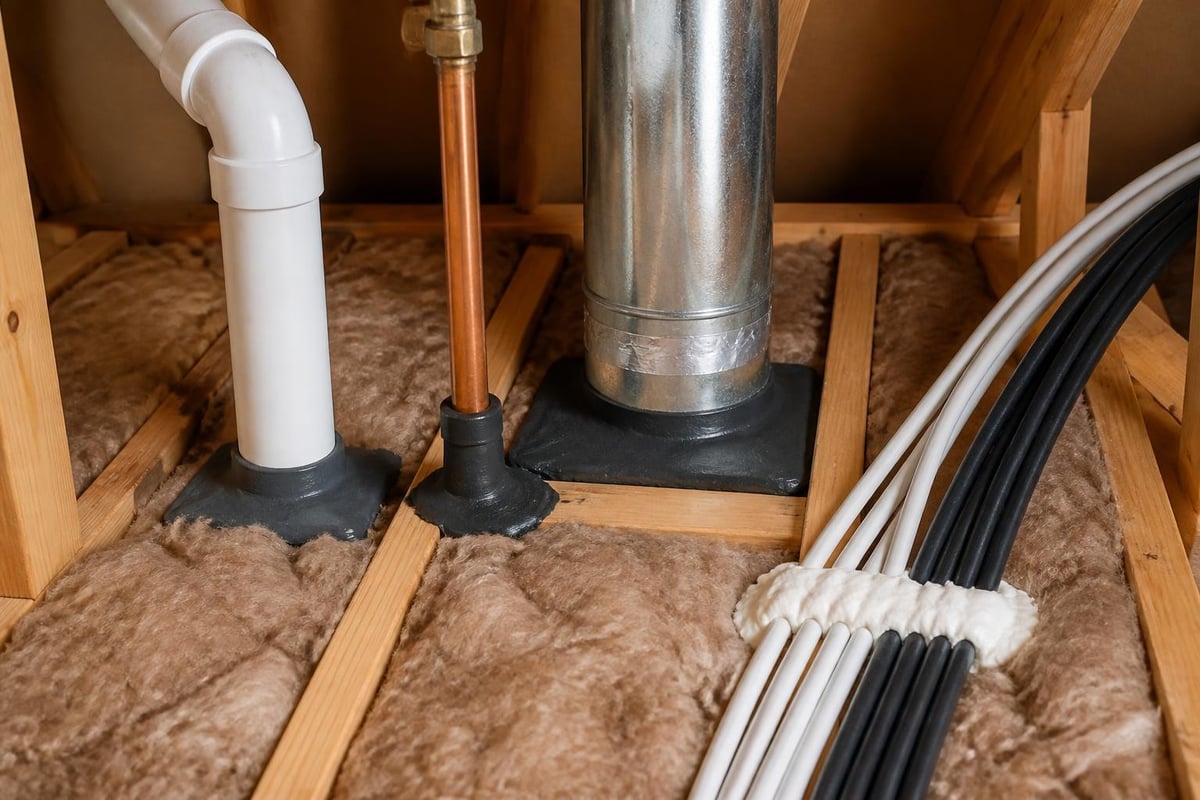
Roof spaces typically contain various penetrations for electrical cables, plumbing vents, and exhaust fans. Each penetration creates a potential sound leak requiring careful sealing.
Wrap insulation carefully around services without compressing the material. Use acoustic sealant to close gaps around pipes and cables where they pass through ceiling linings. This attention to detail prevents sound flanking around your main insulation layer.
Working with Different Roof Types
Installation approaches vary depending on roof construction. Pitched roofs with accessible ceiling cavities offer easier installation than cathedral ceilings or skillion roofs where insulation sits directly under roofing material.
For cathedral ceilings, insulation must fit between exposed rafters without compression. This often requires custom cutting and careful friction fitting. Maintaining ventilation paths remains critical even in acoustic installations to prevent moisture problems.
Research on soundproofing roofs demonstrates that properly installed mineral wool insulation can achieve noise reduction up to 49dB, dramatically improving indoor comfort.
Understanding Acoustic Ratings and Performance Metrics
Quantifying sound insulation helps compare products and predict real-world performance. Several rating systems apply to roof acoustic applications.
Sound Transmission Class (STC)
STC measures how well a building assembly reduces airborne sound transmission. Higher numbers indicate better performance, with residential roofs typically targeting STC ratings between 45-55.
A standard uninsulated metal roof might achieve STC 25-30, while the same roof with high-density acoustic insulation can reach STC 50-60. This represents a perceived noise reduction of approximately 50-75% to human hearing.
Weighted Sound Reduction Index (Rw)
The Rw rating, commonly used in Australian building standards, measures similar performance to STC but uses slightly different testing methods. Products with Rw ratings above 45 dB provide excellent acoustic performance for residential applications.
When comparing products, ensure you're comparing equivalent metrics. Some manufacturers list STC while others provide Rw values. Generally, STC and Rw numbers fall within 1-2 points of each other for the same assembly.
| Performance Level | STC/Rw Rating | Noise Reduction | Typical Application |
|---|---|---|---|
| Basic | 35-40 | Moderate | Light residential |
| Good | 40-45 | Noticeable | Standard homes |
| Very Good | 45-50 | Significant | Near busy roads |
| Excellent | 50-55 | Substantial | Airport flight paths |
| Superior | 55+ | Maximum | Critical acoustic zones |
Impact Insulation Class (IIC)
For multi-storey buildings, IIC measures impact noise transmission through floor-ceiling assemblies. While primarily relevant for floors, understanding IIC helps when insulating roof spaces above upper-floor rooms.
High-density roof insulation also reduces impact noise from hail and debris, though this isn't captured in standard IIC testing.
Combining Thermal and Acoustic Performance
Modern insulation products deliver both thermal resistance (R-value) and acoustic performance. This dual functionality makes upgrading your sound insulation roof a practical investment.
The R-Value Connection
Higher R-values generally correlate with better acoustic performance because they require thicker, denser insulation. However, R-value alone doesn't guarantee acoustic effectiveness.
A thick, low-density product might achieve R4.0 thermal resistance but provide minimal sound insulation. Conversely, a thinner, high-density product at R2.5 could deliver superior acoustic performance. Checking both R-value and material density ensures you meet thermal and acoustic goals.
For Melbourne's climate, roof insulation typically requires minimum R4.0 under the National Construction Code. Choosing high-density products that meet or exceed this standard delivers comfort benefits year-round.
Energy Efficiency Benefits
The same insulation that blocks sound also prevents thermal energy transfer. This reduces heating and cooling costs while improving indoor comfort.
Advanced acoustic materials demonstrate how combining sound absorption (NRC up to 0.60) with thermal resistance (R-values up to R36) creates high-performance building systems suitable for both residential and commercial applications.
Australian homes benefit most from continuous insulation coverage without gaps or compression. This maximises both thermal and acoustic performance from a single installation.
Common Roof Noise Problems and Solutions
Different noise sources require targeted approaches. Understanding your specific noise challenges helps select appropriate sound insulation roof solutions.
Metal Roof Rain Noise
Metal roofing amplifies rain impact sounds, creating significant noise inside homes during storms. This occurs because metal sheets vibrate when struck by raindrops, transmitting sound directly into roof spaces.
Effective solutions include:
- Installing high-density blanket insulation directly under metal sheeting
- Using anti-vibration strips beneath roof screws
- Adding mass-loaded barrier products over ceiling insulation
- Ensuring complete insulation coverage without gaps
The combination of bulk insulation and proper fixing techniques dramatically reduces rain noise transmission. Many homeowners report 60-80% noise reduction after installing acoustic insulation under metal roofs.
Traffic and Aircraft Noise
Low-frequency noise from traffic and aircraft requires substantial mass to block effectively. Lightweight roof constructions naturally struggle with these sounds.
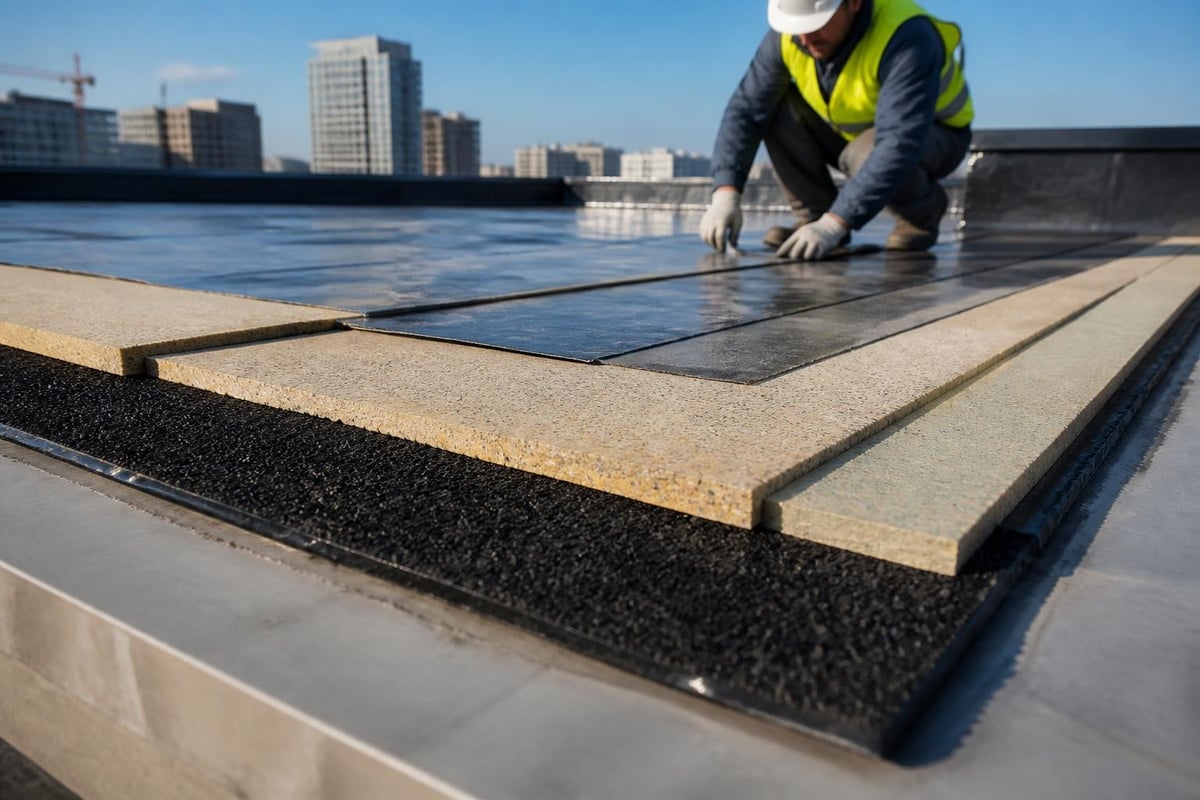
Layering multiple insulation types creates effective barriers. Start with high-density glasswool between rafters, add a resilient ceiling system, and ensure complete air-sealing around all penetrations.
Studies on roof noise insulation highlight that acoustic foam panels and mass-loaded vinyl work effectively when combined with traditional bulk insulation, though glasswool products often provide better cost-effectiveness for residential applications.
Neighbourhood Noise and Privacy
Homes near schools, parks, or commercial areas often experience noise from conversations, music, and activities. Mid-to-high frequency sounds like these respond well to fibrous insulation materials.
Installing acoustic-grade insulation throughout the roof space, rather than just in specific areas, provides comprehensive protection. Pay particular attention to gable ends and roof valleys where sound can enter through ventilation openings.
Retrofit vs New Construction Approaches
The timing of your sound insulation roof installation affects product selection and installation methods.
Retrofitting Existing Roofs
Adding insulation to existing homes presents unique challenges. Access limitations, existing services, and working around installed ceiling linings require careful planning.
Blown-in insulation offers one retrofit solution, though it typically provides better thermal than acoustic performance. For maximum noise reduction, removing ceiling panels to install batts delivers superior results despite higher labour costs.
When retrofitting, inspect existing roof structure for damage, moisture issues, or inadequate ventilation before adding insulation. These problems must be corrected first to ensure long-term performance.
New Construction Opportunities
Building new or completely renovating allows optimised acoustic design from the start. This includes selecting appropriate roof pitch, framing spacing, and ceiling systems that work together for sound control.
Specify high-density acoustic insulation in your building plans and ensure builders understand proper installation requirements. The marginal cost increase for acoustic-grade products versus standard insulation is minimal compared to the long-term comfort benefits.
Incorporating acoustic design principles during construction delivers better results at lower total cost than retrofit solutions.
Maintenance and Long-Term Performance
Quality sound insulation roof systems require minimal maintenance but benefit from periodic inspection.
Inspection Recommendations
Check roof space insulation every 2-3 years for:
- Signs of moisture damage or compression
- Displacement from air movement or renovations
- Gaps created by new service installations
- Pest damage or nesting materials
Early detection of problems prevents minor issues from compromising acoustic performance.
Performance Longevity
Premium glasswool and rockwool products maintain acoustic properties for decades when properly installed and protected from moisture. Unlike some building materials, insulation doesn't degrade simply from age.
However, renovation work, roof repairs, or service upgrades can disturb insulation. Always reinstate displaced insulation immediately after completing work in roof spaces.
Cost Considerations and Value
Investing in sound insulation roof systems delivers returns through improved comfort, better energy efficiency, and increased property value.
Material Costs
Acoustic-grade insulation typically costs 20-40% more than standard thermal products. For a typical Melbourne home roof (150-200m²), this represents an additional investment of $300-$800.
This modest premium delivers substantial noise reduction that fundamentally improves living comfort. When compared to other noise reduction strategies like replacing windows or adding external barriers, roof insulation offers excellent value.
Installation Costs
Professional installation costs vary based on roof accessibility, existing conditions, and project complexity. Straightforward ceiling cavity installations might add $2,000-$4,000 in labour, while complex cathedral ceiling retrofits can exceed $8,000.
DIY installation remains viable for many homeowners with basic building skills. Insulation Supplies Australia provides detailed installation guidance and support to help owner-builders achieve professional results.
Return on Investment
Beyond comfort improvements, quality insulation reduces heating and cooling costs year-round. Most households recover their insulation investment through energy savings within 3-5 years.
Additionally, homes with superior acoustic performance command premium prices in noisy locations. Real estate data consistently shows buyers value quiet, comfortable homes, making sound insulation a worthwhile property improvement.
Building Code and Compliance Considerations
Australian building regulations establish minimum standards for both thermal and acoustic performance in residential construction.
National Construction Code Requirements
The NCC specifies minimum R-values for roof insulation based on climate zone. Melbourne falls primarily within Climate Zone 6, requiring minimum R4.0 for ceilings in new construction.
While the NCC addresses thermal performance comprehensively, acoustic requirements focus mainly on separating walls between dwellings. However, achieving good acoustic outcomes aligns with best-practice construction standards.
Local Council Regulations
Some councils impose additional requirements for developments near airports, major roads, or railway lines. These might specify minimum acoustic ratings for the entire building envelope, including roofs.
Check with your local council before starting major insulation projects to ensure compliance with any area-specific requirements beyond the NCC.
Combining Insulation Types for Optimal Results
Layering different insulation products can enhance overall performance beyond what single products achieve alone.
Bulk Plus Reflective Systems
Combining high-density bulk insulation with properly installed reflective foil creates a comprehensive system. The bulk insulation provides mass for sound blocking while the reflective layer manages radiant heat.
Ensure adequate air gaps (minimum 25mm) between reflective surfaces and adjacent materials. Without proper gaps, reflective products lose effectiveness and may compromise moisture management.
Multi-Density Approaches
Some installations benefit from varying insulation density. Using higher-density products in areas exposed to greatest noise (street-facing roof sections) and standard density elsewhere balances performance with budget.
This targeted approach works well for retrofit projects where budget constraints limit whole-roof upgrades.
Regional Considerations for Victorian Homes
Melbourne's climate and building characteristics create specific sound insulation opportunities and challenges.
Climate-Specific Factors
Victoria's temperature variations demand effective thermal insulation, making combined thermal-acoustic products ideal. The same insulation that keeps homes warm in winter and cool in summer also blocks external noise year-round.
Heavy rain events common in Melbourne make metal roof noise reduction particularly valuable. High-density insulation under metal roofing dramatically improves comfort during storms.
Common Building Types
Many Melbourne homes feature tile or metal roofs over timber-framed ceiling spaces. This construction type readily accepts retrofit insulation, making acoustic upgrades straightforward for most properties.
Older homes may have limited existing insulation, creating excellent opportunities for substantial comfort improvements through modern acoustic products.
Professional vs DIY Installation
Deciding whether to install sound insulation roof systems yourself or engage professionals depends on several factors.
When to DIY
Accessible ceiling cavities in single-storey homes suit DIY installation. If you can safely access the roof space, work comfortably in confined areas, and follow detailed instructions, installing batts between ceiling joists is manageable.
DIY advantages include:
- Significant labour cost savings
- Flexible project timing
- Direct quality control
- Satisfaction of completing home improvements
However, working in roof spaces carries risks. Heat exposure, insulation dust, and fall hazards require proper safety equipment and precautions.
When to Use Professionals
Complex installations, cathedral ceilings, multi-storey homes, and situations requiring specialised tools justify professional installation. Experienced installers work efficiently, carry appropriate insurance, and understand building code requirements.
Professional installation typically includes warranties on both materials and workmanship, providing peace of mind for major investments.
For complex projects or when time is limited, professional installation from experienced teams ensures optimal results. For straightforward applications, quality products from Insulation Supplies Australia combined with careful DIY work delivers excellent outcomes.
Creating a quieter, more comfortable home through effective sound insulation roof systems represents one of the most valuable improvements you can make, particularly in noisy urban environments or under flight paths. By selecting high-density acoustic materials, ensuring proper installation techniques, and addressing thermal performance simultaneously, you'll enjoy reduced noise transmission, lower energy bills, and enhanced living comfort for decades to come. Insulation Supplies Australia provides the premium acoustic insulation products, expert guidance, and support you need to successfully complete your roof insulation project, whether you're a DIY renovator or working with professional installers. Visit Insulation Supplies Australia to explore acoustic insulation options, compare technical specifications, and find the right sound insulation roof solution for your home.