

Unwanted noise is one of the most common complaints in modern homes. Whether it's footsteps from upstairs, conversations bleeding through bedroom walls, or street traffic disrupting your sleep, managing sound transfer can dramatically improve comfort and livability. Sound deadening insulation batts offer a practical, cost-effective solution that tackles noise at the source, absorbing and dampening sound waves as they travel through your home's structure. Unlike thermal insulation, which focuses purely on temperature control, acoustic batts are engineered with denser, more resilient fibres specifically designed to capture and dissipate sound energy within wall, ceiling and floor cavities.
What Makes Sound Deadening Insulation Batts Different
Sound deadening insulation batts are not simply standard thermal batts marketed with a new name. They're purpose-built products with distinct material characteristics that directly affect acoustic performance.
Density and Mass
Higher-density insulation provides better sound absorption. Most acoustic batts range from 22kg/m³ to 30kg/m³, compared to 12–16kg/m³ for standard thermal batts. This extra mass slows down sound waves travelling through air cavities, converting kinetic energy into heat through friction within the fibrous structure.
- Higher density = more fibres per cubic metre
- More fibres = more surface area for sound waves to interact with
- Greater friction = more effective energy dissipation
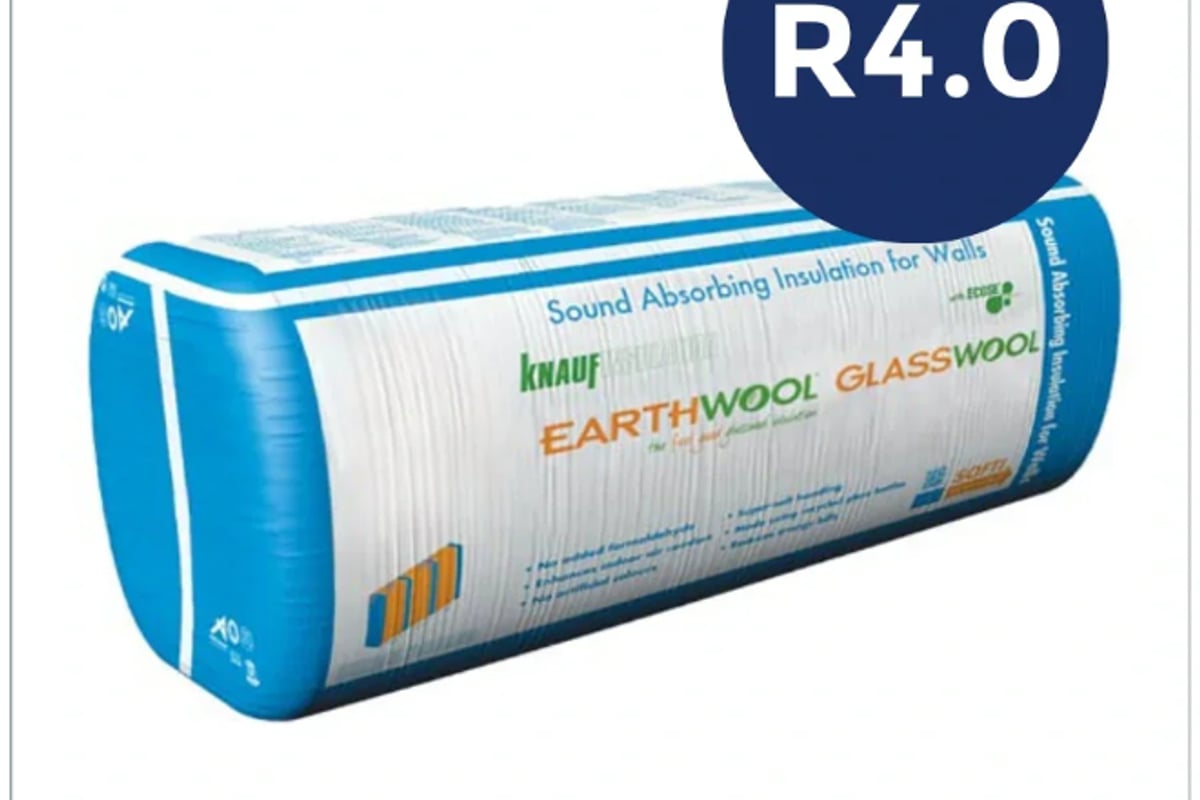
The Earthwool Sound Shield R4.0 delivers 22.6kg/m³ density for enhanced acoustic control in wall and ceiling applications where noise reduction is a priority alongside thermal performance.
Fibre Structure and Airflow Resistance
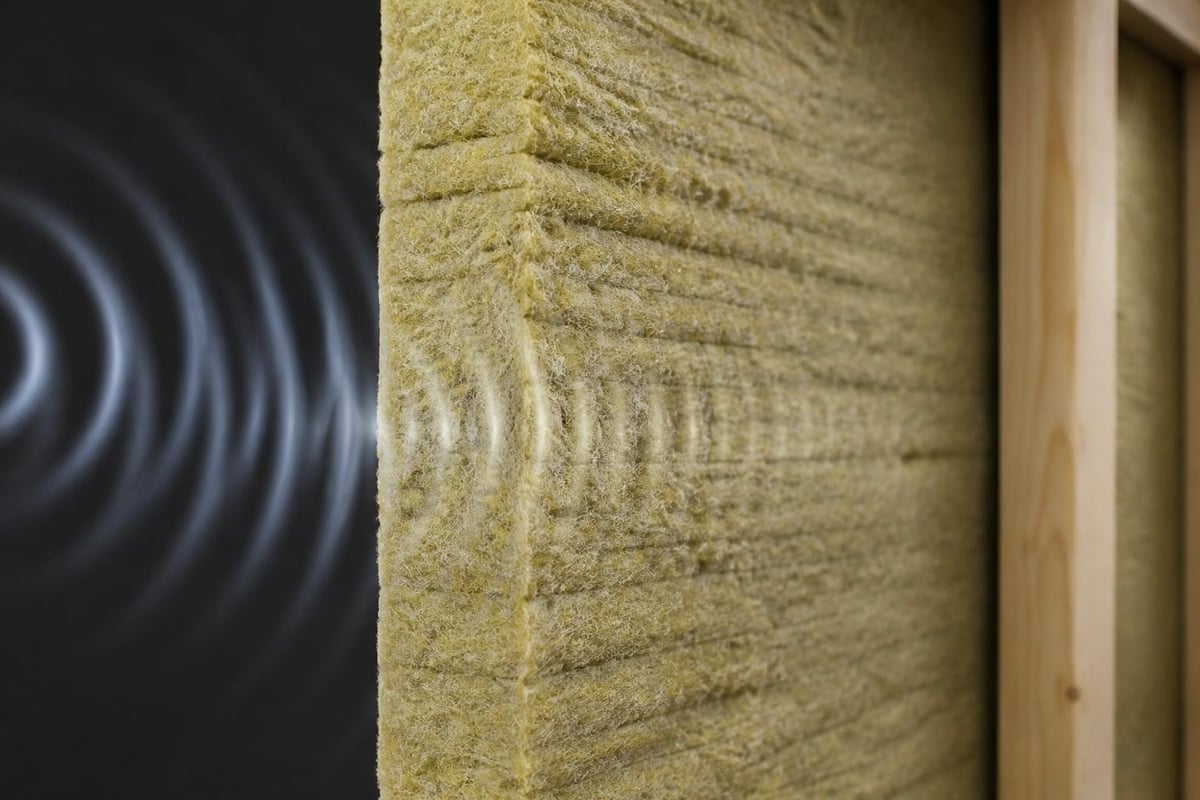
Sound deadening insulation batts feature a more open, resilient fibre matrix than rigid boards or closed-cell foams. This structure allows sound waves to penetrate deeply into the material rather than reflecting back into the room. As air particles vibrate through the glass or mineral wool fibres, energy dissipates progressively across the batt's thickness.
Airflow resistance is the technical measure of how easily air (and therefore sound) moves through insulation. Optimal acoustic batts balance permeability with resistance – open enough to allow sound entry but dense enough to slow its passage.
Understanding Sound Transmission and STC Ratings
When evaluating sound deadening insulation batts, it helps to understand how sound moves through buildings and how performance is measured.
How Sound Travels Through Homes
Sound transmission occurs in two primary ways:
- Airborne sound: Voices, music, television – sound waves travel through air and vibrate walls, ceilings and floors
- Impact sound: Footsteps, dropped objects, furniture movement – vibrations transfer directly through structural elements
Sound deadening insulation batts primarily address airborne noise. They work by filling the cavity between wall studs or ceiling joists, preventing sound waves from simply crossing an empty air gap.
STC: Sound Transmission Class
The Sound Transmission Class (STC) rating quantifies how well a wall or floor assembly reduces airborne sound. Higher numbers mean better performance:
| STC Rating | Perceived Performance |
|---|---|
| 25–30 | Normal speech easily understood |
| 35–40 | Loud speech heard, normal speech muffled |
| 45–50 | Loud speech muffled, normal speech not heard |
| 50+ | Loud sounds barely audible |
A standard stud wall with no insulation typically achieves STC 33. Adding sound deadening insulation batts can boost performance to STC 40–45, and when combined with resilient channels or double layers of plasterboard, can exceed STC 50.
The ASTM C1320 standard outlines installation practices for mineral-fibre batts that affect both thermal and acoustic performance, ensuring proper cavity fill without compression or gaps.
IIC: Impact Insulation Class
For floors and ceilings, the Impact Insulation Class (IIC) measures how well an assembly blocks impact noise. While batts in floor cavities contribute to IIC performance, impact sound control typically requires additional measures such as:
- Resilient underlay beneath flooring
- Floating floor systems
- Decoupled ceiling assemblies
Combining cavity insulation with these strategies delivers the best results for multi-storey homes.
Where to Install Sound Deadening Insulation Batts
Strategic placement of sound deadening insulation batts maximizes acoustic comfort without unnecessary cost.
Internal Walls Between Living Spaces
Bedrooms, bathrooms, home theatres and studies benefit enormously from acoustic separation. Install batts in walls separating:
- Bedrooms from each other
- Bedrooms from living areas
- Bathrooms from bedrooms
- Home offices from noisy zones
- Media rooms from quiet spaces
Standard wall cavities (90mm studs) accept 90mm batts, while 140mm batts suit thicker framing. The acoustic insulation collection at Insulation Supplies Australia includes products matched to common Australian framing dimensions.
Ceilings and Floors
Upper-floor foot traffic is one of the most intrusive noise sources in double-storey homes. Installing sound deadening insulation batts in the ceiling cavity below an upper floor reduces airborne noise transmission, though it won't eliminate impact sound completely.
For maximum effectiveness:
- Fill the ceiling cavity with high-density batts (22kg/m³ or higher)
- Install resilient furring channels before plasterboard
- Use two layers of 13mm plasterboard on the ceiling
- Add carpet and quality underlay on the floor above
This layered approach addresses both airborne and impact sound pathways.
Partition Walls in Apartments and Townhouses
Multi-residential buildings demand higher acoustic standards. Party walls between dwellings must meet Building Code of Australia requirements, which typically mandate STC ratings of 50 or higher. Sound deadening insulation batts are essential components of compliant assemblies, but must be paired with:
- Staggered or double stud framing
- Multiple plasterboard layers
- Resilient mounting systems
- Proper sealing of all penetrations
The WoodWorks acoustical solutions paper provides detailed guidance on how cavity insulation interacts with framing and other detailing in wood-frame construction.
Choosing the Right Product Specifications
Not all sound deadening insulation batts perform identically. Several factors influence effectiveness.
Thickness and R-Value
Thicker batts generally provide better sound absorption, as sound waves travel further through the fibrous material and lose more energy. However, thickness alone doesn't guarantee acoustic performance – density matters more.
R-value measures thermal resistance, not acoustic performance, but higher R-values often correlate with thicker, denser products. Common thicknesses include:
- 90mm (R2.0–R2.7): Standard stud walls
- 140mm (R3.5–R4.0): Thicker walls, better acoustic and thermal performance
- 215mm+ (R5.0–R7.0): Ceiling applications, maximum thermal and acoustic benefit
Products like R4.0 acoustic batts balance excellent thermal performance with enhanced noise reduction.
Material Type: Glasswool vs Mineral Wool
Both glasswool and mineral wool (rock wool) manufacture effective sound deadening insulation batts, with slight performance differences:
| Feature | Glasswool | Mineral Wool |
|---|---|---|
| Density range | 16–30 kg/m³ | 40–80+ kg/m³ |
| Acoustic performance | Excellent | Superior (higher densities) |
| Fire resistance | Good | Excellent |
| Moisture resistance | Fair | Better |
| Cost | Lower | Higher |
For most residential applications, high-density glasswool batts (22–30 kg/m³) deliver outstanding acoustic results at accessible price points. Mineral wool suits applications demanding maximum fire resistance or very high STC ratings.
The ASHRAE Handbook provides detailed material property data for fibrous insulation that influences both thermal and acoustic design.
Facing and Vapour Barriers
Sound deadening insulation batts are available as:
- Unfaced: Pure insulation material, no membrane
- Faced: One side covered with kraft paper, foil or other facing
For acoustic applications, unfaced batts are generally preferred because facings can act as sound reflectors, slightly reducing absorption. However, faced batts may be necessary in moisture-prone areas or where vapour control is required.
Installation Best Practices for Maximum Performance
Even premium sound deadening insulation batts underperform if poorly installed. Following proper technique ensures you achieve the rated acoustic benefits.
Complete Cavity Fill
Sound waves find the path of least resistance. Even small gaps or voids allow noise to bypass insulation entirely. Best practices include:
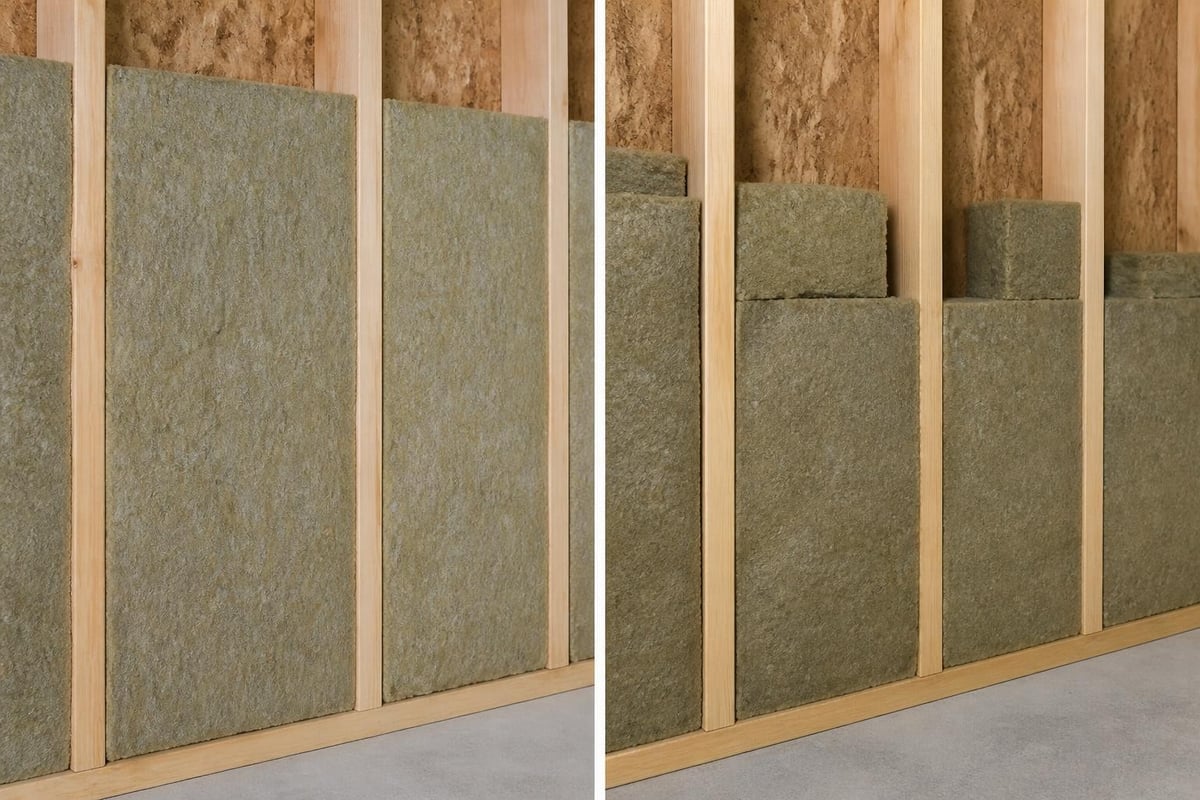
- Measure carefully: Cut batts to exact cavity dimensions
- Friction fit: Batts should sit snugly between studs without compression
- Fill around obstacles: Cut and fit insulation around pipes, electrical boxes and bracing
- No compression: Compressed batts lose acoustic performance – use the correct thickness for your cavity depth
The Insulation Institute's resource library includes manufacturer-neutral guidance on proper cavity insulation installation that preserves acoustic performance.
Handling Electrical and Plumbing Penetrations
Every penetration through a wall or ceiling creates a potential sound leak. Where services pass through insulated cavities:
- Split batts around obstacles rather than compressing
- Seal electrical boxes with acoustic putty pads
- Wrap pipes with acoustic lagging where they pass through framed assemblies
- Seal gaps around penetrations with acoustic sealant, not standard caulk
Airtightness and Acoustic Sealing
Sound travels through air gaps just as readily as through large openings. After installing sound deadening insulation batts, ensure the entire wall or ceiling assembly is airtight:
- Seal top and bottom plates with acoustic sealant
- Caulk around door and window frames
- Use acoustic-rated sealant at plasterboard joints (instead of standard gap filler)
- Install door sweeps and seals
The combination of dense cavity insulation and comprehensive sealing delivers dramatically better results than insulation alone.
Common Mistakes to Avoid
Understanding what doesn't work helps you get better results from your investment.
Using Standard Thermal Batts for Acoustic Projects
Standard low-density thermal batts (12–16 kg/m³) provide some acoustic benefit compared to empty cavities, but deliver much less sound reduction than purpose-designed acoustic products. The density difference translates to measurable STC point reductions – often 3–5 points lower in real assemblies.
For projects where noise control matters, specify sound deadening insulation batts with density ratings of 22 kg/m³ or higher.
Compressing Batts Into Undersized Cavities
When insulation is compressed, air spaces between fibres collapse, reducing the material's ability to trap and dissipate sound energy. Always match batt thickness to cavity depth:
- 90mm batts for 90mm studs
- 140mm batts for 140mm studs
- Trim thickness if necessary, never compress
Expecting Insulation Alone to Solve All Noise Problems
Sound deadening insulation batts are one component of an effective acoustic strategy, not a complete solution. For significant noise reduction, combine cavity insulation with:
- Mass: Multiple plasterboard layers
- Decoupling: Resilient channels or staggered studs
- Damping: Viscoelastic compounds between plasterboard layers
- Sealing: Comprehensive airtightness measures
Research published in Acoustical Society of America conference proceedings demonstrates how field measurements often fall short of lab ratings when installation quality and assembly detailing are inadequate.
Sound Deadening Batts in Different Applications
Different spaces demand different acoustic approaches. Here's how to apply sound deadening insulation batts effectively across common scenarios.
Home Theatres and Media Rooms
Dedicated entertainment spaces benefit from comprehensive acoustic treatment:
- Install high-density batts (22–30 kg/m³) in all walls and ceilings
- Use double-layer plasterboard with Green Glue or similar damping compound
- Add resilient channels to decouple ceiling surfaces
- Consider bass traps and absorption panels for room acoustics (separate from sound isolation)
The goal is preventing sound escape while also controlling internal reflections.
Bedrooms and Quiet Zones
Residential bedrooms don't require theatre-level performance, but do benefit from:
- 90mm or 140mm acoustic batts in walls separating bedrooms
- Batts in walls between bedrooms and living areas
- Ceiling batts if bedrooms are below living spaces
- Solid-core doors with seals and sweeps
Even moderate improvements (STC 40–45) make a noticeable difference in sleep quality and privacy.
Bathrooms and Wet Areas
Sound deadening insulation batts work in bathrooms, but material selection matters. Choose:
- Glasswool batts with water-repellent treatment for moisture resistance
- Unfaced products to avoid trapping moisture behind facings
- Proper ventilation to manage humidity regardless of insulation choice
Ensure compliance with Australian building codes regarding moisture management and insulation in wet areas. For comprehensive guidance on installation requirements across different applications, visit the installation resources page.
Multi-Storey Homes
Upper floors create the most persistent noise complaints in double-storey houses. A comprehensive approach includes:
- Ceiling cavity insulation: High-density batts between joists
- Resilient furring channels: Decouple ceiling plasterboard from joists
- Carpet and quality underlay: Reduce impact noise at source
- Sealed penetrations: Downlights, vents and services must be acoustically sealed
This layered strategy addresses both airborne conversation and impact footfall noise.
Comparing Acoustic Performance and Cost
Budget-conscious renovators and builders need to balance performance with affordability. Understanding the cost-performance relationship helps optimize your investment.
| Product Type | Density | Typical STC Improvement | Relative Cost | Best Application |
|---|---|---|---|---|
| Standard thermal batt | 12–16 kg/m³ | +3 to +5 points | $ | Existing projects, minimal noise issues |
| Acoustic batt | 22–26 kg/m³ | +7 to +10 points | $$ | Most residential walls and ceilings |
| High-density acoustic | 28–32 kg/m³ | +10 to +13 points | $$$ | Party walls, media rooms, critical spaces |
| Mineral wool | 40–80+ kg/m³ | +12 to +15+ points | $$$$ | Commercial, multi-residential, fire-rated |
For most Australian homes, mid-range acoustic batts (22–26 kg/m³) offer the best balance of noise reduction and value. They deliver meaningful STC improvements at accessible prices, especially when purchased through online insulation retailers with competitive pricing.
Advanced Acoustic Assemblies
When standard cavity insulation isn't enough, advanced techniques can push STC ratings into the 50s and beyond.
Staggered Stud Walls
Rather than both plasterboard sheets sharing the same studs, staggered stud construction uses:
- Double bottom and top plates
- Studs alternating between each side
- Sound deadening insulation batts filling the entire cavity
- Complete decoupling between the two plasterboard faces
This approach eliminates direct structural connections that conduct sound, combined with thick cavity insulation, and can achieve STC 55+.
Double Stud Walls
For ultimate isolation, build two separate stud walls with a small air gap between:
- Two independent 90mm stud frames
- 25–50mm air gap (or filled with additional insulation)
- High-density batts in both cavities
- Double plasterboard on each side
Double stud walls can reach STC 60+ but consume significant floor space and budget.
Resilient Channel Ceilings
Resilient channels are metal furring strips designed to isolate plasterboard from structural framing:
- Install sound deadening insulation batts in ceiling cavity
- Mount resilient channels perpendicular to joists
- Attach plasterboard to channels only, never directly to joists
- Seal perimeter with acoustic caulk
This relatively affordable upgrade adds 5–8 STC points to a standard ceiling assembly.
The U.S. Department of Energy's coverage of advanced insulation materials includes discussion of emerging products with combined thermal and acoustic benefits, though traditional fibrous batts remain the proven, cost-effective standard for most applications.
Maintenance and Long-Term Performance
Once properly installed, sound deadening insulation batts require virtually no maintenance and maintain performance for the life of the building.
Durability and Settling
Quality glasswool and mineral wool batts resist settling, sagging and degradation. Modern binder technologies (such as Knauf's ECOSE Technology) ensure long-term resilience without formaldehyde emissions.
Expected lifespan: 50+ years in typical residential applications when protected from moisture.
Moisture and Mould Resistance
Fibrous insulation naturally resists mould growth because it doesn't provide a food source. However, persistent moisture can compromise any building material. Protect your investment by:
- Ensuring proper roof and wall weatherproofing
- Installing adequate ventilation in bathrooms and kitchens
- Addressing leaks immediately
- Never installing wet or damp insulation
Fire Performance
Glasswool and mineral wool are non-combustible materials with excellent fire resistance. They:
- Don't ignite or spread flame
- Maintain structural integrity at high temperatures
- Produce minimal smoke when exposed to fire
- Often contribute to the fire rating of wall and ceiling assemblies
This inherent safety makes them ideal for acoustic walls where fire compartmentalisation matters, such as between dwellings or near kitchen areas.
Regulatory Standards and Building Codes
Australian building regulations address acoustic performance in specific circumstances, particularly for multi-residential construction.
BCA Acoustic Requirements
The Building Code of Australia (BCA) Section F5 sets minimum sound insulation requirements for:
- Class 2 and 3 buildings: Apartments, units, boarding houses
- Class 9c buildings: Aged care facilities
- Party walls and floors: Separating dwellings
Typical requirements demand:
- Airborne sound (Rw): Minimum Rw 50 for walls between dwellings
- Impact sound (Ln,w): Maximum Ln,w 62 for floors separating dwellings
Meeting these requirements typically requires high-density sound deadening insulation batts as part of a carefully detailed assembly including appropriate mass, decoupling and sealing.
Detached Housing
Standard detached homes (Class 1 buildings) face no mandatory acoustic performance requirements under the BCA. However, installing sound deadening insulation batts between rooms significantly improves liveability and may increase resale value, particularly in:
- Dual-occupancy homes
- Properties with home offices
- Houses with teenagers or multiple families
Making an Informed Purchase Decision
When you're ready to buy sound deadening insulation batts, several practical considerations help ensure you get the right product for your project.
Calculating Quantities
Measure your wall or ceiling area accurately:
- Calculate area: Height × length for each wall section
- Subtract openings: Deduct doors and windows
- Add 10% waste: Account for cuts and fitting
- Check pack coverage: Match total area to pack sizes
Most Australian wall batts come in standard widths (430mm, 580mm) to suit common stud spacing (450mm, 600mm centres).
Delivery and Handling
Insulation batts are bulky but lightweight. When ordering from Insulation Supplies Australia, consider:
- Delivery timing: Coordinate with your construction schedule
- Storage: Keep batts dry and protected until installation
- Handling: Wear gloves, long sleeves and a dust mask during installation
- Disposal: Most glasswool and mineral wool batts are recyclable
Check the delivery and returns policy for coverage areas and scheduling options across Victoria.
Price vs Performance
Sound deadening insulation batts cost more than basic thermal batts, but deliver measurably better acoustic results. Consider the long-term value:
- One-time installation: Getting it right now avoids costly retrofits
- Daily comfort: Better sleep and privacy justify premium products
- Resale value: Quality acoustic treatment appeals to buyers
- Energy savings: Higher R-values reduce heating and cooling costs
For high-traffic areas, media rooms and bedrooms, the incremental cost of acoustic-grade batts is a worthwhile investment.
Sound deadening insulation batts transform noisy, uncomfortable homes into peaceful, private retreats by absorbing airborne sound within wall, ceiling and floor cavities. Whether you're building new, renovating or simply tired of hearing every conversation through the walls, choosing the right product density, thickness and installation approach delivers lasting acoustic improvements. Insulation Supplies Australia stocks a comprehensive range of acoustic insulation products with Australia-wide delivery, expert product guidance and competitive pricing to help you create quieter, more comfortable living spaces.