
Choosing the right roofing insulation types can make a dramatic difference to your home's comfort, energy bills, and overall performance. Whether you're building a new home, renovating an existing property, or simply upgrading your roof space, understanding the available roofing insulation types helps you make informed decisions that deliver long-term value. In Victoria's varied climate, proper roof insulation keeps your home cooler in summer, warmer in winter, and reduces your reliance on heating and cooling systems year-round.
Understanding Roofing Insulation Categories
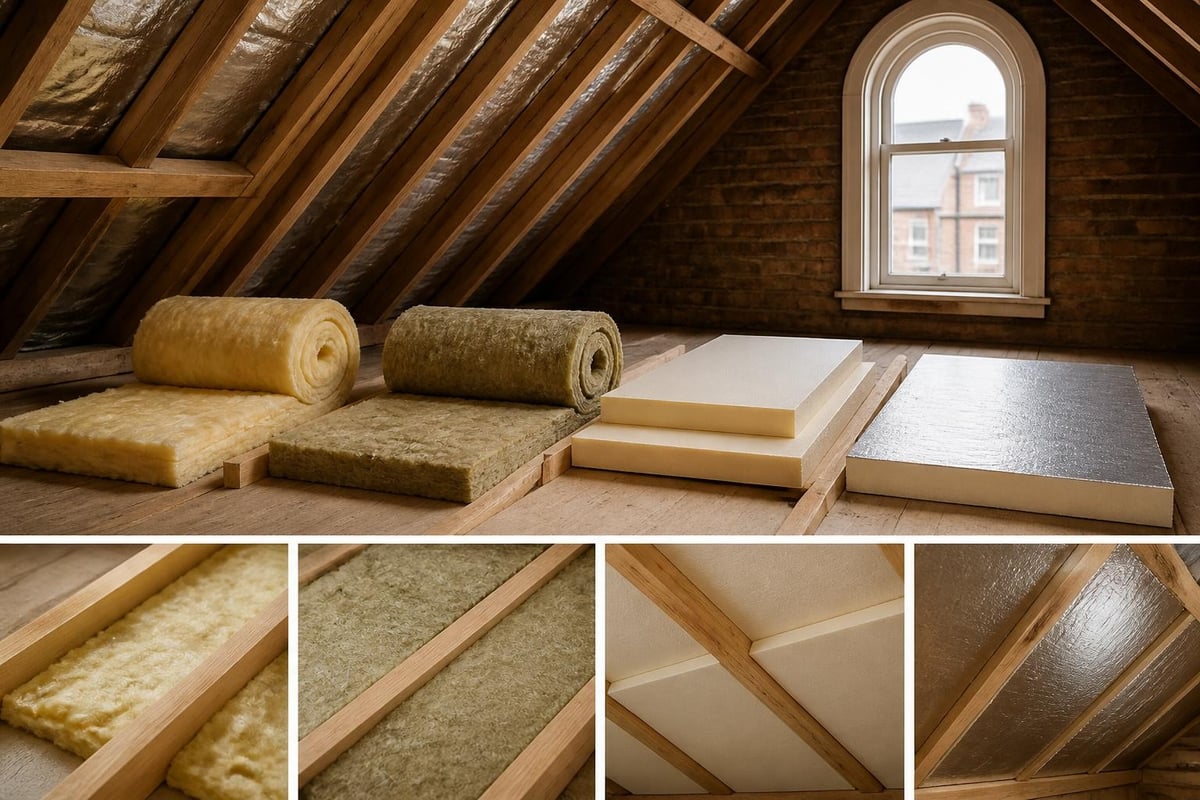
Roofing insulation types fall into several main categories, each with distinct characteristics and applications. The most common categories include bulk insulation materials like batts and blankets, reflective insulation products, rigid foam boards, and hybrid systems that combine multiple approaches.
Bulk insulation works by trapping air within its structure to resist heat flow. These materials slow the transfer of heat through conduction and convection, making them effective in all climates. Glasswool and polyester batts are the most popular bulk insulation products for Australian roofs.
Reflective insulation takes a different approach. It uses reflective surfaces to deflect radiant heat away from the building envelope. This method proves particularly effective in Australian summers when radiant heat from the sun can significantly increase roof cavity temperatures.
Thermal Performance Metrics
When comparing roofing insulation types, you'll encounter R-values as the primary performance metric. R-values measure thermal resistance - the higher the number, the better the insulation resists heat flow.
For Victorian homes, the National Construction Code (NCC) sets minimum R-value requirements based on climate zone. Melbourne and most of Victoria fall into Climate Zone 6, requiring ceiling insulation of at least R4.1 for new builds and major renovations.
| Climate Zone | Minimum Ceiling R-Value | Application |
|---|---|---|
| Zone 6 (Melbourne) | R4.1 | New construction |
| Zone 6 (Melbourne) | R3.5 - R4.0 | Retrofit recommended |
| Zone 7 (Alpine) | R5.1 | New construction |
Glasswool Batts and Blankets
Glasswool remains one of Australia's most trusted roofing insulation types. Made from recycled glass and sand, modern glasswool products use advanced manufacturing technologies that reduce embodied energy and improve handling characteristics.
Pre-cut batts fit between standard ceiling joist spacing (typically 450mm or 600mm). They're easy to handle, quick to install, and available in a wide range of R-values from R2.0 through to R8.0. For most Victorian homes, choosing the right R-value batts ensures compliance and comfort.
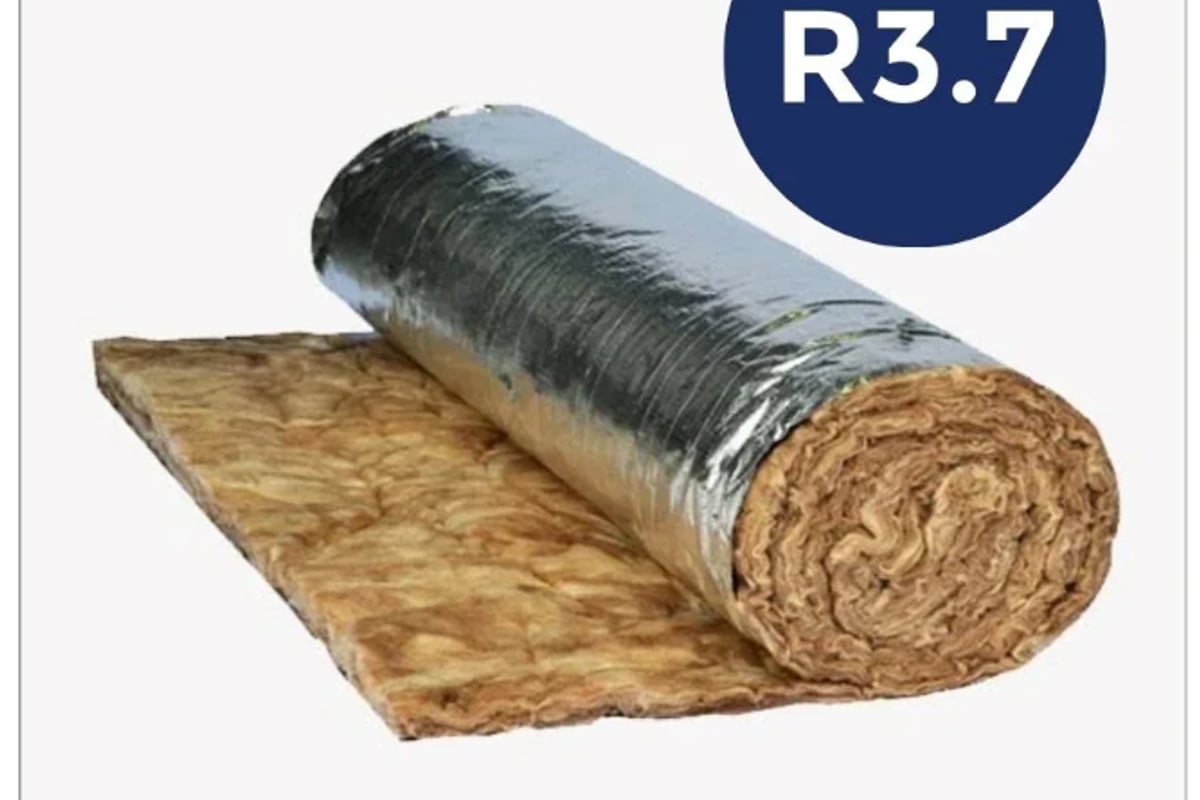
Blanket insulation comes in continuous rolls, making it ideal for longer runs or irregular joist spacing. You simply roll out the blanket and cut it to length as needed. The Thermal Blanket R3.7 22kg/m³ 130mm x 1.2m Roof Insulation Blanket delivers excellent thermal performance with higher density construction that improves overall insulation effectiveness. Its 22kg/m³ density provides enhanced thermal resistance ideal for Victorian conditions.
Installation Considerations
Proper installation maximizes the performance of any glasswool product. Avoid compressing the insulation - bulk insulation works by trapping air, and compression reduces this air space and therefore reduces R-value.
- Always wear appropriate PPE including gloves, long sleeves, and a dust mask
- Cut batts slightly oversize for a snug friction fit
- Ensure full contact with ceiling lining - gaps reduce effectiveness
- Keep insulation clear of downlights unless they're IC rated
- Maintain ventilation clearances around eaves and ridge vents
The ENERGY STAR insulation factsheet provides comprehensive guidance on installation best practices and common mistakes to avoid.
Polyester Insulation Products
Polyester insulation offers several advantages that make it popular with DIY renovators and professional installers alike. Made from recycled plastic bottles, polyester batts contain no glass fibers, making them itch-free and more pleasant to handle.
These roofing insulation types also demonstrate excellent moisture resistance. Unlike some bulk insulation materials that can sag or lose R-value when damp, polyester maintains its shape and thermal performance even in humid conditions.
Key benefits of polyester insulation:
- Non-irritating to skin and airways
- Class 1 fire rating when tested to AS/NZS 3837
- Will not support mould or bacteria growth
- Maintains loft and R-value over time
- Suitable for allergy-sensitive occupants
Polyester products typically achieve slightly lower R-values per thickness compared to high-density glasswool, but many installers prefer them for their handling characteristics and long-term stability.
Reflective Foil Insulation
Reflective foil insulation works differently from bulk insulation materials. Rather than resisting conductive heat flow, these roofing insulation types reflect radiant heat away from the living space. In summer, this can significantly reduce the heat load entering your home through the roof.
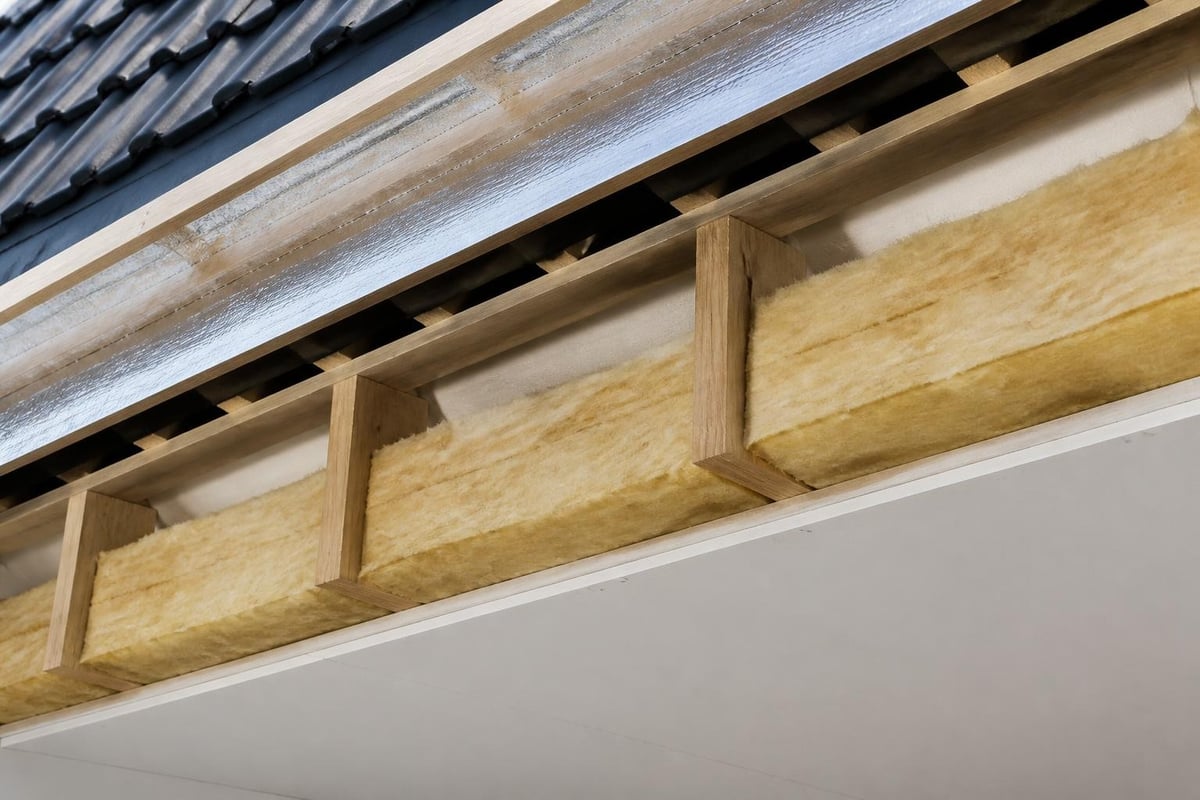
Foil-faced sarking combines a reflective surface with a breathable membrane. Installed under the roof covering and over the rafters, it provides weather protection, condensation control, and radiant heat reflection in a single product.
For maximum effectiveness, reflective insulation requires an air gap adjacent to the reflective surface. This gap allows the product to reflect radiant heat rather than conducting it directly to adjacent materials. Installation guidance from professional bodies ensures proper air space maintenance.
Combined Systems
Many Victorian homes benefit from combining bulk and reflective insulation. This approach captures the benefits of both roofing insulation types - bulk insulation handles conductive and convective heat transfer while reflective layers manage radiant heat.
A typical combined system might include:
- Foil-faced sarking under the roof covering
- Ventilated air gap above the ceiling line
- R4.0 to R6.0 glasswool batts between ceiling joists
- Standard plasterboard ceiling lining
This layered approach delivers excellent thermal performance in both summer and winter conditions.
Rigid Board Insulation
Rigid foam boards represent another category of roofing insulation types, particularly useful in specific applications. Extruded polystyrene (XPS) and expanded polystyrene (EPS) boards offer high R-values per thickness and excellent moisture resistance.
These products work well above roof decks, under metal roofing systems, and in cathedral ceiling applications where rafter depth limits insulation thickness. The closed-cell structure of XPS provides both thermal resistance and structural strength.
For roof applications requiring load-bearing insulation or where moisture control is critical, rigid boards deliver reliable performance. The Building America Solution Center provides detailed guidance on above-deck rigid foam applications and installation methods.
| Board Type | R-Value per 25mm | Moisture Resistance | Compressive Strength |
|---|---|---|---|
| XPS (extruded) | 1.0 - 1.2 | Excellent | Very high |
| EPS (expanded) | 0.9 - 1.0 | Good | Moderate |
| PIR (polyisocyanurate) | 1.4 - 1.6 | Excellent | High |
Above-Deck Applications
Installing rigid board insulation above the roof deck offers several advantages in renovation projects. This approach allows you to add substantial R-value without reducing internal ceiling height or disturbing existing finishes.
The method involves placing rigid boards over the existing roof sheathing, then installing new roofing over the insulation layer. Proper detailing around penetrations, edges, and drainage paths ensures weather-tight performance.
Spray Foam Solutions
Spray polyurethane foam (SPF) creates a seamless insulation layer that also acts as an air barrier. When applied to the underside of roof decking, SPF creates an unvented roof assembly that can be highly effective in certain applications.
Open-cell spray foam expands significantly during application, filling cavities and gaps. With R-values around 3.5 per inch (R0.25 per mm), it requires greater thickness to achieve higher R-values but costs less than closed-cell alternatives.
Closed-cell spray foam offers higher R-values (approximately R6.0 per inch or R0.42 per mm) and adds structural rigidity to the roof assembly. Its vapor-impermeability requires careful moisture management design to avoid trapped moisture issues.
These roofing insulation types work well in complex roof geometries where batts would be difficult to install or where air sealing is a priority. However, spray foam requires professional application and proper ventilation during installation.
Selecting the Right Product
Choosing among the various roofing insulation types depends on several factors specific to your project. Consider your climate zone, building design, budget, installation method, and performance goals.
Assessment criteria:
- Required R-value for your climate zone and application
- Available installation depth between roof and ceiling
- DIY installation capability versus professional requirement
- Budget for materials and labor
- Moisture exposure and ventilation strategy
- Fire rating requirements and building code compliance
- Acoustic performance needs
For standard Victorian residential roofs with typical ceiling cavities, glasswool batts between R4.0 and R6.0 deliver excellent value and performance. The National Roofing Contractors Association provides technical guidance on material selection for various roof types.
Climate-Specific Recommendations
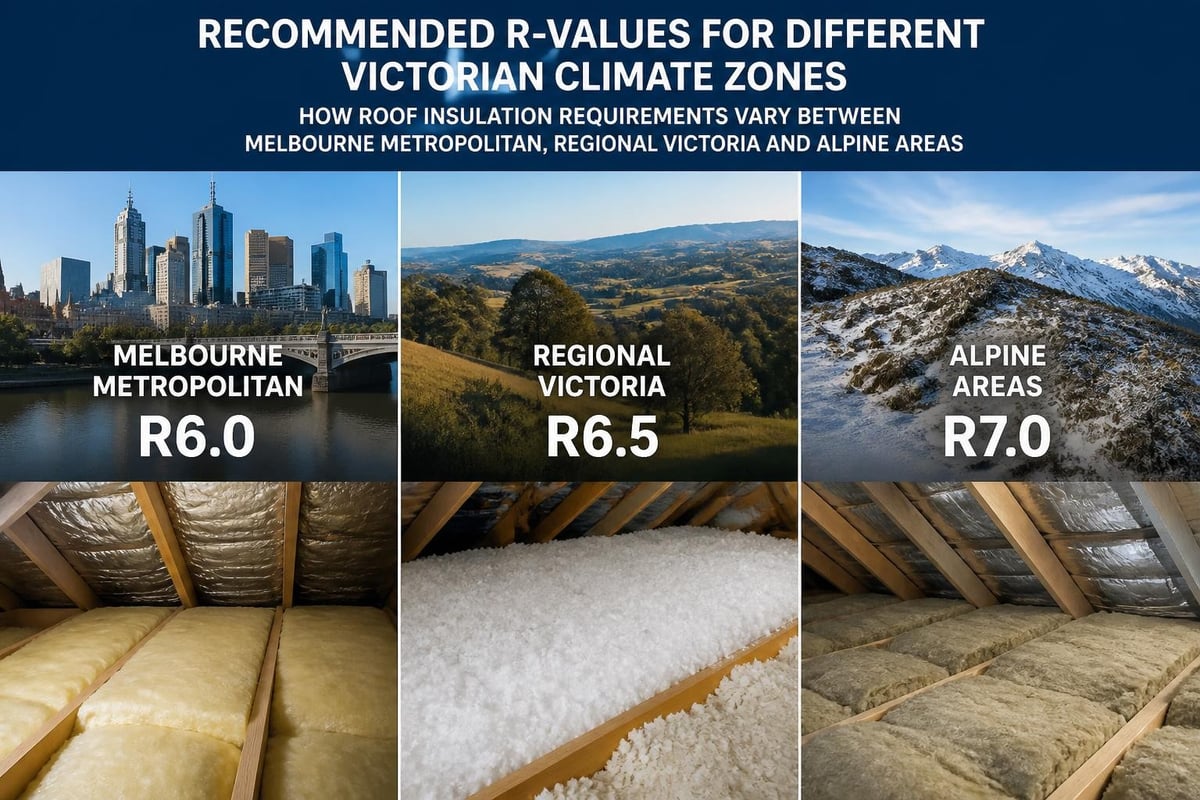
Melbourne's temperate climate with cold winters and warm to hot summers benefits from high-performance insulation that works year-round. Winter heating loads typically drive R-value requirements, but summer cooling comfort shouldn't be overlooked.
For climate zone 6 (Melbourne and most of Victoria):
- Minimum recommended: R4.0 ceiling insulation
- Good practice: R5.0 to R6.0 for enhanced performance
- High performance: R6.0 to R7.0 for maximum efficiency
Higher R-values reduce both heating and cooling energy consumption, delivering faster payback through lower energy bills. Research from Oak Ridge National Laboratory demonstrates how proper insulation placement and R-value selection impacts long-term building performance.
Environmental and Health Considerations
Modern roofing insulation types increasingly focus on environmental sustainability and indoor air quality. Many products now incorporate recycled content, use low-emission manufacturing processes, and achieve environmental certifications.
ECOSE Technology used in many glasswool products replaces traditional binders with bio-based alternatives, reducing formaldehyde emissions to negligible levels. This makes the insulation safer during installation and contributes to better indoor air quality.
Polyester products made from recycled PET bottles divert plastic waste from landfills. A typical home's worth of polyester insulation can incorporate thousands of recycled bottles, giving this waste material valuable second life.
When evaluating environmental impact, consider the EPA's guidance on identifying greener insulation choices, which covers lifecycle impacts, manufacturing processes, and health considerations.
Longevity and Performance Retention
Quality roofing insulation types maintain their thermal performance for decades when properly installed and protected from moisture damage. Glasswool and polyester batts don't settle significantly and retain their R-value over time.
Regular roof inspections help identify potential problems before they affect insulation performance:
- Check for roof leaks that could wet insulation
- Verify adequate ventilation to prevent moisture buildup
- Confirm insulation hasn't been disturbed by trades or pests
- Ensure downlight clearances remain intact
Installation Methods and Best Practices
Proper installation remains critical regardless of which roofing insulation types you select. Even the highest R-value product will underperform if poorly installed with gaps, compression, or inadequate coverage.
Professional installation ensures compliance with manufacturer specifications and building codes. Qualified installers understand clearance requirements, vapor barrier placement, and ventilation needs. They also carry appropriate insurance and provide installation warranties.
DIY installation can save money but requires careful attention to detail. Homeowners capable of working safely in roof spaces can successfully install batts or blanket insulation following manufacturer guidelines and safety protocols.
Common Installation Mistakes
Avoid these frequent errors that reduce insulation effectiveness:
- Compressing batts to fit tight spaces - reduces R-value proportionally
- Leaving gaps between batts - creates thermal bridges and air leakage paths
- Covering recessed lights - creates fire hazards unless using IC-rated fittings
- Blocking ventilation - causes moisture problems and reduces insulation life
- Mismatching product to application - using wall batts in ceilings or vice versa
Taking time to install roofing insulation types correctly delivers better performance and avoids callbacks or remedial work.
Cost Considerations and Value
Roofing insulation types vary significantly in material cost, but installation labor often represents the larger expense. When comparing options, consider total installed cost rather than just material pricing.
Budget-friendly options like standard glasswool batts deliver excellent value, especially for DIY installations. Mid-range products often add features like enhanced acoustic performance or easier handling. Premium roofing insulation types might include specialized characteristics for specific applications.
Value factors beyond initial cost:
- Energy bill savings over the insulation's lifetime
- Improved comfort reducing reliance on active heating/cooling
- Potential property value increase from better energy ratings
- Reduced HVAC system sizing requirements for new builds
- Lower maintenance needs from more stable indoor conditions
Energy modeling and payback analysis help justify higher initial investment in premium insulation. For most Victorian homes, upgrading from minimum code requirements (R4.1) to R5.0 or R6.0 pays for itself within several years through energy savings.
Retrofitting Existing Homes
Adding or upgrading roofing insulation types in existing homes presents unique challenges. Ceiling access, existing services, and occupied spaces below require careful planning and execution.
Many older Victorian homes have little or no ceiling insulation. Adding R4.0 to R6.0 batts can reduce heating and cooling costs by 40-50% while dramatically improving comfort.
Retrofit planning considerations:
- Assess existing ceiling condition and access points
- Identify and protect existing wiring, ductwork, and services
- Plan around recessed lights and other penetrations
- Consider ceiling load capacity for heavier insulation types
- Schedule work to minimize disruption to occupants
For homes with existing low R-value insulation, adding a second layer can be cost-effective. Installing new batts perpendicular to existing material reduces thermal bridging through ceiling joists and increases total R-value.
Making Your Final Decision
Selecting among the various roofing insulation types ultimately depends on balancing performance requirements, budget constraints, and installation realities. For most Victorian homeowners, glasswool batts rated R4.0 to R6.0 offer the best combination of thermal performance, cost-effectiveness, and installation simplicity.
Properties with specific needs might benefit from alternative roofing insulation types. Complex roof geometries might suit spray foam. High-moisture areas might prefer closed-cell products. Budget-conscious retrofits might combine reflective foil with moderate R-value batts.
Working with knowledgeable suppliers helps ensure you select the right product for your specific situation. Quality suppliers provide technical advice, product comparisons, and installation resources that make your project more successful.
Understanding the different roofing insulation types available empowers you to make confident decisions about your home's thermal performance and comfort. Whether you're building new, renovating, or upgrading existing insulation, selecting the right product and installing it properly delivers decades of energy savings and improved liveability. Insulation Supplies Australia stocks a comprehensive range of glasswool, polyester, and reflective roofing insulation products with expert advice to help you choose the perfect solution for your Victorian home. Browse our selection online, compare R-values and specifications, or contact our team for personalised recommendations that match your project requirements and budget.