
Choosing the right insulation for your roof is one of the most important decisions you'll make when building or renovating your home. The roof is where most heat enters during summer and escapes during winter, making proper insulation essential for comfort and energy efficiency. With several roofing insulation types available in Australia, understanding the differences between blanket insulation, batts, reflective foil, and rigid boards will help you make an informed choice that suits your climate, budget, and building design.
Understanding How Roof Insulation Works
Before diving into specific roofing insulation types, it's helpful to understand how insulation performs in your roof space. Unlike walls or floors, roofs face extreme temperature variations throughout the year.
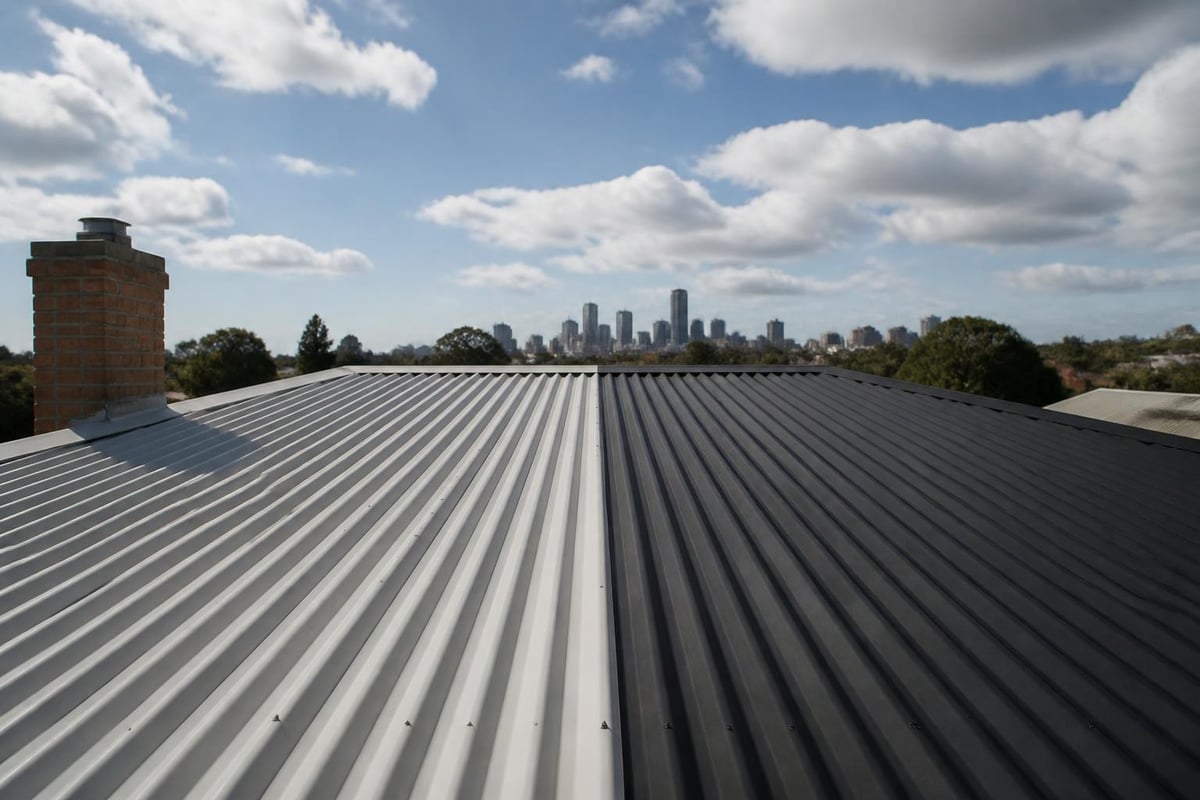
During summer, your roof can reach temperatures exceeding 70 degrees Celsius, radiating intense heat into your living spaces. In winter, warm air rises and escapes through an uninsulated or poorly insulated roof.
The Role of R-Values in Roof Performance
The R-value measures thermal resistance-the higher the number, the better the insulation performs. For roof insulation, Australian homes typically require R-values between R3.5 and R6.0, depending on your climate zone.
Melbourne and Victoria fall into climate zones 6 and 7, where recommended roof R-values range from R4.0 to R6.0 for optimal thermal performance. These values ensure your home stays comfortable year-round while reducing heating and cooling costs.
Key factors affecting insulation performance:
- Material type and density
- Thickness and coverage
- Installation quality and gaps
- Ventilation and moisture control
- Roof colour and reflectivity
Glasswool Blanket Insulation
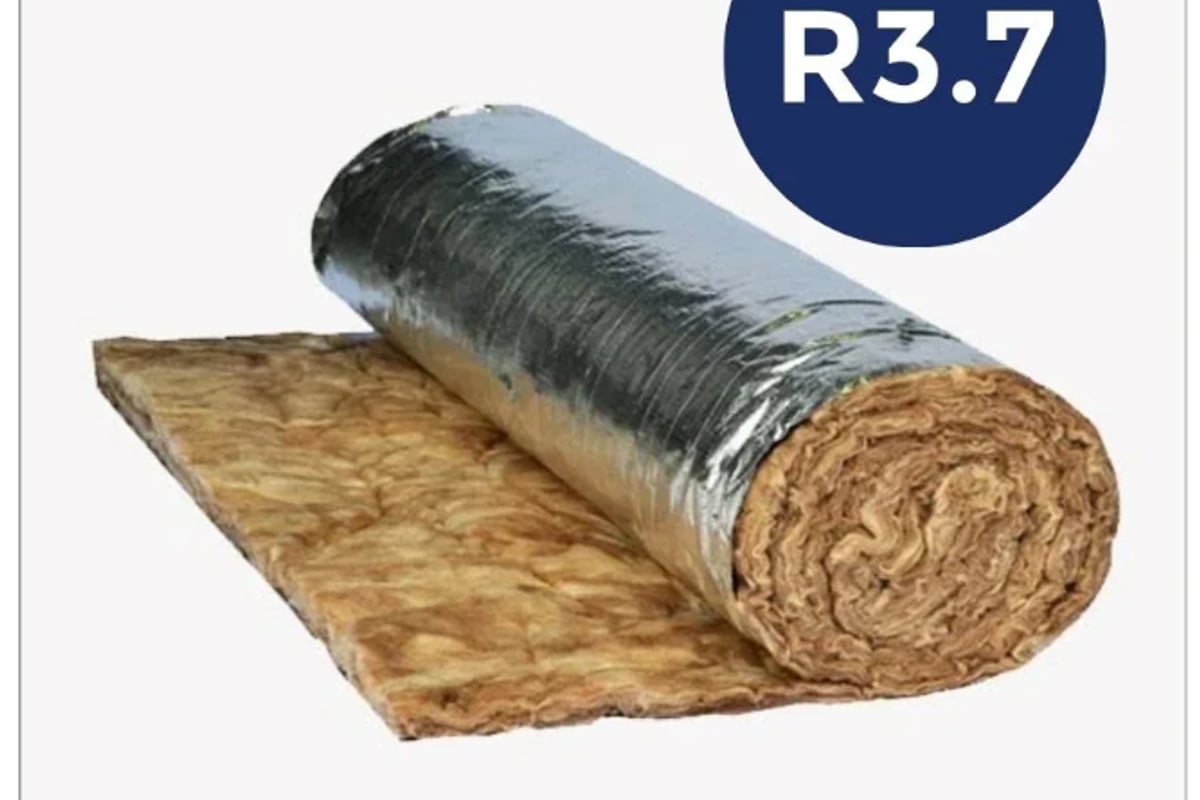
Glasswool blanket insulation remains one of the most popular roofing insulation types for Australian homes. This continuous roll product offers excellent coverage with minimal joins and gaps.
Manufactured from recycled glass and sand, glasswool blankets are typically available in 1.2-metre widths that suit standard roof joist spacing. The material is flexible, allowing it to conform to irregular roof shapes while maintaining consistent thermal performance.
Benefits of Glasswool Blankets
Modern glasswool products manufactured with ECOSE Technology are softer to handle, produce less dust, and contain no added formaldehyde. These improvements make installation more comfortable for DIY renovators and professional installers alike.
For example, the Thermal Blanket R3.7 features a higher-density construction at 22 kg/m³, delivering exceptional thermal resistance in a 130mm thickness. This makes it ideal for metal roof applications where space between battens is limited.
| Feature | Specification | Benefit |
|---|---|---|
| Typical R-values | R2.5 to R6.0 | Suits all climate zones |
| Width | 1.2m standard | Reduces cutting and waste |
| Handling | Soft, low dust | Easier installation |
| Moisture | Non-hygroscopic | Won't sag when damp |
Installation considerations:
- Measure roof cavity depth accurately
- Allow insulation to fully loft after unpacking
- Ensure complete coverage without compression
- Maintain ventilation gaps as required
- Use appropriate safety equipment
Polyester Batts for Roof Spaces
Polyester batts represent another common choice among roofing insulation types, offering unique advantages for specific applications. Made from recycled plastic bottles, polyester insulation is completely non-irritating to skin and respiratory systems.
These batts are particularly popular with DIY homeowners who want to avoid the itchiness sometimes associated with glasswool products. Polyester is naturally resistant to moisture, won't support mould growth, and maintains its R-value even in humid conditions.
When to Choose Polyester
Polyester batts excel in environments where moisture exposure is a concern. Unlike glasswool, polyester doesn't require facing or protective wrapping in most residential applications.
The material cuts cleanly with scissors or a sharp knife, making it easier to fit around roof penetrations like chimneys, vents, and skylights. Installation is straightforward-simply friction-fit the batts between roof joists.
Polyester advantages:
- Zero itch installation experience
- Excellent moisture resistance
- Non-allergenic composition
- Recyclable and sustainable
- Maintains loft over time
Reflective Foil Insulation Systems
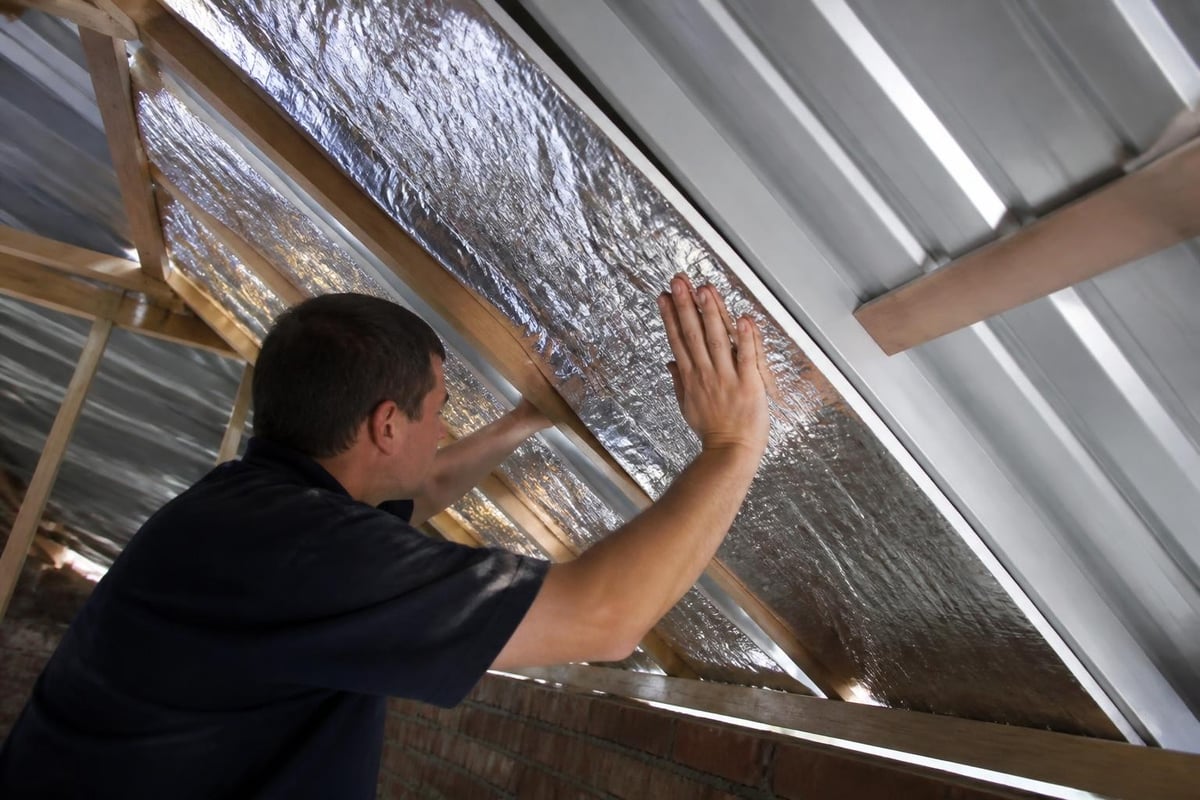
Reflective foil products work differently from bulk insulation materials, making them a distinct category among roofing insulation types. Rather than slowing heat transfer through thickness, reflective foil reflects radiant heat away from your home.
These systems typically consist of aluminium foil laminated to kraft paper or foam backing. When installed with the required air gap, they can reflect up to 97% of radiant heat.
Single-Sided vs Double-Sided Foil
Single-sided reflective foil is designed to face a single air space, usually the roof cavity. Double-sided foil reflects heat from both directions, making it effective in both summer and winter.
However, reflective foil alone doesn't provide the same level of insulation as bulk materials. Many builders combine reflective foil with bulk insulation to achieve comprehensive thermal protection.
| Configuration | Summer Performance | Winter Performance | Best Application |
|---|---|---|---|
| Foil only | Excellent | Limited | Hot climates |
| Foil + bulk | Excellent | Excellent | All climates |
| Bulk only | Good | Excellent | Cold climates |
The air gap is critical-without it, reflective foil loses most of its effectiveness. A minimum 25mm air space between the foil and roof sheeting is typically required.
Rigid Board Insulation Options
Among roofing insulation types, rigid boards offer unique benefits for specific applications. Extruded polystyrene (XPS) and expanded polystyrene (EPS) boards provide high R-values in relatively thin profiles.
These boards are most commonly used in commercial construction or specialised residential applications like cathedral ceilings and flat roofs. Their rigid structure supports loads and maintains consistent thickness under compression.
XPS Board Performance
XPS boards feature a closed-cell structure that provides excellent moisture resistance and compressive strength. With R-values up to R0.3 per centimetre of thickness, they deliver strong thermal performance in confined spaces.
The boards cut easily with a handsaw or hot wire cutter and can be secured with adhesives or mechanical fasteners. Joints should be tightly butted or taped to prevent thermal bridging.
Typical applications:
- Cathedral ceilings with limited depth
- Flat roof systems requiring drainage falls
- Areas needing load-bearing insulation
- Renovation projects with space constraints
- Cold room and specialised applications
Combining Different Insulation Types
Many experienced builders combine multiple roofing insulation types to maximise thermal performance and comfort. This layered approach addresses both radiant and conductive heat transfer.
A common configuration pairs reflective foil as a sarking layer with bulk insulation below. The foil manages radiant heat while the bulk insulation handles conductive heat transfer.
The Hybrid Installation Method
Start by installing reflective foil sarking across the roof frame, ensuring proper drainage and air gaps. Then add bulk insulation between ceiling joists below the foil.
This combination delivers superior R-values compared to either product alone. The foil also provides a secondary moisture barrier and helps manage condensation in roof cavities.
Performance benefits:
- Higher effective R-value than single products
- Protection from multiple heat transfer types
- Better moisture management
- Improved acoustic performance
- Enhanced long-term durability
When selecting ceiling insulation to complement roof insulation, ensure the combined R-value meets or exceeds requirements for your climate zone.
Climate Zone Considerations for Victoria
Victoria's diverse climate zones require different approaches when selecting roofing insulation types. Melbourne's temperate climate demands year-round performance, while alpine regions need maximum winter protection.
The National Construction Code divides Australia into eight climate zones. Most of Victoria falls within zones 6 and 7, with some alpine areas reaching zone 8.
Matching Insulation to Your Location
Zone 6 (Melbourne metro) requires minimum R4.0 for roofs, though R5.0 or R6.0 delivers better comfort and energy savings. Coastal areas benefit from moisture-resistant products that handle humidity fluctuations.
Zone 7 (inland Victoria) experiences greater temperature extremes, making higher R-values even more valuable. Cold winter nights and hot summer days demand insulation that performs in both directions.
| Location | Climate Zone | Minimum R-Value | Recommended R-Value |
|---|---|---|---|
| Melbourne metro | 6 | R4.0 | R5.0 - R6.0 |
| Geelong | 6 | R4.0 | R5.0 - R6.0 |
| Ballarat | 7 | R4.5 | R5.0 - R6.0 |
| Alpine regions | 8 | R5.0 | R6.0 - R7.0 |
Material Density and Performance
The density of insulation material significantly impacts its thermal and acoustic performance. When comparing roofing insulation types, density measured in kilograms per cubic metre (kg/m³) indicates quality and effectiveness.
Higher-density products generally deliver better R-values per millimetre of thickness. They also provide superior acoustic control, making them valuable in multi-storey homes or near busy roads.
Standard vs High-Density Products
Standard glasswool blankets typically range from 10-14 kg/m³, while high-density versions reach 22-24 kg/m³. The denser products cost more but deliver enhanced performance in the same thickness.
For roof applications, higher density also means better resistance to settlement over time. The insulation maintains its loft and R-value for decades rather than potentially compressing and losing effectiveness.
Density comparison benefits:
- 10-14 kg/m³: Budget-friendly, adequate thermal performance, lighter weight
- 18-22 kg/m³: Enhanced thermal performance, improved acoustics, better durability
- 22-24 kg/m³: Maximum performance, excellent sound control, premium applications
Installation Methods and Best Practices
Proper installation is just as important as choosing the right roofing insulation types. Even premium insulation performs poorly when installed incorrectly, with gaps and compression reducing effectiveness significantly.
All bulk insulation should be installed without compression, allowing it to achieve its full thickness and R-value. Cutting batts or blankets slightly oversized ensures friction-fit without gaps.
Common Installation Mistakes to Avoid
Never compress insulation to fit into spaces thinner than its stated thickness. Compression reduces the air pockets that provide thermal resistance, lowering the effective R-value.
Leave appropriate gaps around electrical fittings and downlights unless they're specifically rated for insulation contact. Most downlights require 50-100mm clearance to prevent overheating.
Professional installation tips:
- Wear protective equipment including gloves and dust mask
- Measure cavity depths before purchasing materials
- Cut insulation on a clean, flat surface
- Install from the centre of the roof outward
- Don't walk on installed insulation
- Maintain required ventilation paths
For detailed guidance, visit our installation resources which cover safe working practices and technical requirements.
Acoustic Benefits of Roof Insulation
While thermal performance drives most insulation decisions, acoustic control is a valuable secondary benefit of many roofing insulation types. Sound insulation in your roof reduces noise from rain, hail, aircraft, and nearby traffic.
Bulk insulation materials like glasswool and polyester absorb sound energy, preventing it from transmitting into living spaces. Denser products deliver better acoustic performance.
Sound Ratings and Performance
Acoustic performance is measured using Sound Transmission Class (STC) and Noise Reduction Coefficient (NRC) ratings. Higher numbers indicate better sound blocking and absorption.
A standard R4.0 glasswool blanket typically achieves NRC ratings of 0.90-1.05, meaning it absorbs 90-105% of sound energy at specific frequencies. High-density acoustic products can exceed these values.
Noise sources managed by roof insulation:
- Heavy rain and hail impact
- Aircraft and traffic noise
- Wind and weather sounds
- Neighbour activity (attached dwellings)
- HVAC equipment vibration
Cost Factors and Value Comparison
Understanding the cost differences between roofing insulation types helps you make budget-conscious decisions without sacrificing performance. Price varies based on material type, R-value, density, and brand.
Glasswool blankets typically offer the most cost-effective solution for achieving high R-values in standard roof applications. Polyester batts cost 20-40% more but deliver benefits in specific situations.
Long-Term Value Considerations
Initial material cost is just one factor in total project cost. Consider installation labour, delivery fees, and required accessories when budgeting.
More importantly, evaluate long-term value through energy savings. Higher R-value insulation costs more upfront but reduces heating and cooling expenses for decades.
| Insulation Type | Relative Cost | Lifespan | Best Value Scenario |
|---|---|---|---|
| Glasswool blanket | $ | 50+ years | Standard roof cavities |
| Polyester batts | $$ | 50+ years | DIY installation, moisture areas |
| Reflective foil | $ | 30+ years | Supplement to bulk insulation |
| XPS boards | $$$ | 50+ years | Limited space, high performance |
A home with R6.0 roof insulation can save $200-400 annually on energy costs compared to R2.5 insulation. Over 20 years, that's $4,000-8,000 in savings, easily justifying the higher initial investment.
Fire Safety and Compliance
All roofing insulation types sold in Australia must meet stringent fire safety standards. Understanding these requirements ensures your installation complies with building codes and insurance requirements.
Glasswool and polyester insulation are naturally non-combustible or self-extinguishing. They won't spread flames and won't produce toxic smoke when exposed to fire.
Building Code Fire Requirements
The National Construction Code specifies Bushfire Attack Level (BAL) ratings for properties in bushfire-prone areas. Higher BAL ratings require insulation with specific fire performance characteristics.
Reflective foil products should include fire-retardant kraft paper backing rather than standard paper. Always check product specifications against your site's BAL rating.
Fire safety features by material:
- Glasswool: Non-combustible, melts above 1000°C, no toxic fumes
- Polyester: Self-extinguishing, low flame spread, minimal smoke
- Foil products: Fire-retardant backing options available
- XPS/EPS boards: Require fire barriers in most applications
Moisture Management in Roof Systems
Proper moisture control is essential for long-term performance of roofing insulation types. Condensation, leaks, and humidity can reduce insulation effectiveness and create structural problems.
Most bulk insulation materials are vapour permeable, allowing moisture to pass through rather than trapping it. This helps manage condensation that can form in roof cavities.
Condensation Prevention Strategies
Adequate roof ventilation prevents moisture accumulation that could damage insulation and timber framing. Eave and ridge vents create airflow that removes humid air.
Reflective foil sarking provides a secondary moisture barrier while managing condensation through its vapour-permeable properties. Install it with the correct orientation to allow drainage.
Moisture control checklist:
- Ensure adequate roof ventilation
- Install sarking with proper drainage falls
- Seal penetrations and roof openings
- Address leaks promptly before insulating
- Consider vapour barriers in humid climates
- Maintain clearance for airflow paths
Retrofit vs New Construction Considerations
Different roofing insulation types suit new construction versus retrofit applications. When adding insulation to an existing home, access limitations and structural considerations affect product selection.
New construction allows installation from above before roof sheeting goes on, giving complete access and easier handling of continuous blanket products.
Retrofit Installation Challenges
Retrofitting roof insulation typically means working from below through ceiling access hatches. This limits product choices to materials that can be pushed or blown into roof cavities.
Batts work better than blankets for retrofit applications because they're easier to manoeuvre through small openings. Loose-fill insulation can be blown into hard-to-reach areas.
Retrofit considerations:
- Measure access hatch sizes before ordering
- Choose products that compress temporarily for transport
- Plan installation sequence to avoid trapped areas
- Consider professional installation for difficult access
- Verify existing roof condition before adding insulation
Environmental and Sustainability Factors
Environmentally conscious homeowners increasingly consider the sustainability credentials of roofing insulation types. Recycled content, manufacturing processes, and end-of-life recyclability all factor into environmental impact.
Glasswool products typically contain 80% recycled glass content, diverting waste from landfills. Polyester insulation uses recycled PET bottles, with some products containing up to 100% recycled content.
Energy Embodied vs Energy Saved
The embodied energy in insulation manufacturing is recovered within months through energy savings. A home with proper roof insulation saves far more energy over its lifetime than was used to manufacture the insulation.
Modern manufacturing processes like ECOSE Technology reduce emissions and eliminate harmful chemicals from production. These improvements make sustainable choices easier without compromising performance.
Sustainability comparison:
- Glasswool: High recycled content, minimal VOCs, fully recyclable
- Polyester: Made from recycled bottles, chemical-free, recyclable
- Foil products: Aluminum recyclable, long service life
- XPS/EPS boards: Petroleum-based, durable, limited recyclability
Maintenance and Longevity
Quality roofing insulation types require virtually no maintenance once properly installed. Unlike mechanical systems, insulation continues performing without servicing or energy input.
Most products carry 50-year warranties or performance guarantees, though they typically last the life of the building. The key to longevity is protecting insulation from moisture, compression, and physical damage.
Inspection and Monitoring
Inspect accessible roof insulation every few years for signs of moisture damage, pest activity, or displacement. Address any issues promptly to maintain performance.
After roof repairs or modifications, verify that insulation wasn't disturbed or removed. Tradespeople sometimes move insulation aside and forget to replace it properly.
Maintenance tasks:
- Check for water stains or dampness annually
- Verify insulation hasn't been compressed or displaced
- Look for pest damage or nesting activity
- Ensure ventilation paths remain clear
- Replace damaged sections as needed
Product Specifications and Standards
Australian roofing insulation types must comply with AS/NZS 4859 standards covering materials, installation, and performance. These standards ensure products deliver their claimed R-values when properly installed.
Look for products certified by the Insulation Council of Australia and New Zealand (ICANZ). Certification provides independent verification that products meet performance claims.
Reading Product Data Sheets
Product data sheets specify thickness, R-value, coverage, density, and compliance certifications. Compare these specifications across different roofing insulation types to make informed decisions.
Pay attention to stated R-values, which assume correct installation without compression or gaps. Poor installation can reduce effective R-value by 20-50%.
| Standard | What It Covers | Why It Matters |
|---|---|---|
| AS/NZS 4859.1 | Material specifications | Ensures quality and safety |
| AS/NZS 4859.2 | Installation requirements | Achieves stated performance |
| AS 3999 | Thermal conductivity testing | Verifies R-value claims |
| AS 1530 | Fire performance | Meets building code requirements |
Making Your Final Selection
Choosing among available roofing insulation types requires balancing thermal performance, budget, installation method, and specific project requirements. There's rarely one "best" option for all situations.
For most Melbourne homes, high-density glasswool blanket insulation in the R5.0-R6.0 range delivers excellent value and performance. Combine it with reflective foil sarking for comprehensive protection.
Decision-making framework:
- Determine required R-value for your climate zone
- Measure roof cavity depth and joist spacing
- Assess installation method (new build vs retrofit)
- Set budget including materials and installation
- Consider acoustic needs and moisture conditions
- Compare product specifications and warranties
- Choose trusted suppliers with expert support
Understanding the characteristics, benefits, and applications of different roofing insulation types empowers you to make confident decisions that improve your home's comfort and efficiency for decades.
Selecting the right insulation transforms your home's comfort, reduces energy costs, and increases property value. Whether you're building new, renovating, or upgrading existing insulation, understanding your options ensures you invest in a solution that performs for decades. Insulation Supplies Australia helps Victorian homeowners, renovators, and builders navigate insulation choices with expert advice, competitive pricing, and fast delivery across Melbourne and regional Victoria. Browse our comprehensive range online, compare products and specifications, and order with confidence knowing you're getting quality insulation backed by knowledgeable support.