
Choosing the right roofing insulation materials makes a significant difference to your home's comfort, energy bills and long-term performance. With Australia's diverse climate zones and building types, understanding which materials work best for your roof system helps you make an informed decision. From traditional glasswool batts to reflective foil and rigid boards, each material offers distinct thermal properties, installation methods and price points that suit different applications and budgets.
Understanding Roofing Insulation Material Categories
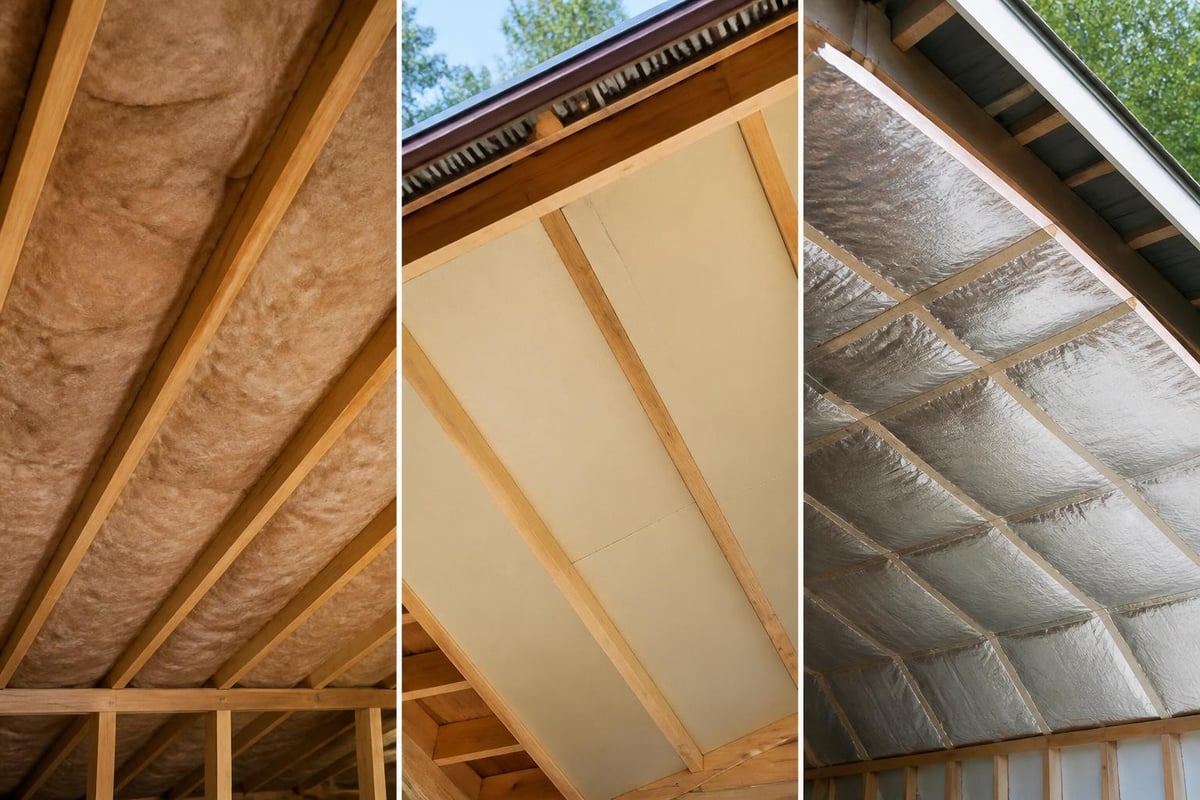
Roofing insulation materials fall into several broad categories, each designed to address specific thermal challenges and installation scenarios. Bulk insulation materials like glasswool, polyester and blanket products resist heat flow through their physical thickness and trapped air pockets. Reflective insulation uses aluminium foil surfaces to reflect radiant heat away from living spaces, particularly effective in metal roof applications.
Rigid board insulation, including extruded polystyrene (XPS) and polyisocyanurate, provides high R-values per millimetre of thickness and structural strength. These boards often serve in applications where space is limited or where compressive loads require firmer materials.
Glasswool Batts and Blankets
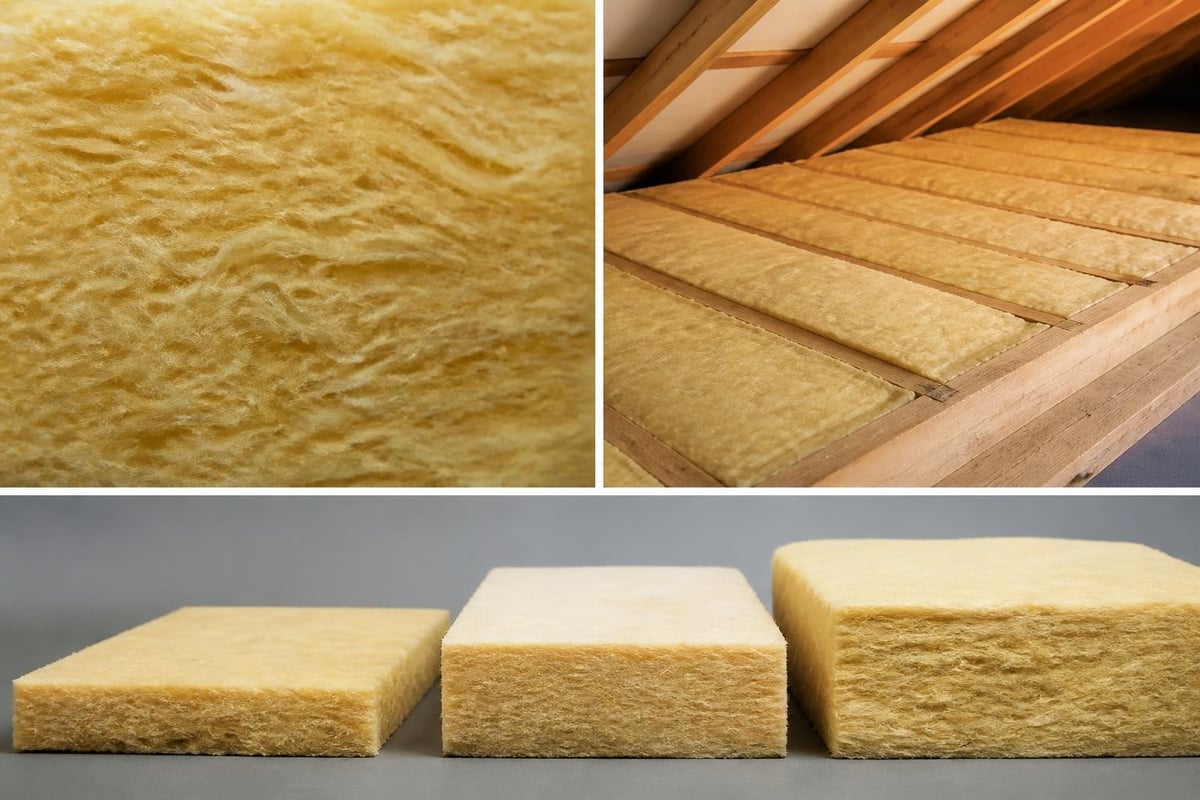
Glasswool remains one of the most widely used roofing insulation materials in Australian residential construction. Manufactured from recycled glass and sand, modern glasswool products use advanced binding technologies that reduce dust and improve handling characteristics.
Key advantages of glasswool include:
- High thermal resistance per dollar invested
- Non-combustible and fire-resistant properties
- Effective acoustic dampening alongside thermal performance
- Available in pre-cut batts or continuous blanket rolls
- Suitable for both timber and metal roof framing
The U.S. Department of Energy's insulation guide highlights glasswool's versatility across multiple building envelope applications, noting its consistent performance in both hot and cold climates.
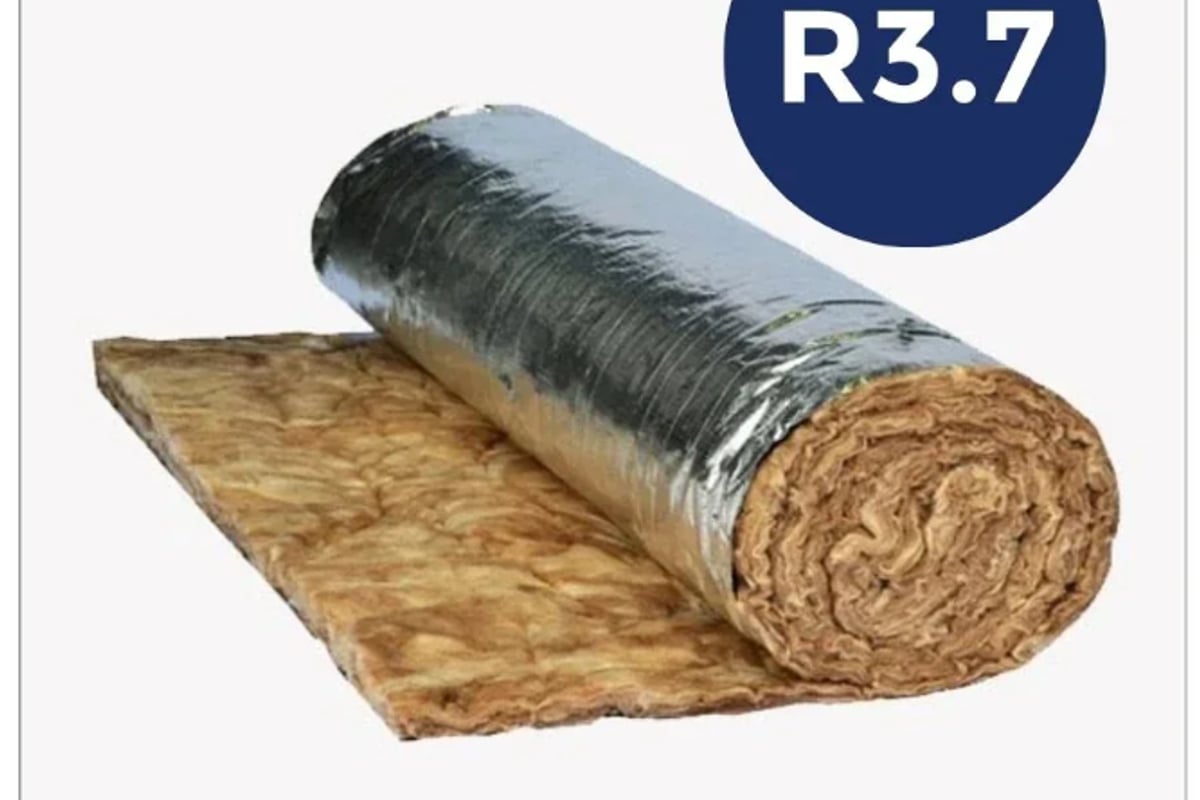
Glasswool blankets offer continuous coverage for roof insulation applications, reducing thermal bridging through framing members. Products like the Thermal Blanket R3.7 22kg/m³ deliver premium thermal resistance with higher-density construction, making them particularly effective under metal roofing systems where radiant heat poses the greatest challenge.
Reflective Foil Insulation Systems
Reflective foil products work differently to bulk insulation, reflecting radiant heat rather than absorbing it. In Australian conditions, where summer sun can superheat metal roofing to 70°C or higher, reflective surfaces make a measurable difference to ceiling temperatures and cooling loads.
Foil insulation requires an air gap of at least 25mm on the reflective side to function properly. Without this air space, the material conducts heat rather than reflecting it, significantly reducing performance.
| Material Type | Primary Function | Best Application | Typical R-Value |
|---|---|---|---|
| Single-sided foil | Radiant barrier | Under metal roofs | R0.5–R1.0 |
| Double-sided foil | Dual radiant barrier | Between rafters | R1.0–R1.5 |
| Foil + bulk hybrid | Combined thermal resistance | All roof types | R2.5–R4.0 |
Many Australian roof systems combine reflective foil with bulk insulation to address both radiant and conductive heat transfer. This layered approach delivers superior performance compared to either material used alone.
Rigid Board Roofing Insulation Materials
Rigid board insulation offers exceptional thermal resistance in minimal thickness, making it valuable where roof cavity depth limits bulk insulation options. These materials also provide structural benefits in some applications, supporting foot traffic during installation or maintenance.
Extruded Polystyrene (XPS)
XPS boards feature a closed-cell structure that resists moisture penetration while delivering consistent thermal performance. The manufacturing process creates a uniform foam with superior compressive strength compared to expanded polystyrene alternatives.
XPS characteristics relevant to roofing:
- Moisture resistance protects R-value over time
- Compressive strength supports walking loads
- Stable dimensions resist warping and degradation
- Available in multiple thicknesses and R-values
- Compatible with both vented and unvented roof assemblies
The Building Science Corporation's guidance on conditioned and unconditioned attic spaces discusses how rigid board materials integrate into various roof assembly strategies, particularly in unvented cathedral ceiling applications.
Polyisocyanurate Boards
Polyisocyanurate (polyiso) boards deliver the highest R-value per inch of common roofing insulation materials, making them popular in commercial construction and increasingly in residential applications where space limitations demand maximum thermal resistance.
These boards typically feature foil facings that enhance their thermal performance and provide a built-in radiant barrier. However, polyiso's thermal resistance decreases at very cold temperatures, a factor less relevant in most Australian climate zones but worth considering for alpine regions.
Selecting Materials by Roof Type and Climate
Different roof structures and climate conditions demand specific approaches to roofing insulation materials. Metal roofs, tile roofs and flat roofs each present unique installation challenges and thermal requirements.
Metal Roof Insulation Considerations
Metal roofing conducts heat rapidly, making summer cooling and winter warming significant energy concerns. The most effective insulation strategies for metal roofs combine reflective barriers with bulk insulation.
Installing insulation blankets directly under the roofing iron, with foil facing downward, creates an air gap that reflects radiant heat while the bulk material resists conductive heat flow. This dual-action approach reduces ceiling temperatures by 10–15°C on hot summer days compared to uninsulated metal roofs.
Proper ventilation remains critical with metal roof insulation. The NRCA's roofing guidelines emphasise that inadequate ventilation can trap moisture between the roofing and insulation, leading to condensation problems and potential corrosion of the metal sheets.
Pitched Tile Roof Applications
Tile roofs typically offer more generous cavity depths than metal roofs, allowing for thicker bulk insulation installations. The thermal mass of concrete or terracotta tiles also moderates temperature extremes, but insulation still provides essential comfort and energy benefits.
Between-rafter insulation using batts represents the most common approach for tile roofs. Selecting the right thickness depends on the actual cavity depth available after accounting for roof battens and ventilation requirements.
R-Value Requirements and Material Thickness
Understanding the relationship between R-value, material type and physical thickness helps you select appropriate roofing insulation materials for your project. Australian building codes specify minimum R-values based on climate zone, but exceeding these minimums delivers better comfort and energy performance.
Climate Zone Recommendations
Australia's eight climate zones each have different thermal requirements. Zone 1 (hot humid) prioritises keeping heat out, while Zone 7 (alpine) focuses on retaining winter warmth.
Recommended roof R-values by climate zone:
- Zone 1–2 (Northern Australia): R3.5–R4.0 minimum
- Zone 3–4 (Coastal/Inland): R4.0–R5.0 recommended
- Zone 5–6 (Cool temperate): R5.0–R6.0 recommended
- Zone 7–8 (Alpine): R6.0+ for optimal performance
The Whole Building Design Guide's residential enclosure resources provide detailed guidance on how climate-specific design strategies influence material selection and installation details.
Material Thickness Comparisons
Different roofing insulation materials achieve the same R-value at different thicknesses due to varying thermal conductivities. This becomes critical when roof cavity depth limits your options.
| Target R-Value | Glasswool Thickness | XPS Thickness | Polyiso Thickness |
|---|---|---|---|
| R2.5 | 90–100mm | 65–70mm | 50–55mm |
| R3.5 | 130–140mm | 90–95mm | 70–75mm |
| R5.0 | 180–190mm | 130–135mm | 100–105mm |
| R6.0 | 220–230mm | 155–160mm | 120–125mm |
These thicknesses represent typical values; specific products may vary based on density and manufacturing processes.
Installation Methods and Material Compatibility
How you install roofing insulation materials significantly affects their long-term performance. Poor installation creates gaps, compression and thermal bridging that reduce effective R-values by 20–50% compared to rated values.
Between-Rafter Installation
This traditional approach places insulation batts or blankets between roof framing members. Success depends on precise cutting, friction-fitting without compression, and maintaining ventilation pathways.
Installation best practices include:
- Measure each cavity individually rather than assuming uniform spacing
- Cut batts slightly oversized for friction-fit without compression
- Maintain minimum 25mm ventilation gap between insulation and roof deck
- Seal penetrations and gaps with compatible materials
- Support insulation with mesh or battens on steep pitches
The EPA's Indoor AirPlus verification requirements detail moisture control strategies that protect both insulation performance and indoor air quality in roof assemblies.
Above-Deck Insulation
Rigid board materials can be installed above the roof deck, creating a continuous insulation layer that eliminates thermal bridging through rafters. This approach works particularly well in renovation projects or new construction where maximum thermal performance justifies the additional complexity.
Above-deck installation requires careful attention to weatherproofing details, ventilation strategies, and structural considerations. The added weight of rigid boards plus roofing materials must not exceed the structural capacity of existing framing.
Combining Multiple Roofing Insulation Materials
Hybrid systems using two or more different roofing insulation materials often deliver superior performance compared to single-material approaches. Strategic combinations address both radiant and conductive heat transfer while managing moisture and condensation risks.
Reflective Foil Plus Bulk Insulation
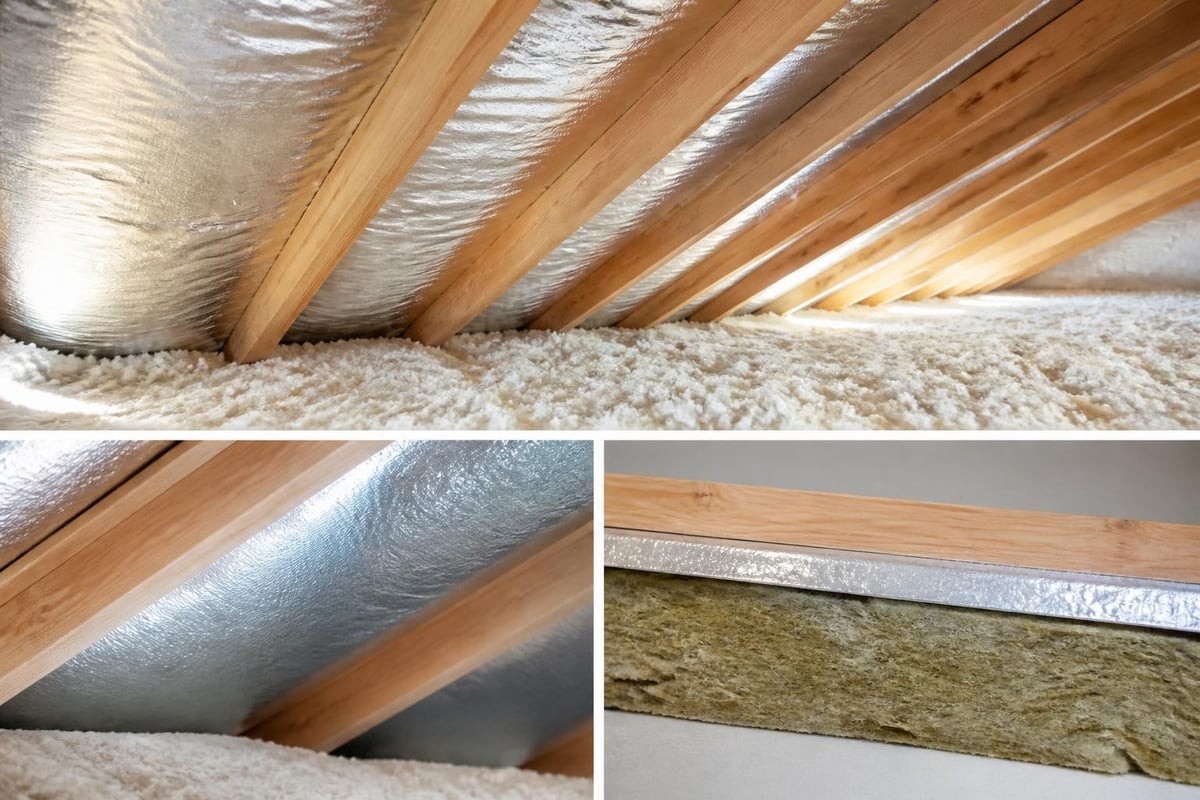
The most common hybrid system in Australian residential construction pairs reflective foil (typically under the roofing) with bulk glasswool insulation between rafters or at ceiling level.
This combination works because each material addresses different heat transfer mechanisms. The foil reflects summer radiant heat before it enters the bulk insulation, while the bulk material resists conductive heat flow year-round.
Rigid Board Plus Batt Systems
In cathedral ceilings and vaulted roofs where maximising R-value within limited space is essential, combining rigid board insulation with thinner batts optimises thermal performance.
Installing rigid boards against the roof deck (continuous insulation) followed by thinner batts between rafters creates high total R-values while minimising thermal bridging. This approach aligns with commercial building practices outlined in ASHRAE Standard 90.1 requirements for continuous insulation in roof assemblies.
Material Durability and Long-Term Performance
The expected service life of roofing insulation materials varies based on material type, installation quality, and exposure conditions. Understanding durability helps you assess total cost of ownership rather than just initial material prices.
Moisture Resistance and Degradation
Moisture represents the primary threat to insulation performance. Different roofing insulation materials respond differently to moisture exposure, with some maintaining performance even when damp while others suffer permanent degradation.
Moisture susceptibility by material type:
- Glasswool: Sheds water when properly installed; dries without permanent R-value loss
- Polyester: Non-hygroscopic; resists moisture absorption and maintains loft
- XPS rigid boards: Closed-cell structure prevents water penetration
- Reflective foil: Impervious to moisture but condensation on surfaces requires management
Proper vapour control and ventilation strategies prevent moisture accumulation regardless of material choice. The integration of materials like the Earthwool products mentioned in ceiling insulation collections demonstrates how modern manufacturing reduces dust and improves handling while maintaining strong thermal and moisture performance.
Compression and Settlement
Some roofing insulation materials compress over time under their own weight or when subjected to external forces. Compression reduces the air pockets that provide thermal resistance, degrading R-value performance.
Glasswool batts designed for roof applications include resilience characteristics that resist compression. Higher-density products recover better from temporary compression during installation or maintenance activities. Rigid boards maintain consistent thickness indefinitely under normal conditions.
Cost Comparison and Budget Considerations
Material costs represent just one component of total insulation expenses. Installation labour, required accessories, and long-term energy savings all influence the true cost-effectiveness of different roofing insulation materials.
Material Price Ranges
Prices vary significantly based on R-value, density, brand and order volume. Shopping online through retailers like Insulation Supplies Australia often provides better pricing than traditional trade suppliers while offering convenient delivery options across Victoria.
| Material Category | Approximate Cost Range ($/m²) | Installation Complexity |
|---|---|---|
| Glasswool batts R2.5–R4.0 | $8–$18 | Moderate–Easy |
| Glasswool blankets R3.0–R5.0 | $12–$25 | Moderate |
| Reflective foil only | $5–$12 | Easy |
| XPS rigid boards R2.0–R4.0 | $20–$40 | Moderate–Difficult |
| Hybrid foil/bulk systems | $15–$30 | Moderate |
These ranges reflect retail pricing for materials only; professional installation typically adds $15–$35/m² depending on roof access, pitch and project complexity.
DIY vs Professional Installation
Many roofing insulation materials suit DIY installation by experienced homeowners and owner-builders, particularly ceiling-level batts in accessible roof spaces. However, working at heights, in confined spaces, and with specialised materials increases both difficulty and safety risks.
If you're confident in your skills and safety practices, purchasing materials directly and self-installing can reduce total project costs by 40–60%. The installation guidance provided by reputable suppliers helps DIY installers achieve professional-quality results.
Environmental Considerations and Sustainability
Increasingly, homeowners and builders consider the environmental impact of roofing insulation materials alongside thermal performance and cost. Manufacturing energy, recycled content, VOC emissions and end-of-life recyclability all factor into material sustainability.
Recycled Content and Manufacturing
Modern glasswool products typically contain 60–80% recycled glass content, significantly reducing manufacturing energy compared to virgin material production. Advanced binding technologies like ECOSE eliminate formaldehyde and reduce VOC emissions, improving both indoor air quality and manufacturing sustainability.
XPS and polyiso rigid boards use petroleum-based feedstocks with higher embodied energy, though their superior R-value per thickness can reduce total material volume required. Life-cycle analysis must weigh manufacturing impacts against operational energy savings over the building's lifetime.
End-of-Life Disposal and Recycling
Glasswool and polyester insulation can be recycled at end of service life, though collection infrastructure remains limited in many Australian regions. Rigid foam boards prove more challenging to recycle, with most ending up in landfill unless specialised recycling services are available.
Choosing materials from manufacturers committed to product stewardship and offering take-back programmes supports circular economy principles while reducing construction waste impacts.
Common Installation Mistakes to Avoid
Even the best roofing insulation materials underperform when poorly installed. Understanding common errors helps you achieve rated R-values and avoid callbacks, moisture problems and energy waste.
Compression and Gaps
Forcing oversized batts into cavities compresses the material, reducing its effective R-value by eliminating the air pockets that provide thermal resistance. Conversely, undersized batts leave gaps that allow heat to bypass the insulation entirely.
The solution involves careful measurement and cutting for each individual cavity. Roof framing rarely follows perfectly uniform spacing, so measuring once and cutting multiple identical pieces typically creates poor results.
Blocked Ventilation Pathways
Roof ventilation prevents moisture buildup and reduces summer heat gain. Insulation that blocks soffit vents, ridge vents or baffle channels creates condensation risks and reduces roof system longevity.
Installing proper baffles between rafters before placing insulation maintains clear airflow from soffit to ridge while preventing insulation from contacting the roof deck. This detail proves especially critical with bulk insulation in vented roof assemblies.
Incomplete Coverage Around Penetrations
Roof penetrations for chimneys, vents, skylights and services create thermal weak points unless carefully detailed. Many installers neglect these areas, leaving significant gaps that allow heat transfer and air leakage.
Cutting insulation to fit neatly around penetrations without compression and sealing gaps with appropriate fire-rated materials ensures continuous thermal performance across the entire roof area.
Selecting appropriate roofing insulation materials requires balancing thermal performance, budget, installation method and long-term durability for your specific roof type and climate conditions. Whether you're building new, renovating, or upgrading an existing home, understanding how different materials work helps you make confident decisions that deliver comfort and energy efficiency for decades. Insulation Supplies Australia stocks a comprehensive range of glasswool, rigid board and reflective roofing insulation materials with Australia-wide delivery, helping homeowners, renovators and trades find the right products for every residential and commercial roofing project.