
Choosing the right roofing insulation materials can make a world of difference to your home's comfort and energy bills. Whether you're building from scratch, renovating an older property, or simply looking to improve thermal performance, understanding what's available and how each material performs is essential. In Victoria's climate, where we experience hot summers and cold winters, proper roof insulation isn't just a nice-to-have, it's a crucial investment that pays dividends year-round.
Understanding Roofing Insulation Material Types
The Australian market offers several distinct categories of roofing insulation materials, each with unique characteristics suited to different applications and budgets. Knowing the fundamentals helps you make informed decisions.
Glasswool Insulation Batts and Blankets
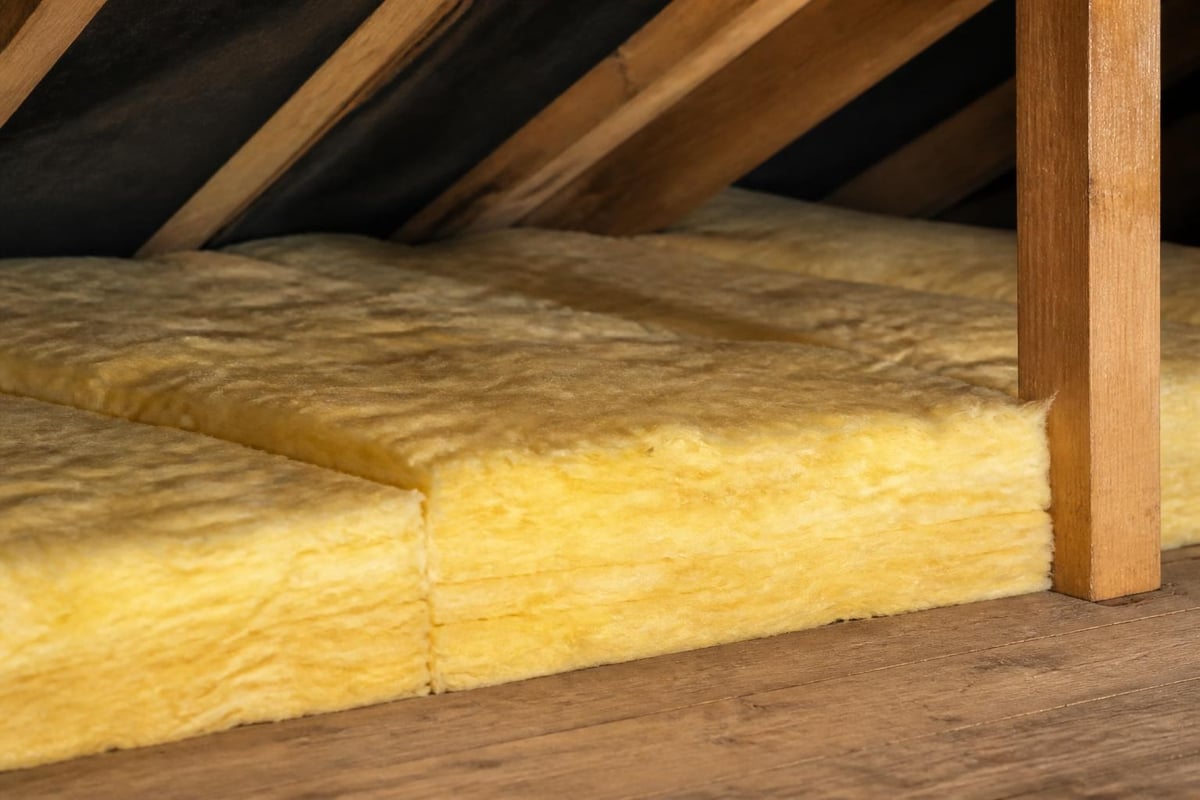
Glasswool remains one of the most popular roofing insulation materials across Victoria, and for good reason. Made from recycled glass and sand, these products offer excellent thermal resistance at competitive prices.
Key advantages of glasswool include:
- High R-values ranging from R1.5 to R7.0 depending on thickness
- Non-combustible properties that enhance fire safety
- Excellent acoustic performance for noise reduction
- Long-term durability when installed correctly
- Environmentally friendly manufacturing with recycled content
Modern glasswool products manufactured with ECOSE® Technology are softer to handle, produce less dust, and contain no added formaldehyde. This makes installation more comfortable for DIY renovators and professional builders alike.
For metal roof installations, glasswool blankets provide continuous coverage without gaps. They're typically supplied in 1.2-metre widths that fit standard rafter spacing, making installation straightforward. If you're working on a roof project, exploring the range of ceiling insulation options available can help you find the perfect fit.
Polyester Insulation Solutions
Polyester batts represent another excellent category of roofing insulation materials, particularly appealing to homeowners concerned about handling irritation or respiratory sensitivities during installation.
These products are manufactured from recycled PET plastic bottles, making them an environmentally conscious choice. The material is completely non-allergenic, non-irritating, and safe to handle without protective gear.
| Feature | Glasswool | Polyester |
|---|---|---|
| Handle-ability | Requires gloves | Bare hands safe |
| Dust generation | Low to moderate | Virtually none |
| Moisture resistance | Good when dry | Excellent |
| Thermal performance | Excellent | Very good |
| Fire rating | Non-combustible | Self-extinguishing |
| Recyclability | Yes | Yes |
Polyester insulation won't sag or compress over time, maintaining its R-value throughout its lifespan. It's naturally resistant to mould and mildew, making it suitable for roof spaces prone to condensation issues.
Reflective Foil and Sarking Systems
Reflective foil insulation represents a different approach to thermal control. Rather than resisting heat flow through bulk insulation, these roofing insulation materials work by reflecting radiant heat away from living spaces.
Foil products consist of aluminium laminated to polymer or paper backing. When installed with the correct air gaps, they can reflect up to 97% of radiant heat. In Australian conditions, where summer heat gain through roofs is a major concern, this reflective capability proves extremely valuable.
Common reflective foil applications include:
- Roof sarking beneath tiles or metal roofing
- Sisalation barriers for moisture and dust control
- Combination products offering both bulk and reflective insulation
- Underlay systems providing condensation protection
These materials also serve crucial secondary functions as weather barriers, protecting roof spaces from wind-driven moisture and dust infiltration. When combined with bulk insulation, they create comprehensive thermal protection systems.
Rigid Board Insulation for Roofing
Rigid insulation boards offer unique benefits for specific roofing applications, particularly where load-bearing capacity or moisture resistance is paramount.
Extruded Polystyrene (XPS) Boards
XPS boards deliver exceptional compressive strength alongside impressive thermal performance. Their closed-cell structure makes them virtually impervious to moisture, maintaining R-value even in damp conditions.
These roofing insulation materials excel in cathedral ceiling applications, where insulation sits beneath roof sheeting without ventilation space above. The moisture resistance prevents performance degradation from condensation.
XPS boards are available in various thicknesses, typically from 25mm to 100mm, with R-values ranging from R0.7 to R3.5. They're rigid enough to support foot traffic during installation, simplifying construction logistics.
Expanded Polystyrene (EPS) Options
EPS provides similar benefits to XPS but at lower density and cost. While slightly more permeable to moisture, EPS remains highly effective for many roofing applications.
The material's light weight makes it easy to manoeuvre on roof structures. It cuts cleanly with standard tools, allowing precise fitting around obstructions like roof penetrations and valley timbers.
Comparing R-Values and Thermal Performance
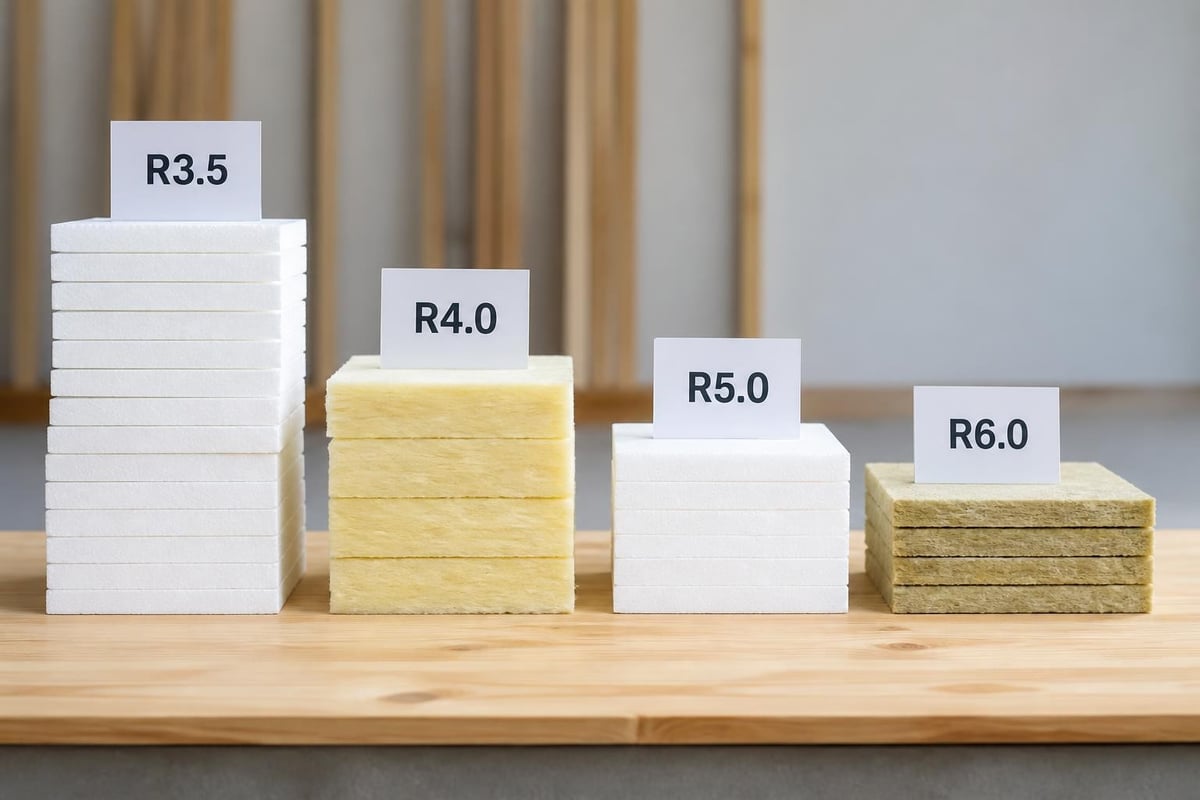
Understanding R-values is fundamental when selecting roofing insulation materials. The R-value measures resistance to heat flow, with higher numbers indicating better insulating performance.
Victoria's building regulations specify minimum R-values based on climate zones. Melbourne and most of Victoria fall within Climate Zone 6, requiring minimum roof insulation of R4.1 for new homes built from 2022 onwards. Understanding climate zones in Australia helps ensure compliance and optimal comfort.
Recommended R-Values for Victorian Roofs
- New construction: R4.1 minimum (R5.0 to R6.0 recommended for maximum efficiency)
- Major renovations: R4.1 where practicable
- Minor upgrades: R3.5 minimum for meaningful improvement
- Premium performance: R6.0 to R7.0 for extreme efficiency
Achieving higher R-values typically requires thicker insulation. A common mistake is selecting materials solely on R-value without considering available roof cavity depth. Always measure your space before purchasing.
Installation Considerations for Different Materials
Each category of roofing insulation materials demands specific installation approaches to achieve optimal performance and longevity.
Batt and Blanket Installation Techniques
Installing glasswool or polyester batts requires careful attention to coverage and fit. Gaps around insulation reduce effective R-value significantly, sometimes by 50% or more for small gaps.
Critical installation steps include:
- Measure rafter spacing accurately before purchasing
- Cut batts to fit snugly between rafters without compression
- Ensure insulation contacts the ceiling below without gaps
- Maintain clearances around electrical fixtures and recessed lights
- Install additional support when required for heavy products
For blanket products across metal roofs, continuous runs eliminate joins and gaps. Roll insulation perpendicular to rafters, securing with appropriate fixings at recommended spacing intervals. Products designed for this application often come with R3.7 thermal ratings perfectly suited to Victoria's requirements.
Working with Reflective Systems
Reflective foil effectiveness depends entirely on maintaining air gaps. Without proper spacing, radiant barriers cannot reflect heat effectively.
Most building codes require minimum 25mm air gaps between foil surfaces and adjacent materials. For sarking applications beneath roof battens, this occurs naturally as tiles or metal sheets sit above the membrane.
When combining reflective foil with bulk insulation, position the foil closer to the heat source (typically the roof exterior) with the air gap between foil and roofing material.
Rigid Board Installation Methods
Rigid boards require different fixings and techniques compared to flexible batts. Most systems use adhesives, mechanical fasteners, or a combination of both.
For cathedral ceilings, boards typically fix directly to rafters beneath roof sheeting. Joints between boards should be taped or sealed to prevent air leakage and maintain thermal performance.
Cut boards to size using fine-toothed saws or hot-wire cutters. Ensure tight fits at edges and junctions to eliminate thermal bridging through gaps.
Moisture Management and Roof Ventilation
Managing moisture represents one of the most critical considerations when selecting and installing roofing insulation materials. Roof spaces experience temperature fluctuations that can cause condensation, particularly during winter months.
Breathability and Vapour Barriers
Different materials handle moisture in different ways. Glasswool and polyester are relatively permeable, allowing water vapour to pass through. This can be beneficial, enabling moisture to escape rather than accumulating.
Foil products typically incorporate perforations or special membranes to manage vapour transmission while maintaining reflective properties. Always check product specifications regarding vapour permeability.
In roofing applications, proper ventilation remains the primary defence against moisture problems. Adequate ventilation allows moist air to escape before condensation occurs.
Effective roof ventilation strategies include:
- Ridge vents allowing hot air to escape at roof peaks
- Soffit vents enabling cool air intake at eaves
- Whirlybird or box vents on roof planes
- Gable vents in triangular wall sections
- Adequate cross-flow ventilation paths
Combining appropriate roofing insulation materials with proper ventilation creates healthy, long-lasting roof assemblies that perform reliably throughout Victoria's seasonal extremes.
Cost Considerations and Value Analysis
Budget naturally influences material selection, but understanding whole-life costs rather than just upfront prices provides better value assessment.
Initial Material Costs
Glasswool generally offers the most economical option per square metre for a given R-value. Polyester products typically cost 20-40% more but offer handling benefits that may justify the premium.
| Material Type | Cost Range (per m²) | R-Value Range | Best Value Point |
|---|---|---|---|
| Glasswool batts | $8-$18 | R1.5-R6.0 | R3.5-R5.0 |
| Polyester batts | $10-$22 | R1.5-R5.0 | R2.5-R4.0 |
| Reflective foil | $4-$12 | Varies | With bulk insulation |
| XPS boards | $15-$35 | R0.7-R3.5 | Specific applications |
| Blanket rolls | $12-$25 | R1.8-R4.0 | Metal roof systems |
Reflective foil is inexpensive as a standalone product but delivers best results when combined with bulk insulation, increasing total system cost.
Rigid boards command premium prices but offer unique benefits justifying costs in appropriate applications.
Long-Term Energy Savings
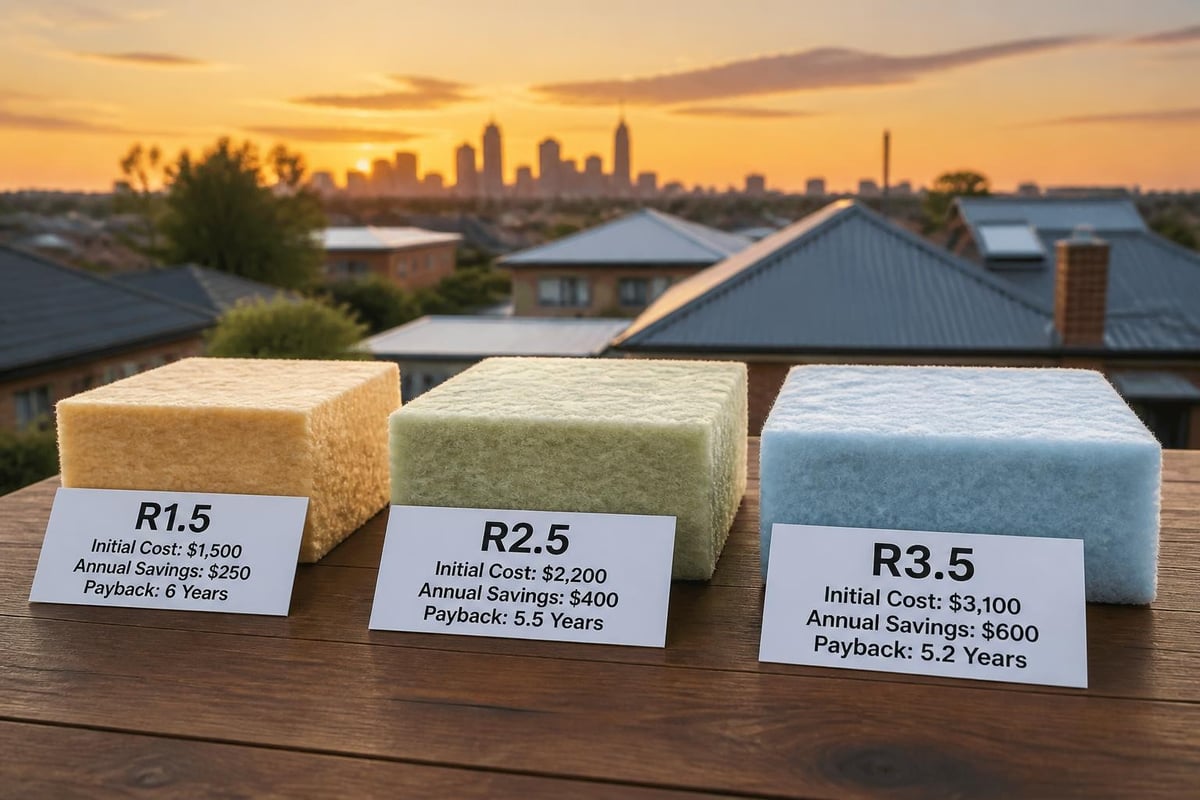
Higher R-value roofing insulation materials cost more initially but deliver greater energy savings over time. A properly insulated roof can reduce heating and cooling costs by 30-50% compared to uninsulated spaces.
For a typical Melbourne home, upgrading from R1.5 to R5.0 roof insulation might cost an additional $800-$1,200 in materials. However, annual energy savings of $300-$500 mean the investment pays for itself within 2-3 years, with ongoing savings continuing for decades.
Acoustic Performance Benefits
While thermal performance drives most roofing insulation material selections, acoustic benefits shouldn't be overlooked. Roof insulation significantly reduces noise transmission from rain, hail, aircraft, and neighbourhood activity.
Sound Absorption Characteristics
Glasswool and polyester products excel at sound absorption, with thicker, denser materials providing superior acoustic control. Products rated at 22kg/m³ density or higher deliver particularly impressive noise reduction.
For homes near airports, busy roads, or entertainment precincts, acoustic insulation solutions in roof spaces create notably quieter living environments.
Reflective foil provides minimal acoustic benefit alone but doesn't detract from noise control when combined with bulk insulation layers.
Impact Noise Reduction
Metal roofs particularly benefit from insulation's ability to dampen impact noise from rain and hail. Blanket products specifically designed for metal roofing applications typically incorporate features enhancing acoustic performance alongside thermal resistance.
The continuous contact between blanket insulation and metal sheeting helps deaden vibrations and resonance that would otherwise amplify impact sounds.
Specialised Roofing Insulation Solutions
Beyond standard residential applications, certain situations demand specialised roofing insulation materials with unique characteristics.
High-Temperature Environments
Commercial kitchens, industrial facilities, and bakeries generate significant heat loads requiring insulation materials capable of withstanding elevated temperatures without degrading.
Mineral wool products rated for higher temperature exposure provide solutions for these demanding applications. Their inorganic composition maintains integrity and performance even when exposed to temperatures exceeding 200°C.
Bushfire-Rated Materials
Properties in bushfire-prone areas require insulation meeting specific flame resistance standards. Non-combustible glasswool and mineral wool products naturally satisfy these requirements.
While polyester self-extinguishes when flame sources are removed, it's technically combustible and may require additional protective measures in high bushfire risk zones.
Rigid foam boards have varying fire ratings, with some products incorporating fire retardants to meet building code requirements.
Combining Multiple Roofing Insulation Materials
Many high-performance roof assemblies incorporate multiple roofing insulation materials, leveraging the strengths of each product type.
Hybrid Insulation Systems
A common approach combines reflective foil sarking with bulk insulation batts. The foil serves as a radiant barrier and weather membrane while bulk insulation provides thermal mass and resistance.
This combination delivers superior performance to either material alone, particularly in climates with significant seasonal variation like Victoria's.
Installation sequences typically place foil closest to the heat source (beneath roofing), with bulk insulation below, against the ceiling plane.
Layered R-Value Building
Achieving very high R-values like R6.0 or R7.0 sometimes requires layering multiple insulation products. Two layers of R3.5 batts can achieve R7.0 total, though ensuring proper installation without compression requires careful planning.
When layering materials, stagger joins to prevent thermal bridging through aligned gaps. This technique dramatically improves overall system performance.
Choosing Materials for Your Melbourne Roof Project
Selecting appropriate roofing insulation materials depends on multiple factors specific to your property and project scope.
New Construction Considerations
New builds offer maximum flexibility since roof framing can accommodate any insulation thickness required. This allows optimising R-values without retrofit constraints.
Consider specifying higher-than-minimum R-values during initial construction. The marginal cost increase is minimal compared to achieving the same performance through future upgrades.
For new metal roof installations, glasswool blanket systems provide excellent all-around performance. Many builders and owner-builders find these products deliver the best balance of thermal performance, acoustic control, fire safety, and cost-effectiveness. Products from trusted manufacturers like Knauf ensure quality and performance reliability. Their Earthwool blanket range offers excellent options for metal roof applications.
Renovation and Retrofit Projects
Retrofitting insulation into existing roofs presents unique challenges. Access limitations, roof cavity depth restrictions, and existing electrical/mechanical services all influence material selection.
Batt products typically suit retrofit applications better than rigid boards, since they compress slightly for installation then expand to fill cavities. Choose batts slightly wider than cavity spacing for snug, gap-free installation.
For tile roofs with minimal clearance, reflective foil sarking might be the only practical option without re-roofing. While not providing bulk insulation's R-value, foil still delivers meaningful thermal improvement through radiant heat reflection.
Climate-Specific Selection
Melbourne's temperate climate with cold winters and warm summers requires roofing insulation materials performing well in both heating and cooling seasons. Products with high R-values excel in both conditions, resisting heat loss during winter and heat gain during summer.
Properties in Victoria's cooler regions, like the Dandenong Ranges or High Country, should prioritise maximum R-values to combat heating costs during extended cold periods.
Coastal areas with milder temperature ranges might achieve adequate comfort with moderate R-values like R3.5 to R4.5, though higher ratings still deliver energy savings and improved comfort.
Environmental Impact and Sustainability
Environmental considerations increasingly influence material selection as homeowners recognise building performance's broader impacts.
Recycled Content and Manufacturing
Many roofing insulation materials incorporate significant recycled content. Glasswool typically contains 60-80% recycled glass, reducing virgin material consumption and manufacturing energy.
Polyester products use post-consumer PET plastic bottles, diverting waste from landfills. Each square metre of polyester insulation repurposes dozens of plastic bottles that would otherwise require disposal.
Modern manufacturing processes have dramatically reduced environmental footprints. Advanced technologies lower energy consumption, eliminate harmful binders, and minimise emissions during production.
Lifespan and Disposal
Quality insulation products last 50+ years when properly installed, meaning the environmental cost of manufacturing is amortised across decades of service life.
At end-of-life, glasswool and polyester are both recyclable, though collection infrastructure remains limited. Research continues into closed-loop recycling systems allowing old insulation to be remanufactured into new products.
XPS and EPS boards have longer decomposition times but can be recycled where facilities exist. Some manufacturers accept old foam for reprocessing into new products or alternative applications.
Professional Installation vs DIY Approach
Whether to tackle roofing insulation installation yourself or engage professionals depends on project complexity, roof access, and your confidence working at heights.
When DIY Makes Sense
Straightforward ceiling insulation in accessible roof spaces suits capable DIY renovators. If you can safely access the roof cavity via manhole, move around without damaging ceilings, and follow installation instructions carefully, DIY installation saves labour costs.
Essential safety considerations for DIY installation:
- Ensure adequate lighting in roof spaces
- Wear appropriate protective equipment (gloves, mask, eye protection)
- Never step between ceiling joists, only on structural members
- Maintain clearance around recessed lights and electrical fixtures
- Work during cooler times of day to avoid heat stress
- Have a helper available for passing materials and emergencies
Batt and blanket products generally suit DIY installation better than rigid boards or complex foil systems requiring precise cutting and sealing.
Professional Installation Benefits
Complex roof geometries, cathedral ceilings, or installations requiring multiple product types benefit from professional expertise. Experienced installers understand building codes, optimal techniques, and potential complications.
Professional installation typically includes:
- Material quantity calculations preventing waste or shortages
- Appropriate safety equipment and insurance coverage
- Knowledge of electrical and building code requirements
- Warranty coverage for workmanship
- Faster completion with less disruption
For projects requiring roof sarking installation beneath tiles or metal, professional installation is strongly recommended given the complexity and potential for weather damage during work.
Common Installation Mistakes to Avoid
Even with quality roofing insulation materials, poor installation undermines performance. Understanding common errors helps ensure successful outcomes.
Compression and Gaps
The two most frequent installation mistakes are compressing insulation (reducing R-value) and leaving gaps (creating thermal bridges). Both dramatically reduce effective performance.
Insulation works by trapping air within its structure. Compression squeezes out air, reducing thermal resistance. Even 10% compression can reduce R-value by 20% or more.
Gaps allow convective air movement, bypassing insulation entirely. A 5% gap can reduce overall R-value by 25-50% depending on conditions.
Inadequate Coverage Around Penetrations
Roof spaces contain numerous penetrations including plumbing vents, exhaust fans, chimneys, and electrical fixtures. Insulation must be carefully fitted around these obstacles while maintaining required clearances.
Recessed lights require particular attention. Unless rated for insulation contact (IC-rated), maintain minimum 50mm clearances to prevent fire hazards. Use protective boxes or guards where necessary.
Moisture Barrier Damage
When working with sarking or foil products serving as weather barriers, tears or punctures compromise moisture protection. Handle materials carefully during installation and repair any damage with appropriate tapes before completing work.
Ensure adequate overlap at joins (typically 150mm minimum) and seal with compatible tapes to maintain continuous weather protection.
Maintenance and Long-Term Performance
Quality roofing insulation materials require minimal maintenance but periodic inspection ensures continued performance.
Inspection Recommendations
Check roof insulation every 3-5 years, looking for:
- Displacement from wind or animal activity
- Moisture staining indicating roof leaks
- Compression or damage from foot traffic
- Gaps appearing at joins or edges
- Pest damage or nesting
Address any issues promptly to maintain thermal performance and prevent progressive damage.
Performance Degradation Signs
Increasing energy bills without corresponding usage changes may indicate insulation problems. Rising heating costs in winter or cooling costs in summer suggest thermal performance has degraded.
Physical inspection reveals most problems, but thermal imaging can identify hidden gaps or compressed areas not visible during standard inspections.
Selecting appropriate roofing insulation materials transforms your home's comfort, energy efficiency, and liveability, making it a worthwhile investment for any Victorian property. Whether you're building new, renovating, or upgrading existing insulation, understanding the materials available and their specific benefits helps you make confident, informed decisions. Insulation Supplies Australia makes choosing and purchasing the right products straightforward, with extensive product ranges, expert guidance, competitive pricing, and fast delivery throughout Victoria, helping homeowners and builders achieve superior comfort and energy performance.