
Choosing the right roof insulation values can feel overwhelming when you're staring at product specifications and trying to work out what your ceiling actually needs. R2.5, R3.5, R6.0 – these numbers determine how well your insulation resists heat flow, directly affecting your comfort and energy bills throughout the year. Understanding roof insulation values helps you make confident decisions about thermal performance, ensuring your home stays cooler in summer, warmer in winter, and more efficient year-round.
What Are Roof Insulation Values?
Roof insulation values, measured as R-values, represent the material's thermal resistance. The higher the R-value, the better the insulation performs at slowing heat transfer between your living space and the outside environment.
R-values are calculated by dividing the material's thickness by its thermal conductivity. This means a thicker product or one made from materials with lower conductivity will achieve higher roof insulation values.
In Australian homes, the ceiling space typically experiences the most extreme temperature variations. Metal roofs can reach 70°C or more on hot days, while radiating significant cold during winter nights. Proper roof insulation values create a thermal barrier that protects your indoor comfort.
How R-Values Work in Practice
Think of roof insulation values like the warmth rating on a doona. Just as a higher-tog doona keeps you warmer, higher R-value insulation keeps heat where you want it.
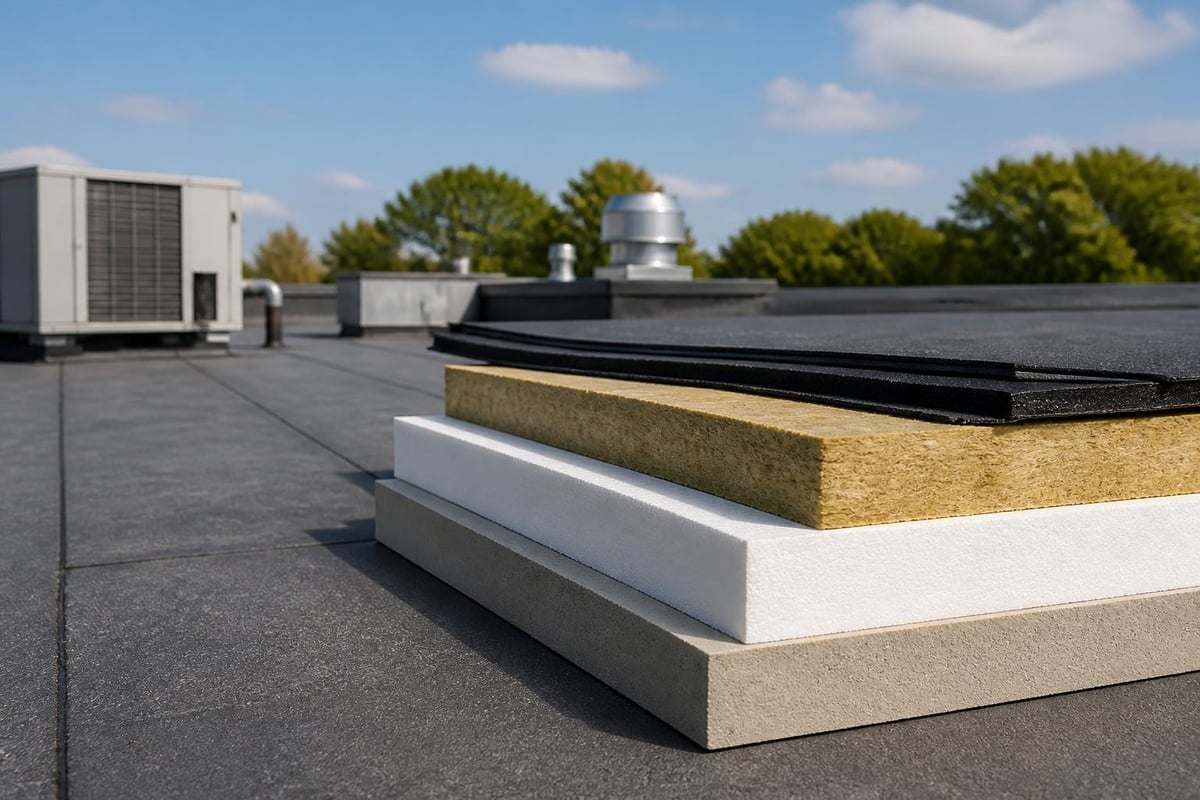
During summer, quality ceiling insulation with appropriate roof insulation values prevents radiant heat from penetrating your living areas. In winter, it stops warm air from escaping through your ceiling – where most heat loss occurs in uninsulated homes.
The Australian Building Codes Board sets minimum requirements, but choosing roof insulation values above minimum standards delivers better performance and faster payback through reduced heating and cooling costs.
Recommended Roof Insulation Values for Victoria
Victorian climate zones require specific roof insulation values to meet building standards and achieve optimal comfort. Most of Victoria falls into climate zones where minimum requirements range from R3.5 to R5.0.
Melbourne and coastal areas (Climate Zone 6): Minimum R4.0 for ceilings Regional Victoria and cooler areas (Climate Zone 7): Minimum R5.0 for ceilings Alpine regions (Climate Zone 8): Minimum R6.0 for ceilings
These represent baseline requirements. Many homeowners install higher roof insulation values to future-proof their homes and maximise energy savings.
| Location Type | Minimum R-Value | Recommended R-Value | Annual Savings Potential |
|---|---|---|---|
| Melbourne Metro | R4.0 | R5.0-R6.0 | $200-$350 |
| Coastal Victoria | R4.0 | R5.0-R6.0 | $180-$320 |
| Regional Victoria | R5.0 | R6.0-R7.0 | $250-$400 |
| Alpine/High Country | R6.0 | R7.0-R8.0 | $300-$500 |
Choosing Above Minimum Standards
Installing roof insulation values higher than minimum requirements makes financial and environmental sense. The cost difference between R4.0 and R6.0 batts is relatively small compared to the long-term benefits.
Higher roof insulation values deliver:
- Greater comfort during extreme weather events
- Lower energy bills year after year
- Improved resale value as buyers increasingly prioritise efficiency
- Reduced carbon footprint through decreased heating and cooling demand
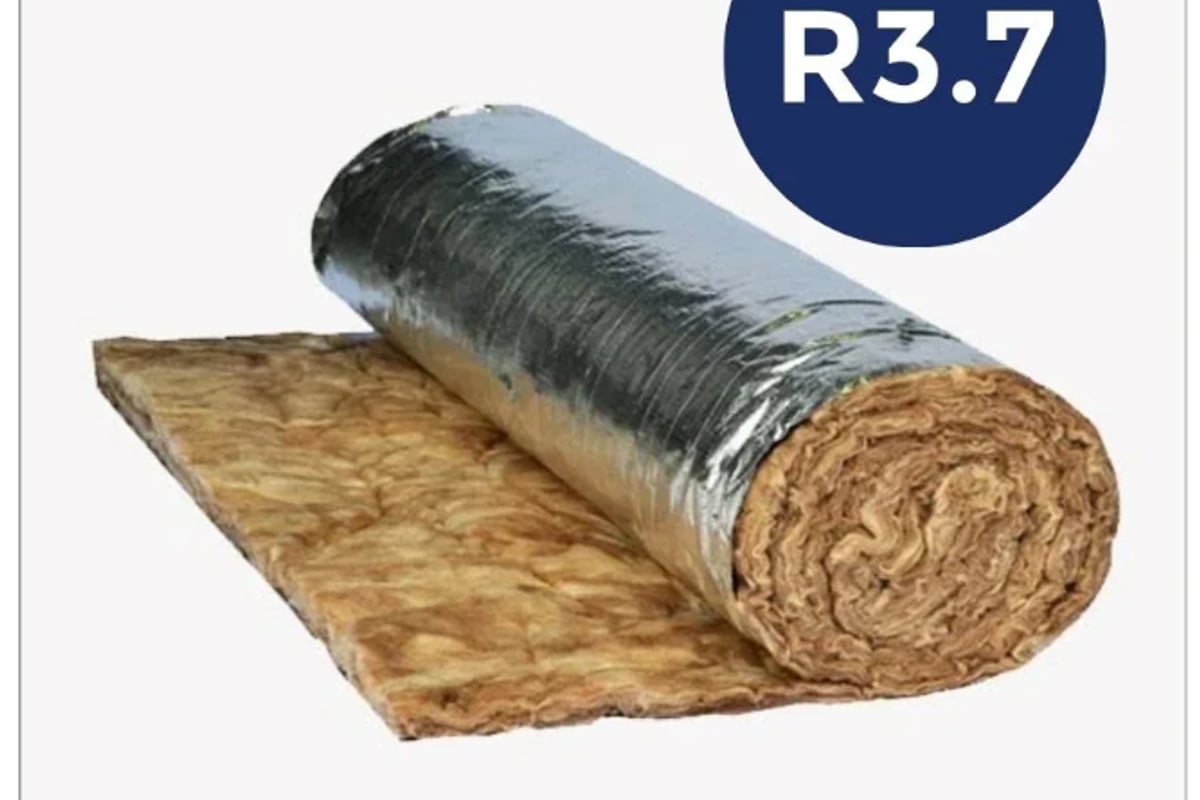
The Thermal Blanket R3.7 22kg/m³ 130mm x 1.2m Roof Insulation Blanket offers reliable performance for ceiling applications where standard thermal resistance is required, with its higher-density construction providing enhanced durability and consistent thermal performance.
Factors That Affect Roof Insulation Values
Several variables influence the real-world performance of roof insulation values beyond the number printed on the packaging.
Installation Quality
Even premium products with excellent roof insulation values underperform when poorly installed. Gaps, compression, and incomplete coverage create thermal bridges where heat escapes or enters freely.
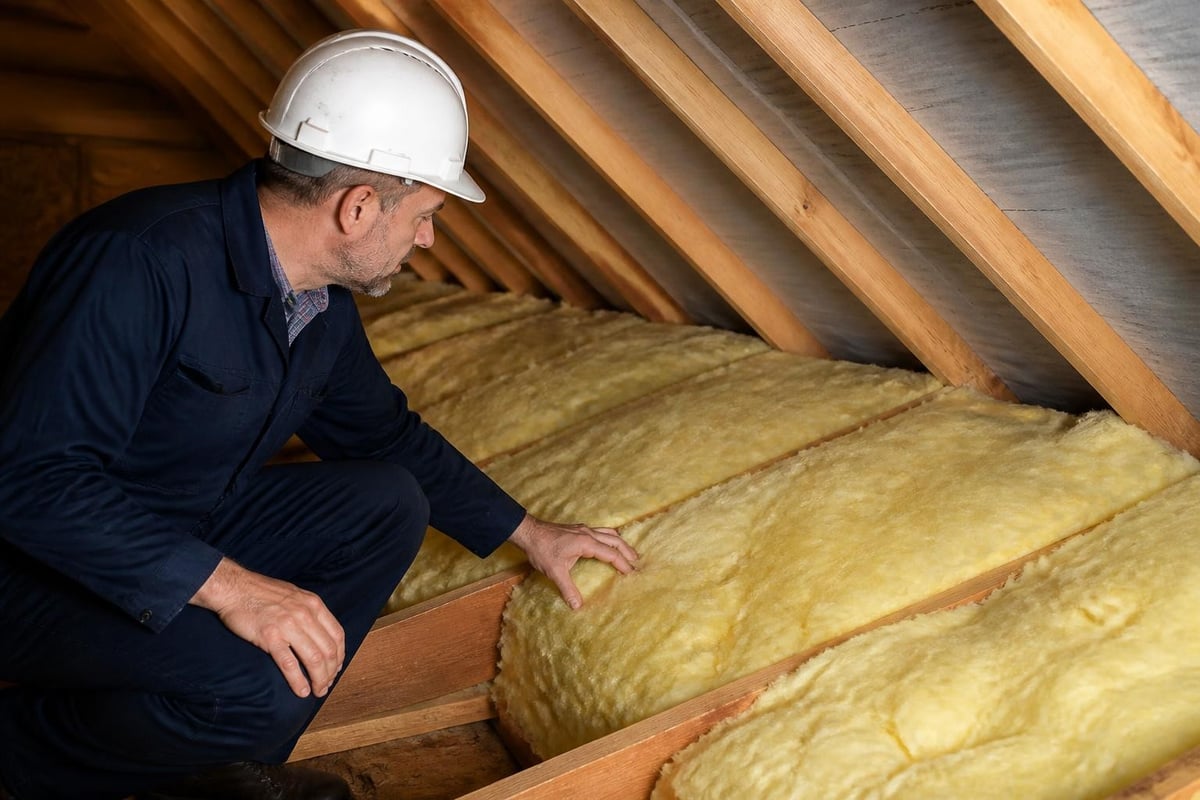
Batts must fit snugly between ceiling joists without gaps or compression. Compressed insulation loses thickness and therefore loses R-value proportionally. A compressed R6.0 batt might only perform at R4.5 or lower.
Moisture and Condensation
Wet insulation dramatically reduces thermal performance. Moisture increases thermal conductivity, meaning roof insulation values drop when materials become damp.
Proper roof ventilation and vapour management prevent condensation issues. This is especially important in bathrooms, kitchens, and laundries where moisture levels run higher.
Material Type and Density
Different insulation materials achieve the same roof insulation values through varying thicknesses and densities:
- Glasswool batts: Affordable, widely available, good thermal performance
- Polyester batts: Moisture-resistant, non-irritating, slightly lower R-value per thickness
- Reflective foil: Works through radiant heat reflection rather than resistance
- Bulk insulation: Traps air pockets to slow conductive and convective heat transfer
Higher-density products often perform better long-term because they maintain their thickness and resist compression better than lower-density alternatives.
Comparing Different Roof Insulation Values
Understanding how different roof insulation values perform helps you choose the right specification for your project and budget.
Entry-Level Performance (R2.5-R3.5)
These roof insulation values suit mild climates or situations where budget constraints are tight. They provide basic thermal protection but won't deliver optimal comfort or energy savings in Victorian conditions.
Best applications:
- Sheds and outbuildings
- Garages with occasional use
- Temporary structures
- Supplementing existing insulation
Standard Performance (R4.0-R5.0)
This range meets minimum building code requirements for most Victorian homes. R4.0 and R5.0 batts represent the baseline for new construction and major renovations.
These roof insulation values deliver noticeable comfort improvements and energy savings compared to uninsulated ceilings. Most Melbourne homeowners find R4.0-R5.0 provides adequate year-round performance when properly installed.
High Performance (R6.0-R7.0)
High-performance roof insulation values suit homeowners prioritising maximum efficiency and comfort. The additional investment pays back through lower running costs and superior thermal stability.
R6.0 and R7.0 products work particularly well in:
- Homes with high ceilings
- Properties with limited wall insulation
- Houses in extreme climate areas
- Buildings with high heating/cooling demands
The Earthwool Batts R6.0 range combines excellent thermal performance with low-itch glasswool technology, making installation more comfortable while delivering the high roof insulation values needed for superior energy efficiency.
Premium Performance (R7.0+)
Ultra-high roof insulation values like R7.0 and R8.0 represent the pinnacle of thermal performance. While not required by code, these specifications suit passive house designs, net-zero energy homes, and situations where maximum efficiency justifies the investment.
| R-Value | Thickness (approx) | Climate Suitability | Cost Level | Energy Savings |
|---|---|---|---|---|
| R2.5 | 90-105mm | Mild only | $ | Low |
| R3.5 | 140-175mm | Temperate | $$ | Moderate |
| R4.0 | 175-195mm | Most Victoria | $$$ | Good |
| R5.0 | 215-230mm | Cool Victoria | $$$$ | Very Good |
| R6.0 | 260-275mm | Cold Victoria | $$$$$ | Excellent |
| R7.0 | 315-330mm | Alpine/Premium | $$$$$$ | Outstanding |
How to Calculate Required Roof Insulation Values
Working out the right roof insulation values for your specific situation involves considering several factors beyond just your climate zone.
Step 1: Identify Your Climate Zone
Victoria spans multiple climate zones. Melbourne and coastal areas fall into Zone 6, regional areas into Zone 7, and alpine regions into Zone 8. Your local council or building surveyor can confirm your specific zone.
Step 2: Review Building Code Minimums
Check the National Construction Code (NCC) requirements for your zone. Remember these are minimums – not targets. The 2024 IECC standards show how energy code requirements continue evolving toward higher performance.
Step 3: Assess Your Home's Characteristics
Consider factors that might warrant higher roof insulation values:
- Ceiling height (higher ceilings benefit from better insulation)
- Roof colour and material (dark metal roofs absorb more heat)
- Home orientation (western exposure increases summer heat gain)
- Window area (more glass means greater need for insulation balance)
- Existing wall and floor insulation (ceiling should match overall building envelope performance)
Step 4: Factor in Usage and Comfort Expectations
Homes occupied full-time benefit more from higher roof insulation values than weekenders. If you run air conditioning frequently or prefer consistent indoor temperatures, invest in higher R-values.
Calculate your current energy usage and model potential savings using online calculators or by consulting with insulation specialists.
Step 5: Balance Budget and Performance
Higher roof insulation values cost more upfront but deliver better long-term value. Calculate payback periods based on:
- Additional material cost for higher R-value
- Expected annual energy savings
- Lifespan of the insulation (typically 40+ years)
- Potential rebates or incentives
Most Victorian homeowners find that upgrading from minimum R4.0 to R5.0 or R6.0 pays for itself within 3-5 years through reduced heating and cooling costs.
Common Mistakes When Selecting Roof Insulation Values
Even experienced renovators sometimes make errors when choosing roof insulation values. Avoid these common pitfalls:
Choosing Based on Price Alone
The cheapest product with adequate roof insulation values on paper may not perform well in practice. Consider quality, density, warranty, and manufacturer reputation alongside price.
Low-density batts achieve their stated R-value when perfectly installed but compress easily and lose performance. Higher-density products cost more but maintain their roof insulation values better over time.
Ignoring Installation Gaps
No matter how good your roof insulation values look on the spec sheet, gaps and incomplete coverage destroy performance. A ceiling that's 95% covered with R6.0 batts and 5% gaps performs worse than one fully covered with R4.0.
Common gap locations:
- Around light fixtures and downlights
- At ceiling penetrations for pipes and cables
- Along wall-ceiling junctions
- Between batts that don't fit together properly
- In awkward corners and tight spaces
Compressing Insulation to Fit
Squashing thicker batts into tighter spaces to achieve higher roof insulation values backfires. Compression reduces thickness, which directly reduces R-value.
If your ceiling cavity is 140mm deep, install R4.0 batts designed for that space rather than cramming in compressed R6.0 batts. You'll get better actual performance from properly fitted lower-rated products.
Overlooking Ventilation Requirements
Adequate roof ventilation prevents moisture buildup that can compromise roof insulation values. Whirlybirds, ridge vents, and eave vents maintain airflow that keeps insulation dry and performing optimally.
In unventilated spaces, consider vapour barriers and moisture-resistant insulation materials to protect long-term performance.
Upgrading Existing Roof Insulation Values
Many older Australian homes have inadequate or degraded ceiling insulation. Upgrading roof insulation values delivers immediate comfort improvements and energy savings.
Assessing Current Insulation
Before buying new materials, check what's already in your ceiling:
- Access the ceiling cavity safely using proper access hatches or entry points
- Measure existing insulation thickness with a tape measure
- Identify the material type (glasswool, polyester, rockwool, or bulk fill)
- Check for damage, compression, or gaps that reduce performance
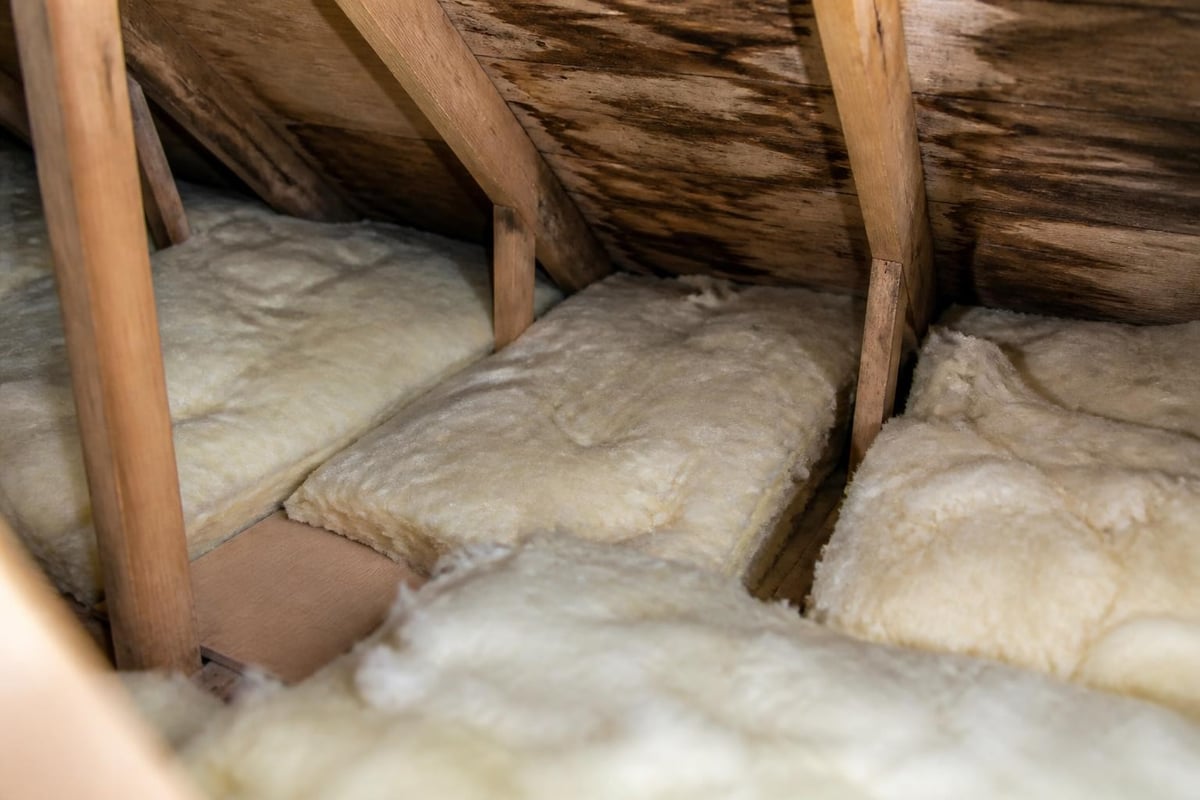
- Look for moisture stains or mould indicating ventilation issues
Old insulation that's clean, dry, and uncompressed still provides thermal benefit. You might be able to top it up rather than replacing it entirely.
Topping Up vs Complete Replacement
If existing insulation has reasonable roof insulation values (R2.0+) and is in good condition, adding a second layer on top boosts total R-value cost-effectively.
When to top up:
- Existing insulation is dry and undamaged
- Current material is compatible with additional layers
- Ceiling joists can accommodate increased depth
- Budget is limited
When to replace completely:
- Existing insulation is wet, mouldy, or contaminated
- Material has compressed significantly
- Coverage is patchy with many gaps
- You're doing major renovation work anyway
Selecting Compatible Products
When adding to existing insulation, choose roof insulation values that together meet or exceed current NCC requirements. For example, existing R2.0 plus new R3.0 creates a total R5.0 system.
Ensure the new layer doesn't compress the old layer. Use unfaced batts for the top layer if the bottom layer already has a vapour barrier.
Professional vs DIY Installation
Installing ceiling insulation is physically demanding and potentially hazardous. Consider professional installation if:
- Your ceiling cavity has limited access or low clearance
- Electrical wiring or downlights complicate the job
- You're uncomfortable working at height
- The project involves large areas
DIY installation saves money but requires proper safety equipment including dust masks, protective clothing, sturdy ceiling boards for crawling, and adequate lighting. Never stand directly on ceiling plasterboard – always spread your weight across joists.
Long-Term Performance of Roof Insulation Values
Quality insulation products maintain their roof insulation values for decades when properly installed and protected from moisture and physical damage.
Expected Lifespan
Modern glasswool and polyester ceiling batts typically last 50+ years without significant performance degradation. Unlike some building materials that deteriorate over time, insulation maintains its thermal properties indefinitely if kept dry.
Reflective foil products may experience some oxidation or dust buildup that reduces effectiveness after 15-20 years, though this depends heavily on installation conditions and ventilation.
Maintaining Peak Performance
Protect your investment in higher roof insulation values by:
- Maintaining roof weatherproofing to prevent water infiltration
- Ensuring adequate ventilation to control moisture and temperature
- Avoiding ceiling cavity storage that compresses insulation
- Checking periodically for settling, gaps, or damage after renovations
- Upgrading downlights to IC-rated models that don't require insulation clearance
When to Consider Upgrading
Even if your existing insulation still performs adequately, consider upgrading roof insulation values when:
- Energy costs have increased significantly
- Building codes have tightened (affecting resale value)
- You're renovating other building envelope elements
- Your comfort expectations have changed
- New, better products become available at reasonable prices
The gap between older R3.5 standards and current R6.0+ options is substantial. Upgrading from old R2.5 insulation to R6.0 can cut ceiling heat loss by more than 60%.
Understanding Product Specifications Beyond R-Value
While roof insulation values provide the primary performance metric, other specifications matter for real-world results.
Density and Thickness
Two products with identical roof insulation values might have different densities and thicknesses. Higher-density products pack more insulating material into the same space, providing:
- Better acoustic performance
- Improved fire resistance
- Greater durability and longevity
- Superior performance if compressed slightly
Check density specifications (measured in kg/m³) when comparing products with similar R-values.
Thermal Mass vs Thermal Resistance
Roof insulation values measure resistance to heat flow. This differs from thermal mass, which is the material's ability to store heat energy.
Bulk insulation (batts, blankets) provides high thermal resistance but low thermal mass. It slows heat transfer but doesn't store heat. This works well in Australian climates where we typically want to block heat rather than store it.
Acoustic Properties
Many ceiling insulation products also provide sound dampening. While separate from roof insulation values, acoustic performance matters in multi-storey homes, units, or properties near busy roads.
Higher-density glasswool products generally offer better acoustic performance. Look for products with published acoustic ratings (Rw values) if noise control is important.
Fire Resistance
All ceiling insulation sold in Australia must meet fire safety standards. However, performance varies:
- Glasswool: Non-combustible, won't contribute to fire spread
- Polyester: Meets flammability standards but can melt under extreme heat
- Reflective foil: Aluminium won't burn but plastic films may
Fire resistance becomes especially important in bushfire-prone areas where ember attack poses risks.
Maximising Value from Your Roof Insulation Investment
Getting the best return from higher roof insulation values requires more than just buying quality products.
Whole-House Approach
Ceiling insulation delivers maximum benefit when combined with comprehensive building envelope improvements:
- Wall insulation prevents heat transfer through the largest surface area
- Underfloor insulation stops cold rising from beneath
- Window treatments reduce radiant heat gain and loss
- Draught sealing eliminates air leakage that bypasses insulation
- Efficient HVAC ensures you're not wasting the comfort your insulation creates
A balanced approach delivers better results than excellent ceiling insulation with poor walls and floors.
Seasonal Optimisation
Roof insulation values work year-round, but you can optimise seasonal performance:
Summer: Open windows during cool evenings to purge built-up heat. Close them before daytime temperatures rise. Your ceiling insulation then keeps this cooler air trapped inside.
Winter: Use ceiling fans in reverse (clockwise) on low speed to gently circulate warm air that naturally rises to the ceiling. This makes your heating more effective.
Monitoring and Verification
After installing new insulation with higher roof insulation values, track your energy usage to verify expected savings:
- Compare heating and cooling costs year-on-year
- Note comfort improvements in extreme weather
- Monitor thermostat settings needed to maintain comfort
- Track overall energy bills adjusted for usage patterns
Most homeowners notice reduced temperature fluctuations and lower energy bills within the first season after upgrading roof insulation values.
Rebates and Incentives
Check current Victorian and federal government programs that may offset insulation costs:
- Victorian Energy Upgrades (VEU) program rebates
- Energy efficiency grants for low-income households
- Tax deductions for rental property improvements
- First-home owner energy efficiency packages
These programs change periodically, so verify current availability before purchasing. The savings can reduce your effective cost significantly, making higher roof insulation values more affordable.
Understanding roof insulation values empowers you to choose ceiling insulation that delivers lasting comfort and efficiency rather than just meeting minimum standards. The right R-value for your Victorian home depends on climate zone, budget, and performance expectations, but investing in higher thermal resistance almost always pays back through reduced energy costs and improved year-round comfort. Insulation Supplies Australia stocks the full range of ceiling insulation products from R2.5 to R8.0, with expert guidance to help you select the right specification, calculate quantities, and arrange fast delivery across Victoria so your renovation or building project achieves the thermal performance your home deserves.