
Your roof is one of the most important barriers between your home and the outside environment. During summer, an uninsulated or poorly insulated roof can turn your living space into an oven, while in winter it allows precious warmth to escape. Installing quality roof insulation is one of the smartest investments you can make for comfort, energy efficiency, and long-term savings. This guide walks you through everything you need to know about choosing, buying, and understanding roof insulation for Australian conditions.
Why Roof Insulation Matters in Australian Homes
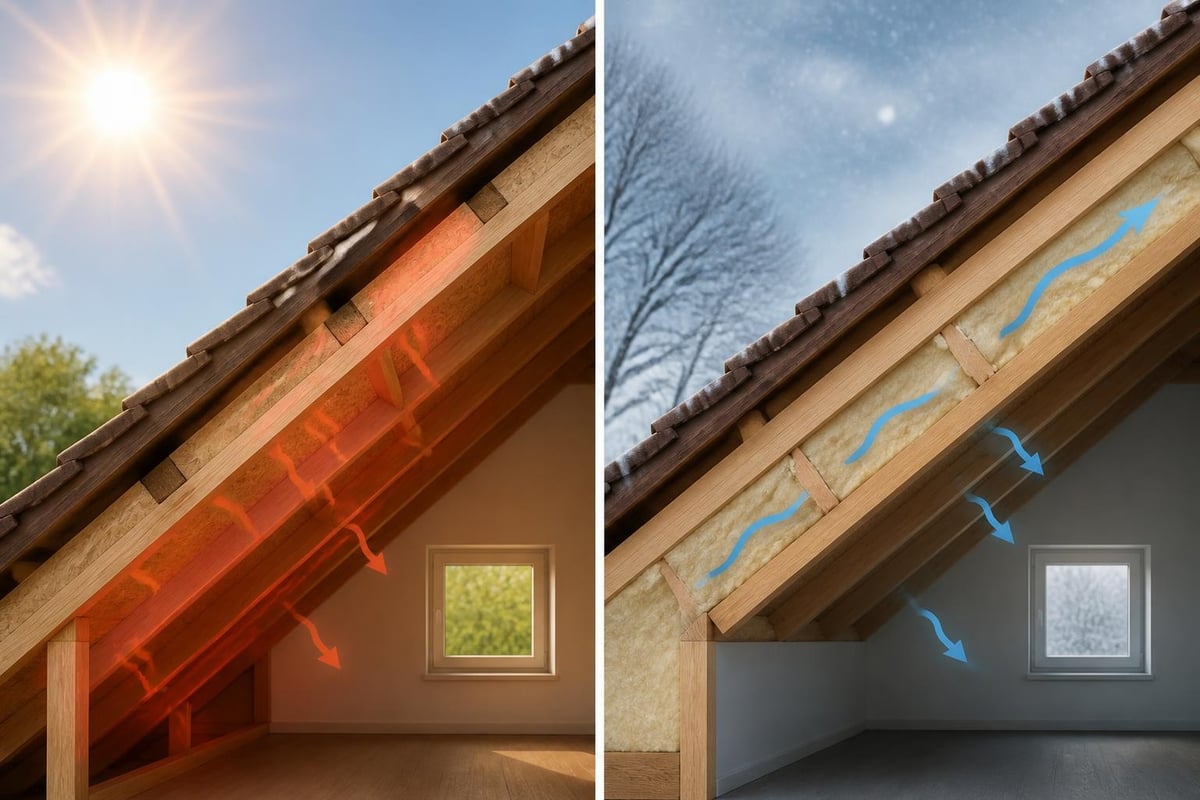
Heat moves naturally from warmer areas to cooler ones, and your roof is where most of that transfer happens. In summer, radiant heat from the sun heats up your roof surface, which then radiates into your ceiling space and down into your home.
Without adequate roof insulation, your air conditioning works overtime trying to keep up. In winter, the reverse happens - heated air rises and escapes through an uninsulated roof, forcing your heating system to run constantly.
The benefits of proper roof insulation include:
- Reduced energy bills: Up to 45% of heating and cooling energy can be saved with correctly installed roof insulation
- Year-round comfort: Stable indoor temperatures regardless of outside conditions
- Lower carbon footprint: Less energy consumption means reduced greenhouse gas emissions
- Improved acoustic performance: Many insulation materials also dampen external noise
- Increased property value: Energy-efficient homes are increasingly sought after by buyers
Understanding R-Values for Roof Applications
The R-value measures thermal resistance - how well a material resists heat flow. Higher R-values mean better insulation performance. For roof applications in Victoria and most of Australia, Building Code requirements vary by climate zone, but most residential projects aim for R4.0 to R6.0 as a minimum.
Climate Zone Recommendations
Victoria falls primarily into climate zones 6 and 7, which experience cold winters and warm to hot summers. The National Construction Code (NCC) sets minimum requirements, but exceeding these standards delivers better performance and savings.
| Climate Zone | Minimum R-Value | Recommended R-Value |
|---|---|---|
| Zone 6 (Melbourne) | R4.1 | R5.0 - R6.0 |
| Zone 7 (Alpine areas) | R5.3 | R6.0 - R7.0 |
Choosing a higher R-value than the minimum provides several advantages. Your home stays comfortable in extreme weather, energy bills remain lower even as electricity prices rise, and you future-proof your property against stricter building standards.
When comparing products, remember that the stated R-value must be maintained across the entire installed area. Gaps, compression, and poor installation can dramatically reduce actual performance.
Types of Roof Insulation Materials
Australian homeowners have several excellent options for roof insulation, each with distinct characteristics, installation methods, and performance profiles.
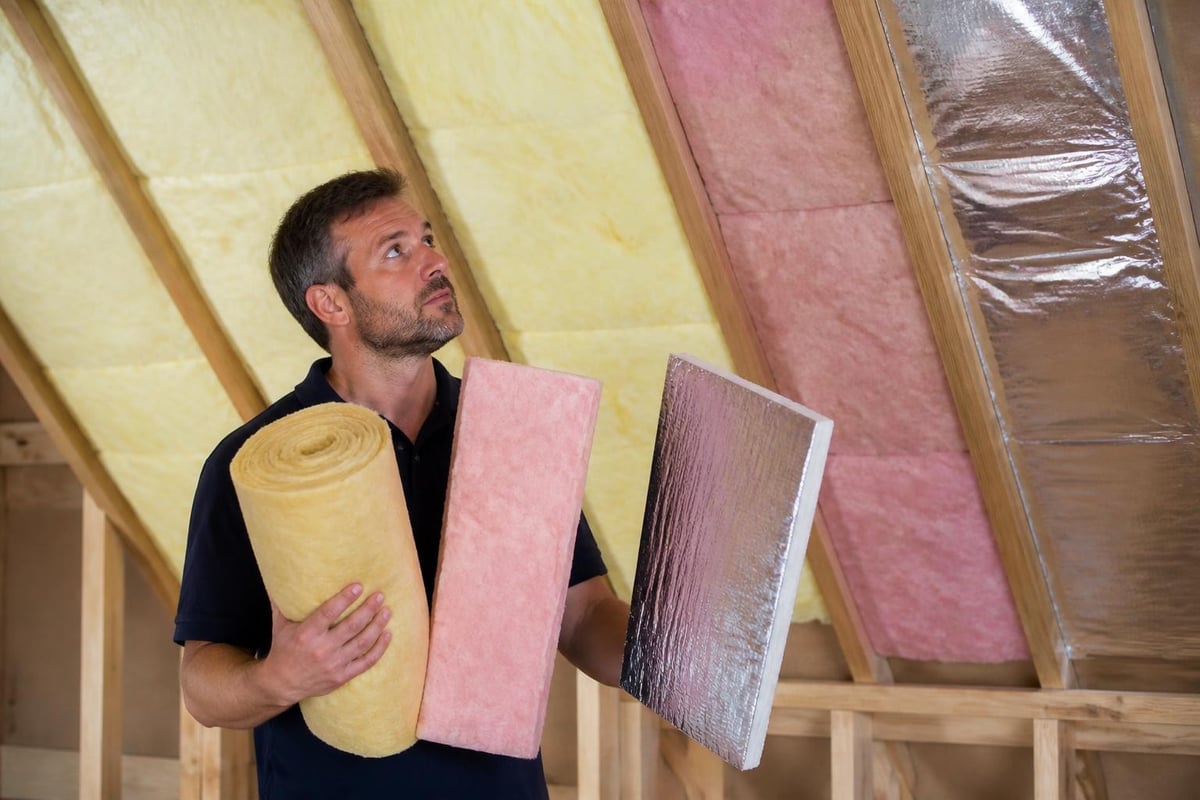
Glasswool Blanket and Batts
Glasswool remains one of the most popular choices for roof insulation across Australia. Made from recycled glass and sand, modern glasswool products use advanced manufacturing technology to create soft, low-dust materials that are easy to handle and install.
Advantages:
- Excellent thermal performance across all R-value ranges
- Non-combustible and won't sustain flame
- Effective acoustic insulation properties
- Cost-effective for large areas
- Widely available in various thicknesses
Considerations:
- Requires protective equipment during installation (gloves, mask, long sleeves)
- Must remain dry to maintain performance
- Can compress over time if not properly supported
Polyester Batts
Polyester insulation is manufactured from recycled plastic bottles, creating a sustainable and user-friendly alternative. It's particularly popular with DIY installers due to its soft, non-irritating texture.
Advantages:
- No itch or irritation during handling
- Resistant to moisture and won't sag when wet
- No special protective equipment needed for installation
- Excellent long-term performance retention
- Ideal for allergy-sensitive households
Considerations:
- Slightly higher cost per square metre than glasswool
- Heavier than equivalent glasswool products
- Limited availability in ultra-high R-values
Reflective Foil Insulation
Reflective foil systems work differently from bulk insulation materials. They reflect radiant heat rather than absorbing it, making them particularly effective in hot Australian summers when combined with proper air gaps.
Key Points:
- Must have air space on at least one side to function effectively
- Often used in combination with bulk insulation for optimal performance
- Lightweight and easy to install in tight spaces
- Acts as a vapour barrier when correctly installed
Choosing the Right R-Value for Your Roof
Selecting the appropriate R-value involves balancing code requirements, climate conditions, budget, and your home's specific needs. While minimum compliance keeps you legal, optimising your roof insulation delivers far better returns.
New Construction vs Retrofit
New builds offer the advantage of planning insulation from the start. You can select ceiling joist depths that accommodate higher R-values without modification. Retrofit projects need careful measurement of existing ceiling space to ensure your chosen insulation fits properly.
For retrofits, measure the clear space between ceiling joists before ordering. Common ceiling cavities provide 90mm to 200mm of space, which determines your maximum insulation thickness.
Metal Roof Considerations
Homes with metal roofs face unique challenges. Metal is highly conductive, meaning it transfers heat rapidly. During summer, metal roofing can reach 70-80°C, creating intense radiant heat that penetrates into roof spaces.
For metal roofs, consider these strategies:
- Higher R-values: Aim for R5.0 minimum, with R6.0 or higher providing excellent performance
- Sarking or foil layers: Install reflective sarking under the roof to reduce radiant heat transfer
- Adequate ventilation: Ensure roof space has proper airflow to remove built-up heat
- Anti-condensation layer: Prevent moisture issues with appropriate vapour management
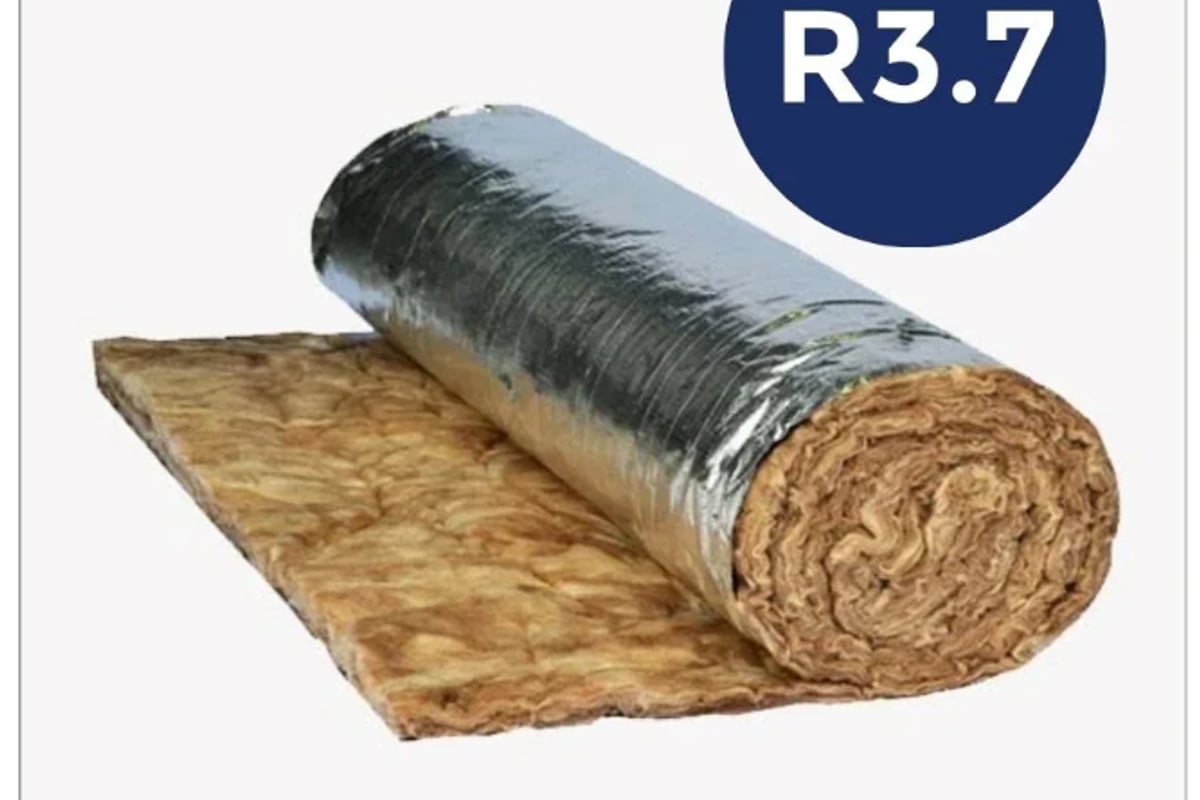
The Thermal Blanket R3.7 22kg/m³ 130mm x 1.2m Roof Insulation Blanket offers a premium solution for metal roof applications, with high-density glasswool construction that delivers reliable thermal performance and helps manage the extreme heat transfer common with metal roofing systems. Its 130mm thickness fits standard roof cavity depths while providing excellent resistance to both heat gain and heat loss.
Installation Best Practices
Proper installation determines whether your roof insulation achieves its rated performance. Even premium products fail to deliver results when poorly installed, so understanding correct techniques matters enormously.
Preparation Steps
Before starting installation:
- Clear the workspace: Remove or relocate stored items from the roof space
- Check for hazards: Identify electrical wiring, plumbing, and structural issues
- Repair leaks: Fix any roof leaks before installing insulation
- Plan lighting: Ensure adequate temporary lighting for safe working conditions
- Arrange ventilation: Open access points to maintain airflow during installation
Fitting and Fixing
Step-by-step installation process:
- Start from one end of the roof space and work systematically towards the other
- Measure each cavity between joists - they may vary slightly
- Cut insulation slightly oversized (5-10mm wider) for a friction fit
- Push insulation gently into place without compressing it
- Ensure full contact with the ceiling below with no gaps or voids
- Trim carefully around obstacles like downlights and wiring
- Maintain clearances around heat-producing fixtures (minimum 50mm for most downlights)
Common Installation Mistakes
Avoiding these errors ensures maximum performance:
- Compression: Squashing insulation reduces R-value proportionally to thickness lost
- Gaps: Even small gaps allow significant heat transfer and reduce overall performance
- Covering ventilation: Always maintain clear airflow paths in eaves and ridge vents
- Downlight contact: Keep insulation away from non-IC rated downlights to prevent fire risk
- Moisture trapping: Don't install insulation when wet or in damp conditions
Ventilation and Moisture Management
Roof insulation works best as part of a complete roof system that manages both heat and moisture. Inadequate ventilation leads to condensation, which reduces insulation performance and potentially damages building materials.
Why Ventilation Matters
Your roof space needs to breathe. Warm, moist air from your living areas rises into the ceiling cavity. Without proper ventilation, this moisture condenses on cold surfaces, potentially leading to:
- Reduced insulation effectiveness
- Mould and mildew growth
- Timber rot and structural damage
- Ceiling staining and damage
- Health issues for occupants
Ventilation Solutions
| Ventilation Type | Best For | Coverage |
|---|---|---|
| Eave vents | All roof types | Continuous along eaves |
| Ridge vents | Pitched roofs | Full ridge length |
| Whirlybirds | Larger roof spaces | 1 per 50-100m² |
| Gable vents | Traditional gable roofs | Both gable ends |
Combine low-level ventilation (eaves) with high-level ventilation (ridge or whirlybirds) to create natural airflow that removes moisture-laden air before condensation occurs.
Cost Considerations and Return on Investment
Understanding the financial aspects of roof insulation helps you make informed decisions about product selection and installation approach. While initial costs vary, the long-term returns make insulation one of the best home improvement investments.
Material and Installation Costs
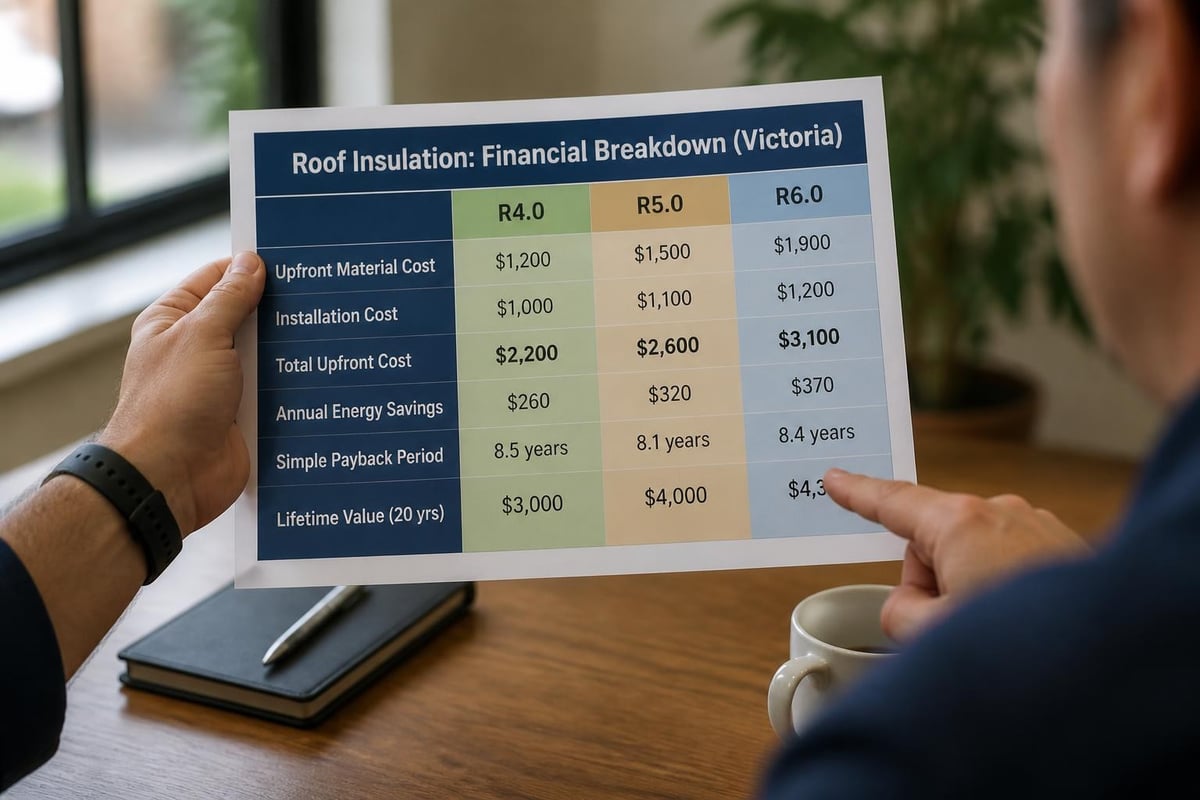
Prices for roof insulation in 2026 typically range from $8 to $25 per square metre for materials alone, depending on R-value and material type. Professional installation adds approximately $15 to $40 per square metre, varying with roof complexity, accessibility, and regional labour rates.
For a typical Melbourne home with 150m² of ceiling area:
- DIY with R4.0 glasswool: $1,200 - $2,000 (materials only)
- DIY with R5.0 polyester: $2,000 - $3,000 (materials only)
- Professional installation R4.0: $3,500 - $5,500 (complete)
- Professional installation R6.0: $4,500 - $7,000 (complete)
Energy Savings and Payback Period
A well-insulated roof typically saves 25-45% on heating and cooling costs. For an average Victorian household spending $1,800 annually on heating and cooling, savings of $450-$800 per year are achievable.
Based on these figures, payback periods range from:
- 3-5 years for DIY installation with moderate R-values
- 5-8 years for professional installation with high R-values
- Ongoing savings for the 40+ year lifespan of quality insulation
Beyond direct cost recovery, consider additional benefits like improved comfort, reduced HVAC system wear, increased property value, and environmental impact reduction when calculating return on investment.
Combining Roof and Ceiling Insulation
While often used interchangeably, roof and ceiling insulation can refer to different approaches. Understanding the distinction helps you optimise your home's thermal performance.
Ceiling Insulation
Most Australian homes use ceiling insulation - materials laid on top of the ceiling plasterboard within the roof cavity. This approach insulates the living space from the roof cavity above, which becomes part of the external environment.
Benefits of ceiling insulation:
- Standard installation method
- Cost-effective and straightforward
- Roof space remains accessible for maintenance
- Easier to retrofit in existing homes
Roof Insulation
True roof insulation installs directly under the roofing material, insulating the entire roof structure and creating a conditioned roof space. This is less common in Australia but offers advantages for certain applications.
When to consider roof insulation:
- Converting roof space to habitable area
- Installing HVAC equipment in roof cavity
- Creating conditioned storage space
- Cathedral or exposed beam ceilings
Many homes benefit from a hybrid approach using both ceiling insulation batts and reflective sarking under the roof for maximum performance.
Special Considerations for Different Roof Types
Not all roofs are created equal. Different structural systems, materials, and designs require specific approaches to achieve optimal insulation performance.
Tile Roofs
Concrete and terracotta tiles provide some thermal mass, moderating temperature swings. The air gap between tiles and sarking creates additional insulation value. For tile roofs:
- Ensure adequate sarking is installed and in good condition
- Use high-density insulation to maximise performance in limited cavity depth
- Check for broken tiles that might allow moisture entry
Flat or Low-Pitched Roofs
Roofs with minimal pitch present unique challenges for both insulation and drainage. Water pooling, limited ventilation, and restricted access complicate installation.
Special requirements:
- Rigid board insulation may be more suitable than batts
- Waterproofing becomes critical
- Consider spray foam options for difficult access areas
- Ensure proper falls for water drainage
Cathedral Ceilings
Exposed beam or cathedral ceilings eliminate the typical roof cavity, requiring insulation between rafters. This visible installation demands neat finishing and often uses rigid board products for clean lines.
Acoustic Benefits of Roof Insulation
While thermal performance drives most insulation decisions, sound reduction provides valuable secondary benefits. Roof insulation significantly reduces external noise transmission, creating quieter, more peaceful living environments.
How Insulation Reduces Noise
Sound travels as vibration through air and solid materials. Insulation materials dampen these vibrations, absorbing sound energy and preventing it from passing through the building envelope.
Different materials offer varying levels of acoustic performance:
- Glasswool: Excellent sound absorption across most frequency ranges
- Polyester: Very good acoustic performance, particularly for mid-range frequencies
- Reflective foil: Minimal acoustic benefit on its own
For homes near busy roads, flight paths, or noisy neighbours, prioritising acoustic performance alongside thermal ratings delivers substantial quality-of-life improvements. Products with higher density generally perform better acoustically, making R4.0 and above insulation doubly beneficial.
Maintenance and Lifespan
Quality roof insulation requires minimal maintenance but periodic inspection ensures continued performance. Understanding what to check and when helps protect your investment.
Inspection Schedule
Conduct visual inspections:
- Annually: Quick check for obvious damage, displacement, or moisture
- After severe weather: Check for storm damage or leaks
- During other roof work: Inspect and repair when tradespeople access roof space
- Every 5-10 years: Comprehensive assessment of condition and performance
Signs of Insulation Problems
Watch for these indicators that your roof insulation needs attention:
- Increased energy bills without explanation
- Uneven temperatures between rooms
- Visible gaps or displacement in insulation
- Water staining on insulation or ceilings
- Mould or musty odours in roof space
- Pest damage or nesting materials
Expected Lifespan
Quality insulation products properly installed can last 40-70 years. Factors affecting longevity include:
- Material quality: Premium products use better raw materials and manufacturing
- Installation quality: Proper fitting prevents damage and maintains performance
- Moisture exposure: Dry conditions preserve all insulation types
- Pest prevention: Keep vermin out to prevent damage and contamination
- Physical disturbance: Limit foot traffic and rough handling in roof space
Environmental and Sustainability Factors
Choosing roof insulation involves environmental considerations beyond energy savings. Sustainable product selection, manufacturing processes, and end-of-life disposal all contribute to your home's overall environmental footprint.
Recycled Content
Many modern insulation products incorporate significant recycled content:
- Glasswool: Typically 60-80% recycled glass
- Polyester: Often 100% recycled PET plastic bottles
- Reflective foil: Varies by manufacturer
Manufacturing Impact
Look for products manufactured using low-emission processes. Advanced technologies like ECOSE® reduce formaldehyde and other chemical emissions during production, creating healthier products with lower environmental impact.
Disposal and Recycling
At end-of-life, different insulation types have varying disposal options:
- Glasswool can be recycled at specialized facilities
- Polyester is recyclable through some plastic recycling programs
- Foil products may be recycled with other aluminium materials
Proper disposal prevents landfill waste and supports circular economy principles.
Making Your Purchase Decision
Armed with knowledge about types, R-values, installation, and costs, you're ready to select the right roof insulation for your project. Follow this decision framework to ensure you choose wisely.
Assessment Checklist
Before purchasing, confirm you know:
- Required R-value for your climate zone and application
- Available ceiling cavity depth for insulation thickness
- Total square meterage needed (measure twice, order once)
- Material preference (glasswool, polyester, or hybrid approach)
- Installation method (DIY or professional)
- Budget for materials and labour
- Timeline and delivery requirements
- Any special requirements (acoustic, moisture, fire rating)
Where to Buy
Purchasing from specialist insulation suppliers offers several advantages over general hardware retailers:
- Broader product range: Access to commercial-grade and specialty products
- Expert technical advice: Knowledgeable staff who understand building science
- Competitive pricing: Direct sourcing and volume purchasing benefits
- Delivery options: Large orders delivered to site
- Product availability: Reliable stock of common and specialty items
Selecting and installing quality roof insulation delivers lasting benefits for comfort, energy efficiency, and property value throughout your home's life. Whether you're building new, renovating, or simply upgrading an existing home, choosing the right product and ensuring proper installation creates a foundation for year-round comfort and reduced energy costs. Insulation Supplies Australia makes it easy to compare products, get expert advice, and order the right insulation solution for your Victorian home, with competitive pricing, extensive product ranges, and fast delivery across Melbourne and regional areas.