

If you're looking for a lightweight, versatile insulation solution that tackles radiant heat, reflective foil insulation might be exactly what your home needs. Popular in Australian construction for decades, this material uses reflective surfaces to bounce heat away from your living spaces, making it particularly effective in our hot climate. Whether you're insulating a roof, walls, or underfloor areas, understanding how reflective foil works and where it performs best can help you make smarter decisions about your home's thermal performance and energy efficiency.
How Reflective Foil Insulation Works
Reflective foil insulation operates on a completely different principle than traditional bulk insulation materials like glasswool or polyester batts. Instead of slowing heat transfer through thickness and density, it reflects radiant heat back towards its source.
The science is straightforward. Up to 97% of radiant heat can be reflected by a properly installed foil surface, preventing that heat from entering or escaping your home. This makes it especially valuable during summer months when the sun beats down on your roof, heating the metal or tiles and radiating that warmth into your roof cavity.
Key mechanisms include:
- Reflecting infrared radiation away from living spaces
- Creating air gaps that reduce convective heat transfer
- Acting as a vapour barrier in certain applications
- Minimising condensation risks when properly ventilated
The effectiveness depends heavily on having an air gap on at least one side of the foil. Without this gap, the material loses much of its reflective benefit and functions more like a basic radiant barrier.
Material Construction and Layers
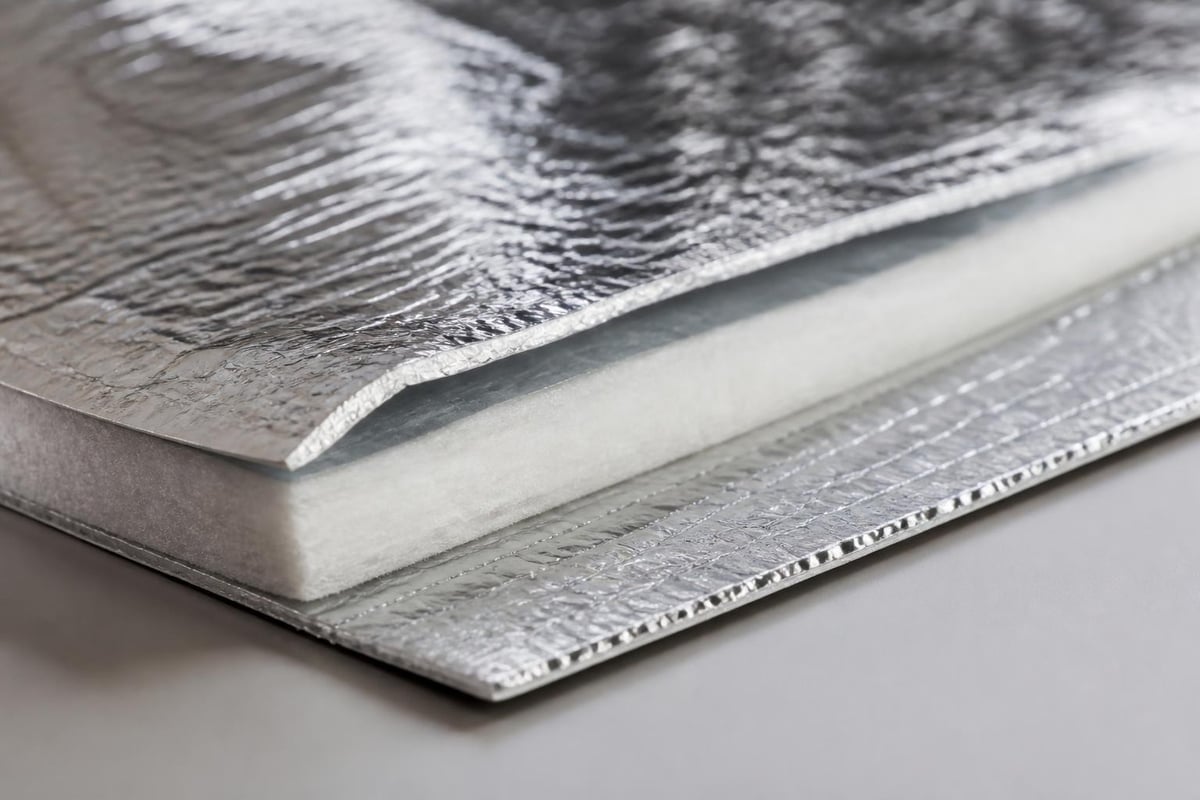
Most reflective foil products use aluminium foil laminated to other materials for strength and durability. Common constructions include foil bonded to plastic films, paper, or foam cores.
Single-sided foil has reflective material on one surface only, while double-sided versions feature foil on both faces. The choice between them depends on your specific application and whether you need heat reflection from one or both directions.
Some products combine reflective foil with bubble wrap, foam sheets, or woven fabrics to add limited bulk insulation properties. These hybrid products aim to address both radiant and conductive heat transfer, though they typically don't match the R-values of dedicated bulk insulation materials.
Where to Use Reflective Foil Insulation
Different areas of your home benefit from reflective foil in different ways. Knowing where it performs best helps you get maximum value from your investment.
Roof and Ceiling Applications
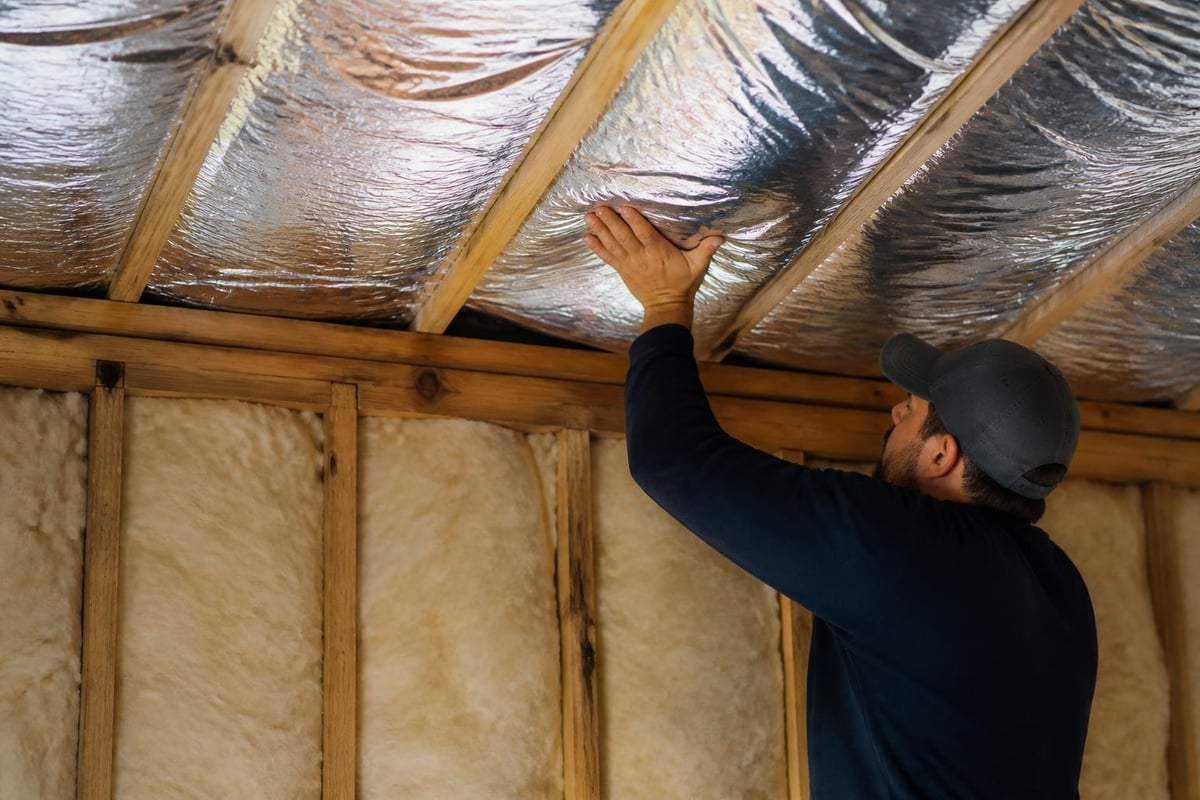
Installing reflective foil beneath metal roofing is one of its most common applications in Australia. The foil reflects heat radiating from the hot roof surface before it can warm your ceiling insulation or living spaces below.
When combined with ceiling insulation batts, you create a dual-defence system. The foil handles radiant heat while the bulk insulation addresses conductive heat transfer, giving you comprehensive thermal protection.
Foil also acts as a sarking membrane, protecting your roof cavity from moisture, dust, and wind penetration. This dual function makes it a practical choice for roof renovations and new builds alike.
Roof installation benefits:
- Reduces summer heat gain through metal roofs
- Provides secondary weather protection
- Minimises condensation on roof underside
- Lightweight and easy to handle during installation
Wall Insulation Systems
In wall cavities, reflective foil insulation can serve as a supplementary layer alongside traditional batts. It's particularly useful in brick veneer construction where an air gap naturally exists between the external brick and internal frame.
The foil reflects heat radiating from sun-warmed bricks before it reaches your wall frame and interior. During winter, it reflects heat back into your home, reducing losses through the wall system.
Some builders use foil as a wrap over wall frames before cladding, creating a continuous reflective and moisture-resistant layer. This approach requires careful detailing around windows, doors, and penetrations to maintain effectiveness.
Underfloor Applications
Suspended timber floors benefit significantly from reflective foil insulation installed beneath the joists. Cold air rising from the ground or subfloor space carries minimal heat energy itself, but the ground can radiate cold towards your floor.
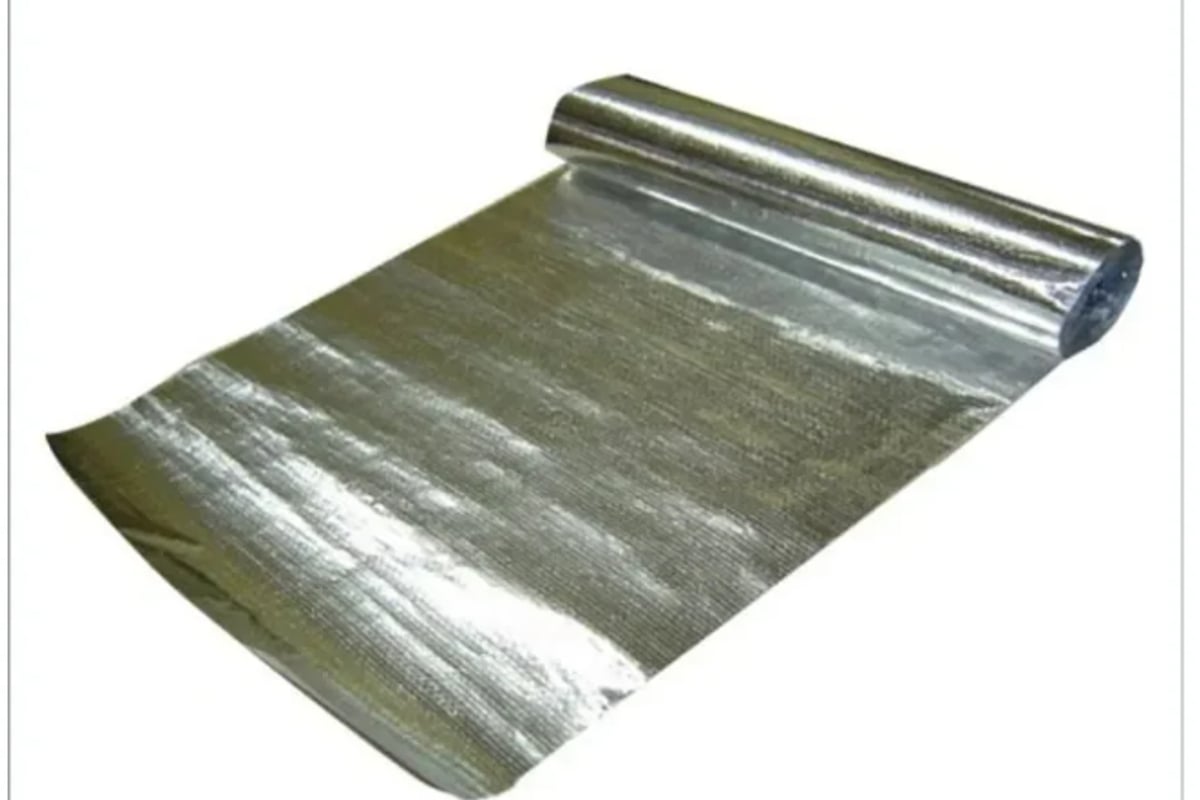
Installing foil beneath your floor creates a barrier that reflects heat back into your home while blocking cold air infiltration. The Underfloor Wrap Reflective Foil Insulation 500mm x 60m offers exactly this protection, draped between floor joists to create a warmer, more comfortable floor surface throughout winter. Many homeowners find this dramatically improves comfort in rooms with suspended floors, particularly in older Victorian-era homes where underfloor insulation was rarely installed during original construction.
| Application Area | Primary Benefit | Best Combined With | Installation Complexity |
|---|---|---|---|
| Metal Roof | Summer heat reflection | Ceiling batts R3.5+ | Moderate |
| Tile Roof | Moisture protection | Ceiling batts R4.0+ | Moderate |
| Brick Walls | Radiant heat barrier | Wall batts R1.5+ | Low to Moderate |
| Timber Floors | Cold air blocking | Underfloor batts R2.5 | Low |
| Shed/Garage | Cost-effective insulation | Optional bulk insulation | Low |
Understanding R-Values and Thermal Performance
The thermal resistance of reflective foil insulation varies dramatically depending on installation conditions. Unlike bulk insulation with fixed R-values, foil performance changes based on air gap size, direction of heat flow, and emissivity of adjacent surfaces.
A single layer of foil with a 25mm air gap might provide R0.6 for upward heat flow (winter ceiling scenario) but R1.4 for downward heat flow (summer ceiling scenario). This variability makes direct comparisons with bulk insulation challenging.
Reading Product Specifications
Manufacturers list R-values for specific configurations, usually including air gap dimensions and heat flow direction. Always check these details before comparing products or calculating total wall or ceiling R-values.
Some products claim high R-values by including multiple air spaces in testing conditions. Real-world installations rarely achieve these ideal configurations, so be conservative in your expectations.
Factors affecting performance:
- Air gap size (minimum 25mm recommended)
- Orientation (horizontal, vertical, angled)
- Heat flow direction (up, down, horizontal)
- Surface emissivity of adjacent materials
- Installation quality and continuity
Combining with Bulk Insulation
The most effective approach in Australian homes combines reflective foil with bulk insulation materials. Together, they address both radiant and conductive heat transfer, giving you year-round comfort.
For example, installing foil sarking under your roof combined with R3.7 ceiling batts creates a high-performance system. The foil blocks radiant heat from your roof surface while the batts provide thermal mass and resistance to conductive heat flow.
This combination approach is now standard in quality new home construction across Victoria and is highly recommended for renovation projects aiming to meet or exceed minimum energy efficiency requirements.
Installation Guidelines and Best Practices
Proper installation is critical to achieving the advertised performance from reflective foil insulation. Poor installation can reduce effectiveness by 50% or more, wasting your time and money.
Air Gap Requirements
The air gap adjacent to your foil surface enables convection and radiation to work together. Heat reflected by the foil can't effectively escape without this gap, reducing overall performance.
Minimum gaps of 25mm are standard, though 40-50mm provides better results in most applications. The gap should be continuous and unobstructed wherever possible, avoiding compression or contact with other materials.
In roof applications, battens or counter battens create the necessary air space between roofing material and foil surface. For walls, the cavity naturally provides this gap in brick veneer construction.
Securing and Sealing Joints
Secure foil using appropriate fasteners that won't tear the material. Stainless steel staples or nails with washers work well for most applications. Maintain reasonable tension without over-stretching.
Overlap joints by at least 100mm and seal with reflective foil tape to maintain continuity. Gaps in the reflective layer create thermal weak points where heat can bypass the insulation entirely.
Installation checklist:
- Ensure clean, dry installation surface
- Plan layout to minimise joins and waste
- Maintain specified air gap throughout
- Secure edges without over-tensioning
- Tape all joints with proper foil tape
- Protect exposed edges from damage
- Allow for thermal expansion and contraction
Safety Considerations
Working with reflective foil insulation is generally safe, but standard construction safety applies. The material is lightweight and non-toxic, though edges can be sharp when cut.
Roof installations require proper fall protection and awareness of hot surfaces on sunny days. Metal roofing gets extremely hot during summer, making early morning or late afternoon installation preferable.
Avoid installing foil in contact with electrical wiring or creating situations where it could become energised. While aluminium foil conducts electricity, quality products include plastic or paper layers that provide some insulation, but this shouldn't be relied upon as electrical protection.
Common Mistakes and How to Avoid Them
Even experienced DIYers sometimes make errors that compromise reflective foil performance. Understanding these pitfalls helps you avoid them in your project.
Insufficient Air Gap
The most common mistake is installing foil directly against another surface without the required air gap. This happens when foil is stapled too tightly to rafters or compressed by other materials.
Without an air gap, the foil can't reflect heat effectively. Instead, heat transfers directly through conduction, negating most of the product's benefit. Always use spacers, battens, or other methods to maintain the specified gap.
Wrong Product for Application
Not all reflective foil products suit all applications. Some are designed specifically for roofs, others for walls or floors. Using the wrong type can lead to moisture problems, reduced performance, or premature failure.
Check product specifications and intended applications before purchasing. Products designed for wall use might not have the weather resistance needed for roof sarking applications.
| Common Mistake | Result | Prevention Strategy |
|---|---|---|
| No air gap | Reduced R-value by 60-80% | Use battens or spacers |
| Untaped joints | Heat bypass, moisture entry | Seal all joins with foil tape |
| Wrong product type | Performance issues, durability problems | Match product to specific application |
| Compression | Lost reflective properties | Avoid contact with bulk insulation |
| Electrical contact | Safety hazard | Keep clear of wiring, follow codes |
Forgetting Vapour Barrier Properties
Some reflective foil products act as vapour barriers, preventing moisture movement through building assemblies. This can be beneficial or problematic depending on your climate and construction type.
In most Victorian applications, controlling vapour flow helps prevent condensation issues. However, some wall systems need breathability to dry out after moisture events. Understanding your specific construction requirements prevents moisture-related problems down the track.
Comparing Costs and Value
Reflective foil insulation typically costs less per square metre than high-R-value bulk insulation products, making it attractive for budget-conscious projects. However, comparing costs requires understanding what you're getting for your money.
Upfront Material Costs
Basic single-sided foil products might cost $0.50-2.00 per square metre, while heavy-duty double-sided products with foam or bubble cores can reach $3-8 per square metre. These prices vary based on thickness, construction, and width.
Bulk insulation batts for comparison range from $3-12 per square metre depending on R-value and quality. While seemingly more expensive, higher R-value batts often provide better value in terms of energy savings over time.
Installation Labour Considerations
DIY installation of reflective foil is straightforward for confident homeowners, potentially saving hundreds or thousands in labour costs. The material is light, safe to handle, and requires only basic tools.
Professional installation might add $2-5 per square metre for labour, depending on access difficulty and project complexity. Roof applications requiring working at height naturally cost more than accessible underfloor installations.
Long-Term Performance Value
Well-installed reflective foil insulation can last 50+ years with minimal degradation. The aluminium doesn't break down, compress, or lose effectiveness like some bulk insulation materials might over time.
Energy savings depend on your specific climate, home design, and how the foil integrates with other insulation layers. In Melbourne's climate, reflective foil as part of a comprehensive insulation system might reduce heating and cooling costs by 15-30% annually.
Maintenance and Longevity
One of the biggest advantages of reflective foil insulation is its minimal maintenance requirements. Once properly installed, it performs reliably for decades with no intervention needed.
Inspection Recommendations
Inspecting foil insulation during other roof or wall maintenance activities makes sense. Look for tears, loose sections, or areas where the air gap has been compromised by shifted materials.
In roof spaces, check that ceiling insulation hasn't been pushed up against the foil, eliminating the critical air gap. This sometimes occurs during additional insulation installation or when storage items are placed in roof cavities.
Signs of problems:
- Visible tears or punctures in foil surface
- Moisture accumulation or water stains
- Loose or detached sections
- Compression against other materials
- Corrosion of fasteners or degradation of tape
Addressing Damage
Small tears or punctures can be repaired with reflective foil tape, restoring the continuous reflective layer. Larger damaged areas might require replacement of that section, which is usually straightforward in accessible locations.
Water damage to foil typically affects the substrate materials rather than the aluminium facing itself. Paper-backed products might degrade if repeatedly wet, while plastic-backed versions prove more durable in moisture-prone areas.
Most quality reflective foil products installed in Australian conditions require no maintenance or repair throughout their entire service life. The material's inherent durability and resistance to degradation makes it a fit-and-forget solution in most applications.
Compliance with Australian Standards
Building regulations in Australia, governed by the National Construction Code (NCC), specify minimum thermal performance requirements for homes. Understanding how reflective foil contributes to meeting these standards helps ensure your project passes inspection.
NCC Requirements in Victoria
For ceiling insulation in Victoria's climate zone, the NCC typically requires minimum R3.5 total thermal resistance in new construction. Reflective foil alone rarely achieves this, making it a supplementary rather than standalone solution in most applications.
Wall requirements are lower, typically R1.5-2.0 depending on wall construction type. Here, reflective foil combined with modest bulk insulation or used in double-brick construction might meet minimum standards.
Documentation and Testing
Quality reflective foil products should have test reports documenting R-values under specified conditions. These reports, conducted according to Australian Standards AS/NZS 4859.1, provide the evidence needed for building certification.
When combining products, you can't simply add R-values together. The total system R-value depends on how layers interact, air gap locations, and installation quality. Consult manufacturer documentation or building certifiers for accurate whole-of-system calculations.
Compliance considerations:
- Verify product meets relevant Australian Standards
- Confirm R-values for your specific installation configuration
- Calculate total system R-value including all layers
- Document installation for building inspector review
- Consider condensation management requirements
- Follow manufacturer installation guidelines
Reflective foil insulation offers Australian homeowners a practical, affordable way to improve thermal comfort and energy efficiency when used correctly as part of a comprehensive insulation system. Whether you're tackling a renovation, building new, or upgrading an existing home, understanding how foil works and where it performs best ensures you get maximum value from your investment. Insulation Supplies Australia stocks quality reflective foil products alongside bulk insulation solutions, helping you build the perfect thermal system for your home with expert advice, competitive pricing, and fast delivery across Victoria.