
Protecting your home's plumbing and HVAC systems goes beyond just installing insulation. The final step-sealing and securing that insulation-often makes the difference between a system that performs well for years and one that deteriorates quickly. That's where pipe lagging tape becomes essential. This specialised tape is designed to secure, protect and weatherproof the insulation wrapped around pipes, ducts and mechanical systems throughout your home or building. Whether you're insulating hot water pipes to reduce heat loss, wrapping cold water lines to prevent condensation, or protecting HVAC ductwork in your roof space, understanding how to choose and apply pipe lagging tape correctly will help you get the best performance from your insulation investment.
What Is Pipe Lagging Tape and Why Does It Matter
Pipe lagging tape is a pressure-sensitive adhesive tape specifically engineered to secure and seal pipe insulation (commonly called "lagging") in place. Unlike standard household tape, it's built to withstand temperature extremes, moisture exposure, UV radiation and mechanical wear over many years.
The primary job of pipe lagging tape is threefold:
- Sealing joints and seams where insulation sections meet, preventing air infiltration and moisture ingress
- Securing insulation to the pipe surface, stopping it from sagging, sliding or opening over time
- Protecting the outer surface of the insulation from physical damage, weather and UV degradation
When you insulate a pipe, you're creating a barrier to slow heat transfer. But if that barrier has gaps, openings or poor contact with the pipe surface, its effectiveness drops dramatically. According to ASHRAE Handbook guidance on insulation for mechanical systems, even small gaps in pipe insulation can significantly reduce thermal performance and lead to condensation issues on cold piping.
Common Applications Around Your Home
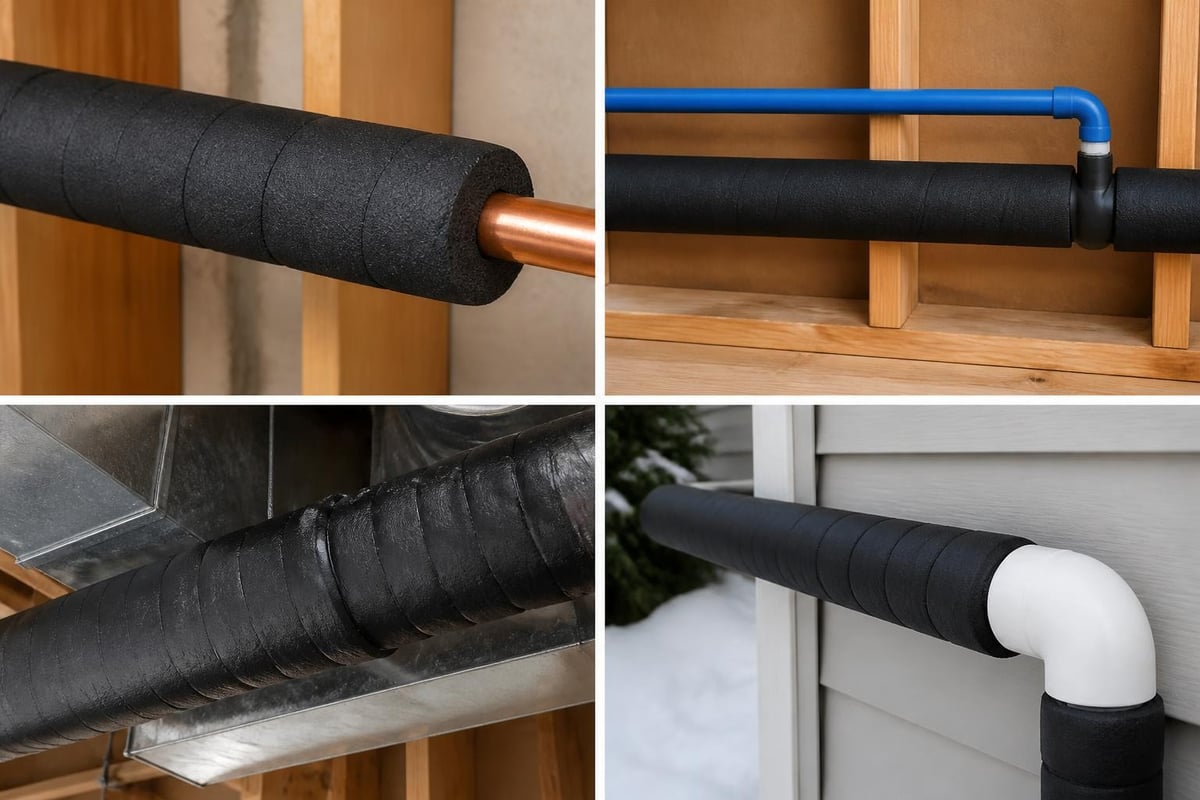
You'll find pipe lagging tape used in several key areas:
Hot water systems: Securing foam or fibreglass insulation around hot water pipes reduces heat loss, cuts energy bills and ensures hot water reaches taps faster.
Cold water and refrigeration lines: Taping insulation tightly prevents condensation from forming on cold pipes, which can lead to dripping, water damage and mould growth.
HVAC ductwork: Sealing insulation around air conditioning ducts in roof cavities or under floors improves system efficiency and prevents moisture problems.
Outdoor and exposed piping: Weatherproof tape protects insulation from rain, sun and physical knocks on pipes running outside or in garages and sheds.
Types of Pipe Lagging Tape Available in 2026
Not all pipe lagging tape is created equal. Different base materials, adhesive types and performance characteristics suit different applications and environments.
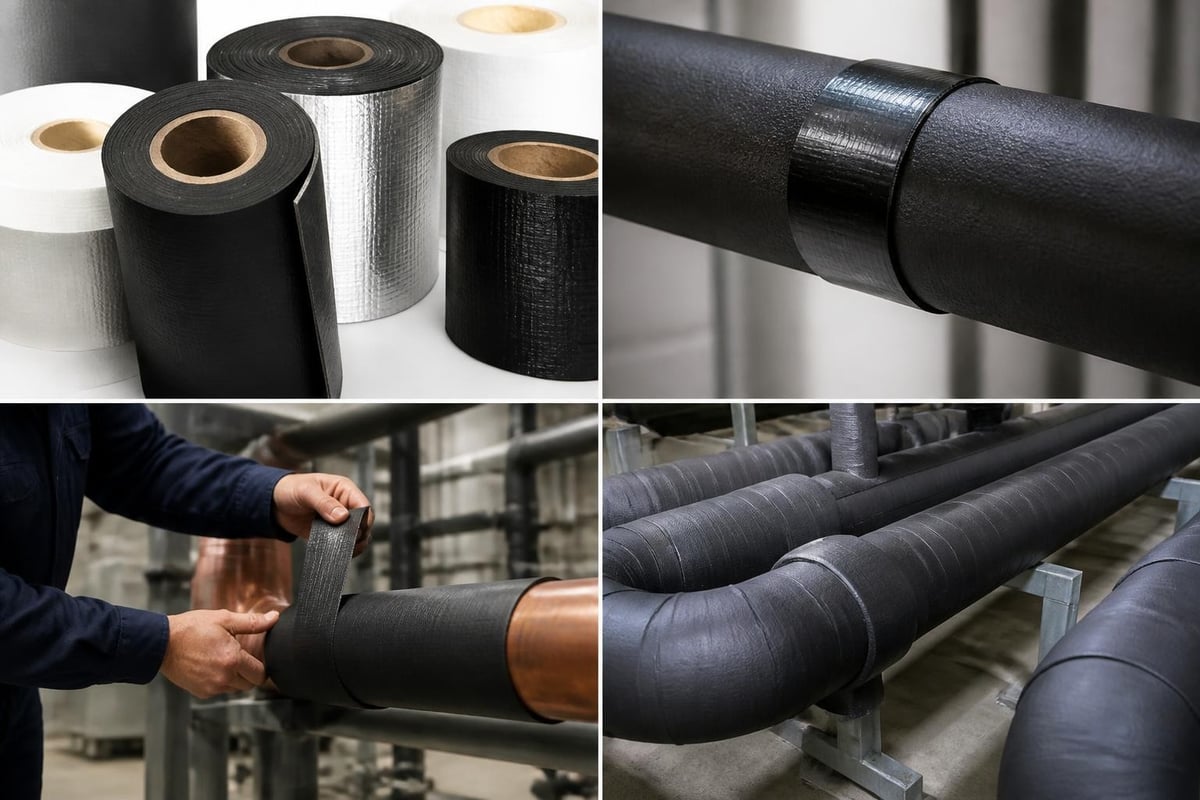
Material Types and Their Properties
| Tape Type | Base Material | Temperature Range | Best For | Key Advantage |
|---|---|---|---|---|
| PVC Tape | Polyvinyl chloride | -10°C to +80°C | General residential piping | Cost-effective, flexible, moisture-resistant |
| Aluminium Foil Tape | Aluminium foil + adhesive | -40°C to +150°C | Hot water, HVAC, high-temp | Excellent vapour barrier, heat reflection |
| Cloth/Canvas Tape | Woven fabric backing | -20°C to +100°C | Outdoor, mechanical areas | Tear-resistant, conformable, durable |
| Acrylic Foam Tape | Acrylic foam + adhesive | -30°C to +120°C | Cold piping, condensation control | Superior sealing, gap-filling, long-term hold |
PVC-based pipe lagging tape remains the most common choice for residential work. It's affordable, easy to apply and handles typical Australian temperature swings without issue. The plastic backing resists moisture and UV reasonably well, making it suitable for both indoor and sheltered outdoor applications.
Aluminium foil tape offers superior performance for hot water systems and HVAC ductwork. The foil backing reflects radiant heat and provides an excellent vapour barrier-critical for preventing moisture migration into or through insulation. Many plumbers and HVAC technicians prefer foil tape for commercial-grade installations.
Cloth or canvas-backed tape brings exceptional durability where mechanical strength matters. If pipes run through high-traffic areas, tight spaces or outdoor locations where they might cop knocks, cloth tape's tear resistance and toughness make it worth the extra cost.
Adhesive Chemistry: What Sticks and What Doesn't
The adhesive matters just as much as the backing material:
- Rubber-based adhesives provide strong initial tack and work well in moderate temperatures, but can soften in extreme heat or harden in cold
- Acrylic adhesives offer better temperature stability, UV resistance and long-term holding power, making them ideal for permanent installations
- Silicone adhesives handle the widest temperature ranges and resist moisture brilliantly, but come at premium prices
For most DIY and residential applications in Victoria, an acrylic adhesive tape rated for -20°C to +80°C covers all typical requirements without breaking the budget.
How to Choose the Right Pipe Lagging Tape
Selecting pipe lagging tape isn't complicated once you understand your specific requirements. Start by asking yourself four key questions.
What's the Operating Temperature
Match the tape's temperature rating to your pipe's operating conditions. Hot water pipes typically run at 60-70°C in Australian homes, though solar hot water can reach higher. Cold water stays around 15-25°C normally but can drop below 10°C in winter.
Check the tape's continuous operating temperature range printed on the packaging. A margin of safety ensures performance won't degrade during heat waves or cold snaps.
Indoor or Outdoor Exposure
Indoor applications (ceiling cavities, wall chases, under floors) need moisture resistance and reasonable UV stability for areas with occasional daylight exposure. Standard PVC or foil tape works well here.
Outdoor installations demand weatherproof tape with high UV resistance, strong adhesive that won't fail in heat or rain, and backing material that won't degrade under direct sun. Look for tapes rated for exterior use or marine environments.
The Building America Solution Center's guidance on insulating plumbing pipes notes that proper sealing and protection of insulation dramatically extends system life and maintains energy performance over time.
Compatibility with Insulation Material
Different insulation types bond better with certain tapes:
- Foam insulation (polyethylene, rubber, PVC): Works with most tapes; choose based on temperature and environment
- Fibreglass or mineral wool: Requires tape with strong adhesive to grip textured surfaces; cloth-backed often works best
- Reflective foil insulation: Aluminium tape provides best seal and maintains vapour barrier integrity
When working with acoustic insulation or specialty products, confirm tape compatibility with the manufacturer's specifications.
Width and Thickness Considerations
Pipe lagging tape typically comes in widths from 48mm to 100mm. Wider tape covers seams in one pass and provides better weatherproofing on larger pipes, while narrower tape conforms more easily to small-diameter piping and tight curves.
Thickness ranges from 0.1mm to 0.3mm for standard tapes. Thicker versions offer better puncture resistance and UV durability but cost more and may be less flexible.
Proper Application Techniques for Maximum Performance
Even the best pipe lagging tape won't perform if applied incorrectly. Following proper technique ensures your insulation stays secure and effective for years.
Surface Preparation Steps
Clean pipe surfaces before wrapping insulation. Remove dust, oil, moisture and loose debris with a clean cloth. On outdoor pipes, let them dry completely if wet from rain or condensation.
For the insulation itself, make sure edges and surfaces are clean and free from tears or damage. Repair any compromised sections before taping.
The Right Way to Wrap and Seal
- Start at one end and work consistently in one direction along the pipe
- Apply steady pressure as you unroll the tape, avoiding air bubbles or wrinkles
- Overlap seams by 50% minimum to ensure complete coverage and moisture resistance
- Stretch slightly around curves and bends, but don't pull so hard that the tape thins or the adhesive weakens
- Press firmly along all edges after application, using your hand or a small roller to activate the adhesive fully
For longitudinal seams (running along the pipe length), apply tape in a continuous spiral rather than straight lines. This creates a stronger, more weatherproof seal without straight-line paths for moisture to follow.
For joints where two insulation sections meet end-to-end, double-wrap the connection. Apply one layer of tape around the circumference, then add a second layer overlapping the first by half its width.
Temperature and Timing Matters
Apply pipe lagging tape when both the surface and ambient temperature sit between 10°C and 30°C if possible. Cold temperatures reduce adhesive tack, while extreme heat can cause the tape to stretch unevenly or the adhesive to become too fluid.
In Victoria's climate, early morning or late afternoon often provides ideal conditions. Avoid application during or immediately after rain on outdoor installations.
Allow adhesive to "cure" for 24-48 hours before subjecting the installation to stress, moisture exposure or temperature extremes. This gives the bond time to develop full strength.
Common Mistakes and How to Avoid Them
Even experienced DIYers make pipe lagging tape errors that compromise performance. Here's what to watch out for.
Using the Wrong Tape for the Job
Problem: General-purpose duct tape or electrical tape won't hold up on pipe insulation. They lack the necessary temperature range, moisture resistance and adhesive strength.
Solution: Always use tape specifically designed and rated for pipe lagging or mechanical insulation. Check product specifications against your application requirements.
Inadequate Overlap and Poor Edge Sealing
Problem: Minimal overlap or loose edges allow moisture penetration and air movement, defeating the insulation's purpose.
Solution: Maintain at least 50% overlap on all seams. Press edges down firmly. On critical applications (cold piping especially), consider 75% overlap for extra insurance.
Ignoring Safety Considerations with Older Systems
If you're working on pipes in older homes built before 1990, be aware that some historic pipe lagging contained asbestos. The UK HSE provides guidance on identifying and safely managing asbestos-containing lagging-principles that apply equally in Australia.
Never disturb, cut or tape over suspected asbestos-containing materials. Engage a licensed asbestos assessor if uncertain. Modern pipe insulation and lagging tape contains no asbestos, but legacy materials require professional handling.
Forgetting to Test Before Committing
Before taping an entire system, apply a test piece of tape to your specific insulation material and pipe surface. Leave it for 24 hours through a temperature cycle if possible. Check that it adheres firmly without peeling, bubbling or leaving residue.
This simple test can save hours of rework and wasted materials.
Maintenance and Long-Term Care
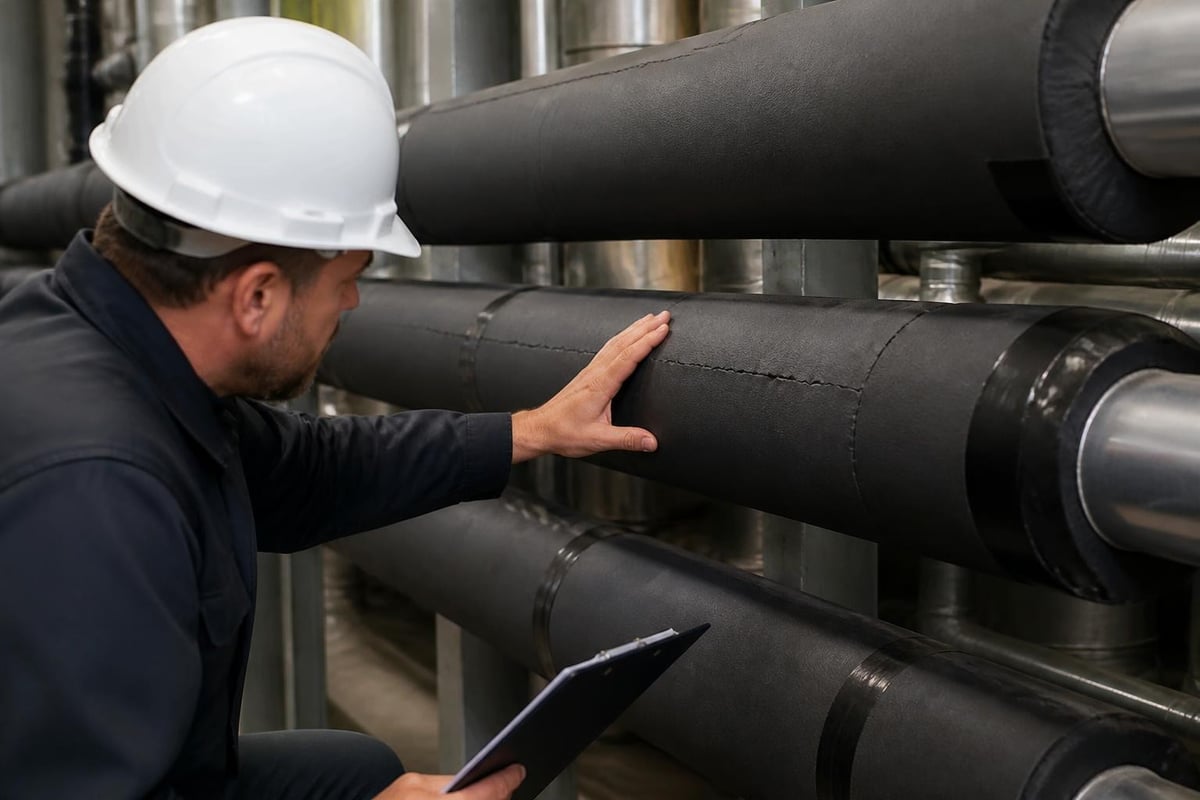
Pipe lagging tape isn't fit-and-forget, especially in demanding environments. Regular inspection and maintenance keep systems performing optimally.
Inspection Schedule and What to Look For
Every 6 months: Quick visual check of accessible piping for obvious tape deterioration, peeling or damage
Annually: Thorough inspection including:
- Checking all seams and joints for opening or separation
- Looking for water stains, condensation or dripping
- Testing tape adhesion by gently pressing edges
- Identifying any UV damage (fading, cracking, brittleness) on outdoor installations
- Noting any mechanical damage from impacts or rubbing
Pay special attention to underfloor insulation areas where moisture exposure might be higher.
When to Re-Tape or Replace
Re-apply or replace pipe lagging tape when you notice:
- Tape pulling away from insulation or pipe surface
- Visible gaps at seams or joints
- Condensation forming on previously dry sections
- UV degradation (outdoor tape becoming brittle or chalky)
- Physical damage from accidental impact or wear
Complete replacement is typically needed every 5-10 years for outdoor installations, or 10-15 years for indoor applications in stable environments, though quality products properly applied can last considerably longer.
Energy Efficiency and Cost Benefits
Properly sealed pipe insulation delivers measurable financial and environmental benefits. The tape investment pays for itself many times over through reduced energy consumption.
Quantifying Heat Loss Prevention
Studies referenced in ASTM F683 standard practice for thermal insulation selection show that unsealed or poorly sealed pipe insulation can lose 25-40% of its effectiveness due to air infiltration and thermal bridging at gaps.
On a typical Australian home's hot water system, this translates to:
- Extra energy consumption of 200-400 kWh annually for a storage tank system
- Additional cost of $60-$120 per year at current Victorian electricity rates
- Wasted heat warming roof spaces instead of delivering hot water where needed
Quality pipe lagging tape costing $15-$30 per roll easily pays for itself within a single year through energy savings alone.
Condensation Control Saves Repair Costs
Cold water pipes without properly sealed insulation create condensation that drips onto ceiling insulation, timber framing and finishes. Over time this causes:
- Ceiling staining and damage requiring repainting or replacement
- Timber rot in framing members
- Mould growth creating health concerns and remediation expenses
- Reduced effectiveness of ceiling and roof insulation from moisture saturation
A condensation problem in a roof space can cost thousands to repair, while proper pipe lagging tape application costs under $50 in materials for most homes.
Acoustic Performance: A Hidden Benefit
While thermal performance grabs most attention, pipe lagging tape also contributes to noise control-particularly important for hot water pipes, drainage and HVAC systems.
How Tape Affects Sound Transmission
Water flowing through pipes creates vibration and noise that travels through building structures. Properly secured insulation dampens this vibration, and the tape's role in maintaining continuous contact between insulation and pipe is critical.
ASTM E1222 test method for measuring insertion loss of pipe lagging systems provides standardised procedures for quantifying these acoustic benefits. Research shows well-sealed pipe insulation can reduce noise transmission by 10-15 decibels compared to bare pipes.
For multi-storey homes or properties with pipes running through living areas, this makes a noticeable difference to comfort and liveability.
Combining with Acoustic Insulation
When pipes run through wall cavities also insulated for sound control, coordinate your pipe lagging with the acoustic insulation strategy. Ensure pipe lagging tape doesn't create hard contact points that bridge the acoustic break between wall surfaces.
Working with Different Insulation Systems
Pipe lagging tape application varies slightly depending on which insulation system you're sealing.
Foam Tube Insulation
Pre-slit foam tubes are the most common residential pipe insulation. After slipping the foam over the pipe:
- Close the slit by pressing edges together firmly
- Apply tape spirally along the length, covering the slit completely with 50mm-wide tape
- Tape joints where tube sections meet with circumferential wraps, overlapping 50mm each side of the joint
- Add end caps (if used) and tape their edges for complete coverage
Foam insulation works brilliantly on both hot and cold services but needs secure taping to maintain the closed-cell structure's effectiveness.
Fibreglass or Mineral Wool Wraps
Flexible blanket-style insulation wrapped around pipes requires more tape to hold its shape. Use these techniques:
- Wider tape (75-100mm) to manage the thicker, less rigid material
- Cloth-backed tape for better grip on textured fibreglass surfaces
- Closer spiral spacing (overlapping every 150-200mm along the pipe) to prevent sagging
- Double wrapping at all joints and directional changes
When working with products similar to ceiling insulation materials, handle with care to avoid skin irritation and ensure complete coverage before taping.
Reflective and Multi-Layer Systems
Reflective foil insulation systems rely on air gaps for effectiveness. When taping these:
- Use aluminium foil tape exclusively to maintain the vapour barrier
- Avoid compressing the insulation when wrapping tape
- Ensure tape doesn't bridge air gaps that provide the thermal break
- Pay extra attention to vapour barrier continuity at all seams and penetrations
The ASHRAE Refrigeration Handbook guidance offers detailed information on maintaining vapour retarder integrity when insulating below-ambient piping-principles that apply equally to domestic cold water systems.
Professional vs DIY Application
Most homeowners can successfully apply pipe lagging tape with basic care and attention. However, certain situations call for professional expertise.
When DIY Makes Sense
Straightforward residential work where you're:
- Insulating accessible hot water pipes in easy-to-reach locations
- Protecting cold water lines in visible areas like basements or garages
- Maintaining or repairing existing pipe insulation you can safely access
- Working with standard pipe sizes (15-32mm diameter) and simple runs
Required skills: Measuring and cutting accurately, following instructions, working safely on ladders, attention to detail
Time investment: 1-2 hours for a typical hot water cylinder and primary pipe runs
When to Call a Professional
Complex or critical installations involving:
- High-temperature steam or hot water systems above 80°C
- Refrigeration or process piping with strict specifications
- Commercial HVAC ductwork requiring compliance certification
- Asbestos-containing materials requiring licensed removal
- Hard-to-access locations needing specialised equipment or safety measures
- Large-scale projects where time, consistency and warranty matter
Licensed plumbers and mechanical insulation contractors bring specialised knowledge of NIA design and installation guidelines, code compliance and material selection that ensures optimal long-term performance.
Regulatory and Standards Context
While pipe lagging tape itself isn't heavily regulated for residential use, the broader insulation system must meet building standards.
Australian Building Codes and Requirements
The National Construction Code (NCC) sets energy efficiency requirements that often drive pipe insulation decisions. While specific tape selection isn't mandated, the complete assembly must meet thermal performance and condensation control criteria.
For new construction and major renovations in Victoria, demonstrating compliance with NCC Section J (energy efficiency) may require documentation of pipe insulation R-values and vapour barrier continuity-both of which depend on proper taping.
Industry Best Practice Standards
Several voluntary standards guide professional practice:
- AS/NZS 4859 series covering thermal insulation materials (general guidance applicable to pipe lagging systems)
- AS 3999 covering the installation of bulk thermal insulation (sections relevant to mechanical services)
- International standards like ASTM C1729 (pipe insulation installation on mechanical systems) often referenced by specifiers
While not legally binding for DIY residential work, these standards represent proven best practice developed over decades. Following their principles ensures your pipe lagging tape application will perform reliably.
Environmental and Health Considerations
Modern pipe lagging tape products are far more environmentally friendly than historic options, but considerations remain.
Material Selection and Sustainability
Recyclability: Aluminium foil tapes are theoretically recyclable, though contamination with adhesive makes practical recycling difficult. PVC-based tapes typically aren't recyclable through domestic streams.
VOC emissions: Quality pipe lagging tapes use low-VOC or VOC-free adhesives that don't off-gas harmful compounds once cured. Check product technical data sheets if indoor air quality is a concern.
Durability as sustainability: The most sustainable tape is one that lasts 15+ years without needing replacement. Choosing higher-quality products reduces lifecycle waste and resource consumption, even if initial cost is higher.
Safe Handling and Application
Modern pipe lagging tape poses minimal health risks when handled normally:
- Avoid prolonged skin contact with uncured adhesive if you have sensitive skin
- Work in ventilated areas when applying large quantities
- Wear gloves if you find the adhesive irritating
- Don't ingest or allow children to play with tape materials
For fibreglass insulation underneath the tape, follow standard precautions: long sleeves, gloves, dust mask and good ventilation.
Cost Analysis and Budget Planning
Understanding pipe lagging tape costs helps you plan accurately and choose the right products without overspending or under-specifying.
Typical Price Ranges in 2026
| Tape Type | Price per Roll | Coverage | Cost per Metre |
|---|---|---|---|
| Economy PVC | $8-$15 | 30m x 48mm | $0.27-$0.50 |
| Premium PVC | $15-$25 | 30m x 50mm | $0.50-$0.83 |
| Aluminium Foil | $18-$35 | 45m x 50mm | $0.40-$0.78 |
| Cloth-Backed | $25-$45 | 25m x 50mm | $1.00-$1.80 |
| Premium Acrylic Foam | $40-$70 | 30m x 50mm | $1.33-$2.33 |
Prices vary based on brand, quantity purchased and specific performance characteristics. Buying multiple rolls typically attracts volume discounts.
Calculating Your Requirements
For typical residential hot water pipe insulation:
- 15-20 metres of primary hot water runs
- 50mm wide tape
- Allow 1.5x pipe length for spiral application plus joints
- Total needed: 25-30 metres = 1 roll
For comprehensive whole-house pipe insulation:
- 40-60 metres total hot and cold piping
- Mix of 50mm and 75mm widths
- Total needed: 60-90 metres = 2-3 rolls
Always buy 10-20% extra for mistakes, difficult sections and future repairs.
Value Proposition: Cheap vs Quality
The $10 price difference between economy and premium tape seems minor until you factor in performance and longevity:
Economy tape at $12/roll:
- Lasts 3-5 years typically
- May require re-taping after 3 years = additional $12 + labour time
- Higher risk of adhesive failure, especially in temperature extremes
- 5-year cost: $24 + labour + potential energy losses from gaps
Premium tape at $22/roll:
- Lasts 8-15 years typically
- No intermediate maintenance needed
- Better adhesive, UV resistance, moisture protection
- 5-year cost: $22 with superior performance throughout
For critical applications like cold water condensation control or outdoor exposed piping, premium tape saves money and hassle over the system lifetime.
Getting the Job Done Right
With your knowledge of pipe lagging tape now comprehensive, you're ready to tackle your project with confidence. Remember the core principles:
- Match tape to application: temperature, environment, insulation type
- Prepare surfaces properly: clean, dry, intact
- Apply with care: adequate overlap, firm pressure, attention to detail
- Inspect regularly: catch issues before they become expensive problems
Whether you're reducing energy bills on your hot water system, preventing condensation on cold water pipes, or improving HVAC efficiency, proper pipe lagging tape application multiplies the benefits of your insulation investment. The small additional effort and modest material cost deliver returns for years to come through lower energy use, prevented damage and improved comfort.
For projects combining pipe insulation with broader home thermal performance improvements, consider how wall insulation and underfloor solutions work together as a complete system. Each element contributes to whole-house efficiency, comfort and value.
Proper pipe insulation and taping protects your investment, reduces energy costs and prevents costly moisture damage throughout your home. When you're ready to insulate pipes or upgrade your home's thermal performance, Insulation Supplies Australia offers expert advice, quality products and fast delivery across Victoria. Browse our complete range of insulation solutions online, compare options with confidence, and get your project done right the first time.