

Insulation rolls are one of the most versatile and widely used insulation products for Australian homes. Whether you're building a new home, renovating an older property, or upgrading your energy efficiency, understanding how these flexible blanket products work will help you make smarter decisions. Insulation rolls come in long, continuous lengths that can be cut to size on site, making them ideal for covering large areas quickly and efficiently. This guide walks you through everything you need to know about selecting, installing, and getting the best performance from insulation rolls in 2026.
What Are Insulation Rolls and How Do They Work
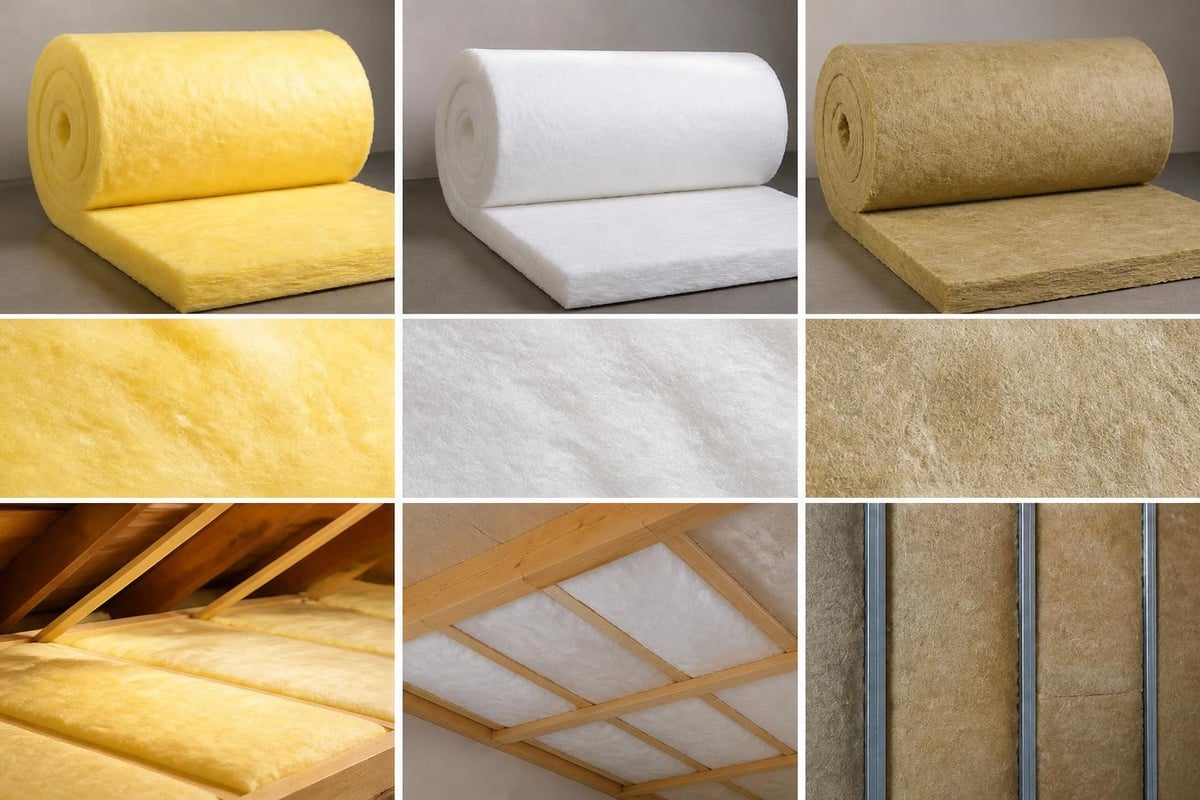
Insulation rolls are continuous lengths of thermal and acoustic insulation material, typically made from glasswool or polyester fibres. Unlike pre-cut batts that come in standard dimensions, rolls can be unrolled and trimmed to fit your exact space requirements.
The science behind insulation rolls is straightforward. The fibrous material traps millions of tiny air pockets, creating a barrier that slows heat transfer. During summer, they reduce heat flowing into your home. In winter, they prevent warmth from escaping. This thermal resistance is measured as an R-value, with higher numbers indicating better insulation performance.
Common Materials Used in Insulation Rolls
Glasswool remains the most popular choice for residential insulation rolls. Modern glasswool products like those manufactured with ECOSE® Technology are softer to handle, produce less dust during installation, and use bio-based binders rather than traditional formaldehyde-based options. The EPA has extensively evaluated formaldehyde risks in building materials, leading manufacturers to adopt safer alternatives.
Polyester insulation rolls offer a non-itch alternative that's particularly popular with DIY renovators. These synthetic fibres are hypoallergenic and won't absorb moisture, making them suitable for specific applications where humidity might be a concern.
Mineral wool (stone wool or rockwool) provides excellent fire resistance alongside thermal performance. While less common in roll format, some specialty products use mineral fibre construction for applications requiring enhanced fire ratings.
Where to Use Insulation Rolls in Your Home
Insulation rolls excel in applications where you need continuous coverage over large, relatively uniform areas. Understanding the right application ensures you get maximum value and performance.
Ceiling and Roof Applications
Ceiling cavities are the primary use case for insulation rolls. The long, continuous format allows you to cover ceiling joists quickly, reducing installation time compared to individual batts. For ceiling insulation projects, you'll typically need R-values between R3.5 and R6.0 depending on your climate zone and ceiling type.
Roof insulation under metal roofing requires special consideration. Products designed for this application often include a reflective facing or foil layer that provides a radiant barrier against heat radiating from the hot roof surface. The Thermal Blanket R3.7 Roof Insulation delivers premium performance with its higher-density construction at 22 kg/m³, making it particularly effective under metal roofs where thermal mass and density improve overall system performance.
Wall Insulation Projects
For wall insulation, rolls can be more economical when you're insulating large wall runs with consistent stud spacing. The continuous length means fewer joins and potential thermal bridges. However, wall cavities with irregular framing or numerous obstacles might be better suited to pre-cut batts.
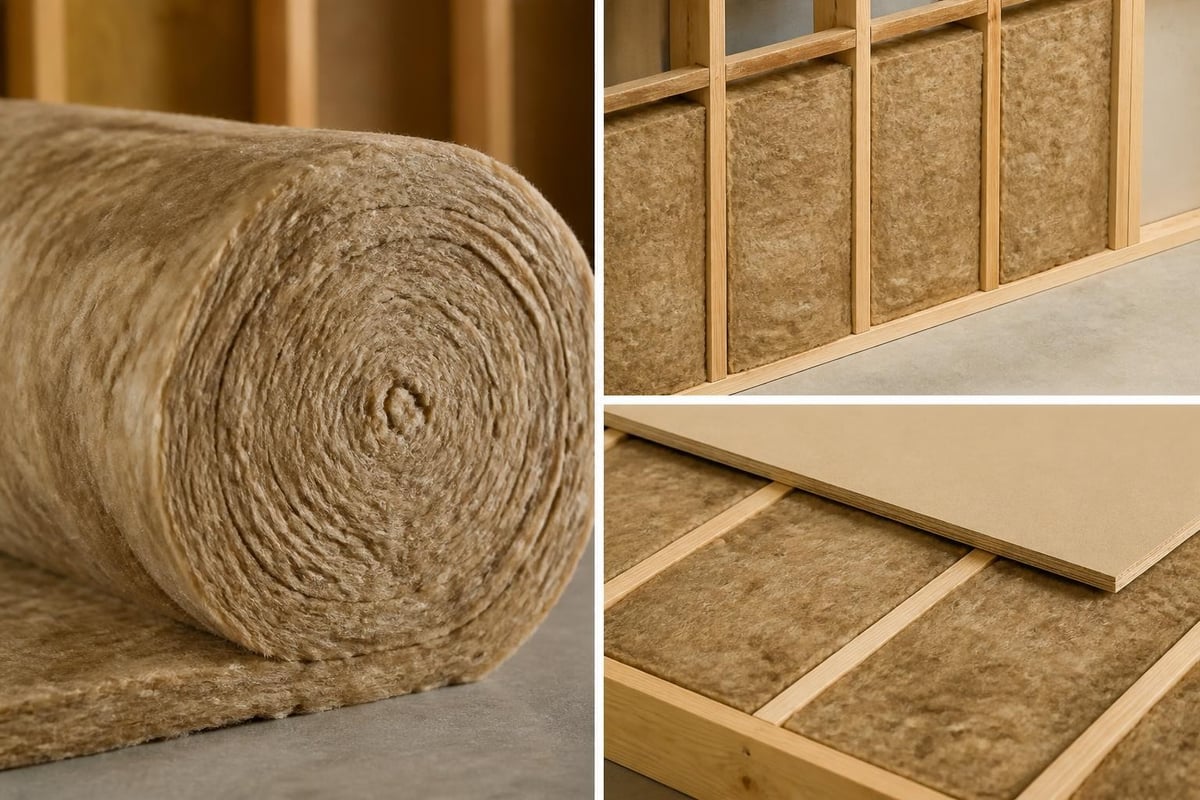
When insulating timber-framed walls, measure your stud spacing carefully. Standard Australian wall frames use either 450mm or 600mm centres, and insulation rolls are manufactured to suit these common dimensions.
| Application | Recommended R-Value | Typical Thickness | Installation Method |
|---|---|---|---|
| Ceiling (temperate) | R3.5 - R4.0 | 130-140mm | Laid between joists |
| Ceiling (cold climate) | R5.0 - R7.0 | 200-270mm | Laid between joists |
| Walls | R1.5 - R2.5 | 75-90mm | Friction-fit between studs |
| Underfloor | R1.5 - R2.5 | 90-145mm | Stapled to joists |
Underfloor Insulation Solutions
Suspended timber floors benefit significantly from insulation rolls. Underfloor insulation reduces heat loss through the floor and blocks draughts coming up through gaps in floorboards. The roll format allows you to work methodically across the underfloor space, supporting the insulation from below with wire mesh or specialised underfloor strapping.
The installation environment under floors can be challenging. Proper personal protective equipment is essential, and many installers find that working with narrower roll widths (typically 400-600mm) makes the job more manageable in tight spaces.
Understanding R-Values and Performance
R-value measures thermal resistance. The higher the R-value, the better the insulation performs. However, choosing the right R-value involves more than simply picking the highest number available.
Australian building regulations specify minimum R-values for different climate zones. Victoria generally falls into Climate Zone 6 or 7, requiring R4.1 to R6.0 for ceilings in new construction. Understanding these requirements helps ensure compliance while optimising comfort and energy efficiency. The Building Science Corporation's thermal control digest provides excellent background on how insulation performs within complete building assemblies.
Factors That Affect Real-World Performance
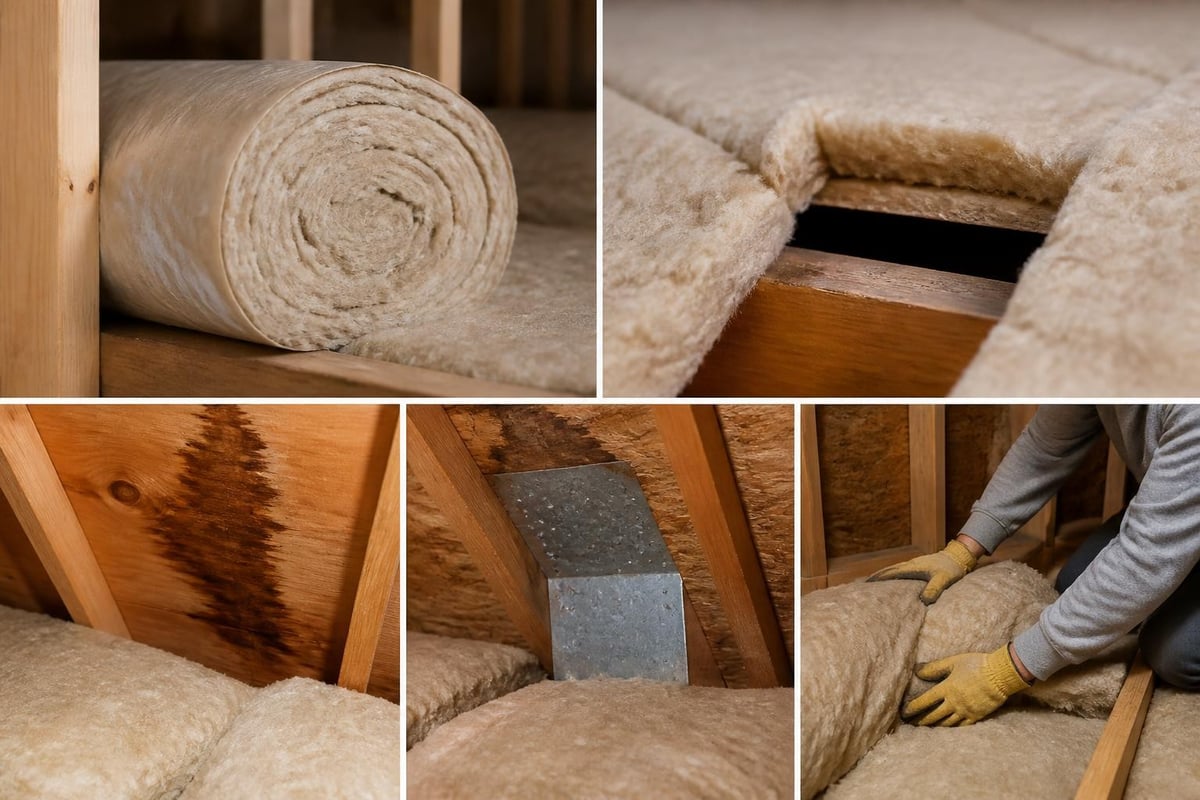
Installation quality matters enormously. Even high R-value insulation rolls lose effectiveness if installed with gaps, compression, or poor coverage. The insulation must fill the cavity completely without being compressed, as squashing the material reduces the air pockets that provide thermal resistance.
Moisture and condensation can degrade performance over time. While glasswool insulation rolls are non-hygroscopic (they don't absorb moisture into the fibres), condensation can still form in cavities under certain conditions. Proper ventilation and vapour control strategies are important in roof and wall applications.
Thermal bridging occurs where structural elements (like timber studs or rafters) bypass the insulation layer. This is why continuous insulation strategies and careful detailing around framing members improve overall thermal performance.
Installation Guide: Working with Insulation Rolls
Installing insulation rolls is well within the capabilities of confident DIY renovators and owner-builders, provided you follow proper techniques and safety protocols.
Safety Equipment and Preparation
Before starting any insulation project, assemble the right protective equipment:
- Disposable coveralls or long-sleeved work clothing
- Dust mask or respirator rated P2 or N95 minimum
- Safety glasses to protect against airborne fibres
- Work gloves to protect hands during cutting and handling
- Knee pads for comfort when working in ceiling cavities
The toxicological profile for synthetic vitreous fibres confirms that while modern glasswool products are classified as low-risk, proper PPE during installation remains important to minimise dust exposure and skin irritation.
Step-by-Step Installation Process
-
Measure your space accurately before ordering. Calculate the total area you need to insulate, allowing approximately 5% extra for cuts and wastage.
-
Prepare the work area by clearing obstacles and ensuring safe access. For ceiling work, use appropriate scaffolding or planks across joists-never step between joists onto ceiling sheets.
-
Unroll the insulation in the direction you'll be working. Most ceiling installations work best moving from the eaves towards the centre of the roof space.
-
Cut to length using a sharp utility knife or insulation saw. A straightedge or timber batten makes cutting cleaner and more accurate.
-
Fit the insulation between framing members. For ceiling joists, simply lay the roll across the joists, ensuring good contact with the ceiling surface below. For wall studs, friction-fit the material between framing members.
-
Avoid compression around services. Cut around electrical cables, light fittings, and other obstacles-never compress insulation around them. Maintain required clearances around recessed lights.
-
Seal joins neatly where two lengths meet. Butt them closely together without overlapping or leaving gaps.
Choosing Between Faced and Unfaced Rolls
Insulation rolls come in both faced and unfaced configurations. Understanding the difference helps you select the right product for your specific application.
Unfaced insulation rolls consist purely of the insulation material without any additional layers. These work well for most ceiling applications where there's no need for a vapour barrier or radiant layer. The Earthwool Blanket Unfaced R3.2 by Knauf exemplifies this category, offering 16.2m² of coverage per roll with strong thermal performance and the benefits of ECOSE® Technology.
Faced insulation rolls include a surface layer-typically foil, kraft paper, or breathable membrane. This facing can serve multiple purposes:
- Radiant barriers (foil facing) reflect radiant heat, particularly valuable in roof applications under metal roofing
- Vapour retarders control moisture movement through building assemblies
- Handling surfaces make installation easier and reduce fibre exposure
When to Choose Each Type
| Situation | Recommended Type | Reason |
|---|---|---|
| Standard ceiling (conditioned space below) | Unfaced | No vapour control needed |
| Under metal roof | Foil-faced | Radiant barrier reduces heat gain |
| Cold climate wall (external) | Faced (wall-specific) | Vapour control on warm side |
| Between levels (internal) | Unfaced | No moisture differential |
| Underfloor (suspended) | Unfaced or breathable wrap | Allow moisture to escape |
Climate and building type also influence facing selection. The ASHRAE standards on building envelopes provide detailed guidance on vapour control strategies based on climate zones and assembly types.
Acoustic Performance of Insulation Rolls
Beyond thermal benefits, insulation rolls provide valuable acoustic control. The same fibrous structure that traps air for thermal resistance also absorbs sound energy, reducing noise transmission between spaces.
How Acoustic Insulation Works
Sound waves travelling through air cause insulation fibres to vibrate. This vibration converts sound energy into tiny amounts of heat, effectively reducing the sound that passes through the wall or floor assembly. Denser insulation rolls generally provide better acoustic performance, which is why acoustic insulation products often have higher density ratings than standard thermal products.
For serious noise reduction projects-between apartments, music rooms, or home theatres-look for insulation rolls specifically rated for acoustic performance. These products often carry an STC (Sound Transmission Class) or Rw (weighted sound reduction index) rating indicating their noise-blocking effectiveness.
Key factors for acoustic performance:
- Higher density improves sound absorption
- Complete cavity filling eliminates sound paths
- Combination with proper wall construction (double layers of plasterboard, resilient channels) maximises results
- Sealing all penetrations and gaps prevents sound flanking
Cost Considerations and Value
Insulation rolls typically offer excellent value, especially for larger projects. Understanding the cost factors helps you budget effectively and maximise return on investment.
Price Factors for Insulation Rolls
R-value and thickness directly impact price. Higher R-value products use more material and often denser construction, increasing cost per square metre. However, the energy savings from better insulation typically justify the investment over the building's lifetime.
Material type creates price variation. Standard glasswool rolls are generally the most economical option. Premium products using advanced manufacturing processes or sustainable materials command higher prices but often deliver better handling characteristics and performance.
Coverage area matters when comparing products. A roll covering 16m² might look more expensive than one covering 10m², but the cost per square metre tells the real story. Always calculate unit pricing before making purchase decisions.
Return on Investment
Energy efficiency upgrades deliver tangible financial benefits. Properly installed ceiling insulation can reduce heating and cooling costs by 20-45% depending on your climate, existing insulation levels, and home construction. Most ceiling insulation projects pay for themselves within 3-7 years through reduced energy bills.
Sustainability Victoria offers resources and sometimes rebate programs that improve the economics of insulation upgrades. Check current incentive availability before starting your project, as these programs change periodically.
Sustainability and Environmental Considerations
Modern insulation rolls increasingly focus on environmental performance throughout their lifecycle. Understanding these factors helps you make choices aligned with sustainability goals.
Manufacturing processes have evolved significantly. Products using ECOSE® Technology replace petroleum-based binders with rapidly renewable bio-based materials, reducing embodied carbon. The manufacturing process consumes less energy and produces minimal process waste.
Recycled content features in many contemporary insulation products. Some glasswool insulation rolls contain up to 80% recycled glass, diverting waste from landfills while reducing virgin material consumption.
Lifecycle performance extends beyond manufacturing. Quality insulation rolls should perform effectively for the life of the building-50+ years-without degradation. This longevity means the environmental investment in manufacturing is spread across decades of energy savings.
The U.S. Green Building Council's guidance on environmentally preferable products outlines how lifecycle assessment and Environmental Product Declarations (EPDs) help compare the true environmental impact of building materials, including insulation products.
Common Mistakes to Avoid
Even experienced renovators occasionally make insulation installation errors that compromise performance. Learning from common mistakes saves time, money, and headaches.
Compressing insulation destroys its effectiveness. When insulation rolls are forced into spaces that are too small, or when services are installed over them, the compressed material loses the air pockets that provide thermal resistance. A compressed R4.0 product might perform worse than an uncompressed R2.5.
Leaving gaps creates thermal bridges where heat flows freely. Pay particular attention to edges, corners, and junctions where walls meet ceilings. These transition zones need careful detailing to maintain continuous coverage.
Ignoring moisture management leads to condensation problems. While insulation itself is often vapour-permeable, the overall wall or roof assembly needs appropriate vapour control and ventilation strategies. The ASHRAE Journal's coverage of condensation issues explains how insulation type and placement affects moisture risk.
Covering recessed light fittings creates fire hazards and reduces fitting lifespan. Maintain minimum clearances around downlights, or specify IC-rated (insulation contact) fittings designed for direct insulation contact.
Inadequate PPE during installation causes discomfort and potential health issues. Always wear appropriate protective equipment, even for small jobs. Modern low-itch products are more comfortable to work with, but protection remains important.
Comparing Insulation Rolls to Other Products
Understanding when to choose rolls versus batts, boards, or loose-fill insulation helps you select the optimal solution for each part of your project.
Insulation Rolls vs Pre-Cut Batts
Rolls excel when you have:
- Large, uniform areas to cover
- Standard joist or stud spacing throughout
- Time to measure and cut on site
- Need for continuous coverage with minimal joins
Batts work better when you have:
- Irregular framing or spacing
- Multiple small areas to fill
- Preference for pre-sized pieces
- Limited cutting tools or experience
Many projects benefit from both formats. Use rolls for main ceiling or wall runs, and keep batts on hand for smaller spaces, cut-ins, and irregular areas.
Insulation Rolls vs Rigid Boards
Rigid insulation boards (XPS, EPS, PIR) serve different applications. Boards provide higher R-value per centimetre of thickness and offer structural benefits, making them ideal for under-slab, external wall cladding, and applications requiring compressive strength. However, they're generally more expensive per square metre and less suitable for friction-fitting between framing members.
Flexible insulation rolls conform to irregular spaces and easily accommodate services passing through cavities. This flexibility makes them the go-to choice for standard residential wall, ceiling, and underfloor applications.
Compliance and Building Standards
Australian building regulations specify minimum insulation requirements through the National Construction Code (NCC). Understanding these requirements ensures your insulation project meets legal standards and performs as intended.
Climate Zone Requirements
Victoria spans climate zones 6 and 7 in the NCC classification. Different zones require different minimum R-values:
- Roofs/Ceilings: R4.1 to R6.0 depending on specific location and building type
- Walls: R1.8 to R2.8 for most residential applications
- Floors: R1.5 to R2.1 for suspended floors
These are minimum requirements. Exceeding them improves comfort and energy efficiency, often justifying the additional investment through lower ongoing energy costs.
Documentation and Verification
Keep records of the insulation products you install, including product specifications, R-values, and coverage areas. This documentation:
- Proves compliance during building inspections
- Helps future renovations or additions
- Supports property sale disclosures
- Enables warranty claims if needed
For more detailed guidance on proper installation techniques and best practices, visit the installation resources section for comprehensive tutorials and product-specific instructions.
Storage and Handling Best Practices
Proper storage protects your insulation investment before installation. Insulation rolls can be damaged by moisture, compression, or improper handling, reducing their effectiveness.
Keep insulation dry at all times. Store rolls undercover in a weatherproof location. Even brief exposure to rain can saturate insulation, and while glasswool itself won't retain moisture long-term, wet insulation is difficult to install and may develop mould or odour issues in packaging.
Avoid long-term compression by storing rolls upright or on their side, not stacked heavily. Compressed insulation may not fully recover its intended thickness, permanently reducing R-value.
Protect from pests by storing in sealed areas where possible. While insulation material itself doesn't attract rodents or insects, the packaging and warm environment make stored insulation appealing nesting material.
Acclimatise before installation by moving rolls to the work area several hours ahead. This prevents handling difficulties if insulation has been stored in very cold or hot conditions.
Maximising Long-Term Performance
Once installed, insulation rolls should perform effectively for decades with minimal maintenance. However, certain practices help ensure you get the full lifespan and performance potential from your investment.
Post-Installation Checks
After completing installation, verify:
- Complete coverage with no visible gaps or compressed areas
- Proper clearances around heat-producing services and fittings
- Ventilation paths remain clear, particularly in roof spaces
- Access points can be opened without disturbing insulation
Periodic Inspection
Inspect your insulation periodically, particularly after:
- Roof leaks or water damage events
- Significant storms or weather events
- Pest control treatments or evidence of pest activity
- Any work in roof spaces or wall cavities
Damaged or disturbed insulation should be replaced or properly repositioned to restore full performance. Water-damaged insulation may need complete replacement if moisture has caused deterioration or contamination.
Making Your Purchase Decision
Armed with knowledge about insulation rolls, you're ready to make informed purchasing decisions. Consider these final factors when selecting products.
Match R-value to application and climate zone. Don't under-insulate to save money upfront-the energy cost over years will exceed any initial savings. Equally, there's limited benefit from excessive R-values beyond building code recommendations for your climate.
Choose quality products from reputable manufacturers. Established brands like Knauf invest in research, testing, and quality control that translates to reliable performance and compliance with Australian standards.
Calculate your needs accurately using room dimensions and joist spacing. The Insulation Supplies Australia product collections are organised by R-value and application, making it easier to find exactly what you need.
Factor in delivery and timing. Insulation is bulky and requires suitable vehicle capacity for transport. Professional delivery services ensure products arrive undamaged and ready to install. Check the delivery policies to understand timing and requirements for your location.
Don't hesitate to seek advice. Insulation selection involves multiple variables-climate, building type, budget, and performance goals. Expert guidance helps you navigate these factors and choose the optimal solution for your specific situation. The team at Insulation Supplies Australia provides personalised advice for Victorian homeowners and builders.
Insulation rolls deliver proven thermal and acoustic performance across a wide range of residential applications, from ceiling and wall insulation to underfloor solutions. By selecting the right R-value for your climate zone, installing correctly with proper PPE, and maintaining adequate coverage without compression, you'll maximise energy efficiency and comfort for decades to come. Whether you're tackling a whole-house renovation or upgrading a single room, Insulation Supplies Australia offers the quality products, competitive pricing, and expert support Victorian homeowners trust-making it simple to learn, compare, and buy the right insulation for your project with confidence.