
Choosing insulation natural materials for your home is becoming increasingly popular among Australian homeowners who want to balance energy efficiency with environmental responsibility. Natural insulation products offer excellent thermal performance while reducing the carbon footprint of your building project. Whether you're renovating an older home in Melbourne's inner suburbs or building new in regional Victoria, understanding the benefits and characteristics of natural insulation options can help you make an informed decision that supports both comfort and sustainability.
What Makes Insulation Natural?
Natural insulation refers to products manufactured from renewable, plant-based, or mineral-based materials that occur in nature. Unlike synthetic petroleum-based products, these materials typically require less energy to produce and often come from sustainable sources.
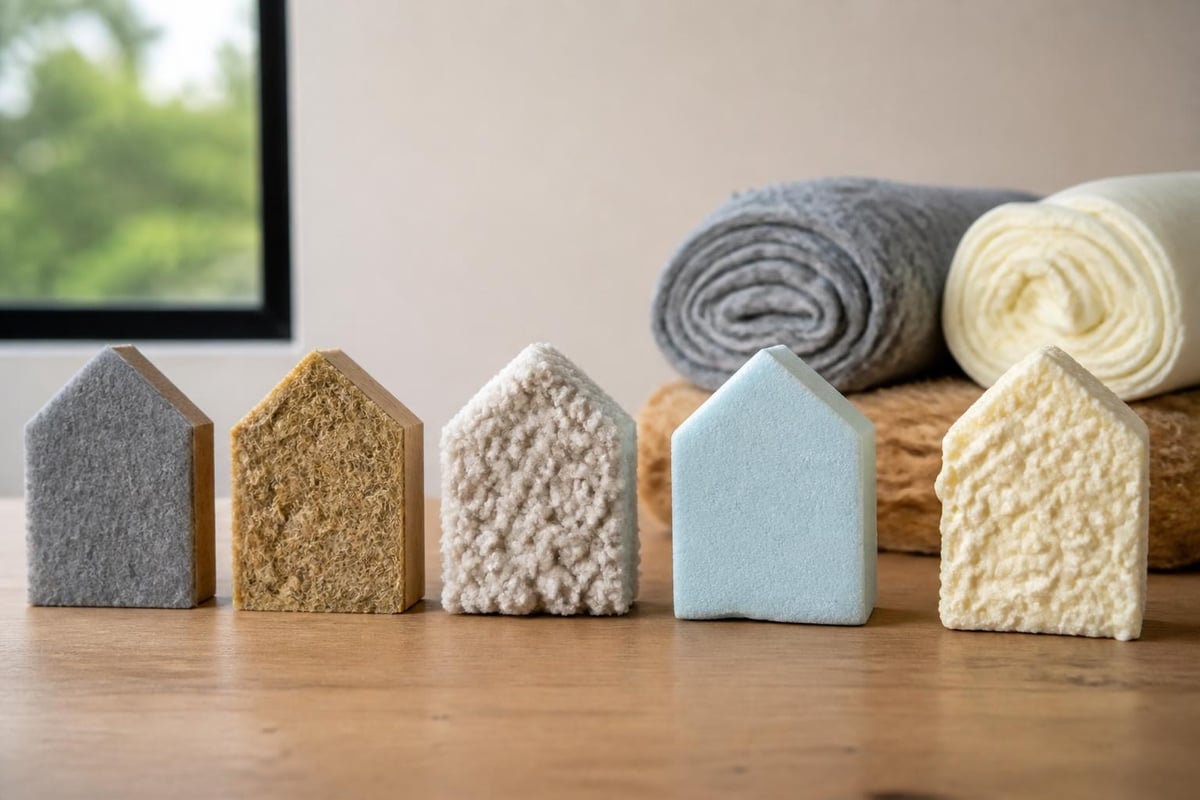
The most common natural insulation materials available in Australia include:
- Sheep's wool: Renewable, breathable, and naturally fire-resistant
- Cellulose: Made from recycled paper products with added fire retardants
- Hemp and cotton: Plant-based fibres with excellent thermal properties
- Cork: Harvested from cork oak trees without harming the tree
- Glasswool: Made from recycled glass and sand, a naturally occurring mineral
Many homeowners don't realise that glasswool insulation, one of the most widely used products in Australian construction, is actually made from natural materials. Modern manufacturing techniques incorporate recycled glass content, making it an increasingly sustainable choice.
The Environmental Benefits
Choosing insulation natural options contributes to reducing embodied energy in your building project. Embodied energy refers to the total energy consumed during the extraction, processing, manufacturing, and transportation of building materials.
Plant-based insulation materials typically have lower embodied energy compared to synthetic alternatives. They also act as carbon sinks, storing carbon dioxide absorbed during the plant's growth phase. This carbon sequestration helps offset greenhouse gas emissions associated with building construction.
Thermal Performance of Natural Insulation
The effectiveness of any insulation material is measured by its R-value, which indicates thermal resistance. Higher R-values mean better insulation performance and greater energy savings.
Natural insulation products available in the Australian market can achieve R-values comparable to synthetic alternatives:
| Material Type | Typical R-Value Range | Thickness for R3.5 | Renewable Source |
|---|---|---|---|
| Sheep's wool | R2.5 - R4.0 | 140-160mm | Yes |
| Cellulose | R2.5 - R4.0 | 140-160mm | Yes (recycled) |
| Hemp fibre | R2.5 - R3.5 | 140-160mm | Yes |
| Glasswool | R1.5 - R8.0 | Various | Partially |
| Cork board | R2.5 - R4.0 | 100-140mm | Yes |
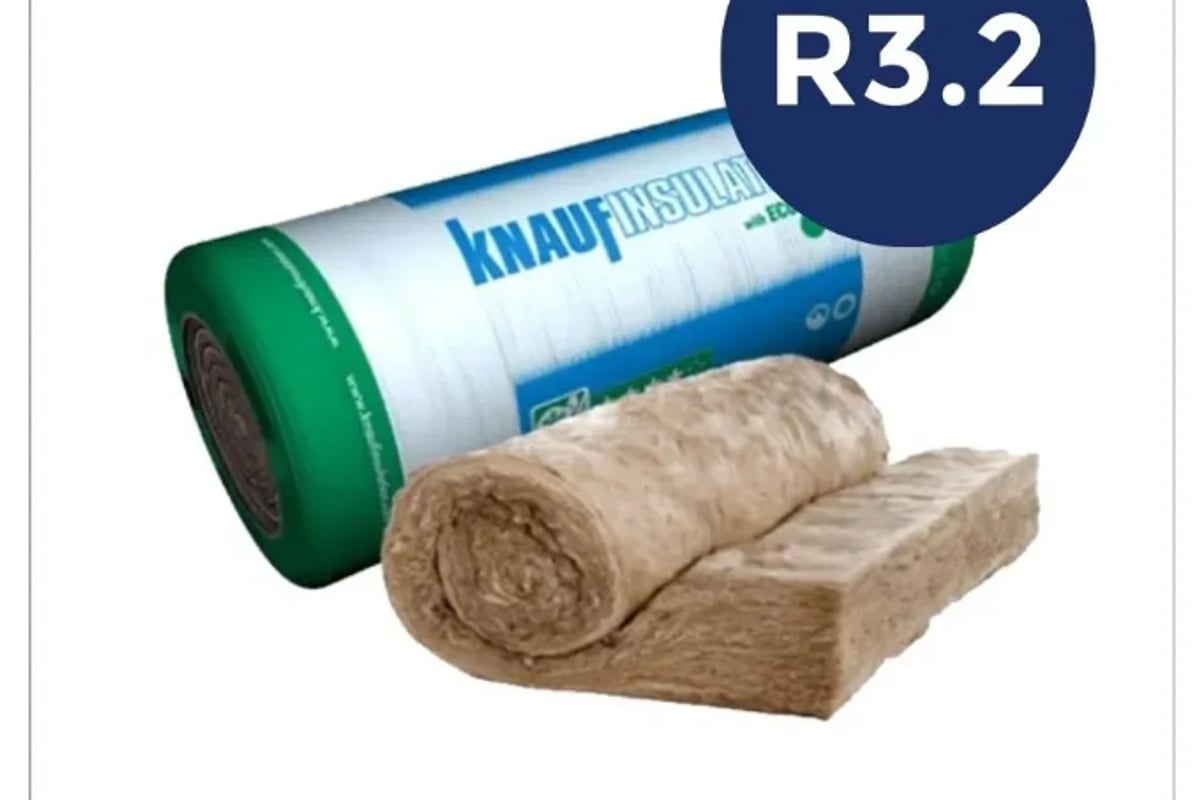
Modern glasswool products manufactured with advanced ECOSE Technology represent an evolution in natural insulation. These products use bio-based binder technology instead of traditional formaldehyde-based binders, making them softer to touch, less dusty, and more environmentally friendly during installation.
How Natural Materials Manage Moisture
One significant advantage of many insulation natural materials is their ability to manage moisture effectively. Unlike some synthetic products that can trap moisture and lose thermal performance when wet, natural fibres like wool and cellulose can absorb and release moisture without permanent damage.
Wool insulation can absorb up to 35% of its weight in moisture while maintaining its insulating properties. This breathability helps regulate humidity levels within wall cavities and roof spaces, reducing the risk of condensation and mould growth.
Research on bio-based thermal insulation materials highlights the engineering advantages of natural biomass insulation, particularly in moisture management and long-term durability.
Popular Natural Insulation Products in Australia
Australian homeowners have access to several high-quality natural and eco-friendly insulation products suited to our climate conditions.
Glasswool with ECOSE Technology
Modern glasswool insulation represents one of the most accessible insulation natural options for Australian homes. Products manufactured with ECOSE Technology use sand and recycled glass as primary ingredients, with bio-based binders replacing traditional chemical formulations.
These products offer excellent thermal performance across all climate zones. The Earthwool range, for example, provides R-values from R2.0 through to R8.0, suitable for walls, ceilings, and underfloor applications. The manufacturing process produces minimal dust and the finished product is soft to handle, making DIY installation more pleasant.
For homeowners concerned about both performance and environmental impact, glasswool with eco-friendly manufacturing technology provides a practical middle ground. These products meet Australian building standards, qualify for energy efficiency incentives, and are readily available through suppliers like Insulation Supplies Australia.
Sheep's Wool Insulation
Sheep's wool insulation is gaining popularity in Australia, particularly among renovators focused on sustainable building practices. The material is naturally flame-resistant due to its high nitrogen and water content, and it doesn't require chemical fire retardants.
Wool fibres have a crimped structure that creates millions of tiny air pockets, providing excellent thermal resistance. The material is also a natural air purifier, capable of absorbing volatile organic compounds (VOCs) and other airborne pollutants.
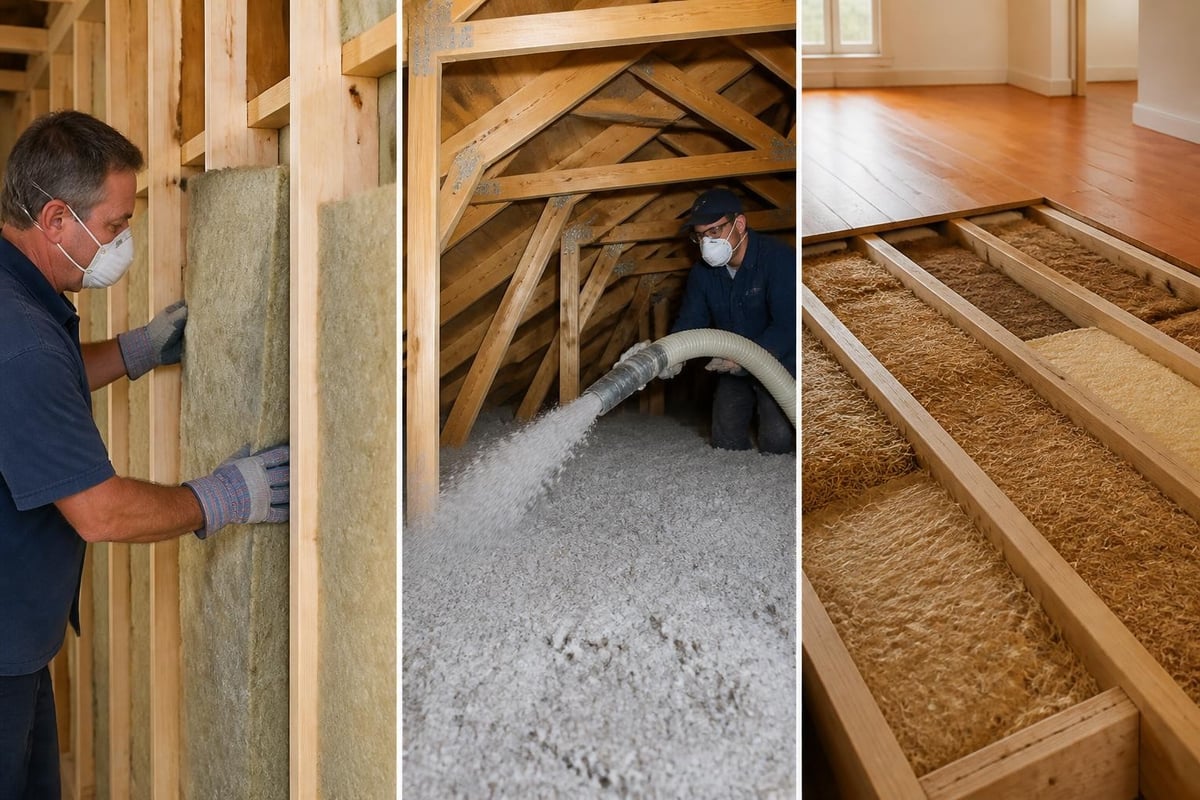
Installation is straightforward, as wool batts can be cut with scissors and fitted between studs and joists. The material maintains its shape over time without sagging or settling.
Cellulose Insulation
Made from recycled newspaper and cardboard, cellulose insulation represents an excellent example of circular economy principles in building products. The material is treated with non-toxic borates for fire and pest resistance.
Cellulose is particularly effective when blown into wall cavities or attic spaces, filling gaps and voids that batt insulation might miss. This comprehensive coverage reduces thermal bridging and improves overall building performance.
The material's density (typically 55-70 kg/m³ when installed) provides good acoustic insulation alongside thermal benefits, making it suitable for noise reduction between rooms or floors.
Installation Considerations for Natural Materials
Working with insulation natural products requires understanding their specific handling and installation requirements. Most natural materials are user-friendly, but each type has particular characteristics.
Safety and Handling
Glasswool products manufactured with ECOSE Technology are significantly less irritating than older formulations. They produce minimal dust and don't require extensive protective equipment, though basic precautions like wearing gloves and a dust mask are still recommended.
Wool insulation is among the safest materials to handle. It doesn't irritate skin and requires no special protective equipment beyond normal work clothing. The material is naturally resistant to mould and doesn't support bacterial growth.
Cellulose should be installed by professionals when using blown-in methods, as proper density and coverage require specialized equipment and expertise. However, it's non-toxic and poses minimal health risks during installation.
Moisture Management During Installation
Ensuring insulation natural materials remain dry during installation is crucial for long-term performance:
- Store materials under cover and off the ground
- Avoid installing during wet weather when possible
- Ensure roof and wall cladding is weather-tight before insulation installation
- Allow wet building materials (concrete, plaster) to cure properly before closing cavities
- Install appropriate vapour barriers or breathable membranes as per building codes
Natural materials' ability to manage moisture doesn't mean they should be deliberately exposed to water. Proper building envelope design and construction sequencing protect the insulation and ensure optimal performance.
Cost Comparison and Long-Term Value
When evaluating insulation natural options, it's important to consider both upfront costs and long-term value. Natural materials sometimes carry higher initial prices than synthetic alternatives, but this premium may be offset by environmental benefits, durability, and performance.
| Cost Factor | Natural Materials | Synthetic Materials | Considerations |
|---|---|---|---|
| Material cost per m² | $8-25 | $5-15 | Varies by R-value and type |
| Installation complexity | Low to moderate | Low to moderate | Blown-in requires professional installation |
| Lifespan | 50-100+ years | 50+ years | Natural materials often more durable |
| Energy savings | High | High | Similar when R-values matched |
| Replacement cost | Low (rare) | Low (rare) | Quality products last building lifetime |
Glasswool products with eco-friendly manufacturing represent excellent value in the Australian market. They offer competitive pricing, proven performance, and increasing environmental credentials as recycled content percentages rise and manufacturing processes improve.
The long-term energy savings from any properly installed insulation far outweigh the difference in material costs. A well-insulated home in Melbourne can save $200-500 annually on heating and cooling costs, regardless of whether the insulation is natural or synthetic.
Where to Use Natural Insulation in Your Home
Different areas of your home have different insulation requirements, and insulation natural products can be effectively used throughout the building envelope.
Ceiling and Roof Spaces
Ceiling insulation provides the greatest return on investment in Australian homes, as heat rises and escapes through the roof. Natural materials perform excellently in this application:
- Glasswool blankets work well in accessible ceiling spaces with standard joist spacing
- Blown cellulose effectively fills irregular spaces and provides comprehensive coverage
- Wool batts offer excellent thermal performance and moisture management
Aim for R4.0 to R6.0 in ceiling spaces, depending on your climate zone. Melbourne and regional Victoria typically require R5.0 or higher for optimal performance.
Wall Insulation
Wall insulation reduces heat transfer through the building's largest surface area. Natural insulation options suit both new construction and retrofit applications:
- Glasswool batts fit easily between standard timber or steel studs
- Blown cellulose works well for retrofit applications in existing walls
- Hemp or wool batts provide excellent performance with natural breathability
Target R2.5 to R3.5 for wall insulation in Victorian homes. Products like Earthwool Sound Shield combine thermal and acoustic performance for quieter, more comfortable living spaces.
Underfloor Insulation
Insulating suspended floors prevents heat loss to the ground and improves comfort in living spaces. Natural materials suitable for underfloor applications include:
- Glasswool batts specifically designed for underfloor installation
- Wool insulation with appropriate coverings to protect from ground moisture
- Reflective foil products combined with natural bulk insulation
Underfloor insulation should achieve R1.5 to R2.5 in most Victorian applications. Proper installation includes securing the insulation to prevent sagging and ensuring adequate ventilation beneath the floor.
Choosing the Right Natural Insulation
Selecting the most appropriate insulation natural product for your project depends on several factors working together.
Climate Zone Requirements
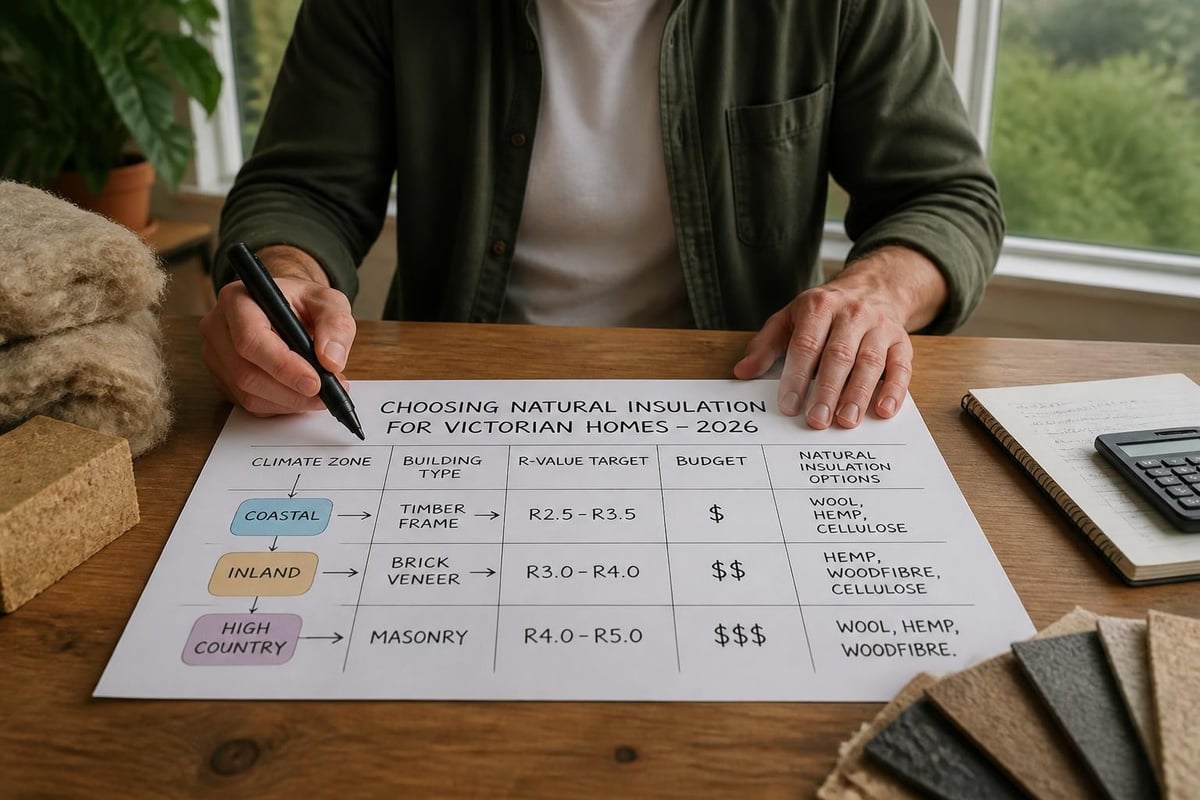
Australia is divided into eight climate zones, each with different insulation requirements. Victoria spans zones 6, 7, and alpine areas, all requiring substantial insulation:
- Zone 6 (Mild temperate): Coastal regions require balanced heating and cooling insulation
- Zone 7 (Cool temperate): Melbourne and most of Victoria need strong winter heating focus
- Alpine areas: Maximum insulation across all building elements
Check the National Construction Code requirements for your specific location to ensure compliance and optimal performance.
Building Type and Construction Method
Your home's construction method influences which insulation natural products work best:
Timber frame construction accommodates standard batts and blankets easily. The cavity size determines the thickness of insulation you can install.
Brick veneer and masonry cavity walls require specific products designed for cavity installation. Materials must be non-absorbent or treated to resist moisture from the exterior leaf.
Lightweight cladding systems over timber or steel frames work well with most natural insulation types, provided appropriate membranes manage condensation risk.
Budget and Installation Method
Be realistic about your budget and installation capabilities:
DIY installation suits batts and blankets that can be cut and fitted by homeowners with basic tools and safety equipment. Glasswool products are particularly user-friendly for DIY work.
Professional installation is worthwhile for blown-in applications, difficult access areas, or when you want guaranteed performance and compliance certification.
Hybrid approaches might see you tackling accessible ceiling spaces yourself while hiring professionals for wall cavity retrofits or complex roof configurations.
Maintaining Natural Insulation Performance
Once installed, insulation natural materials require minimal maintenance but benefit from periodic inspection to ensure continued effectiveness.
Initial Post-Installation Checks
After installation, verify:
- Complete coverage with no gaps or compression
- Proper clearance around recessed lighting and heat sources
- Secure fastening in underfloor applications to prevent sagging
- Appropriate sealing of vapour barriers where required
- Adequate ventilation maintained in roof spaces
These checks ensure your natural insulation performs as designed from day one.
Long-Term Monitoring
Inspect your insulation during routine home maintenance:
Annually check accessible ceiling spaces for any displacement, pest activity, or moisture issues. Natural materials like wool and glasswool resist pests naturally, but severe infestations can occur in any building if conditions are right.
After severe weather events, inspect for any water ingress that might have affected insulation. While natural materials manage moisture better than synthetics, sustained exposure to water requires investigation and potential remediation.
During renovations, take the opportunity to assess insulation condition in areas being opened up. Well-installed natural insulation should maintain its condition and performance for decades without intervention.
When to Consider Replacement or Upgrade
Quality natural insulation products installed correctly should last the lifetime of your home. Consider replacement or upgrading only if:
- Building codes have changed significantly since original installation
- You're undertaking major renovations that expose insulation areas
- Severe moisture damage has occurred (address the source first)
- Energy efficiency incentives make upgrading financially attractive
In most cases, simply adding additional insulation in ceiling spaces provides better return on investment than full replacement of existing materials.
Environmental Certifications and Standards
When selecting insulation natural products, look for credible environmental certifications that verify sustainability claims.
Recognised Australian Standards
Products sold in Australia must meet:
- AS/NZS 4859.1: Sets materials and classification for bulk insulation
- AS/NZS 4200.2: Defines installation requirements for thermal insulation
- Building Code of Australia: Specifies minimum R-values by climate zone
Beyond compliance, several voluntary certifications indicate enhanced environmental performance:
Environmental Product Declarations (EPDs) provide transparent information about a product's environmental impact throughout its lifecycle. Look for EPDs verified by independent third parties.
Green Building Council certifications may apply to products contributing to Green Star-rated buildings, indicating superior sustainability credentials.
Global GreenTag certification assesses products against international best practice for health and environmental factors.
Understanding Green Claims
Be discerning about environmental marketing. Genuine insulation natural products should provide:
- Specific recycled content percentages
- Clear information about renewable materials used
- Manufacturing process details including binder chemistry
- Third-party verified certifications
- Honest disclosure of any chemical treatments for fire or pest resistance
Products manufactured with ECOSE Technology, for example, transparently communicate their bio-based binder content and reduced formaldehyde emissions, providing verifiable environmental benefits beyond basic compliance.
Natural Insulation and Indoor Air Quality
One often-overlooked benefit of insulation natural materials is their contribution to healthy indoor environments.
VOC Emissions and Off-Gassing
Volatile organic compounds (VOCs) are chemicals that evaporate at room temperature, potentially affecting indoor air quality. Traditional synthetic insulation products sometimes contain or emit VOCs through their binders, facing materials, or chemical treatments.
Natural and eco-friendly insulation options typically have:
- Lower VOC emissions: Plant-based and mineral materials don't off-gas synthetic chemicals
- Natural absorption properties: Wool insulation actively absorbs VOCs and other pollutants
- No formaldehyde: Modern bio-based binders eliminate formaldehyde found in older products
- Minimal dust: Reduces airborne particles that affect respiratory comfort
This makes natural insulation particularly suitable for people with chemical sensitivities or those prioritising healthy home environments.
Moisture and Mould Prevention
Natural materials' breathability helps prevent condensation and moisture accumulation that can lead to mould growth:
Wool fibres can absorb and release up to 35% of their weight in moisture without losing insulating properties or promoting mould. This hygroscopic behaviour helps buffer humidity fluctuations.
Cellulose treated with borates naturally resists mould and fungal growth, providing long-term protection against biological degradation.
Modern glasswool doesn't absorb moisture into the fibres themselves, preventing the damp conditions that support mould. Any condensation that forms drains away or evaporates quickly.
Proper installation with appropriate vapour management ensures all insulation types, natural and synthetic, contribute to healthy, mould-free homes.
Government Incentives and Rebates
Australian homeowners can access various incentive programs that make upgrading to insulation natural products more affordable.
Victorian Energy Upgrades (VEU) Program
The VEU program (formerly VEET) provides incentives for installing energy-efficient products including insulation. Eligible activities include:
- Installing ceiling insulation in homes that currently lack adequate insulation
- Upgrading underfloor insulation in specific circumstances
- Adding insulation during major renovations
Participating suppliers and installers handle the paperwork, reducing the upfront cost of your insulation purchase. Check current eligibility criteria as programs evolve.
Federal Government Programs
Commonwealth programs occasionally offer rebates or tax incentives for energy efficiency improvements. These tend to change with government priorities, so check current availability before planning your project.
State and Local Initiatives
Some local councils in Victoria offer sustainability rebates for homeowners undertaking energy efficiency upgrades. These smaller programs can offset costs for materials and professional installation.
Combining available incentives with the long-term energy savings makes investing in quality natural insulation financially attractive for most homeowners.
Making Your Decision
Choosing between different insulation natural options ultimately comes down to balancing performance, environmental values, budget, and practical installation considerations.
Questions to Ask Suppliers
When researching products, ask:
- What is the total recycled and renewable content percentage?
- What R-value do I need for my climate zone and building type?
- How does this product manage moisture?
- What certifications verify the environmental claims?
- Can I install this myself or do I need professional help?
- What is the expected lifespan of this product?
- How does this product compare to alternatives at different price points?
Reputable suppliers provide clear, honest answers backed by product specifications and third-party certifications.
Starting Your Project
Once you've selected your insulation natural products:
Measure accurately: Calculate the area you need to insulate, accounting for wastage and difficult spaces.
Order appropriately: Buy enough material to complete the job without multiple deliveries, but avoid excessive over-ordering.
Prepare the workspace: Ensure safe access to installation areas and appropriate storage for materials.
Follow manufacturer guidelines: Each product has specific installation requirements for optimal performance.
Document your work: Keep records of products used, R-values achieved, and installation dates for future reference and building compliance.
For complex projects or when compliance certification is required, professional installation ensures peace of mind and guaranteed performance.
Selecting insulation natural materials for your home offers an effective way to improve comfort and energy efficiency while supporting environmental sustainability. Whether you choose modern glasswool with bio-based technology, sheep's wool, cellulose, or another natural option, proper product selection and installation deliver decades of reliable thermal performance. Insulation Supplies Australia provides Victorian homeowners with access to quality natural and eco-friendly insulation products, expert guidance to help you choose the right solution for your specific needs, and convenient online ordering with fast delivery across Melbourne and regional Victoria.