
Finding the right insulation for your Melbourne home can feel overwhelming, especially with so many products, R-values, and installation methods to choose from. Whether you're building new, renovating, or upgrading an older property, proper insulation is one of the smartest investments you can make. It keeps your home comfortable year-round, slashes energy bills, and reduces your carbon footprint. Melbourne's unique climate demands specific insulation solutions that perform well in hot summers and cool winters. This guide walks you through everything you need to know about insulation Melbourne homeowners should consider, from product types and R-values to practical buying tips and trusted suppliers.
Why Melbourne Homes Need Quality Insulation
Melbourne's weather is famously unpredictable. You might experience four seasons in one day, and that variability puts serious demands on your home's thermal performance. Without proper insulation, your heating and cooling systems work overtime, driving up energy costs and making rooms uncomfortable.
Quality insulation creates a thermal barrier that keeps warm air inside during winter and blocks heat from entering during summer. This means:
- Lower energy bills: Reduce heating and cooling costs by up to 45%
- Year-round comfort: Maintain stable indoor temperatures regardless of outdoor conditions
- Reduced environmental impact: Less energy consumption means lower greenhouse gas emissions
- Improved property value: Energy-efficient homes are increasingly attractive to buyers and tenants
The Victorian Government's approach to energy efficiency highlights insulation as the foundation of comfortable, sustainable housing. For Melbourne homeowners, it's not just about meeting minimum standards but choosing products that genuinely enhance liveability.
Understanding R-Values for Melbourne's Climate
R-values measure thermal resistance-the higher the number, the better the insulation performs. Choosing the right R-value for your Melbourne home depends on where you're installing insulation and what you want to achieve.
Recommended R-Values by Application
Melbourne falls into Climate Zone 6 under the National Construction Code, which sets specific thermal performance requirements. Here's what works best:
| Application | Minimum R-Value | Recommended R-Value |
|---|---|---|
| Ceiling | R3.5 | R5.0–R6.0 |
| Walls | R1.5 | R2.5–R2.7 |
| Underfloor | R1.0 | R2.0–R2.5 |
| Roof (under metal) | R3.0 | R3.5–R4.0 |
Going beyond the minimum often delivers the best long-term value. Ceiling insulation with R6.0 might cost more upfront, but it significantly outperforms R3.5 during Melbourne's 40-degree summer days and frosty winter mornings.
Matching R-Values to Your Goals
If you're renovating on a budget, prioritise the ceiling first. That's where most heat escapes in winter and enters in summer. Then consider wall insulation for added comfort, especially in rooms facing north or west. Underfloor insulation is essential for homes with suspended timber floors, as cold air rising from below makes living spaces uncomfortable and expensive to heat.
Types of Insulation for Melbourne Homes
Walking into an insulation supplier-online or in person-can be daunting when you see dozens of products. Let's break down the most common types and where they work best.
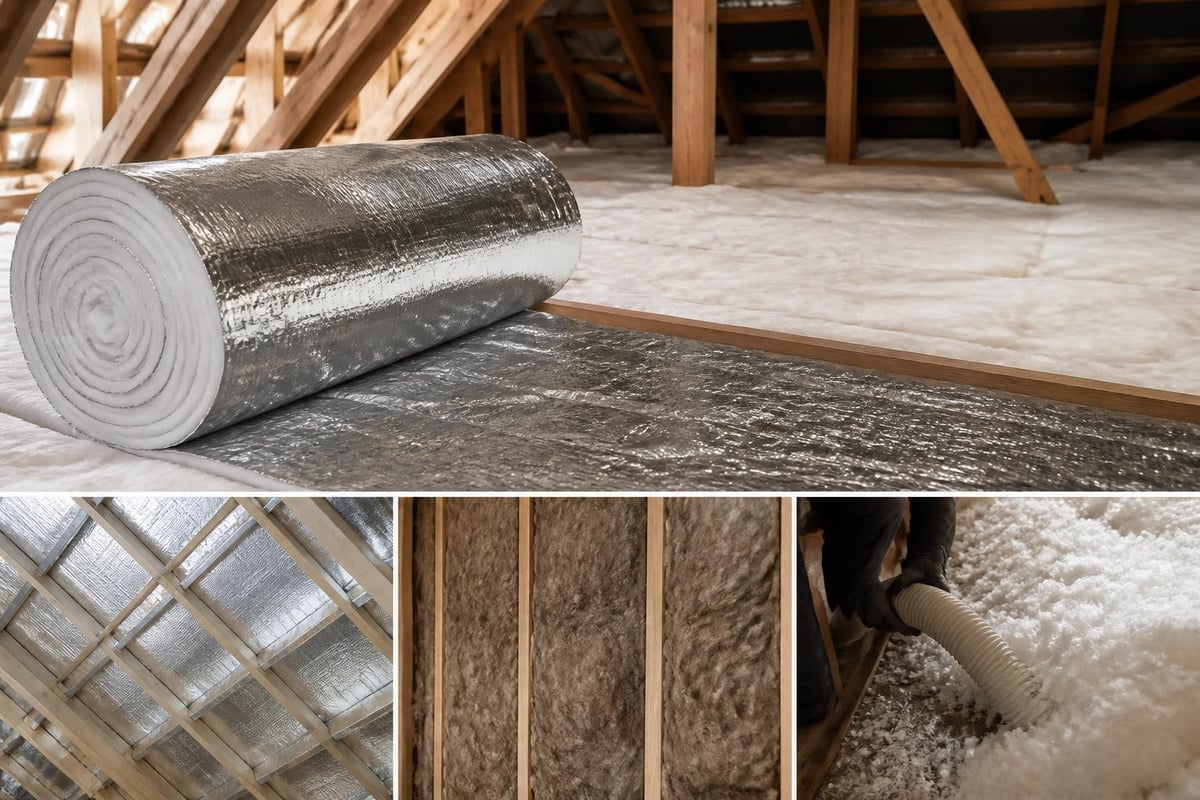
Glasswool Batts and Blankets
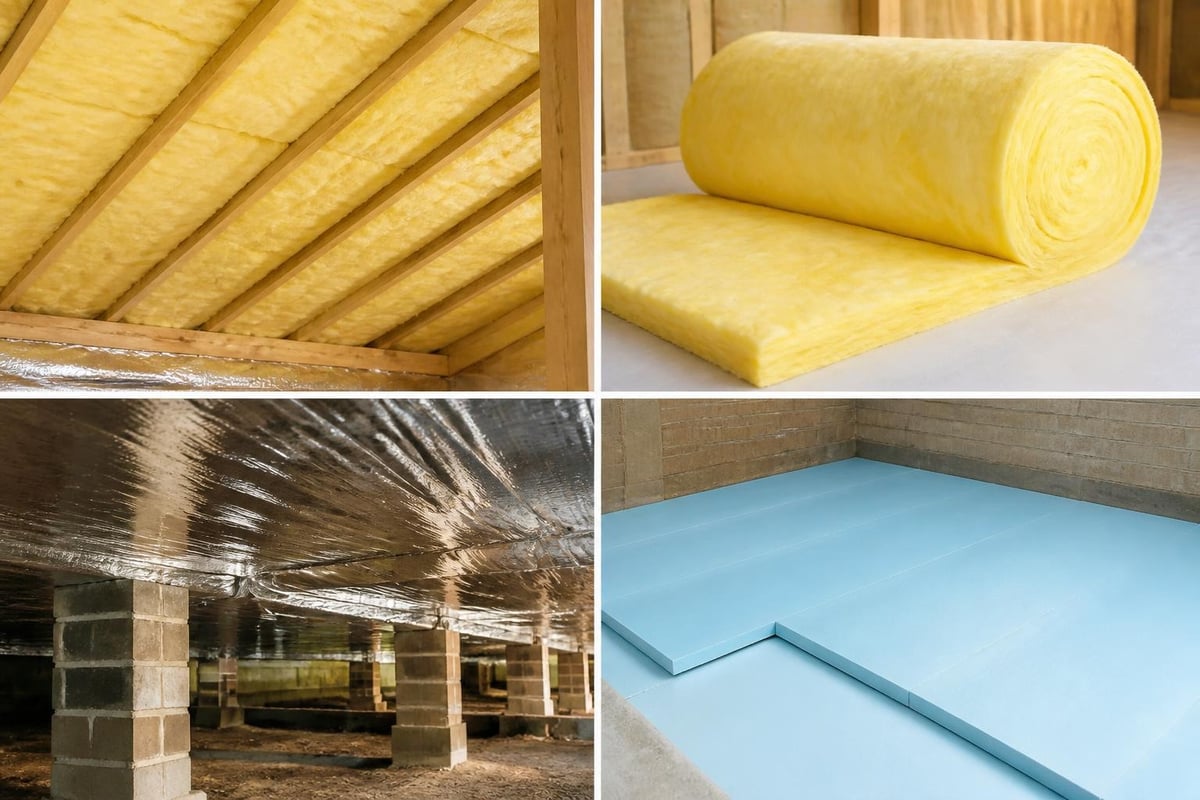
Glasswool is one of the most popular choices for Melbourne insulation projects. It's affordable, effective, and available in a wide range of R-values. Glasswool batts fit snugly between wall studs and ceiling joists, while blankets (rolls) cover larger areas quickly.
Benefits:
- Excellent thermal and acoustic performance
- Fire-resistant and non-combustible
- Easy to cut and install for DIY renovators
- Made from recycled materials (often 80%+ recycled glass)
Best for: Ceilings, walls, and underfloor applications in new builds and retrofits.
For acoustic projects, high-density glasswool like Knauf Earthwool Sound Shield R4.0 provides superior noise reduction alongside thermal benefits. It's ideal for multi-storey homes, home theatres, or rooms facing busy streets.
Polyester Batts
Polyester batts are lightweight, hypoallergenic, and free from irritating fibres. They're a great option if you're installing insulation yourself and want a product that's comfortable to handle.
Benefits:
- Soft, non-itchy, and safe to touch
- Moisture-resistant and won't sag over time
- Good thermal and acoustic performance
- 100% recyclable
Best for: Ceiling and wall installations where ease of handling matters, or in homes with sensitive occupants.
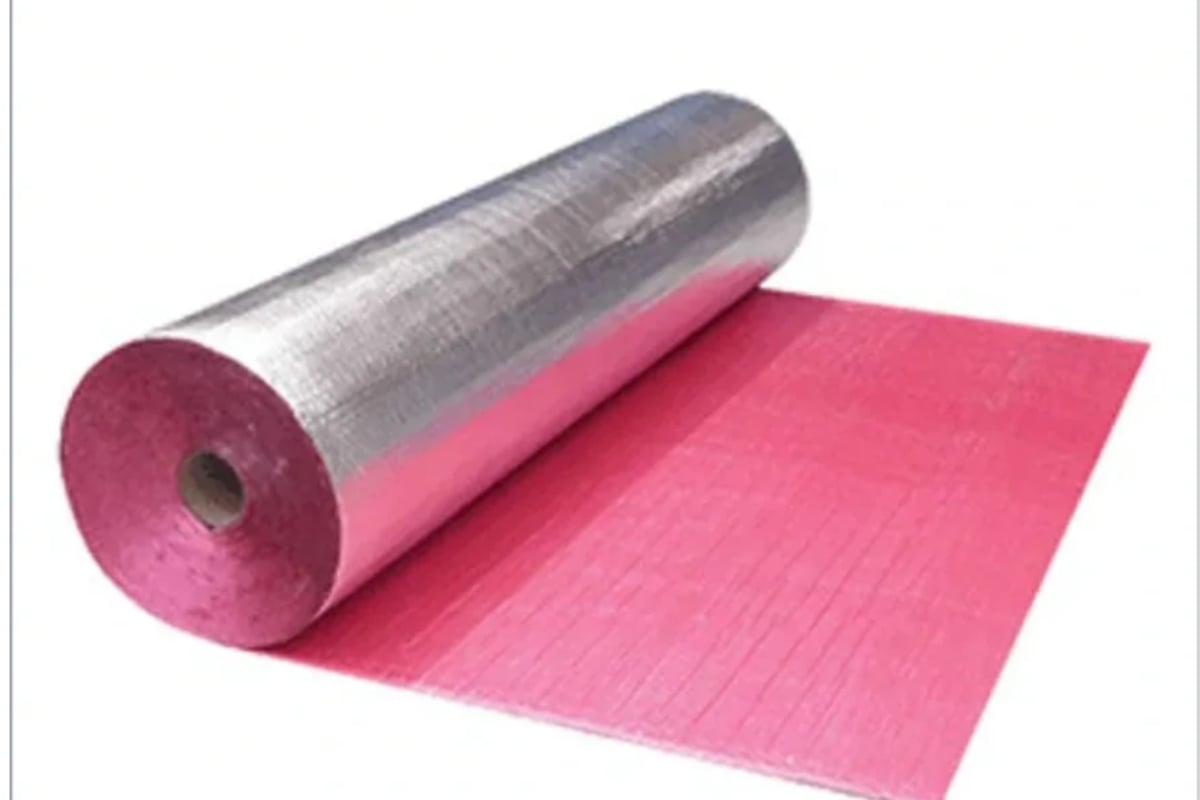
Reflective Foil and Underfloor Wraps
Reflective foil insulation works differently from bulk products like batts. It reflects radiant heat rather than absorbing it, making it particularly effective in roof spaces and under floors.
For suspended timber floors common in older Melbourne homes, underfloor wraps reduce draughts and prevent cold air from rising. Products like the Sancell Breeze Underfloor 500-3 combine a reflective barrier with thermal resistance, helping you maintain warmer floors and lower heating costs throughout winter.
Rigid Foam Boards (XPS and EPS)
Rigid boards made from extruded polystyrene (XPS) or expanded polystyrene (EPS) deliver high thermal performance in compact thickness. They're ideal for applications requiring compressive strength, moisture resistance, or limited space.
Common uses:
- Under concrete slabs
- External wall cladding systems
- Insulating basements or subfloors
- Cold rooms and commercial fit-outs
Rigid boards like XPS offer excellent moisture resistance, making them suitable for wet areas or below-ground installations where other insulation types might fail.
Choosing the Right Insulation for Each Part of Your Home
Every room and structural element in your home has different insulation needs. Here's how to approach each area for maximum comfort and efficiency.
Ceiling and Roof Insulation
Your ceiling is the most critical area to insulate. Heat rises, so uninsulated ceilings let warmth escape in winter and become unbearably hot in summer when the roof absorbs direct sunlight.
For Melbourne homes:
- Aim for at least R5.0 in ceilings, preferably R6.0 or higher
- Use R3.5–R4.0 blankets under metal roofing to reduce radiant heat
- Consider high-density batts for improved acoustic control
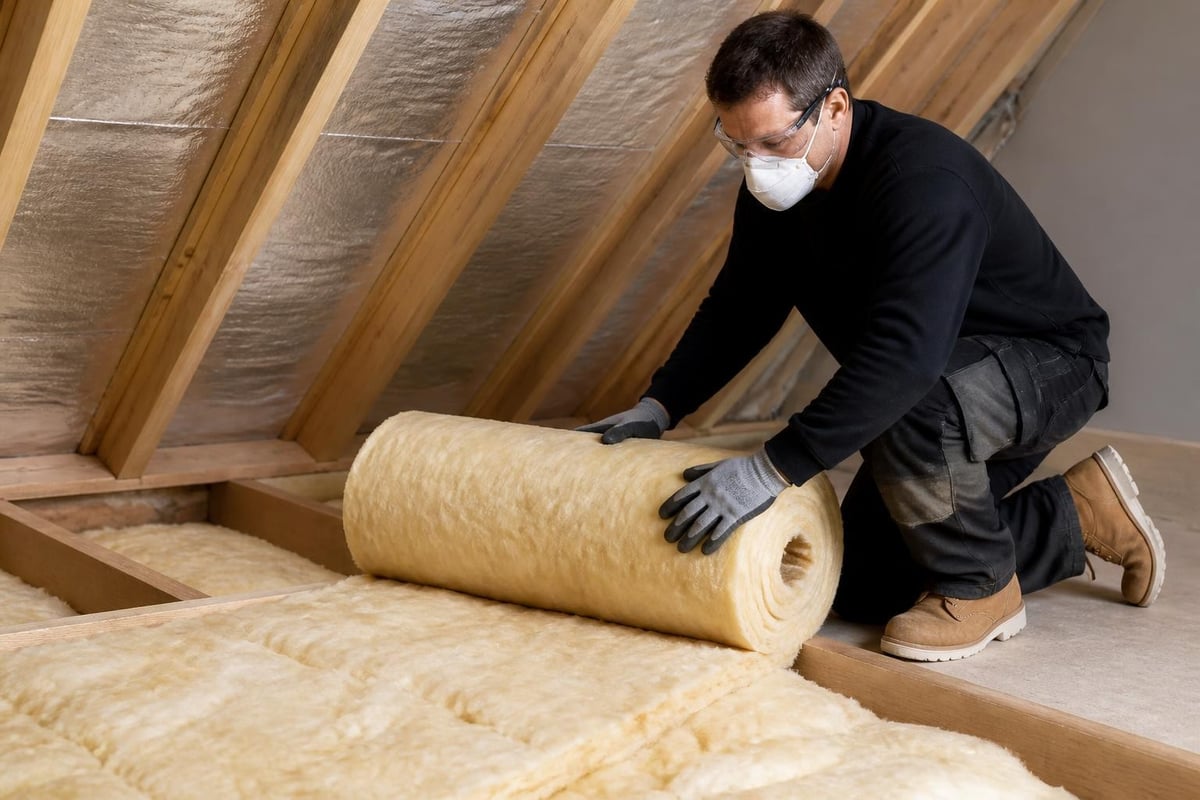
Installing ceiling insulation is one of the easiest DIY projects, but always follow safety guidelines: wear protective gear, avoid disturbing electrical wiring, and ensure adequate ventilation in roof spaces.
Wall Insulation
Insulating walls improves comfort and reduces noise, especially in multi-storey homes or properties close to neighbours and roads. Wall cavities in brick veneer construction are perfect for retrofit insulation.
Key considerations:
- Use R2.5–R2.7 batts for standard wall cavities
- Check for moisture issues before insulating older walls
- Ensure batts fit snugly without compressing (compression reduces R-value)
- Install breathable wall wraps to manage condensation
The Sustainability Victoria guide on wall insulation offers detailed advice on retrofitting different wall types common in Melbourne and regional Victoria.
Underfloor Insulation
Cold floors are a major comfort issue in Melbourne homes, particularly those built on stumps or with suspended timber floors. Underfloor insulation stops draughts, reduces heat loss, and makes living spaces feel warmer without cranking up the heater.
Recommended products:
- R2.0–R2.5 batts specifically designed for underfloor use
- Reflective wraps that combine thermal resistance with draught-proofing
- Moisture-resistant materials if the subfloor area is damp
Proper installation is crucial. Secure batts firmly to prevent sagging, and ensure no gaps where cold air can enter.
Where to Buy Insulation in Melbourne
Melbourne homeowners have several options when it comes to purchasing insulation, but not all suppliers offer the same level of service, expertise, or value.
Online Insulation Suppliers
Buying insulation online has become increasingly popular, offering convenience, competitive pricing, and a wider product range than most physical stores. Insulation Supplies Australia specialises in helping Melbourne homeowners, renovators, and builders find the right products quickly and easily.
Advantages of buying online:
- Compare products and R-values side by side
- Access detailed product specifications and installation guides
- Order from home and arrange delivery to your site
- Competitive pricing without retail overheads
- Expert advice available via phone or email
Hardware Chains
Large hardware retailers stock common insulation products, but their range is often limited to a few R-values and brands. Staff expertise varies, and you may not get the tailored advice needed for complex projects.
Trade Suppliers
Trade-focused suppliers typically require an account and cater to builders rather than DIY homeowners. Pricing can be competitive for bulk orders, but smaller quantities may not offer the same value.
How Much Insulation Do You Need?
Calculating the right amount of insulation is straightforward once you know your room dimensions and the product's coverage area.
Step-by-Step Calculation
- Measure the area you're insulating (length × width in metres)
- Check product coverage listed on the product page (e.g., 16.2m² per pack)
- Divide your area by coverage to determine the number of packs needed
- Add 5–10% extra to account for cuts, odd shapes, and wastage
For example, insulating a 50m² ceiling with batts covering 10m² per pack requires 5 packs, but purchasing 6 packs gives you a buffer for cutting around light fittings and roof penetrations.
| Room Size | Coverage Needed | Example Product | Packs Required |
|---|---|---|---|
| 30m² | 30m² + 5% | 10m² per pack | 4 packs |
| 60m² | 63m² + 5% | 15m² per pack | 5 packs |
| 100m² | 105m² + 5% | 20m² per pack | 6 packs |
Installation Tips for Melbourne DIY Renovators
Installing insulation is a manageable DIY task for most homeowners, but doing it correctly makes a significant difference to performance and safety.
Safety First
- Wear protective clothing: Long sleeves, gloves, safety glasses, and a dust mask
- Avoid electrical hazards: Never cover downlights or electrical cables without proper clearance
- Work in daylight: Roof spaces can be dark and difficult to navigate
- Stay hydrated: Roof cavities get extremely hot in summer
Installation Best Practices
- Don't compress batts: Squashing insulation reduces its R-value significantly
- Fill gaps completely: Even small gaps let air flow through, reducing effectiveness
- Secure underfloor batts properly: Use staples, wire, or plastic ties to prevent sagging
- Seal around penetrations: Pipes, vents, and electrical fittings need careful attention
- Ventilate roof spaces: Adequate airflow prevents moisture build-up and maintains product longevity
For detailed installation advice, visit the Insulation Supplies Australia installation guide, which covers common applications and troubleshooting tips.
Insulation and Victoria's Energy Efficiency Standards
Victoria is leading Australia in energy efficiency reforms, with new regulations impacting rental properties, new builds, and renovations. Understanding these requirements helps you stay compliant and make informed decisions.
Rental Property Standards
From 2026, all rental properties in Victoria must meet minimum energy efficiency standards. Landlords will need to ensure adequate ceiling insulation is installed, with specific R-values depending on the climate zone.
The Victorian Government's regulatory impact assessment provides comprehensive details on compliance timelines and requirements. For landlords, retrofitting insulation now improves tenant comfort, reduces vacancy rates, and ensures compliance before enforcement begins.
Building Code Requirements
New homes must comply with the National Construction Code (NCC), which sets minimum thermal performance standards. In Melbourne (Climate Zone 6), this typically requires:
- Ceiling: R5.0 minimum
- Walls: R1.5–R2.0 depending on construction type
- Floors: R1.0 for suspended floors
Exceeding these minimums delivers better comfort and energy savings. The Energy Efficiency Council's support for insulation programs emphasises the importance of quality installation and certified products for long-term performance.
Insulation and Energy Bills: What to Expect
One of the biggest questions homeowners ask is, "How much will insulation save me?" While exact savings depend on your home's size, construction, and existing efficiency, the impact is substantial.
Real Savings in Melbourne Homes
According to CSIRO research on climate-ready Australian homes, a thermal-first approach-prioritising insulation before upgrading heating and cooling systems-delivers the best return on investment.
Typical savings include:
- Heating costs: Reduced by 30–45% in winter
- Cooling costs: Reduced by 20–40% in summer
- Overall energy use: Up to 50% reduction in some cases
A Melbourne household spending $2,000 annually on heating and cooling could save $600–$900 per year with comprehensive insulation across ceilings, walls, and floors. Payback periods typically range from 3–7 years, after which the savings accumulate year after year.
Comfort Beyond Dollars
While energy bill reductions are easy to measure, insulation's comfort benefits are equally valuable. Stable indoor temperatures mean:
- Fewer draughts and cold spots
- Quieter indoor environments (especially with acoustic insulation)
- Less reliance on heating and cooling systems
- Healthier indoor air quality
Common Insulation Mistakes to Avoid
Even experienced DIY renovators sometimes make errors that reduce insulation performance or create safety hazards. Here are the most common mistakes and how to avoid them.
Compressing Insulation
Squashing batts to fit into tight spaces or packing too much insulation into cavities reduces the R-value. Insulation works by trapping air-compression removes air pockets and makes the product less effective.
Solution: Choose the correct thickness for your application and never force batts into undersized spaces.
Leaving Gaps
Small gaps around insulation batts allow air to flow through, creating thermal bridges that reduce overall performance. Even a 5% gap can reduce effectiveness by 20–30%.
Solution: Measure carefully, cut batts accurately, and fill all spaces completely.
Ignoring Moisture Issues
Installing insulation over damp walls or in poorly ventilated roof spaces traps moisture, leading to mould, rot, and product degradation.
Solution: Fix leaks, improve ventilation, and choose moisture-resistant products for high-risk areas.
Covering Downlights Incorrectly
Covering recessed lights (downlights) with insulation creates a fire hazard unless they're rated for direct contact. Most older downlights require 50–100mm clearance.
Solution: Upgrade to IC-rated downlights or install protective covers designed for insulation.
Finding the Right Insulation Supplier in Melbourne
Choosing where to purchase your insulation is just as important as choosing the product itself. A trusted supplier provides expert advice, quality products, and reliable service.
What to Look For
- Wide product range: Access to multiple brands, R-values, and applications
- Expert guidance: Staff who understand Melbourne's climate and building requirements
- Competitive pricing: Fair prices without sacrificing quality
- Fast delivery: Reliable delivery schedules to keep your project on track
- Clear product information: Detailed specifications, installation guides, and safety data
Insulation Supplies Australia ticks all these boxes, offering Victoria's widest range of insulation products online with expert support and fast, affordable delivery across Melbourne and regional areas.
Why Online Ordering Makes Sense
Shopping online for insulation saves time, simplifies comparison, and often delivers better pricing than traditional retail. You can:
- Browse popular insulation products by R-value or application
- Read detailed specifications and installation notes
- Calculate exactly how much you need
- Order from your desk and have it delivered to your job site
Insulation for Different Melbourne Home Types
Not all Melbourne homes are built the same, and insulation strategies vary depending on your home's age, design, and construction materials.
Weatherboard and Timber Homes
Older weatherboard homes often lack wall insulation entirely. Retrofitting wall batts improves comfort dramatically but requires careful planning to avoid moisture issues. Ensure external cladding is weatherproof and consider breathable wall wraps.
Brick Veneer
Brick veneer construction-a timber frame with a brick exterior-is common in Melbourne suburbs. The cavity between the brick and frame is ideal for retrofit insulation using injection foam or batts installed during construction.
Double-Brick Homes
Solid double-brick walls are harder to insulate without major renovation. Focus on ceilings, underfloor, and adding internal lining with insulation if you're replastering.
Modern Builds
New homes must comply with current NCC standards, but builders often install minimum-spec insulation. Upgrading to higher R-values during construction costs relatively little and delivers long-term benefits.
Sustainability and Insulation Choices
As environmental awareness grows, more Melbourne homeowners are choosing insulation products based on sustainability credentials alongside performance.
Eco-Friendly Insulation Options
Many modern insulation products are manufactured from recycled materials:
- Glasswool: Typically 80%+ recycled glass
- Polyester batts: Often made from recycled plastic bottles
- Reflective foil: Aluminium can be recycled indefinitely
Products like Knauf Earthwool use ECOSE® technology, a bio-based binder that reduces embodied energy and eliminates formaldehyde.
Long-Term Environmental Impact
Quality insulation reduces your home's carbon footprint by lowering energy consumption. A well-insulated Melbourne home uses less electricity and gas, reducing greenhouse gas emissions year after year. Over a 50-year lifespan, the carbon savings far exceed the embodied energy of manufacturing the insulation.
Planning Your Insulation Project
Before placing an order or starting installation, take time to plan your project properly. This ensures you buy the right products, stay within budget, and complete the work efficiently.
Project Checklist
- Identify all areas needing insulation (ceiling, walls, underfloor)
- Measure each area accurately
- Choose appropriate R-values for each application
- Calculate quantities with a 5–10% buffer
- Check for existing issues (moisture, electrical, ventilation)
- Gather tools and safety equipment
- Arrange delivery to suit your installation timeline
- Review installation guides before starting work
For complex projects or multi-area installations, consider breaking the work into stages. Prioritise the ceiling first for maximum impact, then move to walls and underfloor as time and budget allow.
Choosing the right insulation for your Melbourne home doesn't have to be complicated. Focus on appropriate R-values for your climate, select quality products that match your application, and install them correctly for long-lasting comfort and energy savings. Whether you're upgrading an older home, renovating, or building new, Insulation Supplies Australia offers Victoria's widest range of insulation solutions with expert advice, competitive pricing, and fast delivery across Melbourne. Browse our collections online, compare products, and order with confidence knowing you're getting the right insulation for your home.