

Insulation foil is one of the most versatile and practical insulation solutions for Australian homes, yet it's often misunderstood or overlooked. This reflective barrier works differently from traditional bulk insulation, focusing on radiant heat rather than conductive or convective heat transfer. Whether you're insulating an underfloor area, installing a sarking layer beneath your roof, or creating a vapour barrier, understanding how insulation foil works and where to use it can significantly improve your home's thermal performance and comfort. This guide walks you through everything you need to know about reflective foil insulation in 2026.
What Is Insulation Foil and How Does It Work
Insulation foil, also called reflective foil insulation or reflective barrier, is a lightweight material typically made from aluminium foil laminated to reinforcing layers such as plastic film, paper, or woven fabric. Unlike traditional bulk insulation materials that slow heat transfer through trapped air pockets, insulation foil reflects radiant heat away from living spaces.
Understanding Radiant Heat Transfer
Radiant heat travels in straight lines and warms solid objects without heating the air between them. In Australian homes, radiant heat accounts for a significant portion of summer heat gain through roofs and can also contribute to winter heat loss. When sunlight strikes your roof, it heats the roof material, which then radiates heat downward into your ceiling cavity.
Reflective foil barriers work by:
- Reflecting up to 97% of radiant heat away from the reflective surface
- Creating an air gap that prevents heat conduction
- Reducing temperature differentials between building materials
- Blocking moisture movement when properly installed
The effectiveness of insulation foil depends heavily on the presence of an air gap adjacent to the reflective surface. Without this air space, the foil cannot reflect radiant heat effectively and may conduct heat through direct contact with other materials.
Types of Reflective Foil Insulation Products
The Australian insulation market offers several types of insulation foil products, each designed for specific applications and building scenarios. Understanding these variations helps you select the right product for your project.
| Product Type | Construction | Primary Use | Key Features |
|---|---|---|---|
| Single-sided foil | Foil + reinforcing layer | Sarking, wall wraps | Economical, vapour permeable options available |
| Double-sided foil | Foil + core + foil | Underfloor, walls | Enhanced reflective performance |
| Bubble foil | Foil + bubble wrap + foil | Sheds, temporary structures | Includes minimal bulk insulation |
| Foil-faced batts | Bulk insulation + foil facing | Combined systems | Bulk + reflective benefits |
Underfloor Reflective Insulation
Underfloor applications represent one of the most popular uses for insulation foil in Victorian homes. When installed beneath suspended timber floors, reflective foil reduces heat loss in winter and blocks moisture movement from the ground. The Underfloor Wrap Reflective Foil Insulation combines reflective performance with practical installation features, making it ideal for DIY renovators tackling underfloor insulation projects.
Roof Sarking and Ceiling Applications
Roof sarking using insulation foil creates a secondary barrier against heat gain while also providing protection from dust, moisture, and air infiltration. When combined with ceiling insulation, reflective sarking significantly improves overall thermal performance and can contribute to condensation management in roof spaces.
Where to Use Insulation Foil in Your Home
Strategic placement of insulation foil maximises its reflective benefits and contributes to whole-house thermal performance. Different areas of your home require specific installation approaches and product selections.
Suspended Floor Systems
Installing insulation foil beneath suspended timber floors addresses two common problems: cold floors in winter and moisture intrusion from beneath the building. The foil should be installed with the reflective surface facing upward toward the floor joists, creating an air gap between the foil and the floorboards above.
Installation considerations include:
- Maintaining minimum 25mm air gap above the foil surface
- Ensuring adequate ventilation to prevent moisture accumulation
- Supporting the foil without compression or sagging
- Sealing overlaps with appropriate tape to maintain vapour barrier
For homes in Melbourne and regional Victoria, underfloor insulation foil makes a noticeable difference to comfort levels during cold months while also protecting floor framing from ground moisture.
Roof and Ceiling Spaces
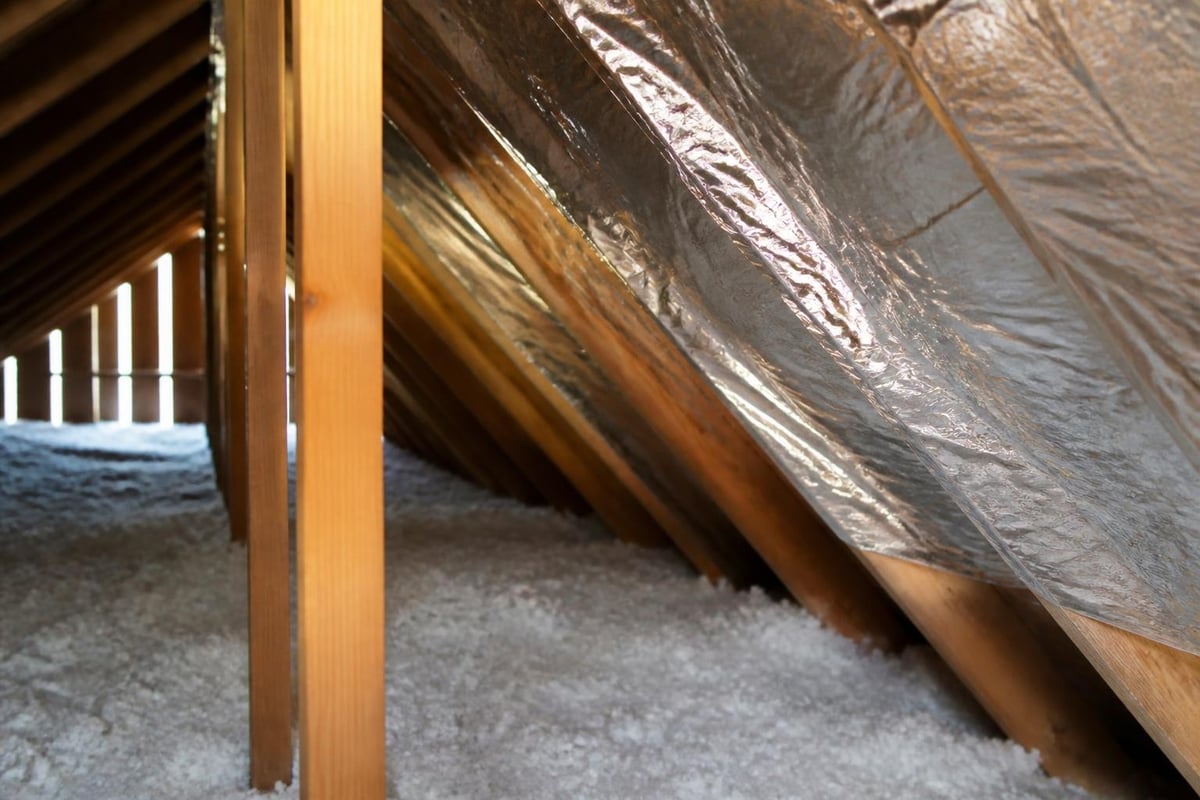
In roof applications, insulation foil typically serves as sarking installed over roof rafters or trusses, beneath the roofing material. This placement intercepts radiant heat before it enters the roof cavity, reducing the load on ceiling insulation below.
The air gap between the foil and the roofing material is critical. Metal roofs can reach extremely high temperatures during summer, and the reflective surface of properly installed sarking reflects much of this radiant heat back toward the roof before it enters the building envelope.
Wall Cavities and Wraps
Some wall insulation systems incorporate insulation foil as a vapour barrier or secondary thermal layer. In cavity wall construction, reflective foil can be positioned behind wall cladding with an air gap, though this application requires careful consideration of moisture management and condensation risks.
Wall wraps with reflective foil facing can also serve as weatherproof barriers while contributing modest thermal benefits, particularly in lightweight wall constructions common in Victorian homes.
R-Values and Thermal Performance of Foil Insulation
Understanding how insulation foil thermal performance is measured and reported helps you make informed decisions when comparing products or designing insulation systems.
How R-Values Are Determined for Reflective Products
Unlike bulk insulation where R-values are inherent material properties, reflective foil insulation R-values depend on system configuration. The thermal resistance comes from the air gap adjacent to the reflective surface, not from the foil material itself.
Factors affecting reflective foil R-value:
- Air gap dimension (typically 25mm minimum)
- Heat flow direction (up, down, or horizontal)
- Emissivity of facing materials
- Number of reflective surfaces in the system
A single reflective foil surface with a 25mm air gap might contribute R0.6 for downward heat flow but only R0.3 for upward heat flow. This directional variation is important when planning insulation for different seasons and applications.
Combining Foil with Bulk Insulation
Maximum thermal performance typically comes from combining reflective insulation foil with bulk insulation products. This approach addresses multiple heat transfer mechanisms simultaneously.
For example, installing reflective sarking beneath your roof combined with R3.7 ceiling insulation provides both radiant heat reflection and conductive/convective resistance. The total system R-value equals the sum of individual components when properly installed with required air gaps.
| Configuration | Typical Total R-Value | Best Application |
|---|---|---|
| Foil only (with air gap) | R0.3 to R0.6 | Supplementary barrier |
| Foil + R2.5 batts | R3.1 to R3.3 | Moderate climate zones |
| Foil + R4.0 batts | R4.6 to R4.8 | High-performance ceiling systems |
| Double foil + R6.0 batts | R7.2+ | Premium insulation systems |
Installation Best Practices for Reflective Foil
Proper installation determines whether insulation foil delivers its intended thermal benefits or becomes an expensive building material with minimal performance. Following proven installation methods ensures your investment pays off through improved comfort and energy efficiency.
Creating and Maintaining Air Gaps
The air gap is non-negotiable for reflective foil performance. Without it, the foil conducts heat through direct contact rather than reflecting it across the air space. Minimum air gap dimensions vary by application but generally require at least 25mm.
Methods for maintaining air gaps include:
- Installing battens or spacers between foil and adjacent materials
- Using purpose-designed clips or hangers for underfloor applications
- Ensuring foil doesn't sag or touch other building elements
- Checking installation periodically to verify gaps remain clear
In underfloor installations, supporting the foil with appropriate spacing ensures it doesn't droop and contact the ground or building substructure. Simple timber battens or proprietary support systems work well for this purpose.
Sealing Joints and Overlaps
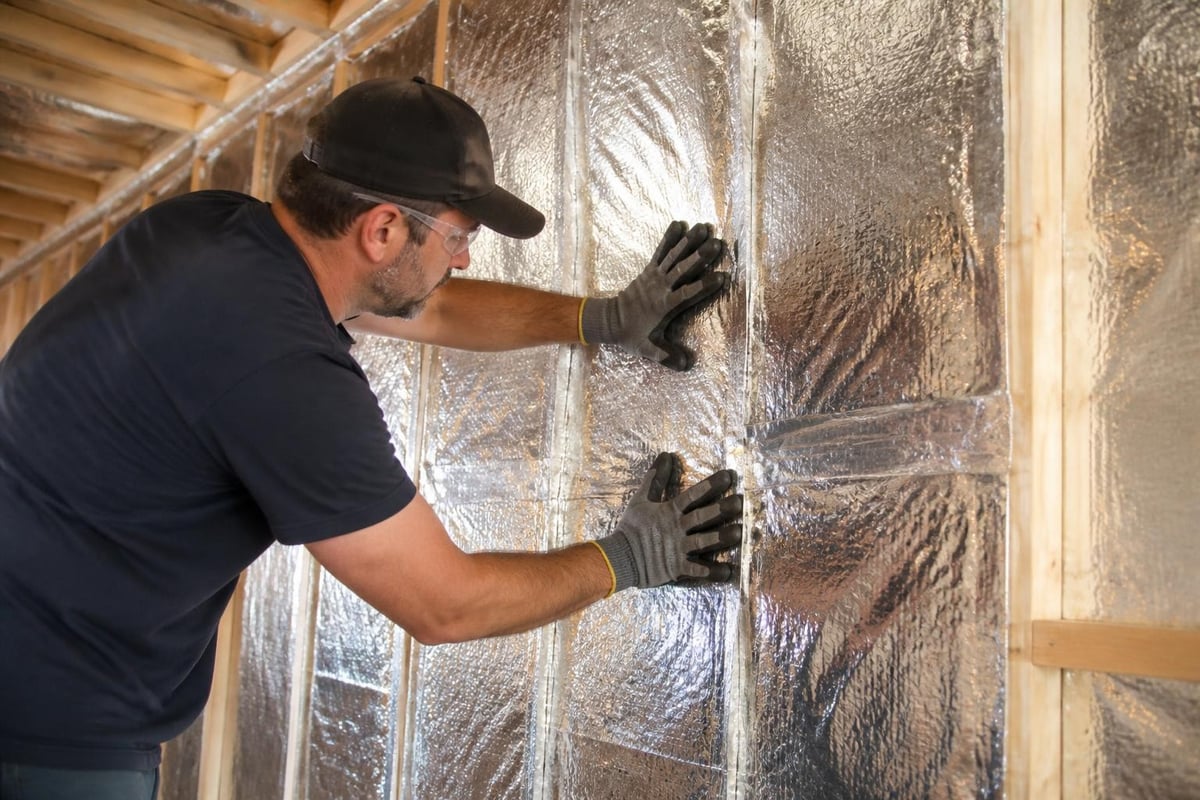
Creating a continuous reflective barrier requires careful attention to joints, overlaps, and penetrations. Most manufacturers recommend 100-150mm overlap at joins, sealed with appropriate aluminium foil tape.
Penetrations for services, vents, or structural elements need special attention. These gaps can significantly reduce overall thermal performance and create pathways for moisture intrusion or air leakage.
Safety Considerations During Installation
Working with insulation foil, particularly in underfloor areas or roof spaces, presents several safety challenges that require appropriate precautions.
- Electrical safety: Never install foil insulation near live electrical wiring or components. Aluminium foil conducts electricity and can create serious shock or electrocution hazards.
- Sharp edges: Cut edges of foil can be sharp. Wear gloves and handle materials carefully.
- Confined spaces: Underfloor and roof cavity work often involves cramped conditions with limited ventilation.
- Working at heights: Roof sarking installation requires appropriate fall protection and access equipment.
When in doubt about electrical clearances or structural requirements, consult a licensed professional. The modest cost of expert advice far outweighs the risks of improper installation.
Common Mistakes to Avoid with Insulation Foil
Even experienced DIYers and some professional installers make preventable errors that compromise insulation foil performance. Recognising these common pitfalls helps you avoid them in your own projects.
Eliminating the Air Gap
The most frequent and costly mistake is installing insulation foil without adequate air gaps. This happens when foil is compressed against other materials, when it sags to touch underlying surfaces, or when spacers are omitted entirely.
Without the required air gap, the foil's R-value drops dramatically. In some cases, the thermal performance becomes negligible, meaning you've paid for and installed a product that provides almost no insulation benefit.
Using Incorrect Tape or Fasteners
Standard packaging tape or masking tape won't adhere properly to foil surfaces and can fail quickly, especially in temperature extremes common in Australian roof spaces. Always use aluminium foil tape specifically designed for reflective insulation applications.
Similarly, fasteners that puncture the foil can create moisture entry points and reduce vapour barrier performance. Use appropriate fastening methods recommended by the manufacturer.
Ignoring Moisture and Ventilation
Reflective foil often acts as a vapour barrier, which can be beneficial or problematic depending on climate and building design. In underfloor applications, vapour barriers prevent ground moisture from entering floor framing. However, completely sealed systems without ventilation can trap condensation and create mould conditions.
Moisture management strategies include:
- Providing adequate ventilation in enclosed spaces
- Ensuring subfloor areas have cross-ventilation
- Using permeable membranes where vapour barriers aren't needed
- Addressing drainage and grading around building perimeter
Comparing Foil to Other Insulation Types
Understanding where insulation foil fits within the broader insulation landscape helps you choose the right product or combination for specific applications and performance goals.
Reflective vs Bulk Insulation
Bulk insulation materials like glasswool, polyester, or foam boards work by trapping air within their structure, slowing conductive and convective heat transfer. They're measured by inherent R-values and work regardless of orientation or adjacent air spaces.
Insulation foil reflects radiant heat and requires specific installation conditions to perform effectively. Neither type is universally superior-they address different heat transfer mechanisms and often work best when combined.
For Victorian homes, wall insulation typically relies primarily on bulk products, while roof systems benefit from both reflective sarking and bulk ceiling insulation working together.
When Foil Makes Sense vs When It Doesn't
Insulation foil delivers excellent value in specific applications but isn't always the optimal choice.
Best applications for reflective foil:
- Underfloor insulation in suspended floor systems
- Roof sarking beneath metal roofing
- Radiant barriers in hot climates
- Supplementary insulation in combination systems
- Moisture barriers in specific applications
Where bulk insulation typically works better:
- Primary ceiling insulation in most climates
- Wall cavity insulation in timber or steel framing
- Acoustic insulation for noise control
- Applications where installation space prevents required air gaps
Cost Considerations and Value for Money
Budgeting for insulation projects requires understanding both upfront material costs and long-term performance value. Insulation foil often represents an economical choice for specific applications while providing solid thermal benefits when properly installed.
Material Costs and Coverage
Reflective insulation foil typically costs less per square metre than higher R-value bulk insulation products, making it attractive for large-area applications like underfloor insulation or roof sarking. Products are usually sold in rolls covering 20-60 square metres.
Typical cost factors include:
- Product quality and construction (single vs double-sided)
- Reinforcement type and durability
- Width and coverage per roll
- Additional materials (tape, fasteners, supports)
When comparing costs, calculate total system expenses including installation labour and required accessories. A slightly more expensive product that installs faster or requires fewer supports may cost less overall.
Return on Investment Through Energy Savings
Insulation foil contributes to reduced heating and cooling costs by limiting heat transfer through building envelopes. The actual savings depend on climate zone, building design, heating/cooling systems, and occupant behaviour.
In Melbourne's climate, underfloor insulation foil can reduce heat loss through floors by 30-50%, while roof sarking can cut summer ceiling temperatures by 5-10 degrees. These improvements translate to measurable energy savings and enhanced comfort, though precise dollar figures vary by household.
Most homeowners find that properly installed insulation foil pays for itself within 3-7 years through reduced energy bills, with ongoing savings continuing for the life of the building.
Maintenance and Longevity of Foil Insulation
Unlike bulk insulation that can compress, settle, or degrade over time, properly installed insulation foil requires minimal maintenance and provides decades of reliable performance. Understanding care requirements ensures your insulation continues performing as intended.
Inspection and Periodic Checks
Periodic visual inspection helps identify any issues before they compromise performance. In accessible areas like underfloor spaces, check annually for:
- Sagging or compressed sections that eliminate air gaps
- Damaged or separated joints and overlaps
- Moisture accumulation or signs of water damage
- Pest damage or nesting materials
- Deteriorated support systems or fasteners
Roof sarking is harder to inspect but can be checked from inside the roof cavity during other maintenance activities. Look for tears, displacement, or moisture staining that might indicate installation problems or roof leaks.
Expected Lifespan and Durability
Quality insulation foil products installed correctly should last the life of the building without significant degradation. The aluminium facing doesn't compress, settle, or lose R-value over time like some bulk insulation materials can.
Potential durability concerns include:
- UV degradation if exposed to direct sunlight (not an issue in typical installed applications)
- Mechanical damage from foot traffic or renovations
- Corrosion in extremely corrosive environments (rare in residential construction)
- Delamination of bonded layers in poorly manufactured products
Choosing reputable products from established manufacturers and following installation guidelines minimises these risks and ensures long-term performance.
Choosing the Right Insulation Foil Product
With various insulation foil products available, selecting the optimal option for your specific application requires evaluating several factors beyond just price per square metre.
Product Specifications to Consider
Key specifications include:
- Construction type: Single-sided, double-sided, or bubble foil
- Reinforcement material: Woven fabric, plastic film, or paper backing
- Width and length: Match your installation requirements to minimise waste
- Vapour permeability: Choose permeable or non-permeable based on moisture management needs
- Compliance: Ensure products meet relevant Australian standards
For underfloor applications in Victorian homes, products specifically designed for this purpose include features like tear resistance, appropriate width for joist spacing, and included installation guidance.
Application-Specific Selection
Different installation locations have different requirements that should guide product selection.
| Application | Recommended Features | Why It Matters |
|---|---|---|
| Underfloor | Double-sided, tear-resistant, 500mm width | Matches joist spacing, durability for installation |
| Roof sarking | Single-sided, permeable options, wide rolls | Cost-effective, moisture management, installation efficiency |
| Wall wrap | Permeable, UV-resistant, reinforced | Building code compliance, durability during construction |
| Combined systems | Foil-faced batts or compatible separate products | Integrated performance, installation convenience |
The underfloor insulation range includes products designed specifically for suspended floor applications, with appropriate dimensions and features for typical residential installations.
DIY Installation vs Professional Help
Many homeowners successfully install insulation foil as DIY projects, particularly for accessible areas like underfloor spaces. However, some applications warrant professional installation due to complexity, safety concerns, or building code requirements.
When DIY Makes Sense
Underfloor insulation foil installation suits capable DIYers who are comfortable working in confined spaces and can follow installation guidelines carefully. The work doesn't typically require specialised tools or advanced skills.
DIY-friendly factors include:
- Accessible installation area with adequate working room
- Straightforward rectangular layout without complex penetrations
- Available time to work methodically and ensure proper air gaps
- Basic tools and materials readily available
- Clear manufacturer instructions and support resources
Taking time to plan the installation, gather materials, and work carefully produces professional-quality results for most DIY installers.
When to Call a Professional
Roof sarking installation typically requires professional installers due to safety concerns, code compliance requirements, and integration with roofing systems. Similarly, complex applications or situations involving electrical services warrant expert assistance.
Consider professional installation when:
- Working at heights or in hazardous conditions
- Installation interacts with electrical systems
- Building permits or inspections are required
- Complex building geometry makes DIY challenging
- Time constraints make DIY impractical
- Warranty coverage requires professional installation
Professional installation costs vary by project scope but often prove worthwhile for peace of mind, safety, and guaranteed results.
Environmental Considerations and Sustainability
As homeowners increasingly prioritise environmental responsibility, understanding the sustainability aspects of insulation foil helps inform purchasing decisions aligned with green building goals.
Manufacturing and Material Sourcing
Aluminium production is energy-intensive, though recycled aluminium requires significantly less energy than primary production. Many insulation foil products incorporate recycled content, reducing environmental impact.
The reinforcing materials (plastic films, woven fabrics) also have environmental considerations. Some manufacturers use recycled plastics or renewable materials to improve sustainability profiles.
Energy Savings and Carbon Reduction
The operational phase environmental benefits of insulation foil significantly outweigh manufacturing impacts. By reducing heating and cooling energy consumption, properly installed reflective insulation reduces household carbon emissions year after year.
In Australian homes, space heating and cooling accounts for approximately 40% of residential energy use. Effective insulation strategies including reflective foil can reduce this consumption by 30-50%, translating to meaningful carbon reductions over the building's life.
End-of-Life and Recyclability
Insulation foil products are generally recyclable, though separation of bonded materials may be required. Aluminium is highly recyclable and retains value in scrap markets. The challenge lies in separating the aluminium facing from reinforcing materials in laminated products.
In practice, most insulation foil remains in place for the building's life, avoiding disposal concerns. When removal is necessary during renovations, check with local recycling facilities about acceptance of laminated foil products.
Regulatory Compliance and Building Standards
Installing insulation, including reflective foil products, must comply with Australian building codes and standards. Understanding these requirements ensures your installation meets legal obligations and performs as intended.
National Construction Code Requirements
The National Construction Code (NCC) sets minimum thermal performance requirements for buildings including insulation standards. These requirements vary by climate zone, with Melbourne falling into Climate Zone 6.
Insulation foil can contribute to meeting NCC requirements, though system R-values must be calculated correctly including air gap contributions. Simply installing foil doesn't automatically ensure compliance-total system performance must meet prescribed minimums.
Installation Standards and Guidelines
Australian Standard AS/NZS 4859 set 1 covers the installation of thermal insulation products, including requirements for reflective insulation. Key provisions include:
- Minimum air gap requirements for reflective surfaces
- Installation methods and support systems
- Clearance requirements from heat sources and electrical components
- Vapour barrier and condensation management considerations
Following these standards ensures safe, compliant, and effective installations that perform as designed and meet warranty conditions.
Electrical Safety Requirements
Maintaining adequate clearance between insulation foil and electrical wiring or components is mandatory under Australian electrical safety standards. Minimum clearances vary by wiring type and voltage but generally require at least 200mm separation.
Never install insulation foil in direct contact with or immediately adjacent to electrical wiring, junction boxes, or fixtures. This creates serious electrocution and fire hazards. When in doubt, consult a licensed electrician to verify safe clearances.
Insulation foil offers practical thermal performance and versatility for Australian homes when properly selected and installed with appropriate air gaps and system design. Understanding how reflective insulation works, where it delivers the best value, and how to install it correctly helps you improve home comfort and energy efficiency confidently. Whether you're tackling an underfloor insulation project or planning a whole-house thermal upgrade, Insulation Supplies Australia provides the quality products, expert guidance, and convenient online ordering you need to complete your project successfully.