

Insulation blankets are among the most versatile and widely used thermal insulation products in Australian residential and commercial construction. Unlike pre-cut batts, these continuous roll products offer flexibility for covering large areas, fitting irregular spaces, and creating uninterrupted thermal barriers across roofs, walls, and underfloor systems. Whether you're planning a new build, upgrading an existing home, or tackling a renovation project, understanding the characteristics, applications, and performance of insulation blankets will help you make informed decisions that improve comfort and energy efficiency year-round.
What Are Insulation Blankets and How Do They Work
Insulation blankets are continuous roll products manufactured from materials such as glasswool, polyester, or reflective foil, designed to provide thermal resistance across large building surfaces. The blanket format typically comes in widths ranging from 500mm to 1200mm and lengths extending up to 30 metres or more, allowing installers to cover substantial areas without creating multiple seams or joins.
The primary function of these products is to slow the transfer of heat between conditioned indoor spaces and the external environment. During summer, they reduce heat gain by blocking radiant energy and conduction through building envelopes. In winter, they minimise heat loss, helping maintain comfortable indoor temperatures while reducing heating and cooling costs.
Key thermal performance factors include:
- R-value: Measures thermal resistance; higher values indicate better insulation performance
- Density: Affects acoustic properties and compression resistance
- Material type: Determines moisture resistance, fire rating, and handling characteristics
- Thickness: Directly correlates with thermal performance and application suitability
The U.S. Department of Energy's guide to home insulation provides comprehensive background on blanket insulation types and their thermal performance characteristics, offering valuable context for Australian homeowners comparing product options.
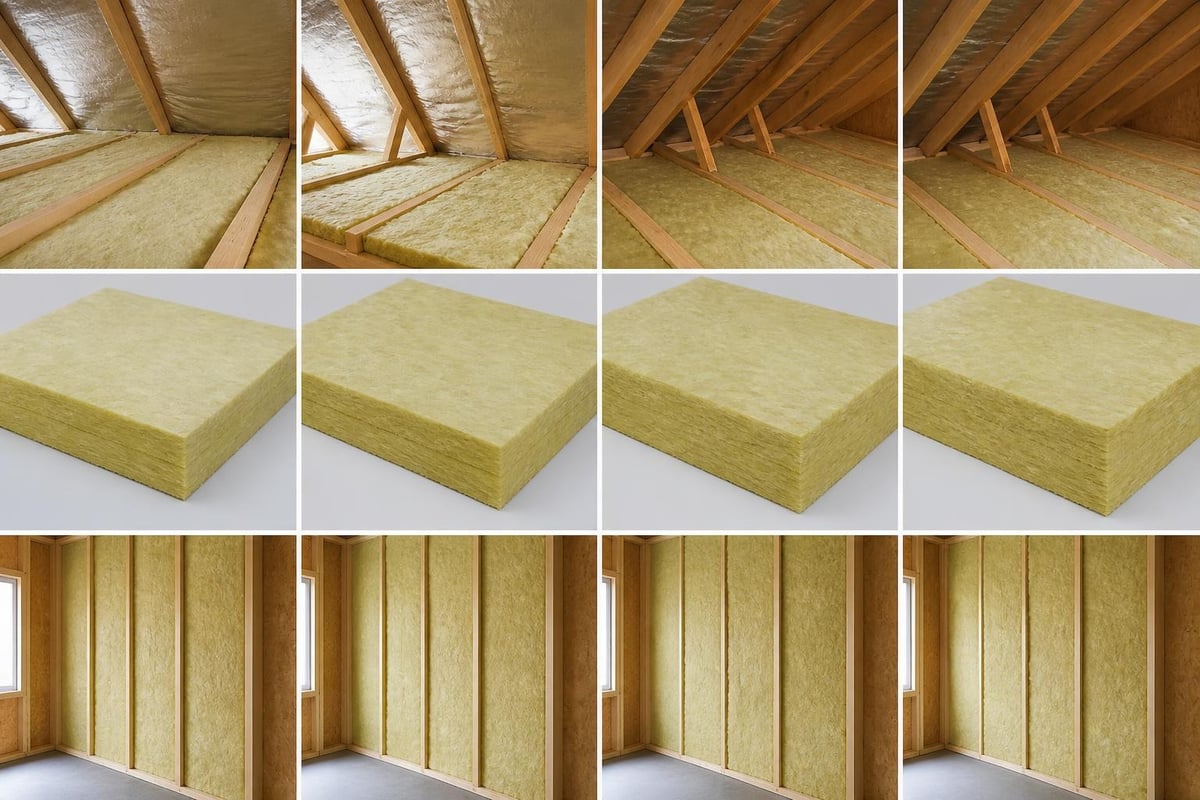
Types of Insulation Blankets Available in Australia
The Australian market offers several distinct blanket insulation categories, each engineered for specific applications and performance requirements.
Glasswool Blanket Insulation
Glasswool blankets represent the most common type used in Australian construction. Manufactured from recycled glass and sand, these products are spun into fine fibres and formed into flexible rolls. Modern glasswool blankets like those manufactured using ECOSE® Technology are softer to handle, produce less dust, and contain no added formaldehyde.
| Feature | Benefit | Typical Application |
|---|---|---|
| Non-combustible | Improved fire safety | All building areas |
| Sound absorption | Acoustic control | Walls, ceilings, roofs |
| Moisture resistant | Long-term performance | Roofs, underfloor |
| Flexible installation | Fits irregular spaces | Retrofits, renovations |
Products such as the Earthwool Blanket Unfaced R3.2 deliver strong thermal efficiency combined with acoustic benefits, making them suitable for roof and ceiling applications where both temperature control and noise reduction matter.
Reflective Foil Blankets
Reflective foil insulation blankets work primarily by reflecting radiant heat rather than absorbing it. These lightweight products consist of aluminium foil laminated to bubble wrap, foam, or woven materials, creating an effective radiant barrier.
These blankets are particularly effective in hot Australian climates where radiant heat gain through roofs represents a major cooling load. When installed with appropriate air gaps, they reflect up to 97% of radiant energy, significantly reducing heat transfer into roof spaces.
Underfloor Blanket Systems
Purpose-designed underfloor insulation blankets address the specific challenges of suspended timber floor systems. These products combine thermal resistance with draught-blocking capabilities, preventing cold air infiltration from beneath buildings while providing moisture resistance.
The continuous roll format suits the linear runs typical of floor joist installations, and the narrower widths (typically 400-500mm) match standard joist spacing. For homeowners upgrading older homes with cold floors, these products deliver noticeable comfort improvements while reducing heating costs.
Comparing Blanket Insulation to Batt Products
Understanding the differences between blanket and batt insulation helps you select the right product format for your specific project requirements.
Blanket insulation advantages:
- Continuous coverage reduces thermal bridging at seams
- Fewer joins means faster installation over large areas
- Flexibility to cut custom lengths for irregular spaces
- Often more economical per square metre for large projects
- Ideal for ceiling and roof applications with long uninterrupted runs
Batt insulation advantages:
- Pre-cut sizes simplify handling and reduce waste
- Easier for one-person installation in walls
- Better suited to standard stud and joist spacing
- More convenient for small renovation projects
- Simpler storage and transport for DIY customers
The ENERGY STAR guidance on insulation types offers additional perspective on choosing between blanket and batt formats based on application requirements and installation considerations.
For roof insulation projects covering large ceiling areas, blanket products typically offer faster installation and better value. Wall applications with standard stud spacing often work well with either format, though batts may prove more convenient for DIY installation.
Key Applications for Insulation Blankets
Roof and Ceiling Systems
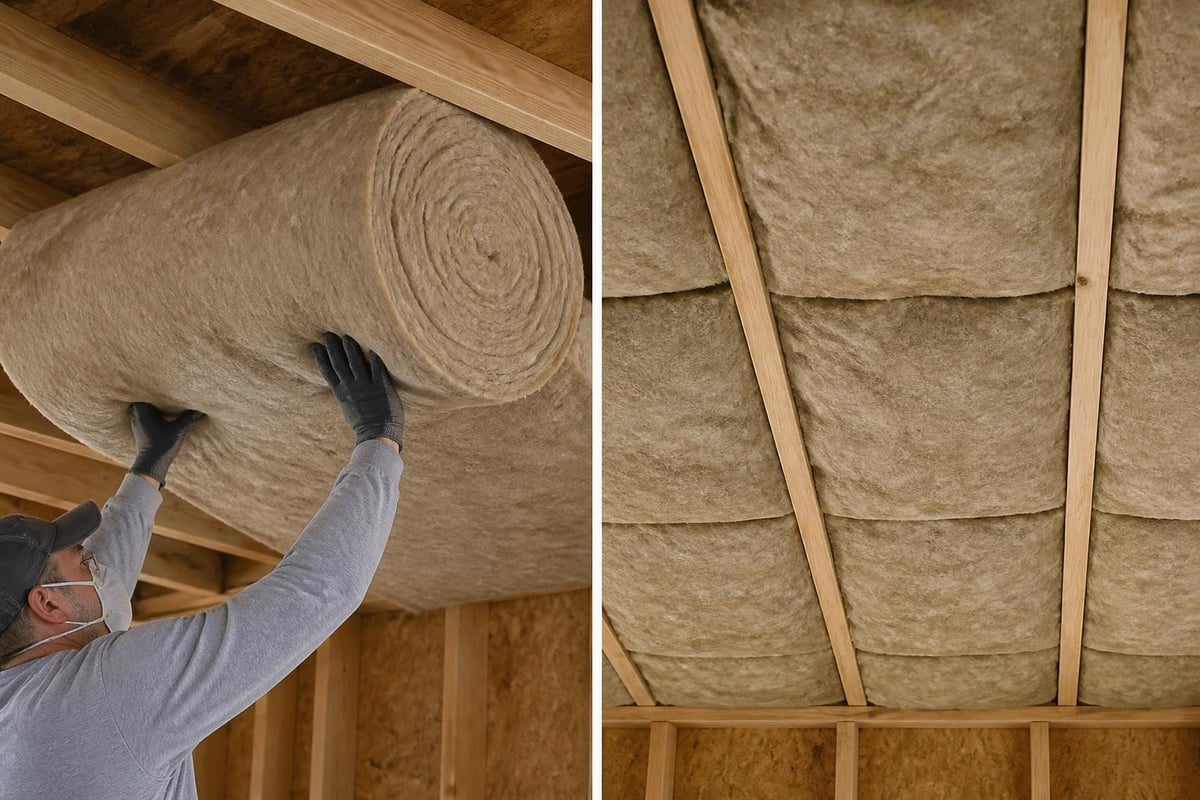
Roof applications represent the primary use case for insulation blankets in Australian homes. The continuous roll format suits the long, uninterrupted runs between roof trusses, allowing installers to quickly cover large ceiling areas with minimal seams.
Installation considerations for roof blankets:
- Always work from the eaves toward the ridge
- Ensure adequate ventilation in roof spaces
- Avoid compressing insulation around downlights or exhaust fans
- Maintain clearances from hot flues and chimneys
- Support blankets properly to prevent sagging
For metal roof applications requiring higher thermal performance, products such as the Thermal Blanket R3.7 deliver superior resistance to radiant heat transfer while providing acoustic dampening against rain noise. The higher-density construction (22 kg/m³) ensures consistent performance even in challenging conditions.
Wall Cavity Insulation
While batts often dominate wall insulation, blankets can prove effective in certain wall applications, particularly in commercial construction or homes with non-standard stud spacing. The ability to cut custom widths reduces waste and ensures proper cavity fill.
Wall blanket installation requires careful cutting and fitting to maintain contact with wall linings while avoiding compression. Products should fit snugly between studs without gaps at edges or excessive force that reduces effective R-value.
Underfloor Insulation Applications
Suspended timber floors in older Australian homes often lack insulation entirely, creating cold floors and uncomfortable living spaces during winter months. Underfloor insulation blankets installed between floor joists dramatically improve comfort while reducing heating energy consumption.
These specialised products typically feature moisture-resistant facings and additional structural support to handle the weight and prevent sagging over time. Installing underfloor insulation blankets requires access to the subfloor area, either through an existing crawl space or by working from above before floor coverings are installed.
Understanding R-Values and Thermal Performance
The R-value system quantifies thermal resistance, with higher numbers indicating better insulation performance. Australian building regulations specify minimum R-values for different climate zones and building elements, but exceeding these minimums often delivers better long-term value through reduced energy costs.
| Climate Zone | Roof/Ceiling Min | Wall Min | Floor Min |
|---|---|---|---|
| Zone 1 (Hot humid) | R3.5 | R1.5 | N/A |
| Zone 4 (Mild temperate) | R4.0 | R1.5 | R1.0 |
| Zone 6 (Mild temperate) | R5.0 | R2.0 | R1.5 |
| Zone 7 (Cool temperate) | R6.0 | R2.5 | R2.0 |
Melbourne and most of Victoria fall within climate zones 6 and 7, requiring higher insulation levels than warmer Australian regions. Homeowners planning insulation upgrades should consider exceeding minimum requirements, particularly in roof spaces where the marginal cost difference between R3.5 and R5.0 products often pays back quickly through energy savings.
The actual R-value performance of insulation blankets depends on proper installation. Compression, gaps, and thermal bridging all reduce effective thermal resistance. Following manufacturer installation guidelines and maintaining consistent thickness throughout the installation ensures you achieve the rated performance.
Installation Best Practices and Safety Considerations
Proper installation technique directly affects insulation blanket performance, durability, and safety. Whether you're a DIY homeowner or professional installer, following established best practices ensures optimal results.
Essential safety equipment:
- Dust mask or respirator rated for glasswool fibres
- Safety glasses or goggles
- Long-sleeved shirt and long pants
- Work gloves
- Adequate lighting in roof spaces
Cutting insulation blankets cleanly requires sharp knives or purpose-made insulation cutters. Measure carefully and cut slightly oversized to ensure complete coverage without gaps. Most blankets can be easily compressed during installation but will expand to full thickness once in place.
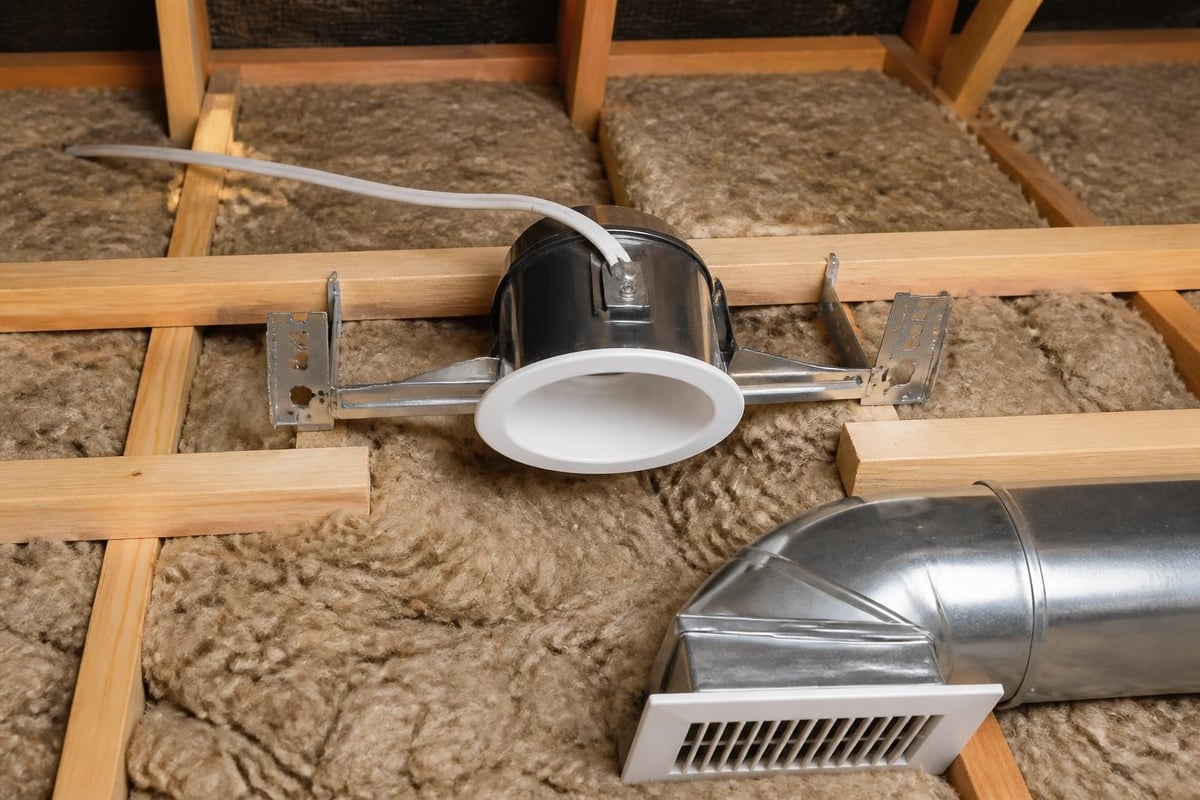
Maintaining proper clearances around heat-generating fixtures prevents fire hazards and maintains insulation effectiveness. Most Australian building codes require minimum 50mm clearances around recessed downlights unless they're rated for insulation contact (IC-rated). Exhaust fans, flues, and chimneys typically require larger clearances specified by the appliance manufacturer.
The ASTM C1695 standard provides authoritative guidance on fabrication and installation requirements for flexible removable blanket insulation, particularly relevant for industrial and commercial applications requiring consistent installation quality.
Choosing the Right Insulation Blanket for Your Project
Selecting appropriate insulation blankets requires matching product characteristics to your specific application, performance goals, and budget constraints.
Matching Product to Application
Start by identifying where you need insulation. Roof insulation projects typically require higher R-values and broader widths, while underfloor insulation demands moisture resistance and narrower formats suited to joist spacing.
Consider whether you need faced or unfaced blankets. Faced products include a vapour barrier or reflective layer, useful in specific applications but not always necessary. Unfaced blankets offer greater versatility and often prove easier to handle during installation.
Budget and Performance Balance
Insulation represents a long-term investment where upfront costs are offset by decades of energy savings. Calculating the payback period helps justify higher-performance products that may cost more initially but deliver greater value over time.
Cost-effectiveness factors to consider:
- Energy prices continue rising, increasing future savings
- Higher R-values provide greater comfort benefits beyond energy costs
- Quality products maintain performance longer, avoiding premature replacement
- Proper installation maximizes return regardless of product choice
For homeowners uncertain about product selection, exploring the full range of R-value options available helps identify products that balance performance requirements with budget constraints.
Acoustic Benefits of Insulation Blankets
Beyond thermal performance, many insulation blankets deliver significant acoustic benefits by absorbing sound energy and reducing noise transmission between spaces or from external sources.
Glasswool blankets excel at sound absorption due to their fibrous structure, which converts sound energy into small amounts of heat through friction as sound waves pass through the material. This characteristic makes them particularly effective for:
- Reducing airborne noise between rooms
- Dampening rain noise on metal roofs
- Controlling reverberation in open-plan living areas
- Improving privacy in multi-residential buildings
Acoustic performance depends on density, thickness, and installation method. Higher-density blankets generally provide better sound absorption, while proper sealing of gaps and penetrations ensures sound doesn't bypass the insulation through air leaks.
Moisture Management and Durability
Australian homes face diverse moisture challenges depending on climate, building design, and occupancy patterns. Quality insulation blankets must maintain performance in humid conditions while resisting mould growth and physical degradation.
Modern glasswool products are inherently resistant to moisture absorption and won't support mould growth, though they should still be protected from direct water exposure during installation. Reflective foil blankets typically incorporate moisture barriers that prevent condensation issues when installed correctly with appropriate air gaps.
Moisture management strategies:
- Ensure adequate roof ventilation to prevent condensation in ceiling spaces
- Address any roof leaks before installing insulation
- Consider vapour barriers in high-humidity applications
- Allow wet insulation to dry completely if exposed during installation
- Maintain proper drainage around underfloor areas
Long-term durability also depends on mechanical stability. Quality blanket products resist sagging and compression over time, maintaining their rated thickness and thermal performance for decades when properly installed and protected from physical damage.
Handling and Storage Requirements
Proper handling and storage of insulation blankets before installation protects product quality and ensures optimal performance.
Insulation blankets arrive compressed in plastic packaging to reduce shipping volume and protect products from moisture and contamination. Store packages in a clean, dry location away from direct sunlight until ready for installation. Keeping blankets in original packaging until needed prevents damage and contamination with dust or debris.
When opening packages, cut carefully to avoid damaging the insulation itself. Allow compressed blankets to fully expand before installation, which may take several hours depending on product type and ambient temperature. Installing blankets before they've fully recovered their rated thickness can result in lower-than-expected thermal performance.
Leftover blanket materials can be stored for future projects if kept clean and dry. Rolling partially used blankets loosely and wrapping in plastic provides adequate protection for short-term storage, though keeping products in climate-controlled spaces prevents any moisture-related issues.
Environmental Considerations and Sustainability
Sustainability increasingly influences insulation product selection, with many Australian homeowners seeking products that minimise environmental impact while delivering strong performance.
Environmental factors to consider:
- Recycled content: Many glasswool blankets contain 80% or more recycled glass
- Manufacturing processes: ECOSE® Technology eliminates formaldehyde and reduces energy consumption
- Thermal performance: Higher R-values reduce lifetime energy consumption
- Durability: Long-lasting products avoid replacement waste
- End-of-life disposal: Some products can be recycled at end of building life
The energy saved through proper insulation far exceeds the embodied energy required for manufacturing, making insulation blankets a net positive environmental choice regardless of specific product composition. Over a typical building's lifetime, quality insulation prevents hundreds of times more energy consumption than was required to produce it.
Common Installation Mistakes to Avoid
Even experienced installers occasionally make mistakes that compromise insulation performance. Awareness of common errors helps ensure successful installations.
Top installation mistakes:
- Compression: Squeezing blankets into spaces that are too small reduces R-value proportionally
- Gaps: Leaving spaces between insulation pieces creates thermal bridges that bypass insulation
- Inadequate coverage: Stopping short of walls or not extending to eaves reduces overall effectiveness
- Poor cutting: Ragged edges or undersized pieces prevent proper cavity fill
- Safety violations: Ignoring clearances around heat sources or electrical fixtures
Careful measurement, clean cutting, and methodical installation prevent most problems. Taking time to fit insulation properly around obstacles, maintain required clearances, and achieve complete coverage delivers results worth the extra effort.
Insulation blankets offer Australian homeowners, renovators and builders a versatile, cost-effective solution for improving thermal comfort and energy efficiency across roofs, walls and underfloor spaces. Selecting the right product requires understanding R-values, material types, and application requirements specific to your project and climate zone. Whether you're planning a new build or upgrading an existing home, Insulation Supplies Australia offers a comprehensive range of quality blanket insulation products with delivery across Victoria, helping you find the right solution for your thermal performance needs.