

When you're looking to improve your home's energy efficiency or reduce noise, an insulation blanket offers one of the most versatile and effective solutions available. Unlike pre-cut batts that fit between standard stud spacing, blanket insulation comes in continuous rolls that can be cut to length, making it ideal for irregular spaces, long runs, and projects where flexibility matters. Whether you're insulating a ceiling, wall cavity, or roof space, understanding how insulation blankets work and which type suits your project will save you time, money, and ensure better performance for years to come.
What Is an Insulation Blanket
An insulation blanket is a flexible thermal and acoustic insulation product manufactured in continuous rolls rather than pre-cut pieces. Made primarily from glasswool or polyester materials, these blankets deliver consistent thermal resistance across large areas while remaining soft to handle and easy to cut to size.
The key advantage of blanket insulation lies in its flexibility. You can unroll exactly what you need, cut it to precise dimensions, and achieve seamless coverage without gaps or joins that might reduce performance. This makes blanket products particularly valuable in renovation work, irregular framing, or anywhere standard batt dimensions don't quite fit.
How Insulation Blankets Differ from Batts
While both blankets and batts provide thermal resistance, their format creates distinct advantages:
- Blankets come in long rolls (typically 13-30 metres) and require cutting to length
- Batts arrive pre-cut to standard dimensions (usually 1160mm or 1200mm long)
- Blankets reduce material waste on non-standard spacing or long runs
- Batts offer faster installation when stud spacing matches product width
Many professional installers keep both formats on hand, choosing the right one based on the specific application and framing configuration.
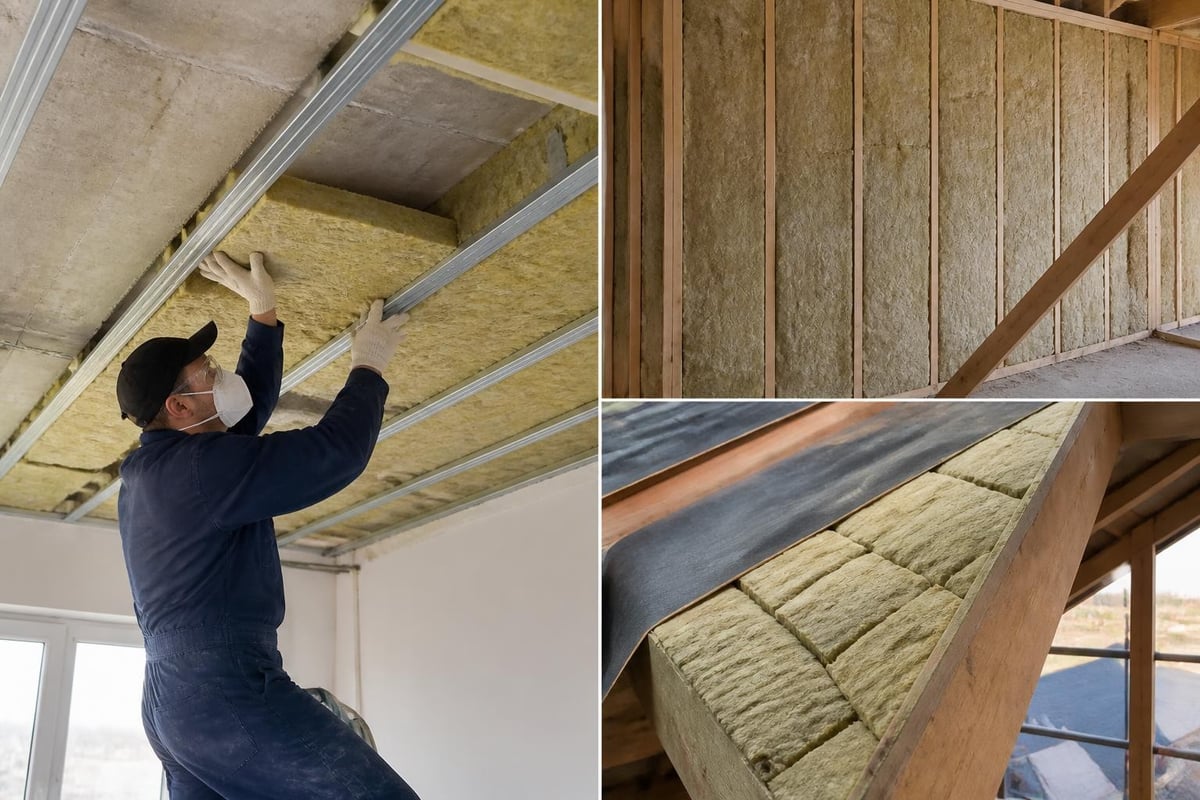
Types of Insulation Blanket Available
The Australian insulation market offers several blanket formats, each designed for specific applications and performance requirements. Choosing the right type depends on where you're installing, what R-value you need, and whether you require additional features like facing or moisture resistance.
Glasswool Insulation Blankets
Glasswool remains the most popular insulation blanket material across Australia. Manufactured using recycled glass and sand, modern glasswool products incorporate advanced binder technology like ECOSE®, which eliminates formaldehyde and reduces dust during handling.
Key characteristics of glasswool blankets:
- Excellent thermal performance across a wide temperature range
- Non-combustible and will not sustain a flame
- Soft to touch with minimal irritation compared to older products
- Available in thermal ratings from R1.3 through R3.7 and beyond
- Suitable for walls, ceilings, roofs, and underfloor applications
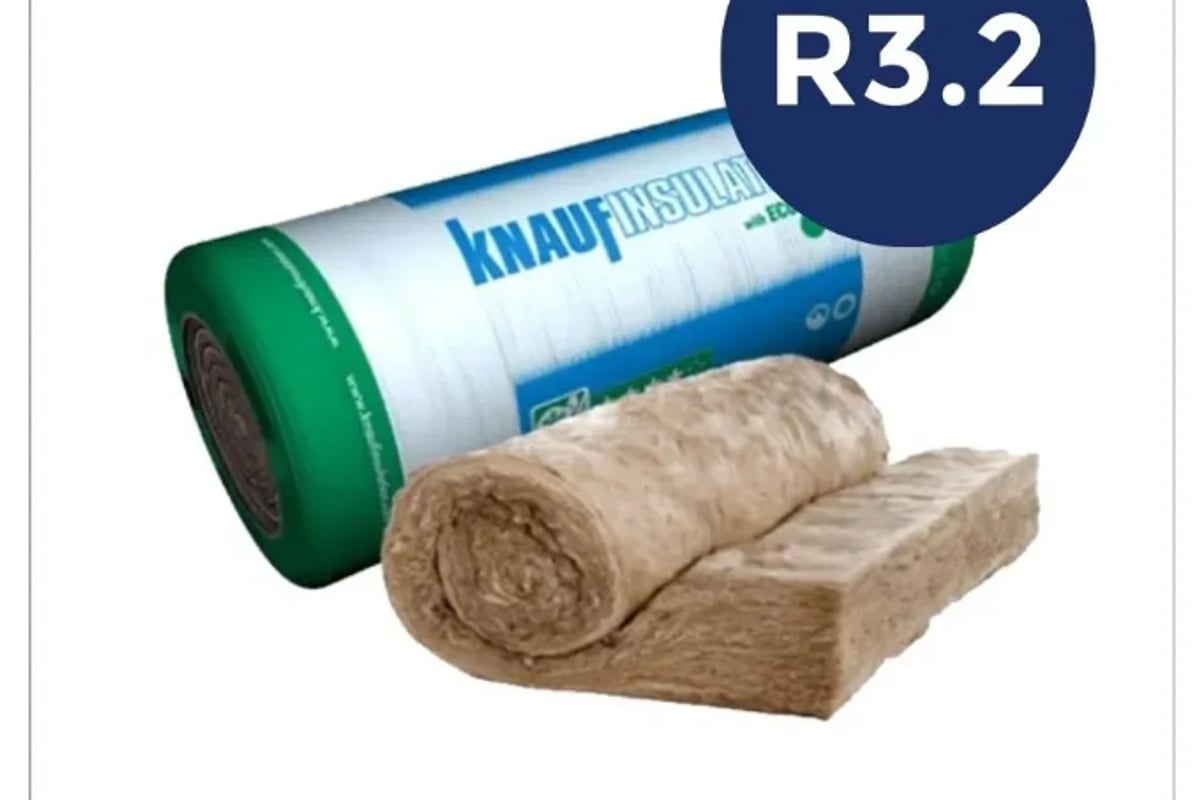
The Earthwool Blanket Unfaced R3.2 represents a premium glasswool option, delivering strong thermal efficiency with coverage of 16.2m² per roll, making it efficient for larger projects where continuous coverage matters.
Polyester Insulation Blankets
Polyester blankets offer an alternative to glasswool, particularly for DIY renovators who prefer non-itch materials. Made from recycled PET bottles, these products provide good thermal performance while being completely safe to handle without protective clothing.
Polyester blanket advantages:
- No irritation to skin or respiratory system
- Lightweight and compressible for transport
- Suitable for people with sensitivities
- Hypoallergenic and won't harbour mould or bacteria
| Feature | Glasswool Blanket | Polyester Blanket |
|---|---|---|
| Thermal Performance | Excellent | Very Good |
| Acoustic Performance | Excellent | Good |
| Fire Resistance | Non-combustible | Self-extinguishing |
| Handling Comfort | Very Good (modern) | Excellent |
| Moisture Behaviour | Good | Excellent |
| Compressibility | Moderate | High |
Faced vs Unfaced Blanket Insulation
Some insulation blankets come with a facing material, while others remain unfaced. This distinction affects how and where you can use the product.
Unfaced blankets have no surface covering and work best when:
- Installing between timber or steel studs where the blanket sits within the cavity
- Adding insulation to existing structures where a vapour barrier isn't needed
- Combining with separate membrane systems for moisture control
- Working in mild climates where condensation isn't a significant concern
Faced blankets include a surface layer (typically foil or paper) and offer benefits when:
- A radiant barrier would improve performance (foil facing)
- The installation requires an integrated vapour control layer
- You need something to staple to framing members
- Working in climates with significant temperature differentials
For most Victorian applications, unfaced blankets combined with separate building wraps provide the most flexible and effective solution.
Choosing the Right R-Value for Your Application
The thermal rating (R-value) of your insulation blanket determines how effectively it resists heat flow. Higher R-values provide better thermal performance, but the right choice depends on your climate zone, application area, and building design.
Recommended R-Values for Victorian Homes
Victoria's building codes specify minimum insulation requirements, but exceeding these minimums improves comfort and reduces energy costs. For 2026 construction and renovation in Melbourne and regional Victoria:
Ceiling insulation blankets:
- Minimum R3.5 for most zones
- R4.0 to R5.0 recommended for better performance
- R6.0 or higher for premium energy efficiency
Wall insulation blankets:
- Minimum R1.5 to R2.5 depending on wall construction
- R2.5 to R3.0 recommended for solid thermal performance
- Consider higher R-values in exposed or cold-climate locations
Roof insulation blankets:
- R3.0 minimum under metal roofing
- R3.5 to R4.0 recommended for comfort
- Higher values beneficial in exposed locations or homes with high cooling loads
The thickness of your blanket insulation directly relates to its R-value. A 130mm blanket typically achieves R3.2 to R3.7 depending on density, while thinner 90mm products deliver R2.0 to R2.5. Always check your available cavity depth before ordering.
Balancing Performance and Budget
While higher R-values cost more initially, they deliver better long-term value through reduced heating and cooling expenses. Consider these factors:
- Your climate: Colder regions justify higher R-values more quickly through heating savings
- Cavity depth: Don't compress high-R blankets into shallow spaces; use the right thickness
- Building use: Frequently occupied spaces benefit more from premium insulation
- Future-proofing: Energy costs continue rising; installing better insulation now protects against future increases
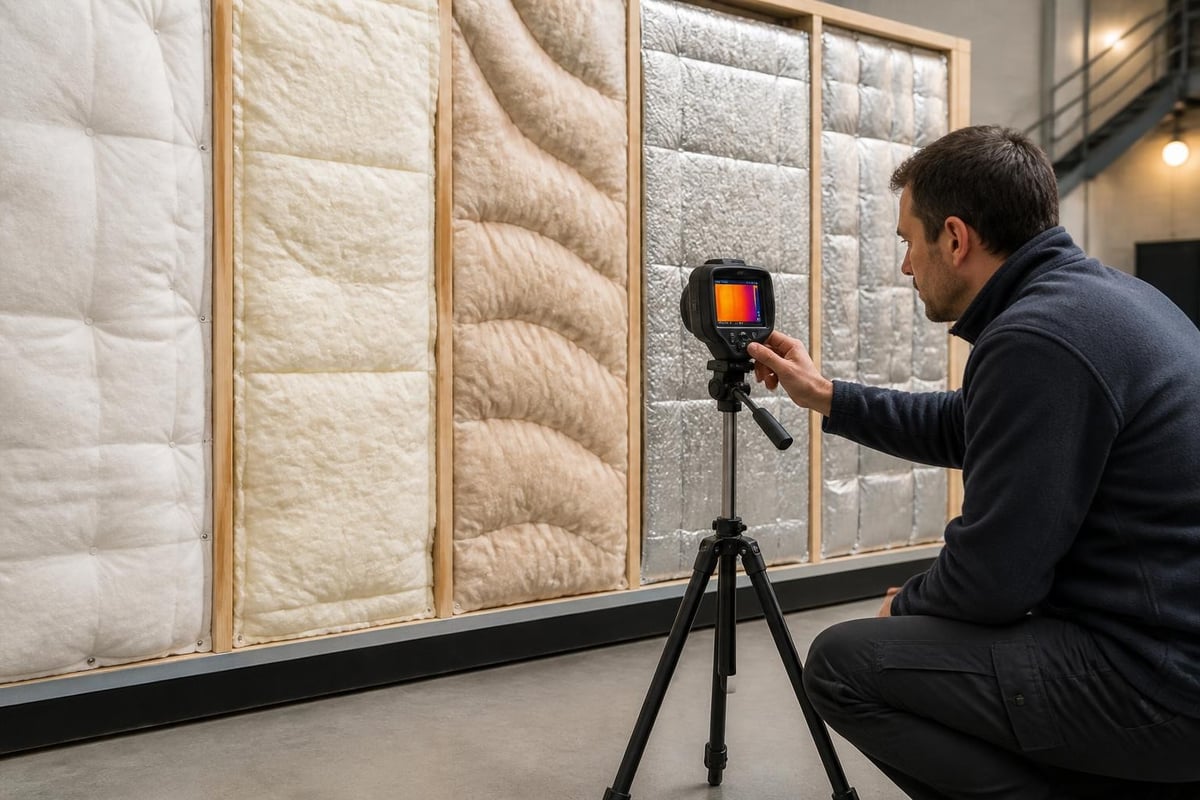
Installation Process for Insulation Blankets
Installing an insulation blanket requires more cutting and fitting than batts, but offers greater flexibility for achieving perfect coverage. Follow these steps for professional results whether you're working on walls, ceilings, or roofs.
Tools and Safety Equipment Needed
Before starting any insulation blanket installation, gather the right equipment:
- Sharp utility knife with spare blades
- Straight edge or steel ruler (minimum 1200mm)
- Staple gun with appropriate staples (if fixing to timber)
- Dust mask or respirator
- Safety glasses
- Gloves (even modern low-itch products benefit from glove use)
- Long sleeves and long pants
- Drop sheets to protect finished surfaces
Step-by-Step Installation Guide
1. Measure your cavity dimensions
Measure the distance between framing members accurately. Insulation blanket should fit snugly without compression or gaps. For standard 90mm studs on 450mm or 600mm centres, plan your cuts accordingly.
2. Unroll and cut blanket insulation to length
Unroll only what you need for immediate installation. Measure twice, then cut once using your straight edge as a guide. Keep the blanket slightly oversized (add 10-20mm) to ensure firm contact without gaps.
3. Fit the insulation blanket into the cavity
Press the insulation blanket gently into place, ensuring it makes full contact with the back of the cavity. Don't compress the material; compression reduces R-value. The blanket should fill the cavity without bulging or sagging.
4. Secure if necessary
For ceiling applications, insulation blanket may need securing with wire or straps to prevent sagging. Wall cavities typically hold blanket insulation through friction. Roof applications often require temporary fixing until cladding installation.
5. Cut around obstacles
Electrical boxes, pipes, and other penetrations require careful cutting. Make neat cutouts that fit closely around obstacles without leaving gaps that compromise thermal performance.
Common Installation Mistakes to Avoid
Even experienced installers sometimes make errors that reduce insulation blanket performance:
- Compressing the material to fit into undersized cavities reduces thermal resistance
- Leaving gaps at edges, corners, or around obstacles creates thermal bridges
- Getting insulation wet during storage or installation can reduce performance
- Covering downlights without proper clearance creates fire hazards
- Ignoring vapour barriers in appropriate climates can lead to condensation issues
For detailed guidance on professional installation techniques, visit the installation page at Insulation Supplies Australia.
Specific Applications for Insulation Blankets
Different areas of your home require different approaches when installing blanket insulation. Understanding these nuances ensures optimal performance and compliance with building standards.
Ceiling Insulation Blankets
Ceiling applications represent the most common use for insulation blankets. Heat rises, making ceiling insulation critical for both thermal comfort and energy efficiency.
Key considerations:
- Use higher R-values (R4.0 to R6.0) for maximum benefit
- Ensure adequate clearance around recessed lights
- Consider ventilation requirements in roof spaces
- Install carefully to avoid creating gaps at joist connections
- Account for electrical cables and services when cutting
Ceiling insulation blanket installation works best with two people: one in the roof space and one feeding material up through the access hatch.
Wall Insulation Blankets
Wall cavities benefit from insulation blanket when standard batt dimensions don't match your framing spacing. This commonly occurs in renovation work, older homes with irregular stud placement, or custom-built projects.
Wall installation tips:
- Measure each cavity individually; old homes rarely have consistent spacing
- Cut blanket insulation 10-15mm wider than the cavity for friction fit
- Ensure material sits hard against the back of the cavity
- Don't leave gaps at top or bottom plates
- Consider acoustic performance if noise control matters
Roof Insulation Blankets
Installing insulation blanket under metal roofing reduces radiant heat gain and improves thermal comfort in summer. This application requires careful attention to ventilation and clearance.
Roof blanket requirements:
- Allow minimum 25mm air gap between insulation and roofing
- Use appropriate R-value for your climate (typically R3.0 to R4.0)
- Ensure blanket doesn't touch or block roof vents
- Consider reflective foil facing for additional radiant heat control
- Check manufacturer specifications for metal roof applications
Underfloor Insulation Blankets
Suspended timber floors lose significant heat in winter without proper insulation. Insulation blanket can be installed from below between floor joists to improve comfort and reduce heating costs.
For underfloor applications where accessibility matters, consider dedicated underfloor products that combine insulation properties with moisture resistance. These purpose-designed systems often perform better than adapting ceiling or wall blankets to floor use.
Comparing Insulation Blanket Products
| Product Type | Typical R-Values | Width Options | Length | Best For |
|---|---|---|---|---|
| Standard Glasswool | R1.3 - R3.7 | 430mm, 580mm, 1200mm | 13.5m - 30m | Walls, ceilings, general use |
| High-Density Glasswool | R3.7 - R4.0+ | 580mm, 1200mm | 6.5m - 13.5m | Acoustic control, premium thermal |
| Polyester Blanket | R1.5 - R3.5 | 420mm, 580mm, 600mm | 10m - 20m | DIY projects, sensitive users |
| Foil-Faced Blanket | R1.8 - R3.5 | 1200mm | 15m - 25m | Roofs, radiant barrier applications |
Handling and Storage Best Practices
Proper handling and storage protect your insulation blanket investment and ensure it performs as specified. Even modern low-itch products benefit from careful management.
Storage Guidelines
- Keep rolls in original packaging until installation
- Store in dry locations protected from weather
- Avoid crushing or compressing stored rolls
- Elevate off ground to prevent moisture absorption
- Use within 12 months of purchase for optimal condition
Safe Handling Procedures
- Wear appropriate protective equipment even with low-itch products
- Work in well-ventilated areas when cutting and installing
- Dispose of offcuts properly; don't leave them exposed
- Wash hands and exposed skin after handling
- Shower and change clothes after extended installation work
Cost Considerations and Value
Insulation blanket pricing varies based on R-value, material type, density, and manufacturer. Understanding the cost structure helps you budget effectively while choosing products that deliver genuine value.
Price Factors
Material and technology influence cost significantly. Advanced manufacturing processes like ECOSE® technology add value through improved handling characteristics and environmental benefits.
R-value and thickness directly impact price. Higher thermal performance requires more material, increasing cost per square metre.
Density matters for acoustic performance. High-density insulation blanket costs more but delivers superior noise reduction alongside thermal benefits.
Roll coverage affects the delivered cost. Larger rolls may have higher upfront prices but lower cost per square metre.
Calculating Your Requirements
Accurate quantity calculations prevent over-ordering or project delays from shortage:
- Measure total area requiring insulation in square metres
- Add 10% waste factor for cuts, offcuts, and fitting around obstacles
- Check roll coverage to determine how many rolls you need
- Consider delivery costs which may vary based on order size
- Compare total project cost including materials and delivery
For complex projects or bulk requirements, the team at Insulation Supplies Australia can provide detailed quotes and help optimise your order for best value.
Environmental Benefits and Sustainability
Modern insulation blanket products incorporate significant recycled content and deliver ongoing environmental benefits through reduced energy consumption.
Manufacturing Sustainability
Leading manufacturers now produce glasswool insulation using:
- Up to 80% recycled glass diverted from landfill
- Bio-based binders replacing formaldehyde chemistry
- Reduced energy manufacturing processes
- Minimal waste production systems
Long-Term Energy Savings
The environmental impact of manufacturing insulation blanket is recovered within months through reduced heating and cooling energy:
- Reduced greenhouse gas emissions from lower energy consumption
- Decreased peak demand on electricity networks
- Improved building resilience to temperature extremes
- Extended HVAC system life through reduced workload
Quality insulation blanket products maintain performance for the life of the building, providing decades of environmental benefits from a single installation.
Maintenance and Long-Term Performance
Once properly installed, insulation blanket requires minimal maintenance while delivering consistent performance year after year. However, certain situations warrant inspection and potential replacement.
When to Inspect Your Insulation
Check insulation blanket condition:
- After any roof leaks or water damage
- Following pest infestations in roof or wall spaces
- Before buying or selling a property
- During major renovation or extension work
- If you notice unexplained increases in heating or cooling costs
Signs Your Insulation Needs Attention
- Visible water staining or dampness
- Compressed or displaced material
- Gaps or missing sections
- Pest damage or contamination
- Deterioration of facing materials (if applicable)
Most insulation blanket installations in protected locations maintain full performance for 40-50 years or more. Products installed in harsh environments or exposed to moisture may require earlier replacement.
Choosing and installing the right insulation blanket transforms your home's comfort and energy efficiency while providing excellent value over decades of service. Understanding the types available, selecting appropriate R-values, and following proper installation techniques ensures you get maximum performance from your investment. Whether you're tackling a DIY renovation or planning a professional build, Insulation Supplies Australia offers expert advice, quality products, competitive pricing, and fast delivery across Victoria to make your insulation project simple and successful.