

Insulation batting is one of the most popular and cost-effective ways to improve your home's thermal performance. Whether you're renovating an older home, building from scratch, or simply looking to reduce energy bills, understanding how insulation batting works and which type suits your project can make a significant difference to your comfort and running costs. This flexible, blanket-style insulation fits snugly between timber or steel frames, creating a thermal barrier that keeps your home cooler in summer and warmer in winter.
What Is Insulation Batting
Insulation batting refers to pre-cut sections or continuous rolls of insulation material designed to fit between wall studs, ceiling joists, or floor frames. The term "batting" comes from the textile industry, where similar fibrous materials are used in quilts and padding.
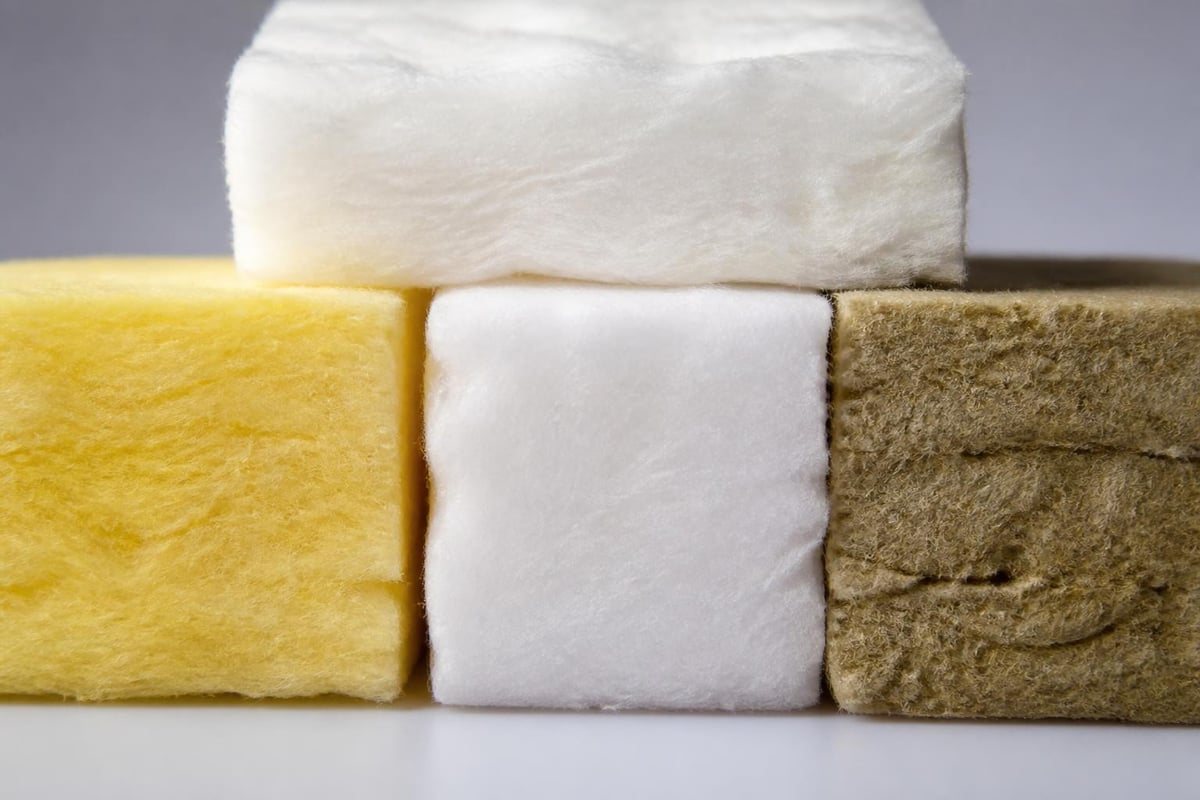
Common materials include:
- Glasswool (fibreglass)
- Polyester
- Natural fibres like sheep's wool
- Rockwool (stone wool)
Each material offers different benefits in terms of thermal performance, acoustic properties, fire resistance, and environmental impact. Glasswool batting remains the most widely used option in Australian homes due to its excellent R-value performance, affordability, and proven track record.
The batting format makes installation straightforward for DIY renovators and professional builders alike. Most products come in standard widths to match common Australian building practices, typically 430mm for walls (matching 450mm stud centres) and 580mm or 600mm for ceilings.
How Insulation Batting Works
Insulation batting works by trapping air within its fibrous structure. Air is a poor conductor of heat, which means the tiny pockets within the batting slow down the transfer of thermal energy between your home's interior and the outside environment.
During winter, the batting prevents warm air generated by your heating system from escaping through walls and ceilings. In summer, it blocks heat from penetrating your home, keeping indoor spaces cooler and reducing the load on air conditioning systems.
The effectiveness of insulation batting is measured by its R-value. Higher R-values indicate better thermal resistance and superior insulation performance. Victoria's climate zones typically require R2.5 to R3.5 for walls and R4.0 to R6.0 for ceilings, though specific requirements depend on your exact location and building design.
Types of Insulation Batting Materials
Glasswool Batting
Glasswool insulation batting is manufactured from recycled glass and sand, spun into fine fibres and formed into batts or blankets. Modern glasswool products use advanced binder technology that reduces dust and makes handling more comfortable.
Key advantages:
- Excellent thermal performance across all R-values
- Non-combustible and fire-resistant
- Moisture-resistant when properly installed
- Cost-effective for most residential applications
- Wide product availability
Glasswool batting suits virtually every application in your home, from walls and ceilings to underfloor installations. The material doesn't absorb moisture, which helps prevent mould growth and maintains insulation performance over time.
Polyester Batting
Polyester insulation batting is made from recycled plastic bottles and other PET materials. The fibres are bonded using heat rather than chemical binders, creating a product that's safe to handle and environmentally friendly.
This type of insulation batting offers natural hypoallergenic properties and contains no irritating fibres. It's particularly popular with DIY renovators who prefer a non-itchy installation experience. Polyester batts are also naturally resistant to moisture and won't slump or settle over time.
However, polyester generally delivers slightly lower R-values per thickness compared to glasswool, which may mean choosing thicker products to achieve the same thermal performance.
Rockwool Batting
Rockwool (also called stone wool) batting is manufactured from volcanic rock and recycled slag. The material excels in both thermal and acoustic performance, with exceptional fire resistance ratings.
Rockwool batting is denser and heavier than glasswool or polyester alternatives. This density provides superior sound absorption, making it ideal for acoustic applications between rooms or in entertainment spaces.
The material can withstand temperatures exceeding 1000°C without melting, offering excellent passive fire protection. While typically more expensive than other options, rockwool batting delivers premium performance where noise control and fire safety are priorities.
Choosing the Right R-Value
The R-value measures thermal resistance-how well insulation batting resists heat flow. Australia's Building Code sets minimum requirements based on climate zones, but installing higher R-values often provides better long-term value through reduced energy costs.
| Application | Minimum R-Value (Melbourne) | Recommended R-Value |
|---|---|---|
| Walls | R1.5 | R2.5 - R2.7 |
| Ceilings | R3.5 | R5.0 - R6.0 |
| Underfloor | R1.0 | R2.0 - R2.5 |
Melbourne's climate zone requires moderate insulation to handle both cold winters and warm summers. Choosing insulation batting with higher R-values like R4.0 for ceilings can significantly improve year-round comfort and reduce heating and cooling costs.
Thickness and R-Value Relationship
Thicker insulation batting generally provides higher R-values, though the exact relationship depends on the material's density and composition. Glasswool batts might achieve R2.5 at 90mm thickness, while polyester might require 100mm for the same rating.
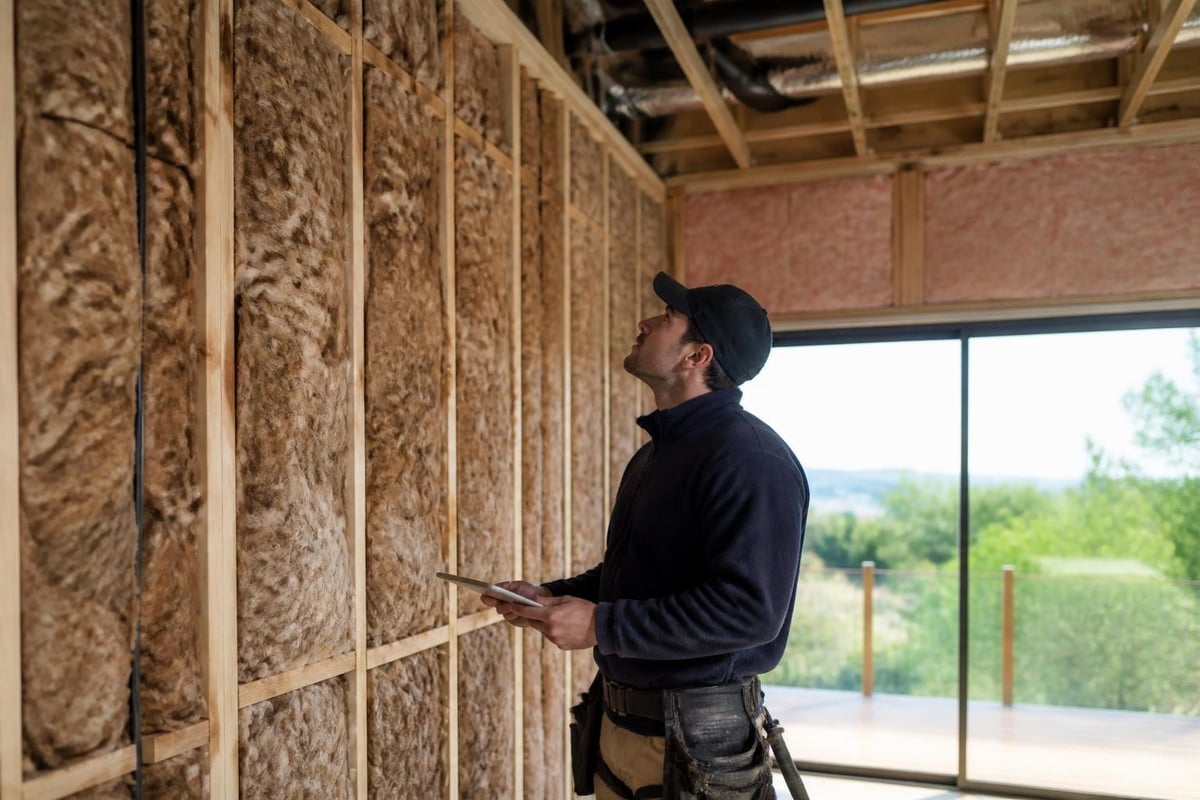
Before purchasing insulation batting, measure your stud depth and ceiling joist height. The batting should fill the cavity without compression, as squashing insulation reduces its effectiveness by eliminating the air pockets that provide thermal resistance.
For timber frame construction with 90mm studs, standard wall batts work perfectly. Metal frame buildings may use thinner studs, requiring careful product selection to match available cavity space.
Installation Considerations
Measuring and Cutting
Accurate measurement ensures insulation batting fits properly without gaps that allow thermal bridging. Measure between each stud or joist, accounting for any irregularities in spacing.
Most insulation batting can be cut easily with a sharp utility knife or insulation saw. Lay the batt on a clean surface, compress it slightly with a straight edge, and cut along the line. The material will expand to fill the cavity once installed.
Installation best practices:
- Wear appropriate PPE including gloves, long sleeves, and eye protection
- Work in well-ventilated areas
- Friction-fit batts between studs without compressing
- Cut around electrical cables and junction boxes
- Seal gaps around pipes and services with appropriate materials
For ceiling installations, work from one end of the space to the other, ensuring each piece butts tightly against the next without overlapping or leaving gaps.
Safety and Handling
While modern insulation batting products are safer and less irritating than older alternatives, proper protective equipment remains essential. Glasswool and rockwool fibres can irritate skin and airways if proper precautions aren't followed.
Always wear a dust mask or respirator when installing insulation batting in enclosed spaces. Long sleeves, gloves, and safety glasses protect against fibre contact. After installation, shower and wash work clothes separately to remove any loose fibres.
Store insulation batting in a dry location away from moisture. Most products come in compressed packaging that expands when opened. Plan your installation to use opened packages promptly, as unpackaged batts can accumulate dust and become harder to handle.
Faced Versus Unfaced Batting
Insulation batting comes in faced and unfaced varieties, each suited to different applications and building requirements.
Unfaced batting consists of the insulation material alone, with no additional layers or coverings. This type works well when vapour barriers aren't required or when separate sarking or building wrap will be installed.
Faced batting includes a layer of foil, paper, or plastic film bonded to one or both sides. The facing may serve as a vapour barrier, radiant barrier, or installation aid. Foil-faced products provide additional radiant heat reflection, particularly useful in ceiling applications.
In Victorian homes, unfaced insulation batting is typically used with separate building wraps that manage moisture and air movement. This approach provides greater flexibility and better performance than relying on faced products alone.
| Feature | Unfaced Batting | Faced Batting |
|---|---|---|
| Vapour control | Requires separate barrier | May include barrier |
| Installation | Easier to fit and trim | Facing can make handling awkward |
| Cost | Generally lower | Slightly higher |
| Applications | Walls, ceilings, floors | Primarily ceiling applications |
Acoustic Performance of Insulation Batting
Beyond thermal performance, insulation batting provides valuable acoustic benefits by absorbing sound energy and reducing noise transmission between rooms and from outside sources.
The acoustic performance of insulation batting depends on density, thickness, and material composition. Denser materials like rockwool excel at sound absorption, while lighter polyester and glasswool products still deliver meaningful acoustic improvements over uninsulated cavities.
When choosing insulation batting for acoustic purposes, look for products with high Sound Transmission Class (STC) ratings or specific acoustic certifications. Installing insulation batting in internal walls between bedrooms, bathrooms, and living areas significantly improves privacy and reduces noise disturbance.
For maximum acoustic benefit, combine insulation batting with other sound-control strategies like resilient channels, acoustic sealants, and double-layer plasterboard. The insulation fills the cavity and absorbs sound energy, while other elements help decouple building surfaces and block sound transmission.
Common Applications for Insulation Batting
Wall Insulation
Wall insulation batting fits between timber or steel studs in external walls, providing thermal resistance that keeps homes comfortable and energy-efficient. Standard wall cavities in Australian construction measure 90mm deep, accommodating wall insulation products from R1.5 to R2.7.
Installing insulation batting in walls reduces heat transfer through the building envelope, minimising the load on heating and cooling systems. This translates directly to lower energy bills and improved comfort throughout the year.
Internal walls benefit from insulation batting primarily for acoustic control. Installing batts between bedrooms, bathrooms, and living areas creates quieter, more private spaces within your home.
Ceiling Insulation
Ceiling insulation batting is perhaps the most critical application in Australian homes. Heat rises, and uninsulated ceilings can account for 35-40% of total heat loss in winter and heat gain in summer.
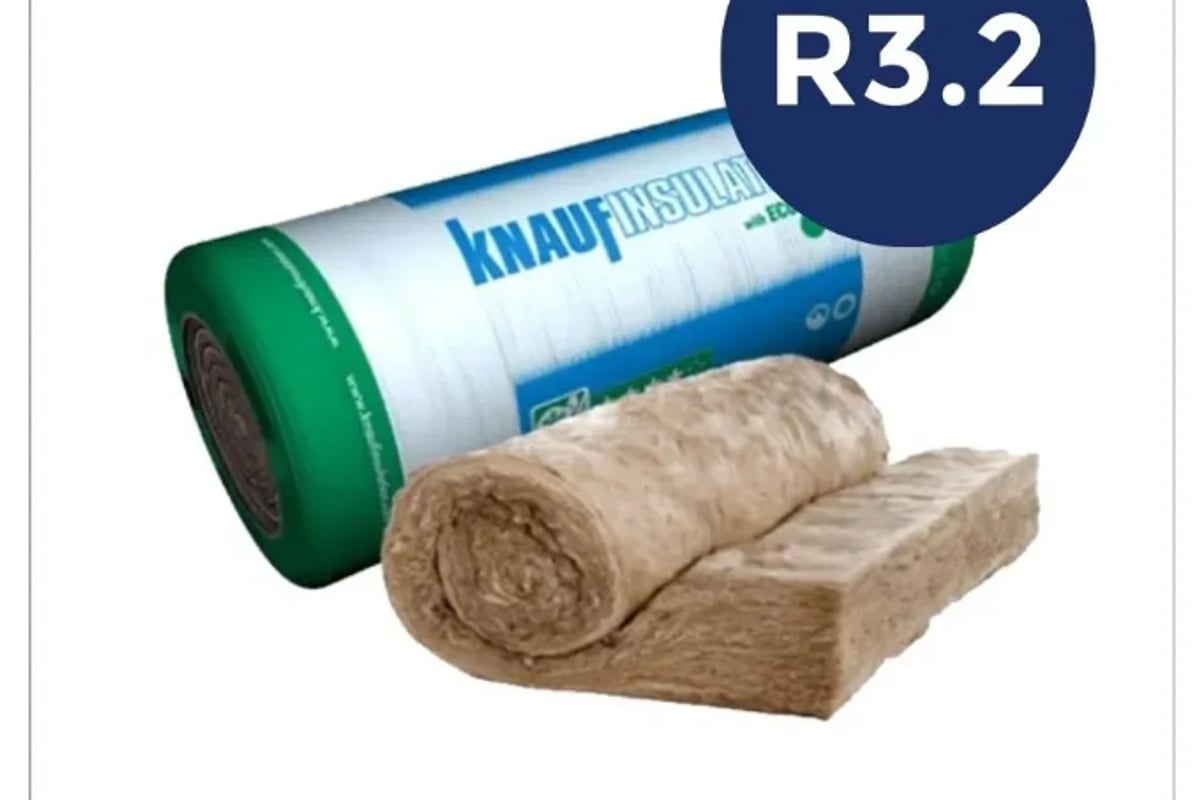
The Earthwool Blanket Unfaced R3.2 130mmx1200mmx13.5m 16.2m² offers excellent thermal performance for ceiling applications. Manufactured using advanced ECOSE Technology, it's soft to handle, low in dust, and delivers strong thermal efficiency for residential projects. The blanket format makes it particularly efficient for covering large ceiling areas with minimal cutting and fitting.
Ceiling spaces in Melbourne homes should ideally have R5.0 or R6.0 insulation for optimal performance. The additional investment delivers substantial energy savings and improved comfort, particularly during extreme weather events.
Underfloor Insulation
Suspended timber floors benefit significantly from insulation batting installed between joists. Underfloor insulation batting reduces heat loss through floors and eliminates cold draughts that make rooms uncomfortable during winter months.
Special underfloor batts or blankets are designed to stay in place without sagging or falling. Some products include integrated support systems or require separate wire or mesh supports to maintain position over time.
Installing insulation batting under floors also reduces noise transmission from footsteps and impact sounds, creating quieter living environments. This proves particularly valuable in multi-storey homes or renovations where floor noise becomes problematic.
Cost Considerations and Value
Insulation batting represents one of the most cost-effective home improvements available. The material itself is affordable, installation can be DIY-friendly, and the energy savings begin immediately.
Budget planning factors:
- Material costs vary by R-value and brand
- Higher R-values cost more but deliver better long-term savings
- DIY installation eliminates labour costs
- Professional installation ensures optimal performance
- Energy savings typically recover costs within 3-5 years
When comparing insulation batting products, consider the total value rather than just the upfront price. A slightly more expensive product with higher R-value or better durability may prove more economical over the building's lifetime.
Bulk purchasing can reduce per-square-metre costs significantly. If you're insulating an entire home, calculate total requirements and explore volume pricing options. Many suppliers offer better rates for larger orders, making comprehensive insulation projects more affordable.
Environmental and Health Considerations
Modern insulation batting products increasingly incorporate recycled content and environmentally responsible manufacturing processes. Glasswool batts contain up to 80% recycled glass, while polyester batts transform waste plastic bottles into valuable building materials.
Products manufactured with ECOSE Technology use bio-based binders instead of traditional formaldehyde-based alternatives. This approach reduces volatile organic compound (VOC) emissions and creates healthier indoor environments.
From a sustainability perspective, insulation batting delivers environmental benefits far beyond its manufacturing impact. The energy saved over decades of use dramatically outweighs the embedded energy in production and transportation.
Proper installation ensures insulation batting performs effectively without creating moisture problems or indoor air quality issues. Maintain adequate ventilation in roof spaces and ensure moisture barriers are correctly positioned to prevent condensation within wall and ceiling cavities.
Maintenance and Longevity
Quality insulation batting installed correctly can last the lifetime of your home without requiring replacement or maintenance. The material doesn't degrade, settle significantly, or lose thermal performance over time when protected from moisture and physical damage.
Factors affecting longevity:
- Protection from water leaks and moisture
- Avoiding compression during renovations
- Preventing pest intrusion and nesting
- Maintaining adequate ventilation
- Regular roof and building envelope maintenance
Inspect insulation batting periodically when accessing roof spaces or wall cavities during renovations. Look for signs of moisture damage, pest activity, or displacement. Address any issues promptly to maintain optimal thermal performance.
If renovating or extending your home, protect existing insulation batting from damage. Avoid walking on ceiling batts, and restore any displaced insulation to its original position after completing electrical or plumbing work.
Product Standards and Compliance
Australian insulation batting must comply with stringent product standards and building code requirements. The Building Code of Australia specifies minimum R-values for different climate zones and applications.
Look for products certified to AS/NZS 4859.1, which establishes testing methods and performance criteria for thermal insulation materials. Reputable manufacturers provide clear documentation of R-values, thermal resistance, and compliance with relevant standards.
Fire safety regulations also govern insulation batting selection, particularly in bushfire-prone areas. Some applications require non-combustible insulation materials or specific fire performance ratings. Check local building requirements before purchasing to ensure compliance.
Product labelling should clearly state R-value, dimensions, coverage area, and material composition. Verify that stated R-values match installed thickness, as some products lose performance if compressed during installation.
Choosing the right insulation batting for your home improves comfort, reduces energy costs, and creates a more sustainable living environment. Understanding material types, R-values, and installation requirements helps you make informed decisions that deliver lasting value. Insulation Supplies Australia offers a comprehensive range of quality insulation batting products backed by expert advice, competitive pricing, and fast delivery throughout Victoria. Whether you're tackling a DIY renovation or planning a major building project, our team can help you select the perfect insulation solution for your needs.