

An insulated blanket is one of the most versatile and effective thermal solutions available to Australian homeowners, builders and renovators. Unlike rigid board insulation, blanket-style products offer flexible installation across roofs, ceilings, walls and underfloor areas, adapting to irregular framing and hard-to-reach spaces. Whether you're building new, retrofitting an older home, or upgrading energy efficiency, understanding how insulated blanket materials work-and which product suits your project-can make a significant difference to comfort and running costs throughout the year.
What Is an Insulated Blanket?
An insulated blanket is a flexible, continuous roll or batt of thermal insulation designed to trap air and slow heat transfer through building envelopes. Most Australian products use glasswool or polyester fibres, formed into a soft, pliable blanket that can be cut, fitted and secured between roof battens, ceiling joists, wall studs or underfloor frames.
The key advantage of blanket insulation is its adaptability. Unlike rigid panels, an insulated blanket can be draped over irregular surfaces, tucked around obstacles and compressed slightly to fit variable stud spacings. This makes it a popular choice for retrofits and renovations where framing dimensions aren't perfectly uniform.
Common Blanket Insulation Materials
Glasswool blankets are the most widely used option in Australia. They're manufactured from recycled glass and sand, melted and spun into fine fibres, then bonded to form a resilient, fire-resistant blanket. Modern glasswool products such as those made with ECOSE® Technology contain no added formaldehyde and are softer to handle than older variants.
Polyester blankets offer a synthetic alternative. Made from recycled PET plastic, they're naturally non-itch, hypoallergenic and moisture-resistant. Polyester blanket products are often chosen for underfloor applications or for homeowners sensitive to traditional glasswool.
Reflective foil blankets combine thin insulating layers with reflective foil surfaces. These products work by reflecting radiant heat rather than trapping air, and are sometimes used as underfloor wraps or draught barriers.
How Does an Insulated Blanket Work?
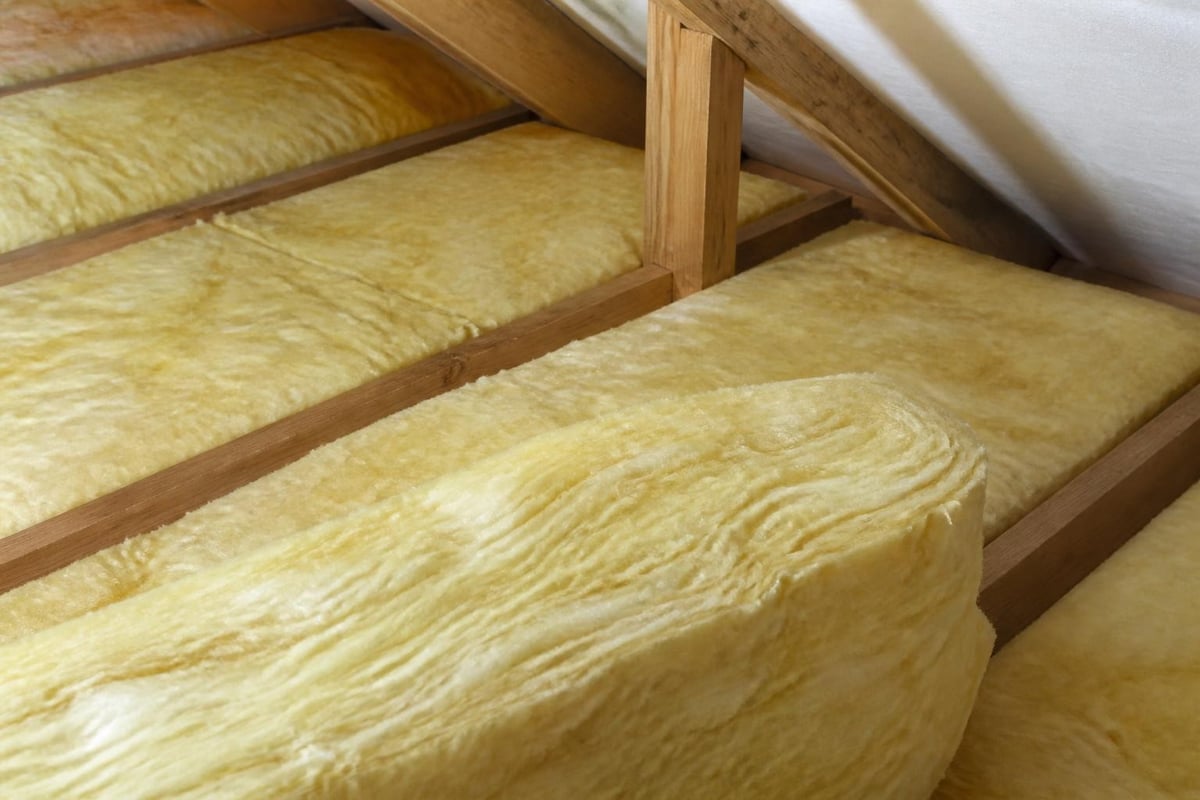
Thermal insulation works by resisting the flow of heat through conduction, convection and radiation. An insulated blanket achieves this primarily by trapping still air within its fibrous structure. Air is a poor conductor of heat, so the more air pockets trapped inside the blanket, the better it performs.
When installed in a roof space, an insulated blanket slows the transfer of heat from the hot roof deck into the living area during summer, and reduces heat loss from the home to the cold roof cavity in winter. The effectiveness of any insulated blanket is measured by its R-value, a standardised rating that indicates thermal resistance. Higher R-values mean better insulating performance.
Understanding R-Values
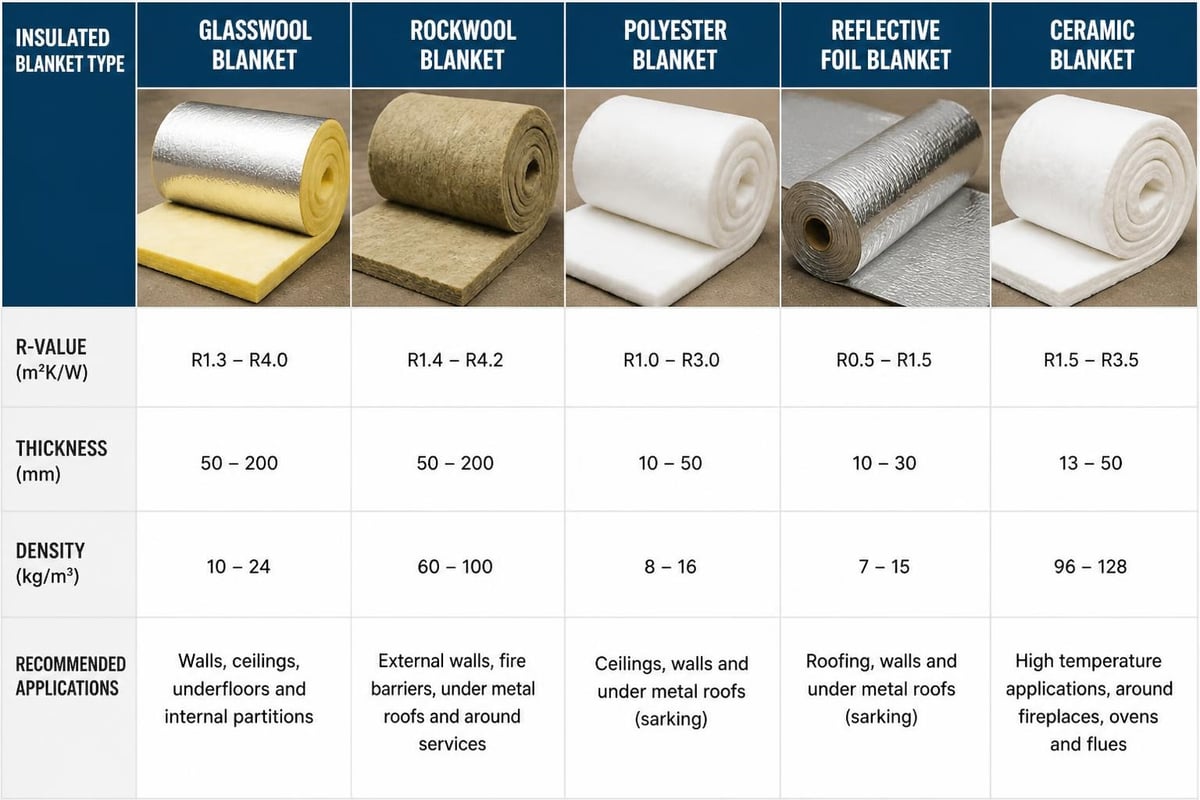
Thermal performance ratings vary depending on thickness and material density. An insulated blanket with an R-value of R2.5 provides moderate thermal resistance, suitable for mild climates or walls, while R4.0 to R6.0 products are typically used in ceilings across most Australian climate zones. Very cold regions may require R7.0 or higher.
Choosing the correct R-value for your location ensures compliance with the National Construction Code (NCC) and maximises energy efficiency. Climate zones across Victoria range from temperate coastal areas to alpine regions, so checking local requirements before purchasing an insulated blanket is essential.
Where to Use an Insulated Blanket
Blanket insulation suits a wide range of applications throughout residential and light commercial buildings. Its flexibility and continuous coverage make it ideal for areas where rigid boards would be impractical or leave gaps.
Roof and Ceiling Spaces
Installing an insulated blanket in the roof cavity is the most common application. Rolls can be laid horizontally over ceiling joists (for ceiling insulation) or draped beneath the roof deck between rafters (for roof insulation). Roof applications are particularly effective under metal roofs, where summer heat gain can be extreme.
For homes in Melbourne and regional Victoria, an R3.5 to R6.0 insulated blanket typically meets NCC minimum standards for ceiling insulation. The exact requirement depends on your climate zone and whether you're building new or renovating.
Wall Insulation
While batts are more commonly used in walls, an insulated blanket can be cut to length and fitted vertically between studs in timber or steel-framed walls. Blanket products are especially useful in irregularly spaced walls or when retrofitting insulation into existing frames.
Wall insulation typically requires lower R-values than ceilings-often R1.5 to R2.5-but still contributes significantly to whole-home energy efficiency and acoustic performance.
Underfloor Applications
Suspended timber floors benefit from an insulated blanket installed between floor joists. This reduces cold draughts rising through floorboards, improves winter comfort and can lower heating costs. Underfloor blankets are usually unfaced or come with a draught barrier layer to block wind while allowing moisture vapour to escape.
Pairing an insulated blanket with an underfloor wrap or foil layer further enhances performance by blocking radiant heat loss and limiting air movement from beneath the building.
Installation Best Practices
Correct installation is critical to achieving the advertised R-value and avoiding common problems such as compression, gaps and moisture issues. An insulated blanket should always be installed in accordance with manufacturer guidelines and industry best practices.
Measuring and Cutting
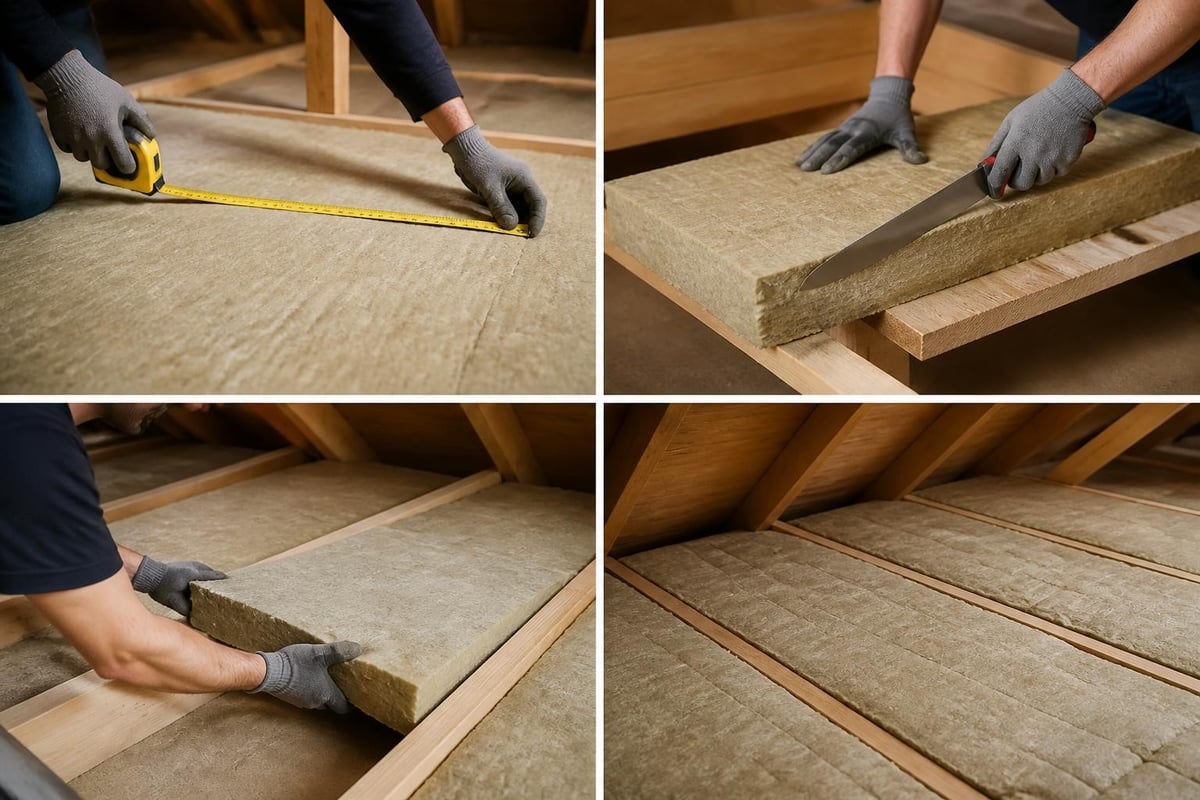
Measure the cavity width and length carefully before unrolling the blanket. Most rolls come in standard widths (such as 1200mm), but you may need to trim to fit your joist or stud spacing. Use a sharp utility knife and a straightedge to make clean cuts. Avoid compressing the insulated blanket during cutting, as this can reduce its thickness and thermal performance.
Fitting Between Joists or Studs
Lay the blanket between joists or studs so it fills the cavity without excessive compression or gaps. The insulated blanket should sit snugly but not be squashed-compression reduces the air pockets and lowers the effective R-value.
If you're insulating a ceiling from above, drape the blanket over the joists and press it gently into place. For underfloor or rafter installations, use insulation supports, netting or friction-fit techniques to hold the blanket securely.
Avoiding Gaps and Compression
Gaps around pipes, cables and downlights are common weak points. Cut the insulated blanket carefully to fit around these obstacles, or use offcuts to fill small voids. Never cover recessed downlights or heat-producing devices unless they're rated for contact with insulation (IC-rated fittings).
Compression reduces performance, so choose a blanket thickness that suits your cavity depth. For example, a 130mm insulated blanket delivering R3.7 requires a cavity at least 130mm deep. Squashing a 200mm product into a 150mm cavity will significantly reduce its R-value.
Choosing the Right Insulated Blanket for Your Project
Not all blanket insulation products are created equal. Selecting the best option depends on your application, climate, budget and any specific performance requirements such as acoustic control or fire resistance.
Glasswool vs. Polyester Blankets
| Feature | Glasswool Blanket | Polyester Blanket |
|---|---|---|
| Material | Recycled glass, sand | Recycled PET plastic |
| Thermal Performance | Excellent (high R-values per thickness) | Good (slightly lower per thickness) |
| Fire Resistance | Non-combustible | Combustible (may require fire barrier) |
| Handling | Itchy (modern versions much softer) | Non-itch, hypoallergenic |
| Moisture Tolerance | Dries quickly, retains R-value when dry | Water-resistant, does not absorb moisture |
| Cost | Generally lower | Usually higher |
Glasswool remains the most cost-effective and thermally efficient choice for roofs and ceilings. It's non-combustible, widely available and meets ASTM thermal insulation standards for blanket products.
Polyester is a better fit for underfloor areas, wet zones or for DIYers who prefer a non-itch material. Its lower fire resistance means additional fire barriers may be required in some wall applications.
Faced vs. Unfaced Blankets
Some insulated blanket products come with a facing layer-usually foil, kraft paper or a vapour barrier. Faced blankets can provide additional benefits:
- Foil-faced blankets add a radiant barrier, reflecting heat away from living spaces and improving overall thermal performance in roof applications.
- Vapour barrier facings reduce moisture movement, useful in climates or rooms prone to high humidity.
- Unfaced blankets are simpler to handle, easier to cut and fit, and often preferred for retrofits where no facing is required.
For most Victorian homes, unfaced glasswool blanket products like the Earthwool range offer an excellent balance of performance, ease of installation and value.
Density and Performance
An insulated blanket's density (measured in kg/m³) affects both thermal and acoustic performance. Higher-density products generally deliver better sound absorption and slightly improved thermal resistance per millimetre of thickness, but they're also heavier and more expensive.
Standard-density blankets (around 10–14 kg/m³) suit most thermal applications in roofs and ceilings. High-density acoustic blankets (20–27 kg/m³) are designed for walls and ceilings where noise reduction is a priority.
Acoustic Insulation with Blanket Products
While thermal performance is the primary goal, an insulated blanket also provides acoustic benefits by absorbing sound energy and reducing noise transmission between rooms or from outside.
Sound absorption is especially important in multi-storey homes, home theatres, bedrooms and open-plan living areas. Thicker, denser blanket insulation absorbs more sound, particularly mid- and high-frequency noise such as voices, music and traffic.
Airborne vs. impact noise: Blanket insulation is most effective against airborne sound (conversation, TV, outdoor noise). For impact noise (footsteps, furniture movement), you'll also need floor underlays or resilient mounting systems.
When choosing an insulated blanket for acoustic performance, look for products with a higher density and an acoustic rating (Rw or NRC value). Combining thermal and acoustic insulation in one product is a cost-effective way to improve overall comfort.
Safety and Fire Considerations
Fire safety is a critical factor when selecting and installing any insulated blanket. Building codes and standards set strict requirements to protect occupants and property.
Glasswool blankets are non-combustible and meet Australian fire safety standards for most applications. They won't ignite, spread flames or produce toxic smoke, making them safe for use in roofs, walls and ceilings without additional fire barriers.
Polyester and reflective blankets may be combustible or have lower fire ratings. When using these materials, you may need to install a fire-rated barrier (such as plasterboard) between the insulation and the living space, particularly in walls. Always check product specifications and consult NFPA fire safety guidance or local building regulations before installing a combustible insulated blanket.
Safe Handling and Installation
- Wear protective gear: Gloves, long sleeves, a dust mask and safety glasses reduce skin irritation and dust exposure during installation.
- Ventilate the work area: Roof and ceiling spaces can be hot, dusty and poorly ventilated. Take regular breaks and ensure adequate airflow.
- Avoid covering heat sources: Never drape an insulated blanket over recessed lights, exhaust fans, chimneys or hot-water systems unless they're specifically rated for insulation contact.
- Maintain clearances: Follow electrical and plumbing clearances to prevent overheating and moisture damage.
Maintenance and Longevity
An insulated blanket requires minimal maintenance once installed, but periodic inspections help ensure ongoing performance.
Check for compression: Over time, stored items, foot traffic or roof work can compress insulation. Fluff up compressed areas or replace damaged sections.
Look for moisture damage: Water leaks from the roof, plumbing or condensation can wet the insulated blanket. Glasswool will dry and recover its R-value if the leak is fixed promptly, but prolonged saturation can lead to mould or sagging.
Inspect for pests and nesting: Roof spaces occasionally attract rodents or birds. Remove nests promptly and repair any damaged insulation.
Consider upgrading: Insulation technology and building standards improve over time. If your home was built before 2010, your existing insulated blanket may have a lower R-value than current NCC minimums. Upgrading can deliver significant energy savings.
Cost Considerations and Return on Investment
The cost of an insulated blanket varies depending on R-value, thickness, material and coverage area. As a general guide, budget between $10 and $30 per square metre for standard glasswool rolls, with higher-density or premium products costing more.
Upfront cost vs. long-term savings: While insulation is an upfront expense, the energy savings typically pay back the investment within a few years. Homes with properly installed ceiling and wall insulation can reduce heating and cooling costs by 20–50%, depending on climate and existing efficiency.
Rebates and incentives: Check whether state or federal energy-efficiency programs offer rebates for insulation upgrades. The Victorian Energy Upgrades (VEU) program occasionally includes insulation for eligible households.
DIY vs. professional installation: Installing an insulated blanket yourself can save labour costs, but ensure you understand safe installation practices and building code requirements. Professional installers bring experience, insurance and compliance guarantees.
Comparing Blanket Insulation to Other Insulation Types
Blanket products aren't the only option for thermal insulation. Understanding how an insulated blanket compares to batts, boards and other materials helps you make an informed choice.
| Insulation Type | Best Applications | Pros | Cons |
|---|---|---|---|
| Insulated Blanket | Roofs, ceilings, long runs, irregular spaces | Continuous coverage, flexible, fast install | Needs support in vertical/underfloor apps |
| Batts | Walls, standard joist spacing | Pre-cut, friction-fit, easy handling | More joins, potential gaps |
| Rigid Board (XPS/EPS) | Underfloor, external walls, slabs | High compressive strength, moisture-proof | Less flexible, requires cutting |
| Reflective Foil | Roof sarking, radiant barriers | Reflects heat, lightweight | Low bulk R-value, needs air gap |
An insulated blanket excels in long, uninterrupted runs such as ceiling insulation or roof spaces, where minimising joins reduces gaps and speeds up installation. For walls with standard stud spacing, batts may be more convenient, while rigid boards suit applications requiring structural strength.
Specialty Blanket Insulation Products
Beyond standard thermal blankets, specialty products address specific performance needs or unusual applications.
High-Density Acoustic Blankets
For homeowners prioritising noise reduction, high-density acoustic insulated blanket products deliver superior sound absorption. These blankets typically have densities of 20–27 kg/m³ and are designed for party walls, home theatres and bedrooms near busy roads.
Thermal Roof Blankets for Metal Roofs
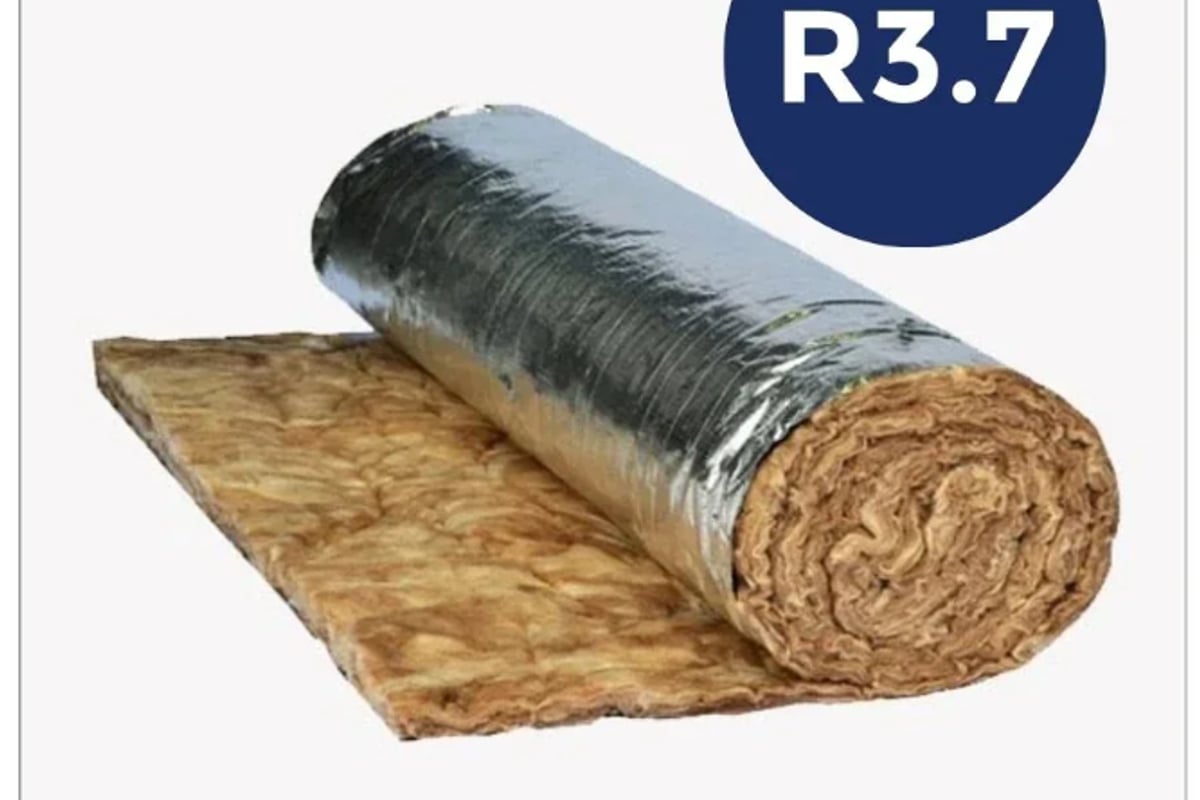
Metal roofing can turn roof spaces into ovens during summer. A high-performance insulated blanket installed directly under the roof deck reduces radiant heat gain and condensation, improving comfort and protecting stored items in the roof void. For metal roof applications, premium roof blankets like the Thermal Blanket R3.7 deliver robust thermal performance at 22 kg/m³ density, ensuring durability and effective insulation even in extreme heat.
Reflective Underfloor Wraps
Reflective foil products act as both a radiant barrier and a draught seal for suspended floors. While not technically an insulated blanket in the traditional sense, they're often combined with glasswool or polyester blankets to create a complete underfloor insulation system.
Space Blanket Technology
The term "space blanket" often refers to ultra-thin reflective films developed by NASA for thermal protection in aerospace applications. These multi-layer reflective insulation systems inspired some modern foil-faced insulation products, though residential insulated blanket solutions rely primarily on bulk insulation rather than pure radiant reflection.
Common Mistakes to Avoid
Even experienced DIYers can make costly errors when installing an insulated blanket. Avoid these common pitfalls to maximise performance and safety:
- Compressing the blanket: Squashing insulation reduces its R-value. Choose the correct thickness for your cavity depth.
- Leaving gaps: Small gaps around penetrations, at wall junctions and between cuts can significantly reduce overall performance.
- Covering downlights: Non-IC-rated recessed lights must have clearance. Use downlight covers or boxes to maintain safe clearances.
- Ignoring ventilation: Roof insulation should not block soffit or ridge vents. Adequate ventilation prevents moisture build-up.
- Installing wet insulation: Never install a damp insulated blanket. Dry out roof spaces and fix leaks before insulating.
- Skipping safety gear: Skin irritation and dust inhalation are preventable with gloves, a mask and protective clothing.
Insulation Upgrades and Retrofits
Adding an insulated blanket to an existing home can dramatically improve comfort and energy efficiency, but retrofit projects require extra planning.
Access constraints: Roof and wall cavities in older homes may be difficult to access. Ceiling insulation is usually straightforward, but wall retrofits may require removing cladding or blowing loose-fill insulation instead.
Existing insulation: If your home already has some insulation, assess its condition and R-value. Adding a second layer of insulated blanket over old insulation can boost performance, but ensure the combined thickness fits the cavity and doesn't compress either layer.
Building code compliance: Retrofits must still meet minimum NCC standards and any local requirements. If you're also doing electrical or structural work, you may need a building permit.
Professional assessment: For complex retrofits, an energy assessor or insulation professional can identify the best approach, calculate potential savings and ensure code compliance.
Regional Considerations for Victoria
Victoria's diverse climate zones-from coastal temperate areas around Melbourne to alpine regions in the High Country-demand different insulation strategies.
Melbourne and coastal areas: Minimum ceiling R-values typically range from R3.5 to R5.0, depending on the specific climate zone. An insulated blanket rated R4.0 to R5.0 suits most homes and delivers year-round comfort.
Regional and alpine zones: Colder regions require higher R-values (R6.0 to R7.0) to meet NCC standards and maintain winter warmth. Thicker insulated blanket products or double-layer installations may be necessary.
Hot, dry inland areas: Focus on high ceiling R-values (R5.0+) and consider foil-faced blankets to reflect summer heat. Wall insulation also becomes more important in extreme climates.
Always check the Building Code of Australia (BCA) climate zone for your location and select an insulated blanket that meets or exceeds minimum requirements.
Buying Insulated Blanket Products in Australia
When purchasing an insulated blanket for your project, consider product quality, supplier reliability and local availability.
Product specifications: Verify the R-value, thickness, width, length, density and material type before ordering. Check for Australian Standards compliance and manufacturer warranties.
Coverage calculations: Measure your roof or wall area carefully. Most blankets are sold by the roll, covering between 10m² and 36m² depending on width and length. Buy 5–10% extra to allow for cuts, wastage and irregular spaces.
Delivery and pickup options: Blanket insulation is bulky. Arrange delivery to site or choose a supplier offering convenient pickup. Insulation Supplies Australia provides both delivery and pickup options across Victoria, making it easy for DIYers and tradespeople to source high-quality insulated blanket products online.
Bulk purchasing for trades: Builders and contractors should compare pricing for multi-roll orders and check whether trade accounts or volume discounts are available.
Choosing and installing the right insulated blanket transforms comfort, reduces energy bills and improves the thermal performance of any Australian home. Whether you're upgrading ceiling insulation, tackling a full renovation or insulating a new build, selecting a product that matches your climate zone and application ensures long-term results. For a wide range of glasswool, polyester and specialty insulated blanket options with detailed specifications, competitive pricing and delivery across Victoria, visit Insulation Supplies Australia to find the perfect solution for your project.