
When you're looking to improve your home's energy efficiency or tackle a renovation project, an insulated blanket might be exactly what you need. These versatile insulation products have become increasingly popular across Victoria and throughout Australia, offering homeowners and builders a flexible, effective solution for controlling temperature, reducing energy bills, and creating more comfortable living spaces. Whether you're insulating a roof, underfloor area, or wall cavity, understanding how insulated blanket products work and which type suits your project can make all the difference in achieving lasting results.
What Is an Insulated Blanket
An insulated blanket is a continuous roll of thermal insulation material designed to provide comprehensive coverage across large areas. Unlike pre-cut batts that come in fixed dimensions, blanket insulation arrives in rolls that can be unrolled and cut to fit specific spaces.
Most insulated blanket products manufactured for the Australian market use glasswool or polyester fibres as their core material. The blanket format offers several distinct advantages:
- Continuous coverage minimises gaps and thermal bridges
- Flexible sizing allows custom cuts for irregular spaces
- Easier handling in roof cavities and awkward areas
- Reduced waste through precise cutting to length
Common Applications for Insulated Blanket Products
The versatility of blanket insulation makes it suitable for various building applications. Roof spaces represent one of the most common uses, where the continuous roll format allows installers to cover vast ceiling areas efficiently.
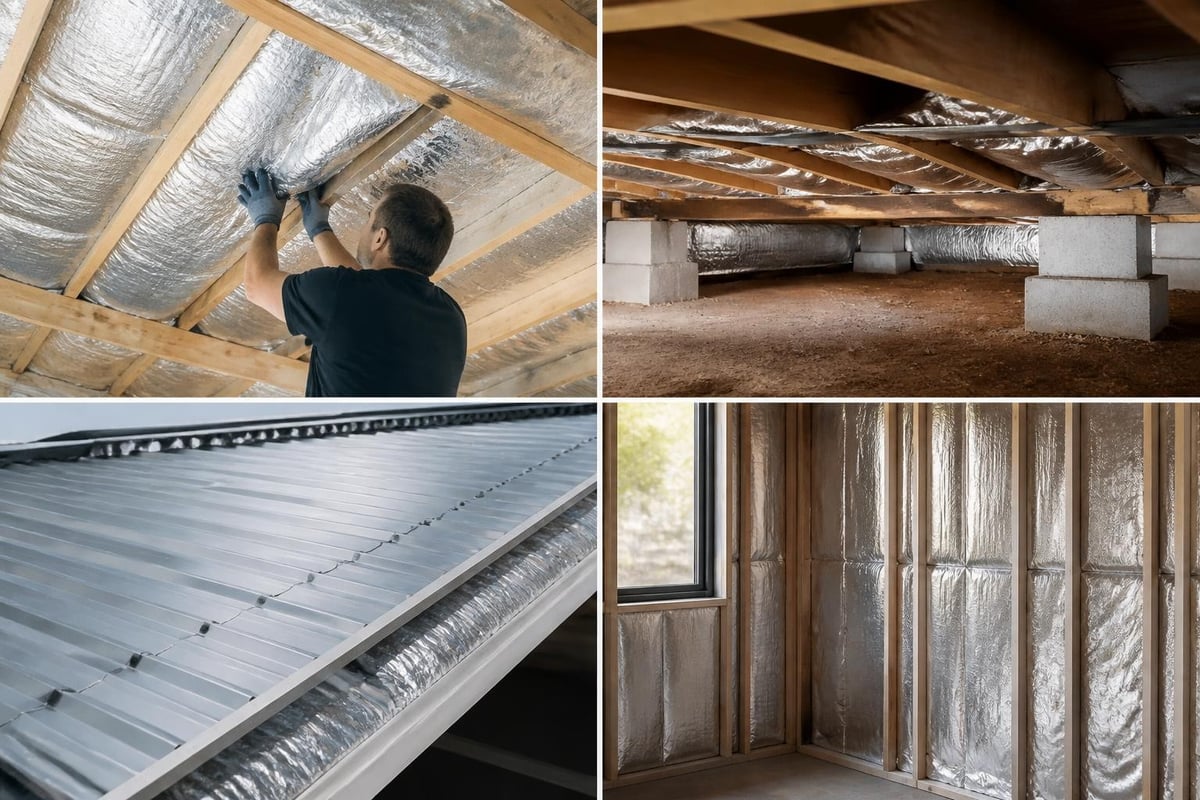
Underfloor installations also benefit from the blanket format, particularly in homes with suspended timber floors. The material can be draped between joists and secured with battens or wire mesh, creating a thermal barrier that prevents cold air infiltration from beneath the building.
Metal roof systems frequently incorporate specialised insulated blanket products designed specifically for installation under metal roofing. These products often include reflective foil layers that address radiant heat transfer, which is particularly important in Australia's hot climate.
Types of Insulated Blanket Materials
Understanding the different materials used in insulated blanket construction helps you select the right product for your specific needs and budget.
Glasswool Insulated Blankets
Glasswool remains the most widely used material for thermal insulated blanket products across Australia. Made from recycled glass and sand, glasswool offers excellent thermal performance at a competitive price point.
Modern glasswool insulated blanket products manufactured using ECOSE® Technology have transformed the material's handling characteristics. These products are:
- Softer to touch than traditional glasswool
- Lower in dust and airborne particles
- Free from formaldehyde and artificial colours
- Easier to cut and install
The thermal resistance (R-value) of glasswool insulated blanket products typically ranges from R1.3 to R3.7, depending on thickness and density. Higher-density versions provide better acoustic performance alongside thermal benefits.
Polyester Insulated Blankets
Polyester-based insulated blanket products offer a different set of characteristics that appeal to certain applications and preferences. Made from recycled plastic bottles, polyester insulation is non-allergenic and doesn't require protective gear during installation.
Key benefits include:
- Non-irritating fibres that won't cause skin itching
- Mould resistant properties in damp conditions
- Class 1 fire rating for enhanced safety
- 100% recyclable at end of life
Reflective Foil Insulated Blankets
Reflective insulated blanket products combine bulk insulation materials with reflective aluminium foil layers. This combination addresses both conductive and radiant heat transfer, making them particularly effective in roof applications.
These products work by reflecting up to 97% of radiant heat away from living spaces during summer and minimising heat loss during winter. The reflective layer must face an air gap of at least 25mm to function effectively.
Understanding R-Values for Insulated Blanket Products
The R-value measures how effectively an insulated blanket resists heat flow. Higher R-values indicate better thermal performance and greater energy efficiency.
| R-Value | Thickness | Best Applications | Climate Suitability |
|---|---|---|---|
| R1.3-R1.8 | 55-75mm | Walls, mild climates | Moderate zones |
| R2.3-R2.5 | 100-105mm | Underfloor, walls | Most of Victoria |
| R3.0-R3.2 | 120-130mm | Ceiling, cool climates | Melbourne, regional VIC |
| R3.7+ | 130mm+ | Premium ceiling | All Victorian climates |
Victoria's building regulations require minimum insulation levels depending on your climate zone. Melbourne falls within Climate Zone 6, which requires minimum ceiling insulation of R3.5 for new builds, though existing homes often benefit from upgrading to R3.0 or higher.
When selecting an insulated blanket, consider both current requirements and future-proofing your home. Installing higher R-value insulation now costs marginally more but delivers significantly better long-term energy savings and comfort.
Installation Considerations for Insulated Blanket
Successful insulated blanket installation depends on proper technique and attention to detail. While the blanket format simplifies some aspects compared to batts, certain principles remain critical.
Preparing the Installation Area
Before unrolling your insulated blanket, thoroughly inspect the installation area. Remove any debris, check for moisture issues, and ensure electrical wiring is properly secured and compliant with current standards.
For roof installations:
- Check for roof leaks and repair before installing
- Ensure adequate ventilation to prevent condensation
- Verify ceiling joists are structurally sound
- Install downlight covers where required
- Map electrical cables to avoid compression
Cutting and Fitting Techniques
One advantage of blanket insulation is the ability to cut precise lengths for your specific space. Use a sharp utility knife or insulation knife, and cut on a flat surface for clean, straight edges.
When installing, maintain consistent coverage without compressing the material. Compression reduces the R-value significantly because insulation relies on trapped air pockets for thermal resistance. Even slight compression can reduce performance by 20-30%.
Safety Equipment and Handling
While modern insulated blanket products are safer and easier to handle than older materials, basic safety practices remain important:
- Wear long sleeves and gloves during installation
- Use dust masks in confined spaces
- Ensure adequate lighting in roof cavities
- Take regular breaks to avoid heat stress
- Keep the work area well-ventilated
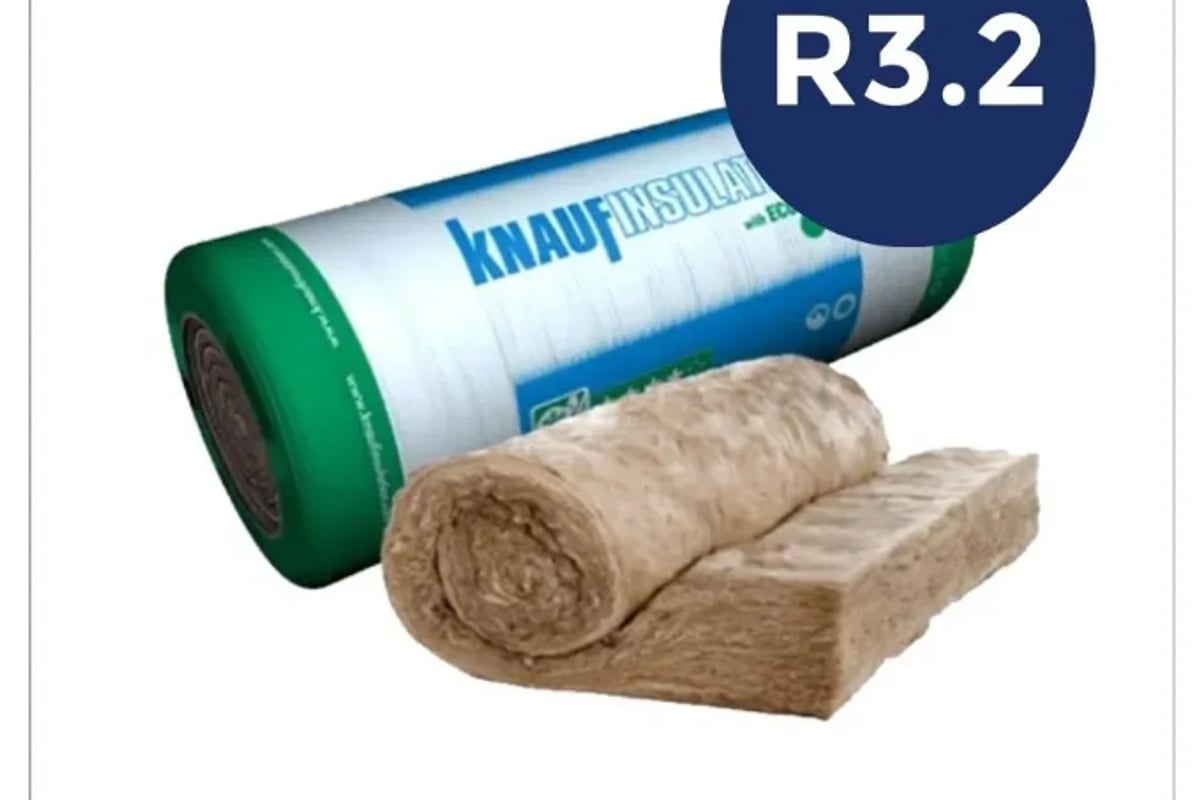
The Earthwool Blanket Unfaced R3.2 130mmx1200mmx13.5m 16.2m² from Knauf offers an excellent example of modern insulated blanket technology. Manufactured with ECOSE® Technology, it's soft to handle, low in dust, and provides robust thermal performance for ceiling applications across Victorian homes.
Benefits of Using Insulated Blanket in Australian Homes
The adoption of quality insulated blanket products delivers measurable improvements across multiple aspects of home comfort and efficiency.
Energy Efficiency and Cost Savings
Properly installed insulated blanket reduces heating and cooling energy consumption by up to 45% compared to uninsulated spaces. In Melbourne's variable climate, this translates to substantial annual savings on energy bills.
During summer, thermal insulated blanket prevents hot air from penetrating through roofs and walls. In winter, it retains heated air within living spaces, reducing the workload on heating systems.
Improved Indoor Comfort
Temperature consistency represents one of the most noticeable benefits homeowners experience after installing quality insulated blanket products. Rooms maintain more stable temperatures, eliminating hot and cold spots that create discomfort.
This thermal stability extends beyond just temperature. Reduced temperature fluctuations mean:
- Less drafts and cold zones near walls and ceilings
- More even heating across all rooms
- Reduced humidity fluctuations
- Better sleep quality in bedrooms
Acoustic Benefits
While primarily designed for thermal performance, insulated blanket products also provide acoustic dampening. The fibrous structure absorbs sound waves, reducing noise transmission between rooms and from external sources.
Higher-density insulated blanket products offer enhanced acoustic performance, making them ideal for noise-sensitive areas like bedrooms, home offices, and entertainment rooms.
Environmental Advantages
Modern insulated blanket products contribute to environmental sustainability in multiple ways:
| Environmental Benefit | Impact |
|---|---|
| Reduced energy consumption | Lower greenhouse gas emissions from heating/cooling |
| Recycled content | Less landfill waste, reduced virgin material use |
| Long lifespan | 50+ years performance reduces replacement frequency |
| Manufacturing efficiency | Modern production uses less energy and water |
Choosing the Right Insulated Blanket for Your Project
Selecting the appropriate insulated blanket requires evaluating several factors specific to your home and project requirements.
Assessing Your Insulation Needs
Start by identifying which areas of your home need insulation. Roofs typically offer the greatest return on investment because heat rises and most thermal transfer occurs through ceiling spaces.
Consider your climate zone and the seasons you want to target. Melbourne's temperate climate with cold winters and warm summers benefits from balanced insulation that performs year-round rather than products optimised for only heating or cooling.
Matching Product to Application
Different spaces require different insulated blanket specifications:
Ceiling/Roof Applications:
- Target minimum R3.0, ideally R3.5-R4.0
- Consider higher density for acoustic benefits
- Ensure adequate thickness for joist depth
- Select unfaced products for standard installations
Underfloor Applications:
- Minimum R1.5-R2.5 depending on ground clearance
- Consider moisture-resistant options
- Factor in support method (wire, battens, strapping)
- Reflective options for timber floors over exposed ground
Wall Cavity Applications:
- Match thickness to stud depth
- Higher density improves acoustic performance
- Consider moisture management properties
- Ensure compatibility with wall wrap systems
Budget vs. Performance Considerations
While budget constraints influence product selection, consider the long-term value equation. Upgrading from R2.5 to R3.5 insulated blanket might cost 20% more initially but delivers 30-40% better thermal performance and energy savings that compound annually.
Calculate your payback period by estimating energy bill reductions against the additional upfront cost. In most Victorian homes, the payback period for premium insulated blanket products is 3-5 years, after which the savings represent pure value.
Maintenance and Longevity of Insulated Blanket
Quality insulated blanket products require minimal maintenance once properly installed, but periodic inspections ensure continued performance.
Expected Lifespan
Modern glasswool and polyester insulated blanket products maintain their thermal properties for 50 years or more when correctly installed and protected from moisture. The materials don't settle significantly or degrade under normal conditions.
Periodic Inspection Recommendations
Inspect your insulated blanket every 3-5 years or after significant weather events:
- Check for moisture stains indicating roof leaks
- Look for compression from storage items in roof spaces
- Verify coverage hasn't shifted or created gaps
- Examine around penetrations (pipes, cables, downlights)
- Ensure ventilation pathways remain clear
When to Replace or Upgrade
Replace insulated blanket sections that show:
- Water damage or mould growth
- Significant compression that can't be restored
- Animal nesting or contamination
- Fire or smoke damage
Even without damage, many homeowners choose to upgrade older insulation to current standards during renovations. If your home has R1.5 or R2.0 insulated blanket from decades ago, upgrading to R3.5 or higher delivers substantial comfort and efficiency improvements.
Common Mistakes to Avoid with Insulated Blanket Installation
Learning from common errors helps ensure your insulated blanket performs as intended and delivers the expected benefits.
Compression and Gap Issues
Never compress insulated blanket to fit around obstacles or into tight spaces. Compressed insulation loses most of its effectiveness because thermal resistance depends on trapped air within the material structure.
Similarly, gaps around the edges or between sections create thermal bridges where heat flows freely. Even small 5cm gaps can reduce overall performance by 15-20% in that area.
Moisture and Ventilation Problems
Installing insulated blanket without addressing ventilation creates condensation risks. Roof spaces need adequate ventilation to allow moisture to escape and prevent mould growth.
Ensure soffit vents remain unblocked and ridge ventilation functions properly. In underfloor applications, maintain ground clearance and ventilation to prevent moisture accumulation beneath the building.
Incorrect Product Selection
Using wall-grade insulated blanket in ceiling applications or vice versa leads to suboptimal performance. Each application has specific requirements for R-value, thickness, density, and handling characteristics.
Similarly, selecting insulated blanket based solely on price without considering climate requirements, space constraints, or performance needs often results in disappointing outcomes and wasted investment.
Comparing Insulated Blanket to Other Insulation Types
Understanding how insulated blanket compares to alternative insulation formats helps inform your product selection.
Insulated Blanket vs. Batts
Batts come pre-cut to standard dimensions, making them quicker to install in evenly spaced joists. Insulated blanket offers flexibility for irregular spacing and continuous coverage.
| Feature | Insulated Blanket | Batts |
|---|---|---|
| Coverage | Continuous, custom lengths | Fixed sizes, standard spacing |
| Waste | Minimal when cut precisely | More offcuts with odd spacing |
| Installation speed | Moderate | Fast in standard applications |
| Irregular spaces | Excellent flexibility | Requires cutting and piecing |
| Cost | Generally competitive | Often slightly lower |
Insulated Blanket vs. Loose Fill
Loose-fill insulation (blown cellulose or wool) offers excellent coverage in awkward spaces but requires specialised equipment. Insulated blanket provides predictable R-values and easier DIY installation.
Insulated Blanket vs. Rigid Boards
Rigid foam boards deliver high R-values per thickness but cost significantly more than insulated blanket products. They're ideal for specific applications like under-slab or external wall cladding but less practical for standard ceiling and wall cavity installations.
For most Victorian home insulation projects, particularly roof and underfloor applications, insulated blanket products offer the best balance of performance, cost-effectiveness, and installation practicality. You can explore various options through Insulation Supplies Australia to find products suited to your specific requirements.
Regulations and Standards for Insulated Blanket in Victoria
Compliance with building codes and standards ensures your insulated blanket installation meets safety requirements and performs as expected.
National Construction Code Requirements
The National Construction Code (NCC) sets minimum insulation standards based on climate zones. Victorian homes fall within zones 6 (Melbourne metro) and 7 (alpine regions), each with specific requirements.
For new residential construction and major renovations:
- Ceiling insulation: Minimum R3.5 (Zone 6), R4.5 (Zone 7)
- Wall insulation: Minimum R1.5-R2.0 depending on wall type
- Underfloor insulation: R1.0-R2.0 depending on exposure
Fire Safety Compliance
All insulated blanket products must comply with Australian Standard AS/NZS 4859.1 for fire performance. Look for products with appropriate fire ratings:
- Class 0 or Class 1 fire rating for most applications
- Non-combustible classification for high-risk areas
- Compliance certification from accredited laboratories
Installation Standards
Professional installers follow AS/NZS 3999 for thermal insulation installation. Even for DIY projects, adhering to these principles ensures safety and performance:
- Maintain required clearances around recessed lights
- Don't cover or compress insulation around heat sources
- Ensure proper ventilation in roof and underfloor spaces
- Use appropriate fixings and supports for suspended installations
- Protect insulation from moisture during and after installation
For guidance on compliant installation practices, refer to resources available through Insulation Supplies Australia's installation page.
Where to Buy Quality Insulated Blanket in Victoria
Sourcing your insulated blanket from reputable suppliers ensures you receive genuine products with verified performance ratings and manufacturer warranties.
Product Range and Availability
Leading suppliers stock comprehensive ranges covering different R-values, thicknesses, widths, and roll lengths. This variety allows precise matching to your project requirements without compromising on performance or creating excessive waste.
Look for suppliers offering:
- Multiple R-value options from R1.3 to R3.7+
- Various roll widths to suit different joist spacings
- Premium brands with proven track records
- Technical specifications readily available
- Product comparison tools to simplify selection
Expert Advice and Support
Quality suppliers provide more than just products. Expert guidance helps homeowners and builders select appropriate insulated blanket solutions, calculate quantities accurately, and understand installation best practices.
Insulation Supplies Australia combines extensive product availability with knowledgeable support, helping Victorian customers navigate insulation decisions confidently. Whether you're tackling a DIY renovation or managing a building project, access to expert advice ensures optimal outcomes.
Delivery and Logistics
Insulated blanket rolls are bulky items that benefit from professional delivery services. Reliable suppliers offer:
- Convenient delivery scheduling to suit your project timeline
- Melbourne metro coverage with reasonable lead times
- Regional Victorian delivery for properties outside metro areas
- Safe handling to prevent product damage in transit
Check delivery policies before purchasing to understand timeframes and any restrictions for your location.
Maximising Your Investment in Insulated Blanket
Getting the most value from your insulated blanket installation extends beyond simply choosing quality products.
Proper Preparation Maximises Performance
Time invested in preparation delivers better results and easier installation:
- Clean installation areas thoroughly before starting
- Repair any structural issues or leaks first
- Plan your installation sequence to minimise handling
- Gather all tools and safety equipment beforehand
- Measure accurately to reduce waste
Combine with Other Efficiency Measures
Insulated blanket works most effectively as part of a comprehensive approach to home efficiency:
Seal air leaks around windows, doors, and penetrations before insulating. Even the best insulated blanket can't compensate for significant air leakage.
Upgrade windows in older homes to complement your insulation investment. Double glazing or quality window treatments prevent thermal transfer through glass.
Optimise ventilation to manage humidity without losing conditioned air. Mechanical ventilation systems with heat recovery maximise efficiency.
Document Your Installation
Keep records of your insulated blanket installation including:
- Product specifications and R-values installed
- Installation dates and areas covered
- Supplier invoices and warranties
- Before and after photos
- Energy bill comparisons
This documentation proves valuable for insurance purposes, future renovations, and property sales where energy efficiency increasingly influences buyer decisions.
Choosing the right insulated blanket transforms your home's comfort, efficiency, and running costs for decades to come. Understanding the options, applications, and installation principles ensures your investment delivers maximum value. Whether you're upgrading an existing home or completing new construction, Insulation Supplies Australia offers the products, expertise, and support Victorian homeowners and builders need to achieve outstanding insulation outcomes with confidence and convenience.