
Choosing the right heat insulating materials for your home can dramatically improve comfort, reduce energy bills, and create a healthier living environment. Whether you're building new, renovating, or upgrading an existing property, understanding the different types of insulation materials available and how they perform is essential to making informed decisions. This guide explores the most common heat insulating materials used in Australian homes, their properties, applications, and how to select the best option for your specific needs.
Understanding How Heat Insulating Materials Work
Heat insulating materials function by slowing the transfer of thermal energy between different areas of your home. Heat naturally moves from warmer to cooler spaces through three primary methods: conduction, convection, and radiation.
Conduction occurs when heat passes directly through solid materials. Convection happens when heat transfers through air or liquid movement. Radiation involves heat travelling as electromagnetic waves through space.
The most effective heat insulating materials address all three forms of heat transfer. They typically contain millions of tiny air pockets that trap air and prevent it from circulating, which dramatically reduces both conduction and convection. Some materials also include reflective surfaces to combat radiant heat transfer.
R-value measures a material's thermal resistance. The higher the R-value, the better the material resists heat flow. Australia's National Construction Code specifies minimum R-values for different climate zones, ensuring homes meet energy efficiency standards.
Common Types of Heat Insulating Materials
Australian homeowners have access to several proven heat insulating materials, each with distinct characteristics and ideal applications.
Glasswool Insulation
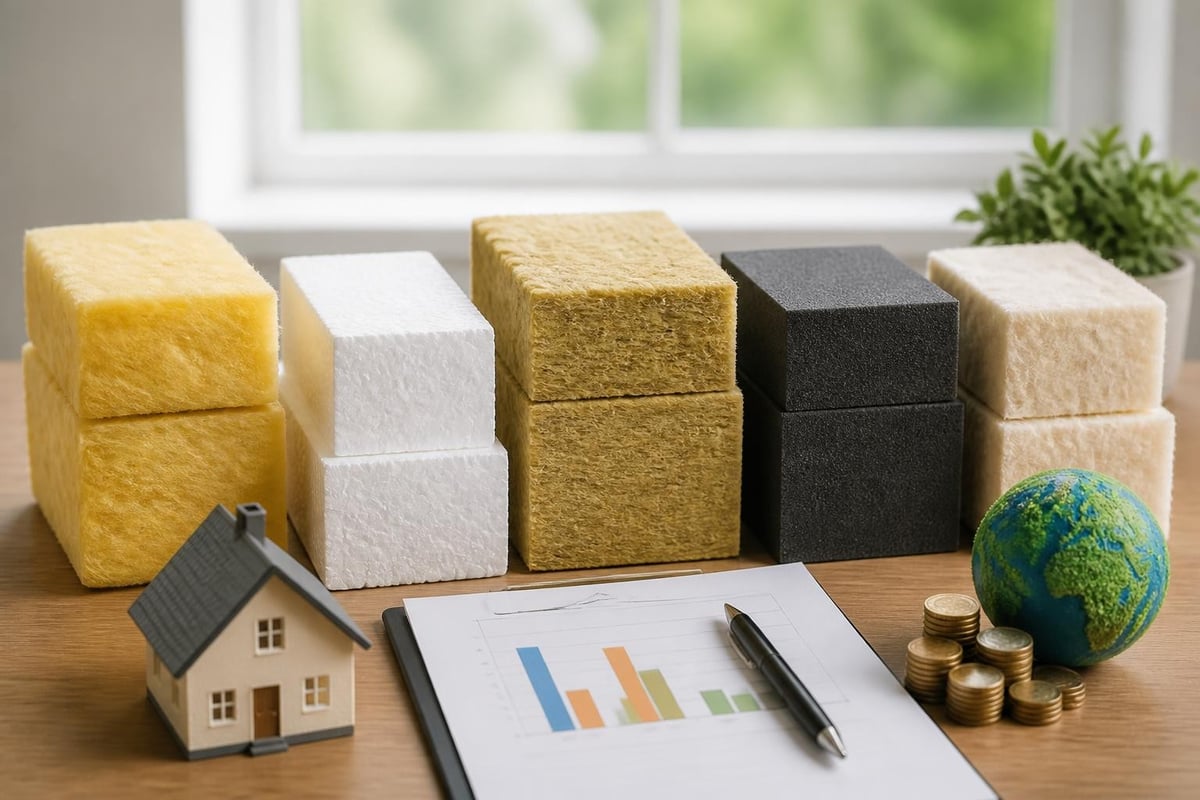
Glasswool is manufactured from recycled glass and sand, spun into fine fibres and formed into batts or blankets. This material dominates the Australian residential insulation market due to its excellent thermal performance, fire resistance, and cost-effectiveness.
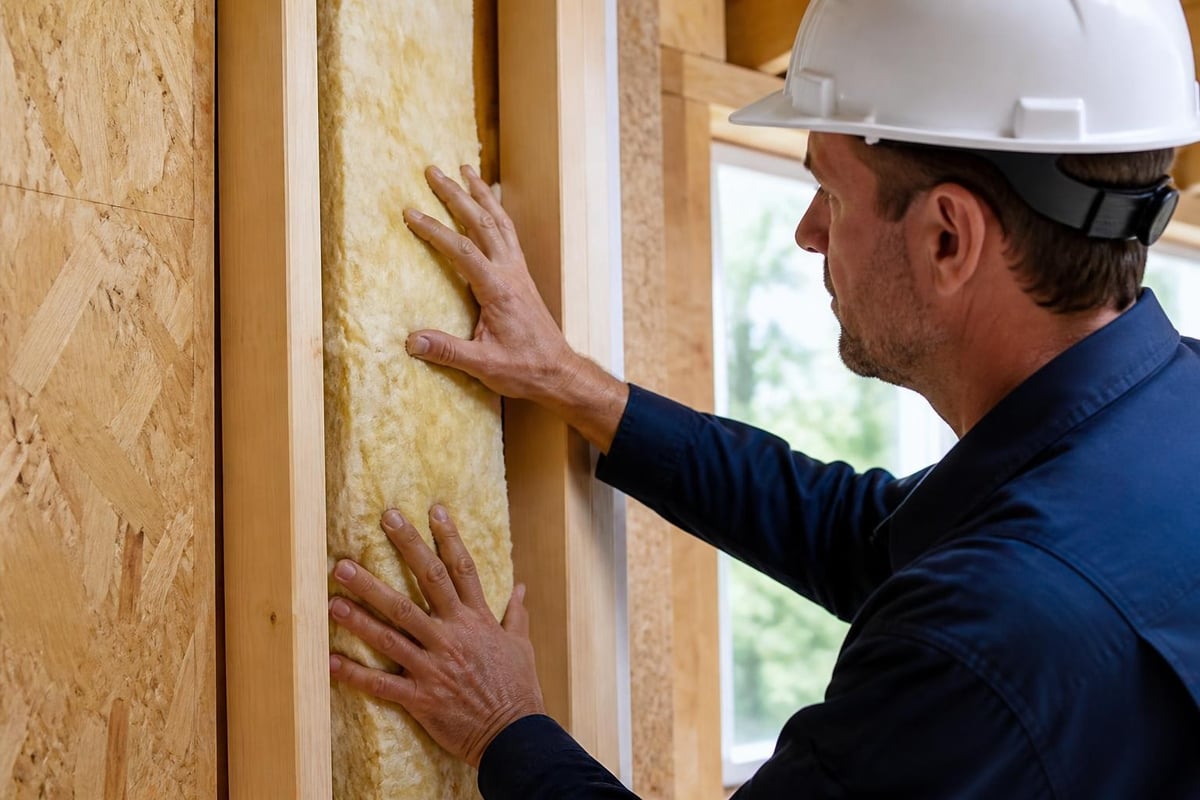
Modern glasswool products use advanced manufacturing technologies like ECOSE®, which eliminates formaldehyde and reduces dust during installation. These materials are soft to handle and suitable for DIY installation in walls, ceilings, and underfloor applications.
Key benefits include:
- Excellent thermal resistance across multiple R-values
- Non-combustible and fire-resistant
- Sound absorption properties
- Cost-effective for large areas
- Durable and long-lasting performance
Polyester Insulation
Polyester insulation consists of synthetic fibres bonded together to create batts with consistent density and thermal performance. This material appeals to homeowners concerned about handling comfort and indoor air quality.
Polyester advantages:
- Hypoallergenic and non-irritating
- No airborne fibres or dust
- Moisture resistant
- Safe for DIYers without protective gear
- Recyclable at end of life
Polyester typically costs more than glasswool but offers superior handling characteristics, making it popular for ceiling installations and renovation projects where installers work in confined spaces.
Expanded Polystyrene (EPS)
EPS boards are lightweight foam panels containing thousands of closed cells filled with air. This rigid insulation excels in applications requiring structural strength and moisture resistance.
Common EPS applications include:
- Under concrete slabs
- External wall systems
- Below-grade installations
- Cavity wall insulation
The closed-cell structure prevents water absorption, maintaining thermal performance even in damp conditions. EPS boards are easy to cut and install but require careful sealing at joints to prevent thermal bridging.
Extruded Polystyrene (XPS)
XPS boards offer higher density and compressive strength than EPS, making them ideal for high-load applications. The manufacturing process creates a uniform closed-cell structure with excellent moisture resistance and consistent R-values.
| Material | Density | Compressive Strength | Moisture Absorption | Primary Use |
|---|---|---|---|---|
| EPS | Lower | Moderate | Very low | Under slab, cavity walls |
| XPS | Higher | High | Extremely low | High-load floors, wet areas |
| Glasswool | Variable | Low | Moderate | Walls, ceilings, underfloor |
| Polyester | Medium | Low | Low | Walls, ceilings, acoustic |
Reflective Foil Insulation
Reflective foil materials work differently from bulk insulation products. They reflect radiant heat rather than trapping air. In Australian climates, reflective foil barriers installed in roof spaces can significantly reduce summer heat gain.
These materials work best when combined with an air gap. The still air space enhances thermal resistance while the reflective surface bounces radiant heat away. Combined systems using both bulk insulation and reflective barriers deliver optimal year-round performance.
Natural and Sustainable Options
Growing environmental awareness has increased demand for natural heat insulating materials. Options include wool, cellulose, hemp, and recycled cotton batts.
These materials offer:
- Lower embodied energy
- Renewable or recycled content
- Biodegradable properties
- Excellent moisture management
- Natural fire retardancy (some types)
While natural materials typically cost more than conventional options, they appeal to environmentally conscious homeowners prioritising sustainability without compromising thermal performance.
Selecting Heat Insulating Materials for Different Applications
Different areas of your home require specific heat insulating materials based on structural requirements, space limitations, and environmental conditions.
Ceiling and Roof Insulation
Ceilings represent the largest area of heat loss in winter and heat gain in summer. Up to 35% of thermal transfer occurs through the roof in uninsulated homes.
Ceiling insulation typically uses glasswool or polyester batts with R-values between R3.5 and R6.0, depending on your climate zone. Melbourne and regional Victoria typically require minimum R4.0 for ceilings in new construction.
Batts compress slightly under their own weight over time, so choose materials specifically rated for ceiling use. Blanket insulation works well for non-standard joist spacing and metal roof applications.
Wall Insulation
Wall cavities require heat insulating materials that fit snugly between studs without compressing or leaving gaps. Compression reduces R-value, while gaps create thermal bridges where heat escapes.
Glasswool and polyester batts come in standard widths (430mm, 580mm, 600mm) to suit common stud spacing. The wall insulation collection includes options from R1.5 to R2.7 for different wall thicknesses and climate requirements.
In masonry construction, cavity batts provide water-repellent properties while maintaining thermal resistance even if moisture enters the cavity. DriTherm technology ensures performance in these demanding applications.
Underfloor Insulation
Suspended timber floors benefit significantly from insulation, improving comfort and reducing heating costs. Cold air infiltration from beneath the building creates uncomfortable rooms and wastes energy.
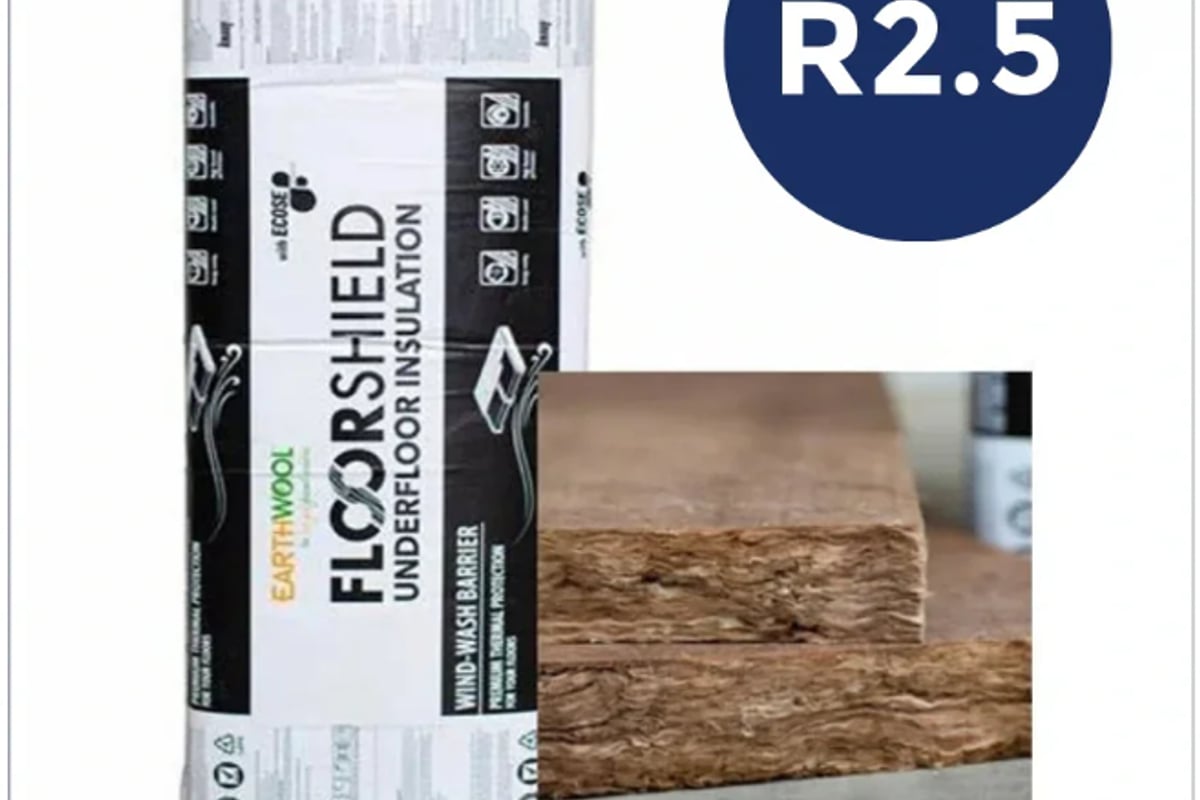
The Floorshield R2.5 Underfloor Batts by Knauf deliver excellent thermal performance for suspended floor systems. These glasswool batts are manufactured using ECOSE® Technology, making them soft to handle and easy to install between floor joists. They help reduce heat loss through floors while improving overall building energy efficiency.
For homes with limited subfloor access, reflective foil products offer easier installation. These materials install from above or use tensioned wire support systems from below.
Under Slab Applications
Concrete slabs conduct heat rapidly, making under slab insulation essential for comfort and energy efficiency. XPS and EPS boards withstand the compressive loads while preventing heat loss to the ground.
Minimum requirements vary by climate zone:
- Melbourne: R1.0 to R2.0 depending on slab edge detail
- Regional Victoria: Up to R2.5 in colder areas
- Northern Victoria: R1.0 minimum
Edge insulation prevents thermal bridging where the slab meets external walls. Continuous insulation around the perimeter maintains the thermal envelope.
Technical Considerations for Heat Insulating Materials
Understanding the technical properties of heat insulating materials helps you make informed comparisons and selections.
Thermal Conductivity and R-Value
Thermal conductivity (lambda value) measures how quickly heat moves through a material. Lower conductivity means better insulating properties. R-value equals thickness divided by thermal conductivity, so thicker materials or lower conductivity both increase R-value.
Testing standards from NIST ensure accurate measurement of thermal properties. The Guarded-Hot-Plate Apparatus provides precise thermal conductivity data used in product labelling and building code compliance.
Research into heat transport through fibrous insulation reveals how air movement within materials affects overall performance. Properly installed batts prevent air circulation within the insulation layer, maximising thermal resistance.
Moisture Management
Moisture dramatically affects insulation performance. Water conducts heat approximately 25 times faster than still air, so wet insulation loses most of its thermal resistance.
Different heat insulating materials respond differently to moisture:
Hygroscopic materials (glasswool, cellulose, wool) absorb moisture but typically dry without permanent damage. Proper ventilation prevents moisture accumulation.
Hydrophobic materials (XPS, closed-cell spray foam) resist water absorption, maintaining R-value even when exposed to moisture. These materials suit below-grade and high-moisture applications.
Research on moisture impact demonstrates how even small amounts of water significantly reduce insulating effectiveness. Vapour barriers and proper building design prevent moisture problems in wall and ceiling assemblies.
Air Space and Installation Quality
The thermal insulating value of air spaces plays a crucial role in overall building performance. Trapped air provides excellent insulation when properly sealed and sized.
Installation quality affects performance as much as material choice. Common installation errors include:
- Compressing batts to fit smaller cavities
- Leaving gaps around electrical fixtures
- Failing to split batts around wiring
- Missing insulation at wall corners and intersections
- Improper coverage at ceiling perimeter
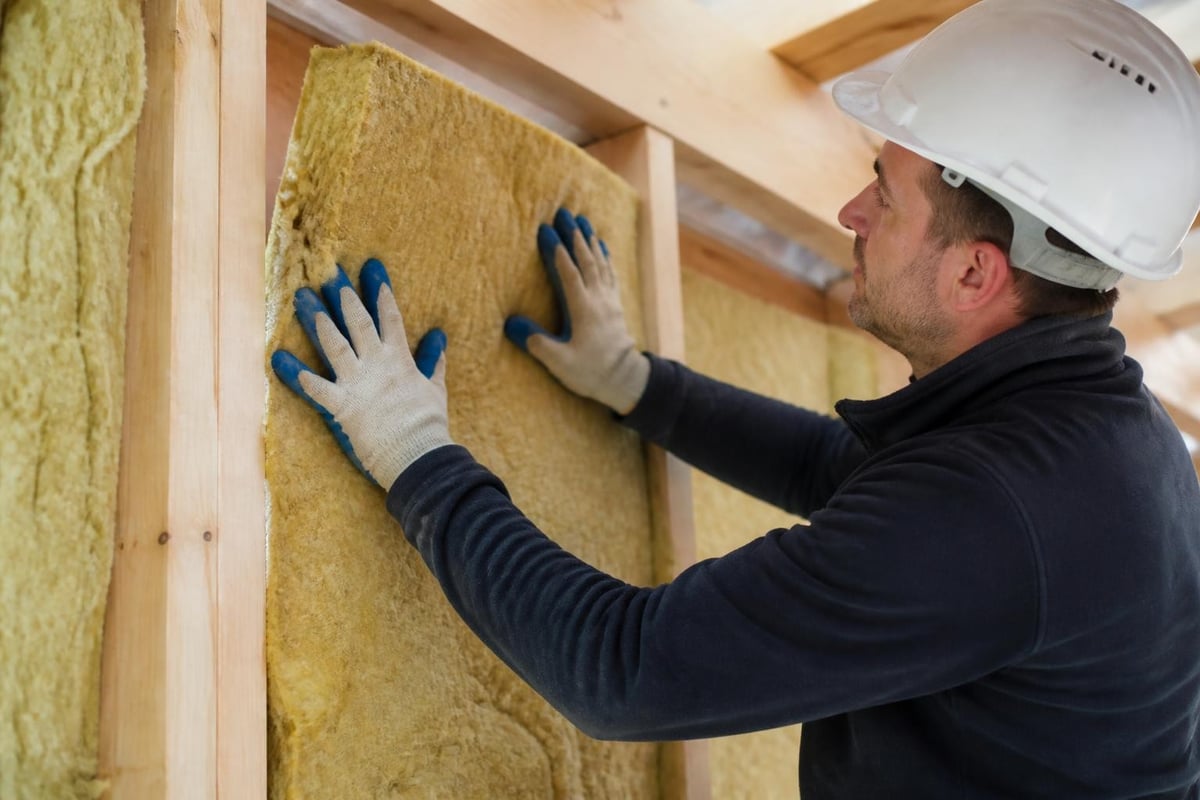
Professional installation or careful DIY work following manufacturer guidelines ensures rated R-values translate into real-world energy savings.
Comparing Performance and Value
Selecting heat insulating materials requires balancing thermal performance, cost, longevity, and installation ease.
Cost-Effectiveness Analysis
Initial material cost represents only one factor in total ownership expense. Consider:
- Installation labour: DIY-friendly materials save professional installation costs
- Energy savings: Higher R-values reduce heating and cooling bills
- Lifespan: Quality materials last 40+ years without degradation
- Maintenance: Sealed systems require no ongoing maintenance
A cost comparison over 25 years typically shows that investing in higher R-value materials delivers better value than choosing minimum code compliance. The energy savings compound year after year.
Environmental Impact
Embodied energy varies significantly across heat insulating materials. Manufacturing processes, raw material sources, and recyclability all contribute to environmental footprint.
| Material | Recycled Content | Embodied Energy | End-of-Life |
|---|---|---|---|
| Glasswool | Up to 80% | Moderate | Recyclable |
| Polyester | Up to 100% | Moderate | Recyclable |
| XPS/EPS | 0-10% | High | Limited recycling |
| Natural fibres | Varies | Low | Biodegradable |
Modern glasswool manufacturing uses high recycled content and bio-based binders, significantly reducing environmental impact compared to earlier formulations.
Health and Safety Considerations
Heat insulating materials vary in handling safety and indoor air quality impacts. Modern products eliminate many concerns associated with older insulation types.
Handling safety:
- Glasswool: Wear gloves, long sleeves; low-dust formulations available
- Polyester: No protective equipment required; comfortable to handle
- Foam boards: Dust mask when cutting; no fibres
Indoor air quality:
- Formaldehyde-free binders standard in quality products
- Minimal VOC emissions after installation
- Proper installation prevents fibre release into living spaces
Always follow manufacturer safety guidelines during installation. Proper ventilation during and after installation ensures any manufacturing residues dissipate quickly.
Maximising Performance Through System Design
Individual heat insulating materials perform best when integrated into comprehensive thermal envelope strategies.
Combining Bulk and Reflective Insulation
Layered systems deliver superior performance in Australian climates. Bulk insulation in ceiling cavities combined with reflective barriers in roof spaces addresses both conductive and radiant heat transfer.
Summer benefits include:
- Reflective barrier reduces radiant heat from hot roof
- Air gap enhances thermal resistance
- Bulk insulation prevents remaining heat reaching ceiling
- Interior temperatures stay comfortable
Winter benefits include:
- Bulk insulation traps heated air inside
- Reflective barrier reduces radiant loss
- Combined R-value exceeds either component alone
Addressing Thermal Bridging
Even the best heat insulating materials can't overcome thermal bridges where structural elements bypass insulation. Timber or steel studs conduct heat around batts, reducing wall assembly performance by 20-40%.
Strategies to minimise thermal bridging:
- Use continuous external insulation where possible
- Select advanced framing techniques that reduce timber content
- Install insulated sheathing over studs
- Ensure complete coverage at all junctions and penetrations
Optimisation research examines how strategic insulation placement maximises thermal performance while managing material costs. Prioritising weak points in the thermal envelope delivers better results than uniform upgrades.
Integration with Ventilation and Moisture Control
Sealed building envelopes require mechanical ventilation to maintain indoor air quality. Heat recovery ventilation systems capture thermal energy from exhaust air, preventing waste while ensuring fresh air supply.
Moisture control strategies work alongside heat insulating materials:
- Vapour barriers on warm side of insulation
- Breathable wraps on cold side allow moisture escape
- Adequate ventilation prevents condensation
- Proper flashing and drainage around openings
Standards and Testing for Heat Insulating Materials
Australian standards ensure heat insulating materials meet minimum performance and safety requirements.
Australian Standards Compliance
AS/NZS 4859 series covers thermal insulation materials for buildings. These standards specify:
- Test methods for thermal resistance
- Product labelling requirements
- Installation guidelines
- Fire performance classifications
- Compressive strength testing
ASTM thermal insulation standards provide additional testing protocols recognised internationally. These comprehensive specifications ensure material performance and safety across different applications.
CodeMark Certification
CodeMark certification demonstrates compliance with National Construction Code requirements. Products carrying CodeMark have undergone rigorous independent assessment covering:
- Structural adequacy
- Fire safety performance
- Health and amenity factors
- Building fabric durability
- Energy efficiency contribution
Choosing CodeMark certified heat insulating materials simplifies compliance verification during building approval processes.
Performance Verification
NVLAP accreditation requirements ensure testing laboratories meet quality standards. Verified test results provide confidence in manufacturer R-value claims.
Reputable suppliers provide comprehensive technical data including:
- Certified R-values at multiple thicknesses
- Fire performance ratings
- Thermal conductivity curves
- Installation specifications
- Warranty information
Climate Zone Considerations for Victoria
Victoria spans multiple climate zones, each with different heating and cooling requirements affecting optimal heat insulating materials selection.
Melbourne sits in Climate Zone 6, requiring balanced heating and cooling performance. Minimum R-values include R4.0 ceilings, R2.5 walls, and R1.0 floors in typical construction.
Regional Victoria experiences greater temperature extremes. Colder areas like the High Country benefit from higher R-values, particularly R6.0 or R7.0 ceiling insulation.
Coastal regions prioritise moisture-resistant heat insulating materials due to higher humidity. Proper vapour management prevents condensation problems within building assemblies.
Seasonal Performance Optimisation
Victorian homes need insulation that performs year-round. Summer heat waves demand excellent thermal resistance to prevent solar heat gain. Winter cold spells require the same materials to retain heated air inside.
Summer strategy:
- High R-value ceilings block radiant heat
- Reflective barriers in roof spaces
- Wall insulation prevents afternoon sun penetration
- Underfloor insulation maintains cool floor temperatures
Winter strategy:
- Same high R-values trap heated air inside
- Eliminate draughts through sealed installation
- Thermal mass works with insulation to stabilise temperature
- Underfloor insulation prevents cold floor discomfort
Quality heat insulating materials deliver value across all seasons without requiring seasonal adjustments.
Making Your Purchase Decision
With clear understanding of heat insulating materials, you're ready to select products for your specific project.
Measuring Your Space
Accurate measurements prevent material shortages and minimise waste:
- Calculate ceiling area (length × width for each room)
- Measure wall stud spacing and cavity depth
- Count floor joists and measure spacing
- Add 5-10% for cuts and irregular spaces
- Note any compression zones or obstacles
Matching Materials to R-Value Requirements
Check your local climate zone requirements, then select heat insulating materials meeting or exceeding minimum R-values. Consider future-proofing with higher ratings if budget allows.
The R-value collections make it easy to browse products by thermal performance, helping you find materials that match your specifications exactly.
Professional vs DIY Installation
Many heat insulating materials suit DIY installation, while others require professional expertise:
DIY-friendly materials:
- Batts for accessible ceiling spaces
- Wall batts during renovation
- Underfloor batts with adequate access
- Reflective foil systems
Professional recommended:
- Blown-in insulation
- Spray foam applications
- Retrofit wall insulation
- Complex roof systems
Selecting the right heat insulating materials transforms home comfort and energy efficiency while delivering long-term value through reduced heating and cooling costs. Understanding the properties, applications, and performance characteristics of different materials empowers you to make confident decisions suited to your specific needs and climate. Whether you're upgrading ceiling insulation, improving wall thermal performance, or tackling an underfloor project, Insulation Supplies Australia stocks the quality products you need with expert guidance to help you choose correctly. Browse our comprehensive range online, compare R-values and specifications, and enjoy fast delivery across Victoria with competitive pricing on every order.