

Many Australian homeowners start their search for garage insulation at major hardware retailers, typing "garage door insulation kit bunnings" into search engines. While Bunnings offers some garage door insulation options, understanding what makes an effective garage door insulation solution will help you make the right choice for your home's energy efficiency, comfort, and long-term performance. This guide explores garage door insulation kits, what to look for when comparing products, installation considerations, and how to maximise thermal performance in your garage space.
Understanding Garage Door Insulation Kits
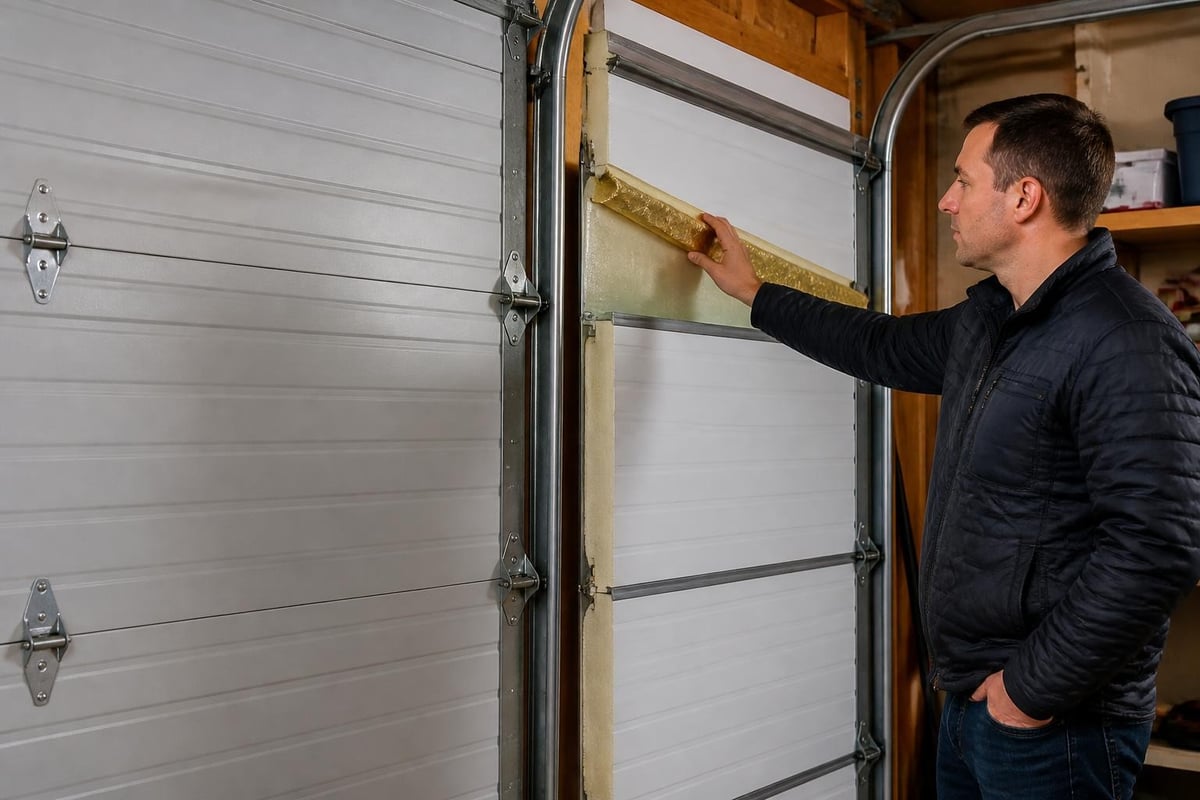
A garage door insulation kit typically contains pre-cut panels or batts designed to fit between the structural sections of a standard garage door. These kits aim to reduce heat transfer through the door, creating a thermal barrier between your garage interior and outside temperatures.
The most common materials found in garage door insulation kits include:
- Polystyrene foam boards (both expanded and extruded varieties)
- Reflective foil-faced panels with air cell or foam cores
- Fibreglass batts cut to fit garage door sections
- Polyurethane foam panels offering higher R-values in thinner profiles
Why Garage Door Insulation Matters
Your garage door represents one of the largest single surfaces in your home's thermal envelope. Without proper insulation, it becomes a major pathway for heat gain during summer and heat loss during winter.
According to research on garage door insulation benefits, insulating your garage door can reduce energy transfer by up to 70% compared to uninsulated doors. This improvement becomes especially important if your garage shares a wall with living spaces, sits beneath bedrooms, or houses a workshop where you spend significant time.
What to Look for in a Garage Door Insulation Kit
Not all garage door insulation kits deliver the same performance. When searching for a garage door insulation kit bunnings or other retailers offer, evaluate these critical factors before making your purchase.
R-Value and Thermal Performance
The R-value measures thermal resistance, with higher numbers indicating better insulation performance. For Australian climates, particularly in Victoria's variable conditions, aim for these minimum R-values:
| Climate Zone | Minimum R-Value | Recommended R-Value |
|---|---|---|
| Melbourne Metro | R1.5 | R2.0 - R2.5 |
| Coastal Victoria | R1.5 | R2.0 |
| Regional Victoria | R2.0 | R2.5 - R3.0 |
Many basic kits available at hardware stores provide R-values between R1.0 and R1.5, which may not deliver optimal performance for year-round comfort.
Material Quality and Durability
Consider how the insulation material will perform over time in a garage environment. Garages experience temperature swings, moisture exposure, and occasional impacts from stored items or vehicles.
Polystyrene panels resist moisture well and maintain their R-value over time. Fibreglass batts offer excellent thermal performance but may compress or settle if not properly contained. Reflective foil products work best when combined with an air gap, which can be challenging to maintain in garage door applications.
Installation System and Ease of Use
The best garage door insulation kit bunnings or any supplier provides should include a straightforward installation system. Look for kits that offer:
- Pre-cut panels sized for standard garage door sections
- Adhesive backing or clips for secure attachment
- Clear installation instructions with diagrams
- All necessary fasteners and fixing components
Installation difficulty varies significantly between products. Some kits require extensive cutting and fitting, while others feature panels that snap into place within minutes.
Alternative Solutions to Consider
While searching for a garage door insulation kit bunnings stocks might seem convenient, exploring specialised insulation products often yields better long-term results. Professional-grade insulation materials designed for building applications typically offer superior thermal performance and durability.
For garage door insulation projects, consider these approaches:
Custom-Cut Rigid Board Insulation
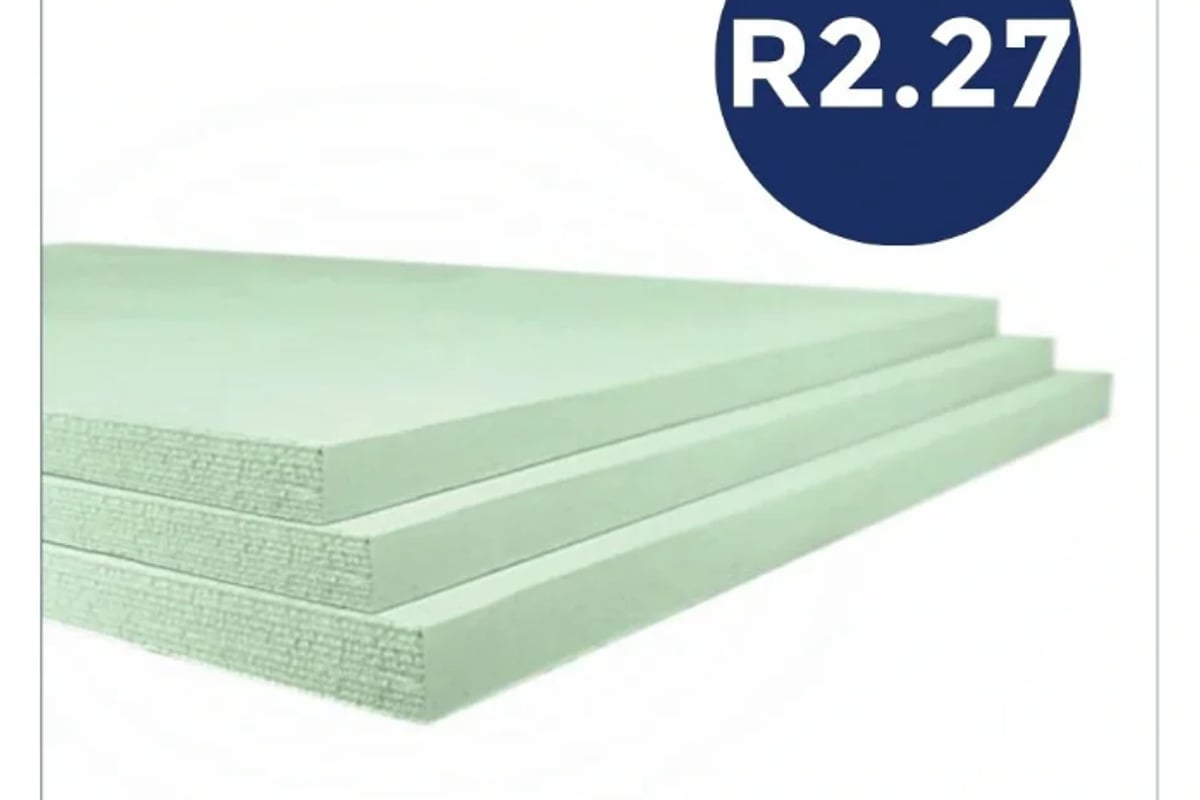
Using rigid insulation boards designed for construction projects allows you to create a custom solution tailored to your specific garage door dimensions. Products like extruded polystyrene (XPS) boards offer excellent moisture resistance and consistent R-values.
When properly cut and installed, rigid board insulation can deliver R-values between R2.0 and R3.0 depending on thickness. The Styroboard XPS Insulation Board 75mm x 600mm x 2400mm R2.27 350kPa provides an excellent solution for this application, combining high thermal resistance with superior moisture management and compressive strength that handles the occasional bump or impact common in garage environments.
Reflective Foil Underlay Systems
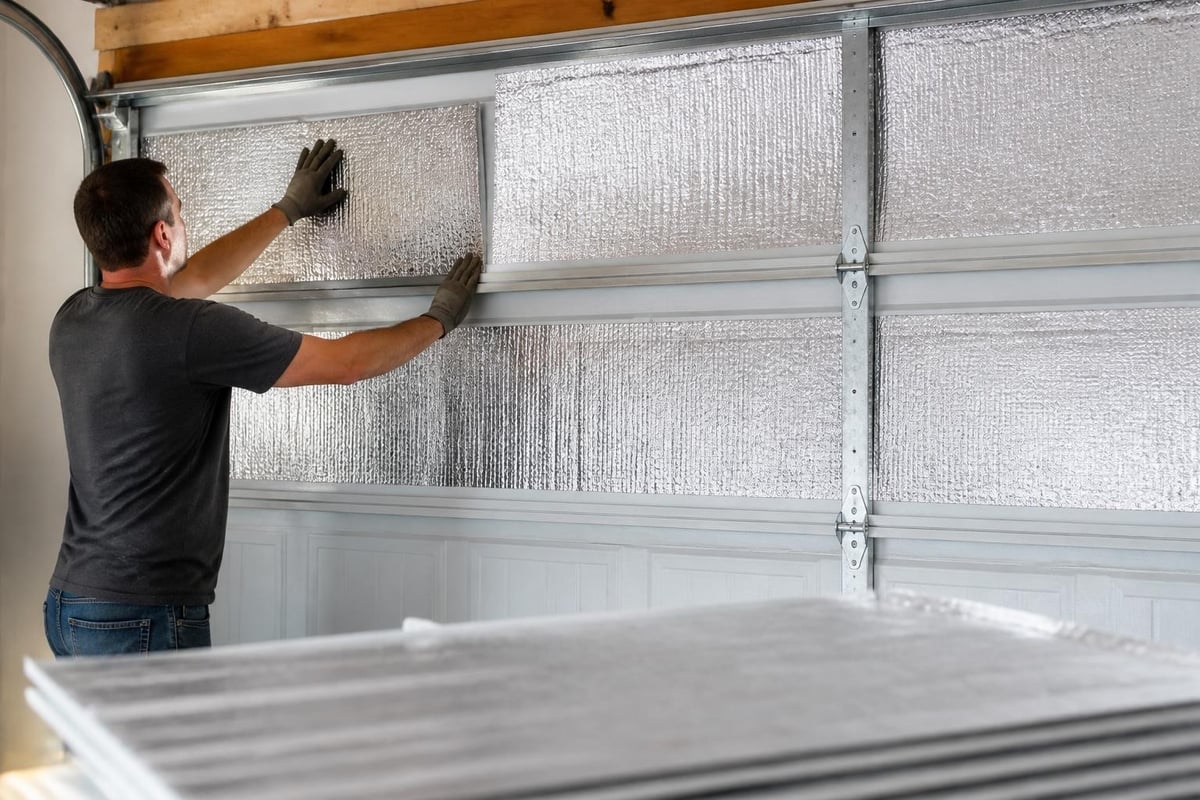
Combining reflective foil layers with air gaps creates effective radiant barriers that complement traditional insulation materials. This approach works particularly well in Australian climates where radiant heat from summer sun can make garages uncomfortably hot.
Professional Glasswool Blankets
For garages attached to living spaces or used as workshops, high-quality glasswool insulation blankets offer outstanding thermal and acoustic performance. These products reduce both temperature transfer and noise transmission.
You can explore various options through Insulation Supplies Australia to find the right combination of thermal performance and budget for your project.
Installation Process and Best Practices
Whether you choose a garage door insulation kit bunnings offers or opt for professional-grade materials, proper installation determines your results. Follow these steps for successful garage door insulation.
Preparation and Safety
- Clean the door thoroughly - Remove dirt, grease, and debris from all surfaces
- Measure each panel section - Account for frame edges and panel variations
- Gather your tools - Utility knife, straight edge, tape measure, adhesive or clips
- Work safely - Wear gloves, eye protection, and a dust mask when cutting materials
Installation Steps
Step 1: Measure and Cut Measure each garage door panel section individually. Even factory-made doors have slight variations. Cut insulation pieces 10-15mm smaller than the opening to allow for easy fitting and thermal expansion.
Step 2: Apply Adhesive or Fasteners Follow manufacturer guidelines for attachment. Most foam boards use construction adhesive applied in a grid pattern. Some systems use specialised clips that snap into the door's interior frame.
Step 3: Install Panels Press insulation firmly into place, ensuring full contact with the door surface. Work from bottom to top to prevent panels from falling during installation.
Step 4: Seal Edges Use foam sealant or tape around panel edges to prevent air gaps. Even small gaps can significantly reduce overall thermal performance.
Common Installation Mistakes to Avoid
- Compressing insulation reduces its R-value and effectiveness
- Leaving air gaps allows convective heat transfer to bypass the insulation
- Using insufficient adhesive leads to panels falling off over time
- Blocking garage door hardware can interfere with safe operation
- Ignoring weight limits may strain garage door springs and openers
Comparing Performance: Kit Products vs Professional Materials
Understanding the real-world performance difference between basic garage door insulation kits and professional insulation products helps justify your investment.
| Feature | Basic Retail Kits | Professional Materials |
|---|---|---|
| Typical R-Value | R1.0 - R1.5 | R2.0 - R3.0+ |
| Moisture Resistance | Variable | Excellent (XPS, closed-cell) |
| Longevity | 3-5 years | 10+ years |
| Installation Time | 2-4 hours | 3-5 hours |
| Material Cost (std 2-car door) | $150 - $250 | $200 - $400 |
While professional materials cost moderately more upfront, their superior performance and durability deliver better value over the insulation's lifetime. According to Tom's Guide research on garage door energy efficiency, proper garage door insulation can reduce heating and cooling costs by 10-15% in homes with attached garages.
Beyond the Door: Comprehensive Garage Insulation
While focusing on your garage door insulation kit bunnings search addresses one important component, truly comfortable and energy-efficient garages require a holistic approach to thermal management.
Walls and Ceiling Insulation
The garage door represents only one surface in the total garage envelope. Walls and ceilings typically offer much easier access for installing high-performance insulation.
For garage walls, consider:
- R2.5 to R3.0 batts between studs in standard timber frames
- R4.0 batts for improved thermal and acoustic separation from living spaces
- Continuous insulation behind internal linings to eliminate thermal bridging
Ceiling insulation proves even more critical since heat rises, making uninsulated garage ceilings major thermal weak points. Standard ceiling insulation products suitable for homes work equally well in garage applications.
Weatherproofing and Air Sealing
Air leaks around doors, windows, and service penetrations often cause more energy loss than insufficient insulation R-values. Address these common air leakage points:
- Door threshold seals - Replace worn rubber seals along the garage door bottom
- Side and top door seals - Install or replace weatherstripping around the door perimeter
- Window frames - Seal gaps between frames and rough openings
- Wall penetrations - Fill gaps around pipes, cables, and vents with expanding foam
The Overhead Doors insulation guide emphasises that combining proper insulation with comprehensive air sealing delivers the best performance outcomes.
Acoustic Benefits of Garage Door Insulation
Beyond thermal performance, garage door insulation significantly reduces noise transmission. This benefit matters whether you're trying to:
- Reduce traffic noise entering your garage workspace
- Prevent garage noise from disturbing living spaces
- Create a quieter environment for hobbies and projects
- Minimise early morning disturbance when leaving for work
Denser insulation materials provide better acoustic performance. Glasswool products typically outperform foam boards for sound absorption, though both offer meaningful improvements over uninsulated metal doors.
Cost Considerations and Return on Investment
Evaluating the true cost of garage door insulation requires looking beyond the initial purchase price of a garage door insulation kit bunnings or other retailers stock.
Total Project Costs
DIY Installation with Basic Kit:
- Kit materials: $150 - $250
- Additional sealants and adhesives: $20 - $40
- Tools (if not owned): $30 - $60
- Total: $200 - $350
DIY Installation with Professional Materials:
- Insulation boards/batts: $200 - $400
- Adhesive and fasteners: $30 - $60
- Weatherstripping and sealants: $40 - $80
- Total: $270 - $540
Energy Savings and Payback
For a typical Melbourne garage attached to living spaces, proper insulation can reduce heating and cooling energy costs by $100 - $200 annually. This creates a payback period of 2-5 years depending on your chosen materials and installation approach.
GoodLeap's analysis of garage door insulation found that homes in moderate climates see the fastest payback periods, making this improvement particularly valuable for Victorian homeowners.
Special Considerations for Different Garage Types
Your garage configuration influences the best insulation approach. Consider these factors when planning your project.
Attached vs Detached Garages
Attached garages sharing walls with living spaces require higher insulation standards. Prioritise insulating the common wall and ceiling if the garage sits beneath occupied rooms. The garage door becomes secondary to these critical surfaces.
Detached garages used primarily for vehicle storage may not justify extensive insulation investment unless you use the space for workshops, hobbies, or temperature-sensitive storage.
Workshop and Multi-Purpose Garages
Garages serving as workshops, home gyms, or hobby spaces deserve the same insulation quality as living areas. In these applications, searching for just a garage door insulation kit bunnings offers won't deliver the comfort you need.
Instead, implement comprehensive insulation:
- Ceiling: R3.5 - R5.0 depending on climate zone
- Walls: R2.5 - R3.5 with acoustic benefits for sound control
- Door: R2.0 - R3.0 for balanced thermal performance
- Floor: Consider insulated floor systems if working on concrete slabs during winter
Heritage and Character Homes
Older homes with character garage doors may have unique panel configurations that don't match standard insulation kit dimensions. Custom-cut rigid board insulation offers the flexibility needed for these applications while preserving the door's appearance.
Maintenance and Long-Term Performance
Proper maintenance ensures your garage door insulation continues delivering optimal performance for years after installation.
Regular Inspections
Check insulation panels every six months for:
- Adhesive failure - Reattach any loose panels immediately
- Compression or damage - Replace damaged sections to maintain R-value
- Moisture intrusion - Address any water sources causing saturation
- Pest activity - Seal entry points and replace affected insulation
Seasonal Adjustments
Victoria's variable climate creates different insulation demands throughout the year. During summer, ensure adequate ventilation prevents heat buildup. In winter, verify weatherstripping remains effective against cold drafts.
Upgrading Over Time
As garage door insulation materials age or your garage usage patterns change, consider upgrades. Newer insulation products often offer improved performance in thinner profiles, making replacement worthwhile after 10-15 years.
Professional Help vs DIY Installation
While installing a garage door insulation kit bunnings provides suits most DIYers, some situations warrant professional assistance.
When to DIY
- Standard residential garage doors with regular panel configurations
- Good basic handyman skills and tool access
- Time and patience for careful measurement and cutting
- Physically capable of working overhead for extended periods
When to Hire Professionals
- Custom or unusual garage door configurations
- Limited DIY experience or confidence
- Doors with complex spring systems requiring adjustment after insulation
- Desire for warranty coverage on installation workmanship
For those preferring professional installation, many insulation suppliers offer installation services connecting you with experienced installers familiar with best practices for your specific products and applications.
Environmental Impact and Sustainability
Choosing sustainable insulation materials reduces your project's environmental footprint while maintaining excellent performance.
Eco-Friendly Material Options
Modern insulation products increasingly incorporate recycled content and sustainable manufacturing processes. When comparing garage door insulation options:
- Glasswool products often contain 80% or more recycled glass content
- XPS and EPS foam boards made with non-ozone-depleting blowing agents
- Reflective foil products using recycled aluminium facing materials
Lifecycle Considerations
Superior durability means professional-grade insulation materials require replacement less frequently, reducing long-term material consumption and waste. This sustainability advantage complements the ongoing energy savings these products deliver.
Regional Climate Considerations for Victoria
Victoria's diverse climate zones require different insulation approaches depending on your location.
Melbourne Metropolitan Area
Melbourne's temperate climate with hot summers and cool winters benefits from balanced insulation that manages both heat gain and heat loss. R2.0 to R2.5 garage door insulation combined with comprehensive weatherproofing delivers excellent results.
Coastal Regions
Coastal areas experience milder temperature extremes but higher humidity. Choose moisture-resistant insulation materials like closed-cell foam boards or properly faced glasswool products to prevent moisture-related performance degradation.
Alpine and Regional Areas
Colder inland regions require higher R-values for comfortable winter conditions. Targeting R2.5 to R3.0 for garage doors, combined with R4.0+ ceiling insulation, creates truly functional garage spaces year-round.
For climate-specific guidance, contact Insulation Supplies Australia for expert advice tailored to your location and garage configuration.
Making Your Purchase Decision
Armed with comprehensive knowledge about garage door insulation options, you're ready to make an informed purchase decision. Rather than defaulting to whatever garage door insulation kit bunnings has in stock, evaluate your options based on:
Performance Requirements:
- Required R-value for your climate zone
- Acoustic performance if noise reduction matters
- Moisture resistance based on your garage's conditions
Budget Considerations:
- Initial material costs
- Installation labour (DIY vs professional)
- Long-term energy savings
- Lifespan and replacement frequency
Installation Factors:
- Your DIY skill level and available time
- Door configuration and any special requirements
- Tool and equipment availability
Quality Expectations:
- Desired product longevity
- Manufacturer reputation and product warranties
- Material performance track record
For the widest selection of professional-grade insulation materials suitable for garage door applications and complete garage insulation projects, Insulation Supplies Australia offers expert guidance, competitive pricing, and convenient delivery throughout Victoria.
Proper garage door insulation transforms uncomfortable, energy-wasting spaces into functional, efficient areas that enhance your home's overall performance. While a basic garage door insulation kit bunnings stocks might seem like the easiest option, professional-grade materials deliver superior thermal performance, better durability, and greater long-term value. Whether you're creating a comfortable workshop, protecting living spaces from garage temperature extremes, or simply reducing energy costs, investing in quality insulation materials pays dividends for years to come. Insulation Supplies Australia provides Victoria's homeowners and renovators with expert advice, quality products, and the support needed to complete successful garage insulation projects that deliver lasting comfort and efficiency.