

Foil bubble wrap insulation has become a popular choice for Australian homeowners and renovators looking for lightweight, affordable thermal barriers. This reflective insulation combines aluminium foil layers with polyethylene bubble wrap to create a product that reflects radiant heat rather than absorbing it. While it works differently from traditional bulk insulation like glasswool or polyester batts, foil bubble wrap can be highly effective in specific applications when installed correctly. Understanding where and how to use this product helps you make smarter decisions for your renovation or building project.
What Is Foil Bubble Wrap and How Does It Work
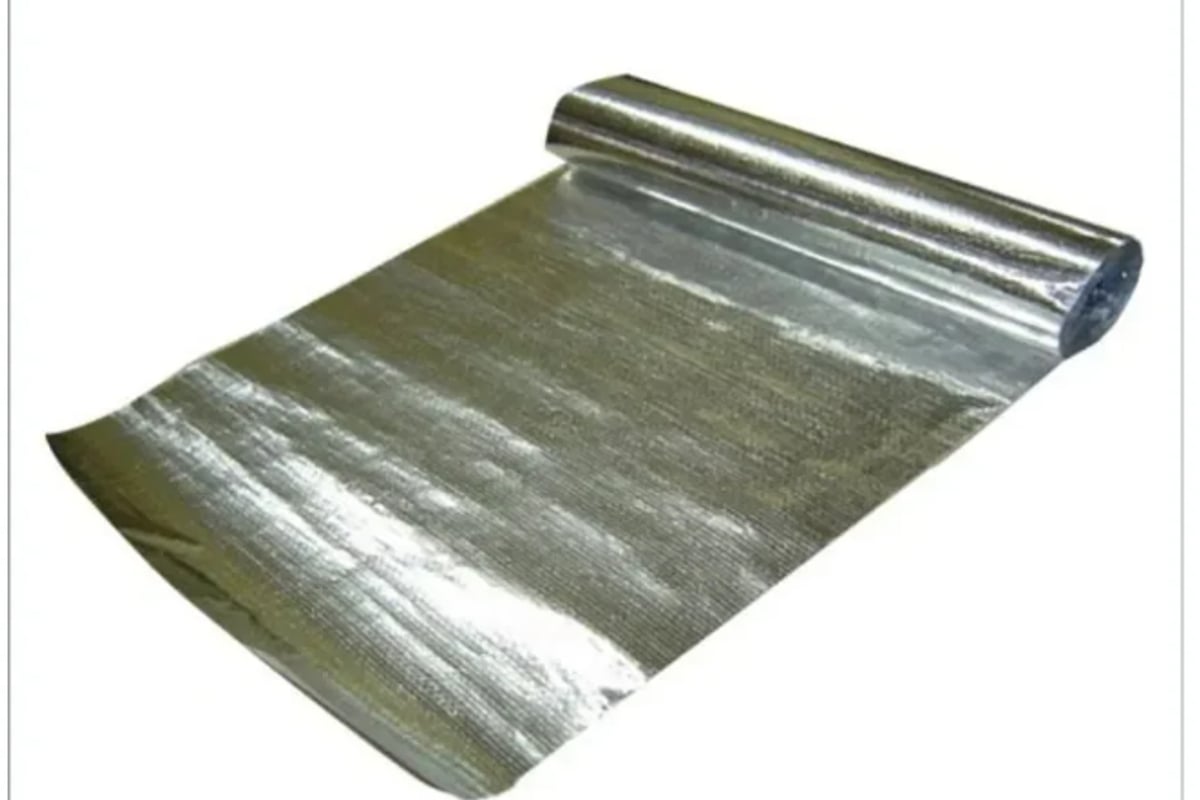
Foil bubble wrap consists of one or two layers of aluminium foil bonded to polyethylene bubble wrap. The aluminium provides a reflective surface that bounces radiant heat away, while the bubble layer adds a small amount of thermal resistance and creates an air gap between the foil and building surfaces.
Unlike bulk insulation that slows conductive and convective heat transfer through thick material, foil bubble wrap primarily addresses radiant heat. This makes it particularly effective in Australian climates where radiant heat from the sun can account for a significant portion of heat gain through roofs and walls.
The Science Behind Reflective Insulation
When sunlight hits your roof, it heats the roof surface, which then radiates heat downward into your ceiling space. A reflective surface can bounce up to 97% of this radiant heat back, preventing it from entering your living areas. This principle makes foil bubble wrap especially valuable in ceiling and underfloor applications.
The air pockets in the bubble layer provide additional insulation value, though modest compared to thicker bulk materials. The real performance comes from combining the reflective properties with an adjacent air gap, creating a system that resists heat flow.
Where to Use Foil Bubble Wrap Effectively
Foil bubble wrap performs best in specific building locations where radiant heat control matters most. Choosing the right application ensures you get maximum value from this insulation type.
Underfloor applications rank among the most effective uses for foil bubble wrap. When installed beneath suspended timber floors, it creates a radiant barrier that reflects heat back into your home during winter and prevents ground-based heat from radiating upward in summer. Products like the Underfloor Wrap Reflective Foil Insulation provide both thermal performance and moisture protection, helping maintain comfortable floor temperatures year-round while reducing drafts from below.
Roof and Ceiling Spaces
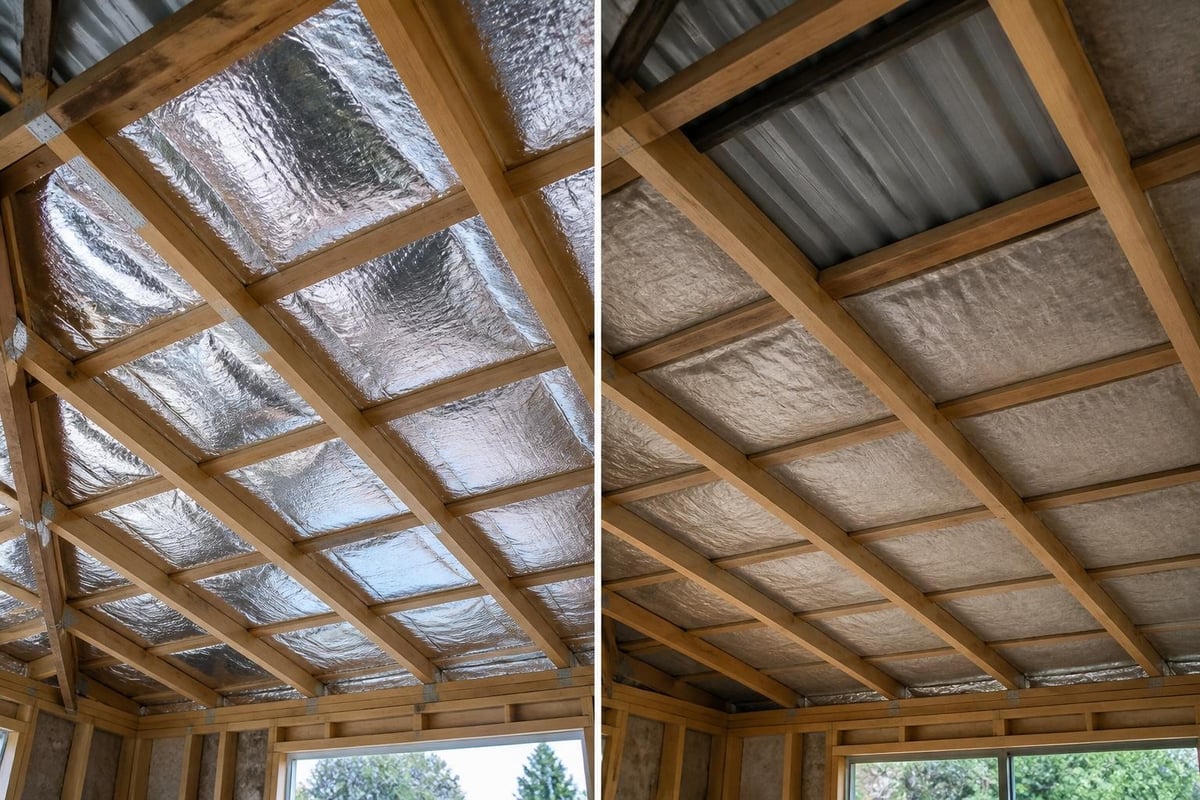
In roof and ceiling applications, foil bubble wrap can supplement bulk insulation or serve as a standalone solution in less demanding climates. Installing it beneath roof rafters creates an air gap between the foil and roof sheeting, maximising its reflective performance.
For ceiling applications, consider these installation points:
- Install with the foil facing downward toward living spaces
- Maintain at least 25mm air gap between foil and roof or ceiling
- Ensure proper ventilation to prevent condensation
- Secure firmly to prevent sagging and maintain air gaps
Wall Cavities and External Applications
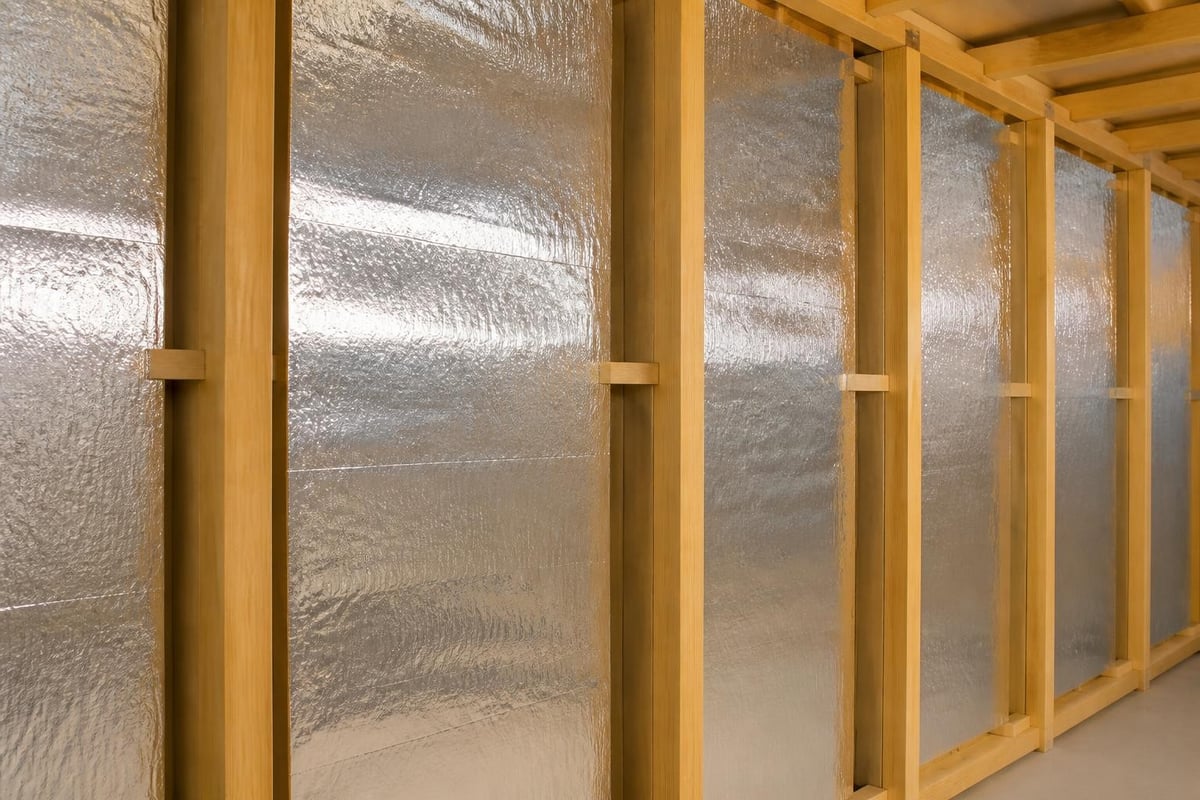
Wall cavity installations benefit from foil bubble wrap when space limitations prevent using thicker bulk insulation. The slim profile makes it suitable for timber frame walls where maintaining cavity width matters.
External wall wrapping with foil-faced products provides wind and weather protection while adding a modest thermal boost. Combined with cavity insulation, this layered approach improves overall wall performance.
Understanding R-Values and Performance Ratings
R-values measure thermal resistance, indicating how well a material resists heat flow. Foil bubble wrap typically achieves R-values between R0.5 and R1.2 when installed with proper air gaps, though this varies based on product thickness, number of foil layers, and installation method.
The RIMA International Verification Program provides third-party testing and certification for reflective insulation products, helping consumers verify manufacturer claims through independent assessment.
| Product Type | Typical R-Value | Best Application | Key Benefit |
|---|---|---|---|
| Single bubble, single foil | R0.5 - R0.7 | Underfloor wrapping | Lightweight, economical |
| Single bubble, double foil | R0.7 - R1.0 | Roof sarking | Enhanced reflection |
| Double bubble, double foil | R1.0 - R1.2 | Wall cavities | Maximum reflective performance |
How Installation Affects Performance
Installation quality dramatically impacts foil bubble wrap effectiveness. Without proper air gaps, the reflective properties diminish significantly. An air space of at least 25mm on the reflective side allows radiant heat to be reflected before it conducts through to adjacent materials.
Temperature differential also matters. Foil bubble wrap performs best when substantial temperature differences exist between the two sides of the material, making it particularly effective during hot Australian summers when roof temperatures soar.
Combining Foil Bubble Wrap with Bulk Insulation
Many high-performance insulation systems combine reflective and bulk insulation for comprehensive thermal control. This hybrid approach addresses both radiant and conductive heat transfer, delivering superior results compared to either product alone.
In ceiling installations, use bulk insulation batts between ceiling joists for their high R-value, then add foil bubble wrap beneath roof rafters as a radiant barrier. This combination reduces summer heat gain significantly while maintaining excellent winter warmth retention.
Benefits of combining insulation types:
- Enhanced total system R-value
- Better control of different heat transfer mechanisms
- Improved moisture management
- Greater year-round comfort
- Higher energy efficiency ratings
For renovators working with existing insulation, adding foil bubble wrap can boost performance without removing installed bulk materials. This approach suits budget-conscious projects where maximising value from current insulation matters.
The National Construction Code provides minimum insulation requirements for Australian buildings, and combining products helps meet or exceed these standards across different climate zones. Victoria's climate requires careful attention to both heating and cooling loads, making hybrid systems particularly valuable.
Installation Tips and Best Practices
Proper installation ensures foil bubble wrap delivers its promised thermal performance. Following manufacturer guidelines and building standards prevents common mistakes that reduce effectiveness.
Preparation and Planning
Before starting installation, measure your space accurately and order sufficient material with 10% extra for overlaps and waste. Check that the product suits your specific application, whether underfloor, walls, or ceilings.
- Clean all surfaces where foil bubble wrap will contact or attach
- Identify fixing points for staples or adhesive tape
- Mark positions for any penetrations like pipes or wiring
- Ensure adequate ventilation pathways remain open
- Plan installation sequence to minimise handling and damage
Securing and Sealing
Use appropriate fasteners for your application. Staples work well for timber frames, while specialised adhesive tapes suit other surfaces. Avoid over-compressing the bubble layer, which reduces its insulating properties.
Seal all joints and overlaps with aluminium foil tape to maintain continuous reflective surface and prevent air leakage. Overlaps should be at least 100mm to ensure complete coverage without gaps.
Common Installation Mistakes to Avoid
Even experienced installers sometimes make errors that compromise foil bubble wrap performance:
- Insufficient air gap between foil and adjacent surfaces
- Compressing bubbles during installation
- Poor sealing at joins and penetrations
- Installing upside down with reflective surface facing wrong direction
- Failing to account for thermal expansion and contraction
The ASTM standard practice for installing radiant barrier systems provides detailed technical guidance on proper installation methods, though Australian conditions may require local adaptation.
Moisture Management and Condensation Control
Foil bubble wrap creates a vapour barrier that prevents moisture movement through building assemblies. While this helps control humidity, it requires careful planning to avoid condensation problems.
In underfloor applications, foil bubble wrap protects floor structures from ground moisture while preventing warm indoor air from condensing on cold surfaces beneath floors. This dual function makes it valuable in areas prone to dampness.
Ventilation Requirements
Adequate ventilation prevents moisture accumulation in roof and underfloor spaces. Even with vapour barriers installed, air circulation removes excess humidity and prevents mould growth.
Ventilation strategies include:
- Maintaining eave and ridge vents in roof spaces
- Installing underfloor vents in suspended floor systems
- Ensuring air gaps remain unobstructed
- Avoiding sealing all penetrations completely
- Balancing vapour control with airflow needs
When moisture does accumulate, it typically condenses on the coldest surface available. Proper installation with air gaps prevents the foil surface from becoming that cold spot, directing any condensation to drain harmlessly away.
Comparing Costs and Value for Money
Foil bubble wrap generally costs less per square metre than bulk insulation products, making it attractive for budget-conscious projects. However, comparing only material costs overlooks the complete value equation.
Consider total installed cost, including labour, fasteners, tapes, and any additional materials needed for proper installation. Simple installation reduces labour costs, giving foil bubble wrap an advantage in accessible locations.
| Cost Factor | Foil Bubble Wrap | Bulk Glasswool | Reflective+Bulk Combined |
|---|---|---|---|
| Material ($/m²) | Low | Medium | Medium-High |
| Installation Labour | Low | Medium | Medium-High |
| R-Value per Dollar | Moderate | High | Very High |
| Lifespan | Long (25+ years) | Long (25+ years) | Long (25+ years) |
Long-Term Energy Savings
While foil bubble wrap alone delivers modest R-values, its impact on energy bills can be significant in suitable applications. Reducing radiant heat gain in summer lowers cooling costs, while winter heat reflection helps retain warmth.
Research from Natural Resources Canada indicates reflective bubble foil products typically provide R-value ranges between R0.5 and R1.2 depending on configuration, helping homeowners set realistic expectations for energy savings.
Calculate payback period by dividing installation cost by annual energy savings. In many Australian homes, payback occurs within 3-7 years, after which all savings represent pure value.
Choosing the Right Product Specifications
Not all foil bubble wrap products offer identical performance. Understanding key specifications helps you select the best option for your project requirements.
Thickness affects both R-value and handling characteristics. Thicker products with double bubble layers provide better insulation but cost more and may prove harder to manoeuvre in tight spaces. Standard single bubble thickness runs 4-5mm, while double bubble products measure 8-10mm.
Foil layers impact reflective performance. Single-sided foil suits applications where reflection matters on only one surface. Double-sided foil maximises performance when heat needs reflecting from both directions, such as in wall cavities.
Fire Ratings and Compliance
Australian building regulations require insulation products meet specific fire safety standards. Check that your chosen foil bubble wrap carries appropriate fire ratings for its intended location.
Most quality foil bubble wrap products achieve satisfactory ratings for residential use, but commercial or high-risk applications may demand enhanced fire performance. Always verify compliance with local building codes before purchase.
Special Considerations for Victorian Homes
Victoria's climate presents unique insulation challenges with cold winters requiring heating and hot summers demanding cooling. Foil bubble wrap serves both needs when installed as part of a comprehensive thermal management strategy.
Older Victorian homes often lack cavity wall space for thick bulk insulation, making slim-profile foil bubble wrap particularly valuable. Retrofit applications benefit from its lightweight nature and simple installation without major structural work.
Heritage and Period Properties
Heritage-listed properties face restrictions on modifications that might alter original features. Foil bubble wrap's minimal visual impact and reversible installation make it suitable for sensitive heritage upgrades requiring council approval.
For renovators in Melbourne and regional Victoria, Insulation Supplies Australia stocks various foil bubble wrap options suitable for different property types and applications, backed by expert advice on product selection.
Environmental Impact and Sustainability
Foil bubble wrap offers environmental advantages through reduced energy consumption during building operation. Lower heating and cooling demands mean smaller carbon footprints over the building's lifetime.
Manufacturing impact remains relatively low compared to some bulk insulation types. Aluminium production requires significant energy, but the thin foil layers used in bubble wrap products minimise this concern.
Sustainability benefits include:
- Long service life reducing replacement needs
- Recyclable aluminium components
- Reduced operational energy consumption
- Minimal off-gassing or indoor air quality issues
- Lightweight transport reducing fuel use
Some manufacturers now offer products with recycled content, further improving environmental credentials. When eventually removed during renovations, aluminium components can be recycled through standard metal recycling programs.
Maintenance and Lifespan Expectations
Once properly installed, foil bubble wrap requires virtually no maintenance throughout its service life. The durable aluminium foil and polyethylene bubble construction resist degradation from temperature cycling, moisture exposure, and age.
Expected lifespan typically exceeds 25 years in properly ventilated applications. The foil maintains reflective properties indefinitely when protected from physical damage and corrosive environments.
When to Inspect or Replace
Periodic inspections every 5-10 years verify the material remains secure and undamaged. Look for:
- Sagging or detachment from fixing points
- Tears or punctures compromising coverage
- Deteriorated tape at joints
- Compression of bubble layer
- Water damage or corrosion
Most issues prove simple to repair with additional fasteners or fresh aluminium tape. Complete replacement rarely becomes necessary unless significant damage occurs or major renovations provide opportunity for system upgrades.
Making the Decision: Is Foil Bubble Wrap Right for You
Foil bubble wrap excels in specific applications where radiant heat control, slim profile, or moisture protection matter most. It rarely serves as the sole insulation solution for high-performance homes but plays valuable supporting roles in comprehensive thermal management systems.
Choose foil bubble wrap when you need:
- Underfloor insulation and draught barriers
- Supplementary roof cavity radiant barriers
- Slim-profile wall cavity insulation
- Moisture-resistant thermal barriers
- Cost-effective thermal improvement
Consider alternative or additional products when your primary goal involves achieving maximum R-values in ceilings or walls where space permits thicker bulk insulation. The ceiling insulation collection at Insulation Supplies Australia includes high-performance glasswool and polyester batts delivering superior R-values for demanding applications.
Budget-conscious renovators often start with foil bubble wrap in critical areas like underfloors, then add bulk insulation elsewhere as funds permit. This staged approach delivers immediate comfort improvements while building toward comprehensive whole-home insulation.
Understanding the guidance from ENERGY STAR on insulation and R-values helps position reflective products like foil bubble wrap appropriately within your overall energy efficiency strategy, ensuring realistic performance expectations.
Foil bubble wrap insulation offers Australian homeowners an effective, affordable solution for controlling radiant heat in underfloor, roof, and wall applications when installed with proper air gaps and ventilation. While it won't replace high R-value bulk insulation in all applications, it delivers excellent value in the right locations and works brilliantly as part of hybrid insulation systems. Whether you're tackling a complete home renovation or targeting specific problem areas, Insulation Supplies Australia provides quality foil bubble wrap products, expert guidance, competitive prices, and fast delivery across Victoria to help you create a more comfortable, energy-efficient home.